
Reviewed · YOKOHAMA DAY TRIPS
【50 mins】 City lights HelicopterTour: Tokyo and Yokohama plan
A helicopter ride at night feels different fast. This private Tokyo-and-Yokohama plan floats over major landmarks like Skytree, Rainbow Bridge, Tokyo Tower, Shinjuku, and Yokohama Harbour, with 50 minutes of flight time to watch lights spread out below. It’s the kind of view you can’t really replicate from a train window or a hotel balcony.
Two things I really like: the sense of safety and calm from friendly hosts and an experienced pilot, and the way the city lighting sharpens after dark, including LED screens and street-light patterns in busy areas. The main drawback to consider is the price: it’s $2,002.26 per group (up to 3), so it’s best if you’re splitting costs or you’re certain you’ll treasure the experience.
In This Review
- Key highlights to pay attention to
- Night Over Tokyo and Yokohama: what the 50-minute flight really delivers
- Funabashi Heliport start: where you’ll meet and how to prepare
- Skytree and Rainbow Bridge: the aerial landmarks that make the night work
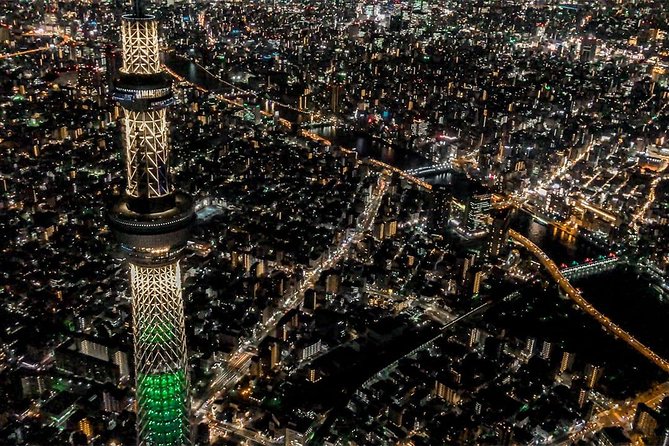
- Tokyo Skytree from above
- Rainbow Bridge and the bay-line glow
- Tokyo Tower and Shinjuku after dark: LED screens and dense-city texture
- Tokyo Tower: a classic skyline marker
- Shinjuku: where the city goes from lights to patterns
- Yokohama Harbour: why the finish feels like a change of pace
- Price and group size: is $2,002.26 per group worth it?
- Safety, limits, and weather: the practical side you should respect
- Sunset timing: what to ask for if you want the best lights
- Who should book this Tokyo-and-Yokohama night helicopter flight
- Should you book this Tokyo-and-Yokohama night helicopter tour?
- FAQ
- Where does the helicopter tour depart from?
- How long is the flight time?
- Is this tour private?
- How many people are included per booking?
- What sights do you see during the flight?
- What is the price?
- What happens if weather is bad?
- Do you get a mobile ticket?
- Is there a weight limit?
- Can you participate if you went diving recently?
Key highlights to pay attention to
- 50 minutes in the air over Tokyo and Yokohama, not just a quick hop
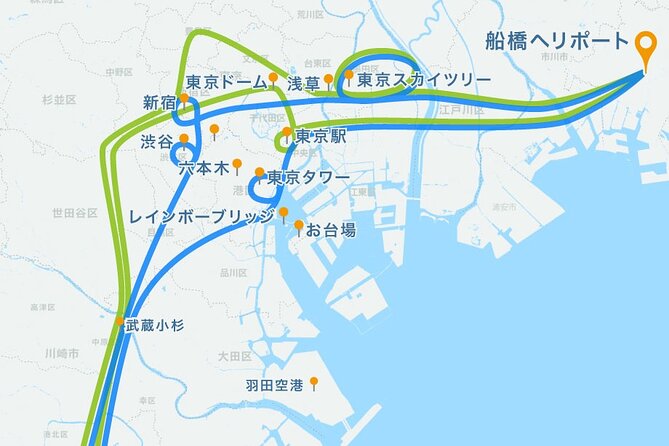
- Landmark-to-landmark route: Skytree, Rainbow Bridge, Tokyo Tower, Shinjuku, Yokohama Harbour
- Private group of up to 3, so you’re not stacked with strangers
- Night views with real texture, especially around dense neon and big screens
- Weather-dependent scheduling, so plan for the chance of cancellation and rebooking
Night Over Tokyo and Yokohama: what the 50-minute flight really delivers
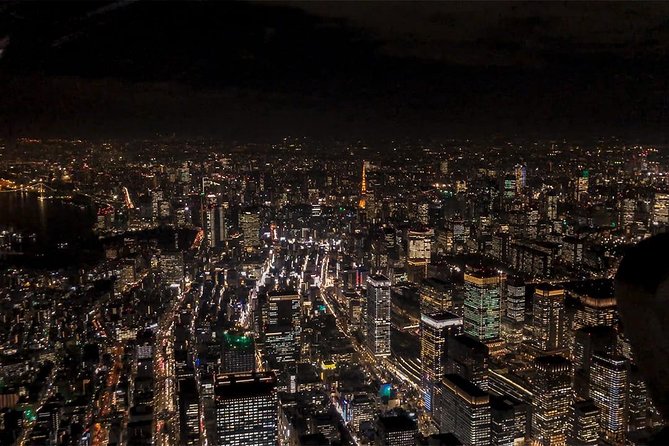
Night helicopter flying isn’t just about seeing pretty lights. It’s about seeing structure. From above, Tokyo stops being a blur and starts looking like a real map—major corridors, bridge lines, and the thick blocks of Shinjuku snap into focus.
This plan gives you over 50 minutes of flight time, which matters. With shorter rides, you spend half your time getting oriented. Here, you get enough time to actually watch the city evolve as you cross different zones: towers turn into glowing markers, the edges of the bay start showing pattern, and the densest areas look almost patterned from the air.
And you’re not stuck with one view type. You’ll move from iconic towers to water crossings to the high-signal glow of Shinjuku, then finish with Yokohama’s harbour scene. It’s a full-night-city sampler without the need to run around on foot.
The harbour city next door, reviewed
- Narita Airport: One Way Private Transfer to Tokyo|Yokohama Hotels
★ 4.5 · 69 reviews - Tokyo/Yokohama: Mt. Fuji and Hakone Private Day Tour
★ 5.0 · 64 reviews - Tokyo: Private One-Way Transfers to/from Yokohama Port
★ 4.5 · 50 reviews - Private Car Tour to see Highlights of Kamakura, Enoshima, Yokohama from Tokyo
★ 5.0 · 48 reviews
Funabashi Heliport start: where you’ll meet and how to prepare
Your departure point is Funabashi Heliport (1-chōme-44-2230 Kanasugi, Funabashi, Chiba 273-0853, Japan). The good news is it’s near public transportation, which keeps the day from becoming a complicated logistics puzzle.
This is also a private tour/activity, so you’re dealing with your group, not a big crowd. The max is 3 people per booking, and confirmation is handled within 48 hours of booking (subject to availability). You’ll also get a mobile ticket, which is convenient when you’re moving around Tokyo.
One more practical item: the tour has a weight limit of 120 kg per passenger (and a stated total limit for the flight). The listing also notes 265 lbs per passenger, which lines up with that 120 kg number. If you’re anywhere near the upper limit, you’ll want to double-check before you lock in travel plans.
Skytree and Rainbow Bridge: the aerial landmarks that make the night work
The route begins with Tokyo’s standout verticals and then transitions into water-spanning structure. Two of the most “worth it” fly-overs here are Tokyo Skytree and Rainbow Bridge.
Tokyo Skytree from above
When you see Skytree at night from the air, it reads like a lighthouse. It’s tall enough that you can keep tracking it even as you move across neighborhoods. From a passenger perspective, that’s helpful: your brain keeps a stable point of reference while the rest of the city lighting scrolls by.
A small downside: because you’re in motion, you’ll get a best-view moment rather than a long, slow stare. The upside is you’ll hit Skytree early enough that the rest of the night still feels fresh, not rushed.
Rainbow Bridge and the bay-line glow
Rainbow Bridge is where the view gains contrast. The water below turns light into reflection, and bridge geometry makes it easier to “read” what you’re flying over. At night, the bridge’s line feels more dramatic because you’re seeing both the structure and the illuminated edges of the water.
If you like photography, this segment is the one where you’ll usually understand why helicopter views cost money: you’re not just seeing a monument—you’re seeing the monument plus the geometry of the bay.
Readers also shortlisted these Tokyo bookings:
- Tokyo: Private City Highlights Tour with Local Guide★ 4.8 · 1,433 reviews
- Tokyo: Asakusa, Skytree & Akhihabara Go-Kart City Experience★ 4.7 · 761 reviews
- Tokyo: 3-Hour Bike or E-Bike City Highlights Tour★ 4.8 · 435 reviews
- Tokyo: Sumo Morning Practice Tour at Sumida City★ 4.8 · 308 reviews
- Private Haneda Airport (HND) to Central Tokyo City Transfer★ 4.5 · 260 reviews
Tokyo Tower and Shinjuku after dark: LED screens and dense-city texture
Next comes Tokyo Tower, and then a major intensity shift into Shinjuku.
Tokyo Tower: a classic skyline marker
Tokyo Tower is one of those landmarks that looks instantly recognizable even from far away. From a helicopter, it becomes a bright reference point inside a field of countless smaller lights. The value here is context: the tower isn’t just a single object—it’s embedded in the urban grid, so you understand its scale.
Shinjuku: where the city goes from lights to patterns
This is the segment many people remember most. One guest described being able to see Tokyo lit up by street lights and LED screens right after sunset, and that’s exactly what you’ll hope for from the Shinjuku side. From the air, dense commercial districts often stop looking like individual buildings and start looking like a single glowing system.
Possible consideration: Shinjuku is visually busy by nature, so you might feel a little dazzled at first. That’s normal. Give yourself time. Within minutes, you’ll find your eyes adjusting and you’ll start picking out the main roads and the big illuminated zones.
Also, if you’re sensitive to sensory overload, you may prefer a viewpoint where you’re not staring at the most intense block for too long. Since the flight is a moving route, you get brief windows that still feel satisfying.
Yokohama Harbour: why the finish feels like a change of pace
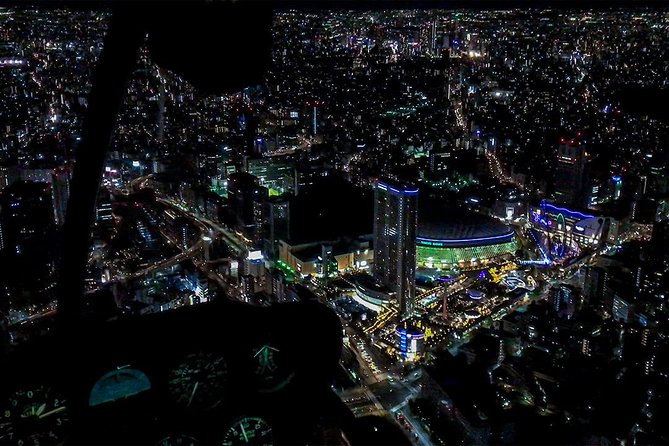
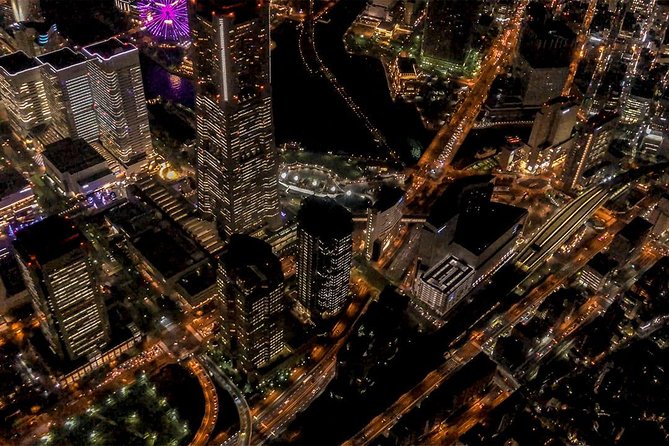
The last major fly-over is Yokohama Harbour. It’s a strong closer because it shifts the visual language from tight city blocks to water, ports, and longer lines.
Harbour areas tend to show night beauty through reflections and spacing: lights aren’t packed as tightly, so your brain gets room to breathe. From the air, that contrast makes the whole trip feel less like one nonstop neon blast and more like a proper sequence.
If you’re deciding between night and another option, this is one reason night wins for me. The water makes everything look sharper and more dramatic compared to daylight, when you’re simply looking at shapes rather than light patterns.
Price and group size: is $2,002.26 per group worth it?
Here’s how I’d think about the price: $2,002.26 per group (up to 3) is expensive, but you’re paying for three specific things.
First, you’re getting a private helicopter ride rather than trying to piece together a bunch of viewpoints. Second, the route gives you multiple marquee areas—Skytree, Rainbow Bridge, Tokyo Tower, Shinjuku, and Yokohama Harbour—within a single flight window. Third, you’re buying time in the air: 50 minutes is long enough that it feels like an experience, not a quick thrill.
So who gets the best value?
- A couple or small group splitting the total cost
- Anyone who wants a once-in-a-trip memory without adding more hours of sightseeing logistics
- People celebrating something special (at least one guest’s story included a major surprise proposal during the flight)
Who should pause?
- Solo riders who don’t have flexibility to share the group cost
- Anyone who thinks the value comes from getting out and walking around (this is primarily about the aerial views)
Safety, limits, and weather: the practical side you should respect
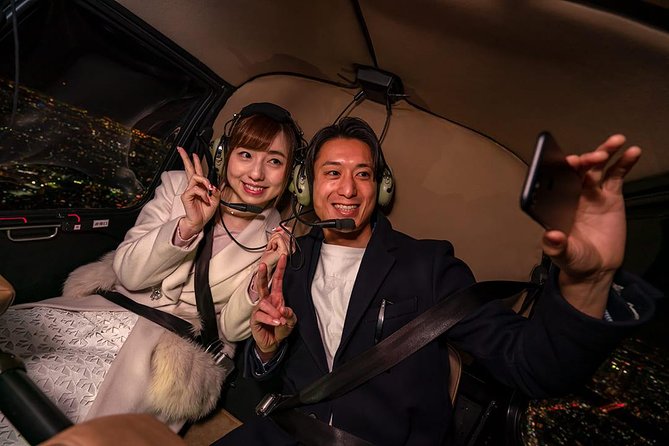
Night helicopter experiences depend on real-world conditions. The tour requires good weather, and if it can’t be conducted due to inclement weather, aircraft issues, or other operational disturbances, you’ll receive a full refund or an alternative date.
There are also clear medical/physical limits:
- Weight limit: 120 kg per passenger (and the flight has a stated total limit)
- No diving in the past 24 hours if you’ve been diving recently
- Most people can participate, and it’s a private setup, but limits exist for safety
One of the most praised aspects in the accounts I read is the feeling of safety—friendly hosts and an experienced pilot. That matters a lot with helicopters because you’re trusting the flight team with the whole experience. In other words: don’t treat it as just an activity; treat it as a safety-focused transport with a scenery bonus.
Sunset timing: what to ask for if you want the best lights
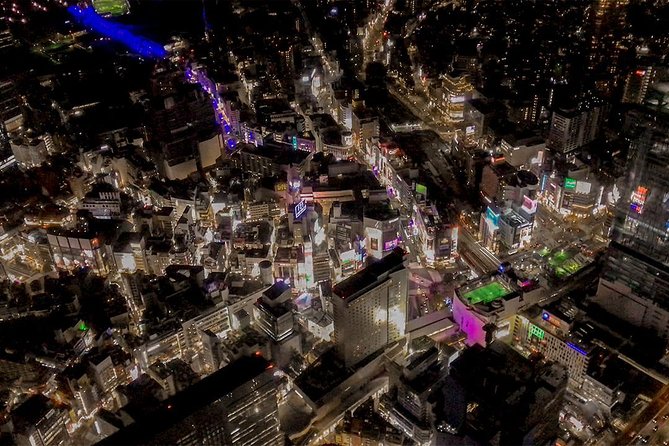
If you can choose timing, one guest specifically recommended a sunset option because the skyline looked beautiful and the city lighting kicked in right after the sun went down. That’s the sweet spot: you get a transition from softer light to high-contrast night glow.
Even if you can’t control the timing, you can still aim for the outcome by understanding what the route is optimized for. This flight is made for night views of dense districts and big landmark lighting—Shinjuku’s LED effect and the harbour reflections are the payoff.
If you’re wondering about other options, one guest said they’d return and try the daytime plan next time. That tells me the daylight version probably works well too, but this night route is where the “from the air, lights become patterns” feeling really lands.
Who should book this Tokyo-and-Yokohama night helicopter flight
I think this fits best if you:
- Want a high-impact Tokyo highlight without stacking multiple long days of walking
- Love landmark spotting and want it paired with a second city (Yokohama) in the same flight
- Appreciate photo-friendly, high-contrast night visuals
- Are okay with paying for a private small group setup
It may not fit as well if:
- You’re price-sensitive and can’t split the group cost
- You’re hoping for a long sightseeing format where you get out and explore each area on the ground (you won’t)
- You’re not comfortable with weather-driven scheduling, since poor conditions can cancel the flight
Should you book this Tokyo-and-Yokohama night helicopter tour?
If you can afford it and you like your memories to feel big, I’d book it. The reason is simple: you’re not just buying a ride. You’re buying 50 minutes of airborne storytelling across Tokyo’s most iconic night markers and into Yokohama’s harbour atmosphere, with strong emphasis on safety and a crew that feels calm and friendly.
My final practical advice: only book it if you’re confident you’ll value the night views enough to justify the price, and if your body fits the weight limit and timing rules (especially the no diving in the past 24 hours detail). If that all checks out, this is the kind of once-in-a-trip experience you’ll be happy you didn’t skip.
FAQ
Where does the helicopter tour depart from?
It departs from Funabashi Heliport in Funabashi, Chiba, Japan.
How long is the flight time?
The flight time is 50 minutes, with an overall duration of about 1 hour 30 minutes.
Is this tour private?
Yes. It’s a private tour/activity, and only your group participates.
How many people are included per booking?
A maximum of 3 people can book under one reservation.
What sights do you see during the flight?
You’ll fly over Tokyo Skytree, Rainbow Bridge, Tokyo Tower, Shinjuku, and Yokohama Harbour.
What is the price?
The price is $2,002.26 per group (up to 3).
What happens if weather is bad?
The experience requires good weather. If it’s canceled due to poor weather, you’ll be offered an alternative date or a full refund.
Do you get a mobile ticket?
Yes, the tour includes a mobile ticket.
Is there a weight limit?
Yes. The information lists 120 kg per passenger and also 220 kg / flight as limits.
Can you participate if you went diving recently?
No. Passengers who have gone diving in the past 24 hours cannot participate.
More City Tours in Tokyo
- Tokyo: Private City Highlights Tour with Local Guide
★ 4.8 · 1,433 reviews - Tokyo: Asakusa, Skytree & Akhihabara Go-Kart City Experience
★ 4.7 · 761 reviews - Tokyo: 3-Hour Bike or E-Bike City Highlights Tour
★ 4.8 · 435 reviews - Tokyo: Sumo Morning Practice Tour at Sumida City
★ 4.8 · 308 reviews - Private Haneda Airport (HND) to Central Tokyo City Transfer
★ 4.5 · 260 reviews
More Tour Reviews in Tokyo
- Mt Fuji and Hakone 1-Day Bus Tour Return by Bullet Train
★ 5.0 · 26,383 reviews - 1-Day Tokyo Bus Tour
★ 5.0 · 14,250 reviews - Tokyo: teamLab Planets TOKYO Digital Art Museum Entry Ticket
★ 4.6 · 9,779 reviews - Mt Fuji & Hakone Cruise, Drum Show Bullet Train 1 Day from Tokyo
★ 4.0 · 7,413 reviews - Tokyo: Shinjuku Food Tour (13 Dishes at 4 Local Eateries)
★ 5.0 · 6,603 reviews
The Harbour City Next Door, Rated
- Narita Airport: One Way Private Transfer to Tokyo|Yokohama Hotels
★ 4.5 · 69 reviews - Tokyo/Yokohama: Mt. Fuji and Hakone Private Day Tour
★ 5.0 · 64 reviews - Tokyo: Private One-Way Transfers to/from Yokohama Port
★ 4.5 · 50 reviews - Private Car Tour to see Highlights of Kamakura, Enoshima, Yokohama from Tokyo
★ 5.0 · 48 reviews - Private Kamakura plus Yokohama Tour – English Speaking Driver
★ 4.5 · 28 reviews
Latest Tokyo reviews off our desk






Yokohama Day Trips, compared.
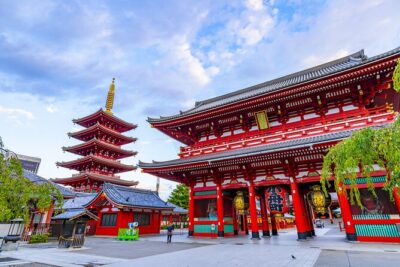 ★ 5.0Tokyo 8hr Private Tour with Licensed Guide from YokohamaFrom $20194 reviews
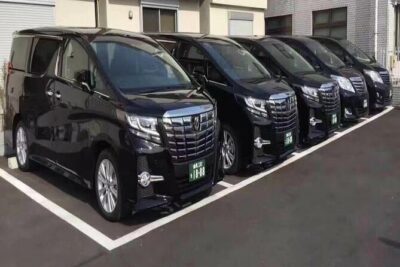 ★ 4.5Narita Airport: One Way Private Transfer to Tokyo|Yokohama HotelsFrom $7769 reviews
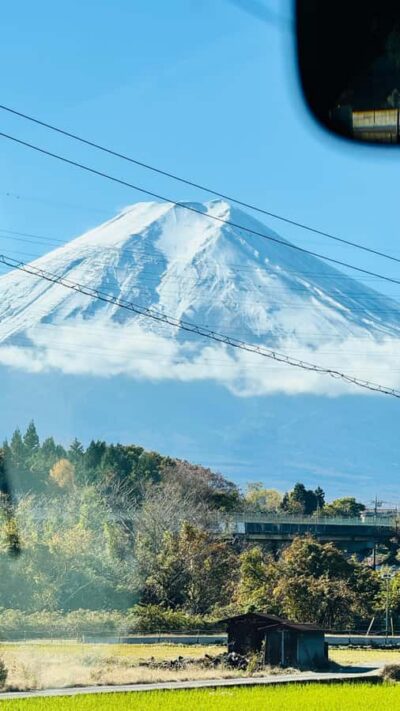 ★ 5.0Tokyo/Yokohama: Mt. Fuji and Hakone Private Day TourFrom $39264 reviews
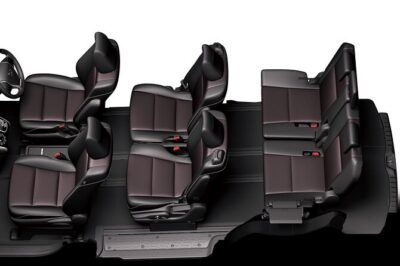 ★ 5.0Shuttle Van Transfer, Yokohama(Port)⇒Tokyo, Narita, Haneda, TDRFrom $12263 reviews
 ★ 5.0Yokohama Ramen Adventure From a Local Noodle Factory to HomeFrom $16560 reviews
 ★ 4.5Private One-Way Transfers to/from Yokohama PortFrom $6750 reviews
 ★ 5.0Private Car Tour to see Highlights of Kamakura, Enoshima, Yokohama from TokyoFrom $1,18348 reviews
 ★ 5.0Yokohama 4hr Private Tour with Government-Licensed GuideFrom $10834 reviews
Browse the lists this tour appears in