
Reviewed · KAMAKURA DAY TRIPS
Private Car Tour to see Highlights of Kamakura, Enoshima, Yokohama from Tokyo
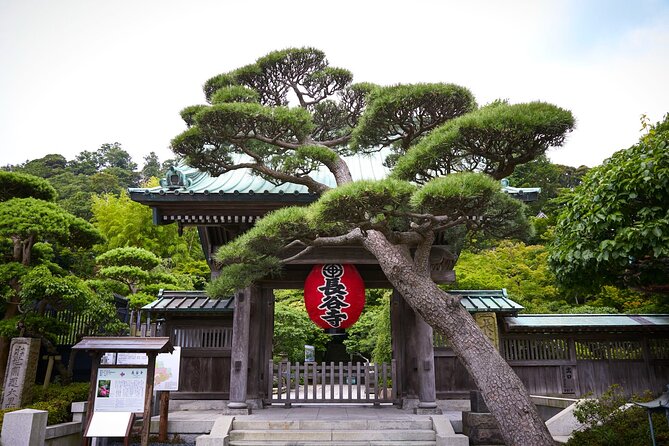
Samurai days, seaside breaks, big Buddha moments. This private car tour strings together centuries-old Kamakura temples, flower-filled gardens, and Yokohama’s waterfront, with a guide who keeps the day moving at your pace. You’re also not stuck figuring out trains and transfers.
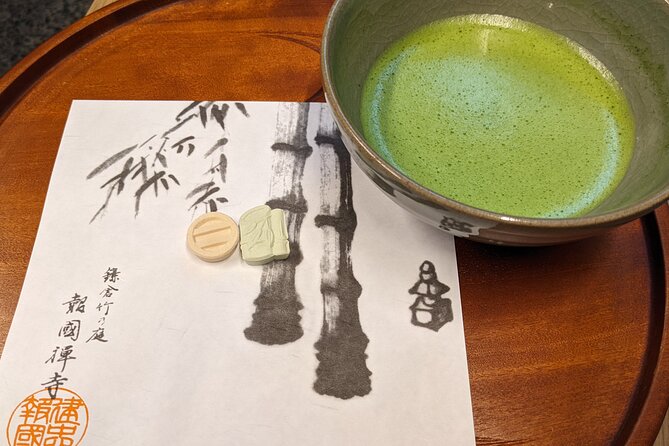
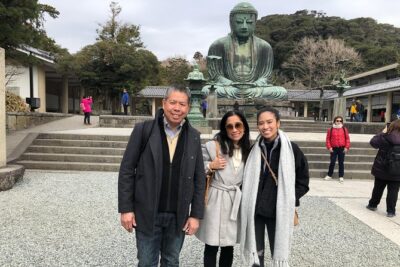
I especially love the chance to see the Kotoku-in Great Buddha up close (including the chance to step inside), and the calm tea break at Hokoku-ji’s bamboo grove. If you get a guide like Ken or Yoshi, you’ll also get clear explanations and practical rhythm—when to linger, when to step back and take photos, and how to avoid feeling rushed.
One consideration: this day is long (about 10 hours), and most of the major sights have separate entrance fees plus your lunch is on you. You’ll want to choose your 4 to 6 priority spots early so the day fits your style.
In This Review
- Quick hits before you go
- Why this private car day works so well from Tokyo
- The money question: price, what’s included, and how entrance fees change the total
- Kamakura first: Kotoku-in’s Great Buddha and how to enjoy it without rushing
- Bamboo at Hokoku-ji: matcha tea with a side of zen quiet
- Hasedera Temple: Kannon, seasonal flowers, and the art of going at the right time
- Tsurugaoka Hachiman-gu and Komachidori: shrine grandeur plus souvenir energy
- Zen temples in sequence: Kencho-ji, Engaku-ji, and Meigetsuin’s framed-window photos
- Zeniarai Benten and Tokeiji: the spiritual rituals and the quieter human side
- The blue-sea break: Enoshima Island plus that Slam Dunk photo pause
- Yokohama Minato Mirai 21: modern harbor views with easy walking
- Skyline choice: Landmark Tower Sky Garden at 273 meters
- Sankeien Garden and Yamashita Park: when you want breathing room
- English Garden and Chinatown: two ways to taste Yokohama’s international feel
- Cup Noodles Museum and Shinyokohama Ramen Museum: best when you’re planning lunch-ish energy
- What I’d tailor for your group (and who this tour fits best)
- Should you book this Kamakura, Enoshima, Yokohama private car tour?
- FAQ
- How long is the private car tour?
- What does it cost, and how many people can be in the group?
- Is pickup from Tokyo included?
- Are entrance fees and lunch included?
- Can I customize which stops to visit?
- Can I cancel and get a full refund?
Quick hits before you go
- Private car pacing: you skip Tokyo-to-coastal transit stress and travel in an air-conditioned vehicle all day.
- Kamakura at temple tempo: bamboo, flowers, zen halls, and shrine lanes in a single route.
- Season-friendly highlights: hydrangeas (late May to late June) and autumn maple viewing at Hasedera and Meigetsuin.
- Yokohama view options: Minato Mirai strolls plus a big-ticket choice like the Landmark Tower Sky Garden.
- Anime and snack-worthy stops: a short photo pause tied to Slam Dunk near the seaside railroad, plus optional Cup Noodles and ramen museums.
Why this private car day works so well from Tokyo
Kamakura and Yokohama sit close enough to Tokyo that you can do them in one outing, but far enough that public transport can feel like a puzzle—especially when you’re trying to hit temple after temple. With a private vehicle, you start with a pickup, ride comfortably, and keep your momentum even when crowds swell.
From what you’ll see in practice, the big win is not just convenience. It’s time control. A good local guide can help you choose the right order of stops, steer you toward calmer corners inside temple compounds, and keep “optional” photo moments from turning into lost time. If you’ve ever spent a day sprinting between stations, you’ll appreciate how the driver handles the route while you focus on what’s in front of you.
And because it’s customizable, you can build a day that feels balanced: spiritual sites in the morning, gardens and snacks midday, and ocean-city views late afternoon.
Coast-and-Buddha days near Kamakura, rated
- Tokyo: Mt. Fuji, Kamakura, Big Buddha, & Lake Ashi Day Trip
★ 4.5 · 867 reviews - Tokyo:Sea of Mount Fuji, Hakone Ropeway, Ōwakudani, Enoshima
★ 4.9 · 84 reviews - Kamakura 8 hr Private Walking Tour with Licensed Guide from Tokyo
★ 5.0 · 80 reviews - Tokyo: Kamakura & Enoshima Day Tour with Pickup & Train Ride
★ 4.1 · 61 reviews
The money question: price, what’s included, and how entrance fees change the total
The tour costs $1,183.65 per group (up to 8 people) for about 10 hours. That sounds steep until you break it down like this: it’s paying for a private vehicle with a driver, not per-person train tickets and transfers.
What you get included:
- Air-conditioned private transportation
- Highway tolls, parking, gasoline, and fuel surcharge
- Bottled water
What you should expect to pay separately:
- Lunch
- Gratuities
- Entrance fees at most major stops
Since the experience notes that you typically select around 4 to 6 sites from the options list, your real budget depends on how many paid attractions you choose. Here are example entrance fees from the stops offered:
- Kotoku-in Great Buddha: 200 yen per person (and a small extra for entry inside the body)
- Hokoku-ji bamboo grove tea: 600 yen per person (matcha and sweet included)
- Hasedera Temple: 400 yen per person
- Kencho-ji: 500 yen per person
- Engaku-ji: 300 yen per person
- Meigetsuin: 500 yen per person
- Tokeiji: 200 yen per person
- Sankeien Gardens: 700 yen per person
- Cup Noodles Museum: 500 yen per person
- Shinyokohama Ramen Museum: 310 yen per person
- Landmark Tower Sky Garden: 1,000 yen per person
So the value sweet spot is when you pick a handful of paid, high-impact sites (Buddha + one or two gardens + one Yokohama skyline/view stop), then use the free streets and parks to round out the day without adding cost. If you love paying for experiences and you want the Sky Garden plus gardens and museums, your total will rise—but you’ll also be packing in attractions that are hard to string together smoothly on your own.
Kamakura first: Kotoku-in’s Great Buddha and how to enjoy it without rushing
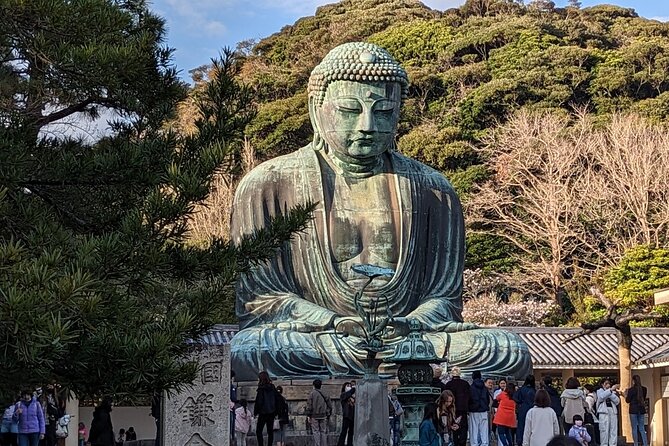
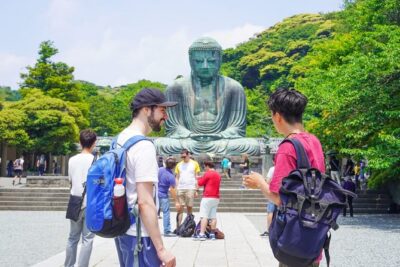
Your day’s anchor is Kotoku-in, home to the massive bronze Amida Buddha (about 13.5 meters / 44 feet). This is an open-air statue, and it’s the only national treasure in Kamakura. One fun detail: you can enter inside the body for a small additional fee, which turns a great photo into something more physical and memorable.
How to enjoy this stop:
- Go in expecting a big, airy space. Even if it’s crowded, the scale helps it feel calm.
- If you’re choosing just a few paid sights, this is one of the highest value per minute stops because it hits history and awe fast.
Time pressure note: your guide will likely keep it around 30 minutes at this first stop, so if you’re the type who likes to read every sign, speak up. You can always ask your guide to slow down here and speed up elsewhere.
Bamboo at Hokoku-ji: matcha tea with a side of zen quiet
Next up is Hokoku-ji, famous for its bamboo grove. This is the kind of place where the atmosphere does half the work for you. You can also take a break in a teahouse overlooking the bamboo, with matcha green tea and a Japanese sweet included in the entrance package.
Why this stop feels worth it:
- It breaks the day’s intensity. After one or two major heritage sights, tea by the bamboo grove gives you a reset.
- If you’re traveling with mixed ages, this is an easy win—less walking than some temples, and the view does most of the entertaining.
Practical tip: don’t cram. This is one of those places where you’ll get more out of staying present for the tea moment than trying to rush for photos.
Hasedera Temple: Kannon, seasonal flowers, and the art of going at the right time
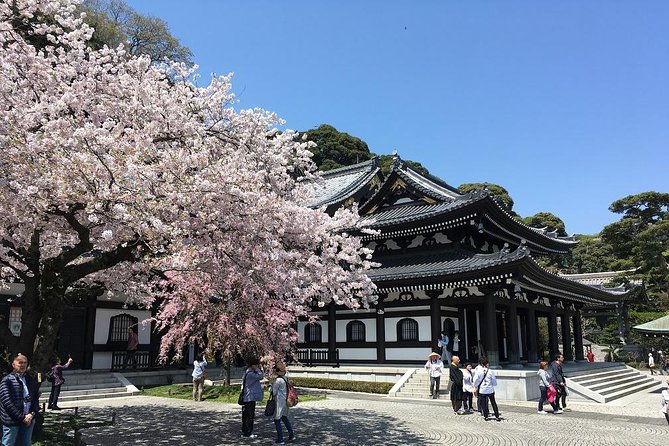
Hasedera is known as a temple of flowers. In spring you’ll find cherry blossom season; from late May to late June you’re watching hydrangeas; and in autumn you’ll look for maple leaves. The garden changes the mood of the whole temple.
It also features a famous large wooden Kannon statue—an eleven-headed figure of mercy, with gilding on a scale you can’t ignore.
What you should know before you go:
- If you’re traveling around peak flower seasons, crowds can build quickly. Your guide can help you focus on the most photogenic viewpoints without circling endlessly.
- If you’re not in a peak season, don’t panic. The temple still works because the atmosphere is quiet and the architecture gives you plenty to look at.
Entry fee is listed as 400 yen per person, and your time window is usually around 30 to 60 minutes.
The harbour city next door, reviewed
- Narita Airport: One Way Private Transfer to Tokyo|Yokohama Hotels★ 4.5 · 69 reviews
- Tokyo/Yokohama: Mt. Fuji and Hakone Private Day Tour★ 5.0 · 64 reviews
- Tokyo: Private One-Way Transfers to/from Yokohama Port★ 4.5 · 50 reviews
- Private Kamakura plus Yokohama Tour – English Speaking Driver★ 4.5 · 28 reviews
- Haneda Airport: One Way Private Transfer to Tokyo|Yokohama Hotels★ 4.0 · 28 reviews
Tsurugaoka Hachiman-gu and Komachidori: shrine grandeur plus souvenir energy
Then you shift from quiet garden time to something more lively: Tsurugaoka Hachiman-gu Shrine. This Shinto shrine is dedicated to the god of war and the samurai in general, and it’s especially known for weddings. If you catch it during cherry blossom or azalea season, it’s particularly beautiful.
Right after, you can stroll Kamakura Komachidori, the long shopping lane near the shrine. This is where Kamakura’s personality shows up in snacks and crafts. Look out for:
- Kamakura-bori lacquerware
- Pigeon-shaped cookies (Toshimaya Hato sable)
- Bean snacks (Kamakura mameya)
How long to linger: plan 20 to 80 minutes depending on your shopping style. If you’re mostly here for snacks and photos, 30 to 40 minutes is plenty.
Zen temples in sequence: Kencho-ji, Engaku-ji, and Meigetsuin’s framed-window photos
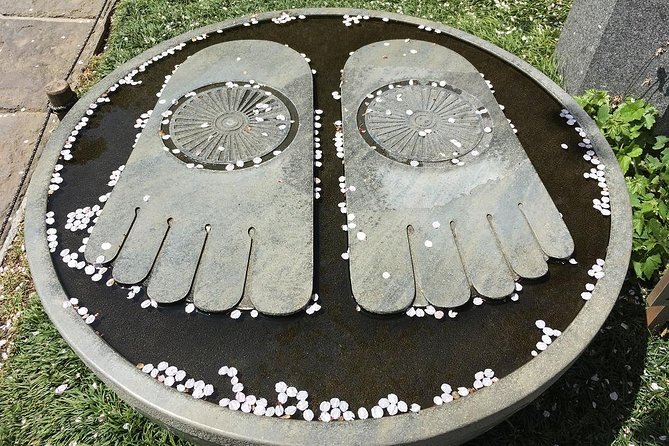
Kamakura’s zen temples are a different flavor than the shrine and flower stops. This part of the day works best when you slow down and treat it like a stroll through different “mood rooms.”
Kencho-ji is the oldest and highest ranking zen temple in Kamakura. There are also dates when meditation is offered, so ask your guide what’s available if your visit matches. There’s even a chance to pick up zen-themed t-shirts.
Engaku-ji is known for a large gate and bell, and it includes the grave of film director Yasujiro Ozu. There’s also a café within the temple compound on certain dates, which can add a nice lunch break option if your timing lines up.
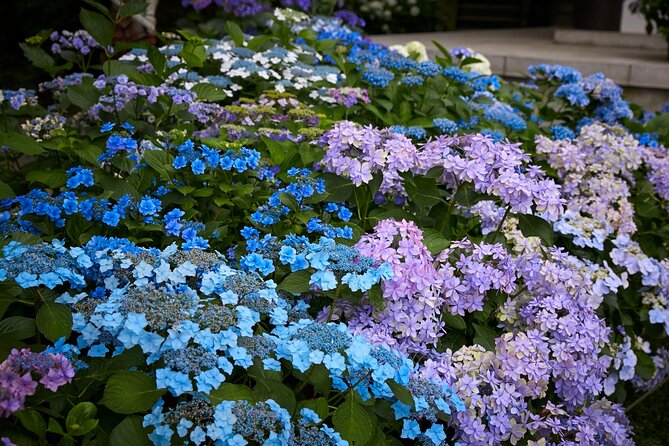
Then you might head to Meigetsuin, often called the hydrangea temple. From late May to late June you’ll see blue hydrangeas, and the photo spot people line up for is the circular window in the main hall that frames the garden behind it.
A small reality check: if you’re not in peak hydrangea season, Meigetsuin is still a beautiful viewpoint temple, but the wow factor drops a bit. Your guide can adjust by shifting you toward a different paid garden or toward free scenic strolls.
Zeniarai Benten and Tokeiji: the spiritual rituals and the quieter human side
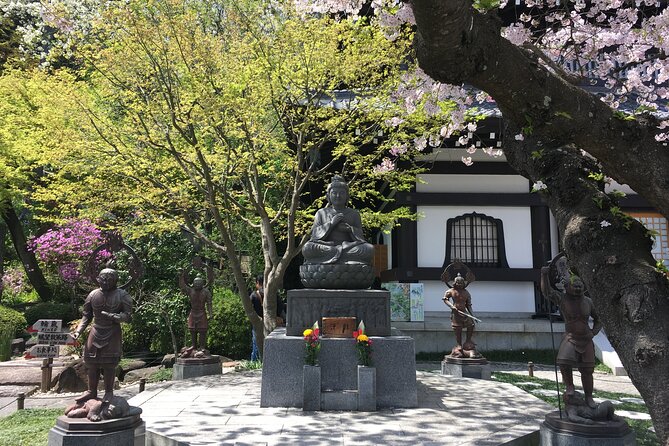
If you want something slightly odd—in the best way—there’s Zeniarai Benten Shrine, where the belief is that washing coins in the holy water increases income. It’s short, free, and easy to blend into the schedule without needing long reading time.
Then comes a more emotionally grounded stop: Tokeiji Temple. It’s described as a refuge for women who suffered abuse and sought divorce at a time when only men were allowed to ask for divorce. That context makes the gardens feel more than just pretty.
You can see flowers throughout the year such as plums in early spring, iris and climbing hydrangea in June, in gardens that spread down toward wooded hills. Admission is listed as 200 yen per person.
This is the type of stop where you’ll benefit most from a guide who can explain the meaning without turning it into a lecture.
The blue-sea break: Enoshima Island plus that Slam Dunk photo pause
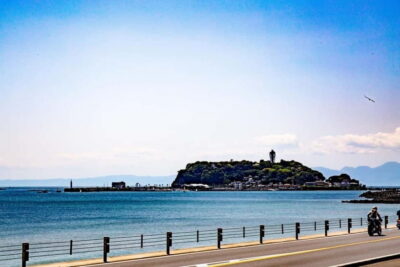
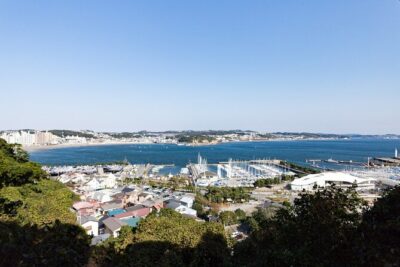
After Kamakura, the day shifts toward the ocean. Enoshima Island offers a menu of attractions: a shrine, aquarium, botanical garden, observation tower, and caves. Mount Fuji can be visible from various spots if the weather allows.
If you see clear skies, Enoshima is one of the best places to chase the Fuji moment, because the viewpoints give you multiple chances rather than banking on one lookout.
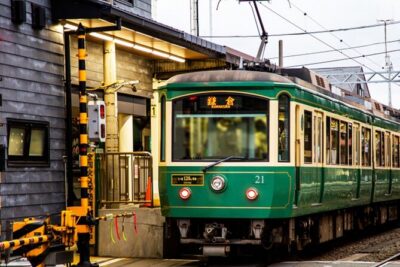
Between Enoshima and Yokohama, there’s also a short photo stop at a photogenic seaside railroad crossing that was used in the opening sequence of the Japanese anime Slam Dunk. You won’t lose much time here, but it’s a fun pop-culture connection that makes the coast feel even more playful.
Yokohama Minato Mirai 21: modern harbor views with easy walking
Once you’re in Minato Mirai 21, you get a contrast to Kamakura’s temple lanes: a more modern, seaside urban zone. You can stroll by the Landmark Tower area, see the Cosmo World amusement park from outside, and browse the Red Brick Warehouses shopping center.
Your time window is usually about 30 minutes, which is enough to get a feel for the harbor energy and take a few postcard shots without turning the stop into a second full day.
Skyline choice: Landmark Tower Sky Garden at 273 meters
If your group wants a big vertical view, you’ll have the option of Yokohama Landmark Tower Sky Garden. It’s listed at 273 meters high (about 900 feet), with panoramic views of the bay area and Tokyo Bay side. On a clear day, Mt. Fuji may also appear.
This is one of the most “spend-to-get-the-view” options in the list because admission is 1,000 yen per person. If you already planned to visit multiple paid temples and gardens, decide whether the skyline moment is your group’s priority.
My practical take: if your group loves views and you’ll actually stand there for a while, it’s worth it. If you prefer cultural walking over observation decks, you may get more satisfaction keeping the day grounded at parks and waterfront terminals.
Sankeien Garden and Yamashita Park: when you want breathing room
Sankeien Gardens bring you back to traditional Japanese landscaping, designed by a wealthy businessman. The big detail here is that the garden includes 17 precious buildings transferred from Kyoto and other places, arranged to match the garden scenery.
If you like architecture and calm places to slow down, Sankeien is a strong pick. Admission is listed as 700 yen per person, and time can run up to about 90 minutes.
Then you get a lighter, local-feeling waterfront break with Yamashita Park. It’s popular with locals for a coffee-and-stroll pause, and street performers show up on weekends. You can even get a photo stop on request. This is the type of stop that keeps the day from feeling like a checklist.
Nearby, you may also have a quick view moment from Osanbashi Yokohama International Passenger Terminal, which is described as giving a very beautiful view of Minato Mirai.
English Garden and Chinatown: two ways to taste Yokohama’s international feel
Another scenic spot on the bay side is Minato-no-mieru Oka Park, also known for an English garden. It’s next to western residential areas tied to Yokohama’s international port history at the end of the Tokugawa shogunate era.
Then there’s Yokohama Chinatown. The data points out it’s the biggest Chinatown in Japan. If you want a different flavor than Japanese temple snacks, this is where the day can shift toward Chinese food.
A practical note: lunch is not included, so if your group wants a proper meal rather than quick bites, you’ll want to plan this part carefully with your guide so you don’t end up with long waits.
Cup Noodles Museum and Shinyokohama Ramen Museum: best when you’re planning lunch-ish energy
For food people, Yokohama also offers two highly themed museums.
Cup Noodles Museum Yokohama (operated by Nisshin, the company credited with inventing Cup noodles) lets you learn the story of instant noodles, choose toppings, and even make your own original noodles. You can also taste different worldwide noodle varieties and pick up souvenirs that are specific to the museum. Admission is 500 yen per person, and the visit is listed as 45 to 90 minutes.
Shinyokohama Ramen Museum is a ramen lover stop with 8 different ramen types in one place. Admission is 310 yen per person, with about an hour for the visit.
How to decide between them:
- If you want interactive and creative, pick Cup Noodles Museum.
- If you want the most direct ramen sampling, pick Shinyokohama Ramen Museum.
Either way, remember these are additional entrance fees, and they also eat into time you might otherwise use for garden or waterfront viewing.
What I’d tailor for your group (and who this tour fits best)
This tour is built for groups that want stress-free logistics and choice. I’d especially recommend it if:
- You’re traveling with kids or multigenerational family and want comfortable driving between stops.
- You care about history and symbolism, like the Great Buddha experience or the meaning behind Tokeiji’s story.
- You like mixing quiet temples with seaside city views rather than doing only one theme.
I’d be slightly more careful if:
- Your priority is low-cost sightseeing. Because most major stops have entrance fees, you’ll want to select only the ones you truly want.
- Your group struggles with long days. Ten hours adds up, even in a comfortable vehicle.
If you tell your guide what matters most—flowers, zen, shopping, viewpoints, food—the day can feel intentional rather than “we saw everything.”
Should you book this Kamakura, Enoshima, Yokohama private car tour?
Book it if you want a day that feels like the coast, the past, and the modern harbor all in one hit—without wasting time on train connections. The biggest payoff is the private car plus a guide who can steer your attention (and your pacing) so you get the best parts of each stop.
Skip it (or at least scale your paid picks down) if you’re trying to keep entrance fees and meals minimal, or if you only want one kind of sight (all temples, all city views, or all food). With this tour, you’ll have a fuller day if you choose a clear mix.
FAQ
How long is the private car tour?
It runs for about 10 hours (approx.).
What does it cost, and how many people can be in the group?
The price is $1,183.65 per group, up to 8 people.
Is pickup from Tokyo included?
Yes, pickup is offered.
Are entrance fees and lunch included?
Lunch is not included. Entrance fees are not included for the listed paid sites (for example Kotoku-in, Hokoku-ji, Hasedera, Engaku-ji, Meigetsuin, Sankeien Gardens, Cup Noodles Museum, and others).
Can I customize which stops to visit?
Yes. The itinerary is fully customizable to your preferences, and you’re guided to select around 4 to 6 sites from the available list.
Can I cancel and get a full refund?
Yes. Free cancellation is available up to 24 hours in advance for a full refund. If you cancel less than 24 hours before the start time, the amount you paid is not refunded.
More Tour Reviews in Tokyo
- Mt Fuji and Hakone 1-Day Bus Tour Return by Bullet Train
★ 5.0 · 26,383 reviews - 1-Day Tokyo Bus Tour
★ 5.0 · 14,250 reviews - Tokyo: teamLab Planets TOKYO Digital Art Museum Entry Ticket
★ 4.6 · 9,779 reviews - Mt Fuji & Hakone Cruise, Drum Show Bullet Train 1 Day from Tokyo
★ 4.0 · 7,413 reviews - Tokyo: Shinjuku Food Tour (13 Dishes at 4 Local Eateries)
★ 5.0 · 6,603 reviews
The Harbour City Next Door, Rated
- Narita Airport: One Way Private Transfer to Tokyo|Yokohama Hotels
★ 4.5 · 69 reviews - Tokyo/Yokohama: Mt. Fuji and Hakone Private Day Tour
★ 5.0 · 64 reviews - Tokyo: Private One-Way Transfers to/from Yokohama Port
★ 4.5 · 50 reviews - Private Kamakura plus Yokohama Tour – English Speaking Driver
★ 4.5 · 28 reviews - Haneda Airport: One Way Private Transfer to Tokyo|Yokohama Hotels
★ 4.0 · 28 reviews
More Kamakura and Enoshima Days
- Tokyo: Mt. Fuji, Kamakura, Big Buddha, & Lake Ashi Day Trip
★ 4.5 · 867 reviews - Tokyo:Sea of Mount Fuji, Hakone Ropeway, Ōwakudani, Enoshima
★ 4.9 · 84 reviews - Kamakura 8 hr Private Walking Tour with Licensed Guide from Tokyo
★ 5.0 · 80 reviews - Tokyo: Kamakura & Enoshima Day Tour with Pickup & Train Ride
★ 4.1 · 61 reviews - Kamakura Private & Customizable Tour – All-in-One Experience
★ 5.0 · 49 reviews
Latest Tokyo reviews off our desk

Kamakura Day Trips, compared.
 ★ 4.5Kamakura & Enoshima Day Trip including Temple TicketsFrom $581,375 reviews
 ★ 4.5Mt. Fuji, Kamakura, Big Buddha, & Lake Ashi Day TripFrom $49867 reviews
 ★ 4.5From Tokyo: Kamakura & Enoshima 1-Day Bus TourFrom $66189 reviews
 ★ 5.0Kamakura Historical Walking Tour with the Great BuddhaFrom $98129 reviews
 ★ 5.0Kamakura Private Tour: Temples, Nature, and the Great BuddhaFrom $98121 reviews
 ★ 5.0Kamakura Walking Tour – The City of ShogunFrom $35100 reviews
 ★ 4.9Sea of Mount Fuji, Hakone Ropeway, Ōwakudani, EnoshimaFrom $5084 reviews
 ★ 5.0Kamakura 8 hr Private Walking Tour with Licensed Guide from TokyoFrom $20180 reviews
Browse the lists this tour appears in