
Reviewed · NIKKO DAY TRIPS
1 Day Nikko Walking Tour, Toshogu and Kanmangafuchi from Tokyo
Nikko feels like a whole different world, and that change starts with the commute. This is a small-group day that handles the biggest headache for you: round-trip trains from Shinjuku plus an English-speaking guide to connect the dots. The two anchor stops are unforgettable in different ways—Toshogu Shrine for its masterwork carvings, and Kanmangafuchi Abyss for that river walk beside the stone Jizo.
One thing to plan for: it’s a real walking day. Expect slopes and stairs near the shrine areas, shoes-off moments, and the possibility of standing on crowded transit since seats aren’t reserved.
In This Review
- Key things to know before you go
- Why this Nikko day trip works from Shinjuku
- Kanmangafuchi Abyss (Jiun-ji): Jizo by the river, in a 20-minute rhythm
- Lunch in Nikko: a built-in break, not a guaranteed highlight
- Toshogu Shrine: where Tokugawa Ieyasu becomes art
- Getting back to Tokyo from Tobu Nikko Station
- What to pack so the day stays pleasant
- Seasonal route changes: what if Kanmangafuchi isn’t safe?
- The guide factor: small group, real attention
- Should you book this Nikko walking tour?
- FAQ
- How long is the Nikko tour, and what time does it start and end?
- Is lunch included?
- What admission fees are included?
- How much walking should I expect?
- Do I need to remove my shoes?
- What transportation is included from Tokyo?
- Can I cancel and get a full refund?
Key things to know before you go
- Small-group size (max 15) keeps the day from turning into a stampede.
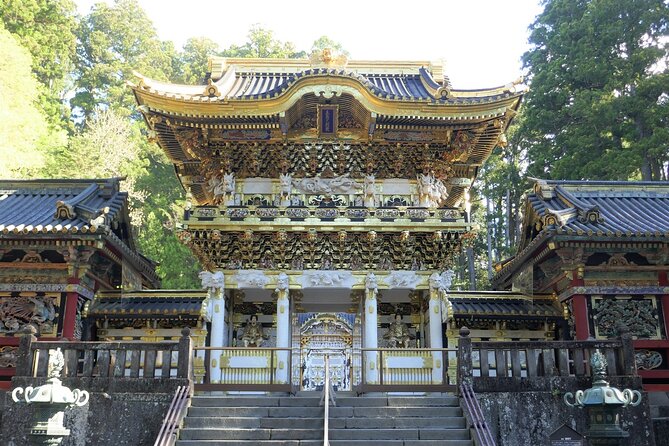
- Guided UNESCO time at Toshogu includes the main highlights you’ll want to see.
- Kanmangafuchi Abyss is quick but memorable with about 70 Jizo statues by the river.
- Optional Japanese lunch gives you a built-in break if you don’t want to hunt for food.
- Walking + removable shoes means bring practical footwear, not your “cute but stubborn” pair.
- Seasonal reroutes in winter/bad weather keep the tour moving even when roads to Kanmangafuchi are unsafe.
Why this Nikko day trip works from Shinjuku
If you’re traveling from Tokyo, the biggest friction point with Nikko is the logistics. This tour removes that stress by bundling your round-trip rail from Shinjuku Station, so you don’t need to figure out timetables, transfer stations, or ticket counters.
The day runs long—about 11 hours total—and that’s the tradeoff for going “big” in one shot. But the structure is smart: you start early (8:40am), you’re guided through the two best-known sights, and you’re back in the Shinjuku area late afternoon/evening (around 6:30–7:45pm).
The meeting point is at the JTB Sunrise Tours Sales Office in Nishishinjuku. Your end point is Shinjuku Station, with the general area ending near Shinjuku West Station. That matters because it affects how easily you can keep your evening plans simple once you’re back in Tokyo.
One more practical note: if your departure is shared with participants also doing round-trip from Shinjuku, the guide may travel to the meeting location separately and you might wait until around 11:35am. It’s not a deal-breaker, but it helps to know that your start pace can be “controlled” by the meeting rhythm.
More runs north to Nikko, ranked by reviews
- Nikko: Kegon Falls, Lake Chuzenji & Toshogu Temple
★ 4.6 · 1,577 reviews - Tokyo: Nikko Toshogu Shrine and Kegon Waterfall Tour
★ 4.5 · 1,266 reviews - From Tokyo: Nikko World Heritage Site Private Full-Day Trip
★ 4.9 · 243 reviews - Nikko: Edo Wonderland Edomura Cultural Theme Park Ticket
★ 4.3 · 205 reviews
Kanmangafuchi Abyss (Jiun-ji): Jizo by the river, in a 20-minute rhythm
The morning’s first stop is Jiun-ji, where you’ll head to Kanmangafuchi Abyss via a route bus connection to the nearby bus stop. Seats aren’t reserved on public transport, so expect some standing and plan to wear something you can move comfortably in.
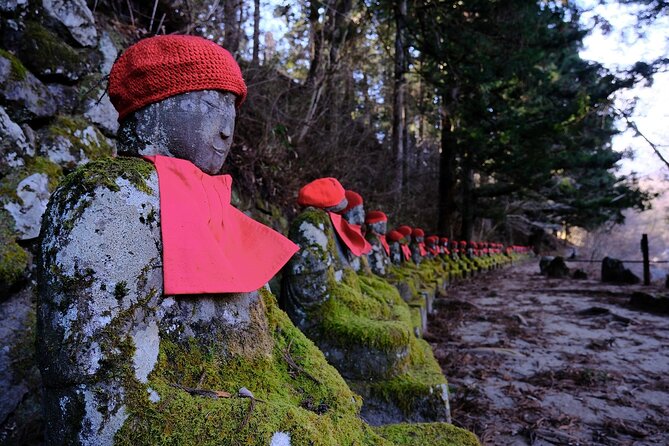
At Kanmangafuchi, the main event is the row of about 70 stone statues of Jizo along the river. Jizo is a bodhisattva associated with protecting children, and there’s a legend that the statues “change” in number each time they’re counted. Whether you think of that as folklore or a playful tradition, it gives the walk a little extra magic because you’ll be counting without realizing it.
Even better: there’s a botanical garden across the river. That means your photos and your sense of place won’t just come from one angle. In seasonal timing, the garden is part of why this site feels different from a typical shrine stop—short walk, but layered scenery.
You only have about 20 minutes here. That’s enough to do the main circuit and take photos, but not enough to linger like you would at a museum. My advice: treat this stop as a “slow stroll with a purpose.” Get your bearings quickly, walk the river-facing path, and then pause for the view once you’re sure you’ve captured what you came for.
Lunch in Nikko: a built-in break, not a guaranteed highlight
After Kanmangafuchi, the tour moves into Nikko for a traditional Japanese lunch (50 minutes) if you selected the Standard or Vegetarian option.
If you chose the No Lunch option, meals aren’t included and you’ll need to handle food on your own. The tour notes that nearby cafes and restaurants can be crowded, so it’s smart to think ahead—either by grabbing something before you leave Tokyo or by planning a quick bite near the rest area rather than waiting until you’re hungry enough to start wandering.
How good is the lunch? The provided info says it’s a traditional Japanese meal, and it’s timed so you don’t lose the flow of the day. Still, if you’re a food-focused traveler, don’t treat this lunch as the main reason to book. Think of it as a functional break that keeps you on schedule, especially if you don’t want the stress of decision-making mid-day.
Vegetarian lunch is available as its own option, and same-day swaps aren’t allowed. If you have specific dietary needs, double-check the lunch type you select so you’re not stuck trying to negotiate on the day.
Toshogu Shrine: where Tokugawa Ieyasu becomes art
Then comes the headliner: Nikko Toshogu Shrine, a UNESCO World Heritage Site with over 400 years of history. You’ll get about 1 hour 20 minutes here, and the guide plus audio support is a big deal because Toshogu is visually dense. If you’re not sure what you’re looking at, you miss a lot of the meaning.
This is where you’ll find the enshrinement of Tokugawa Ieyasu, founder of the Tokugawa shogunate. Even if you don’t consider yourself a history person, the shrine’s details make the story physical. The carvings and symbolic motifs are the point, and they’re designed to reward close looking.
Two highlights called out in the tour experience are the sleeping cat and the three monkey carvings. Those are the kinds of details that make Toshogu feel less like a single building and more like a whole gallery of “small scenes” connected by theme.
There are also shoe rules. In some areas, you have to remove your shoes. That’s why the tour recommends easy-on, easy-off footwear. I’d take that seriously. Socks and shoe removal can turn annoying fast if your shoes are hard to loosen or if your feet aren’t comfortable standing awhile.
Walking near Toshogu includes slopes and stairs. The good news: you’re not wandering alone. The guide helps keep the timing realistic and makes sure you don’t miss the key areas while still giving you a chance to look.
Audio support is part of the experience too. Congestion is expected, and having an audio service you can hear helps you keep pace without feeling like you’re shouting over people.
Getting back to Tokyo from Tobu Nikko Station
After Toshogu, you’ll head to Tobu Nikko Station for the return ride. You’ll have about 2 hours on the limited express train heading toward Shinjuku Station.
This is one of the underrated parts of the day. People focus on the shrines, then forget how tiring the return can be if you’re packed in with no plan. Here, the schedule is fixed: you finish Toshogu, you move to the station, then you ride back.
The tour ends at Shinjuku Station around 6:30–7:45pm. That window gives you time for dinner back in Tokyo, but it also means you should avoid booking something far away unless you’re comfortable with getting around late.
Readers also shortlisted these Tokyo bookings:
- Tokyo Tsukiji Fish Market Food and Culture Walking Tour★ 5.0 · 3,184 reviews
- Tokyo: Imperial Palace and Shogun Historical Walking Tour★ 5.0 · 2,251 reviews
- Tokyo: Shinjuku Local Bar and Izakaya Guided Walking Tour★ 4.9 · 1,794 reviews
- Tokyo: Tsukiji Fish Market Food and Walking tour★ 5.0 · 1,724 reviews
- Tokyo: Asakusa Walking Tour with Sensoji Temple Visit★ 4.8 · 1,583 reviews
What to pack so the day stays pleasant
This tour involves real footwork—listed as about 5km (around 3 miles) with slopes and stairs around Kanmangafuchi and Toshogu. One review also called out more than 7km, which tells me the distance can feel bigger depending on how much you walk around for photos or where you stop for viewing. Either way, pack like you’ll be on your feet for a while.
Here’s what you’ll be glad you brought:
- Comfortable shoes you can take off quickly (some shrine areas require it).
- A backpack is recommended for carrying water, snacks, and a light layer.
- Thick socks covering the ankles and bug spray if you’re going April to November, since the tour warns about land leeches.
- A simple plan for lunch if you’re on the No Lunch option, because places near the rest area can get crowded.
One more comfort reality: public transportation seating isn’t guaranteed. I’d plan as if you’ll sometimes be standing or shifting positions. Wear breathable layers and bring a small towel or tissues if you tend to get sweaty in warm months.
Physical comfort matters, and the tour asks for moderate fitness. If you’ve got mobility limits, still consider the tour—but go in with eyes open about stairs and slopes. The experience includes an interpreter who can help solve problems for uneven walking needs, but the terrain doesn’t magically disappear.
Seasonal route changes: what if Kanmangafuchi isn’t safe?
Weather and road safety are part of Nikko. The tour notes that in winter (around December to mid-March) and during inclement weather, ensuring safe access to Kanmangafuchi Abyss can be difficult.
When that happens, the guide may redirect you to other Nikko-area sites, including Futarasan Shrine, Taiyuuin Mausoleum at Rinno-ji Temple, Tamozawa Imperial Villa, Toshogu Museum, Kanaya Hotel History House, or Nikko Botanical Gardens.
What does that mean for you? Don’t treat your day as a rigid checklist. Treat it like a Nikko highlights course that can flex. If Kanmangafuchi is your top priority, aim for a season with better odds of road access, but understand there’s a backup plan either way.
Also, the itinerary order can change due to road conditions, events, ceremonies, or other reasons. That’s normal for temple-heavy destinations. The guide and audio support are there to keep you oriented when timing shifts.
The guide factor: small group, real attention
This is a max-15-person tour, and you can feel that in how the day runs. There’s time to ask questions and time to adjust when people need a moment. The tour includes a National Government Licensed English guide interpreter, plus audio support so explanations keep coming even when crowds get thick.
You might meet guides like Shin or Emi. Both were described as professional, kind, and attentive to details, with English that’s workable and a focus on making sure people can still enjoy the key sights.
The biggest advantage of a guide here is not just language—it’s sequencing and sense-making. Toshogu’s carvings and symbolism can be overwhelming if you only have your own device to interpret it. With an interpreter and audio, you can actually understand what you’re seeing and keep your pace comfortable.
Should you book this Nikko walking tour?
I think it’s a good booking if you want a guided, low-stress Nikko day without renting a car or building your own route from Tokyo. The value isn’t only the price—it’s what you get bundled: round-trip rail from Shinjuku, Toshogu admission, an interpreter, and audio support, plus a structured day that hits Kanmangafuchi and Toshogu.
At $169.75 per person, you’re paying for convenience and interpretation. If you’re the type who loves slow travel, you might feel rushed by the time limits at each stop. If you don’t like standing or walking long distances, you’ll need to be careful with shoes-off areas, stairs, and uneven terrain.
Who should book:
- First-timers to Nikko who want the highlights
- Travelers who prefer a small group and a guide to explain the details
- People who want Tokyo-to-Nikko logistics handled
Who might skip:
- Anyone who can’t handle slopes, stairs, or long standing on transit
- Food-first travelers expecting a standout restaurant-style meal
- People who want lots of free time to explore every side path without a schedule
FAQ
How long is the Nikko tour, and what time does it start and end?
The tour is about 11 hours. It starts at 8:40am and ends around 6:30pm to 7:45pm, near Shinjuku West Station/Shinjuku Station.
Is lunch included?
Lunch is included only if you select the Standard or Vegetarian Lunch option. If you choose the No Lunch Tour, meals are not included and you’ll need to arrange lunch yourself.
What admission fees are included?
Nikko Toshogu Shrine admission is included. Other listed stops (like Kanmangafuchi/Jiun-ji) note free admission in the itinerary.
How much walking should I expect?
Walking distance is about 5km (around 3 miles) during the tour, and there are slopes and stairs near Toshogu Shrine and Kanmangafuchi Abyss.
Do I need to remove my shoes?
Yes. Some areas in Nikko Toshogu Shrine require you to remove shoes, so wear footwear that’s easy to put on and take off.
What transportation is included from Tokyo?
You get round-trip train tickets from Shinjuku Station. The return includes a limited express train between Tobu Nikko Station and Shinjuku, and public transportation is used for movement during the day.
Can I cancel and get a full refund?
Yes. Free cancellation is available up to 24 hours in advance of the experience start time for a full refund.
More Tours in Tokyo
- Mt Fuji and Hakone 1-Day Bus Tour Return by Bullet Train
★ 5.0 · 26,383 reviews - 1-Day Tokyo Bus Tour
★ 5.0 · 14,250 reviews - Tokyo: Shinjuku Food Tour (13 Dishes at 4 Local Eateries)
★ 5.0 · 6,603 reviews - Tokyo Mt Fuji 5th St & Hakone Cruise Bus Tour w/Bullet Train
★ 4.4 · 5,024 reviews - Flagship 2-Hours Official Street Go-Kart Tour – Tokyo Bay Shop
★ 5.0 · 4,974 reviews
More Tour Reviews in Tokyo
- Mt Fuji and Hakone 1-Day Bus Tour Return by Bullet Train
★ 5.0 · 26,383 reviews - 1-Day Tokyo Bus Tour
★ 5.0 · 14,250 reviews - Tokyo: teamLab Planets TOKYO Digital Art Museum Entry Ticket
★ 4.6 · 9,779 reviews - Mt Fuji & Hakone Cruise, Drum Show Bullet Train 1 Day from Tokyo
★ 4.0 · 7,413 reviews - Tokyo: Shinjuku Food Tour (13 Dishes at 4 Local Eateries)
★ 5.0 · 6,603 reviews
North to Nikko: More Trips Rated
- Nikko: Kegon Falls, Lake Chuzenji & Toshogu Temple
★ 4.6 · 1,577 reviews - Tokyo: Nikko Toshogu Shrine and Kegon Waterfall Tour
★ 4.5 · 1,266 reviews - From Tokyo: Nikko World Heritage Site Private Full-Day Trip
★ 4.9 · 243 reviews - Nikko: Edo Wonderland Edomura Cultural Theme Park Ticket
★ 4.3 · 205 reviews - Tokyo: Nikko World Heritage Private Day Trip Hotel Pick-up
★ 4.8 · 145 reviews
Latest Tokyo reviews off our desk






Nikko Day Trips, compared.
 ★ 4.6Nikko: Kegon Falls, Lake Chuzenji & Toshogu TempleFrom $891,577 reviews
 ★ 4.5Nikko Toshogu Shrine and Kegon Waterfall TourFrom $841,266 reviews
 ★ 5.0Nikko Full-Day Private Tour with Government-Licensed GuideFrom $155259 reviews
 ★ 4.9From Tokyo: Nikko World Heritage Site Private Full-Day TripFrom $483243 reviews
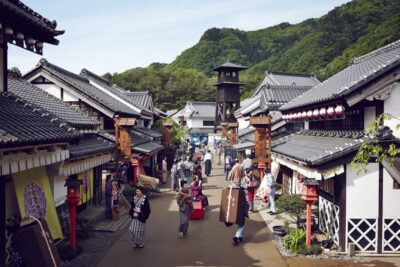 ★ 4.3Nikko: Edo Wonderland Edomura Cultural Theme Park TicketFrom $35205 reviews
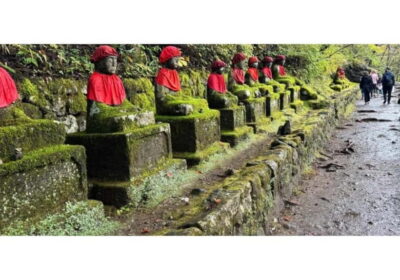 ★ 4.8Nikko World Heritage Private Day Trip Hotel Pick-upFrom $390145 reviews
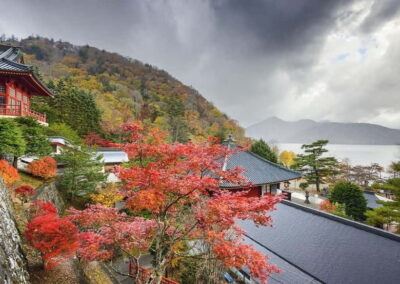 ★ 4.9Nikko – Beautiful Full-Day Personal and Private TourFrom $364119 reviews
Browse the lists this tour appears in