
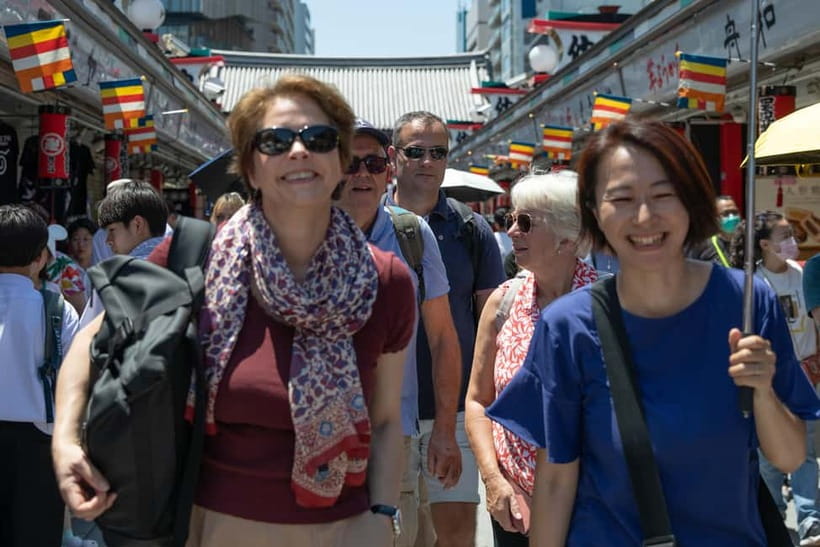
Reviewed · ASAKUSA & SENSOJI TOURS
Tokyo: Asakusa Walking Tour with Sensoji Temple Visit
Asakusa feels like old Tokyo in two hours. I love how the walk starts at Kaminarimon and turns a famous landmark into a clear story, and I especially like the guide-led details at Sensō-ji that tell you what to look for. The only catch: the temple area gets crowded, so you should be ready to stand and move with the group.
This is a straightforward, English-language walking tour that focuses on the sights people actually come to see, plus the side streets around them. You’ll get a guided route with photo stops and a bit of free time to look around and choose what you want to see up close, especially around the temple grounds and the shopping streets.
In This Review
- Key things to know before you go
- Entering Asakusa from Kaminarimon’s Thunder Gate
- Nakamise Street: shopping history, not just souvenir hunting
- Sensō-ji Temple: what to watch during the visit
- Asakusa Shrine: a second stop that adds context
- Hoppy Street: a quick taste of everyday Asakusa
- Shin-Nakamise Shopping Street and the walk to Azuma Bridge
- Guides make the difference (and the English is solid)
- Price and logistics: $22 for 2 hours of real orientation
- Who this tour is best for
- Should you book this Asakusa Walking Tour?
Key things to know before you go
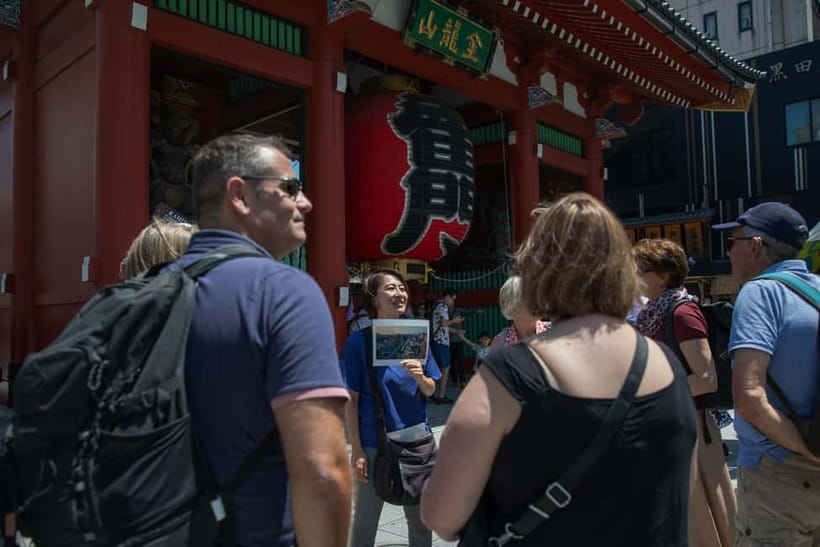
- Kaminarimon start: meet in front of the gate, near Tokiwado Kaminari-okoshi Honpo, with your guide holding a sign
- Sensō-ji with context: you don’t just visit, you learn what matters (including incense-burning rituals)
- Nakamise Street route: one of Tokyo’s oldest shopping streets, guided so you don’t waste time wandering
- Multiple photo stops: Kaminarimon, Sensō-ji, and Asakusa Shrine keep your camera busy
- Ends at Azuma Bridge: a natural finish that helps you keep the day going on foot
Entering Asakusa from Kaminarimon’s Thunder Gate
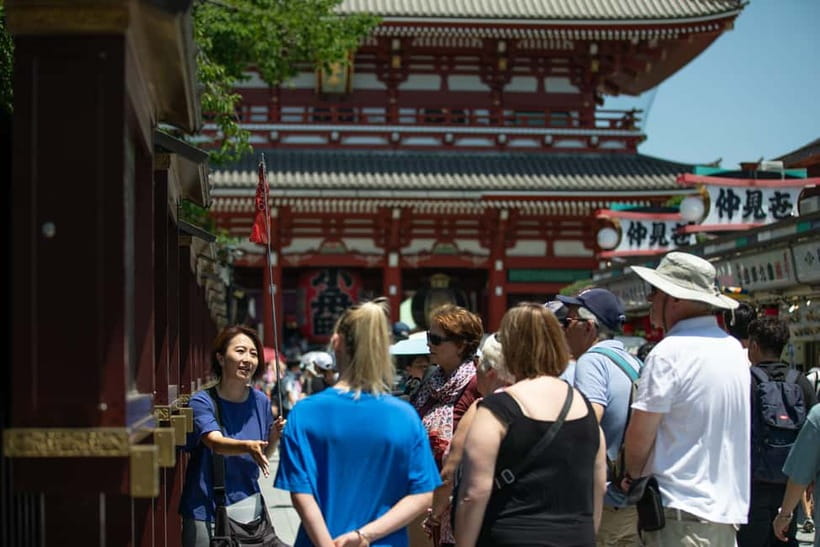
Most Tokyo sights are impressive. Kaminarimon feels personal. The big Thunder Gate entrance is where the whole Asakusa experience starts, and the tour uses that moment well: you get oriented right away, then you move into the district with a sense of direction.
Your guide starts with a short guided chunk (about 10 minutes) right at the gate. This matters because Kaminarimon isn’t just a photo stop. It’s a visual cue for what the neighborhood is about: old Tokyo, religion, and commerce rubbing shoulders right in the same few blocks.
You’ll likely notice how the tour keeps you from getting stuck in the crowd. Your guide’s job is basically to help you see what’s worth seeing without treating the whole area like one long traffic jam. In practice, that’s the difference between simply walking and actually understanding where you are.
More temple mornings in old Asakusa
- Tokyo: Japanese Dance Cabaret Theater Asakusa-Kaguwa Ticket
★ 4.8 · 2,270 reviews - Tokyo: Meiji Shrine, Asakusa, Skytree Bus Tour and Cruise
★ 4.7 · 1,986 reviews - Tokyo: Roll and Authentic Sushi Making Class in Asakusa
★ 4.9 · 1,957 reviews - Tokyo: Asakusa Walking Tour with Sensoji Temple Visit
★ 4.8 · 1,583 reviews
Nakamise Street: shopping history, not just souvenir hunting
After Kaminarimon, you head to Nakamise Shopping Street for a guided walk (about 15 minutes). This is one of the oldest-established shopping streets in Japan, and it shows. Stalls and storefronts line the path like a living museum, but you’ll only appreciate it if someone points out what you’re looking at.
This part is best for two things:
- You get a quick feel for how temple-adjacent shopping works in Japan.
- You learn how the district developed around Sensō-ji’s pull, not just as a modern tourist corridor.
If you have food in mind, this stretch is your warm-up. The tour doesn’t turn into a full-on food crawl, but it sets you up for what to look for later in Asakusa’s eating streets. And because it’s guided, you can move past the obvious stuff and still catch the interesting details.
Sensō-ji Temple: what to watch during the visit
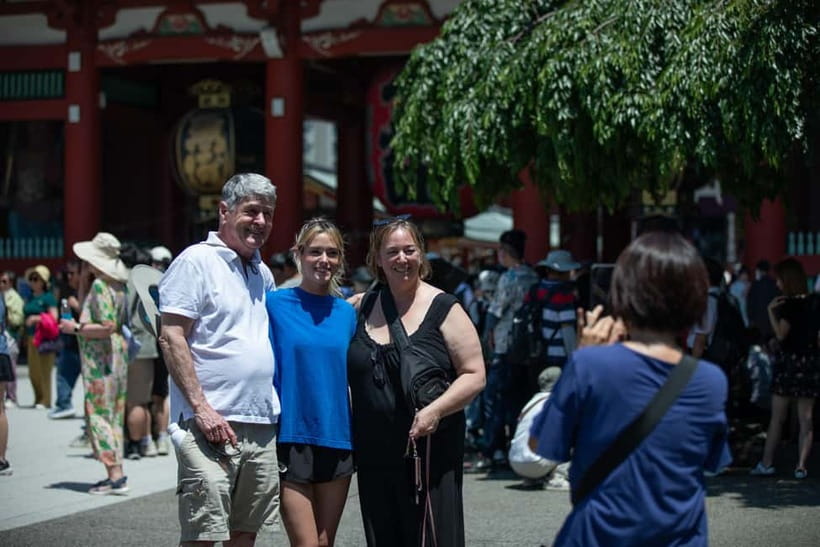
Then comes the heart of the morning: Sensō-ji Temple, also known as Asakusa Kannon. The tour schedules a photo stop plus a guided visit, and you also get about 30 minutes of free time in the temple area. That mix is smart. A guide gives you the meaning; free time lets you slow down without feeling guilty.
Here’s what makes Sensō-ji worth the extra attention:
- It’s Tokyo’s oldest Buddhist sanctuary.
- The entrance and main grounds are packed with symbols—lanterns, gateways, and details that look decorative until you know what they’re pointing to.
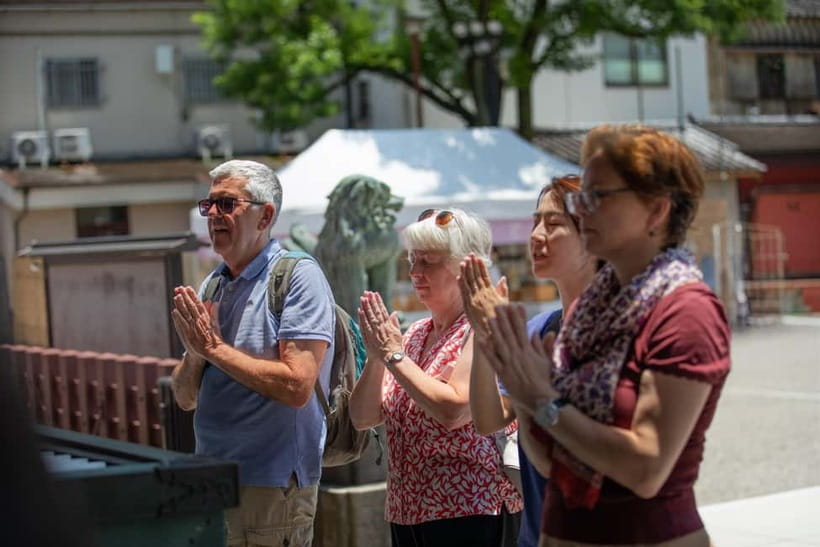
- The tour includes the kind of cultural moment that’s easy to miss on your own, including incense-burning rituals.
During the guided portion, you learn how to read the space. Instead of snapping random photos, you start understanding why people do certain actions and why specific features matter. Even if you’re not a religion-history person, the temple’s visual language is loud—and a good guide helps you translate it fast.
The free time is also useful because it prevents the classic temple-tour problem: you leave without seeing anything properly. Here you get a window to choose your angles, step back for photos, and spend time where your curiosity pulls you.
Asakusa Shrine: a second stop that adds context
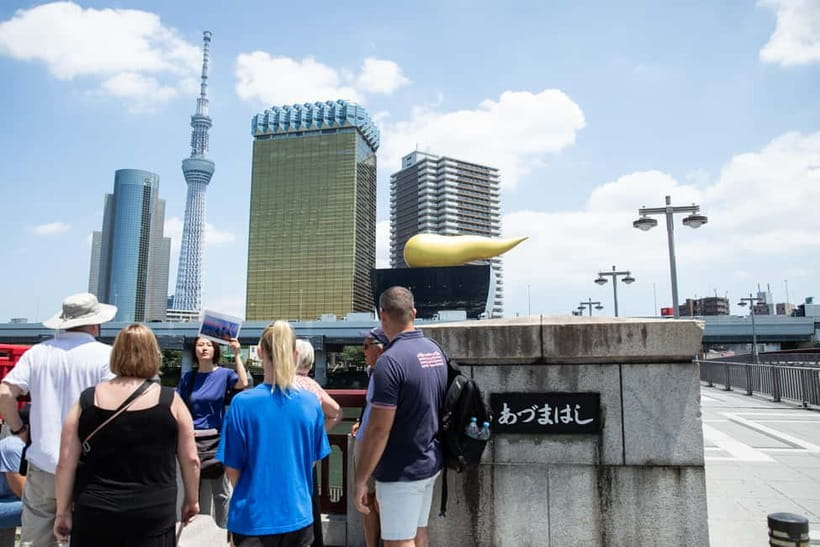
After Sensō-ji, you’ll make a photo stop and visit Asakusa Shrine. This segment runs about 20 minutes with guide-led time. It’s a key pairing because it shows another side of Asakusa’s spiritual life, helping you connect the dots between the Buddhist temple visit and the surrounding Shinto shrine atmosphere.
What I like about this stop is that it keeps the experience from being one-note. Tokyo’s religious spaces are different kinds of places, and Asakusa gives you that contrast in one walking block. Even if the shrine visit is shorter than Sensō-ji, the guide time helps you notice what’s different about the setting and the focus.
This is also a good moment for questions. The tour includes a Q-and-A style feel in many guides’ delivery, and several guides on the roster have been praised for answering questions with clear historical and cultural explanations. When you’re standing in the actual place, those answers make more sense than reading facts later.
Hoppy Street: a quick taste of everyday Asakusa
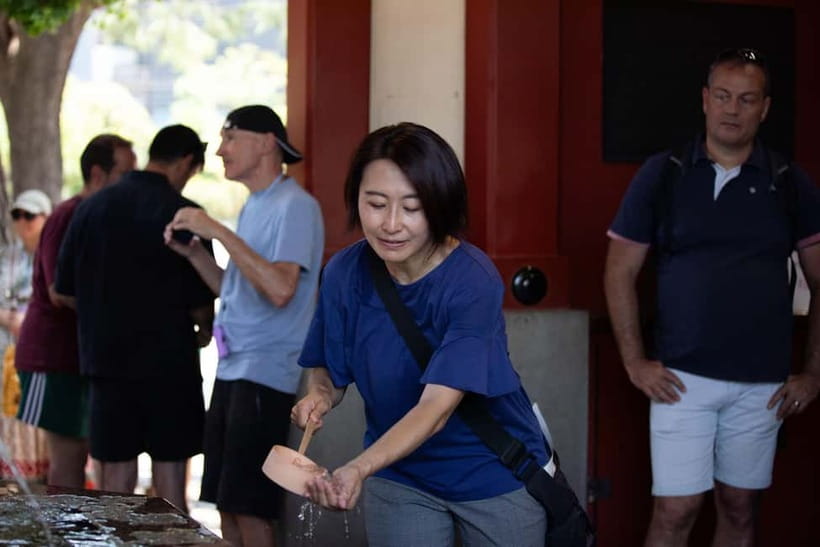
Next up is Hoppy Street, with a guided visit of about 10 minutes. This is the kind of stop that works best when you’re thinking ahead. Sensō-ji is the headline. Hoppy Street is part of the local rhythm around it.
You don’t spend long here, and that’s fine. Short guided side-street stops help you avoid turning the tour into a marathon. Plus, this is the zone that often leads to lunch plans because it’s tied to everyday food culture.
Even if you don’t eat during the tour, you’ll likely come away with names of streets and vibes to revisit later. That’s one reason this tour scores well on value: it isn’t only about what’s “on the list,” it’s about how to keep moving after the tour ends.
Readers also shortlisted these Tokyo bookings:
- Tokyo Tsukiji Fish Market Food and Culture Walking Tour★ 5.0 · 3,184 reviews
- Tokyo: Imperial Palace and Shogun Historical Walking Tour★ 5.0 · 2,251 reviews
- Tokyo: Shinjuku Local Bar and Izakaya Guided Walking Tour★ 4.9 · 1,794 reviews
- Tokyo: Tsukiji Fish Market Food and Walking tour★ 5.0 · 1,724 reviews
- Tokyo: Asakusa Walking Tour with Sensoji Temple Visit★ 4.8 · 1,583 reviews
Shin-Nakamise Shopping Street and the walk to Azuma Bridge
The tour finishes with a visit to 浅草新仲見世商店街 (Shin-Nakamise Shopping Street) for about 10 minutes, then you end at Azuma Bridge.
I like this finale because it gently expands what you think of as Asakusa. Nakamise is the famous lane. Shin-Nakamise and the surrounding streets feel like the overflow of local life. You get a chance to see that Asakusa isn’t a single corridor. It’s a network of streets, shops, and food stops feeding off the temple draw.
Ending at Azuma Bridge also gives you a clean exit point. It’s easy to keep your day going—whether you’re heading back toward the city or looking for more places to eat and explore on foot.
Guides make the difference (and the English is solid)
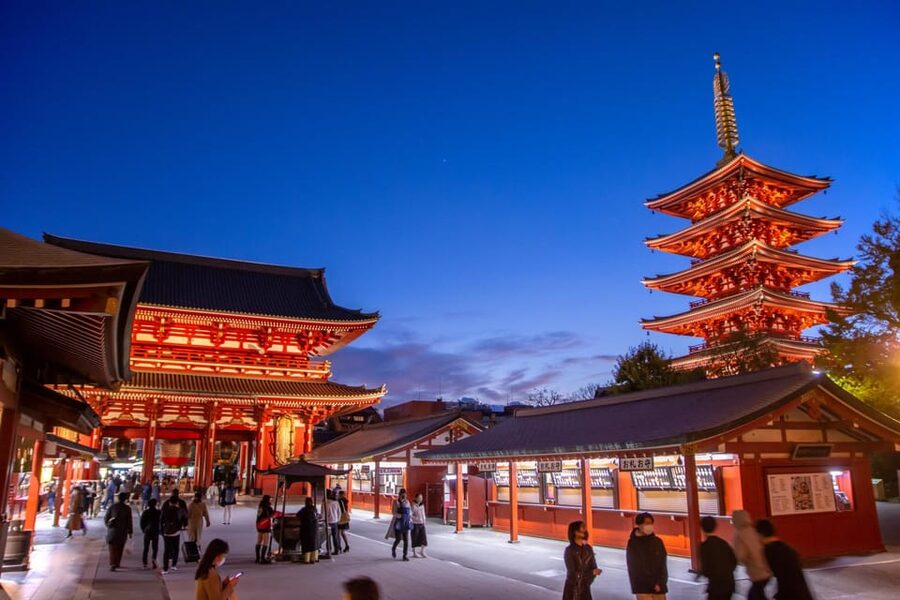
This tour is led by a live English-speaking guide, and that’s a big deal in a place with lots of small details. A lot of the best moments come from explanations: why Kaminarimon looks the way it does, what people are doing at the temple, and what you should notice as you walk.
The guide quality shows up in the feedback patterns. I’m especially glad to see praise for:
- guides who are patient and responsive (including when families are present),
- guides who keep the pace clear so you don’t get separated from the group,
- guides who explain both history and modern local life, including foodie context.
Different guides get highlighted in the reviews by name—Paulina, Hikoro, Keiko, Hiroko, Polina, Loc, Aya, Mei, Glenda, Rio, Augustina, and Miyu. That range tells me this is a real guide program, not a one-person show. And the repeated theme is consistent: clear English, solid cultural context, and an ability to make the walking route feel purposeful.
Price and logistics: $22 for 2 hours of real orientation
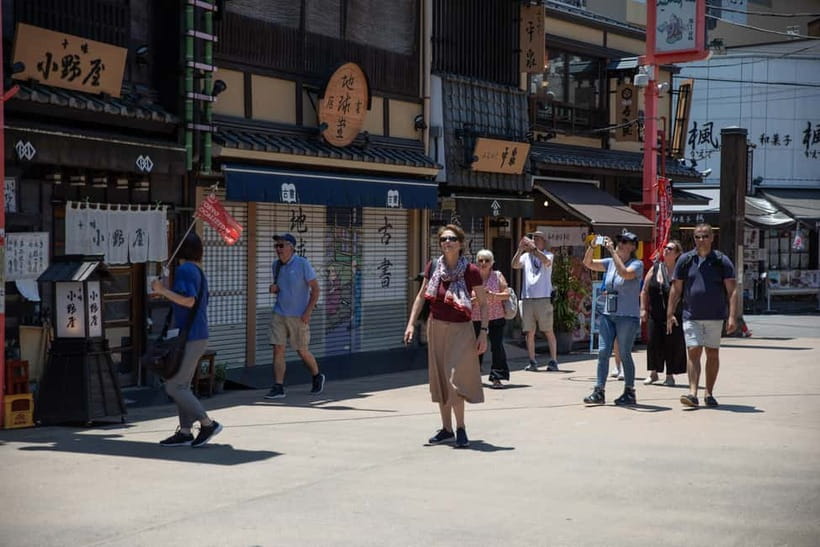
At $22 per person for 2 hours, the value comes from one thing: you’re paying for someone local to organize your first Asakusa walk.
You’re not just buying access to Sensō-ji. You’re buying:
- a guided order for the sights (so you don’t zigzag through the crowds),
- explanations you’d otherwise miss,
- and a finish point that helps you keep moving.
About logistics: the meeting point is in front of Kaminarimon Gate on the left side, near the Tokiwado Kaminari-okoshi Honpo shop. Your guide will be holding a sign, and they ask that you arrive on time so they don’t have to pause and manage delays.
This matters more in Asakusa than in quieter neighborhoods. The district draws crowds, so punctuality isn’t about being strict—it’s about making sure everyone actually gets to see everything on the schedule.
Who this tour is best for
This is a great fit if:
- it’s your first time in Tokyo and you want a quick start in traditional Asakusa,
- you want more than “look at that” and you’d like a guide to explain what you’re seeing,
- you’re pairing sightseeing with food plans and want the right streets to revisit later.
It’s also well-suited to families and mixed ages. Multiple guides are praised for engaging children and teenagers, keeping everyone included, and answering questions without making anyone feel left out.
If you already know Asakusa well and you’re only after shopping or you have zero interest in temple context, you might feel the tour is “too guided.” But for most first-timers, it’s a helpful shortcut to understanding the area fast.
Should you book this Asakusa Walking Tour?
Yes—if you want your first Asakusa visit to feel guided, not confusing.
Book it if you care about Sensō-ji’s meaning, you’d like an English-speaking guide to point out what matters, and you want to cover the key sights in 2 hours without wasting time. Skip it only if you prefer total freedom and already know exactly what you want to see and in what order.
If you’re standing in front of Kaminarimon and you want the next two hours to make sense, this tour is a strong way to do it.
More Tours in Tokyo
- Mt Fuji and Hakone 1-Day Bus Tour Return by Bullet Train
★ 5.0 · 26,383 reviews - 1-Day Tokyo Bus Tour
★ 5.0 · 14,250 reviews - Tokyo: Shinjuku Food Tour (13 Dishes at 4 Local Eateries)
★ 5.0 · 6,603 reviews - Tokyo Mt Fuji 5th St & Hakone Cruise Bus Tour w/Bullet Train
★ 4.4 · 5,024 reviews - Flagship 2-Hours Official Street Go-Kart Tour – Tokyo Bay Shop
★ 5.0 · 4,974 reviews
More Tour Reviews in Tokyo
- Mt Fuji and Hakone 1-Day Bus Tour Return by Bullet Train
★ 5.0 · 26,383 reviews - 1-Day Tokyo Bus Tour
★ 5.0 · 14,250 reviews - Tokyo: teamLab Planets TOKYO Digital Art Museum Entry Ticket
★ 4.6 · 9,779 reviews - Mt Fuji & Hakone Cruise, Drum Show Bullet Train 1 Day from Tokyo
★ 4.0 · 7,413 reviews - Tokyo: Shinjuku Food Tour (13 Dishes at 4 Local Eateries)
★ 5.0 · 6,603 reviews
More Mornings in Old Asakusa
- Tokyo: Japanese Dance Cabaret Theater Asakusa-Kaguwa Ticket
★ 4.8 · 2,270 reviews - Tokyo: Meiji Shrine, Asakusa, Skytree Bus Tour and Cruise
★ 4.7 · 1,986 reviews - Tokyo: Roll and Authentic Sushi Making Class in Asakusa
★ 4.9 · 1,957 reviews - Tokyo Asakusa Rickshaw Tour
★ 5.0 · 1,375 reviews - Tokyo Panoramic 1 Day: Meiji Shrine, Asakusa, Odaiba and SKYTREE®
★ 4.5 · 1,222 reviews
Latest Tokyo reviews off our desk

Asakusa & Sensoji Tours, compared.
 ★ 4.8Japanese Dance Cabaret Theater Asakusa-Kaguwa TicketFrom $492,270 reviews
 ★ 4.7Meiji Shrine, Asakusa, Skytree Bus Tour and CruiseFrom $1221,986 reviews
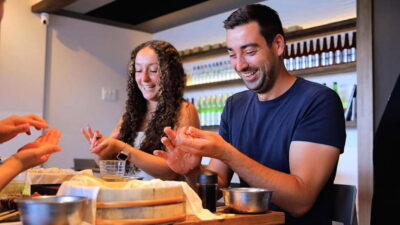 ★ 4.9Roll and Authentic Sushi Making Class in AsakusaFrom $581,957 reviews
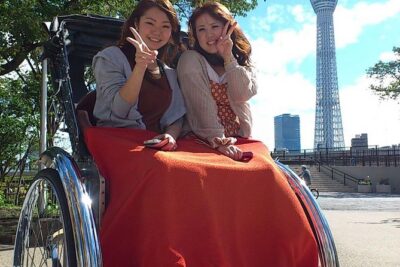 ★ 5.0Tokyo Asakusa Rickshaw TourFrom $421,375 reviews
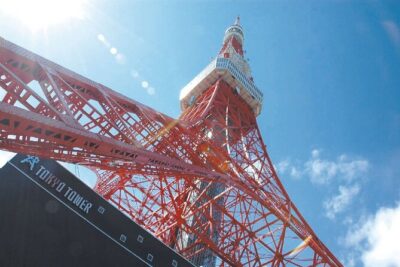 ★ 4.5Tokyo Panoramic 1 Day: Meiji Shrine, Asakusa, Odaiba and SKYTREE®From $851,222 reviews
 ★ 5.0Tokyo Go Kart: Asakusa, Skytree, and Akihabara **IDP MUST**From $99988 reviews
 ★ 4.7Asakusa, Skytree & Akhihabara Go-Kart City ExperienceFrom $96761 reviews
 ★ 4.9Matcha Making Experience with Mochi Sweets in AsakusaFrom $22388 reviews
Browse the lists this tour appears in