
Reviewed · CYCLING TOURS
2.5 Hour-Guided Cycle Tour in the Central Tokyo
Tokyo on two wheels changes the whole day.
This small-group cycle tour threads through quiet temples, a love-focused shrine, and Tokyo Skytree sightlines while you ride provided bikes with a helmet. I like that you get a gentle, sightseeing-focused pace without fighting for space on public transport, and you also see traditional culture up close at free sites. One consideration: the rental bikes are folding models sized for about 140–180 cm, so if you’re over 180 cm you need to flag it ahead of time.
You’ll meet up with your guide using the Hikifune Station area as a key reference point, then head out from the tour base in Higashimukōjima. Plan on about 2.5 hours for the riding and stops, and the rest of your day is yours. The route also includes time for street-food browsing, so you can snack like a local when the mood hits.
This works best when the weather cooperates. The tour is explicitly weather-dependent, and you’ll be outside cycling for most of the half-day, so bring layers and treat rain like a real factor, not a maybe.
In This Review
- Key things to know before you pedal
- Why This Central Tokyo Bike Route Feels Like Local Life
- Meeting up in Higashimukōjima and Getting Ready with Folding Bikes
- Suida River Cycling: Sakura Season and a Calm Warm-Up
- Honryuin Matsuchiyama Shoden: Part of Senso-ji with Daikon Symbolism
- Imado Shrine: A Power Spot for Love and Marriage
- Senso-ji and the Amezaiku Candy-Making Stop
- Sumida River Bridge Crossing and Riding Under Tokyo Skytree
- Kyojima Minami Park: An Old-Fashioned Shopping Street Moment
- Pace, Safety, and What to Bring for a Smooth Ride
- Value Check: Is This $50.08 Central Tokyo Bike Tour Worth It?
- Should You Book This Tokyo Backstreets Bike Tour?
- FAQ
- How long is the guided cycle tour?
- Where do I meet the guide for the ride?
- Are helmets and rental bikes included, and what bike size fits?
- What stops are included during the tour?
- How many people are in the group?
- What if weather is bad or I need to cancel?
Key things to know before you pedal
- Helmet included for peace of mind as you ride central Tokyo streets.
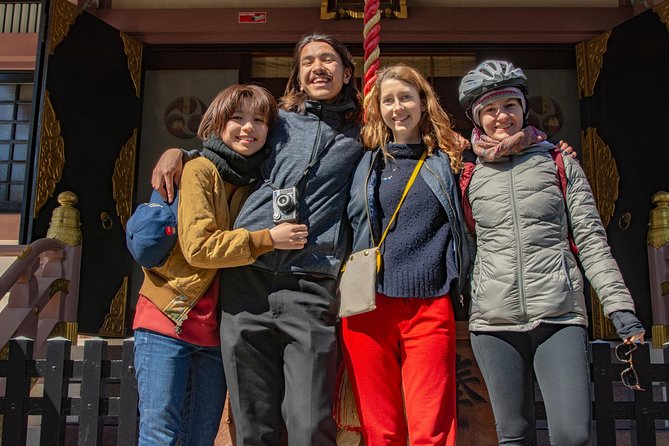
- Max 6 travelers, so the group stays easy to manage and you can actually ask questions.
- Free admission stops at major religious sites and temple/shrine areas.
- Suida River for Sakura-season scenery, depending on when you go.
- Tokyo Skytree viewpoints from the ride, including cycling right under it.
- Folding-bike sizing matters: rental bikes fit roughly 140–180 cm.
Why This Central Tokyo Bike Route Feels Like Local Life
Tokyo looks fast from the subway window. On a bike, the city slows down just enough for you to notice what makes it Tokyo beyond the big-name landmarks.
Here, the day is built around backstreets and everyday rhythm. You’re not only visiting famous places like Senso-ji. You also spend time at smaller stops that feel calmer and more specific, including a shrine known as a “power spot” for people seeking romance and marriage. That mix gives you variety without turning the tour into a rushed checklist.
Another thing I like: the tour includes time that feels functional, not just scenic. The Suida River stretch can be especially good in spring for Sakura views. And when you cycle across the Sumida River and then ride under Tokyo Skytree, you get those iconic skyline moments without waiting in a crowd queue.
Readers also shortlisted these Tokyo bookings:
- Tokyo Guided Small-Group Biking Tour
★ 5.0 · 1,250 reviews - Tokyo Great Cycling Tour
★ 5.0 · 811 reviews - Tokyo Top Highlights 3h Guided E-bike Tour
★ 5.0 · 714 reviews - 3h Tokyo E-Bike Tour: Hidden Gems, and Local Life with guide
★ 5.0 · 670 reviews
Meeting up in Higashimukōjima and Getting Ready with Folding Bikes
The tour starts at the Tokyo Backstreets Bike Tour meeting point in Higashimukōjima (inside the Share office called シナプス / Synaps, address listed as 24-14). The guide meets you using Hikifune Station as an easy reference point, which is helpful if you’re trying to navigate Tokyo for the first time.
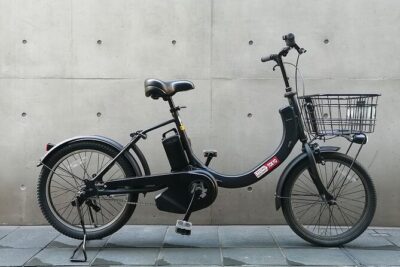
Bikes are folding models with 14–20 inch sizing. That range is designed to work for people between 140 and 180 cm tall. If you’re over 180 cm, you should inform the operator before your booking so they can advise. If you want a tandem bike, you need to request it 3 days before.
For your comfort, do a quick check when you’re handed the bike:
- Adjust seat height if there’s any fitting time.
- Confirm the brakes feel steady.
- Ask the guide how they want you to signal or regroup in traffic.
Even if you’ve biked before, central Tokyo street conditions can feel different. The helmet is provided, and the format is set up as a guided ride with frequent stop-and-go sightseeing, not a long-distance training session.
Suida River Cycling: Sakura Season and a Calm Warm-Up
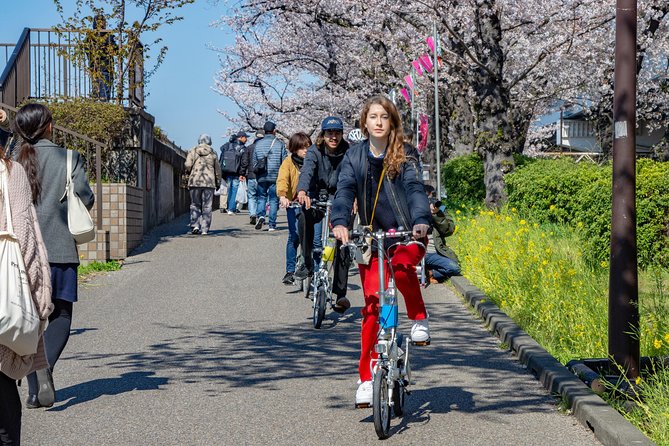
The tour begins with a ride along the bank of Suida River. The big selling point is seasonal: this area is famous for Sakura in spring. If you travel in the flower season, this opening segment can turn the whole tour mood more poetic, because it’s a gentler, scenic lead-in before you hit the denser temple-and-market areas.
Why this stop matters for your day: it gives you time to settle into the ride. You’re not starting by immediately juggling crowds and tight turns. You’re getting used to the bike, getting comfortable following the guide, and then the sights start stacking up.
If you’re visiting outside Sakura season, you still get a river-side feel and a break from straight-line city navigation. It’s also a good segment for photos because the river perspective helps your brain map where you are in Tokyo.
Honryuin Matsuchiyama Shoden: Part of Senso-ji with Daikon Symbolism
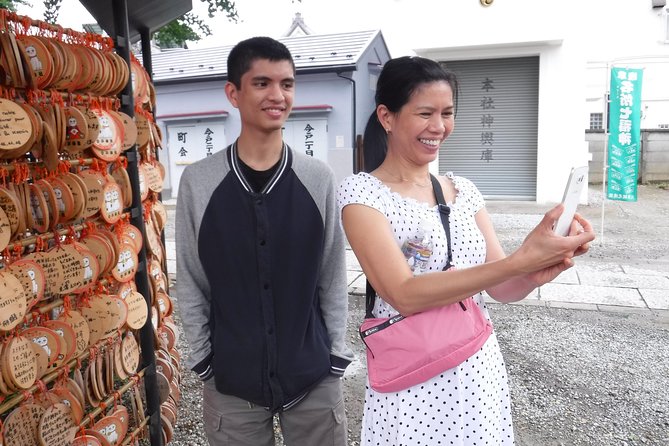
Stop 1 is Honryuin Matsuchiyama Shoden, connected to Senso-ji and founded in 595. You’ll spend about 20 minutes here, and admission is free.
What makes this stop more than a quick photo stop is the theme inside the temple experience: there are many images of a daikon (Japanese radish) and a pouch, tied to symbolism about minds trapped in deep ignorance, with the idea of release. That’s the kind of detail you only get when you’re with a guide who can explain what you’re looking at instead of treating the temple as just scenery.
Practical tip: temples can have lots of small visual elements. If you’re the type who likes to understand what a place means, this is a strong early stop because it sets a thoughtful tone for the rest of the tour.
Potential drawback: since the stop is about 20 minutes, you’ll want to pace yourself. If you prefer long, slow temple wandering, you may feel a little time-compressed here. Still, it’s a solid balance for a half-day bike tour.
Imado Shrine: A Power Spot for Love and Marriage
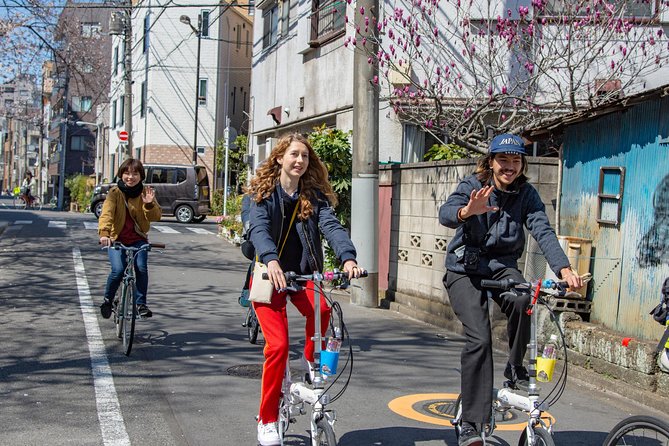
Next up is Imado Shrine, founded in 1063. The tour gives you about 15 minutes, and admission is free.
Imado Shrine is now known as a power spot, popular for people looking for lovers or marriage partners. The power-spot concept is something you’ll hear around Japan, but this is one of those places where it feels locally specific rather than vague. You’ll likely notice how visitors approach the shrine with a personal intention, which adds a human layer to what could otherwise be a simple stop.
Why this stop works well during a bike tour: it’s short, meaningful, and not overly physically demanding. You can step off the bike, reset your senses, and take in the shrine environment without losing momentum for the rest of the route.
Consideration: if you’re not into shrine rituals or power-spot stories, you might treat this as an atmospheric pause. But even then, it can be worthwhile for the contrast against the larger temple area you’ll see next.
Readers also shortlisted these Tokyo bookings:
- Tokyo 6hr Private Tour with Government-Licensed Guide★ 5.0 · 3,902 reviews
- Tokyo: Shinjuku Local Bar and Izakaya Guided Walking Tour★ 4.9 · 1,794 reviews
- Tokyo: Private City Highlights Tour with Local Guide★ 4.8 · 1,433 reviews
- Tokyo: Tsukiji Fish Market Guided Walking Tour★ 4.9 · 1,397 reviews
- Tokyo 4hr Private Tour with Government-Licensed Guide★ 5.0 · 1,394 reviews
Senso-ji and the Amezaiku Candy-Making Stop
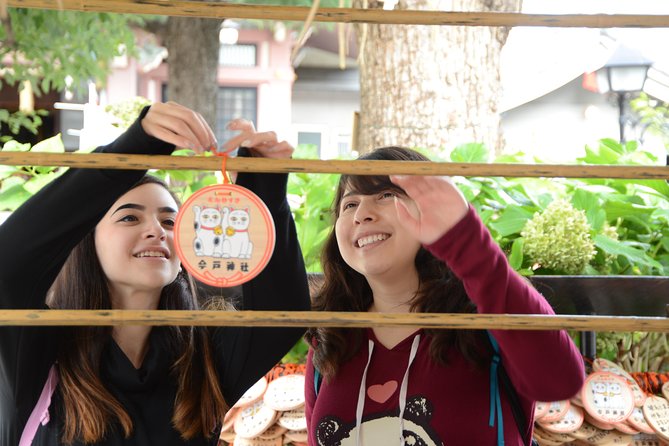
Senso-ji is the headline stop, with about 30 minutes on site and free admission. The tour notes that you can park bikes near the temple, then stroll inside.
This is the moment where your day leans into classic Tokyo tradition. Senso-ji has a strong sense of place, and being there after a quieter shrine stop gives you a better contrast: you’re not going from “nothing” straight to “max crowds.” You’ve already learned how to move with your group, so you can focus on the experience.
After that, you’ll visit a traditional craft candy shop: Asakusa Amezaiku Ameshin. You’ll have about 15 minutes here. You can watch how the candies are made, and the result is described as highly artistic.
This is a smart add-on for a bike tour because it gives you something tactile and visual, not just sightseeing. You’ll see the craft process, which is more memorable than only buying snacks. And if you’re thinking about what to bring home, this kind of workshop-style stop is often where the souvenir story actually starts.
A practical note: candy shops can sometimes be busy. If you want photos, take them during the candy-making moment rather than while people are moving through the shop area.
Sumida River Bridge Crossing and Riding Under Tokyo Skytree
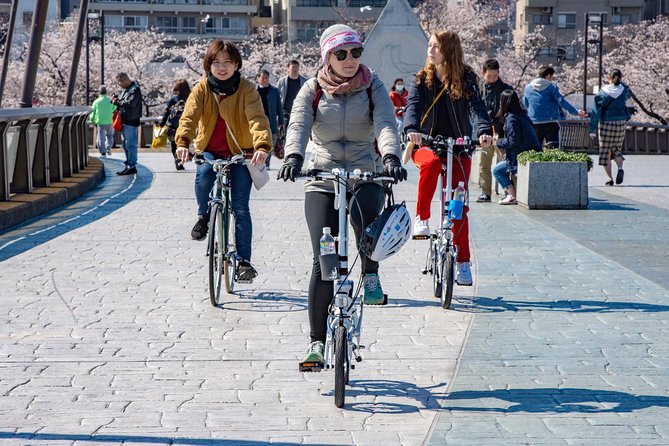
After the temple-and-craft segment, the route shifts to big views.
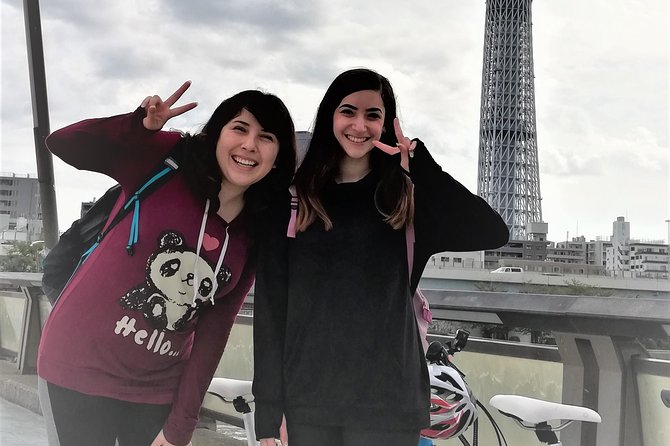
You’ll cross a bridge on the Sumida River, with wonderful scenery along the way. Then you’ll cycle under the Tokyo Skytree. Those two elements do something important: they connect your earlier temple route to modern Tokyo structure and scale.
Why cycling under Skytree can beat looking at it from far away: your perspective changes continuously as you move, and you don’t have to stand still. It turns a landmark from an object you spot into something you pass through. You also get a sense of how the tower sits within the surrounding neighborhoods, not just in isolation.
If you’re nervous about biking near major structures, you’ll probably feel better knowing this is still a guided route with defined stops. Your job is simply to follow the pacing and keep your attention on the road.
Kyojima Minami Park: An Old-Fashioned Shopping Street Moment
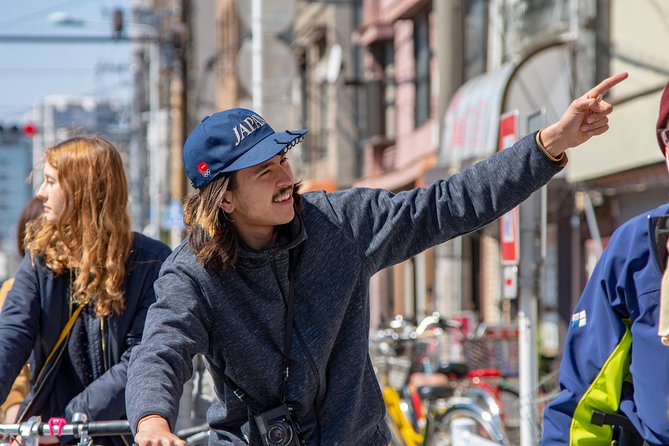
The final sightseeing stop is Kyojima Minami Park, about 20 minutes. The tour describes it as an old-fashioned shopping area where you can see daily life in Japan.
This is the kind of ending that helps the whole day stick. You start with river scenery, move through temples and a shrine, add craft candy, then finish by returning to street-level reality. It’s also a good place to watch how people move through their neighborhoods without the tourist spotlight.
You might not leave with a “must-buy” item, but you’ll likely leave with a better sense of Tokyo’s texture. That’s the real value of the last stop: it stops the day from feeling like you only toured landmarks.
Pace, Safety, and What to Bring for a Smooth Ride
This is designed as a gentle guided cycle with a sightseeing rhythm. The ride segments are long enough to give you a feeling for distance, but the stops are frequent enough to reset your body and attention.
Helmet use is provided, which matters in a city where bike etiquette and street patterns can vary. The group size is small (maximum 6 travelers), which also helps with safety because the guide can keep everyone together.
What you should bring:
- A light layer and a warmer layer if mornings/evenings feel chilly.
- A small rain layer or poncho if weather looks uncertain, since the tour depends on good conditions.
- Comfortable shoes for short walks at temples and shrine areas.
If the weather turns wet, your best ally is preparation. In at least some instances, the guide has shown up ready with raincoats and kept safety in focus, which is exactly what you want for a half-day bike plan.
Value Check: Is This $50.08 Central Tokyo Bike Tour Worth It?
At $50.08 per person for roughly 2.5 hours, this tour isn’t just “transport with a guide.” You’re paying for:
- A guided ride through central Tokyo backstreets.
- Helmet and rental folding bikes.
- Time at multiple free-entry cultural stops.
- A craft-focused shop visit (watching candy-making).
- River and skyline segments, including views from riding across and under Tokyo Skytree.
The value is strongest if you hate wasting precious vacation hours figuring out routes and transfers. Instead of piecing together multiple attractions with trains and walking, you get a pre-built sequence that covers very different Tokyo textures in one afternoon.
The pricing also makes more sense when you consider the group limit (max 6). Small groups usually mean more personal attention, and that matters when you want explanations at temples and shrines rather than just passing by.
One more practical value point: it’s easy to fit into your day. You plan around 2.5 hours, then you’re free for the rest of the day. That structure is great if you want mornings for other plans or you’re staying out of the tourist core.
Should You Book This Tokyo Backstreets Bike Tour?
Book it if you want a half-day plan that feels like Tokyo neighborhood life, not just sightseeing stations. This is especially good for:
- First-timers who want central Tokyo highlights plus quieter areas.
- People who like temples and shrines but also want a practical, moving sightseeing format.
- Anyone who wants Skytree views without adding more standing in lines.
Skip it or choose another option if:
- You’re outside the bike-size range (over 180 cm) and can’t coordinate beforehand.
- You dislike cycling in city conditions, even with a helmet and a small guided group.
- You’re traveling during a time when weather uncertainty would stress you out, since the tour requires good weather.
If your schedule is flexible, this is an easy way to make Tokyo feel human-scale for a few hours, while still delivering classic sights like Senso-ji and Tokyo Skytree.
FAQ
How long is the guided cycle tour?
The tour is approximately 2 hours 30 minutes.
Where do I meet the guide for the ride?
You can meet the guide using Hikifune Station as a reference point, and the listed start/end meeting point is Tokyo Backstreets Bike Tour at the Synaps share office location in Higashimukōjima (Sumida City).
Are helmets and rental bikes included, and what bike size fits?
Helmets are provided. The rental bikes are folding bikes sized for people between 140 and 180 cm tall. If you’re over 180 cm, you should inform the operator priorly.
What stops are included during the tour?
The tour includes time at Honryuin Matsuchiyama Shoden, Imado Shrine, Senso-ji Temple, and Asakusa Amezaiku Ameshin, plus cycling by the Suida River, crossing the Sumida River, cycling under Tokyo Skytree, and visiting Kyojima Minami Park.
How many people are in the group?
The tour has a maximum of 6 travelers.
What if weather is bad or I need to cancel?
The experience requires good weather. If it’s canceled due to poor weather, you’ll be offered a different date or a full refund. You can cancel for a full refund up to 24 hours in advance; changes made less than 24 hours before the start time aren’t accepted.
More Cycling Tours in Tokyo
- Tokyo Guided Small-Group Biking Tour
★ 5.0 · 1,250 reviews - Tokyo Great Cycling Tour
★ 5.0 · 811 reviews - Tokyo Top Highlights 3h Guided E-bike Tour
★ 5.0 · 714 reviews - 3h Tokyo E-Bike Tour: Hidden Gems, and Local Life with guide
★ 5.0 · 670 reviews - Tokyo: 3-Hour Bike or E-Bike City Highlights Tour
★ 4.8 · 435 reviews
More Tours in Tokyo
- Mt Fuji and Hakone 1-Day Bus Tour Return by Bullet Train
★ 5.0 · 26,383 reviews - 1-Day Tokyo Bus Tour
★ 5.0 · 14,250 reviews - Tokyo: Shinjuku Food Tour (13 Dishes at 4 Local Eateries)
★ 5.0 · 6,603 reviews - Tokyo Mt Fuji 5th St & Hakone Cruise Bus Tour w/Bullet Train
★ 4.4 · 5,024 reviews - Flagship 2-Hours Official Street Go-Kart Tour – Tokyo Bay Shop
★ 5.0 · 4,974 reviews
More Tour Reviews in Tokyo
- Mt Fuji and Hakone 1-Day Bus Tour Return by Bullet Train
★ 5.0 · 26,383 reviews - 1-Day Tokyo Bus Tour
★ 5.0 · 14,250 reviews - Tokyo: teamLab Planets TOKYO Digital Art Museum Entry Ticket
★ 4.6 · 9,779 reviews - Mt Fuji & Hakone Cruise, Drum Show Bullet Train 1 Day from Tokyo
★ 4.0 · 7,413 reviews - Tokyo: Shinjuku Food Tour (13 Dishes at 4 Local Eateries)
★ 5.0 · 6,603 reviews
Latest Tokyo reviews off our desk

Cycling Tours, compared.
 ★ 5.0Tokyo Guided Small-Group Biking TourFrom $1061,250 reviews
 ★ 5.0Tokyo Great Cycling TourFrom $99811 reviews
 ★ 5.0Tokyo Top Highlights 3h Guided E-bike TourFrom $63714 reviews
 ★ 5.03h Tokyo E-Bike Tour: Hidden Gems, and Local Life with guideFrom $63670 reviews
 ★ 4.83-Hour Bike or E-Bike City Highlights TourFrom $45435 reviews
 ★ 4.83-hour Guided E-Bike Tour of the City’s Hidden GemsFrom $65251 reviews
 ★ 5.0Tokyo West-Side Cycling & Food TourFrom $99214 reviews
 ★ 5.03-Hour Bike/E-Bike Tour of the City’s HighlightsFrom $63209 reviews
Browse the lists this tour appears in