
Reviewed · SHIBUYA EXPERIENCES
Awesome Private Tour: Tsukiji, Asakusa, Shinjuku, Shibuya
Tokyo moves faster when someone local drives. This private tour stitches together big-name stops like Senso-ji and Shibuya Crossing with hands-on street time in Tsukiji, plus nightlife areas around Shinjuku. It works well if you like mixing classic postcards with real neighborhoods, not just moving from sign to sign.
I especially like the way the guide builds in breaks so the day doesn’t steamroll you, and I like the practical focus on where to walk, what to look for, and what to eat during the busiest stretches. One note to factor in: the price includes the guiding, but not your transportation and not attraction tickets, so you should budget a bit extra if you plan to enter paid sites.
In This Review
- Key highlights worth caring about
- A private Tokyo route that feels built for your day
- Tsukiji Outer Market: the best kind of chaos (with a plan)
- Hongan-ji in Tsukiji: a quick reset before the city moves on
- Ginza and Kabukiza Theater: polished shopping, real Tokyo theater
- Asakusa and Sensō-ji: souvenirs, meaning, and a temple walk you’ll remember
- Tokyo Skytree stop: when you want a view more than another shop
- Akihabara and Ueno: pop culture and park time without the detours
- Shibuya Crossing: classic icon, guided for context
- Shinjuku after-dark vibe: Omoide Yokocho, Kabukicho, and Golden Gai
- What $116 per person really buys you
- Pacing, heat breaks, and how to stay comfortable
- Shopping and food: where the guide’s advice helps most
- Who this tour fits best
- Should you book this private Tokyo tour?
- FAQ
- How long is the tour?
- Is this a private tour?
- What language is the guide?
- Which areas are included?
- Are transportation costs included?
- Are attraction entrance tickets included?
- Can the itinerary be customized?
- Is it wheelchair accessible?
Key highlights worth caring about
- Small private group flexibility: your route can tilt toward iconic stops or lesser-seen areas
- ABU and other English-speaking guides: guides have been named Abu, Ayoub, and Maruf in different groups
- Tsukiji-to-Asakusa-to-Shibuya flow: you get a logical loop across the city’s most famous districts
- Street-level shopping time: Nakamise for souvenirs and market-style browsing at Tsukiji
- Shinjuku night flavor: Omoide Yokocho, Kabukicho, and Golden Gai get real context from your guide
- Planning support for the rest of your Tokyo trip: you leave with a better game plan
A private Tokyo route that feels built for your day
This is the kind of tour that works because it’s not locked into one rigid checklist. You get a small private group experience, guided in English, with a plan that can adapt to what you care about: landmarks, food, shopping, pop culture, or older “downtown” streets.
The pace is also designed with reality in mind. Tokyo’s sidewalks can be packed, and summer heat can be brutal. In the groups where the guide built in breaks during very hot weather, that made the whole day feel more doable—less sprinting, more enjoying. You’ll still walk, but it doesn’t feel like you’re being herded.
There’s also a practical bonus: your guide is not just escorting you between stops. You’ll get guidance you can use after the tour, so you’re less likely to spend the rest of your trip guessing what to do next.
More booked around Shibuya Crossing
- Official Street Go-Kart in Shibuya
★ 5.0 · 3,435 reviews - Tokyo: Street Kart Experience in Shibuya
★ 4.9 · 1,484 reviews - Shibuya Meltdown Nightlife Tour: All-You-Can-Drink Bar Hopping
★ 5.0 · 1,058 reviews - Shibuya Official Street Go-Kart in Shibuya Annex
★ 5.0 · 972 reviews
Tsukiji Outer Market: the best kind of chaos (with a plan)
Tsukiji Outer Market is one of those places where going without a strategy can mean walking past the best stuff. The tour gives you a focused entry: a photo stop and a guided walk with time to shop and snack.
What I like here is the blend: you’re not just looking at fish-themed displays. You’re seeing the market ecosystem—busy counters, small specialty stalls, and the kind of food culture that’s easier to enjoy when someone knows where to send you first. If you’re into street snacks or want market souvenirs that actually feel Tokyo, this part delivers.
A small caution: Tsukiji is active and sometimes crowded. If you don’t love close-quarters walking, treat this segment like a short mission. Get what you came for, take photos early in the walk, then enjoy the calmer streets after.
Hongan-ji in Tsukiji: a quick reset before the city moves on
Right near Tsukiji’s market buzz, the tour includes visits and photo stops around Tsukiji Hongan-ji. You also get a short on-foot connection that keeps the day from becoming purely commercial.
This matters because Tokyo can feel like constant motion. A brief stop in a temple area gives you a change of tone: fewer crowds, more stillness, and a chance to understand how religion and daily life share the same neighborhoods. It’s also a nice buffer before you transition into Ginza’s shopping district.
The timing here is tight, but that’s part of the value. You get cultural grounding without spending half your day waiting in lines.
Ginza and Kabukiza Theater: polished shopping, real Tokyo theater
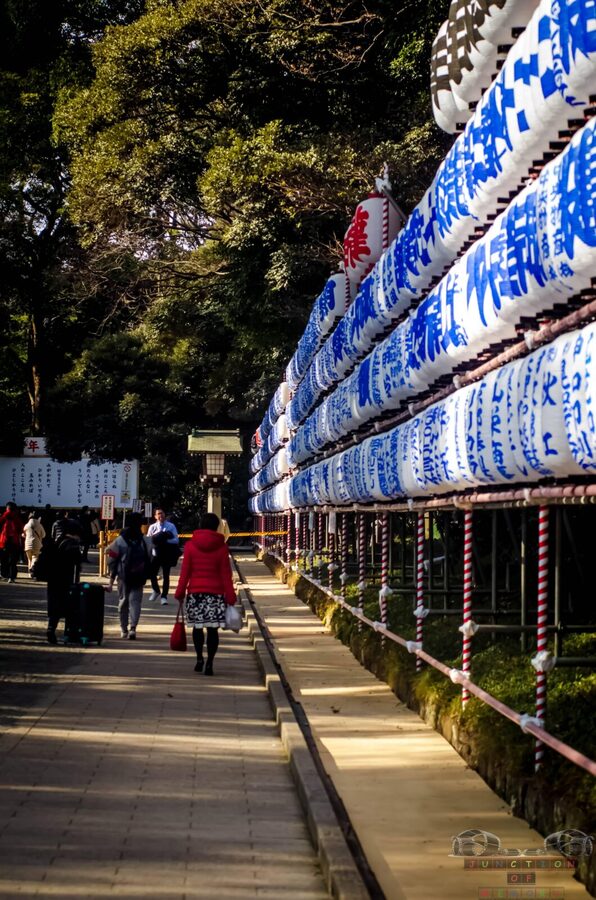
From Tsukiji you shift toward Ginza, Tokyo’s upscale shopping area. The tour gives you a guided walk with photo stops and time to browse. This isn’t about buying luxury items for the sake of it. It’s about seeing how Tokyo’s “everyday elegance” looks in real street life—department store fronts, neat streetscapes, and the contrast with older districts later in the day.
On the way, you pass Kabukiza Theatre. Kabuki is a big part of Japan’s traditional performing arts, and while the tour may not be built around entering the theater, the pass-by spot is still useful. If you’re curious and time allows, your guide can help you decide whether a performance fits your schedule—just remember that paid tickets aren’t included.
Asakusa and Sensō-ji: souvenirs, meaning, and a temple walk you’ll remember
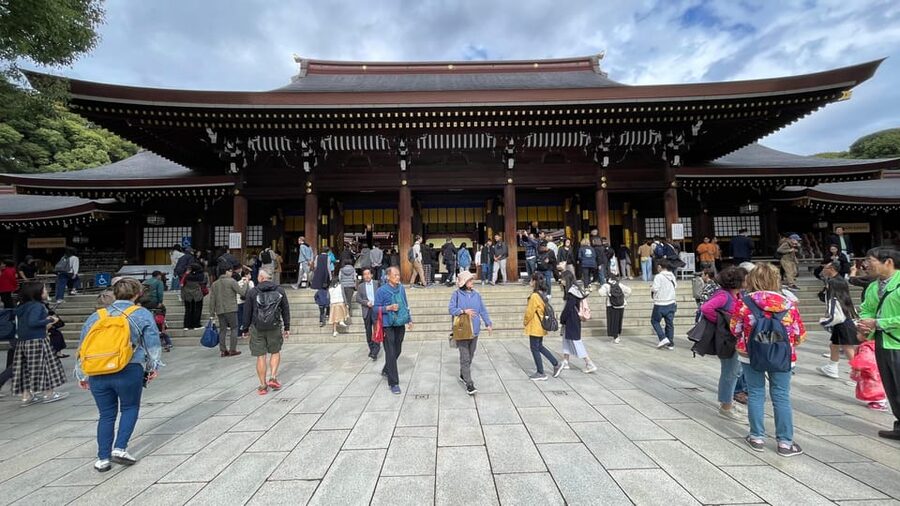
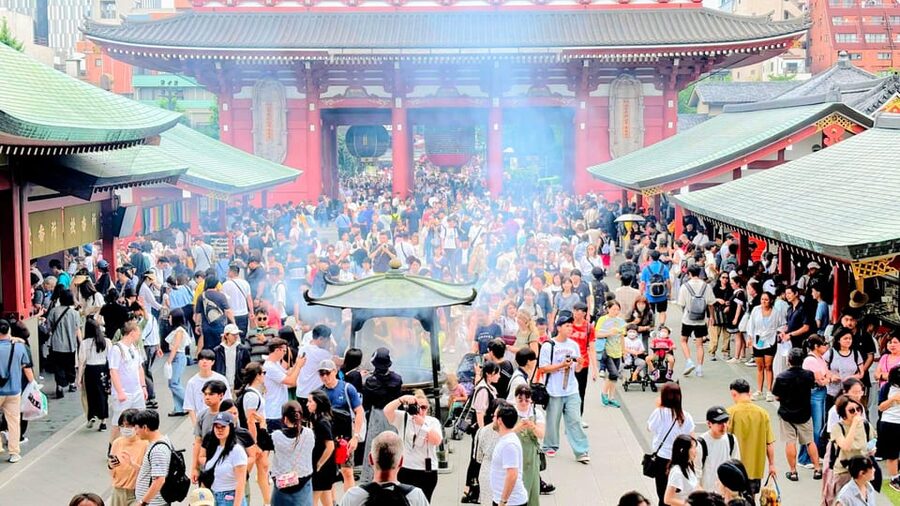
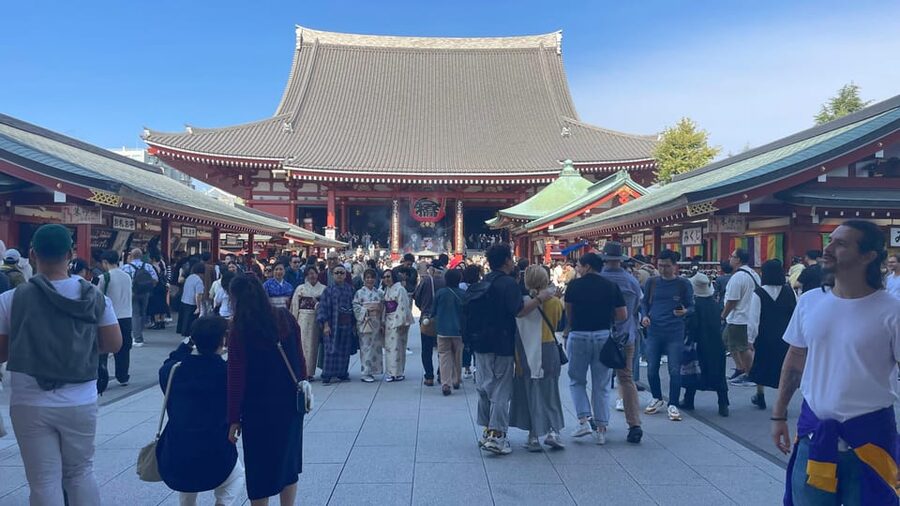
Asakusa is where the tour slows down in the right ways. You’ll move through the area toward Nakamise Shopping Street, then spend time at Sensō-ji Temple, including guided context, photo stops, shopping time, and free time.
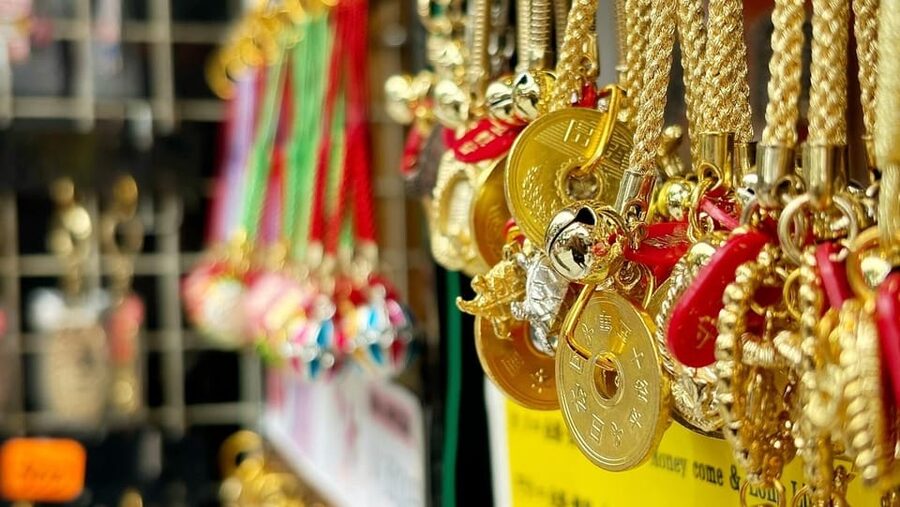
Nakamise is famous for a reason: it’s a concentrated corridor of snacks, small crafts, and souvenir shopping. The guided part helps you avoid wasting time on stores that sell the same mass souvenirs, and it helps you spot what’s worth buying. If you want food snacks that feel connected to the temple area, this is one of the best places to do it.
Sensō-ji is also where you’ll understand Tokyo’s layering. It’s not just architecture and photos. It’s a working temple area with everyday rhythms. Having a guide here can turn a quick temple stop into something more meaningful—like learning what to look for as you walk.
Practical tip: plan your photos early in your temple window. If you wait until the crowds peak, you’ll still get great shots, but you’ll spend more time standing still.
More temple mornings in old Asakusa
- Tokyo: Japanese Dance Cabaret Theater Asakusa-Kaguwa Ticket★ 4.8 · 2,270 reviews
- Tokyo: Meiji Shrine, Asakusa, Skytree Bus Tour and Cruise★ 4.7 · 1,986 reviews
- Tokyo: Roll and Authentic Sushi Making Class in Asakusa★ 4.9 · 1,957 reviews
- Tokyo: Asakusa Walking Tour with Sensoji Temple Visit★ 4.8 · 1,583 reviews
- Tokyo Asakusa Rickshaw Tour★ 5.0 · 1,375 reviews
Tokyo Skytree stop: when you want a view more than another shop
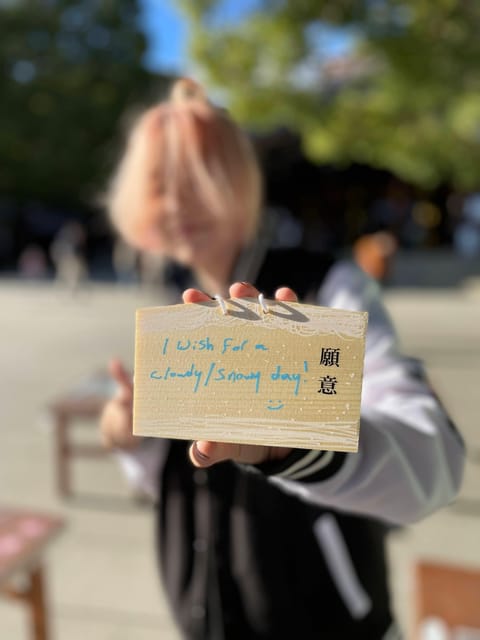
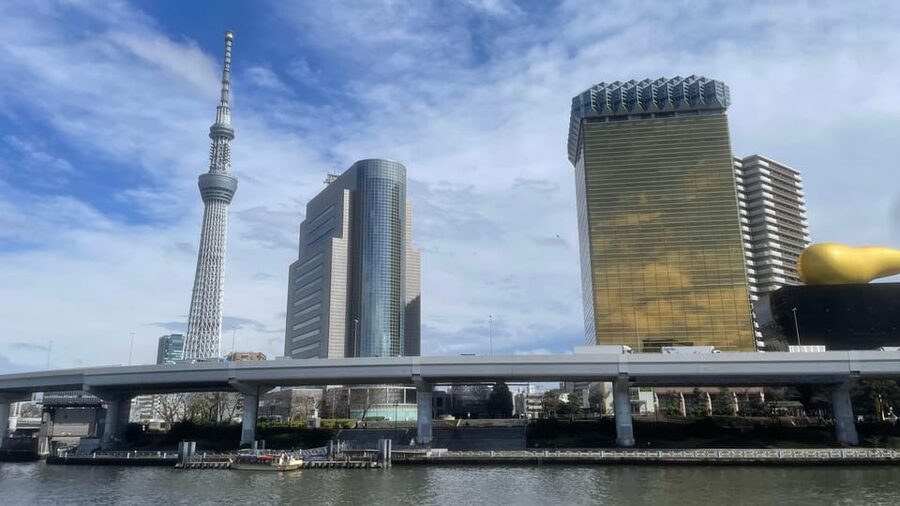
After Asakusa, the tour includes a long break area at Tokyo Skytree—with photo stops, guided time, and free time. It’s a solid choice for first-timers because you get that “Tokyo is huge” perspective without needing to plan it yourself.
What I like about including Skytree is that it gives you a different kind of experience. The rest of the day is street-level: markets, shopping, temple streets, nightlife lanes. Skytree adds height, distance, and orientation.
One tradeoff: Skytree time can take your day in a more “ticketed attraction” direction if you choose to enter certain areas. The tour doesn’t include attraction entry fees, so consider how much you personally want the full paid experience versus the exterior photo-and-view experience.
Akihabara and Ueno: pop culture and park time without the detours
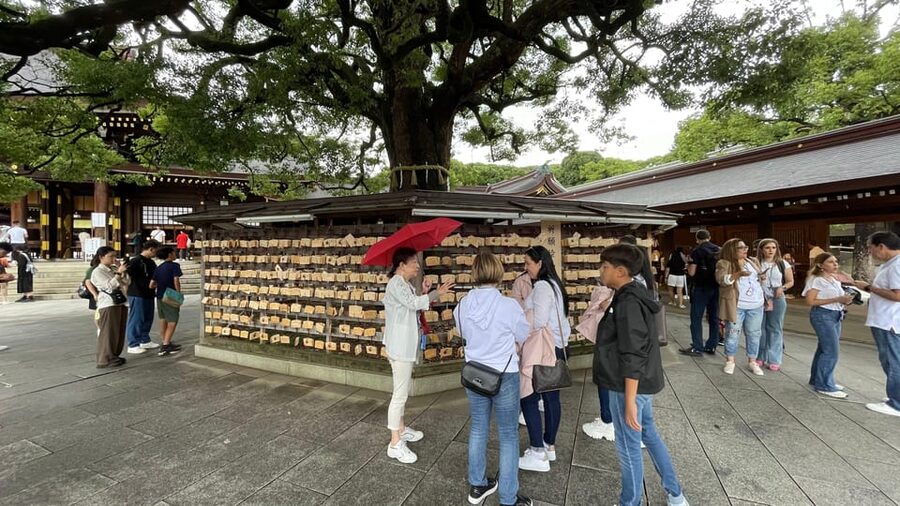
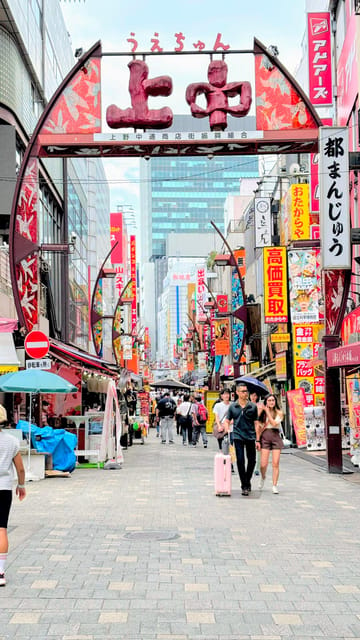
The tour also builds in breaks around Akihabara and Ueno. These are very different neighborhoods, and that’s the point: you get to mix interests in a single guided day.
Akihabara is for pop culture fans, especially manga/anime-related shopping and collectible browsing. The tour gives you a guided orientation and free time so you can browse at your own speed.
Ueno works as a reset if you want something calmer than a street market or a shopping district. You get guided time and free time around the area (including a park-focused stop), which can be a welcome shift during a long walking day.
If you hate “too much of everything,” focus your Akihabara time on one clear objective: a store type you care about, or a specific kind of collectible. Otherwise it’s easy to get lost in the sheer variety.
Shibuya Crossing: classic icon, guided for context
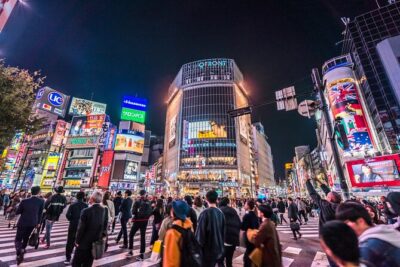
Shibuya Crossing is one of those sights you’ve seen in photos, but seeing it in person still feels like stepping into a scene. The tour includes guided time, photo opportunities, and free time right in the middle of the action.
This stop also connects you to nearby cultural details, including time around the Hachiko statue. That’s not just a photo target. It’s a moment that gives Shibuya a bit more emotional context than typical “big city spectacle” sightseeing.
The biggest practical consideration is crowd density. If you’re sensitive to busy places, treat Shibuya like a short, focused window. Get your photos, watch the flow for a few minutes, then use your free time to step into calmer side streets.
Shinjuku after-dark vibe: Omoide Yokocho, Kabukicho, and Golden Gai
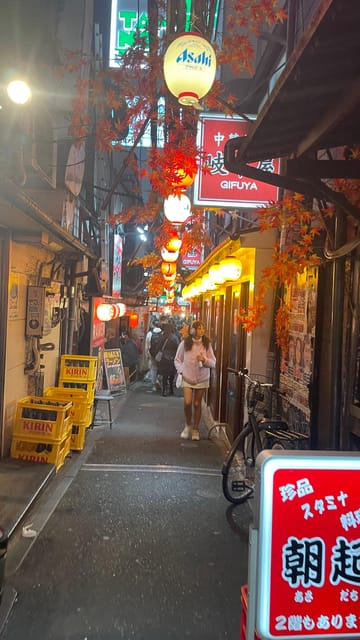
Toward the Shinjuku side of the route, the tour leans into atmosphere. You’ll go to Omoide Yokocho, then Kabukicho, then Golden Gai—with photo stops, guided guidance, and free time at each.
This is one of the most fun parts of the tour if you like nightlife textures and street culture. The “value” here isn’t that you’re visiting famous names—it’s that your guide helps you understand what you’re seeing so it doesn’t just blur into flashing signs and queues.
- Omoide Yokocho is a lane-world where the vibe feels compact and lived-in.
- Kabukicho is more neon and louder, a geography of adult city energy.
- Golden Gai is the small-bar cluster that people remember because it feels distinct, not just busy.
Since entry into venues and drinks aren’t included, keep your expectations flexible. Think of this as a guided tour of settings and choices, not a guarantee of a sit-down night out.
What $116 per person really buys you
At $116 per person, this tour isn’t trying to be the cheapest way to see Tokyo. The real value is the time-saver plus the human decision-making. Instead of mapping a day across multiple districts, you get someone to route you, explain what matters at each stop, and help you avoid wasted wandering.
You also get customization. The tour isn’t limited to the iconic list. If your interests lean toward older neighborhoods and slower streets, you might swap part of the day for areas such as:
- Yanaka (older Shitamachi-style streets and shopping)
- Nakano (pop culture shopping like Nakano Broadway)
- Kichijoji (Inokashira Park and its laid-back atmosphere)
That customization is the difference between seeing Tokyo and experiencing it. You’re steering the day toward what you’ll actually care about later in your trip.
Just remember what’s not included: transportation expenses and tickets to attractions (if you choose to enter paid sites). If you add Skytree paid sections or any other paid attraction, your total day cost will rise.
Pacing, heat breaks, and how to stay comfortable
Tokyo days can go long fast, and this tour spans a stated range of 4 to 8 hours depending on your selected timing. That range matters because you’re also crossing neighborhoods by metro at several points.
The good news: the format includes break time and free time segments, not just a nonstop march. In hot weather groups, guides built in breaks, which is the kind of practical skill that makes a tour feel worth it.
If you book, pack like you expect to walk:
- Comfortable shoes you can stand in
- Water and something salty or light for quick energy
- A small sun layer if you’re sensitive to AC in subways
Shopping and food: where the guide’s advice helps most
One theme from the experience is that the guide focuses on choices, not just sightseeing. At Tsukiji, the guide can point you toward great eating options around the Fish Market area. At Asakusa, the guidance can help you pick among shops near Sensō-ji without getting stuck with the most generic tourist goods.
In a couple of planning moments, the guide also helped with next-steps—like pointing people toward a ramen lunch spot near Akihabara when the day shifted toward their next activity.
If you’re on a tight schedule, this matters. Food planning in Tokyo can be a puzzle. A guide turns it into a quick decision so you spend more time eating and less time searching.
Who this tour fits best
This works especially well if you:
- Want a first-time Tokyo day that hits the big names without losing your footing
- Like street markets and neighborhood walks more than museum-only touring
- Prefer a private experience with a guide who can adjust the plan for your interests
- Want Shibuya and Shinjuku nightlife areas explained in context, not just photographed
It may be less ideal if you:
- Want a completely self-guided day and don’t care about interpretation
- Plan to enter lots of paid attractions, since fees and metro rides are not included
- Hate crowded intersections and dense street areas (Shibuya and Tsukiji will feel busy)
Should you book this private Tokyo tour?
Yes, if you want a smart, human-led way to connect Tsukiji, Asakusa, Shibuya, and Shinjuku into one day. The price makes sense when you treat it as paid route design plus interpretation, not just a checklist of stops.
Book it especially if you value food tips, shopping guidance, and a guide who can manage pacing with real breaks. If you’re willing to budget separately for metro rides and any attraction tickets, you’ll get a day that feels like Tokyo in layers—market energy, temple calm, city height, and nightlife texture.
FAQ
How long is the tour?
The experience is listed as lasting 4 to 8 hours, with a half-day format described as a 4-hour adventure tailored to your interests.
Is this a private tour?
Yes. It’s offered as a private group experience.
What language is the guide?
The live tour guide speaks English.
Which areas are included?
The tour includes stops and time around Tsukiji Outer Market, Asakusa (Nakamise Shopping Street and Sensō-ji), Tokyo Skytree, Akihabara, Ueno, Shibuya Crossing, and Shinjuku areas including Omoide Yokocho, Kabukicho, and Golden Gai.
Are transportation costs included?
No. Transportation expenses are not included, so you’ll cover your own metro/subway costs during the tour.
Are attraction entrance tickets included?
No. Tickets to attractions are not included, and entrance fees would be paid separately if you choose to enter.
Can the itinerary be customized?
Yes. The guide customizes the route based on your interests, including options like Yanaka, Nakano, and Kichijoji depending on what you want to focus on.
Is it wheelchair accessible?
Yes, the tour is listed as wheelchair accessible.
More Shinjuku Food and Drink
- Tokyo: Shinjuku Food Tour (13 Dishes at 4 Local Eateries)
★ 5.0 · 6,603 reviews - Tokyo Bar Hopping Tour in Shinjuku (All-You-Can-Drink + Dinner)
★ 5.0 · 3,587 reviews - Tokyo: Shinjuku Food Tour (15 Dishes and 4 Eateries)
★ 4.9 · 2,033 reviews - Best of Shinjuku: Izakaya Food Tour (4 Stops, 14+ Tastings)
★ 5.0 · 1,863 reviews - Tokyo: Shinjuku Local Bar and Izakaya Guided Walking Tour
★ 4.9 · 1,794 reviews
More Mornings in Old Asakusa
- Tokyo: Japanese Dance Cabaret Theater Asakusa-Kaguwa Ticket
★ 4.8 · 2,270 reviews - Tokyo: Meiji Shrine, Asakusa, Skytree Bus Tour and Cruise
★ 4.7 · 1,986 reviews - Tokyo: Roll and Authentic Sushi Making Class in Asakusa
★ 4.9 · 1,957 reviews - Tokyo: Asakusa Walking Tour with Sensoji Temple Visit
★ 4.8 · 1,583 reviews - Tokyo Asakusa Rickshaw Tour
★ 5.0 · 1,375 reviews
More Around Shibuya Crossing
- Official Street Go-Kart in Shibuya
★ 5.0 · 3,435 reviews - Tokyo: Street Kart Experience in Shibuya
★ 4.9 · 1,484 reviews - Shibuya Meltdown Nightlife Tour: All-You-Can-Drink Bar Hopping
★ 5.0 · 1,058 reviews - Shibuya Official Street Go-Kart in Shibuya Annex
★ 5.0 · 972 reviews - Tokyo: Shibuya Food Tour (13 dishes and 4 Eateries)
★ 5.0 · 770 reviews
Latest Tokyo reviews off our desk

Shibuya Experiences, compared.
 ★ 5.0Official Street Go-Kart in ShibuyaFrom $763,435 reviews
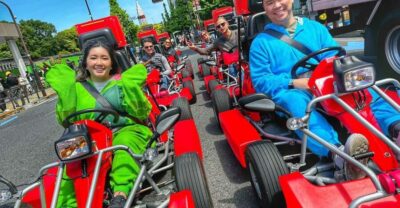 ★ 4.9Street Kart Experience in ShibuyaFrom $741,484 reviews
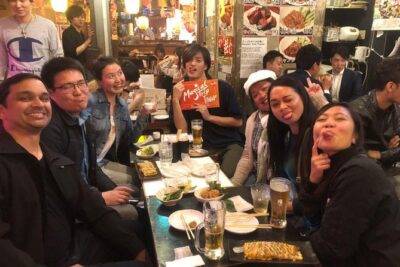 ★ 5.0Shibuya Meltdown Nightlife Tour: All-You-Can-Drink Bar HoppingFrom $1061,058 reviews
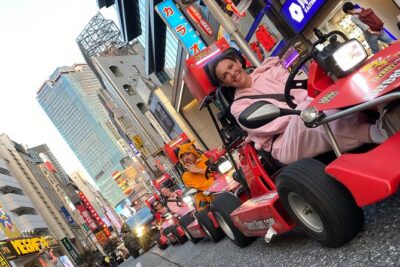 ★ 5.0Shibuya Official Street Go-Kart in Shibuya AnnexFrom $69972 reviews
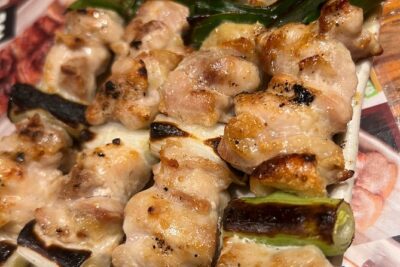 ★ 5.0Shibuya Food Tour (13 dishes and 4 Eateries)From $77770 reviews
 ★ 5.0Best of Shibuya Food TourFrom $217612 reviews
 ★ 4.8Shibuya Highlights Walking TourFrom $19601 reviews
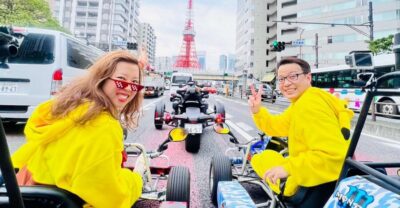 ★ 4.7Premium Go-Kart Tour with Tower & Shibuya CrossingFrom $116528 reviews
Browse the lists this tour appears in