
Reviewed · ASAKUSA & SENSOJI TOURS
Tokyo: Roll and Authentic Sushi Making Class in Asakusa
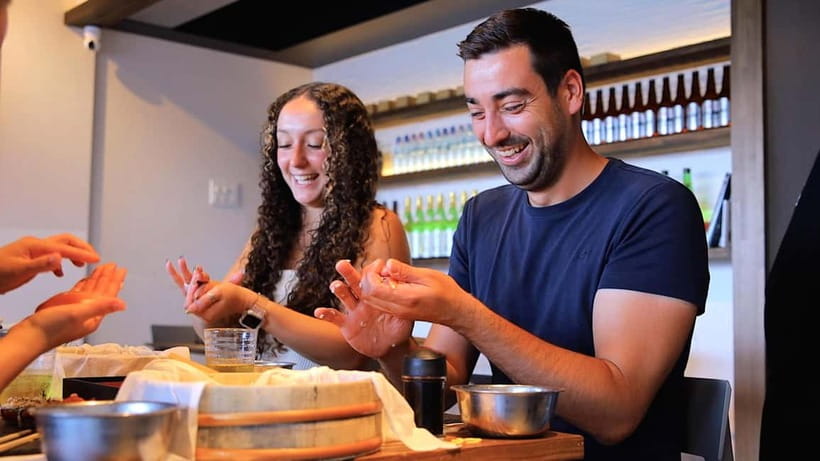
Sushi class in Asakusa feels like a cheat code. I love the interactive sushi-history quiz and the hands-on chance to make maki rolls and nigiri yourself. One possible drawback: with a 100-minute schedule, you may feel a bit rushed when shaping and rolling gets tricky.
This is also a practical Tokyo stop. The meeting point is just 3 minutes from Asakusa Station, and the atmosphere sits close to historic Sensō-ji, so you can pair it with temple sightseeing and still stay on track.
No experience is needed, and you’re taught in English, with help from a local team that stays patient even when your sushi looks a little lopsided. They also mention options for vegan, vegetarian, gluten-free, and halal, but if you have a specific allergy request, you’ll need to handle it during reservation, not last-minute.
In This Review
- Key things I’d circle before you go
- Asakusa Is the Right Place to Learn Sushi
- Your 100 Minutes: Quiz, Maki Rolls, and Nigiri
- The English-Speaking Team and the Teaching Style That Keeps You Calm
- What You Eat at the End: More Than a Snack
- Price and Value: Why $58 Is a Fair Deal Here
- Dietary Options and the One Practical Trade-Off
- Who Should Book Sushi Making Tokyo in Asakusa
- Should You Book This Sushi Class in Asakusa
- FAQ
- Where is the meeting point?
- How long is the class?
- Is it taught in English, and do I need sushi experience?
- What types of sushi will I make?
- What dietary options are available?
- What is included in the price?
- Is it wheelchair accessible, and what is the cancellation window?
Key things I’d circle before you go
- Asakusa location for easy pairing with Sensō-ji and nearby sights
- Two sushi styles: roll-style sushi and classic hand-pressed nigiri
- Quiz-style sushi history that keeps the class light and fun
- Friendly English instruction led by people like Hitomi, Tomona, and Ken
- Fresh ingredients and solid taste you get to eat at the end
- Good for families and solo diners, with extra support when the group is smaller
Asakusa Is the Right Place to Learn Sushi
Asakusa makes sense for a sushi class because it’s not just about food. You’re in a neighborhood where people still move through daily routines around old streets and major landmarks like Sensō-ji. That context matters: when you learn the why behind sushi, you feel less like you’re doing a generic cooking workshop and more like you’re getting a small slice of Japanese food culture.
The location is also easy to use. The meeting point is about a 3-minute walk from Asakusa Station, and it’s described as being very convenient near the temple area, which means you can keep your day simple. If your Tokyo itinerary is packed, this is the kind of activity that slots in without needing a long commute.
I also like that the class ends with you eating what you made. In many cooking experiences, the food is an afterthought. Here, you get to go from hands-on practice to a real meal right away, and that closes the loop on what you just learned.
More temple mornings in old Asakusa
- Tokyo: Japanese Dance Cabaret Theater Asakusa-Kaguwa Ticket
★ 4.8 · 2,270 reviews - Tokyo: Meiji Shrine, Asakusa, Skytree Bus Tour and Cruise
★ 4.7 · 1,986 reviews - Tokyo: Roll and Authentic Sushi Making Class in Asakusa
★ 4.9 · 1,957 reviews - Tokyo: Asakusa Walking Tour with Sensoji Temple Visit
★ 4.8 · 1,583 reviews
Your 100 Minutes: Quiz, Maki Rolls, and Nigiri
The session runs about 100 minutes, and the flow is designed to keep you moving. You start with a welcome and a sushi-history component that’s interactive and lighthearted. Expect a quiz format: it’s a clever way to teach basics like what sushi is, how it developed, and what different styles are meant to be.
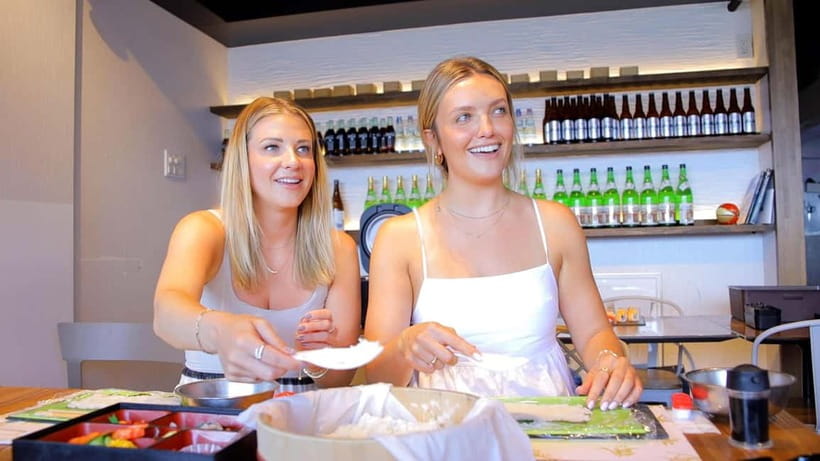
Then comes the part you’ll remember with your hands: making sushi. The class is set up so you create two types:
- A roll-style sushi (commonly maki) where you learn how to spread rice evenly, add fillings, and roll with control.
- An authentic Japanese style (commonly nigiri) where you form rice by hand and top it with the right ingredients.
You’ll get step-by-step guidance, but the goal isn’t perfection. It’s learning the method. Reviews mention that the instructions are easy to follow and that the teaching team balances explanation with real practice, so you’re not just watching.
Timing is the main thing to watch. Some people felt they wanted more time, especially because sushi technique can be slower at the start. You’ll still leave full and proud, but if you’re the type who needs a lot of repetition to get a precise roll, pick a calmer time slot if you can.
The English-Speaking Team and the Teaching Style That Keeps You Calm
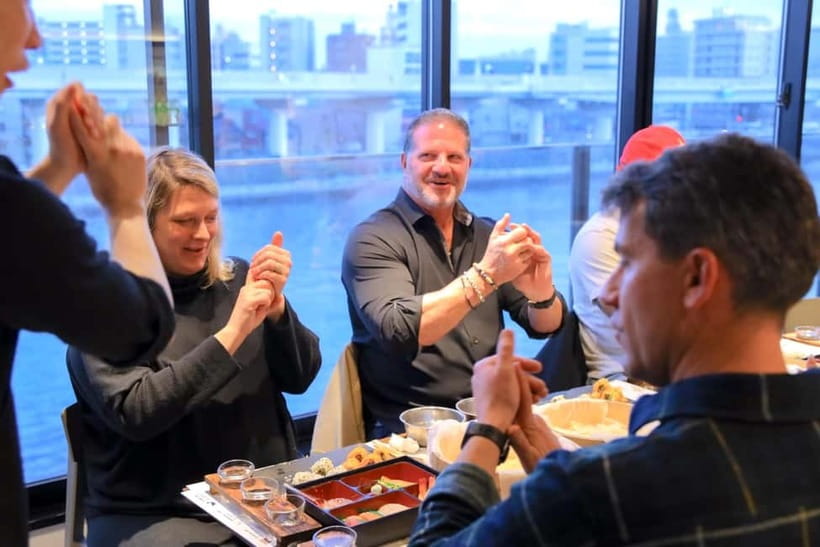
What makes this class work for beginners is the teaching tone. Multiple guides are described as funny, patient, and encouraging, with an easy back-and-forth rhythm that keeps the room relaxed. Names that come up include Hitomi (often praised as sweet and patient), Tomona, and Ken (described as skilled and fun to listen to). Helpers like Hide also get credit for making the experience better.
You’ll notice a practical teaching style in the way they handle mistakes. When your roll looks uneven or your shape isn’t quite right, you’re not left staring at your kit. You get cues and tips that help you fix it. That matters in a sushi class because the rice and the rolling pressure are the difference between a roll that holds together and one that falls apart faster than a flimsy umbrella.
Also, the class uses English instruction throughout, which keeps the pace friendly. You don’t need to translate food-tech terms in your head. You can focus on the one thing that counts: learning what the guide is asking you to do and repeating it until it clicks.
Finally, group size can affect the feel. Some people mention an earlier time slot felt less crowded, which often means more attention and less waiting. If you’re traveling solo or you want more hands-on correction, earlier departures can be a smart choice.
What You Eat at the End: More Than a Snack
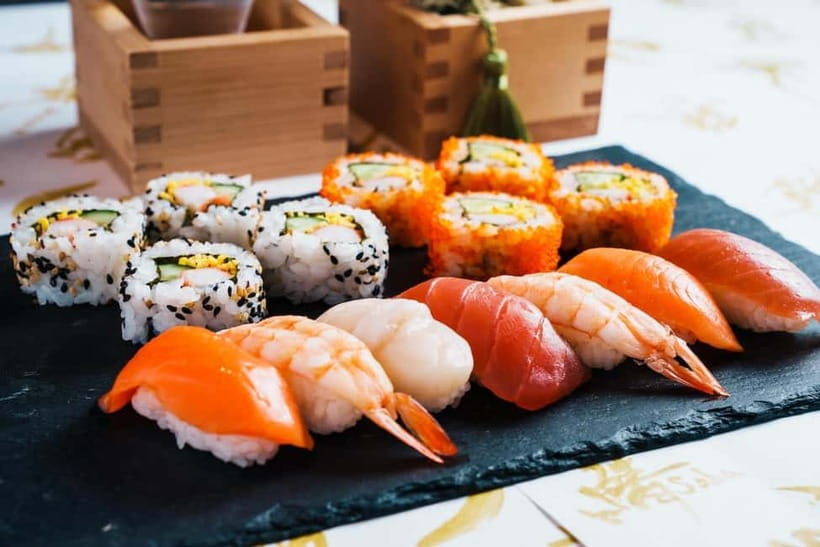
The best part is also the simplest: you eat your sushi. This is not just a demonstration where you get a bite for show. The class is designed so you make enough sushi to actually feel like you had a meal, and many people mention it’s delicious and satisfying.
Quality is another recurring point. Reviews describe ingredients as fresh and of high quality. That aligns with what you’d hope in a sushi-focused class: if the toppings and fillings taste bland, the technique won’t save it. Here, people talk about the final flavor as a reason to go.
There’s also mention of optional drinks like sake flights and beer being available. That’s not listed as part of the core included price, so treat it as an add-on you can consider once you’re there and see what’s offered.
And yes, sushi can be harder than it looks. Even with clear instructions, rolling takes coordination, and nigiri takes a sense of pressure that you can’t fully “think” your way through. The payoff is that once you’ve made a few pieces, you stop guessing and start understanding. You’ll probably want to reproduce it when you get home.
Price and Value: Why $58 Is a Fair Deal Here
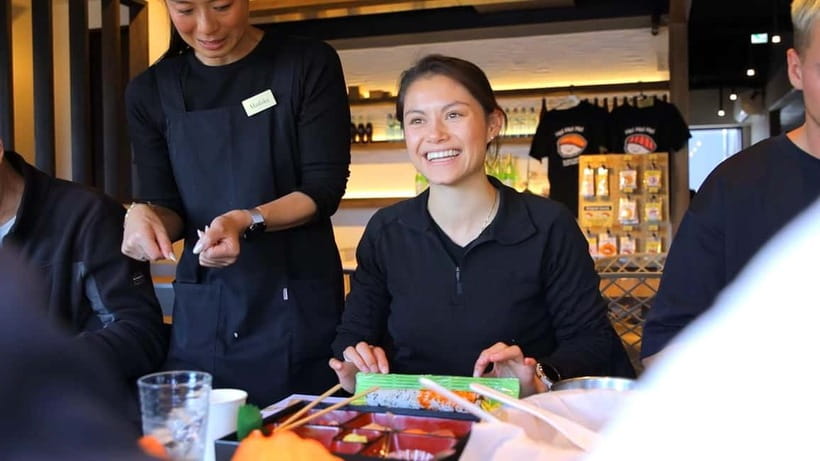
At $58 per person, the price is not cheap in the way a simple market snack is cheap. But it is fair for what’s included. You’re paying for a structured cooking lesson plus the ingredients plus the instructor guidance. You’re also eating what you make, which turns the class into a meal you can feel good about.
Think of it like this: you’re not just buying seafood. You’re buying technique, feedback, and a repeatable skill set. The quiz portion adds context so the food doesn’t feel random, and the hands-on practice gives you something to bring home beyond photos.
Value also depends on your travel style. If you prefer experiences that give you a tangible result you can show and taste, this class is strong. If you only want to watch, you might feel the time is better spent on a sushi meal plus a normal walking tour. But if you want to learn, eat, and leave with confidence, the price starts to look more reasonable.
More sushi counters to book, ranked
- Sushi Making Tokyo Roll and Authentic Japanese Sushi Class★ 5.0 · 3,971 reviews
- Tokyo: Roll and Authentic Sushi Making Class in Asakusa★ 4.9 · 1,957 reviews
- Make Sushi and Create Unforgettable Memories in Tokyo★ 5.0 · 1,413 reviews
- Tokyo: Sushi Making Class in a Happi Coat near a Famous Spot★ 4.9 · 1,377 reviews
- Tokyo: Tsukiji Fish Market Sushi Making Class with Pro Chef★ 4.9 · 506 reviews
Dietary Options and the One Practical Trade-Off
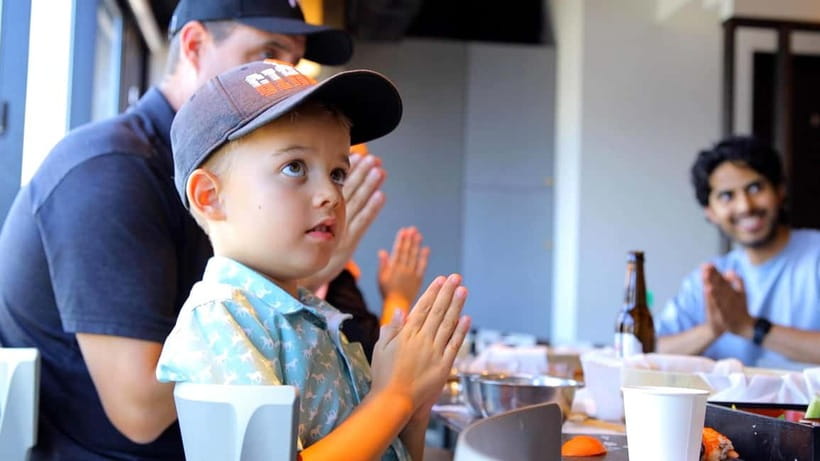
This class indicates it can handle several dietary needs, including vegan, vegetarian, gluten-free, and halal. It also states an allergy note: not used are meat, nuts, fruits, and dairy. If that matches your needs, you should be in good shape.
That said, don’t assume you can customize freely. The information provided says they can’t respond on the day and that they do not accept ingredient specifications. In other words, you need to request changes when you book, and you should do it carefully.
The other practical trade-off is the schedule. With 100 minutes, you’ll get solid instruction, but you may not have time to redo every step until it looks perfect. If you want maximum calm and extra practice, the earlier or less crowded slots can help, and you should go in knowing the goal is learning, not producing restaurant-level symmetry.
Who Should Book Sushi Making Tokyo in Asakusa
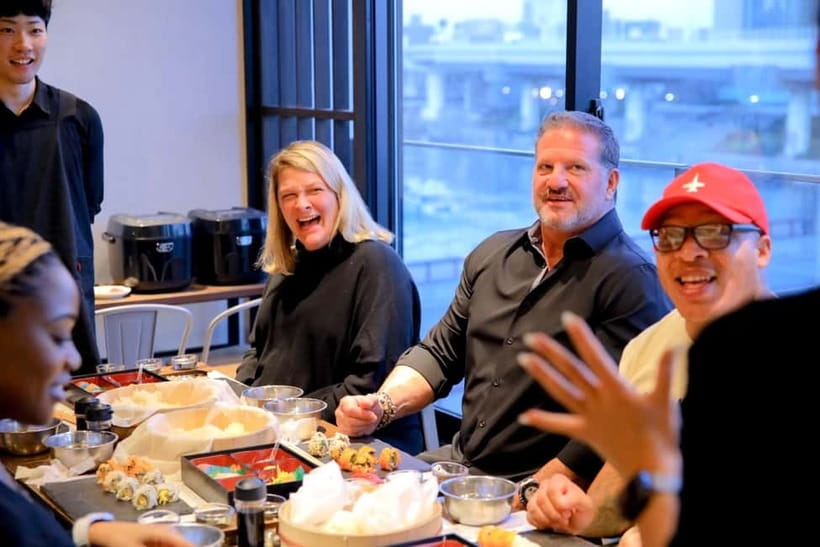
This is ideal for:
- First-timers who want a guided introduction to sushi techniques without stress
- Families, since the class is described as fun for all ages and not overly serious
- Solo travelers who want a friendly group atmosphere and chances to chat with English-speaking instructors
It’s also a good fit for foodies who like structure. You get both the practical how-to and a bit of context through the quiz and history explanation, which makes your sushi meal feel connected to something real.
If you’re short on time, the Asakusa location is a bonus. If you’re building a Tokyo day around major sights, meeting near Asakusa Station and being close to Sensō-ji helps you keep the rest of the schedule sane.
Should You Book This Sushi Class in Asakusa
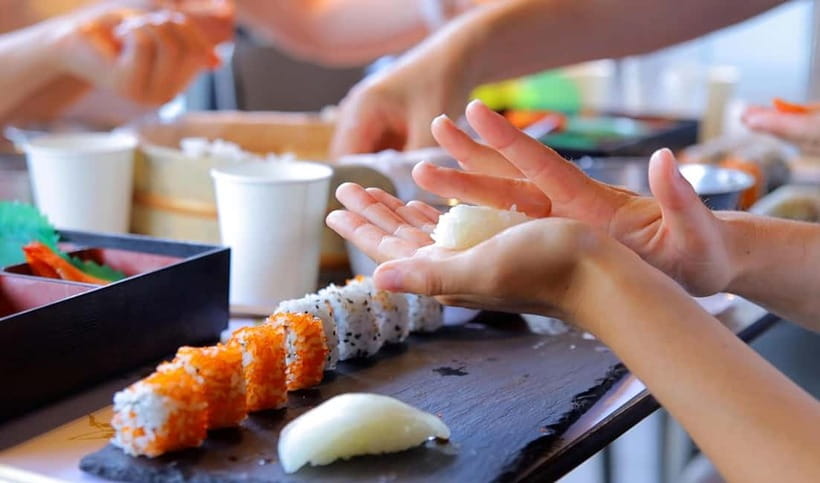
I think you should book it if you want a hands-on food experience that ends with you eating what you made, taught in English, in a historic area that’s easy to reach. The strongest reasons to go are the interactive quiz, the friendly patient instruction from guides like Hitomi, Tomona, and Ken, and the fact that the sushi is consistently described as delicious.
Skip it only if you hate time pressure or you know you want a long, slow, repeat-every-step kind of workshop. Otherwise, this is one of those Tokyo activities that gives you a skill, a meal, and a story you’ll keep telling.
FAQ
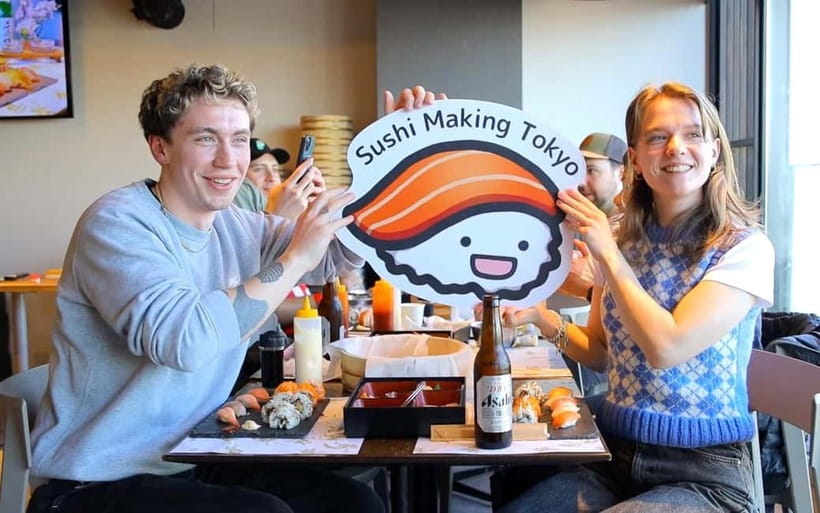
Where is the meeting point?
The meeting point is about 3 minutes from Asakusa Station.
How long is the class?
The class duration is 100 minutes.
Is it taught in English, and do I need sushi experience?
Yes. The class uses English, and no experience is needed. The staff guides you through the steps.
What types of sushi will I make?
You make two types of sushi: roll-style sushi and an authentic Japanese sushi style.
What dietary options are available?
They list options for vegan, vegetarian, gluten-free, and halal. They also mention an allergy note indicating meat, nuts, fruits, and dairy are not used. Ingredient specifications are not accepted.
What is included in the price?
The cooking class, ingredients, and instructor are included. Hotel pickup and drop-off are not included.
Is it wheelchair accessible, and what is the cancellation window?
It is wheelchair accessible. The experience also offers free cancellation up to 24 hours in advance for a full refund.
More Tour Reviews in Tokyo
- Mt Fuji and Hakone 1-Day Bus Tour Return by Bullet Train
★ 5.0 · 26,383 reviews - 1-Day Tokyo Bus Tour
★ 5.0 · 14,250 reviews - Tokyo: teamLab Planets TOKYO Digital Art Museum Entry Ticket
★ 4.6 · 9,779 reviews - Mt Fuji & Hakone Cruise, Drum Show Bullet Train 1 Day from Tokyo
★ 4.0 · 7,413 reviews - Tokyo: Shinjuku Food Tour (13 Dishes at 4 Local Eateries)
★ 5.0 · 6,603 reviews
More Sushi Counters to Book
- Sushi Making Tokyo Roll and Authentic Japanese Sushi Class
★ 5.0 · 3,971 reviews - Make Sushi and Create Unforgettable Memories in Tokyo
★ 5.0 · 1,413 reviews - Tokyo: Sushi Making Class in a Happi Coat near a Famous Spot
★ 4.9 · 1,377 reviews - Tokyo Sushi Making Class in Tsukiji with Professional Chef
★ 5.0 · 1,177 reviews - Tsukiji Fish Market Guided Tour and Sushi Making with Pro Chef
★ 5.0 · 775 reviews
More Mornings in Old Asakusa
- Tokyo: Japanese Dance Cabaret Theater Asakusa-Kaguwa Ticket
★ 4.8 · 2,270 reviews - Tokyo: Meiji Shrine, Asakusa, Skytree Bus Tour and Cruise
★ 4.7 · 1,986 reviews - Tokyo: Asakusa Walking Tour with Sensoji Temple Visit
★ 4.8 · 1,583 reviews - Tokyo Asakusa Rickshaw Tour
★ 5.0 · 1,375 reviews - Tokyo Panoramic 1 Day: Meiji Shrine, Asakusa, Odaiba and SKYTREE®
★ 4.5 · 1,222 reviews
Latest Tokyo reviews off our desk






Asakusa & Sensoji Tours, compared.
 ★ 4.8Japanese Dance Cabaret Theater Asakusa-Kaguwa TicketFrom $492,270 reviews
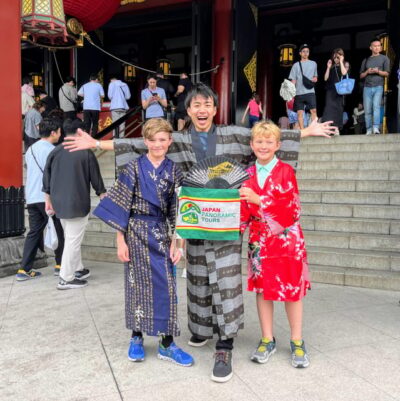 ★ 4.7Meiji Shrine, Asakusa, Skytree Bus Tour and CruiseFrom $1221,986 reviews
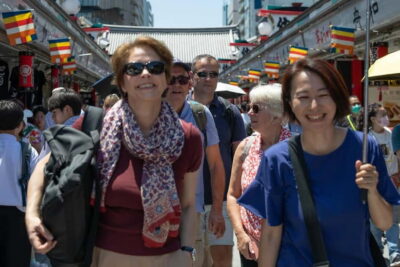 ★ 4.8Asakusa Walking Tour with Sensoji Temple VisitFrom $221,583 reviews
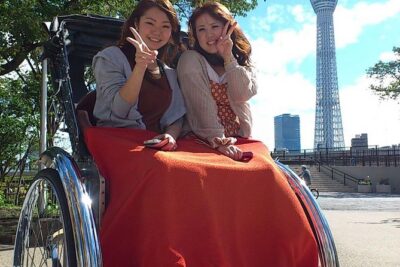 ★ 5.0Tokyo Asakusa Rickshaw TourFrom $421,375 reviews
 ★ 4.5Tokyo Panoramic 1 Day: Meiji Shrine, Asakusa, Odaiba and SKYTREE®From $851,222 reviews
 ★ 5.0Tokyo Go Kart: Asakusa, Skytree, and Akihabara **IDP MUST**From $99988 reviews
 ★ 4.7Asakusa, Skytree & Akhihabara Go-Kart City ExperienceFrom $96761 reviews
 ★ 4.9Matcha Making Experience with Mochi Sweets in AsakusaFrom $22388 reviews
Browse the lists this tour appears in