
Reviewed · ASAKUSA & SENSOJI TOURS
Tokyo: Meiji Shrine, Asakusa, Skytree Bus Tour and Cruise
Tokyo in one long day, done right. This tour stitches together the big emotional swings of the city: sacred calm at Meiji Shrine, then skyline power at Tokyo Skytree, plus a real slice of old-school Tokyo in Asakusa. I like that the day moves with a clear plan (so you’re not guessing your own route) and that the guide and coach keep it manageable. One drawback: it’s a long, walk-and-stand day, and if the cruise doesn’t run you’ll swap in a different sightseeing stop instead of getting a refund.
I’ve seen how much this kind of day depends on the guide, and the good ones here really matter. People noted guides like Aya and Sora for staying organized, keeping energy up, and explaining what you’re actually looking at—not just reading signs. Still, there are two things to plan around: sometimes you’ll do big footstep days (one review mentioned 11,000+ steps), and the pace is designed to cover a lot, not to linger everywhere.
In This Review
- Key takeaways
- The value of a 10-hour Tokyo “greatest hits” day
- From Shinjuku pickup to a coach window on Tokyo
- Meiji Shrine: the forest feeling you’ll need in Tokyo
- Imperial Palace area: history without the museum mood
- The Market Street and kitchen-tool stop that breaks the “only temples” pattern
- Asakusa: Nakamise, Kaminari-mon, matcha, and an izakaya-style lunch
- The premium Uji matcha experience
- IZAKAYA lunch: karaage and tofu (and the food rules you should know)
- Asakusa free time: use it well
- Tokyo Skytree at 350 meters: the “skip the line” payoff
- Odaiba and Tokyo Bay cruise: when the skyline turns cinematic
- The Tuesday change: when the cruise can’t happen
- The coach pace: fast, but not chaotic
- Guide quality is the secret ingredient
- Who should book this tour (and who should skip it)
- Should you book this tour?
- FAQ
- How long is the Tokyo: Meiji Shrine, Asakusa, Skytree Bus Tour and Cruise?
- Where does the tour start?
- Is the tour only in English?
- What’s included for the Tokyo Skytree visit?
- Is the Tokyo Bay cruise always included?
- If the cruise doesn’t happen, will I get a refund?
- What kind of lunch is offered?
- Are vegetarian or gluten-free meals available?
- Are there options for other dietary needs like lactose-free or allergy-friendly meals?
- What should I bring or wear for the day?
Key takeaways
- Skip-the-line Tembo Deck access at Tokyo Skytree saves time at the one place you’ll otherwise wait
- Premium Uji matcha (first flush style) with add-on options like matcha gelato or matcha beer
- Asakusa plus lunch: Nakamise shopping, then an izakaya-style set meal option with chicken karaage and tofu
- Tokyo Bay cruise by Rainbow Bridge usually at the end of the day, with a Tuesday alternative plan
- Air-conditioned coach + multilingual audio headsets (Spanish, French, Italian, German, Portuguese, Ukrainian) so you can follow along
The value of a 10-hour Tokyo “greatest hits” day
For $122 per person, you’re not just buying entry tickets. You’re buying time-saving transport, a live English-speaking guide, audio headsets, Tokyo Skytree Tembo Deck access, and usually a Tokyo Bay cruise. That bundle matters in Tokyo, where time lost to transit and lines can erase your day.
The itinerary is built like a broad overview: starting in the west around Shinjuku (Love statue area), then sweeping toward classic sights in central Tokyo and the east around Skytree and Odaiba. You should think of this as a “get your bearings fast” day, so the next days are easier for you to explore on your own.
The vibe is practical. You’re on a deluxe air-conditioned coach for big moves, then you’re off your feet for key windows to look, photograph, shop, and taste. If you like Tokyo but you only have a few days, that’s exactly the kind of pressure-proof plan that works.
More temple mornings in old Asakusa
- Tokyo: Japanese Dance Cabaret Theater Asakusa-Kaguwa Ticket
★ 4.8 · 2,270 reviews - Tokyo: Meiji Shrine, Asakusa, Skytree Bus Tour and Cruise
★ 4.7 · 1,986 reviews - Tokyo: Roll and Authentic Sushi Making Class in Asakusa
★ 4.9 · 1,957 reviews - Tokyo: Asakusa Walking Tour with Sensoji Temple Visit
★ 4.8 · 1,583 reviews
From Shinjuku pickup to a coach window on Tokyo
You start from a central area near Shinjuku, with pickup options that can include the Love statue meeting point and an option around Matsuya Ginza. The point of a central start is obvious: you waste less time getting to the real action.
Once you’re moving, the coach ride itself becomes part of the experience. You’ll pass major districts like Kabukicho (a popular pub-hopping area), and you’ll get rolling glimpses of Harajuku and Omotesando style streets. You’re not going to see everything this way, but you will get visual context—where neighborhoods feel similar, where they change, and how Tokyo layers old and new right beside each other.
Two practical tips help this stage:
- Wear comfortable shoes. You’ll do plenty of walking later, and comfort is not optional.
- Keep your camera/phone handy during passes. The “just look out the window” moments are quick.
Meiji Shrine: the forest feeling you’ll need in Tokyo
The day begins with Meiji Jingu Shinto Shrine, and it’s the kind of stop that resets your brain. Even though you’re in Tokyo, the shrine grounds feel like a deliberate escape—forest paths, quiet space, and a mood that’s very different from the city’s noise.
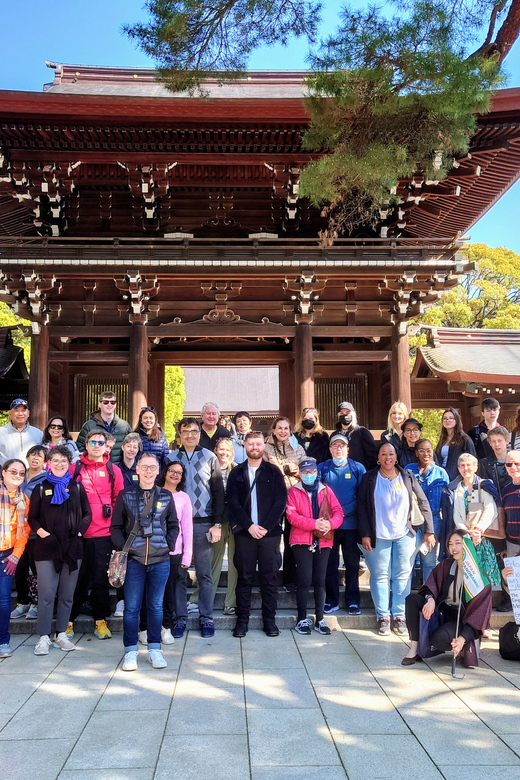
You’ll spend about an hour here. That’s usually enough to walk the main approach, absorb the atmosphere, and understand what makes Meiji Shrine special beyond a quick photo. A guided visit helps because the guide can point out what to notice as you go—how the shrine setting works and why this place matters in modern Japan.
A friendly note: if you’re the type who wants to study every detail, you may want more time than an hour. One review actually wished for more time at Meiji Shrine, and that’s a fair comment if you’re shrine-obsessed. But for a one-day overview tour, the time balance is reasonable.
Imperial Palace area: history without the museum mood
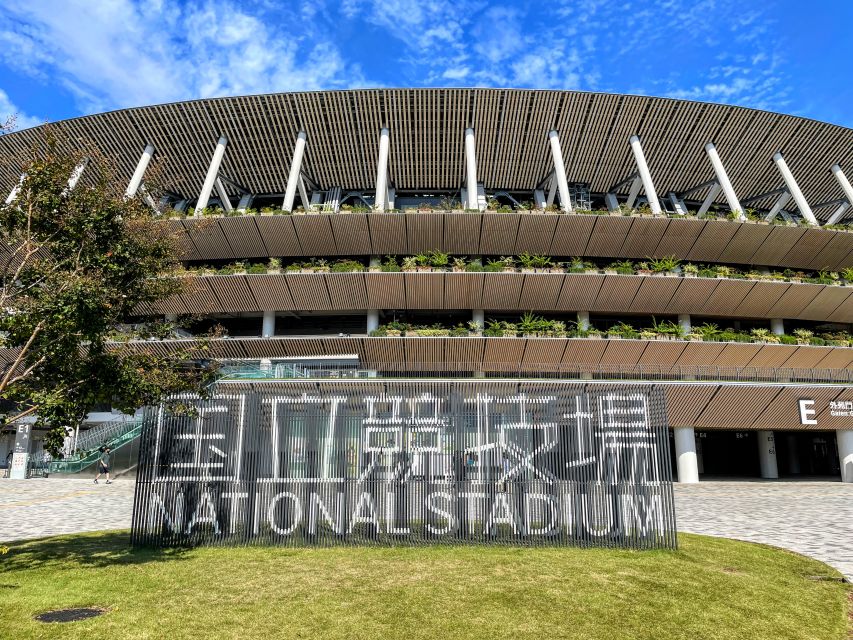
After Meiji Shrine, the route takes you past Harajuku and Omotesando before reaching the Imperial Palace area. You’ll get around 30 minutes of sightseeing time here, likely split between viewpoints and walking in the Outer Garden zone—either the East Garden (with traditional Japanese garden style) or near Niju-bashi Bridge depending on the day.
This is a smart stop because it anchors the tour in the deeper timeline of Tokyo. The palace grounds connect to Edo-era history, and even if you don’t do a formal museum visit, you still get the big-picture feel of Japan’s imperial legacy and how it sits inside a modern capital.
If you’re visiting in a season where the gardens look their best, this can feel extra worth it. If not, you’ll still get a major landmark moment, which is the point of the schedule.
The Market Street and kitchen-tool stop that breaks the “only temples” pattern
One of the most useful parts of this tour is that it does not only run on shrines and sightseeing lookouts. You’ll pass through areas like Akihabara and Ueno and also reach Kappabashi, famous for kitchen tools and food-replica displays.
Expect stops where you can see lots of kitchen items—knives, utensils, and those extremely realistic looking replicas. Even if you don’t buy anything, it’s fascinating to see how Tokyo has a whole economy built around food culture and craft. It’s also a great pause point before you hit Asakusa, because it shifts you from “symbolic history” to “everyday Japan.”
More quiet hours at Meiji Shrine
- Tokyo: Meiji Shrine Walking Tour — Shinto & Imperial System★ 4.9 · 266 reviews
- Tokyo: Meiji Jingu Shrine and Shinto Culture Walking Tour★ 5.0 · 245 reviews
- Tokyo: Meiji Shrine and Shinto Culture Walking Tour★ 5.0 · 225 reviews
- Tokyo: Meiji Shrine Walking Tour — Shintoism & Imperial System★ 5.0 · 209 reviews
- Tokyo Morning Tour: Asakusa, Meiji Shrine and Tsukiji Fish Market★ 5.0 · 128 reviews
Asakusa: Nakamise, Kaminari-mon, matcha, and an izakaya-style lunch
Asakusa is where the tour turns from sightseeing into sensory Tokyo.
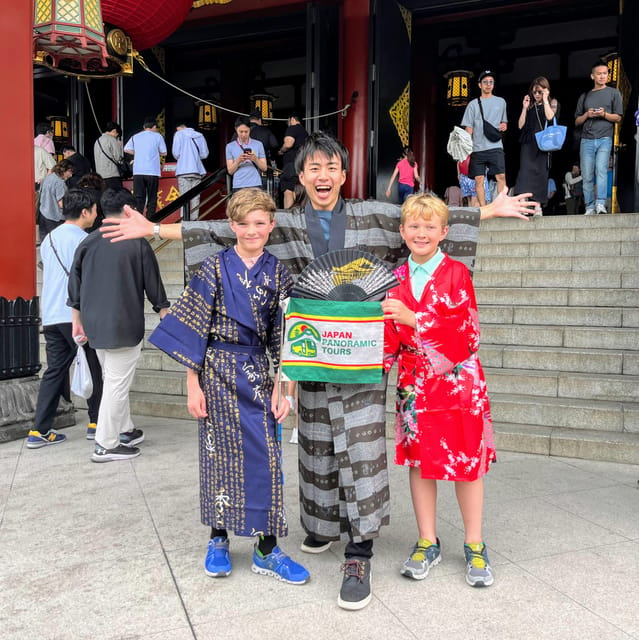
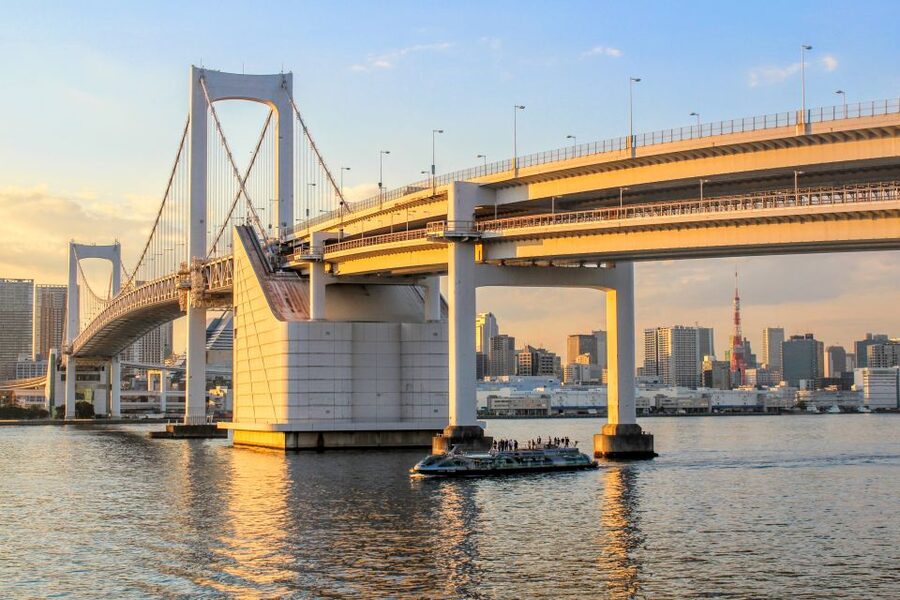
You’ll have time to explore Nakamise Avenue, and of course there’s the iconic red lantern at Kaminari-mon for photos. This is the classic postcard moment, but it’s also practical: the lane is set up for browsing snacks, small souvenirs, and traditional-style goods. If you like street-level Tokyo, you’ll enjoy this part.
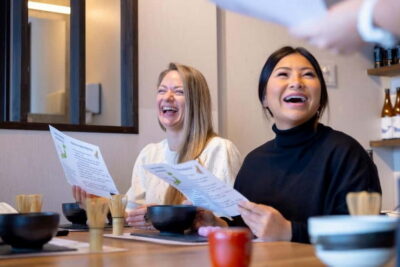
Then the tour adds two hands-on experiences. You can choose lunch or just do the matcha, but either way, you’re getting more than a photo stop.
The premium Uji matcha experience
The matcha here is described as Premium Matcha, made with a first-flush style from Uji, Kyoto, tied to a “not bitter” goal. That’s a real difference compared to the powdered stuff you sometimes get that tastes harsh or too vegetal. If you like tea, this stop is one of the more “Tokyo-specific” tastings on the route.
There are options too, like sweet matcha gelato or even matcha beer, depending on what’s available for your group and day. If you’re traveling with a sweet tooth, don’t treat this as a small drink break. It’s one of the highlights people point to.
One more heads-up: there’s a note that the matcha store is closed on May 14, and on that day they’ll give matcha souvenirs as a substitute for the experience. If your dates fall near that, it’s worth checking.
IZAKAYA lunch: karaage and tofu (and the food rules you should know)
If you select lunch, the tour offers an izakaya-style set meal. You’ll see dishes like karaage (Japanese fried chicken) and tofu sets. It’s meant to be a typical “this is what people actually eat” lunch.
Important food details matter here:
- Dishes are described as no pork and no seafood, but dashi contains fish broth.
- There are restrictions for nuts and crustaceans.
- Vegetarian and gluten-free meal options exist, but you must indicate them at booking.
- The data also states that Muslim-friendly, allergy-friendly, and lactose-free meals aren’t available, so the safest plan for serious dietary needs is booking without lunch.
If you’ve traveled in Japan before, you’ll recognize the tradeoff: Japanese set lunches are simple and consistent, but they’re not flexible in the Western sense. This one is a good choice if you’re comfortable with the listed boundaries.
Asakusa free time: use it well
There’s about an hour of free time in Asakusa. Use it for two goals:
- Walk the streets at a calmer pace so you don’t feel rushed after the tasting and lunch.
- Shop if you want Nakamise souvenirs. If you’re picky about snacks, this is when you can actually browse rather than scarf-and-go.
Tokyo Skytree at 350 meters: the “skip the line” payoff
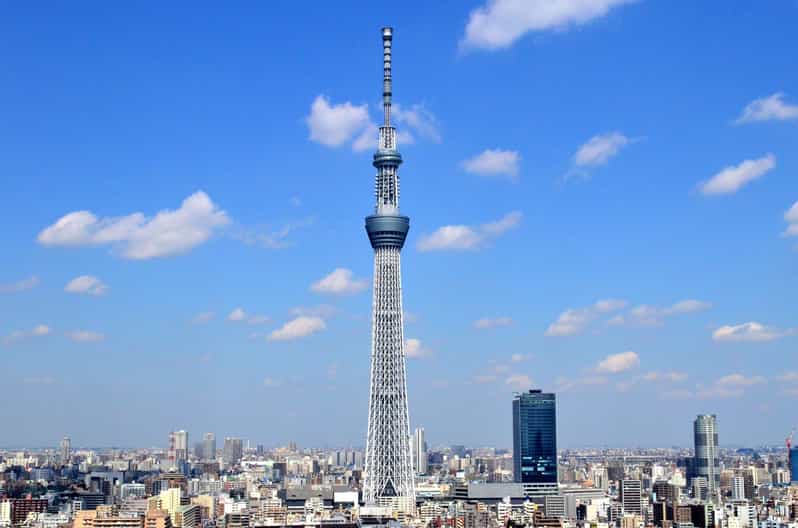
Now the tour hits its biggest vertical moment: Tokyo Skytree. You’ll go up to the Tembo Deck observation area at 350 meters, with skip-the-line admission included. That matters because Skytree lines can eat up valuable time.
You’ll have about 1.5 hours at Skytree and the attached Sora-machi shopping area. That’s enough time to go up, take the photos you came for, and still wander a bit afterward. The view is the main event, and you’ll see why this is one of Tokyo’s signature skyline experiences.
One practical reality: after a morning of shrines and Asakusa walking, you’ll likely feel it in your legs by the time you’re standing in line or moving around inside the tower area. The value of skip-the-line is that it reduces one of the biggest “waste chunks” of time.
Odaiba and Tokyo Bay cruise: when the skyline turns cinematic
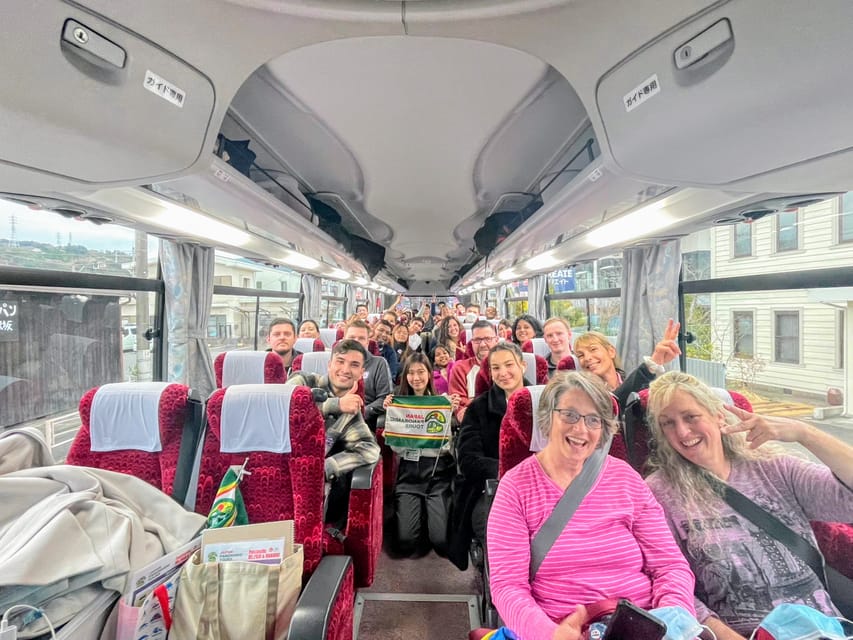
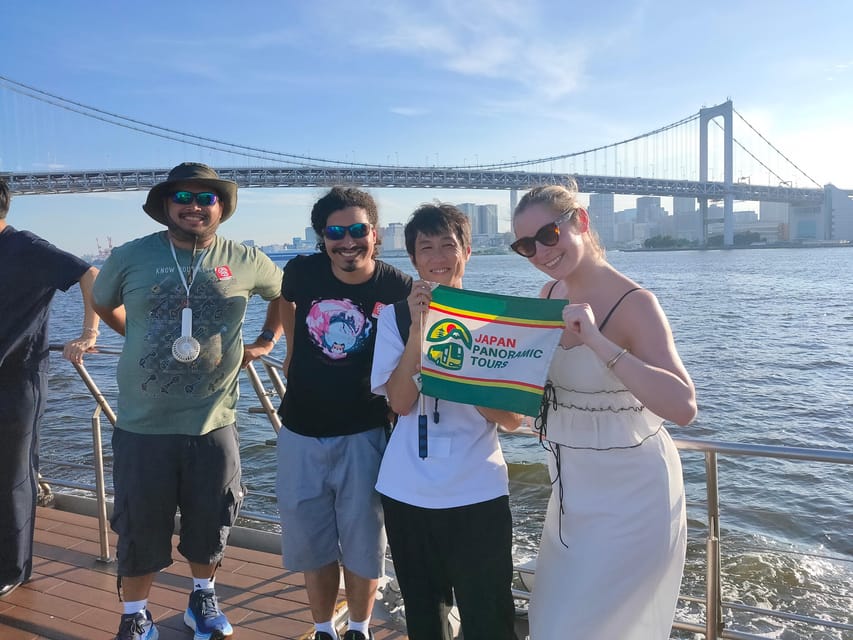
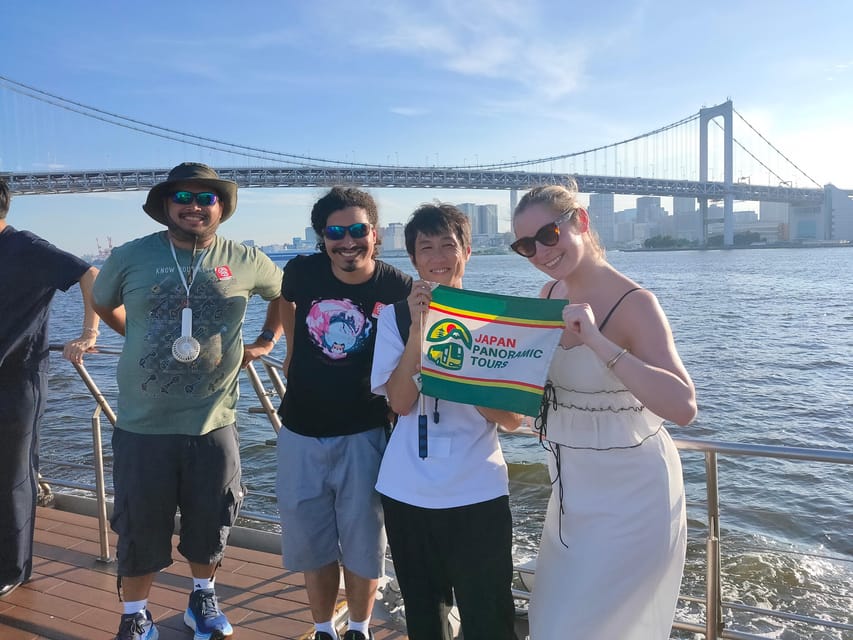
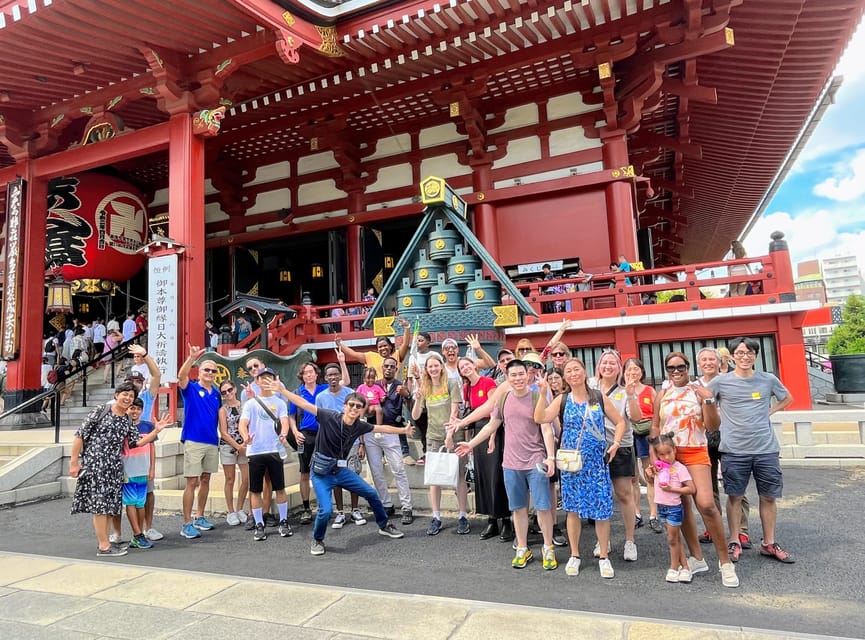
After Skytree, you’ll head to Odaiba, and then the tour usually includes the Tokyo Bay cruise. The cruise includes time to enjoy the ride going under Rainbow Bridge and looking toward skyscrapers of Tokyo.
This is one of those “schedule ends with style” moves. Several reviewers specifically called out the cruise as special, especially when the sun was setting. Even if you’re not a sunset person, it’s a different angle on Tokyo. You’re not looking at rooftops from above; you’re seeing the city’s scale along the water.
The Tuesday change: when the cruise can’t happen
Sometimes there’s no cruise due to high tide or technical maintenance. If that happens, the tour visits Hamarikyu Garden or Fukagawa Edo museum instead, with the data stating that these are the Tuesday options. And importantly: refund isn’t given if the cruise doesn’t run.
So here’s your best planning approach:
- Treat the cruise as a likely bonus, not a guaranteed cornerstone.
- If you’re traveling on a Tuesday, mentally expect the alternate sightseeing plan.
The coach pace: fast, but not chaotic

This tour earns its strong ratings for a simple reason: it’s organized. The coach rides smooth out the distances so you can see far more than you’d reasonably do alone in one day.
Still, it’s not a slow stroll. The schedule is designed for coverage. Some reviews mention more walking than expected, and at least one person reported 11,000+ steps. That means you should pack for comfort like you would for a half-day hike—not like a casual city museum day.
A pattern that helps:
- Use the coach for rest. Even 10 minutes of sitting can make the next stop feel doable.
- Prioritize photos at the landmark moments (Meiji Shrine, Kaminari-mon, Skytree) and then spend free time on browsing and tasting.
If you’re the type who hates feeling rushed, you might find the day a bit intense. But if you want a clean overview and a clear route, the structure is the point.
Guide quality is the secret ingredient
If you’ve tried group tours before, you already know the truth: the guide makes or breaks the day. Here, the reviews repeatedly highlight guides by name—people mentioned Aya, Sora, Hiro, Yuta, Levin, Lisa, Yui, and Tsubasa.
What stands out isn’t just friendliness. It’s how they handle two things at once:
- storytelling that makes landmarks easier to understand
- practical directions so you don’t get lost or feel stuck
One review also pointed out how helpful the guides were with tips for where to eat and shop later. That’s where the tour can pay off after you get off the bus: you leave with a little Tokyo sense of direction.
Who should book this tour (and who should skip it)
This tour is a great fit if:
- you have limited time and want major Tokyo landmarks in one day
- you like guided structure plus a couple of free windows
- you care about views (Skytree) and one special Tokyo food moment (matcha and optional lunch)
It may be a poor fit if:
- you have mobility impairments (the data says it’s not suitable)
- you hate long days and lots of walking
- you need very specific dietary accommodations beyond the listed vegetarian and gluten-free options
Also, if you absolutely must have the cruise, understand it can be swapped or canceled due to high tide or maintenance. The tour has a plan, but it’s not a guaranteed boat ride every day.
Should you book this tour?
I’d book it if your priority is value-through-coverage: a single day that takes you from Meiji Shrine to Asakusa to Skytree, with matcha and optional lunch, and usually a Tokyo Bay cruise. At $122, the included Skytree Tembo Deck entry plus guided transport is the big reason it holds up.
I’d hesitate if you’re traveling on a Tuesday and your “must-do” is the cruise, or if you’re sensitive to long walking days. In those cases, you might still enjoy the tour, but you should go in with realistic expectations—great skyline, strong cultural stops, and a food experience that follows Japanese set-lunch rules.
If you want an efficient first taste of Tokyo that makes your later days easier to plan, this is the kind of tour that can actually earn its place on your schedule.
FAQ
How long is the Tokyo: Meiji Shrine, Asakusa, Skytree Bus Tour and Cruise?
The tour duration is 10 hours.
Where does the tour start?
You can start from options near Matsuya Ginza or from the Love statue pickup area in Shinjuku. The exact meeting point may vary depending on the option booked.
Is the tour only in English?
The live tour guide is English speaking. Audio headsets are also provided for Spanish, French, Italian, German, Portuguese, and Ukrainian.
What’s included for the Tokyo Skytree visit?
You get skip-the-line admission to the Tembo Deck observation deck at 350 meters.
Is the Tokyo Bay cruise always included?
The Tokyo Bay cruise is included except on Tuesday. Even on other days, the cruise can sometimes be skipped due to high tide or technical maintenance, in which case an alternative stop is visited instead.
If the cruise doesn’t happen, will I get a refund?
No. The information states there is no refund if the cruise is not available due to high tide or technical maintenance.
What kind of lunch is offered?
Lunch is a set meal (if selected) including options like Japanese fried chicken (karaage) and tofu. A soft drink is included with lunch.
Are vegetarian or gluten-free meals available?
Yes. You should indicate your needs at booking for vegetarian or gluten-free meals.
Are there options for other dietary needs like lactose-free or allergy-friendly meals?
The information states lactose-free, Muslim-friendly, and allergy-friendly meals are not available. For serious allergies, it suggests booking the tour without lunch.
What should I bring or wear for the day?
Wear comfortable shoes, since the tour includes a lot of walking. Also note that you handle your own luggage load/unload.
More Skytree Entries
- Tokyo Panoramic 1 Day: Meiji Shrine, Asakusa, Odaiba and SKYTREE®
★ 4.5 · 1,222 reviews - Tokyo Go Kart: Asakusa, Skytree, and Akihabara **IDP MUST**
★ 5.0 · 988 reviews - Tokyo: Asakusa, Skytree & Akhihabara Go-Kart City Experience
★ 4.7 · 761 reviews - Tokyo Skytree Admission Ticket with Tembo Deck and Galleria
★ 4.0 · 589 reviews - Tokyo: 1 Day Bus Tour with Meiji-Jingu,Odaiba,lunch&Skytree
★ 4.6 · 156 reviews
More Meiji Shrine Hours, Rated
- Tokyo Panoramic 1 Day: Meiji Shrine, Asakusa, Odaiba and SKYTREE®
★ 4.5 · 1,222 reviews - Tokyo: Meiji Shrine Walking Tour — Shinto & Imperial System
★ 4.9 · 266 reviews - Tokyo: Meiji Jingu Shrine and Shinto Culture Walking Tour
★ 5.0 · 245 reviews - Tokyo: Meiji Shrine and Shinto Culture Walking Tour
★ 5.0 · 225 reviews - Tokyo: Meiji Shrine Walking Tour — Shintoism & Imperial System
★ 5.0 · 209 reviews
More Mornings in Old Asakusa
- Tokyo: Japanese Dance Cabaret Theater Asakusa-Kaguwa Ticket
★ 4.8 · 2,270 reviews - Tokyo: Roll and Authentic Sushi Making Class in Asakusa
★ 4.9 · 1,957 reviews - Tokyo: Asakusa Walking Tour with Sensoji Temple Visit
★ 4.8 · 1,583 reviews - Tokyo Asakusa Rickshaw Tour
★ 5.0 · 1,375 reviews - Tokyo Panoramic 1 Day: Meiji Shrine, Asakusa, Odaiba and SKYTREE®
★ 4.5 · 1,222 reviews
Latest Tokyo reviews off our desk






Asakusa & Sensoji Tours, compared.
 ★ 4.8Japanese Dance Cabaret Theater Asakusa-Kaguwa TicketFrom $492,270 reviews
 ★ 4.9Roll and Authentic Sushi Making Class in AsakusaFrom $581,957 reviews
 ★ 4.8Asakusa Walking Tour with Sensoji Temple VisitFrom $221,583 reviews
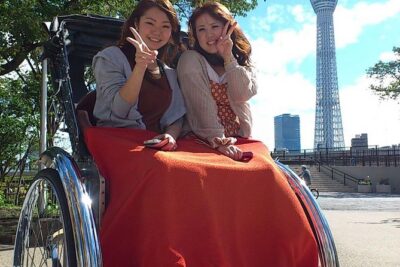 ★ 5.0Tokyo Asakusa Rickshaw TourFrom $421,375 reviews
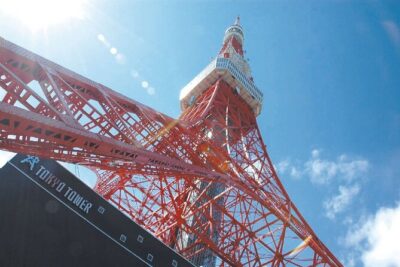 ★ 4.5Tokyo Panoramic 1 Day: Meiji Shrine, Asakusa, Odaiba and SKYTREE®From $851,222 reviews
 ★ 5.0Tokyo Go Kart: Asakusa, Skytree, and Akihabara **IDP MUST**From $99988 reviews
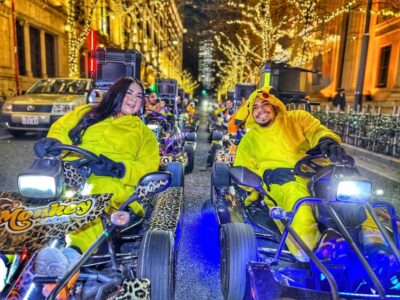 ★ 4.7Asakusa, Skytree & Akhihabara Go-Kart City ExperienceFrom $96761 reviews
 ★ 4.9Matcha Making Experience with Mochi Sweets in AsakusaFrom $22388 reviews
Browse the lists this tour appears in