
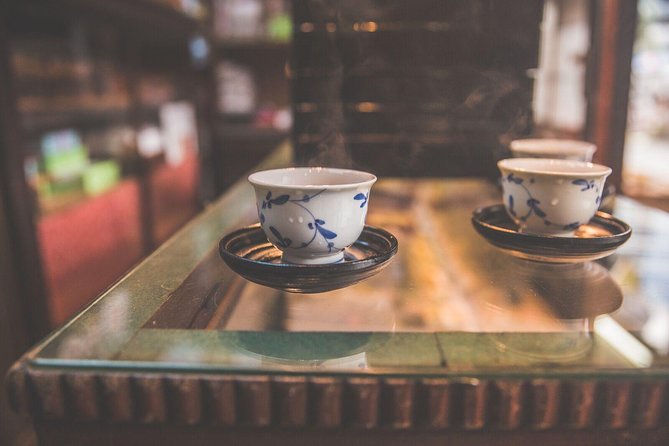
Reviewed · FOOD & DRINK
Best of Tokyo’s Shopping & Food: Japanese Cultural Experience
Tokyo smells like snacks and old craft. In just 3 hours, you walk from Ningyocho to Nihonbashi, tasting ningyoyaki and amazake while a local guide explains incense, calligraphy, and the way craftspeople keep Edo-era methods going. The trade-off is a moderate amount of walking, and the tour leans more toward tastings and watching makers work than shopping for hours.
This one stays intimate, capped at 10 people. Guides such as Kaori, Aya, Ayaka, Yoshi, and Seishi have led groups, and the vibe is structured but not stiff. It’s also carbon neutral, run by a B Corp certified company, and you’ll use a mobile ticket to get started.
In This Review
- Key points before you go
- Ningyocho to Nihonbashi: where Tokyo shopping feels human
- Starting at the Ningyocho Mechanical Clock Tower at 12:45
- Itakuraya and Ningyoyaki: the cake you eat with your eyes first
- Amazake Yokocho: sweet, non-alcoholic, and seasonal by design
- Nihonbashi crafts: washi paper, brush stocks, fan prints, and gold leaf
- What you actually eat and drink (and how fast it adds up)
- Guides, English, and why small groups matter
- Shopping for souvenirs without buying the wrong thing
- Walking, weather, and what to wear in Tokyo
- Price and value: $63.68 for food, craft access, and a guide
- Who should book this Tokyo shopping and food walk
- Should you book this Best of Tokyo shopping and food experience?
- FAQ
- How long is the Tokyo Ningyocho and Nihonbashi shopping and food tour?
- What’s included in the price?
- Do they offer vegetarian or vegan options?
- Where does the tour start and end?
- How many people are in the group?
- Is there a lot of walking?
- What kind of tickets do I need?
- What’s the cancellation policy?
Key points before you go
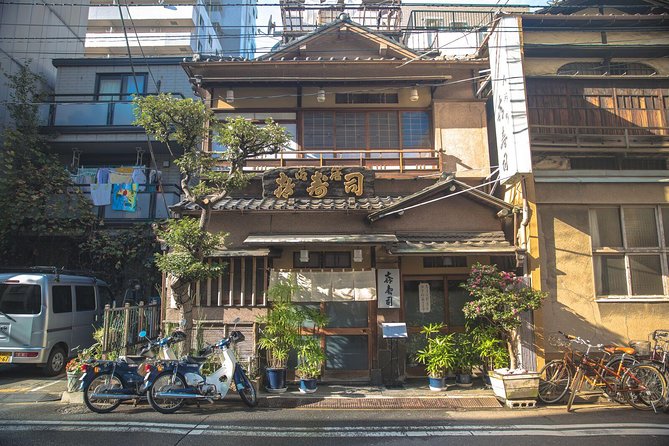
- Ningyocho Mechanical Clock Tower at 12:45 sets the Edo scene before you hit the snack shops
- Fresh ningyoyaki at a long-running shop makes the tradition feel hands-on
- Amazake Yokocho teaches the two main styles: cold kome-koji and warm sake-kasu
- Washi, brushes, fans, dashi, knives, and gold leaf show how Japanese retail supports crafts
- Small group size (max 10) means you get time to ask what you’re seeing
- Carbon-neutral operation adds a nice extra layer to the value equation
Ningyocho to Nihonbashi: where Tokyo shopping feels human
Tokyo can feel split in two: ultra-modern streets on one side, old-school lanes on the other. This tour stitches those worlds together by focusing on two neighborhoods with very different rhythms. You get the quiet, alley-level feel of Ningyocho, then you transition to Nihonbashi, where longstanding shops rub shoulders with major department-store power.
What I like most is that the “shopping” here isn’t a scavenger hunt for random souvenirs. The focus is craft and food culture. You’ll hear why stationery, calligraphy supplies, incense, musical-instrument makers, paper goods, and gold-leaf decor still have loyal customers. And you’ll taste your way through the process, not just look at it.
One heads-up: because it’s a walking format, you’ll need comfortable shoes and a little patience for short lines at busy stalls. That’s part of the deal, not a problem.
Readers also shortlisted these Tokyo bookings:
- Tokyo: Shinjuku Food Tour (13 Dishes at 4 Local Eateries)
★ 5.0 · 6,603 reviews - Tokyo Tsukiji Fish Market Food and Culture Walking Tour
★ 5.0 · 3,184 reviews - Tokyo: Shinjuku Food Tour (15 Dishes and 4 Eateries)
★ 4.9 · 2,033 reviews - Best of Shinjuku: Izakaya Food Tour (4 Stops, 14+ Tastings)
★ 5.0 · 1,863 reviews
Starting at the Ningyocho Mechanical Clock Tower at 12:45
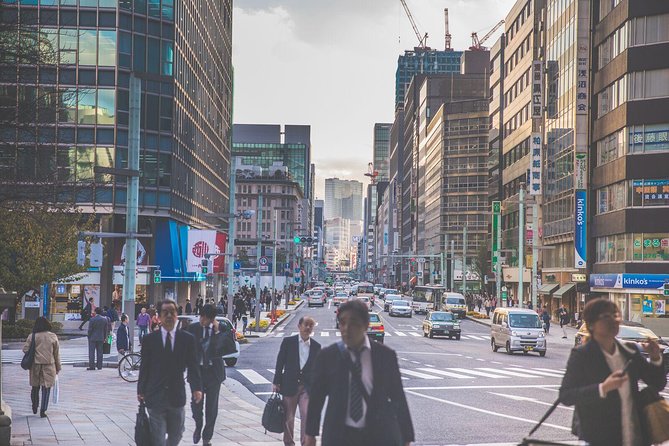
You begin at the Ningyocho Mechanical Clock Tower, anchored to a story of Edo life tied to the 12:45 time shown on the tower. It’s a smart opening because it gives you a lens. Instead of treating the day as a food crawl, you start thinking about how this neighborhood was shaped and why certain trades took root here.
The quick stop also helps you orient. Tokyo navigation gets easier when you understand what an area used to be, even in broad strokes. You’ll get that context fast, without needing a long museum detour.
If you’re picky about meeting points, do yourself a favor and arrive a few minutes early. You’re starting at a specific street address near McDonald’s Ningyōchō, and the tour ends at a different station, so you want to start smoothly.
Itakuraya and Ningyoyaki: the cake you eat with your eyes first
Next comes Itakuraya, a ningyoyaki shop with a long run behind it. The idea is simple: you learn the story of how the treat started, then you taste one that’s made in front of you.
Ningyoyaki is a small, fish-shaped cake filled with red bean paste. Watching the process matters here. When you can see how the filling goes in and how the cakes come out, you understand why people treat food like craft in Japan. And if the shop isn’t too crowded, you may even get a look toward the back area where the work is happening.
This is one of the stops where the tour earns its spot. A lot of “food tours” hand you items already wrapped and moved on. Here, the fresh rhythm of making is part of the experience, not extra credit.
Tip: if you know you tend to eat slowly or you pause for photos, let your pace match the group so you don’t miss the window when items come out hot.
Amazake Yokocho: sweet, non-alcoholic, and seasonal by design
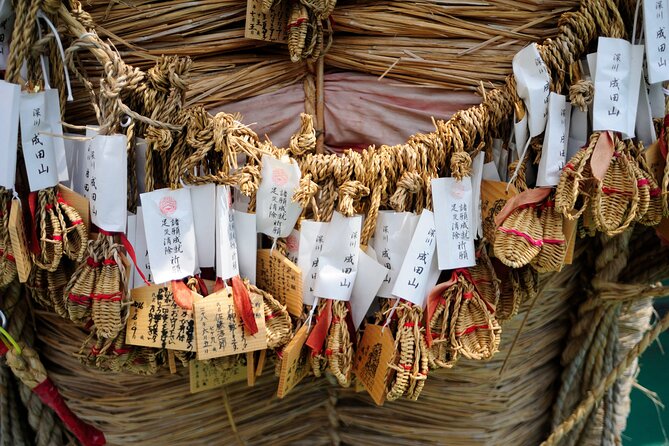
Then you move into Amazake Yokocho, a street lined with shops focused on amazake. Even if you’ve never tried it, you’ll leave with a clear sense of what you were drinking and why it changes with the season.
Amazake comes in two main styles:
- Cold kome-koji amazake made from kome-koji (steamed rice mixed with rice malt). It’s non-alcoholic and naturally slightly sweet.
- Warm sake-kasu amazake made from sake lees (sake-kasu). It may have a tiny amount of alcohol (listed as under 1% in the tour info), and in Japan drinks under that amount are counted as non-alcoholic. Because sake-kasu isn’t sweet by itself, sugar is added.
That explanation is practical. It changes how you taste it. You’ll likely find the cold version feels lighter and more refreshing, while the warm one tastes deeper and more comforting.
This part is also a break from the constant “look, walk, snack, repeat.” You get time to stand with the group, sip, and take in the shopfronts. If you like food with cultural context, this is a strong match.
Nihonbashi crafts: washi paper, brush stocks, fan prints, and gold leaf
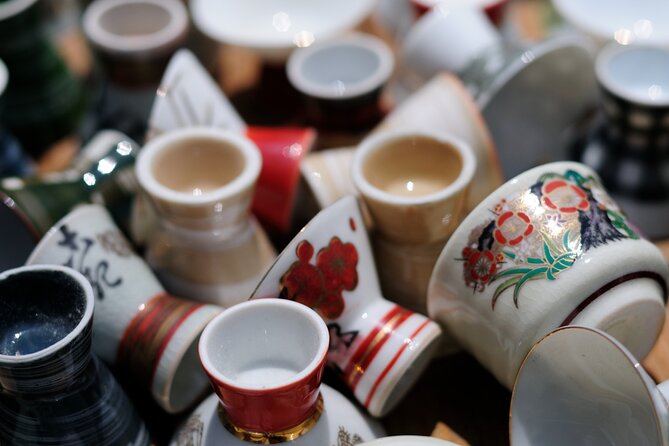
The second half shifts tone. In Nihonbashi, you focus on stores that sell handicrafts and artisan tools tied to daily Japanese life and traditional arts.
A few standout shop types you’ll encounter:
- A washi paper store dating back to 1653 (Edo period), where you can see how quality paper tools still matter.
- A shop for brushes, established in 1718. You’ll see different brushes made for different uses, including men’s and makeup brushes.
- A 430-year-old fan store with valuable ukiyo-e prints.
- Shops that specialize in dashi soup stock, kitchen knives, and gold leaf items.
Even if you don’t buy anything, you’ll notice how these shops are stocked with purpose. Japanese craft retail isn’t just about selling objects. It’s about supporting the skills behind them.
This is also where the tour’s “classical arts” thread feels real. Calligraphy supplies, paper goods, incense, and traditional aesthetics all connect. When you understand that link, shopping stops feeling random. You start recognizing what’s meant to be used, not just collected.
The tour ends at Mitsukoshi department store, which has been in business for 350 years. It’s a convenient finishing point and a recognizable landmark for regrouping with your day.
Readers also shortlisted these Tokyo bookings:
- Tokyo: Tsukiji Fish Market Food and Walking tour★ 5.0 · 1,724 reviews
- Tokyo Night Foodie Tour in Shinjuku – Seasonal Sushi, Wagyu Beef★ 5.0 · 1,161 reviews
- Eat and Drink Like a Local: Tokyo Ueno Food Tour-Taverns&Ramen★ 5.0 · 957 reviews
- Tokyo: Shibuya Food Tour (13 dishes and 4 Eateries)★ 5.0 · 770 reviews
- Tokyo: Tsukiji Fish Market Food and Culture Walking Tour★ 4.7 · 757 reviews
What you actually eat and drink (and how fast it adds up)
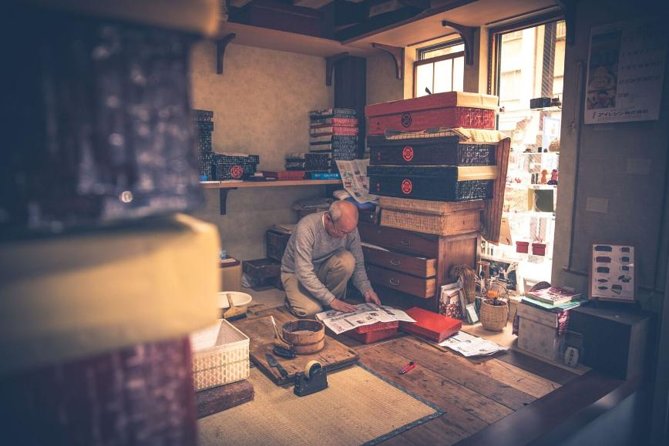
You’ll leave with more than one snack, and the variety is the point. Included tastings can cover:
- Ningyoyaki
- Rice crackers
- Wagyu beef sukiyaki croquettes
- Amazake (cold or warm versions, depending on the season and stop flow)
On top of that, you’ll sample other traditional bites as part of the walking pace. One review tip to take seriously: don’t show up starving in the way that leads you to eat a big meal right before. The snacks are good and they add up fast. If you already had a heavy lunch, you may feel stuffed before you finish the craft stops.
That said, this isn’t an all-you-can-eat sprint. It’s small portions timed around shop visits. So you should still have room to keep walking and exploring afterward.
If you’re vegetarian or vegan, options are available on this tour. You still may want to mention your preference ahead of time so the guide can steer you toward suitable tastings.
Guides, English, and why small groups matter
One of the most praised parts of this experience is the guide. People consistently mention guides like Kaori, Miki, Yoshi, Aya, Ayaka, Seishi, and Meg for making the area feel understandable, not just scenic. In particular, the guides are good at linking food to customs and linking crafts to how people actually live.
That said, communication can vary by guide and day. If you’re the type who needs fast, clear English to fully follow nuance, go in with a realistic mindset: you’ll also learn a lot through what you’re seeing, the shop demonstrations, and the food itself. Visual context helps.
Small group size is part of the value. With up to 10 people, you’re not lost in the back. Questions are possible, and the guide can slow down when a shop owner demonstrates something like shaping, packaging, or the tools behind the product.
Shopping for souvenirs without buying the wrong thing
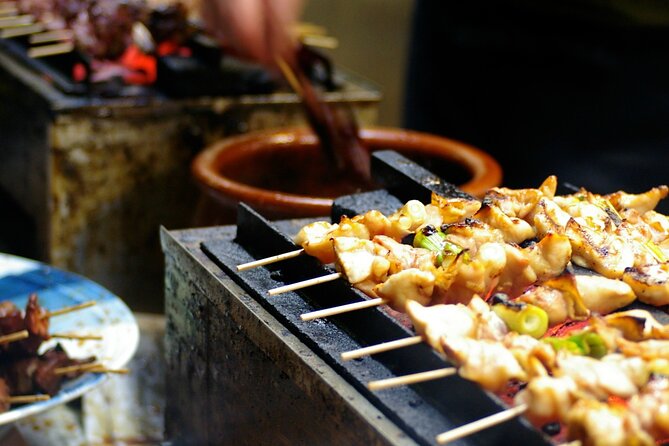
This is where I think the tour does something useful. It gives you a framework for buying. Instead of wandering into a store and hoping you picked a good item, you hear what the shop sells and why certain materials and tools matter. That makes it easier to decide what to bring home.
Here’s the practical side of shopping you’ll get:
- You’ll see traditional washi paper, brush types, ukiyo-e-themed products, and gold leaf goods up close.
- You’ll get pointers on what to look for so you don’t end up with random knickknacks that won’t match your taste or use.
- You can ask the guide what else is worth your time during your stay, which helps you avoid wasting money on the most obvious tourist-only items.
Keep expectations grounded though. Some people come hoping for a heavy shopping block. The tour is still a walking experience centered on stops, tastings, and explanations. If you want a big shopping afternoon, treat this as the “smart start” and then plan a follow-up on your own.
Walking, weather, and what to wear in Tokyo
The walking is moderate, but it’s real. You’ll be on foot for around 3 hours, with stops that require getting in and out of shops and moving between narrow streets.
Wear comfortable walking shoes. Even in good weather, you’ll spend more time on pavement and stairs than you might expect from a 3-hour label.
Weather can also change how the route feels. One group reported rain affecting the morning and early afternoon, and the guide adjusted the pacing to keep things moving. So pack for your forecast and bring a light layer. Tokyo rain can be quick.
Also note that the tour uses public transportation connections in the general area. Even if you’re mostly walking, it helps to be confident with your route back to your hotel.
Price and value: $63.68 for food, craft access, and a guide
At $63.68 per person for about 3 hours, the value isn’t only the snacks. It’s the combination: guided access to specialist shops, tasting items that you’d likely miss on your own, and a structure that teaches you what you’re looking at.
Included items matter because Japanese treats can add up fast once you’re browsing. Here, you’ll get multiple samples—ningyoyaki, rice crackers, and wagyu sukiyaki croquettes—plus amazake. That alone can soften the cost if you’re the type who likes to eat while walking.
Then you add the crafts: seeing washi paper from a 1653 shop, brushes from 1718, and ukiyo-e prints connected to older fan traditions. You’re not paying just to walk past stores. You’re paying for context and help choosing what’s meaningful.
One extra value angle: the tour is carbon neutral and operated by a B Corp certified company. It won’t replace your own good choices, but it’s a nice checkbox for people who care about travel’s footprint.
Who should book this Tokyo shopping and food walk
This is ideal if you:
- Want a first look at Tokyo’s traditional trades without needing months of research
- Like food with explanations, not just samples
- Enjoy craft stores and want souvenirs that make sense
- Prefer a small group (max 10) and a guide-led pace
It may be less ideal if you:
- Hate walking and need a mostly seated experience
- Want guaranteed time in shops for long buying sprees
- Need consistently fast English to follow every nuance (guide quality can vary by day)
If you’re pairing this with other Tokyo plans, it works well as an orientation day experience. You’ll leave knowing where certain craft items come from and how neighborhoods differ.
Should you book this Best of Tokyo shopping and food experience?
If you’re choosing between a generic street-food tour and something more about daily craft culture, I’d lean toward this one. The combination of Ningyocho tastings and Nihonbashi craft stores gives you more than one “Tokyo flavor.” Plus, the inclusion of amazake and the chance to see items made where possible make it feel closer to learning than consuming.
Book it if you like practical culture: incense and calligraphy context, maker shops, and snacks that feel tied to the neighborhood. Skip it only if you want a very shopping-heavy outing with minimal walking.
FAQ
How long is the Tokyo Ningyocho and Nihonbashi shopping and food tour?
It runs for about 3 hours.
What’s included in the price?
The tour includes traditional snack tastings (such as ningyoyaki, rice crackers, and wagyu beef sukiyaki croquettes), amazake, and time with a local English-speaking guide who can share tips for what else to see and do.
Do they offer vegetarian or vegan options?
Yes. Vegetarian and vegan options are available.
Where does the tour start and end?
It starts at McDonald’s Ningyōchō (Ningyōchō 2-chōme-3-1, Chuo City) and ends at Mitsukoshimae Station (2 Chome-1 Nihonbashimuromachi, Chuo City).
How many people are in the group?
The group is limited to a maximum of 10 travelers.
Is there a lot of walking?
There is a moderate amount of walking, so comfortable shoes are recommended.
What kind of tickets do I need?
You get a mobile ticket.
What’s the cancellation policy?
You can cancel for a full refund up to 24 hours before the experience starts.
More Food in Tokyo
- Tokyo: Shinjuku Food Tour (13 Dishes at 4 Local Eateries)
★ 5.0 · 6,603 reviews - Tokyo Tsukiji Fish Market Food and Culture Walking Tour
★ 5.0 · 3,184 reviews - Tokyo: Shinjuku Food Tour (15 Dishes and 4 Eateries)
★ 4.9 · 2,033 reviews - Best of Shinjuku: Izakaya Food Tour (4 Stops, 14+ Tastings)
★ 5.0 · 1,863 reviews - Tokyo: Tsukiji Fish Market Food and Walking tour
★ 5.0 · 1,724 reviews
More Food & Drink in Tokyo
- Tokyo: Shinjuku Food Tour (13 Dishes at 4 Local Eateries)
★ 5.0 · 6,603 reviews - Tokyo Tsukiji Fish Market Food and Culture Walking Tour
★ 5.0 · 3,184 reviews - Tokyo: Shinjuku Food Tour (15 Dishes and 4 Eateries)
★ 4.9 · 2,033 reviews - Best of Shinjuku: Izakaya Food Tour (4 Stops, 14+ Tastings)
★ 5.0 · 1,863 reviews - Tokyo: Tsukiji Fish Market Food and Walking tour
★ 5.0 · 1,724 reviews
More Tour Reviews in Tokyo
- Mt Fuji and Hakone 1-Day Bus Tour Return by Bullet Train
★ 5.0 · 26,383 reviews - 1-Day Tokyo Bus Tour
★ 5.0 · 14,250 reviews - Tokyo: teamLab Planets TOKYO Digital Art Museum Entry Ticket
★ 4.6 · 9,779 reviews - Mt Fuji & Hakone Cruise, Drum Show Bullet Train 1 Day from Tokyo
★ 4.0 · 7,413 reviews - Tokyo: Shinjuku Food Tour (13 Dishes at 4 Local Eateries)
★ 5.0 · 6,603 reviews
Latest Tokyo reviews off our desk

Food & Drink, compared.
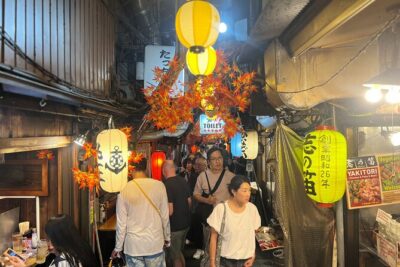 ★ 5.0Shinjuku Food Tour (13 Dishes at 4 Local Eateries)From $866,603 reviews
 ★ 5.0Tokyo Tsukiji Fish Market Food and Culture Walking TourFrom $993,184 reviews
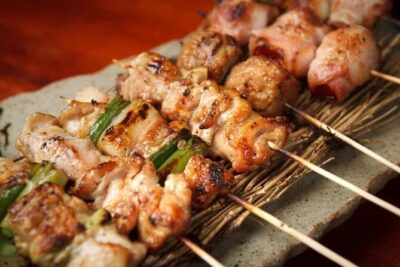 ★ 4.9Shinjuku Food Tour (15 Dishes and 4 Eateries)From $852,033 reviews
 ★ 5.0Best of Shinjuku: Izakaya Food Tour (4 Stops, 14+ Tastings)From $921,863 reviews
 ★ 5.0Tsukiji Fish Market Food and Walking tourFrom $301,724 reviews
 ★ 5.0Eat and Drink Like a Local: Tokyo Ueno Food Tour-Taverns&RamenFrom $95957 reviews
 ★ 5.0Shibuya Food Tour (13 dishes and 4 Eateries)From $77770 reviews
★ 4.7Tsukiji Fish Market Food and Culture Walking TourFrom $96757 reviews
★ 5.0Shibuya Food Tour (13 dishes and 4 Eateries)From $77770 reviews
★ 4.7Tsukiji Fish Market Food and Culture Walking TourFrom $96757 reviews
Browse the lists this tour appears in