
Reviewed · UENO FOOD TOURS
Eat and Drink Like a Local: Tokyo Ueno Food Tour-Taverns&Ramen
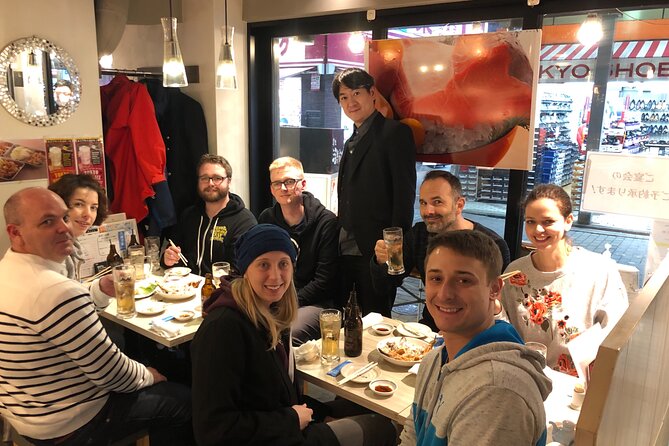
Ueno is a food maze you can trust. This Tokyo Ueno Food Tour takes you into standing bars and taverns where locals actually eat, with a guide translating so you can relax and focus on the bites. I love the way the night blends history talk with real food choices, and I really like that tastings and drinks are included so you’re not constantly figuring out what costs what. The main thing to watch is that some dishes can feel adventurous, especially if you’re hoping for only familiar “safe” options.
One other consideration: if you’re expecting a high-end sit-down meal quality at every stop, this isn’t that kind of experience. It’s built for variety, small plates, and learning how to order and eat like a local across a few different spots.
In This Review
- Quick hits before you go
- Why Ueno is the perfect place for your first Tokyo night
- Meeting at Atré Ueno: the start that keeps you from wasting time
- Stop 1 in Ueno: the first tastings that teach your “food radar”
- Ameya Yokocho and Okachimachi: market energy plus real drinking culture
- How the tour explains Tokyo’s trains while you’re already walking
- Stop 3: Ueno District taverns and the Japanese alcohol crash course
- Final stop ramen near Okachimachi Panda Hiroba: how to order and eat it right
- What you’re really buying for $95: variety plus translation, not just “food”
- Group size and pacing: small enough to ask questions, fast enough to stay fun
- Dietary needs: what to expect and what to do before you go
- Should you book the Tokyo Ueno Food Tour: Taverns & Ramen?
- FAQ
- What is the duration of the Tokyo Ueno Food Tour: Taverns & Ramen?
- How many people are in the group?
- What does the tour include?
- Where does the tour start and end?
- Do I need Japanese to enjoy it?
- What kind of food and drinks will I try?
- Is the tour near public transportation?
- What is the cancellation policy?
Quick hits before you go
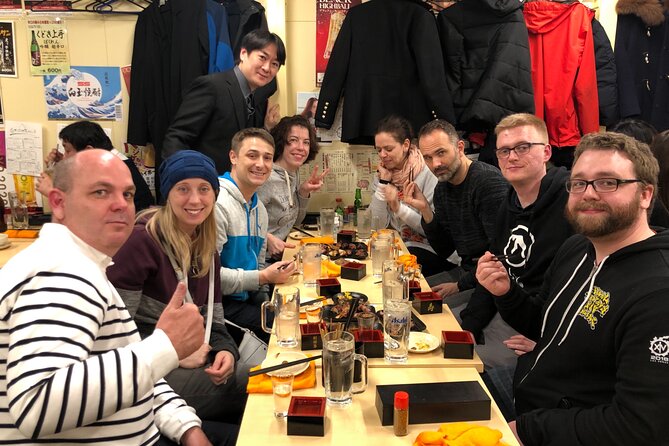
- Standing-bar style: you’ll practice the fast, social rhythm of Japanese izakaya spots instead of staying seated all night
- Translation help: a guide handles the language so you can ask questions and understand what you’re eating
- Ameya Yokocho street walk: you get the market energy of Ueno while still moving efficiently
- Train and Tokyo culture context: you’ll hear practical info that makes navigating later easier
- Ramen finale with ordering guidance: you’re not guessing once the noodles arrive
Why Ueno is the perfect place for your first Tokyo night
Ueno is one of those areas where Tokyo feels real fast. You get big-station convenience nearby, lots of side streets, and enough “everyday Japan” energy that you don’t need perfect Japanese to enjoy yourself. And because you’re bouncing between different kinds of restaurants, you taste a cross-section of Japanese dining styles in just a few hours.
I also like that Ueno isn’t “only shopping and temples.” You’re walking through neighborhood streets where people are grabbing dinner, having drinks, and moving on with their evening. It’s the kind of setting that makes Japanese food culture click: short stays, shared plates, casual questions, and a steady flow of new things.
Best part for most people: you’re not left alone with a menu and a sense of dread. You’re there to learn how to order, what to try, and how to eat comfortably in a local setting.
More Ueno tastings on our list
- Eat and Drink Like a Local: Tokyo Ueno Food Tour-Taverns&Ramen
★ 5.0 · 957 reviews - Tokyo: Food Tour in Ueno with 10+ Tastings of Japanese Classics
★ 5.0 · 303 reviews - Japanese Food Experience Night Tour in Ueno
★ 5.0 · 47 reviews - Tokyo Ueno Food & Nature & Localtown Tour: 10Dishes+ Drinks
★ 5.0 · 34 reviews
Meeting at Atré Ueno: the start that keeps you from wasting time
The tour meet-up is at Starbucks Coffee inside atré Ueno (Ueno station area). That’s a big deal because Ueno can be confusing when you’re new. A clear, easy-to-find meeting point means you spend less time hunting, and more time eating.
Right at the beginning, the guide sets the tone with a quick orientation around Tokyo history, then brings it closer to your night by talking about Ueno Park and the area’s Ueno Zoo connection. You’re not stuck in a lecture; it’s quick context before you head into the food flow.
If you want a practical tip: arrive a few minutes early. You’ll get your bearings sooner, and you’ll be ready to join the group’s pace without stress.
Stop 1 in Ueno: the first tastings that teach your “food radar”
Your first restaurant stop is in Ueno, and you’ll be served four dishes. This is a smart opener because it helps you understand what the guide considers “local go-to” choices—things that aren’t just random tourists-only picks.
Expect the guide to explain what you’re eating as you go. Based on what’s been shared in previous tours, the kinds of flavors you may encounter include items like sashimi, skewered meat, and grilled fish. Even if you’ve eaten Japanese food before, this kind of tasting order teaches you how menus and portions work at smaller izakaya-style places.
The 30-minute timing matters too. You’re not stuck waiting through a slow meal service. You’re learning the pacing: taste, ask a question, move to the next stop. That pacing is basically the secret sauce of enjoying Japanese bar food without overthinking.
Possible drawback here: if you’re extremely selective about food textures, remember you’re sampling. You won’t just “order what you already like.” The tour is built to introduce new combinations.
Ameya Yokocho and Okachimachi: market energy plus real drinking culture
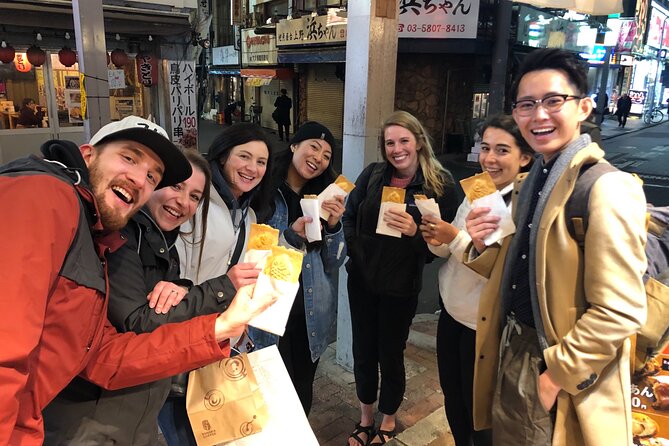
After the first stop, you move through Ameya Yokocho, a street people often associate with snacks, crowds, and late-evening energy. Walking through it with a guide keeps you from getting pulled off course by every sign, smell, and side stall.
Then the next phase lands near Okachimachi Ekimae Street, where the tour focuses on the local rhythm of the izakaya scene. This is where you get a sense of what Japanese “drinking with dinner” feels like: smaller plates, frequent ordering, and drinks treated as part of the meal rather than an afterthought.
This segment is also a good moment to pay attention to how you’re being guided through food ordering. If you’ve ever stood in front of a Japanese menu and wondered how anyone survives without panic, you’ll feel the difference here. A guide helps you translate the vibe into choices you can actually make.
One more practical note: this area can feel chaotic. That’s normal. The guide’s job is to keep your group moving while still letting you experience the neighborhood.
How the tour explains Tokyo’s trains while you’re already walking
There’s a moment on the route where the guide talks about the train system in Tokyo. It sounds unrelated to food, but it matters more than you’d think.
In Ueno, Okachimachi, and nearby stations, you’ll likely hop between lines during the rest of your trip. The tour’s explanation gives you a base level of confidence so you can move around later without constantly re-checking apps or making “wrong direction” mistakes.
This is one of those underrated tour values: the meal experience is great, but the real payoff is feeling steadier about the city after a few hours.
Readers also shortlisted these Tokyo bookings:
- Tokyo: Shinjuku Food Tour (13 Dishes at 4 Local Eateries)★ 5.0 · 6,603 reviews
- Tokyo Tsukiji Fish Market Food and Culture Walking Tour★ 5.0 · 3,184 reviews
- Tokyo: Shinjuku Food Tour (15 Dishes and 4 Eateries)★ 4.9 · 2,033 reviews
- Best of Shinjuku: Izakaya Food Tour (4 Stops, 14+ Tastings)★ 5.0 · 1,863 reviews
- Tokyo: Tsukiji Fish Market Food and Walking tour★ 5.0 · 1,724 reviews
Stop 3: Ueno District taverns and the Japanese alcohol crash course
Next you’re in the Ueno District, where the guide focuses on Japanese alcoholic drinks alongside the foods you can expect at taverns. This part is useful even if you don’t consider yourself a big drinker, because you learn what people actually order and why.
Japanese bars often have drinks with specific roles—some pair with salty flavors, some play nicely with grilled foods, and others are just part of the social ritual. The guide also explains the dishes being ordered, and you’re encouraged to ask questions. That Q&A time can turn an intimidating scene into a friendly one because you’re not guessing.
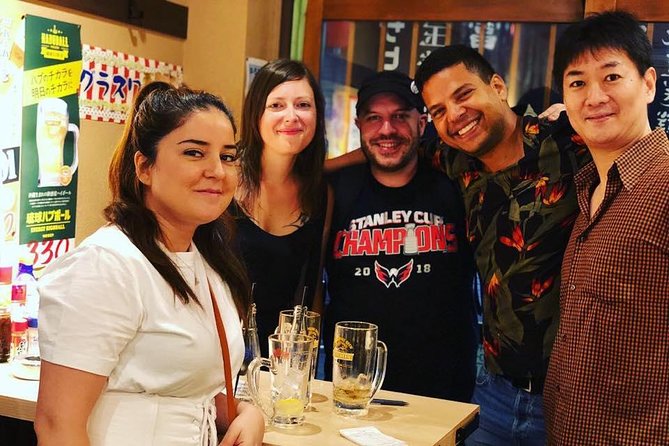
From the experience patterns shared in past tours, many groups end up laughing a lot here. That makes sense: standing bars and izakaya are social spaces by design, and the guide helps set you up to join the conversation without feeling lost.
A fair drawback to consider: if you’re very sensitive to alcohol or you don’t want to participate, you’ll still be part of the food learning. But the drink focus may be more of the spotlight than you expect. If you truly want a non-alcohol heavy night, it’s smart to say so early.
Final stop ramen near Okachimachi Panda Hiroba: how to order and eat it right
The night wraps with the ramen stop near Okachimachi Panda Hiroba. This is a smart finale because ramen is familiar enough to crave, but the ordering and eating style can still be confusing when you’re new.
Here, you’ll get guidance on how to order and how to eat ramen. That means you’re not just getting noodles—you’re getting the “rules” of the place so the whole dish feels less mysterious. If you’re the type who likes to understand what you’re ordering (even in another language), this part is worth the last stretch.
Ramen stores in Japan often feel simple from the outside, but the details matter once you’re inside. The guide’s explanations cut down your uncertainty, so you can enjoy the bowl rather than trying to decode the system while hungry.
Timing is also tight—about 30 minutes—so you can savor the meal and still end the tour feeling full and satisfied.
What you’re really buying for $95: variety plus translation, not just “food”
At around $95 per person for a roughly 3-hour small-group outing, the value isn’t only that you eat a lot. The value is in the structure.
You’re paying for:
- Multiple stops instead of one big meal
- Food and drink included, so you avoid the constant “is this worth it?” math
- A guide who handles translation, which is the hard part for many first-timers
- Practical Tokyo context, like the train system and how neighborhoods work
Compared to paying for a single meal at a good restaurant, this is still different. You’re not sitting down for one “perfect” plate. You’re sampling across styles and learning how to navigate the dining scene on your own afterward.
If you want only one sit-down restaurant and long courses, this may not match your pace. If you want variety and a confident start to eating like a local, this format usually feels like money well spent.
Group size and pacing: small enough to ask questions, fast enough to stay fun
The group max is 10 people, which is small enough for the guide to notice if someone is confused or wants to ask follow-up questions. The tour also keeps a steady tempo—roughly four food stops plus walking and orientation segments.
From past experiences with guides in this style, groups often end up chatting with each other in between stops. That social layer is real: standing bars naturally lead to conversation, and the guide helps keep things moving so it doesn’t turn awkward.
One practical comfort tip: wear shoes you can walk in. This is a neighborhood crawl, and you’ll spend real time on your feet.
Dietary needs: what to expect and what to do before you go
The tour information here doesn’t list a strict dietary promise, but past experiences with this style of tour show that the guide can accommodate dietary needs and special requests, including vegetarian needs in at least some cases.
Still, don’t wait until you arrive. If you have allergies or a hard no for certain ingredients, message ahead so the guide has time to plan. That preparation matters for places that use shared prep spaces or don’t offer flexible substitutions.
If you’re mostly adventurous but have a couple of limits, you’ll likely be able to adjust choices in the moment because the guide is actively translating and explaining what’s on the table.
Should you book the Tokyo Ueno Food Tour: Taverns & Ramen?
Book it if you want:
- A first Tokyo night that teaches you the bar and tavern style of eating
- Real neighborhood walking through Ueno and Ameya Yokocho without getting overwhelmed
- Ramen at the end with ordering help so you don’t feel clueless in the final bowl
- A small-group experience where you can ask questions and keep the pace fun
Skip it or rethink it if:
- You only want predictable, familiar foods with zero “surprises”
- You’re expecting every stop to feel like a high-end, single-restaurant tasting menu
- You’d rather spend all your time seated in one place instead of moving around
If you’re a “show me what locals do” kind of person, this tour is one of the easiest ways to get there fast.
FAQ
What is the duration of the Tokyo Ueno Food Tour: Taverns & Ramen?
The tour runs for about 3 hours.
How many people are in the group?
The tour has a maximum of 10 travelers.
What does the tour include?
You get food tastings and drinks included, plus guidance on what to eat and how to order (including ramen).
Where does the tour start and end?
It starts at Starbucks Coffee inside atré Ueno Japan (Ueno, Taito City) and ends at Ueno (Ueno 5-chōme area).
Do I need Japanese to enjoy it?
No. The guide takes care of translation so there are no language barriers.
What kind of food and drinks will I try?
You’ll try local Japanese tavern food such as sashimi, skewered meat, grilled fish, and you’ll end with ramen. The tour also includes Japanese alcoholic drinks.
Is the tour near public transportation?
Yes, the meeting area is near public transportation.
What is the cancellation policy?
You can cancel for a full refund if you do it at least 24 hours before the experience starts. If you cancel within 24 hours of the start time, the amount is not refunded.
More Tours in Tokyo
- Mt Fuji and Hakone 1-Day Bus Tour Return by Bullet Train
★ 5.0 · 26,383 reviews - 1-Day Tokyo Bus Tour
★ 5.0 · 14,250 reviews - Tokyo: Shinjuku Food Tour (13 Dishes at 4 Local Eateries)
★ 5.0 · 6,603 reviews - Tokyo Mt Fuji 5th St & Hakone Cruise Bus Tour w/Bullet Train
★ 4.4 · 5,024 reviews - Flagship 2-Hours Official Street Go-Kart Tour – Tokyo Bay Shop
★ 5.0 · 4,974 reviews
More Tour Reviews in Tokyo
- Mt Fuji and Hakone 1-Day Bus Tour Return by Bullet Train
★ 5.0 · 26,383 reviews - 1-Day Tokyo Bus Tour
★ 5.0 · 14,250 reviews - Tokyo: teamLab Planets TOKYO Digital Art Museum Entry Ticket
★ 4.6 · 9,779 reviews - Mt Fuji & Hakone Cruise, Drum Show Bullet Train 1 Day from Tokyo
★ 4.0 · 7,413 reviews - Tokyo: Shinjuku Food Tour (13 Dishes at 4 Local Eateries)
★ 5.0 · 6,603 reviews
More Ueno Tastings
- Tokyo: Food Tour in Ueno with 10+ Tastings of Japanese Classics
★ 5.0 · 303 reviews - Tokyo Ueno Food Tour Sushi Ramen and Local Favorites
★ 5.0 · 54 reviews - Japanese Food Experience Night Tour in Ueno
★ 5.0 · 47 reviews - Tokyo Ueno Food & Nature & Localtown Tour: 10Dishes+ Drinks
★ 5.0 · 34 reviews - All-You-Can-Drink Bar Hopping Tour in Ueno
★ 5.0 · 22 reviews
Latest Tokyo reviews off our desk






Ueno Food Tours, compared.
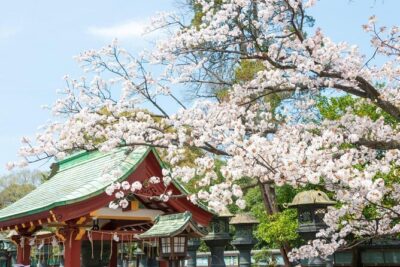 ★ 5.0Food Tour in Ueno with 10+ Tastings of Japanese ClassicsFrom $142303 reviews
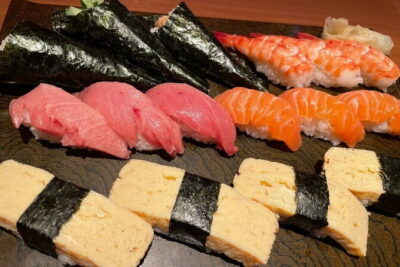 ★ 5.0Tokyo Ueno Food Tour Sushi Ramen and Local FavoritesFrom $8954 reviews
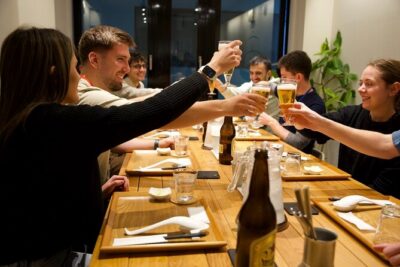 ★ 5.0Japanese Food Experience Night Tour in UenoFrom $10547 reviews
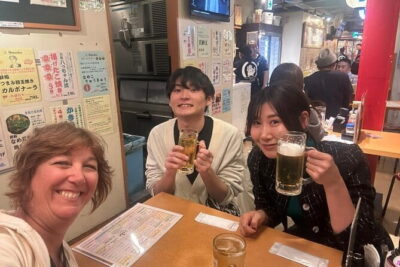 ★ 5.0Tokyo Ueno Food & Nature & Localtown Tour: 10Dishes+ DrinksFrom $12034 reviews
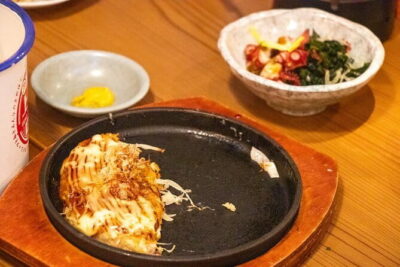 ★ 5.0All-You-Can-Drink Bar Hopping Tour in UenoFrom $9822 reviews
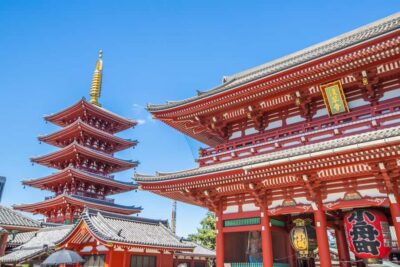 ★ 4.8Asakusa, Kappabashi, and Ueno Walking TourFrom $4114 reviews
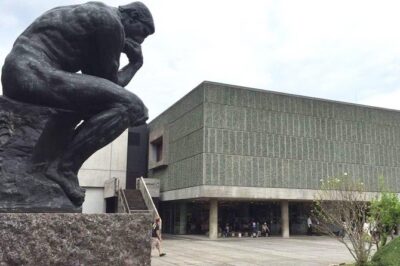 ★ 5.0Private Ueno Park Architecture Walking TourFrom $1468 reviews
 ★ 5.0Romantic Mizuhiki Knot and Omikuji Washi Charm Workshop UenoFrom $416 reviews
Browse the lists this tour appears in