
Reviewed · MOUNT FUJI TOURS
Bullet Train and Mt. Fuji Famous Food Tour
Mt. Fuji tastes like tea. This day trip pairs Fujinomiya food with sake and tea tastings on the slopes of Japan’s most famous mountain. I like how the tour packs real local eating into a tight schedule, and I also like that it keeps the group small (up to 10 people) with a guide who can pace you. A possible drawback is that it’s weather-dependent—when Mt. Fuji is shy, the focus shifts more toward culture and food than big views.
You’ll start at Apple Marunouchi Mitsubishi Building at 8:30 am, then take the Shinkansen round-trip from Tokyo (mobile ticket included). The plan is built for convenience: you get transportation, guidance, and several tastings bundled together, instead of trying to piece together train times and restaurant stops on your own.
There’s also a fun hands-on slot: you can try your hand at making wagashi and then round it out with local green tea. Just keep in mind the day requires strong physical fitness since you’ll be walking and moving between stops.
In This Review
- Key highlights worth your attention
- Why Fujinomiya gives Mt. Fuji a more local feel
- 7 hours on purpose: the flow from Tokyo to Fujinomiya
- Shinkansen logistics and the bento timing reality
- Mt. Fuji World Heritage Centre: context before you chase views
- Fujinomiya food walk: six tastings plus the 80-year-old lunch
- Sake tasting and green tea: tasting like you mean it
- Wagashi-making: a sweet skill you can actually use again
- Shrine and temple time: Fujisan Honguu Sengen Taisha and Daisenji
- Guide quality and small-group energy: names to look for
- Price and value at $638: what you’re really buying
- Who should book this Mt. Fuji famous food tour
- Should you book it or save the day for something else?
- FAQ
- What time does the tour start?
- Where do we meet for the tour?
- How long is the tour?
- Does it include the bullet train from Tokyo?
- What food and drink are included?
- Is there a wagashi-making experience?
- What are the dietary options?
- Is the tour family-friendly?
- Are alcohol samples included?
- What happens if the weather is bad?
Key highlights worth your attention
- Shinkansen round-trip from Tokyo with an all-day structure that still leaves room to eat slowly
- 6 food stops in Fujinomiya, including a lunch at an 80-year-old restaurant using local ingredients
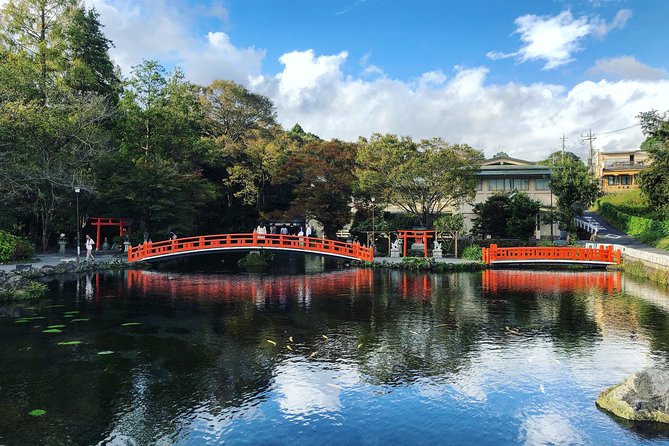
- Mt. Fuji World Heritage Centre plus a shrine/temple pair for history and viewpoints
- Sake tasting tied to place, not just a quick pour-and-go
- Wagashi-making and a cup of Fujinomiya green tea to end the day on a calmer note
Why Fujinomiya gives Mt. Fuji a more local feel
Most Mt. Fuji experiences orbit around the big, famous viewpoints. This one is different. You’re going to Fujinomiya—on the mountain side that feels more like a working region than a theme park—and you’re using food as your way in.
I like that the tour is built around regional food traditions. Instead of treating sake and snacks like random add-ons, they’re part of the story: what people eat locally, how they make sweet tea treats, and why certain flavors show up again and again around Mt. Fuji.
I also appreciate the smaller scale. With a maximum of 10 travelers, you’re more likely to get real attention from the guide—good for questions, photo stops, and pacing yourself after the train ride.
More Fuji day trips our readers rated highly
- Mt Fuji and Hakone 1-Day Bus Tour Return by Bullet Train
★ 5.0 · 26,383 reviews - Mt Fuji & Hakone Cruise, Drum Show Bullet Train 1 Day from Tokyo
★ 4.0 · 7,413 reviews - Tokyo Mt Fuji 5th St & Hakone Cruise Bus Tour w/Bullet Train
★ 4.4 · 5,024 reviews - From Tokyo: Mount Fuji Full-Day Sightseeing Trip
★ 4.5 · 4,970 reviews
7 hours on purpose: the flow from Tokyo to Fujinomiya
This is a 7-hour day that follows a simple rhythm: train out, guided local sightseeing, guided food stops, then the return to Tokyo. Starting at 8:30 am helps too, because you’re not stuck racing the clock in the morning.
The meeting point is Apple Marunouchi Mitsubishi Building in Marunouchi (Chiyoda). The end point is the Mitsubishi Building in the same area, so you’re basically returning to the same convenient hub rather than navigating across the city.
One more practical note: the tour includes bento lunch and snacks on the train plus a fuller lunch later. If you’re the type who already eats a lot early, you might still be fine—but if you eat lightly in the morning, the train meal may feel like it arrives before you’re truly hungry. In one past day, that timing was called out as a mismatch, even though it was still appreciated.
Shinkansen logistics and the bento timing reality
The headline is round-trip bullet train between Tokyo and Fujinomiya. That’s a big value point on its own because trains like this aren’t cheap, and planning them solo takes time and attention.
On the Shinkansen portion, you’ll have bento lunch and snacks. Depending on your appetite, you might treat it as breakfast-plus. On at least one day, guests weren’t hungry enough for the bento at around 10:00 am on the train, which tells me you’ll probably want a flexible mindset: eat what you can, save what you don’t.
This matters because the main food program doesn’t stop at the train. You’ll then move into Fujinomiya for a 3-hour guided run with multiple tastings. If you plan to sample everything, it helps to go in knowing you’ll be eating in waves rather than one single long meal.
Mt. Fuji World Heritage Centre: context before you chase views
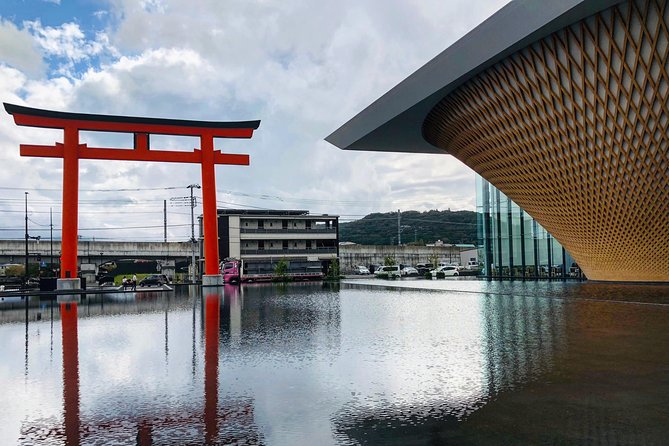
Your first real stop is the Mt. Fuji World Heritage Centre in Shizuoka (with admission included). This kind of stop is more than a ticket booth—it’s where the day gets grounded.
You’re there early enough to build context, so the later shrine/temple visits make more sense. And even when Mt. Fuji isn’t fully cooperative, the World Heritage Centre sets you up to notice what’s being protected: the mountain as a cultural and spiritual icon, not only a photo subject.
Expect a short, focused stop rather than a long museum crawl. The payoff comes from what happens next—because the day is designed to combine cultural stops with food stops, not pick just one.
Fujinomiya food walk: six tastings plus the 80-year-old lunch
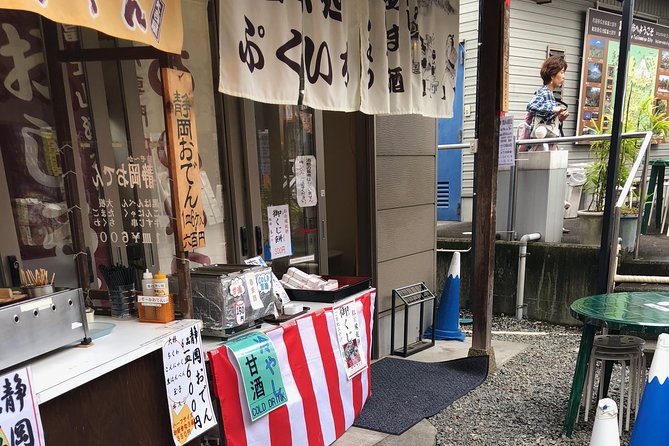
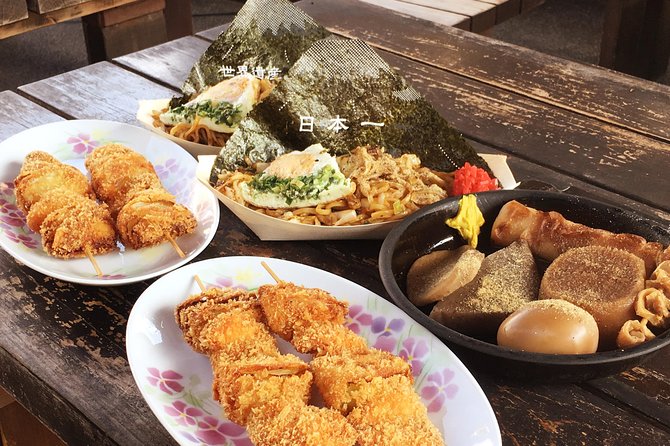
Once you arrive in Fujinomiya, you’re in the heart of what makes this tour memorable. You get a 3-hour local guided exploration and visits to 6 local shops and restaurants to try regional specialties.
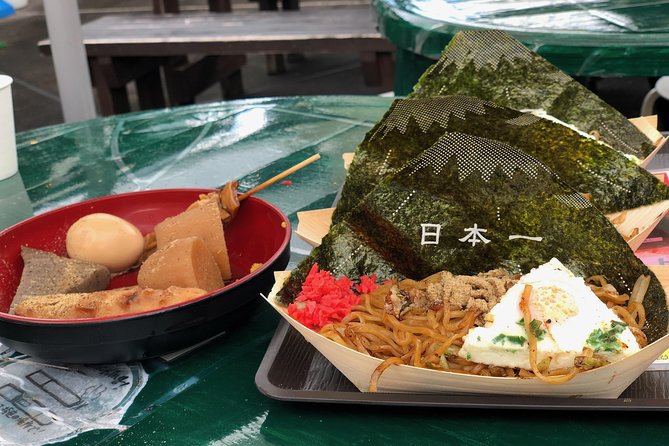
One of the strongest signals from past days is the quality of the eating. A standout mentioned repeatedly is the yaki soba you’ll find during the route. When a meal gets called out as the best someone has had, that’s usually a sign it’s not mass-produced. It’s food built around local style and texture—something you’ll remember after you stop walking.
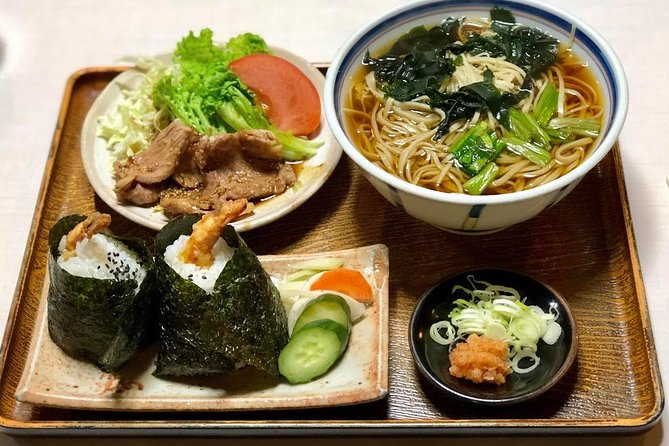
Then comes lunch at an 80-year-old restaurant. The key detail is that it uses local ingredients, which often makes a difference in how the food tastes. Even if you’re used to Japanese menus, this kind of place tends to be less about novelty and more about consistency and regional comfort.
You should also know the tour is diet-friendly on paper: vegan, vegetarian, and gluten-free are supported. That doesn’t mean every dish will match every diet perfectly, but it does mean the company is prepared to work with you rather than forcing you to sit out.
Readers also shortlisted these Tokyo bookings:
- Tokyo: Shinjuku Food Tour (13 Dishes at 4 Local Eateries)★ 5.0 · 6,603 reviews
- Tokyo Tsukiji Fish Market Food and Culture Walking Tour★ 5.0 · 3,184 reviews
- Tokyo: Shinjuku Food Tour (15 Dishes and 4 Eateries)★ 4.9 · 2,033 reviews
- Best of Shinjuku: Izakaya Food Tour (4 Stops, 14+ Tastings)★ 5.0 · 1,863 reviews
- Tokyo: Tsukiji Fish Market Food and Walking tour★ 5.0 · 1,724 reviews
Sake tasting and green tea: tasting like you mean it
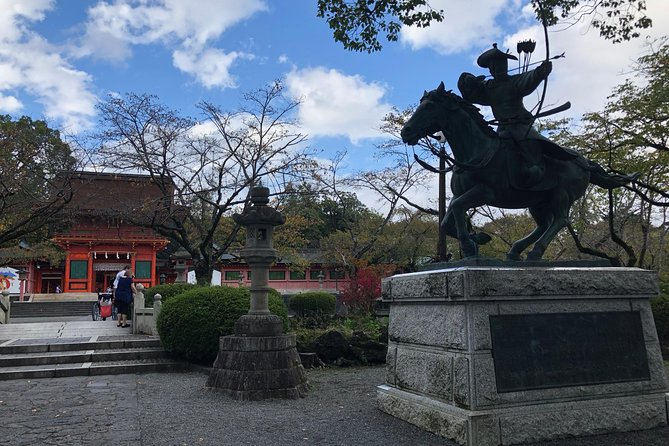
Food is the anchor, but the drink program is where the cultural side gets extra flavor. The day includes sake tasting and a cup of local green tea.
Because the minimum drinking age is 21, the sake portion is tied to that rule. If you’re not drinking, you’ll still get the tea element, and the tour is built around tasting the region’s traditions rather than pressuring anyone to go alcohol-heavy.
I also like that the tasting is connected to place. In past days, the guide experience included pairing the mountain region with drinks and explaining what you’re tasting, not just handing out samples. That kind of framing helps you notice details like aroma and sweetness, and it makes the tasting feel like part of the journey.
And yes, the tea matters. A local green tea break turns the pace down for a moment, which is useful on a busy day when your feet are already tired.
Wagashi-making: a sweet skill you can actually use again
There’s a Wagashi-making experience built into the tour. Even without turning it into a craft class, making wagashi gives you a hands-on look at how Japanese sweets connect to seasonality and presentation.
Why I think this is worth including: it isn’t just eating. You’re doing. You’ll come away with something small in your hands, plus a better understanding of why wagashi shows up with tea in so many everyday settings in Japan.
Expect this to be a calmer, slower moment compared to the fast rhythm of train travel and shop-to-shop tasting. It also helps if you want a break from constant walking.
Shrine and temple time: Fujisan Honguu Sengen Taisha and Daisenji
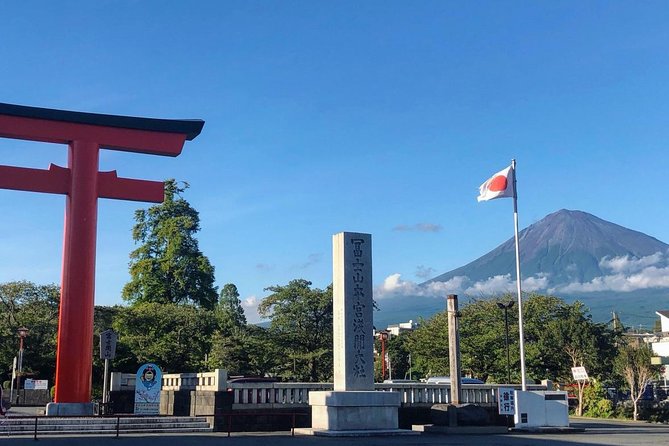
You’ll visit Fujisan Honguu Sengen Taisha and later Daisenji. These aren’t random stops. They fit the tour’s Mt. Fuji theme by placing the mountain in the framework of local worship and tradition.
The shrine and temple area is also where you’re likely to get the clearest sense of the day’s “Mt. Fuji views” promise. If weather cooperates, you’ll have photo chances and big mountain moments. If not, these stops still work because the value isn’t only what the mountain looks like—it’s what the culture built around it feels like.
One practical consideration: the day is still about walking and switching locations. Bring comfy shoes, and don’t plan this as your only “activity-heavy” day if you’re already coming in from jet lag.
Guide quality and small-group energy: names to look for
The tour experience is strongly tied to the guide. Past guides named in the experience include Norma (with an apprentice named Sandra), Josh, and Arigato, plus other guide duos like Lauren and Alex. Across those days, the common theme is clear: people feel well led through both the food and the cultural stops.
In practical terms, a good guide helps you do three things:
- find the right rhythm for eating (so you don’t hate your own lunch later),
- explain what you’re seeing (so shrine and centre visits connect to the day’s theme),
- and keep Mt. Fuji viewing flexible when the weather shifts.
With a maximum of 10 travelers, that matters more than on big group tours. You’ll likely get better pacing and less time waiting for the slowest person—or the person who missed the meetup point.
Price and value at $638: what you’re really buying
At $638 per person, this isn’t the cheapest way to see Mt. Fuji. But you are getting a lot in one box.
You’re paying for:
- round-trip bullet train from Tokyo (a major cost driver),
- a guided program in Fujinomiya,
- admission at the Mt. Fuji World Heritage Centre,
- multiple food stops including lunch at an 80-year-old restaurant,
- and drink tastings plus wagashi-making.
The value question comes down to whether you want the hassle removed. If you were to plan this solo, you’d be juggling train schedules, getting to local shops, finding a quality lunch, and coordinating a shrine route. The tour compresses all of that into a single day with guidance.
This price also becomes more reasonable if you’re the kind of eater who wants variety: six tastings is not a small amount of food, and the yaki soba highlight alone can justify part of the value if you’re a fan.
Who should book this Mt. Fuji famous food tour
This is a great fit if you want Mt. Fuji culture without skipping the eating. It’s also a good choice if you like a guided day where transportation is handled and you don’t have to constantly check train times.
I’d especially recommend it for:
- food lovers who want sake and tea tied to place,
- travelers who enjoy small-group guiding (up to 10),
- people who want an organized day trip rather than building one from scratch.
You might reconsider if you:
- have limited mobility or struggle with long walking segments (the tour notes a strong physical fitness level),
- prefer a fully flexible schedule rather than a structured route,
- are only chasing one thing—because weather can affect view-heavy moments.
Should you book it or save the day for something else?
If your ideal Mt. Fuji day includes Fujinomiya food, sake, and a hands-on wagashi experience, this tour is a strong match. The combination of Shinkansen convenience, six tastings, and cultural stops makes it feel like a complete day, not a quick hit.
But if you’re booking purely for dramatic mountain views and you know you’ll be disappointed by cloudy or shy-Mt.-Fuji conditions, you might want a plan B mindset. On those days, the food and culture portion is still the backbone.
FAQ
What time does the tour start?
The tour starts at 8:30 am.
Where do we meet for the tour?
You’ll meet at Apple Marunouchi Mitsubishi Building, 2-chōme-5-2 Marunouchi, Chiyoda City, Tokyo 100-0005.
How long is the tour?
The duration is about 7 hours.
Does it include the bullet train from Tokyo?
Yes. You get a guided bullet train trip from Tokyo with return travel to your starting city.
What food and drink are included?
You’ll have local dishes at 6 food stops, plus an included Japanese lunch and sake and tea tasting as part of the experience. The tour also includes bento lunch and snacks on the train.
Is there a wagashi-making experience?
Yes. A Wagashi-making experience is included.
What are the dietary options?
The tour is vegan, vegetarian, and gluten-free friendly.
Is the tour family-friendly?
Yes. The tour notes it is family-friendly, and children must be accompanied by an adult.
Are alcohol samples included?
Sake tasting is part of the tour, and the minimum drinking age is 21.
What happens if the weather is bad?
This experience requires good weather. If it’s canceled due to poor weather, you’ll be offered a different date or a full refund.
More Tours in Tokyo
- Mt Fuji and Hakone 1-Day Bus Tour Return by Bullet Train
★ 5.0 · 26,383 reviews - 1-Day Tokyo Bus Tour
★ 5.0 · 14,250 reviews - Tokyo: Shinjuku Food Tour (13 Dishes at 4 Local Eateries)
★ 5.0 · 6,603 reviews - Tokyo Mt Fuji 5th St & Hakone Cruise Bus Tour w/Bullet Train
★ 4.4 · 5,024 reviews - Flagship 2-Hours Official Street Go-Kart Tour – Tokyo Bay Shop
★ 5.0 · 4,974 reviews
More Tour Reviews in Tokyo
- Mt Fuji and Hakone 1-Day Bus Tour Return by Bullet Train
★ 5.0 · 26,383 reviews - 1-Day Tokyo Bus Tour
★ 5.0 · 14,250 reviews - Tokyo: teamLab Planets TOKYO Digital Art Museum Entry Ticket
★ 4.6 · 9,779 reviews - Mt Fuji & Hakone Cruise, Drum Show Bullet Train 1 Day from Tokyo
★ 4.0 · 7,413 reviews - Tokyo: Shinjuku Food Tour (13 Dishes at 4 Local Eateries)
★ 5.0 · 6,603 reviews
More Mount Fuji Days We Have Reviewed
- Mt Fuji and Hakone 1-Day Bus Tour Return by Bullet Train
★ 5.0 · 26,383 reviews - Mt Fuji & Hakone Cruise, Drum Show Bullet Train 1 Day from Tokyo
★ 4.0 · 7,413 reviews - Tokyo Mt Fuji 5th St & Hakone Cruise Bus Tour w/Bullet Train
★ 4.4 · 5,024 reviews - From Tokyo: Mount Fuji Full-Day Sightseeing Trip
★ 4.5 · 4,970 reviews - Tokyo: Mt. Fuji Tour, Hakone Ropeway, Owakudani, Lake Ashi
★ 4.7 · 4,002 reviews
Latest Tokyo reviews off our desk






Mount Fuji Tours, compared.
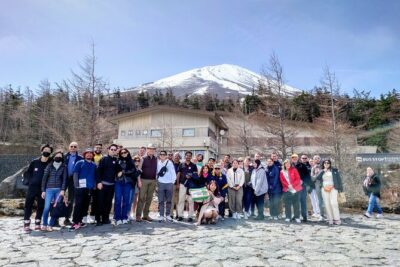 ★ 5.0Mt Fuji and Hakone 1-Day Bus Tour Return by Bullet TrainFrom $16326,383 reviews
 ★ 4.0Mt Fuji & Hakone Cruise, Drum Show Bullet Train 1 Day from TokyoFrom $1497,413 reviews
 ★ 4.4Tokyo Mt Fuji 5th St & Hakone Cruise Bus Tour w/Bullet TrainFrom $1545,024 reviews
 ★ 4.5From Tokyo: Mount Fuji Full-Day Sightseeing TripFrom $684,970 reviews
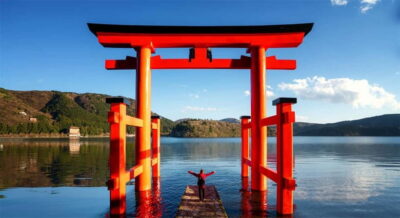 ★ 4.7Mt. Fuji Tour, Hakone Ropeway, Owakudani, Lake AshiFrom $544,002 reviews
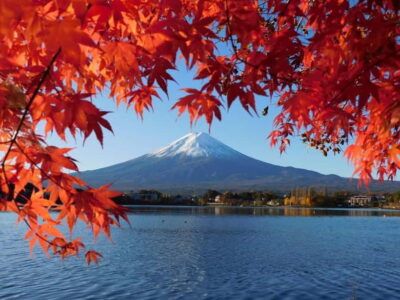 ★ 4.4Mt.Fuji,Kawaguchiko Oishi Park,Arakurayama Sengen ParkFrom $542,682 reviews
 ★ 4.2Mt. Fuji 5th Station & Hakone Cruise 1-Day Bus TourFrom $1292,381 reviews
 ★ 4.7Mt Fuji Top 5 Spots Day Tour: Arakurayama Park,Oshino HakkaiFrom $532,066 reviews
Browse the lists this tour appears in