
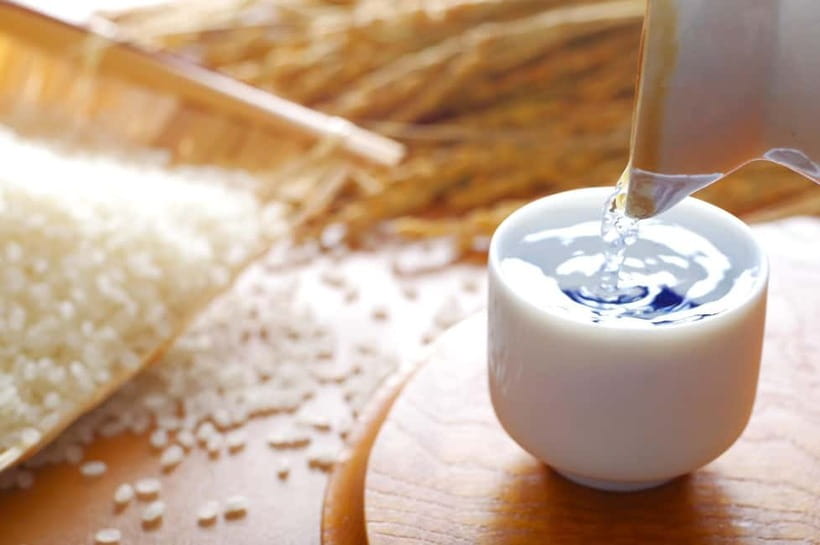
Reviewed · SHINJUKU FOOD & BAR TOURS
Casual Japanese sake tasting and snack experience, Kabukicho
Sake tasting can be oddly approachable in Japan. In Kabukicho near Shinjuku Station, you compare 8 types of sake and watch how traditional snacks change what you taste, with a guided, no-pressure flow that works even for first-timers. The one thing to watch: Kabukicho is intense on foot, and getting to the bar on the second floor can take a minute if you miss the right sign.
I like that the experience starts simple and gets more interesting as you go. You’ll begin with lower alcohol sake and move through different styles, then finish with amazake, a sweet fermented rice drink, as dessert.
In This Review
- Key takeaways before you go
- Kabukicho sake tasting: why this setup feels easy
- Finding the bar near Shinjuku Ale and Karaoke 747
- The “easy comparison” tasting flow (8 sakes, one guided arc)
- Your first pours: warming up with lower-alcohol sake
- Pairing sake with traditional snacks (the part that clicks)
- Variety you can taste: cold, hot, and a cocktail-style moment
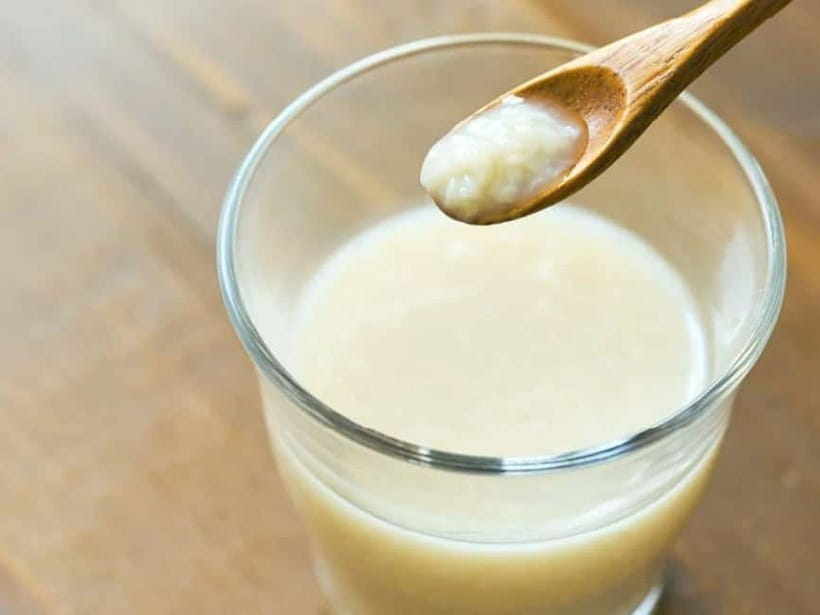
- The amazake finale: sweet dessert after your sips
- Price and value: is $38 a fair deal
- Communication in English (and how to handle it smoothly)
- Who should book this tasting, and who should skip it
- What to do before and after your 1-day plan
- Should you book this Kabukicho sake tasting?
- FAQ
- What is included in the $38 per person price?
- How many types of sake do you taste during the experience?
- Do I need to know anything about sake before I go?
- Where is the meeting point near Shinjuku Station?
- What languages does the instructor speak?
- Is the experience wheelchair accessible, and is it suitable for everyone?
Key takeaways before you go
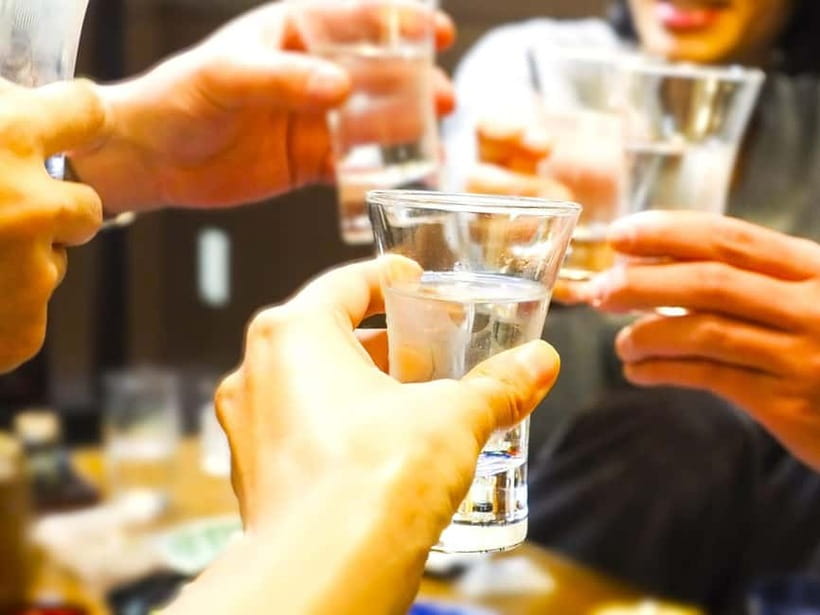
- 8 types of sake to compare, not just one or two pours
- Start with lower-alcohol sake so your palate warms up in the right order
- Traditional snack pairings that help you understand flavor instead of guessing
- Beginner-friendly structure, even if sake is new to you
- Small group (max 6) for more questions and less waiting
- A sweet amazake finale that feels like dessert, not an afterthought
Kabukicho sake tasting: why this setup feels easy
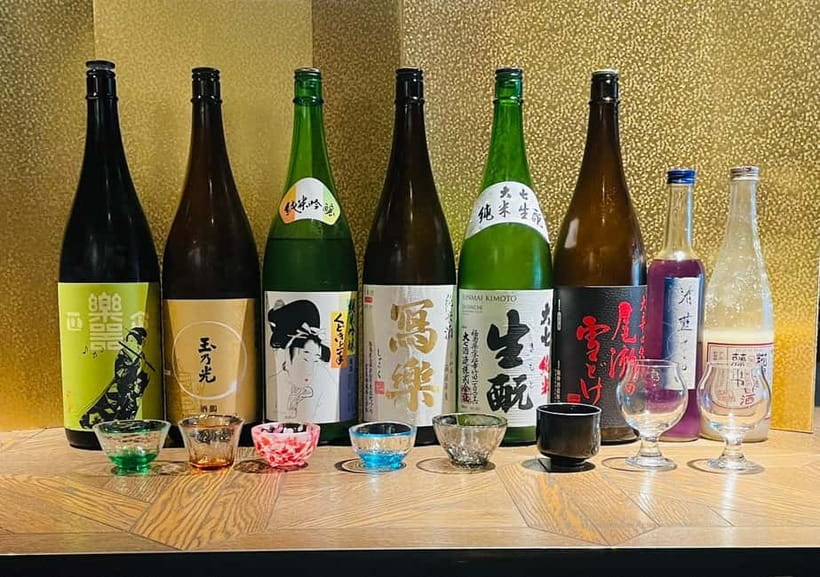
Kabukicho is not the place you come for quiet, scenic views. You come for energy, neon, and nightlife that’s easy to enjoy once you know where you’re going. This sake tasting works in that environment because it’s built like a guided comparison, not a lecture and not a drinking sprint.
What I like most is the focus on how the sake changes as you move through the lineup. You’re not tasting random glasses back-to-back. The experience is paced so your palate can notice differences, especially when the guide talks you through alcohol strength and taste direction.
A second big win is the snack-and-sake pairing. Japanese sake can be subtle, and if you only sip, you might miss the point. With traditional snacks alongside the pours, you get instant feedback on what works and why.
More Shinjuku plates and pours our readers rated
- Tokyo: Shinjuku Food Tour (13 Dishes at 4 Local Eateries)
★ 5.0 · 6,603 reviews - Tokyo Bar Hopping Tour in Shinjuku (All-You-Can-Drink + Dinner)
★ 5.0 · 3,587 reviews - Tokyo: Shinjuku Food Tour (15 Dishes and 4 Eateries)
★ 4.9 · 2,033 reviews - Best of Shinjuku: Izakaya Food Tour (4 Stops, 14+ Tastings)
★ 5.0 · 1,863 reviews
Finding the bar near Shinjuku Ale and Karaoke 747
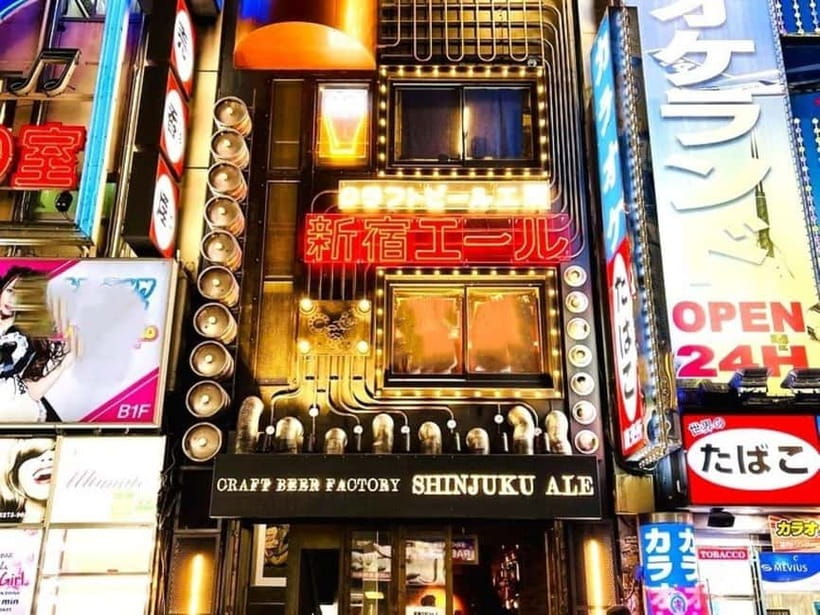
This experience starts near Shinjuku Station on the JR Yamanote Line, about a 5-minute walk. You walk along Kabukicho Central Road toward TOHO Cinemas. On the way, look for Shinjuku Ale next to Karaoke 747 on your right.
One practical detail: the tastings happen on the second floor of the bar. So when you arrive, don’t just look for the ground-level sign and assume you’re done. If you’re arriving at night and the street feels a little loud or chaotic, take a slow moment to match your bearings before climbing stairs.
If you tend to second-guess directions, give yourself a few extra minutes. Kabukicho has a way of making easy routes feel confusing when you’re tired.
The “easy comparison” tasting flow (8 sakes, one guided arc)
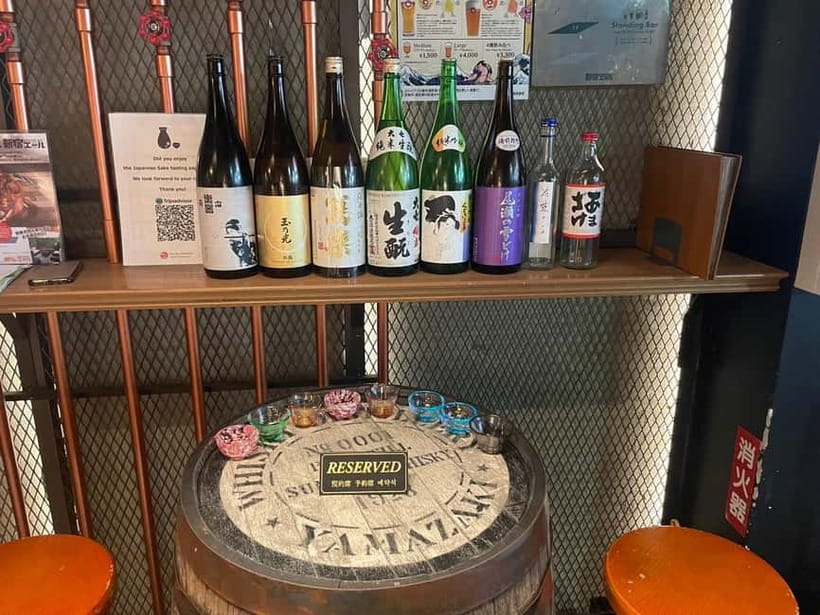
The heart of the experience is simple: you compare 8 carefully selected varieties of sake in a casual atmosphere. Think of it like a tasting class, but without the stuffy vibe. The guide keeps things moving and helps you notice differences without making you feel behind.
You also get a built-in structure based on alcohol content. The guide starts with sake that has lower alcohol, because the typical alcohol range is around 15–16%, and some bottles are lower while others run higher. Starting with the gentler options helps your senses adjust before the stronger styles show up.
You should expect the guide to describe each sake in plain language, step by step. One review highlighted how the explanation was simple and progressive, with time to ask questions. Even if your Japanese is limited, the format stays approachable.
Finally, the experience isn’t only about alcohol. You’ll pair each tasting with traditional Japanese snacks, so you’re learning flavors through combinations, not just by reading a label.
Your first pours: warming up with lower-alcohol sake
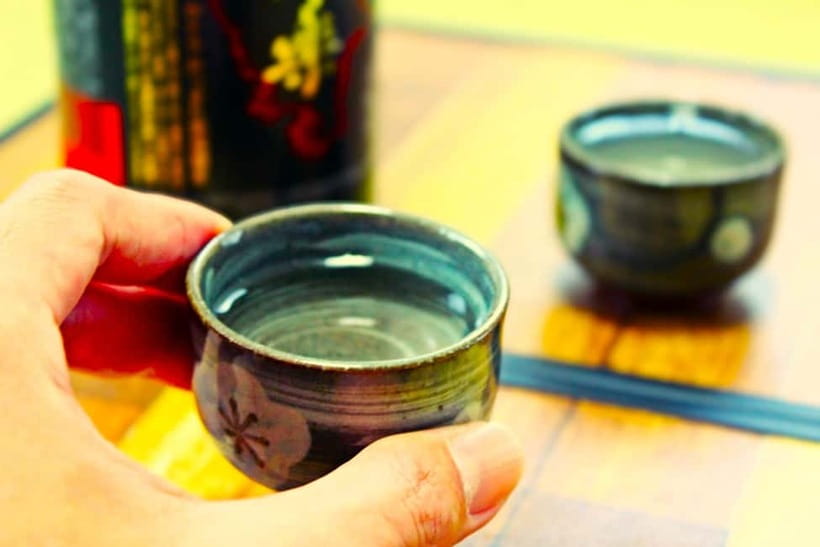
Starting at lower alcohol matters more than it sounds. Alcohol strength can hit your nose and tongue quickly, and it can blur delicate flavors if you start with something strong. This experience intentionally begins with the milder end, so you can actually taste.
Early on, I’d expect you to focus on basics like:
- how it smells when you take the first sip
- how it feels on your tongue (light, round, or sharper)
- what changes after you eat a small bite of the snack pairing
Because the tasting is designed for comparison, the guide’s explanations help you build a vocabulary fast. You’re not trying to memorize terms like a textbook. You’re learning what to pay attention to as you taste.
And yes, this is also why first-timers can enjoy it. If you’ve never had sake before, you’re not missing a hidden rule. The experience is structured so you can learn as you go.
Pairing sake with traditional snacks (the part that clicks)
The snack component is not filler. In a tasting like this, food is the tool that makes sake make sense.
Sake can be clean, creamy, crisp, sweet-leaning, or dry-leaning, but those labels only tell part of the story. When you taste with food, you get a real-world effect: the snack can soften bitterness, highlight sweetness, or make the aroma pop.
You’ll be eating traditional Japanese snacks alongside your pours. That pairing rhythm is one reason the experience works even if you’re new to sake. You don’t have to know what kind of sake you’re drinking. You just need to notice what changes when you switch from sip-only to sip-plus-bite.
One review also mentioned the guide being conversational and friendly, which matters here. The more you can ask questions, the better you’ll understand what you’re tasting instead of simply collecting impressions.
Readers also shortlisted these Tokyo bookings:
- Tokyo: Shinjuku Food Tour (13 Dishes at 4 Local Eateries)★ 5.0 · 6,603 reviews
- Tokyo Tsukiji Fish Market Food and Culture Walking Tour★ 5.0 · 3,184 reviews
- Tokyo: Shinjuku Food Tour (15 Dishes and 4 Eateries)★ 4.9 · 2,033 reviews
- Best of Shinjuku: Izakaya Food Tour (4 Stops, 14+ Tastings)★ 5.0 · 1,863 reviews
- Tokyo: Tsukiji Fish Market Food and Walking tour★ 5.0 · 1,724 reviews
Variety you can taste: cold, hot, and a cocktail-style moment
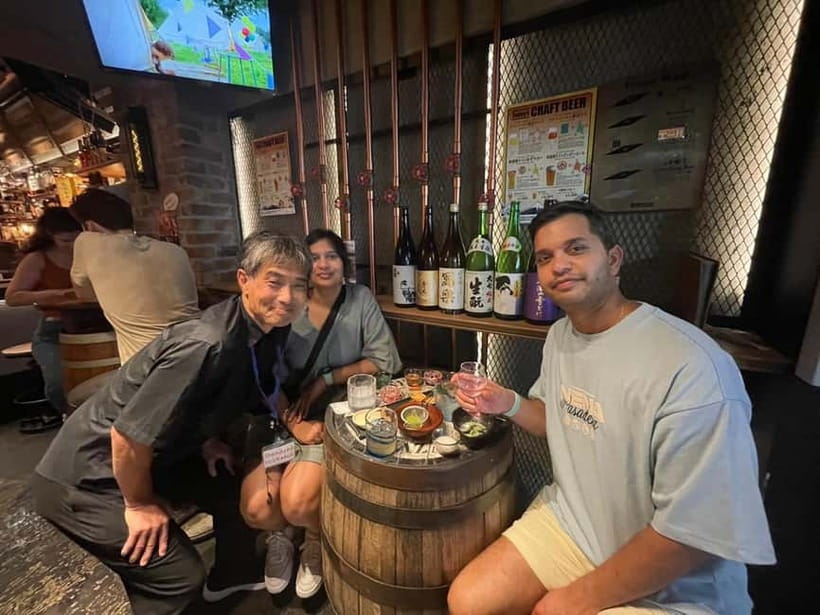
One of the most fun parts of the tasting lineup is the variety of serving styles. In reviews, people specifically called out sakes served cold, hot, and even a cocktail-style approach within the overall tasting.
You can use that as your expectation-set. You’re not just tasting eight bottles in one uniform way. Instead, you’re learning how temperature and mixing approaches can change the experience.
Here’s how to think about that as a practical reader: you’ll be tasting the same category of drink, but the presentation affects aroma, sweetness perception, and mouthfeel. If you’ve only ever had sake in one form, this is the fastest way to break that habit.
So as you move through the glasses, don’t rush. Take a sip, eat, then take a second sip after the snack. That little pause is where the comparison becomes real.
The amazake finale: sweet dessert after your sips
Every good tasting ends with a finish that doesn’t punish you. This one ends with amazake as dessert.
Amazake is a sweet, fermented drink made from rice malt. It’s described as something you can enjoy as a dessert, which tells you the role it plays: it resets the palate after the tastings.
Why this works: after several sips of different sake styles, your tongue may feel either tired or slightly overwhelmed. A sweeter, softer finish can be a relief. It also gives you a taste of a related Japanese rice drink that isn’t just about alcohol.
If you’re cautious about alcohol levels, the amazake moment helps the experience feel rounded rather than just “more drinks.”
Price and value: is $38 a fair deal
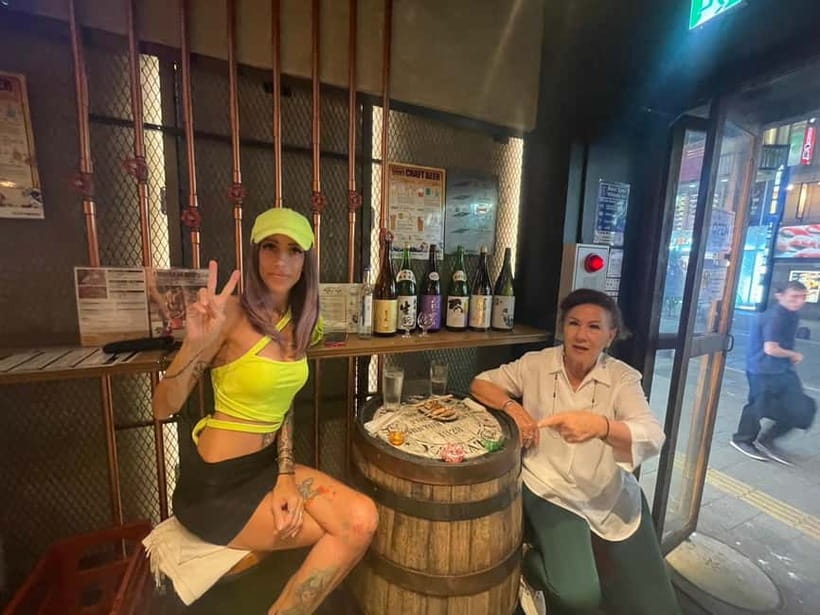
At $38 per person, this isn’t a bargain price, but it can be good value if you want structured learning and a real tasting format.
Here’s what you’re paying for, based on what’s included:
- All fees and taxes
- 8 sake varieties for tasting
- Traditional Japanese snacks
- A dessert-style amazake finish
- A small-group setup limited to 6 participants
- Instruction in English and Japanese (and sometimes translator support)
What’s not included is also clear: additional meals and drinks, and transportation to the meeting point. You’re basically paying for the tasting experience itself.
So the value question becomes: do you want a guided comparison rather than a self-guided pub crawl? If you’re a first-timer, or you like structure, the $38 can make sense because you’re getting the learning part plus food pairings. If you’re already a sake enthusiast and want to pick bottles freely at your own pace, you might decide to build your own tasting route elsewhere.
Also remember the group size. A max of six can mean more attention and more chances to ask what you’re tasting and why. That’s hard to replicate in a busy bar setting.
Communication in English (and how to handle it smoothly)
The guide/instructor list includes English and Japanese. One important note is that some staff may not be great at English, so a translator machine may be used.
That’s not necessarily a problem. In fact, it can be helpful if you ask simple questions like:
- what makes this one taste drier or sweeter?
- is it served cold or hot for a reason?
- how should I pair it with the snack?
If you’re worried about language, keep your questions short and specific. You’ll get more useful answers that way, even if translation is involved.
And don’t overthink it. The experience is designed so you can follow along even if sake is brand new.
Who should book this tasting, and who should skip it
This is a good match if you want:
- a beginner-friendly introduction to sake
- a guided, easy-to-follow comparison of styles
- snacks included so you learn faster
- a small-group experience (max 6)
It’s likely not a good match if you fall into the not-suitable categories: pregnant women and people under 20.
Accessibility is another factor. It’s not wheelchair accessible because there’s no elevator. Since the tasting happens on the second floor, stairs are part of the reality here.
Alcohol is also involved throughout, and the tasting starts with lower alcohol but moves through different strengths. If you’re sensitive to alcohol, go slow and pace yourself. You can always take breaks between pours.
What to do before and after your 1-day plan
This tasting is short and concentrated, so it works well as a “first or second stop” in Tokyo. Since you’re meeting near Shinjuku Station and Kabukicho is close by, you can turn this into a satisfying mini-night: tasting first, then exploring the area afterward.
Before you go, a practical move is to eat something light if you’re the type who gets overwhelmed by alcohol on an empty stomach. Snacks are included, but you’ll enjoy the experience more if you’re not starting from zero.
After the tasting, you’ll probably want non-alcoholic water handy. Even if you’re drinking carefully, alcohol can sneak up fast in a lively area like Kabukicho.
Also, if you plan to go shopping or walking afterward, check how you feel. You don’t want to turn a fun learning experience into a late-night slog.
Should you book this Kabukicho sake tasting?
Book it if you want the fastest path to understanding Japanese sake without guesswork. The key strengths are the 8-type comparison, the food pairings, and the fact that it stays friendly and approachable even if you’re new.
Skip it if you’re only looking for a cheap drink or you dislike nightlife areas. Kabukicho can feel loud and a bit intense, and you do have to handle the logistics of finding the right bar and going up to the second floor.
If your goal is to learn how sake tastes, how it changes by style, and how snacks can guide your palate, this is the kind of experience that delivers more than a single night out.
FAQ
What is included in the $38 per person price?
The price includes all fees and taxes, plus the sake tasting experience with traditional Japanese snacks and a dessert-style amazake.
How many types of sake do you taste during the experience?
You taste 8 carefully selected varieties of sake.
Do I need to know anything about sake before I go?
No. The experience is designed to be enjoyable even if it’s your first time drinking sake.
Where is the meeting point near Shinjuku Station?
Meet about a 5-minute walk from Shinjuku Station on the JR Yamanote Line. Walk along Kabukicho Central Road toward TOHO Cinemas, and look for Shinjuku Ale next to Karaoke 747 on your right.
What languages does the instructor speak?
The instructor offers English and Japanese. If some staff have limited English, a translator machine may be used.
Is the experience wheelchair accessible, and is it suitable for everyone?
It is not wheelchair accessible because there is no elevator. It is also not suitable for pregnant women and people under 20.
More Food & Drink in Tokyo
- Tokyo: Shinjuku Food Tour (13 Dishes at 4 Local Eateries)
★ 5.0 · 6,603 reviews - Tokyo Tsukiji Fish Market Food and Culture Walking Tour
★ 5.0 · 3,184 reviews - Tokyo: Shinjuku Food Tour (15 Dishes and 4 Eateries)
★ 4.9 · 2,033 reviews - Best of Shinjuku: Izakaya Food Tour (4 Stops, 14+ Tastings)
★ 5.0 · 1,863 reviews - Tokyo: Tsukiji Fish Market Food and Walking tour
★ 5.0 · 1,724 reviews
More Tour Reviews in Tokyo
- Mt Fuji and Hakone 1-Day Bus Tour Return by Bullet Train
★ 5.0 · 26,383 reviews - 1-Day Tokyo Bus Tour
★ 5.0 · 14,250 reviews - Tokyo: teamLab Planets TOKYO Digital Art Museum Entry Ticket
★ 4.6 · 9,779 reviews - Mt Fuji & Hakone Cruise, Drum Show Bullet Train 1 Day from Tokyo
★ 4.0 · 7,413 reviews - Tokyo: Shinjuku Food Tour (13 Dishes at 4 Local Eateries)
★ 5.0 · 6,603 reviews
More Shinjuku Food and Drink
- Tokyo: Shinjuku Food Tour (13 Dishes at 4 Local Eateries)
★ 5.0 · 6,603 reviews - Tokyo Bar Hopping Tour in Shinjuku (All-You-Can-Drink + Dinner)
★ 5.0 · 3,587 reviews - Tokyo: Shinjuku Food Tour (15 Dishes and 4 Eateries)
★ 4.9 · 2,033 reviews - Best of Shinjuku: Izakaya Food Tour (4 Stops, 14+ Tastings)
★ 5.0 · 1,863 reviews - Tokyo: Shinjuku Local Bar and Izakaya Guided Walking Tour
★ 4.9 · 1,794 reviews
Latest Tokyo reviews off our desk






Shinjuku Food & Bar Tours, compared.
 ★ 5.0Shinjuku Food Tour (13 Dishes at 4 Local Eateries)From $866,603 reviews
 ★ 5.0Tokyo Bar Hopping Tour in Shinjuku (All-You-Can-Drink + Dinner)From $1063,587 reviews
 ★ 4.9Shinjuku Food Tour (15 Dishes and 4 Eateries)From $852,033 reviews
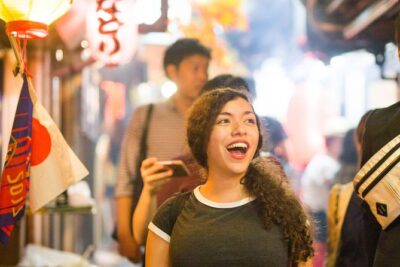 ★ 5.0Best of Shinjuku: Izakaya Food Tour (4 Stops, 14+ Tastings)From $921,863 reviews
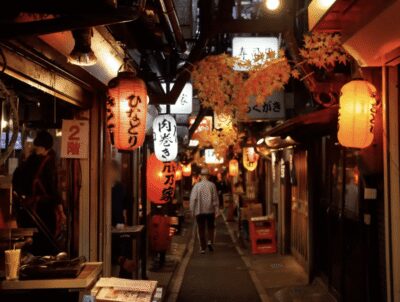 ★ 4.9Shinjuku Local Bar and Izakaya Guided Walking TourFrom $341,794 reviews
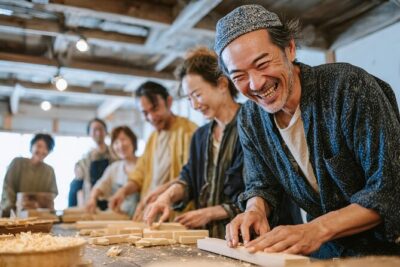 ★ 5.0Tokyo Shinjuku Chopsticks Making ClassFrom $201,763 reviews
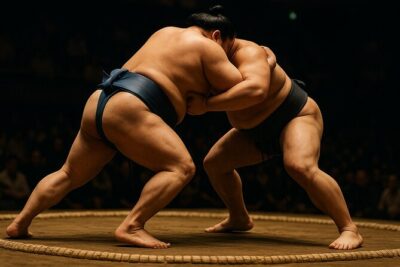 ★ 5.0Tokyo Shinjuku Sumo Show & Experience with PhotoFrom $791,750 reviews
 ★ 5.0Tokyo Night Foodie Tour in Shinjuku – Seasonal Sushi, Wagyu BeefFrom $1111,161 reviews
Browse the lists this tour appears in