Reviewed · TOKYO
Discover Japanese Coffee Brewing Experience at Tokyo
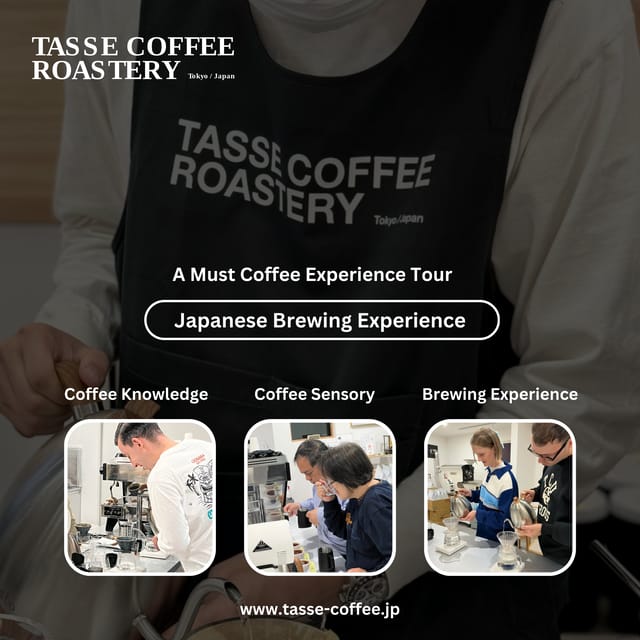
Coffee in Tokyo, brewed like a science lesson. This 2-hour workshop at Tasse Coffee Roastery teaches Japanese-style methods with step-by-step help, including hands-on brewing and a guided tasting. I especially like the cupping exercise part, because you learn to taste with purpose instead of just drinking and hoping.
I also like that you practice more than one technique, switching from siphon to kyūsu (Japanese teapot style) and then to hand drip. One consideration: it’s not for kids under 16, and the price is $116 per person, so you’ll want to go in knowing you want a real coffee skill session, not a casual coffee break.
In This Review
- Key Things You’ll Remember
- Entering a Tokyo Roastery Classroom for Coffee
- What the 2 Hours Cover (and Why the Order Works)
- Coffee Basics You’ll Use Immediately
- Cupping: Training Your Nose and Palate
- Siphon Brewing: The Japanese Traditional Showpiece
- Kyūsu 急須 Coffee: Using a Teapot for Brewing Coffee
- Hand Drip Practice: Water Temperature and Pour Control
- Tokyo Coffee Blends Tasting: Seeing the Bigger Picture
- Small-Group, Private-Group Feel That Helps You Improve
- Price and Value: What $116 Buys You Here
- Who This Workshop Is Perfect For (and Who It Isn’t)
- Should You Book This Japanese Coffee Brewing Experience?
- FAQ
- How long is the Japanese coffee brewing experience in Tokyo?
- What is the price per person?
- Where does the workshop take place?
- What brewing methods will I learn?
- Is there a cupping or tasting component?
- What languages are the instructors?
- Will equipment and coffee beans be provided?
- Is this experience suitable for children?
- Can I get a refund if my plans change?
Key Things You’ll Remember
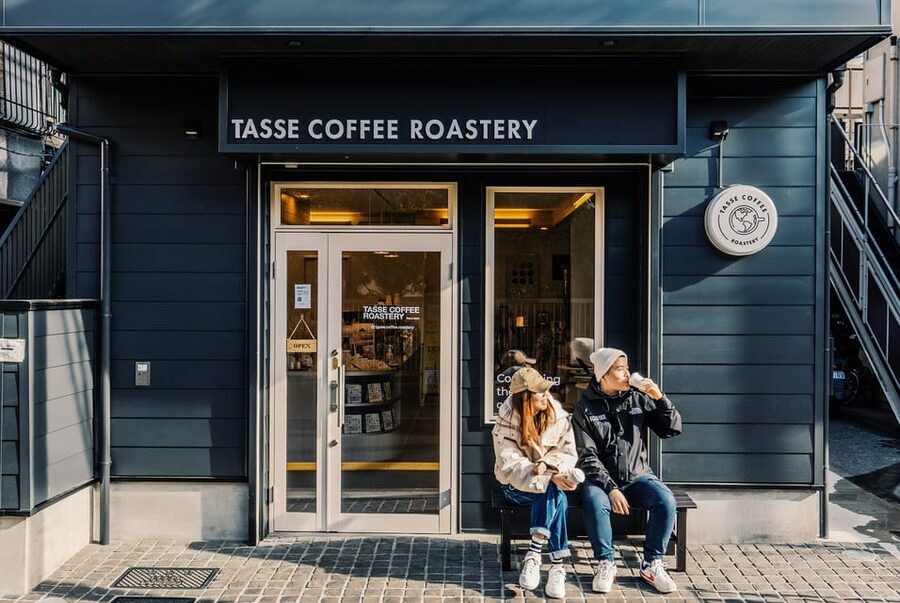
- Hands-on brewing with instruction across siphon, kyūsu 急須, and hand drip
- Cupping practice that trains your nose and palate for acidity, body, and aftertaste
- A calm wood-toned roastery setting that makes learning feel unhurried
- Small-group, private-group format for more personal feedback during pours
- A tasting session featuring Tokyo coffee blends so you can compare results
Entering a Tokyo Roastery Classroom for Coffee
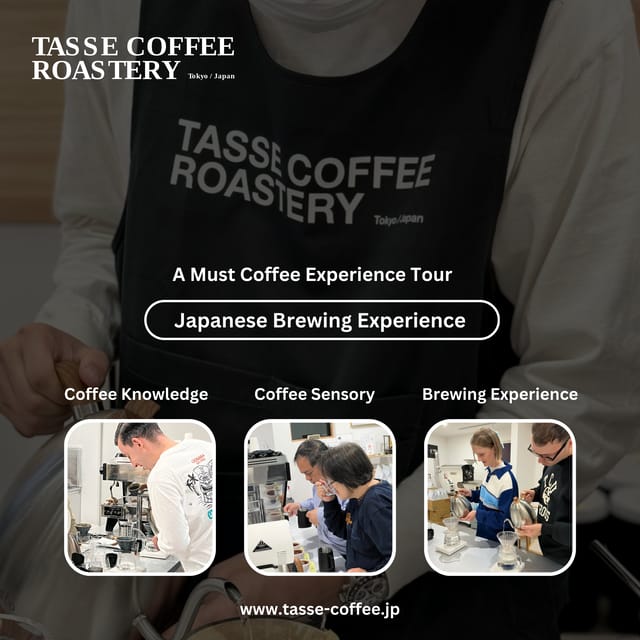
Tokyo coffee culture is a little different from what you might be used to. Even when the drink is familiar, the process often isn’t. Here, the focus is on technique, repeatability, and how small changes affect flavor.
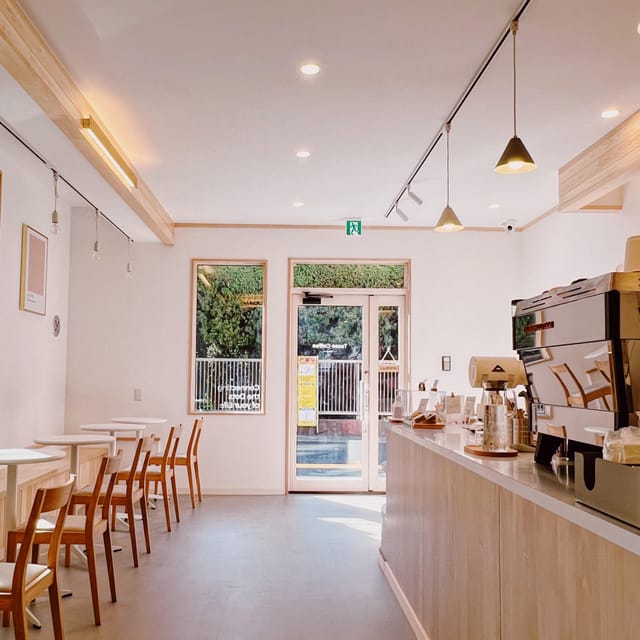
This workshop takes place in a roastery setting designed with soothing natural wood tones, which matters more than it sounds. When you’re learning brewing steps, you want a space where you can concentrate on timing, grind, water temperature, and how your coffee actually responds.
You’ll spend the full 2 hours working through a structured flow: coffee context first, then tasting skills, then three brewing methods. That order is practical. It prevents the common mistake of learning one method in isolation, without knowing how to evaluate what you made.
Readers also shortlisted these Tokyo bookings:
- Private Tour: Tokyo’s Oldest Sake Brewery and Riverside Walk
★ 5.0 · 25 reviews - Tokyo: Toshimaya Sake Brewery Tour with Sake Tasting
★ 5.0 · 6 reviews
What the 2 Hours Cover (and Why the Order Works)
You don’t just watch. You learn, taste, and do. The program is built around four stages: basic coffee knowledge, cupping, brewing methods, and then tasting comparisons of the blends you brewed.
First comes an introduction that covers coffee history and culture in Japan, plus basics like beans, roasts, and how coffee travels from farm to cup. You’re building a map before you start driving. That helps you understand why certain coffees behave differently in siphon versus hand drip.
Then you move into cupping. That step is the bridge between theory and brewing. You learn what to look for in aroma and flavor—things like acidity, body, and aftertaste—so when your siphon coffee tastes different, you can explain why.
Finally, you rotate through the brewing methods. It’s not random. You’re comparing three approaches that treat extraction differently, so you can connect technique to taste.
Coffee Basics You’ll Use Immediately
The workshop covers coffee history and culture in Japan, but it doesn’t get stuck in trivia. It’s there to explain why Japanese coffee often prizes clarity and balance.
You’ll also get practical grounding in coffee types and roasts. The point is to help you predict flavor direction based on what’s in your cup. If you’ve ever wondered why one roast tastes sharper while another feels heavier, this section sets up the answer.
The farm-to-cup piece is useful too, because it frames coffee as an ingredient with variables. If you understand origin, processing, and roast decisions at a high level, you start tasting more responsibly. You stop treating coffee like it’s magic and start treating it like it’s made.
Cupping: Training Your Nose and Palate
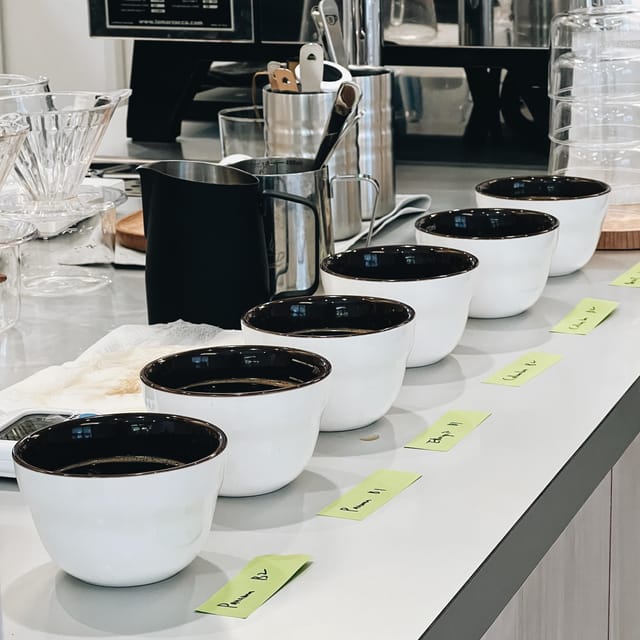
Cupping sounds fancy, but it’s really a set of skills. In this session, you’ll learn why cupping matters and how it helps you identify flavor profiles consistently.
You’ll do guided tasting where you learn to notice aromas, acidity, body, and aftertaste. If you’re new, this is the fastest way to develop a vocabulary for what you actually like.
The big value here is that cupping gives you a baseline. When you later brew with siphon, kyūsu, and hand drip, you’re not tasting blindly. You’re comparing what you brewed to what you trained yourself to detect.
This is also where I think many people walk away feeling more confident. You stop saying it’s good or bad, and you start saying it’s brighter, cleaner, more structured, or longer on the finish. That makes repeat brewing much easier.
Siphon Brewing: The Japanese Traditional Showpiece
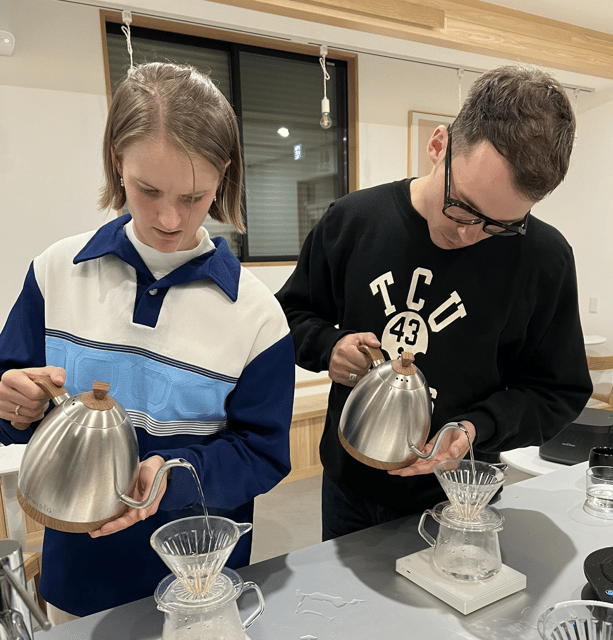
The siphon method gets attention because it’s visually engaging. But the workshop treats it as more than theater.
You’ll explore the history and elegance of siphon brewing, then watch a demonstration and practice your own technique. As you do it, you’ll learn what changes in siphon brewing can shift the coffee flavor.
Why it’s worth doing in a group workshop: siphon is step-sensitive. You’re working with process timing and control, and having an instructor guide you helps you avoid common problems like uneven extraction or off-balance cups.
The key takeaway isn’t just how to make siphon coffee. It’s how siphon affects the cup’s clarity and structure compared with other brewing methods. Once you taste the difference, you’ll understand why certain coffees show more definition in some methods than others.
Readers also shortlisted these Tokyo bookings:
- Discover Japanese Politics Over a Coffee in Tokyo★ 5.0 · 11 reviews
Kyūsu 急須 Coffee: Using a Teapot for Brewing Coffee
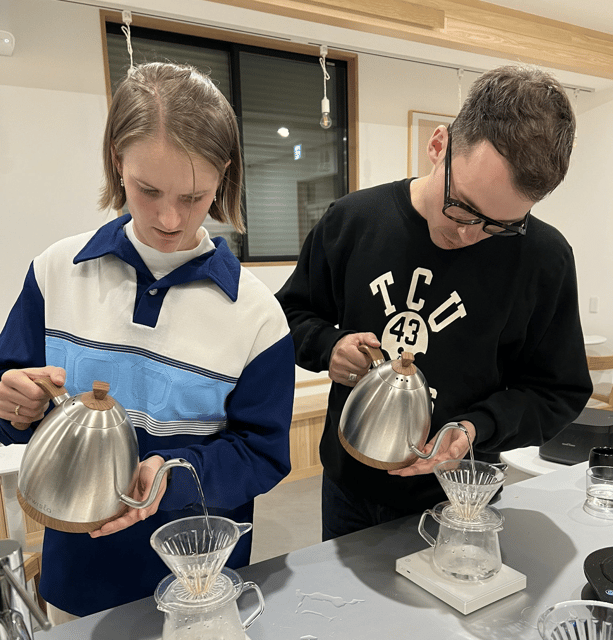
Kyūsu 急須 is a Japanese teapot, and here it’s used as a coffee brewing tool. That’s a smart choice for a workshop because it shows how Japanese coffee culture adapts familiar objects and techniques.
In this portion, you’ll learn techniques for brewing coffee with a kyūsu. Then you’ll compare its taste profile with other methods you’re practicing during the class.
The practical benefit: kyūsu is a bridge for people who already understand teaware. If you’ve ever made tea with careful attention to pour and steep behavior, you’ll likely feel more at ease here.
But even if you’re totally new, the workshop structure makes it manageable. You’ll taste and compare, so you’re not stuck guessing what your technique did. You’ll know what changed and how it showed up in the cup.
Hand Drip Practice: Water Temperature and Pour Control
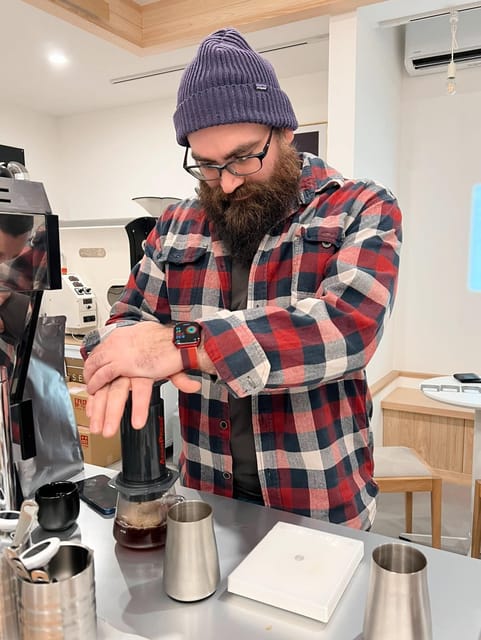
Hand drip is where a lot of people think they’re “already good,” until they learn what to control. This workshop treats hand drip as an art you can actually learn through technique.
You’ll cover the basics of water temperature and pouring, then get hands-on practice. The goal is consistent extraction, not random good luck.
The instructor guidance matters here. Tiny changes in how you pour can change the flow rate, contact time, and extraction balance. When you taste your results back-to-back with other brewing methods, you’ll start to see those differences.
You’ll also do taste comparisons as part of the workshop flow. That’s key for learning. You don’t just make one cup and move on. You learn the relationship between method and flavor, then you apply it immediately.
Tokyo Coffee Blends Tasting: Seeing the Bigger Picture
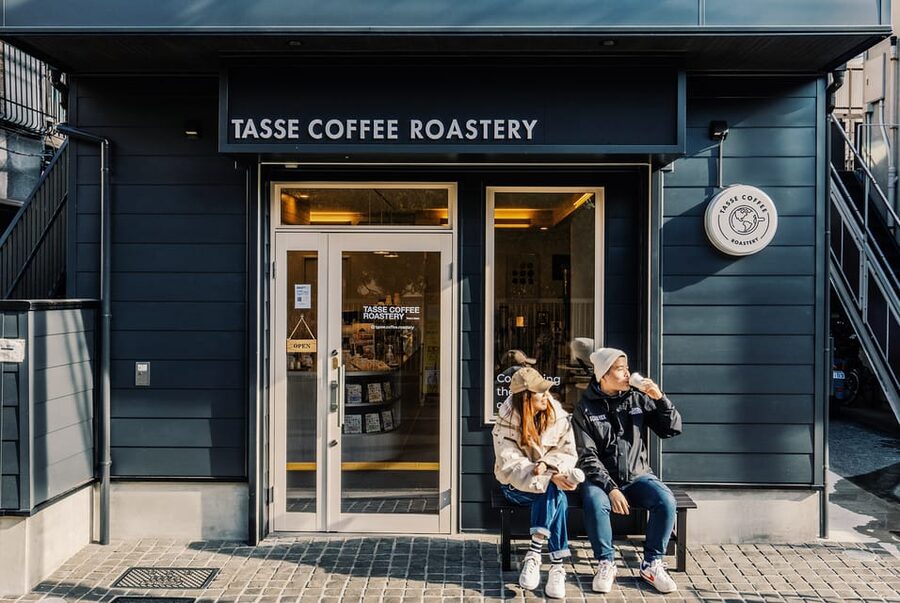
You’ll enjoy a tasting session using the workshop’s Tokyo coffee blends. This is where the workshop stops being only about technique and becomes about selection.
You’ll learn insights into coffee selection—how different beans and roasts can fit different brewing approaches. The workshop includes tasting comparisons so you can link what you chose to what you tasted.
This matters because real coffee life isn’t a single recipe you use forever. You’ll buy beans at different times, and some will taste better with certain methods. Once you can identify acidity, body, and aftertaste more reliably, you’ll choose beans with your taste goals in mind.
Optional upgrade: there’s an exclusive coffee tasting kit you can purchase. If you like the workshop’s flavor direction and want to keep practicing at home, this is a logical add-on.
Small-Group, Private-Group Feel That Helps You Improve
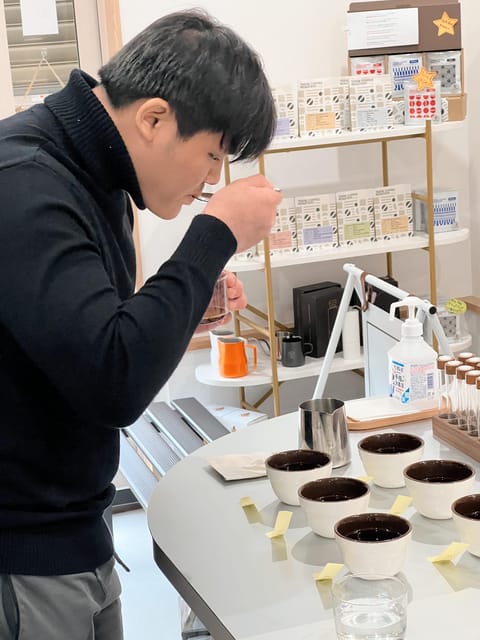
This is offered as a private group experience, with a small group size designed for more personalized attention. That’s not a throwaway feature. In a brewing workshop, feedback on your pour, timing, and technique can be the difference between learning and just performing steps.
The instruction is available in English and Japanese. You can follow the process clearly in the language you’re comfortable with, and you get a chance to ask questions as you work.
The hands-on format shows up in the results too. In past experiences with this style of workshop, the most satisfying part has been learning a lot about coffee processing plus practicing hand drip preparation and tasting, not just hearing about coffee. You come away with a skill set, not just a souvenir memory.
Price and Value: What $116 Buys You Here
At $116 per person for a 2-hour session, you might wonder if this is a lot. It can be, depending on what you compare it to.
Here’s the value logic: you’re paying for instructor-led instruction across three brewing methods, a guided cupping/tasting component, and all necessary equipment and coffee beans provided for the duration. That’s hard to replicate at home without buying gear and spending time learning by trial and error.
Also, you’re not only paying for ingredients. You’re paying for corrected technique. Pour control and extraction timing are exactly the kinds of things that go wrong when you’re self-teaching.
If you’re a true coffee person, this price starts to make sense fast because you leave with practical competence. If you just want something new to do in Tokyo, you might find it pricey for the time. The workshop works best when you already care about coffee or want to build that interest in a structured way.
Who This Workshop Is Perfect For (and Who It Isn’t)
You’ll get the most from this experience if you:
- Want hands-on coffee brewing practice, not just observation
- Enjoy tasting and want a method to describe flavors (acidity, body, aftertaste)
- Are curious about how Japanese brewing techniques differ from what you see in cafes
- Want a calm, guided learning session in Tokyo rather than a busy food tour
It’s not suitable for children under 16, so plan for an adult-focused itinerary.
Should You Book This Japanese Coffee Brewing Experience?
Book it if you want a genuine skill-building session that covers multiple Japanese brewing methods in one go. The strongest reasons are the combination of cupping training plus hands-on brewing practice, all guided by coffee professionals in a comfortable roastery environment.
Skip it only if you’re expecting a casual, low-cost tasting event. This is a learn-by-doing workshop with real technique focus. If that matches your style, you’ll likely leave thinking, I can brew this better now, and I know what to look for.
FAQ
How long is the Japanese coffee brewing experience in Tokyo?
It lasts 2 hours.
What is the price per person?
The price is $116 per person.
Where does the workshop take place?
It’s held in Tokyo at Tasse Coffee Roastery.
What brewing methods will I learn?
You’ll practice siphon brewing, kyūsu 急須 brewing, and hand drip.
Is there a cupping or tasting component?
Yes. The workshop includes a cupping exercise and tasting comparisons of different coffee profiles and blends.
What languages are the instructors?
The instructor provides support in English and Japanese.
Will equipment and coffee beans be provided?
Yes. The workshop includes all necessary brewing and tasting equipment and provides quality coffee beans used during the session.
Is this experience suitable for children?
No. It is not suitable for children under 16.
Can I get a refund if my plans change?
Free cancellation is available up to 24 hours in advance for a full refund.
More Coffee Experiences in Tokyo
- Discover Japanese Politics Over a Coffee in Tokyo
★ 5.0 · 11 reviews
More Breweries in Tokyo
- Private Tour: Tokyo’s Oldest Sake Brewery and Riverside Walk
★ 5.0 · 25 reviews - Tokyo: Toshimaya Sake Brewery Tour with Sake Tasting
★ 5.0 · 6 reviews
More Tour Reviews in Tokyo
- Mt Fuji and Hakone 1-Day Bus Tour Return by Bullet Train
★ 5.0 · 26,383 reviews - 1-Day Tokyo Bus Tour
★ 5.0 · 14,250 reviews - Tokyo: teamLab Planets TOKYO Digital Art Museum Entry Ticket
★ 4.6 · 9,779 reviews - Mt Fuji & Hakone Cruise, Drum Show Bullet Train 1 Day from Tokyo
★ 4.0 · 7,413 reviews - Tokyo: Shinjuku Food Tour (13 Dishes at 4 Local Eateries)
★ 5.0 · 6,603 reviews