
Tokyo’s coffee story is best told on foot. This guided walking tour strings together kissa-style classics and modern specialty spots in Kanda, with takeout drinks that keep you moving. I love that you hit seven distinct coffee stops (including roasteries) so you actually taste how styles differ, not just how bars look. I also like the ending in a nostalgic Showa-era café street, plus the bookstore/architecture detour that makes the whole route feel like Tokyo beyond caffeine. One consideration: it’s takeout-style with about 3km walking, and there’s no sit-down coffee included—so if you want long café hangs, this isn’t it.
I’ve seen guides use the itinerary like a framework and the neighborhood like the real attraction. Here, the route covers historic Kanda, Akihabara streetscape, Manseibashi Bridge, and Jimbocho’s book world, all tied together by coffee culture and the flavors behind it.
Small-group size helps. With a limit of 5 participants and English/Japanese live guiding, you’ll get questions answered without feeling rushed, even if you’re not a die-hard coffee person.
In This Review
- Key things I’d circle before booking
- Kanda and Akihabara: the coffee-and-books combo you didn’t know you wanted
- The 210-minute walking pace and how to prepare
- Stop-by-stop: seven coffee flavors across Tokyo’s older and newer worlds
- 1) Akihabara kickoff at Starbucks Ekimae
- 2) Akihabara streetscape + photo break
- 3) Kanda shopping/sightseeing with local snacks
- 4) Nordic roastery stop: light roast focus
- 5) Showa-era café street moment with cloth drip (but watch for closures)
- 6) Japanese classical roastery: blends and medium roast
- 7) A well-known roastery: specialty coffee and light roast
- 8) Meiji-era art supplies store + café
- 9) Taiwanese coffee shop: fresh light roast style (and a cultural twist)
- 10) The final Showa-era retro café street: dark roast finish
- Why the Showa-era café street ending hits harder than you expect
- The non-coffee extras that make the tour feel like Tokyo
- Manseibashi Bridge and an art gallery stop
- Western and Japanese confectionery stops
- The architecture bookstore and bookstore-lined street
- Price and value: is $58 a bargain or a tease?
- Guide style and what to expect when weather turns
- Who should book this Tokyo coffee walk (and who shouldn’t)
- Should you book this Tokyo Coffee Culture with a guide?
- FAQ
- Where does the tour start?
- How long is the tour?
- How many coffee stops are included?
- Is coffee included in the tour price?
- How much extra money should I budget for coffee?
- What kind of walking pace should I expect?
- Is the tour takeout-style or sit-down?
- What areas and sights does the route cover?
- What languages is the guide available in?
- What’s included at the end besides the sightseeing?
Key things I’d circle before booking
- Seven coffee shops in one loop: taste light-to-dark roasts and blends, from roasteries to classic cafés
- Real Tokyo neighborhoods, not a coffee theme park: Kanda, Akihabara streetscape, Manseibashi Bridge, and Jimbocho
- Takeout-style tastings while walking: quick stops that keep the pace friendly and social
- Showa-era nostalgia at both edges: classic café street vibes and older architectural streets along the way
- Bookstores as part of the plan: an architecture-focused bookstore street and an art-supplies stop
- Photos from the tour: your guide captures the walking-route moments, not just the café mugs
Kanda and Akihabara: the coffee-and-books combo you didn’t know you wanted
Kanda is one of those Tokyo districts where the coffee scene feels built-in, not imported. This tour uses that energy well. You start in Akihabara at スターバックス コーヒー 秋葉原駅前店, then work your way toward Kanda and ultimately finish in 神保町駅—right where Jimbocho’s bookstore streets make you slow down and look up.
What makes this worth your time is the mix of coffee styles you’ll see in a short window:
- older Japanese kissaten culture side-by-side with specialty roastery shops
- light roasts alongside darker Showa-era coffee styles
- blended and single-source approaches, so you can notice differences in how the same beans behave
And yes, the detour into architecture/print culture matters. Coffee is only half the story here; the other half is how Tokyo’s older districts keep their identity even while they reinvent themselves with third-wave trends.
Readers also shortlisted these Tokyo bookings:
- Tokyo 6hr Private Tour with Government-Licensed Guide
★ 5.0 · 3,902 reviews - Tokyo: Shinjuku Local Bar and Izakaya Guided Walking Tour
★ 4.9 · 1,794 reviews - Tokyo: Private City Highlights Tour with Local Guide
★ 4.8 · 1,433 reviews - Tokyo: Tsukiji Fish Market Guided Walking Tour
★ 4.9 · 1,397 reviews
The 210-minute walking pace and how to prepare
The tour runs about 210 minutes (roughly 3.5 hours). In that time, you can expect around 3km of walking, mostly on local streets. It’s not a hardcore hike, but you should bring comfortable shoes—Tokyo pavement can be deceptively punishing when you’re on your feet the whole time.
The format is takeout-style. You’ll do a first-brew toast at the first stop, then you’ll get drinks from each shop and enjoy them as you walk. That keeps things lively, but it also means:
- you won’t linger in one café for a long sit-down
- your coffee experience is tasting + learning + moving
Bring water and consider a light snack buffer too. Coffee orders are optional, and the cost of drinks/food isn’t included, so you’ll want some extra cash ready.
Stop-by-stop: seven coffee flavors across Tokyo’s older and newer worlds
Below is the flow as you experience it, with what each kind of stop adds to the bigger picture. (Also note: one listed café stop can be temporarily closed due to an owner injury, so you may see small routing changes.)
1) Akihabara kickoff at Starbucks Ekimae
You meet at the store entrance in front and start at スターバックス コーヒー 秋葉原駅前店. This opening works because it gives you a quick on-ramp: you get the tour’s coffee basics before you start comparing styles across independent shops.
Expect that first toast moment—it’s a nice reset before you head into tighter backstreets and more local places.
2) Akihabara streetscape + photo break
You’ll walk through the Akihabara streetscape area and then get a dedicated photo stop. The key value here isn’t the selfie itself; it’s that the guide uses the streets around you to explain how the coffee scene fits into daily Tokyo life.
If you’re visiting Akihabara anyway, you’ll appreciate that this tour doesn’t ignore the neighborhood while it talks coffee.
Readers also shortlisted these Tokyo bookings:
- Discover Japanese Politics Over a Coffee in Tokyo★ 5.0 · 11 reviews
- Discover Japanese Coffee Brewing Experience at Tokyo★ 4.9 · 8 reviews
- Unveil Tokyo’s coffee culture with a guide★ 5.0 · 3 reviews
- Tokyo’s Neighborhood Digs: Coffee, Records & Vintage Vibes★ 4.8 · 3 reviews
3) Kanda shopping/sightseeing with local snacks
As you move into Kanda, you get time for shopping and sightseeing plus local snack moments. This part helps if you’re arriving hungry or you want to take in the older district feel before you settle into tasting.
One practical tip: coffee is the main theme, but your palate will stay happier if you’re not going in completely empty.
4) Nordic roastery stop: light roast focus
One of the roastery stops is Shoo 1 (Nordic roastery / specialty coffee / light roast, listed from 2019). A Nordic-style approach often emphasizes clarity and brightness—so this is where you can start training your palate to pick up finer flavors instead of thinking only in terms of “strong vs mild.”
This stop is a good choice if you’ve only had supermarket coffee back home. You’ll likely notice the difference in roast character quickly.
5) Showa-era café street moment with cloth drip (but watch for closures)
You’ll also see a Showa-era street & classical music café connected to a cloth drip service, listed as a light roast with a 1933 feel. There’s a catch: it’s marked as temporarily closed due to the owner’s injury.
If it’s closed on your day, don’t worry—this tour is built to keep moving through the coffee-and-story theme. Just be flexible in your expectations that every named counter will run on schedule.
Either way, the intended lesson is how traditional preparation methods and older café atmospheres shaped what people came to expect from coffee in Tokyo.
6) Japanese classical roastery: blends and medium roast
Next comes the Japanese classical roastery stop (blended coffee / medium roast, listed between 1940 and 1950). This is a big deal for understanding Tokyo coffee culture beyond third-wave talk.
Blended coffee at a classical roastery helps you grasp why taste in Japan often leans toward balance: flavor you can rely on, consistent comfort, and a style that fits everyday life.
7) A well-known roastery: specialty coffee and light roast
You’ll visit what’s described as the most famous roastery stop (specialty coffee / light roast, listed from 2015). This adds a “destination” ingredient to the tour. Even if you’re not a coffee nerd, a famous roastery can show you how specialty approaches became mainstream in Japan’s coffee world.
In practice, this is where you’ll compare earlier light roasts against another shop’s take.
8) Meiji-era art supplies store + café
You’ll step into a long-established Meiji Era art supplies store and café. This is one of the smartest intersections on the route: it proves the point that coffee in Tokyo doesn’t live in a bubble. It sits next to crafts, printing, and creative commerce.
This stop also gives you a quick change of pace from coffee-only thinking. You’re surrounded by older materials and a different kind of Tokyo rhythm.
9) Taiwanese coffee shop: fresh light roast style (and a cultural twist)
A Taiwanese coffee shop is included (specialty coffee / light roast, listed from 2022). If you’ve ever heard people talk about Japan’s coffee scene borrowing ideas across East Asia, this stop helps you see that in flavor and approach—without needing a history lecture.
If you like milk-adjacent sweetness or fruitier or aromatic notes, this is the kind of stop that can surprise you.
10) The final Showa-era retro café street: dark roast finish
The last coffee stop is a Showa-era retro café street with a long-established café (Viennese coffee / dark roast, listed from 1949). Dark roast and Viennese-style coffee typically give you deeper, heavier flavor—often leaning into chocolatey or roasted notes.
Ending here is thoughtful. You start with lighter, brighter training wheels and finish with a darker, more classic mood, which makes it easier to remember what you tasted.
Why the Showa-era café street ending hits harder than you expect
The tour ends at a nostalgic Showa-era café street, after you’ve walked from Kanda toward 神保町駅. That final stretch matters because it ties together the older architectural vibes with coffee culture you’ve been learning about.
If you love photography, you’ll likely find this the most visually satisfying part of the day: older streetscape style, café cues you can recognize even if you can’t read every sign, and a more relaxed pace because you’re wrapping up the tastings.
Also, it’s a good emotional pacing tool. Dark roast finish + nostalgic streets = closure, not just an end time.
The non-coffee extras that make the tour feel like Tokyo
Not every walking tour spends time on the stuff that makes a neighborhood real. This one does.
Manseibashi Bridge and an art gallery stop
You’ll pass through Manseibashi Bridge and an art gallery area. Even without a long museum session, this gives you a “pause point” so you don’t feel like you’re only consuming coffee and moving on.
Western and Japanese confectionery stops
There are visits to long-established Western and Japanese confectionery shops. This helps because coffee flavor is easier to understand when you’ve got a counterpoint. Think of it like a palate warm-up or a way to notice acidity, bitterness, and roast depth with a different taste next to it.
The architecture bookstore and bookstore-lined street
You’ll also see an architecture bookstore and a street lined with bookstores. This is a great fit if you like city aesthetics, old paper shops, or anything related to Tokyo’s built environment. You get the coffee story, but you also get a sense of how Kanda/Jimbocho became a place for ideas and books.
Price and value: is $58 a bargain or a tease?
The listed price is $58 per person for 210 minutes with a small group (max 5) and a live English/Japanese guide. That’s not cheap-cheap, but it is reasonable for a tour that:
- includes seven coffee shop visits
- includes structured coffee learning
- covers more than just coffee, with bridges, Showa-era streets, and bookstore areas
- provides photos from the tour
Here’s the cost reality check: coffee orders are optional, and drinks and food are not included in the tour fee. Plan extra 1,000 to 3,000 yen depending on what you choose to order.
If you budget for that, this becomes good value. If you show up and decide to avoid ordering anything everywhere, you might feel like you’re paying mostly for walking and instruction. For best value, go into it ready to try what the guide recommends.
Guide style and what to expect when weather turns
One of the biggest strengths here is how the guide handles the day. In past experiences, the guide named Tomoyo has been friendly and enthusiastic, and she reached out well before the tour via WhatsApp to learn what coffee you like and align the route accordingly.
On heavy-rain days, the guide also adapted the experience and offered an option to opt out, while still keeping you in varied shops and bookstores. I like that approach because it respects your time, not just the itinerary.
Also, you’ll get photos from the tour. That’s a small thing until you realize the day is mostly on your feet and you want something you don’t have to shoot yourself.
Who should book this Tokyo coffee walk (and who shouldn’t)
This tour fits best if you:
- want a guided tasting route across both traditional and specialty coffee culture
- like walking city neighborhoods with story-based stops
- care about Tokyo’s coffee beyond the generic chain-café experience
- enjoy bookstores/architecture type sightseeing
It’s not the best fit if you:
- want sit-down coffee experiences (this is takeout-style)
- want a low-walking day with minimal moving
- are traveling with kids under 18 (not suitable)
Should you book this Tokyo Coffee Culture with a guide?
I’d book it if you’re the kind of traveler who likes learning through tasting and walking. The real value is the mix: roasteries + kissaten-style atmosphere cues + Showa nostalgia + bookstore streets, all in one smooth half-day block.
Skip it if your ideal Tokyo moment is sitting for a long time with a single latte and zero movement. Also, if you hate spending extra money during tours, remember you may want 1,000 to 3,000 yen for orders.
If you’re flexible and you like sampling different styles, this is a solid, fun way to understand why Tokyo coffee culture feels distinct.
FAQ
Where does the tour start?
The meeting point is in front of スターバックス コーヒー 秋葉原駅前店 in Akihabara.
How long is the tour?
The duration is about 210 minutes (around 3.5 hours).
How many coffee stops are included?
The tour includes seven coffee shops.
Is coffee included in the tour price?
Coffee orders are optional, and drinks/food are not included in the cost. You should bring extra cash for orders.
How much extra money should I budget for coffee?
A suggested extra amount is about 1,000 to 3,000 yen.
What kind of walking pace should I expect?
Expect about 3km of walking, with a moderate fitness level recommended.
Is the tour takeout-style or sit-down?
It’s takeout-style, and you’ll enjoy drinks while walking. Sit-down coffee experiences are not included.
What areas and sights does the route cover?
You’ll cover Kanda and Akihabara streetscape, see Manseibashi Bridge, visit Showa-era architectural areas, and end near 神保町駅. Bookstore streets and confectionery shops are part of the plan too.
What languages is the guide available in?
The tour offers a live guide in English and Japanese.
What’s included at the end besides the sightseeing?
You receive photos from the tour at the end of the journey.
More Coffee Experiences in Tokyo
- Discover Japanese Politics Over a Coffee in Tokyo
★ 5.0 · 11 reviews - Discover Japanese Coffee Brewing Experience at Tokyo
★ 4.9 · 8 reviews - Best of Downtown Tokyo: Nature, Coffee, & Japanese Sweets Tasting
★ 5.0 · 3 reviews - Tokyo’s Neighborhood Digs: Coffee, Records & Vintage Vibes
★ 4.8 · 3 reviews
More Guided in Tokyo
- Tokyo 6hr Private Tour with Government-Licensed Guide
★ 5.0 · 3,902 reviews - Tokyo: Shinjuku Local Bar and Izakaya Guided Walking Tour
★ 4.9 · 1,794 reviews - Tokyo: Private City Highlights Tour with Local Guide
★ 4.8 · 1,433 reviews - Tokyo: Tsukiji Fish Market Guided Walking Tour
★ 4.9 · 1,397 reviews - Tokyo 4hr Private Tour with Government-Licensed Guide
★ 5.0 · 1,394 reviews
More Tour Reviews in Tokyo
- Mt Fuji and Hakone 1-Day Bus Tour Return by Bullet Train
★ 5.0 · 26,383 reviews - 1-Day Tokyo Bus Tour
★ 5.0 · 14,250 reviews - Tokyo: teamLab Planets TOKYO Digital Art Museum Entry Ticket
★ 4.6 · 9,779 reviews - Mt Fuji & Hakone Cruise, Drum Show Bullet Train 1 Day from Tokyo
★ 4.0 · 7,413 reviews - Tokyo: Shinjuku Food Tour (13 Dishes at 4 Local Eateries)
★ 5.0 · 6,603 reviews
Latest Tokyo reviews off our desk






Coffee Experiences, compared.
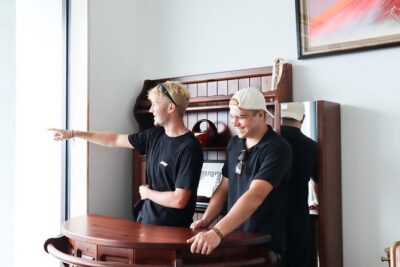 ★ 5.0Discover Japanese Politics Over a Coffee in TokyoFrom $19511 reviews
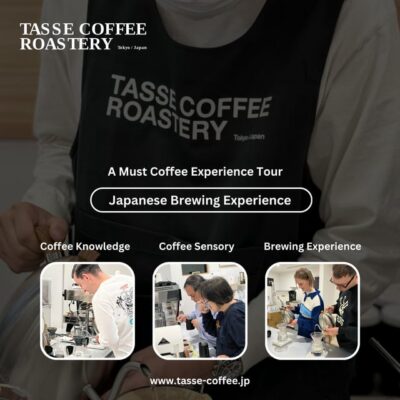 ★ 4.9Discover Japanese Coffee Brewing Experience at TokyoFrom $1168 reviews
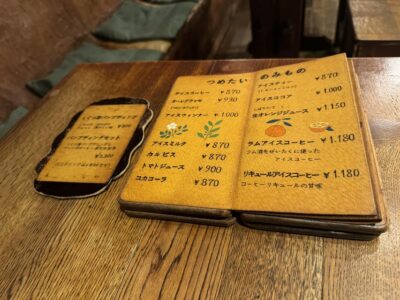 ★ 4.8Tokyo’s Neighborhood Digs: Coffee, Records & Vintage VibesFrom $833 reviews
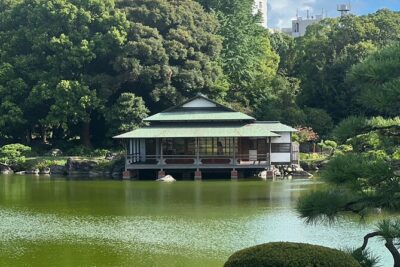 ★ 5.0Best of Downtown Tokyo: Nature, Coffee, & Japanese Sweets TastingFrom $653 reviews
Browse the lists this tour appears in