
Reviewed · COFFEE EXPERIENCES
Tokyo’s Neighborhood Digs: Coffee, Records & Vintage Vibes
Tokyo feels like a secret when you walk the right blocks. This four-neighborhood tour is built for that: vintage shopping, indie coffee, and pop-culture hunting all in one focused loop. I like how it doesn’t stick to the postcard basics. It instead points you toward Tokyo’s subcultures and the street-level details that explain how they formed.
My second favorite part is the pace. You get time to actually browse in Shimokitazawa and Nakano Broadway, where the shops are the main event. The one thing to consider is also the most practical: this is real walking. If your legs are limited, or if you use a wheelchair, you’ll likely struggle with the route and shop-to-shop transfers.
In This Review
- Key highlights you’ll feel on the ground
- Price and Logistics: What $83 Buys You in Real Time
- Starting at Shimo-Kitazawa Station: The Right Door into Tokyo’s Cool Side
- Shimokitazawa: Vintage Treasures and the Story of a Post-War Shift
- What to look for while you’re there
- A small consideration
- Kichijoji: Independent Coffee and a Laid-Back Neighborhood Vibe
- Why the coffee stop is more than a break
- Quick practical tip
- Koenji (Koenjikita): Indie Boutiques, Street Style, and Tattoo Culture
- What you’ll likely enjoy most
- A time-management reality check
- Nakano Broadway: Anime, Manga, and Vintage Cameras for Collectors
- How to shop smart here (so you don’t panic-buy)
- Coffee, Records, and Vibes: How the Four Stops Connect
- Who This Tour Suits Best (and Who Should Skip It)
- Booking Decision: Should You Book This Tokyo Neighborhood Digs Tour?
- FAQ
- Where is the meeting point?
- How long is the tour?
- What stops are included?
- Is coffee included?
- What’s the tour language?
- What should I bring?
- Is smoking or flash photography allowed?
- Is this tour suitable for wheelchair users or limited mobility?
- What is included in the price?
Key highlights you’ll feel on the ground
- Shimokitazawa vintage shopping with guided context for how the area changed after the war
- Kichijoji independent coffee where the bubble-era vibe shows up in architecture and atmosphere
- Koenji’s indie fashion energy and a street scene where tattoo culture has found room
- Nakano Broadway collector territory for anime, manga, and vintage cameras
- Coffee and transit included, so you spend your time browsing, not planning
- English live guide (often highly personable, like Ryuhki or Hiro), with the flexibility of small groups
Price and Logistics: What $83 Buys You in Real Time
For $83 per person and about 4 hours, you’re paying for a guided “shortcut” through multiple Tokyo micro-neighborhoods. That matters because Tokyo shopping streets are dense. Without a guide, you can spend more time figuring out where to go than enjoying what’s there.
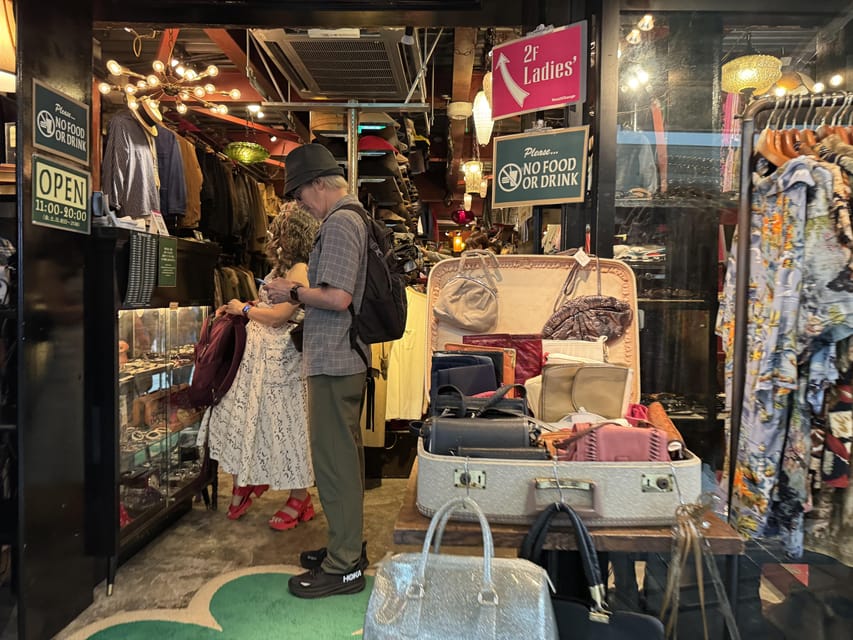
This isn’t a museum-style tour. It’s a guided browse, with transit included and coffee included. You’ll also get exclusive access to vintage shops and indie boutiques, which is the kind of difference you feel immediately: you’re not just looking from the sidewalk.
The other practical note is the base logistics. You start at Shimo-Kitazawa Station (Odakyu Line East Exit). Expect comfortable-shoe requirements and a good amount of walking between stops and shop fronts. Plan to bring your camera, water, and sunscreen so you’re not cutting the fun short.
Readers also shortlisted these Tokyo bookings:
- Discover Japanese Coffee Brewing Experience at Tokyo
★ 4.9 · 8 reviews - Unveil Tokyo’s coffee culture with a guide
★ 5.0 · 3 reviews - Best of Downtown Tokyo: Nature, Coffee, & Japanese Sweets Tasting
★ 5.0 · 3 reviews - Tokyo’s Neighborhood Digs: Coffee, Records & Vintage Vibes
★ 4.8 · 3 reviews
Starting at Shimo-Kitazawa Station: The Right Door into Tokyo’s Cool Side
You begin at Shimo-Kitazawa Station, at the Odakyu Line East Exit. Starting here is smart because Shimokitazawa is where Tokyo’s older bohemian streak meets modern trend-chasing. It’s an area that rewards slow wandering—exactly the kind of place where a guide helps you pick routes and shops without wasting time.
This is the first stop, so I like the way you get orientation early. Your guide’s job isn’t to talk at you. It’s to help you read the streets. That means you’ll notice why certain shops feel like they fit here, and you’ll understand the area’s shift into a hub for independent artists after the post-war years.
Shimokitazawa: Vintage Treasures and the Story of a Post-War Shift
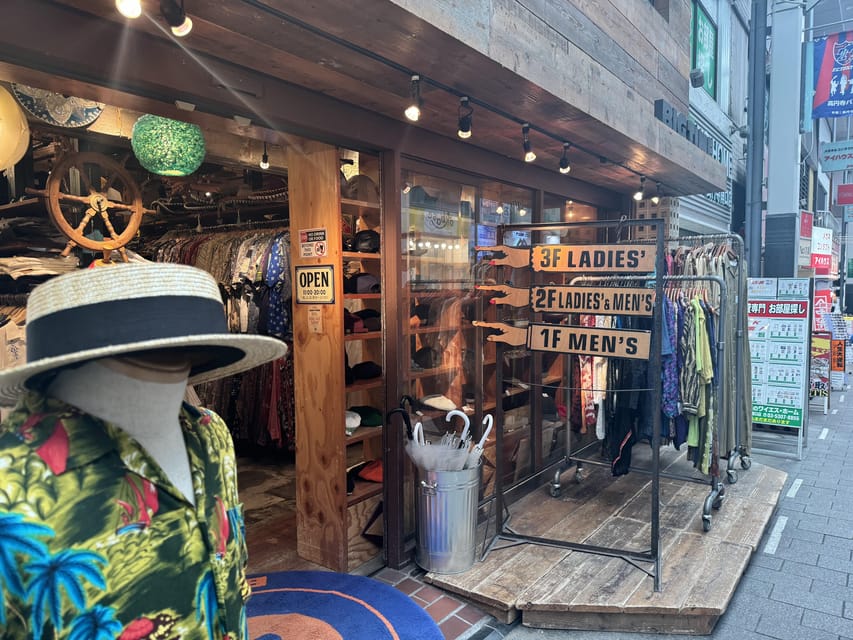
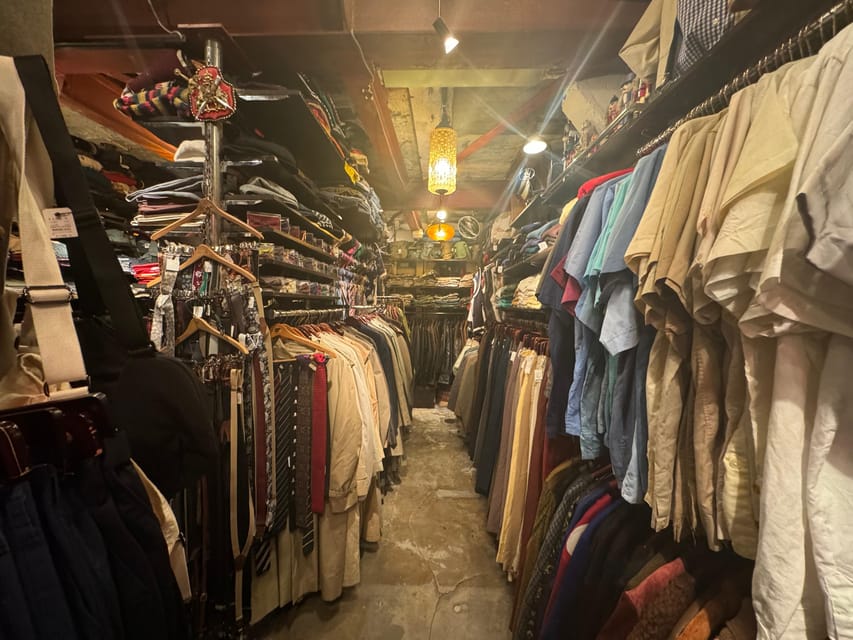
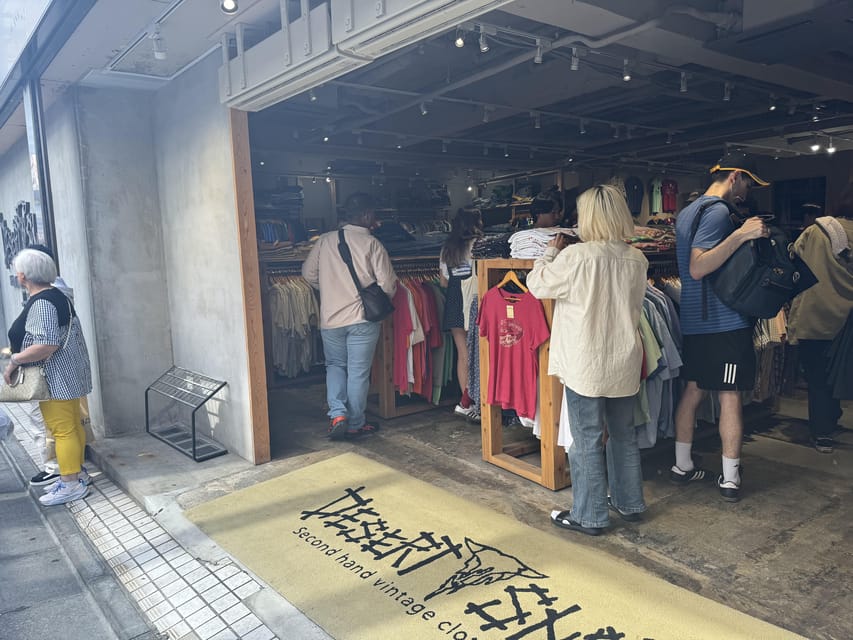
Shimokitazawa is often the first neighborhood people name when they want a lived-in Tokyo shopping mood. For about 1 hour, your time here is built around browsing. You’ll hunt for vintage pieces, records, and other retro finds while a guide shares what shaped the district.
What makes this stop work is the blend of shopping and context. You don’t just buy things; you learn why this area became a magnet for creativity—how it transformed after the war and later grew into a place where independent artists could thrive. That background makes the whole block feel more meaningful, even if you’re only buying one small item.
What to look for while you’re there
- Vintage stores where the selection feels curated by taste, not just by inventory
- Areas where records and music culture show up alongside clothing and accessories
- Shopfronts that reflect the district’s post-war-to-artist evolution
A small consideration
One hour sounds generous until you hit the kind of shop where you want to flip through everything. If you love vintage browsing, keep moving at a steady pace. You’ll still get time at the later neighborhoods.
- Tokyo: Shinjuku Food Tour (13 Dishes at 4 Local Eateries)★ 5.0 · 6,603 reviews
- Tokyo Mt Fuji 5th St & Hakone Cruise Bus Tour w/Bullet Train★ 4.4 · 5,024 reviews
- Flagship 2-Hours Official Street Go-Kart Tour – Tokyo Bay Shop★ 5.0 · 4,974 reviews
- From Tokyo: Mount Fuji Full-Day Sightseeing Trip★ 4.5 · 4,970 reviews
- Tokyo: Hop-On Hop-Off Sightseeing Bus Ticket★ 3.9 · 4,207 reviews
Kichijoji: Independent Coffee and a Laid-Back Neighborhood Vibe
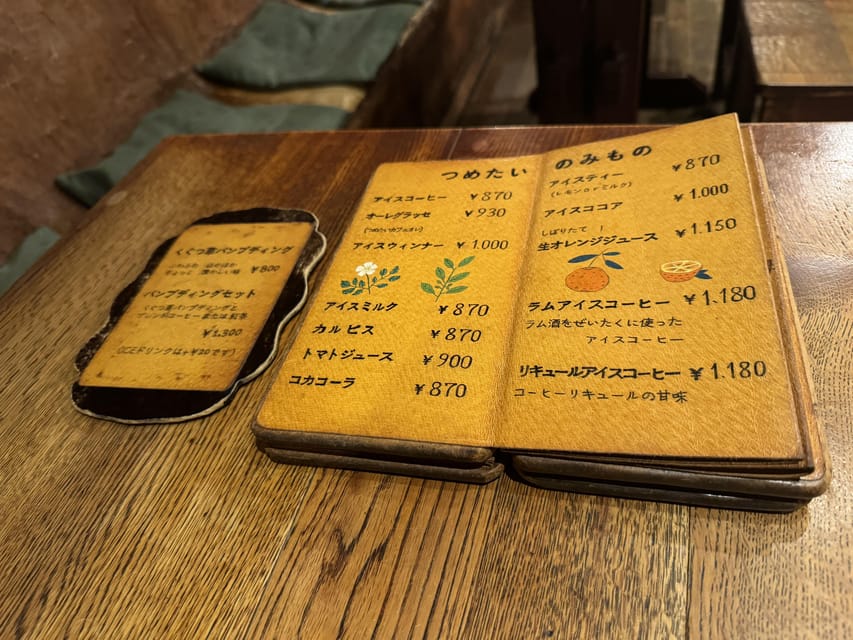
Next you head to Kichijoji for another 1 hour. This is the stop that slows the tour down in a good way: you get to sip locally roasted coffee at an independent cafe, then wander with a guide through the neighborhood’s more relaxed mood.
Coffee culture in Tokyo keeps evolving, and Kichijoji is a great example of that change. Your guide ties it to how the neighborhood developed over time—including how Japan’s economic bubble era influenced the architecture and the feel of the streets. Even if you don’t know the dates, you’ll notice the difference in atmosphere: it feels more relaxed than trend-heavy zones, but still distinctly Tokyo.
Why the coffee stop is more than a break
The included cafe time is useful because it gives you a reset. After Shimokitazawa’s vintage hunt, Kichijoji makes the tour feel human. You get a real taste of how locals might do their weekend: walk, chat, sip something fresh, then continue browsing.
Quick practical tip
If you’re sensitive to walking fatigue, use this stop to check your energy. Water and shade (when available) help. You still have two more neighborhoods to go.
Koenji (Koenjikita): Indie Boutiques, Street Style, and Tattoo Culture
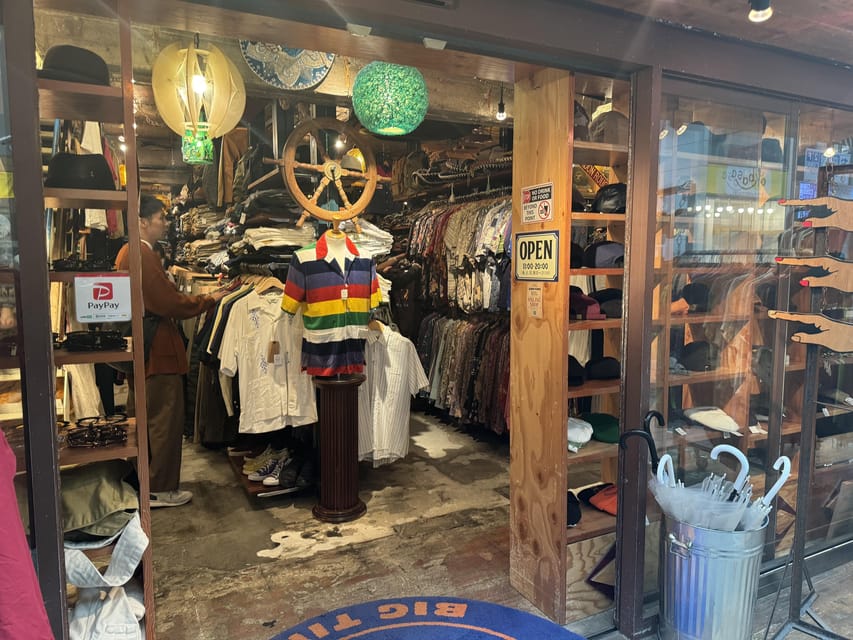
You’ll reach Koenji / Koenjikita for about 40 minutes, which is short but focused. Koenji is known for creativity and indie fashion energy, and your guide keeps you moving through the maze-like streets so you don’t lose time.
Here, the goal is to spot what’s “now” in Tokyo style. You’ll pass indie boutiques with current trends and look for unique pieces that show how Tokyo social habits and fashion culture have shifted over time. One of the standout conversation points in Koenji is how changing social norms helped tattoo parlors flourish in this area. It gives the neighborhood a social story, not just a fashion story.
What you’ll likely enjoy most
- The contrast between what you see in store windows and what you hear as street-level talk
- The sense that style here isn’t trying to be liked by everyone
- How indie storefronts connect to broader cultural shifts, like tattoo acceptance
A time-management reality check
Forty minutes can feel fast in Koenji because it’s easy to keep turning down one more side street. Go for what grabs you first. Then, if time allows, do one extra loop.
Nakano Broadway: Anime, Manga, and Vintage Cameras for Collectors
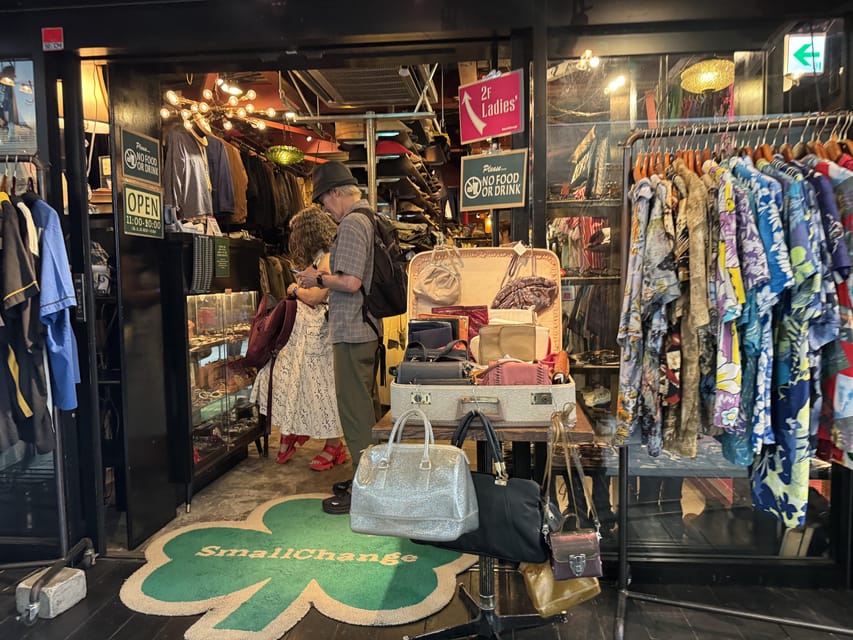
Then it’s on to Nakano Broadway for about 40 minutes, and this is the collector’s zone. Rows of shops stack pop culture together in one place, with anime and manga front and center—plus vintage cameras and other gear that appeals to people who love objects with history.
Your guide also frames what you’re seeing in terms of the bubble-era impact and how it left lasting marks on Japanese entertainment. You’ll probably start noticing patterns quickly: certain eras of characters, packaging styles, or camera aesthetics keep showing up. It’s the kind of place where shopping turns into recognition.
How to shop smart here (so you don’t panic-buy)
- If you’re browsing for specific categories (like cameras vs. manga), decide early and scan broadly first
- Check for condition carefully if you’re buying vintage items
- Use your time budget. Nakano rewards focus more than wandering without a plan
Coffee, Records, and Vibes: How the Four Stops Connect
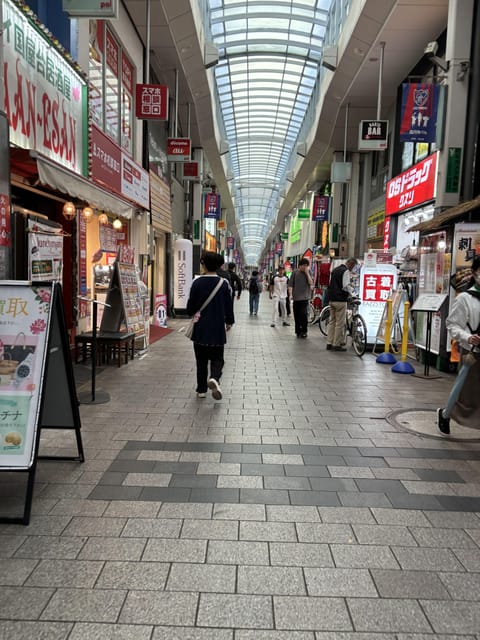
Even though you move through four different neighborhoods, the experience has one through-line: subculture shapes Tokyo, and Tokyo keeps remixing its past.
- Shimokitazawa gives you the “how did we get here” story through post-war transformation and the rise of independent artists.
- Kichijoji shows how lifestyle culture—like independent coffee—reflects long-term neighborhood change, including bubble-era effects on architecture and vibe.
- Koenji is where present-day style and social change show up on the street. Tattoo culture and indie boutiques become signals of how norms evolve.
- Nakano Broadway turns pop culture into a physical shopping environment, with bubble-era influence still visible in anime and manga tastes.
That’s why this tour works better than a simple shopping day. A guide helps you connect what you see to why it exists. And in neighborhoods like these, understanding makes the browsing better.
Who This Tour Suits Best (and Who Should Skip It)
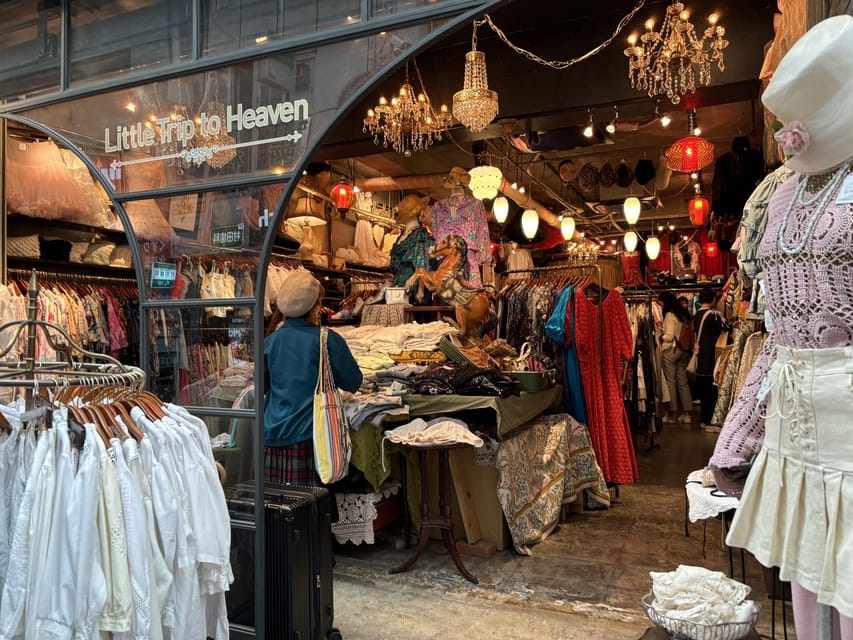
This tour fits you if you like street-level Tokyo: vintage stores, indie coffee, indie fashion, and pop culture collecting. It’s also great if you enjoy learning as you walk—your guide shares subculture history and current trends while you shop.
It may not be ideal if:
- You have mobility limitations or rely on wheelchair access (the tour is not suitable for people with mobility impairments or wheelchair users)
- You want a low-walking, mostly seated experience
If you like to move at a comfortable browsing pace and you wear shoes you can rely on, you’ll likely have a good time.
Booking Decision: Should You Book This Tokyo Neighborhood Digs Tour?
If you’re trying to experience Tokyo in a way that feels personal and local, I think this is worth it. The price makes sense because you’re getting guided shop access, coffee, and transit wrapped into a tight 4-hour loop. Plus, the guide style matters here. When a guide is friendly and willing to adjust the route, the tour becomes more than a checklist. People have highlighted that kind of personal touch from guides like Ryuhki and Hiro.
Don’t book if you hate walking or you need step-free access. Also, if you’re only interested in mainstream sights, this will feel different. This one is for the Tokyo you find by following records, coffee smells, and shop signs.
FAQ
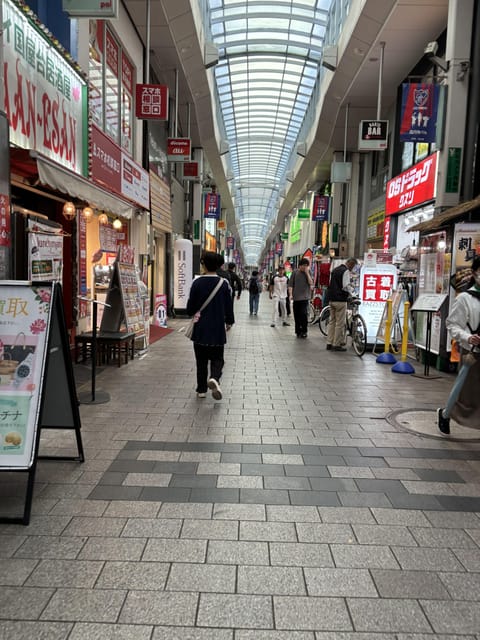
Where is the meeting point?
You meet at Shimokitazawa Station, Odakyu Line East Exit.
How long is the tour?
The tour lasts 4 hours.
What stops are included?
You visit Shimokitazawa, Kichijoji, Koenji (Koenjikita), and Nakano (Nakano City).
Is coffee included?
Yes. Coffee at a local cafe is included.
What’s the tour language?
The tour is in English with a live guide.
What should I bring?
Bring comfortable shoes, a camera, sunscreen, and water.
Is smoking or flash photography allowed?
Smoking is not allowed, and flash photography is not allowed.
Is this tour suitable for wheelchair users or limited mobility?
No. It’s not suitable for people with mobility impairments and not suitable for wheelchair users.
What is included in the price?
The tour includes a guided tour of all neighborhoods, exclusive access to vintage shops and indie boutiques, insights into subculture history and current trends, opportunity to discover fashion/music/art scenes, transit, and coffee. Personal shopping expenses are not included.
More Coffee Experiences in Tokyo
- Discover Japanese Politics Over a Coffee in Tokyo
★ 5.0 · 11 reviews - Discover Japanese Coffee Brewing Experience at Tokyo
★ 4.9 · 8 reviews - Unveil Tokyo’s coffee culture with a guide
★ 5.0 · 3 reviews - Best of Downtown Tokyo: Nature, Coffee, & Japanese Sweets Tasting
★ 5.0 · 3 reviews
More Tour Reviews in Tokyo
- Mt Fuji and Hakone 1-Day Bus Tour Return by Bullet Train
★ 5.0 · 26,383 reviews - 1-Day Tokyo Bus Tour
★ 5.0 · 14,250 reviews - Tokyo: teamLab Planets TOKYO Digital Art Museum Entry Ticket
★ 4.6 · 9,779 reviews - Mt Fuji & Hakone Cruise, Drum Show Bullet Train 1 Day from Tokyo
★ 4.0 · 7,413 reviews - Tokyo: Shinjuku Food Tour (13 Dishes at 4 Local Eateries)
★ 5.0 · 6,603 reviews
Latest Tokyo reviews off our desk






Coffee Experiences, compared.
 ★ 5.0Discover Japanese Politics Over a Coffee in TokyoFrom $19511 reviews
 ★ 4.9Discover Japanese Coffee Brewing Experience at TokyoFrom $1168 reviews
 ★ 5.0Best of Downtown Tokyo: Nature, Coffee, & Japanese Sweets TastingFrom $653 reviews
Browse the lists this tour appears in