
Reviewed · GUIDED
Edo Tokyo & Japanese Culture Tour with Government Licensed Guide
Tokyo history hits differently on foot.
This Edo Tokyo and Japanese Culture tour is built for people who want more than a standard highlights loop, with a customizable set of 3–4 stops and a licensed local English guide doing the heavy lifting. You get Edo-period Tokyo feeling hands-on, whether you’re learning about sumo culture in Ryogoku or spotting traces of the city’s old road system at Nihonbashi.
One key catch: entry fees, meals, and transportation costs are extra, and the Imperial Palace stop is only the grounds area (not entry inside).
In This Review
- Key highlights you’ll actually feel
- Why this Edo Tokyo tour fits 6 hours so well
- Picking your 3–4 stops: the smartest way to build your day
- Imperial Palace grounds (no inside access) and why Nihonbashi matters
- Ryogoku Kokugikan and the sumo culture experience you can feel
- Hokusai at the Sumida Hokusai Museum and the Kanto Earthquake Museum
- Sumida River time plus Edo-Tokyo Open Air and Fukagawa Edo Museum
- Price and logistics: where the $154.37 really goes
- Guides you’ll remember: Sho, Shinji, Kei-san, and Andy-style excellence
- Who should book this Edo Tokyo tour (and who might not)
- Should you book this Edo Tokyo & Japanese Culture Tour?
- FAQ
- FAQ
- Is this tour mostly walking?
- How long is the tour?
- How much does the tour cost?
- What’s included in the price?
- Are entrance fees included?
- Is lunch included?
- Can I visit the Imperial Palace inside?
- How is the itinerary chosen?
- Is this a private tour?
- Do I need cash for transit?
- What is the cancellation policy?
Key highlights you’ll actually feel
- Government-licensed English guide who adjusts the plan to what you want
- Custom 3–4 stop itinerary from a strong Edo-focused menu
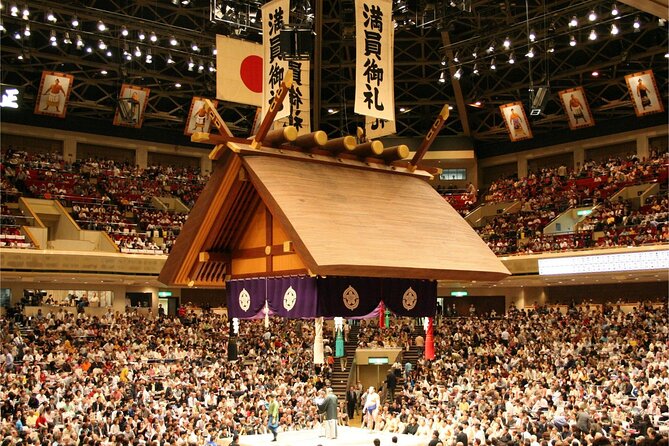
- Ryogoku sumo culture with a stadium-area visit plus an Edo-styled food stop
- Art and disaster history via the Sumida Hokusai Museum and Kanto Earthquake Memorial Museum
- Edo architecture reconstructions at two different museums: open-air homes plus a recreated neighborhood
- Practical transit help (including guidance for using an IC card and Tokyo’s public transport)
Why this Edo Tokyo tour fits 6 hours so well
Tokyo can feel like two cities at once: ultra-modern, and then—if you know where to look—suddenly old, slow, and story-rich. This tour is designed around that contrast. Instead of trying to cram in every landmark, you pick 3–4 sites from the Edo–Tokyo themed options, and the guide builds a route that keeps the day moving without feeling like you’re just being shipped around.
The format is mostly walking, but it’s not stubborn about it. You can use public transport as needed, which matters because the places on the list are spread across Tokyo (Ryogoku and the Sumida area, plus museums that aren’t always next door to the subway line you’d naturally choose).
The value part is simple: you’re paying for local know-how, not just a seat. A good guide helps you notice details you’d miss on your own—why a district became important, what a building style was meant to signal, and how the story of Edo Tokyo connects to the modern city you’re standing in.
Readers also shortlisted these Tokyo bookings:
- Tokyo 6hr Private Tour with Government-Licensed Guide
★ 5.0 · 3,902 reviews - Tokyo: Shinjuku Local Bar and Izakaya Guided Walking Tour
★ 4.9 · 1,794 reviews - Tokyo: Private City Highlights Tour with Local Guide
★ 4.8 · 1,433 reviews - Tokyo: Tsukiji Fish Market Guided Walking Tour
★ 4.9 · 1,397 reviews
Picking your 3–4 stops: the smartest way to build your day
Because your itinerary is customizable, you should think in “themes,” not in random checkmarks. Here are a few solid ways to combine the stops, based strictly on what’s on the tour menu.
If you love Edo life and architecture:
Pair the Edo-Tokyo Open Air Architectural Museum with Fukagawa Edo Museum. Both focus on what everyday spaces looked and felt like in the Edo period, but they do it differently. The open-air museum gives you architecture you can walk around, while Fukagawa Edo Museum recreates a full Edo-era neighborhood vibe with streets and shops.
If you want Edo Tokyo through food and entertainment:
Add Ryogoku Kokugikan (sumo stadium area) and Ryogoku Edo Noren. Even if you’re not catching a live sumo event, Ryogoku is the heart of sumo culture. The food stop is also a chance to get an Edo-themed atmosphere, not just a meal.
If you’re into art and visual culture:
Choose the Sumida Hokusai Museum. Hokusai’s work is a gateway to how ukiyo-e reflected everyday interests—street life, landscapes, and popular themes. It’s a good “breather” after more moving, outdoors-oriented stops.
If you want Tokyo’s survival story too:
Include the Kanto Earthquake Memorial Museum. It doesn’t just mention tragedy; it focuses on how Tokyo rebuilt. That angle helps you understand why the city looks the way it does now and what resilience meant in practice.
If you want a classic Tokyo history marker:
Do Imperial Palace grounds and Nihonbashi. Nihonbashi ties into the Edo era as a major road starting point, which helps you connect streets, trade, and power. The Imperial Palace stop is only outside access, but the location is still meaningful because it’s on the former site of Edo Castle.
Your guide will help you select from the options and keep pacing reasonable for your group. Also, in real-world Tokyo planning, weather matters—so having a route that can flex is a win.
Imperial Palace grounds (no inside access) and why Nihonbashi matters
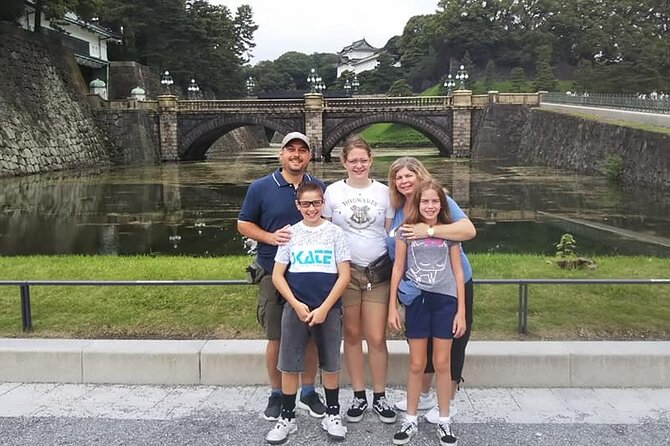
The Imperial Palace stop is a common “Tokyo bucket list” stop, but manage expectations: the tour does not include access inside the Imperial Palace. You’ll spend time in the surrounding area, where you can connect the modern park-like setting to the former Edo Castle site.
If you’re the type who loves facts tied to geography, this stop works because it forces you to look at how power shaped city planning. Moats, walls, and protected zones weren’t just defense; they were the framework for how Edo Tokyo functioned.
Then you move to Nihonbashi, historically important as the starting point of five main roads that ran across Japan. Today, it’s one of those places where the old Tokyo feeling can still come through if you look past the modern surroundings. For many people, this is where the trip stops feeling like separate museum visits and starts feeling like one connected story: roads, commerce, districts, and everyday movement.
Ryogoku Kokugikan and the sumo culture experience you can feel
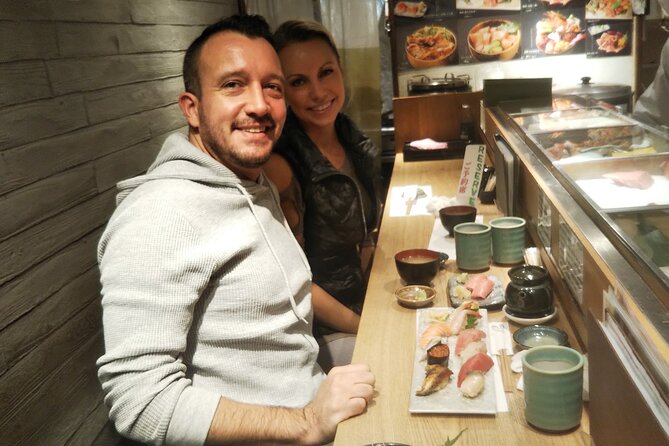
Ryogoku is where Tokyo’s sumo identity lives. The tour includes a stop at Ryogoku Kokugikan, the sumo arena area, with the stadium-area visit listed as free admission. Even if you’re not watching a bout that day, this district has energy that’s different from other “tourist Tokyo” zones. It’s built around sumo stables, sumo-related culture, and the rhythm of training life.
Ryogoku also pairs well with the next stop: Ryogoku Edo Noren, an Edo-styled food spot. You’ll get a themed place to eat in a way that actually supports the day’s theme. It’s not just convenience; it’s part of the Edo-inspired experience.
One practical note: Ryogoku is a long-time favorite for people who want “real Tokyo culture,” not only famous scenery. If your interests tilt toward sports history, tradition, and cultural rituals, this portion is one of the strongest value sections of the tour.
Hokusai at the Sumida Hokusai Museum and the Kanto Earthquake Museum
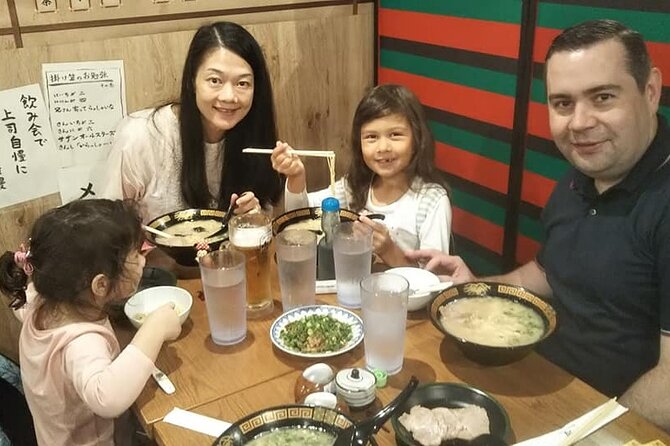
Two of the most interesting stops on this tour list take you from art to survival history.
At the Sumida Hokusai Museum, you’re focused on Katsushika Hokusai and ukiyo-e. This is a nice choice if you want Tokyo’s cultural story in visual form, not only through buildings and districts. Ukiyo-e is tied to everyday fascination—what people looked at, bought, and shared—so seeing Hokusai in a dedicated setting makes the artist feel more relevant, not just famous.
Then comes the Kanto Earthquake Memorial Museum. This stop is for the part of the day that changes your perspective. Learning about the Great Kanto earthquake and how Tokyo rebuilt gives context that other sightseeing stops often skip. It helps you understand that Tokyo’s “modern” look didn’t just happen by accident; it was shaped by rebuilding choices after a major rupture.
These two museums also balance each other. If you find art museums more enjoyable but fear it might be too quiet and slow, the earthquake museum adds seriousness and momentum. If you prefer historical learning and worry art might feel abstract, Hokusai gives a tangible cultural angle.
- Tokyo: Shinjuku Food Tour (13 Dishes at 4 Local Eateries)★ 5.0 · 6,603 reviews
- Tokyo Mt Fuji 5th St & Hakone Cruise Bus Tour w/Bullet Train★ 4.4 · 5,024 reviews
- Flagship 2-Hours Official Street Go-Kart Tour – Tokyo Bay Shop★ 5.0 · 4,974 reviews
- From Tokyo: Mount Fuji Full-Day Sightseeing Trip★ 4.5 · 4,970 reviews
- Tokyo: Hop-On Hop-Off Sightseeing Bus Ticket★ 3.9 · 4,207 reviews
Sumida River time plus Edo-Tokyo Open Air and Fukagawa Edo Museum
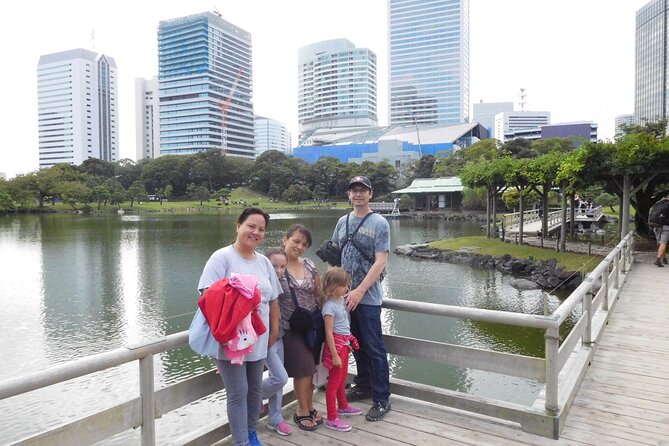
The Sumida River stop is one of those practical “move between worlds” moments. The river is a key reference point for visitors, and it’s also a natural way to feel where different parts of Tokyo relate to each other. Even if you only take in a short segment, it helps anchor the day around real geography rather than only indoor stops.
Then you hit two Edo-period reconstruction experiences, and together they’re a big reason this tour earns high marks for people who like authenticity.
Edo-Tokyo Open Air Architectural Museum focuses on architecture and built form. You can use the time there to pay attention to how structures were designed for the culture and climate of the era. It’s also listed as a shorter stop (about 15 minutes on the tour outline), so you’ll want to move efficiently through the displays—your guide can help you pick what’s most worth your attention.
Fukagawa Edo Museum (about 30 minutes on the outline) leans more into “neighborhood life.” This museum recreates an Edo-era neighborhood with streets, houses, and shops, so it’s easier to imagine what daily movement looked like. If you like the feeling of stepping into a past street scene, this is one of the best matches on the list.
Taken together, these two stops do something important: they help you understand Edo Tokyo as a place people lived, not just a timeline on a brochure.
Price and logistics: where the $154.37 really goes
At $154.37 per person for about 6 hours, this isn’t a cheap add-on. But the pricing makes more sense when you look at what’s included and what’s not.
What’s included:
- a licensed local English-speaking guide
- a customizable selection of 3–4 sites
- meeting your guide on foot within a designated area
What’s not included:
- entry fees, lunch, and transportation fees
- and you’ll cover personal expenses
That extra cost matters if you’re comparing against a basic group tour. Your best value comes when you’re truly using the guide’s brain: picking the sites you care about, getting context at each stop, and not spending extra time trying to solve transit puzzles.
The other practical part is money. One review made a key point that you should treat as a planning rule: bring local cash. Tokyo transit systems may not accept credit cards, and you can run into ATM hassles. Also, the guide support can help you with using an IC card and navigating public transport, but you still need to be ready to pay your own way for fares.
One more thing: there’s a mention of mobile tickets and pickup offered, but the real-world detail is that pick up is on foot. In practice, that means you’ll want to arrive at the meeting point on time and be ready to start walking right away.
Guides you’ll remember: Sho, Shinji, Kei-san, and Andy-style excellence
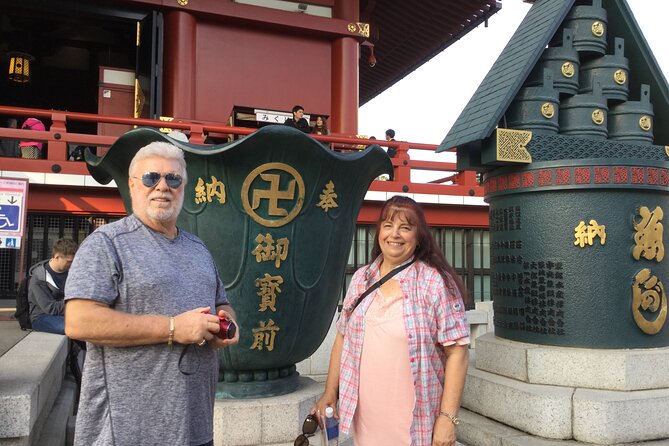
The biggest reason this tour consistently lands a 5-star experience is the guide experience. Names from past tours show up clearly: Sho, Shinji, Kei-san, and Andy.
Here’s what that means for your day:
- You’ll get strong English communication, with guides who can explain what you’re seeing clearly. One guide was praised specifically for communicating well before the tour and for tailoring the plan.
- You’ll get help with real-life transit, including guidance on public transport and how to use an IC card. That’s not just convenience—it cuts down stress and helps you keep the day on schedule.
- You’ll get patient question time. One review highlighted that the guide answered questions and even looked up answers they didn’t know, then followed up after the tour with texts.
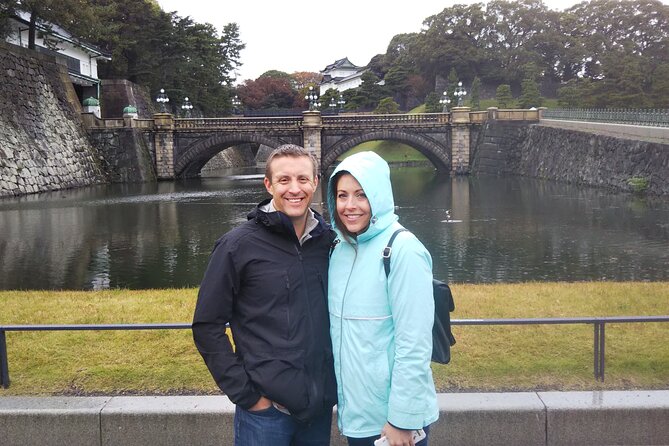
- You might also get small attention details that make the day feel cared for, like taking group photos and sharing them afterward.
One particularly useful insight from reviews: Kei-san was praised for architectural eye and for connecting Japanese history to philosophy and aesthetics. If you want more than facts—if you want to understand why a place looks the way it does—this kind of guidance is exactly what you’re paying for.
Who should book this Edo Tokyo tour (and who might not)
Book this tour if you:
- love Japan’s past and want it connected to real places
- want a guided day that mixes museums, districts, and cultural context
- enjoy walking as long as pacing stays sensible
- are planning fewer stops and want them explained well
This tour also suits you if you’re new to Tokyo and want help with the city’s systems. Learning how to use public transport with guidance can turn a potentially confusing day into an organized one.
Consider a different option if:
- you expect the Imperial Palace experience to include entry inside. It’s not included here.
- you don’t want to pay extra for entry fees and transportation. The tour covers guidance and the route, but you still handle many on-site costs.
Should you book this Edo Tokyo & Japanese Culture Tour?
If your goal is a guided day focused on Edo Tokyo themes—sumo culture, Hokusai, earthquake rebuilding, and recreated Edo spaces—this is a strong pick. The price feels fair when you factor in a licensed English guide and the value of getting context at each stop, especially if you’re the type who likes understanding the why behind what you see.
I’d book it if you can handle extra costs on top of the base price and you’re okay with an outside-only Imperial Palace stop. Before you go, plan to bring cash for transit and have a little flexibility for weather and pacing.
FAQ
FAQ
Is this tour mostly walking?
Yes. It is described as a walking tour, with pickup on foot in a designated area. Public transport may be used during the day.
How long is the tour?
The duration is about 6 hours.
How much does the tour cost?
The price listed is $154.37 per person.
What’s included in the price?
You get a licensed local English-speaking guide, a customizable tour of 3–4 sites, and meeting up with the guide on foot within a designated area.
Are entrance fees included?
No. Entrance fees are not included, and the tour notes that entry fees are extra.
Is lunch included?
No. Lunch is not included.
Can I visit the Imperial Palace inside?
No. The tour specifically says it does not include access inside the Imperial Palace.
How is the itinerary chosen?
The itinerary is customizable, and you can choose 3–4 sites from the listed options.
Is this a private tour?
Yes. It’s private, and only your group participates.
Do I need cash for transit?
You should plan to have local money available, since the review notes that transit systems may not accept credit cards and ATMs can be difficult to use.
What is the cancellation policy?
Free cancellation is available, and you can cancel up to 24 hours in advance for a full refund.
More Guided in Tokyo
- Tokyo 6hr Private Tour with Government-Licensed Guide
★ 5.0 · 3,902 reviews - Tokyo: Shinjuku Local Bar and Izakaya Guided Walking Tour
★ 4.9 · 1,794 reviews - Tokyo: Private City Highlights Tour with Local Guide
★ 4.8 · 1,433 reviews - Tokyo: Tsukiji Fish Market Guided Walking Tour
★ 4.9 · 1,397 reviews - Tokyo 4hr Private Tour with Government-Licensed Guide
★ 5.0 · 1,394 reviews
More Tours in Tokyo
- Mt Fuji and Hakone 1-Day Bus Tour Return by Bullet Train
★ 5.0 · 26,383 reviews - 1-Day Tokyo Bus Tour
★ 5.0 · 14,250 reviews - Tokyo: Shinjuku Food Tour (13 Dishes at 4 Local Eateries)
★ 5.0 · 6,603 reviews - Tokyo Mt Fuji 5th St & Hakone Cruise Bus Tour w/Bullet Train
★ 4.4 · 5,024 reviews - Flagship 2-Hours Official Street Go-Kart Tour – Tokyo Bay Shop
★ 5.0 · 4,974 reviews
More Tour Reviews in Tokyo
- Mt Fuji and Hakone 1-Day Bus Tour Return by Bullet Train
★ 5.0 · 26,383 reviews - 1-Day Tokyo Bus Tour
★ 5.0 · 14,250 reviews - Tokyo: teamLab Planets TOKYO Digital Art Museum Entry Ticket
★ 4.6 · 9,779 reviews - Mt Fuji & Hakone Cruise, Drum Show Bullet Train 1 Day from Tokyo
★ 4.0 · 7,413 reviews - Tokyo: Shinjuku Food Tour (13 Dishes at 4 Local Eateries)
★ 5.0 · 6,603 reviews
Latest Tokyo reviews off our desk

Guided, compared.
 ★ 5.0Tokyo 6hr Private Tour with Government-Licensed GuideFrom $1553,902 reviews
 ★ 4.9Shinjuku Local Bar and Izakaya Guided Walking TourFrom $341,794 reviews
 ★ 4.8Private City Highlights Tour with Local GuideFrom $1061,433 reviews
 ★ 4.9Tsukiji Fish Market Guided Walking TourFrom $221,397 reviews
 ★ 5.0Tokyo 4hr Private Tour with Government-Licensed GuideFrom $1091,394 reviews
 ★ 5.0Tokyo Guided Small-Group Biking TourFrom $1061,250 reviews
 ★ 4.6Samurai Ninja Museum Guided tour and ExperienceFrom $271,010 reviews
 ★ 5.0Tsukiji Fish Market Guided Tour and Sushi Making with Pro ChefFrom $104775 reviews