
Reviewed · LUNCH EXPERIENCES
Essential tour for fashion and art in Tokyo for 6 hours with local lunch
Street style in Tokyo is a contact sport, and this private 6-hour tour is built to move you through the looks on the ground. You’ll bounce between Harajuku and Shibuya street fashion, then shift gears into the cleaner, upscale shopping lanes by Aoyama, with a modern art stop to balance it out.
Two things I really like: hassle-free hotel pickup (so you’re not wrestling trains before you even start), and the way the day blends street culture with a museum moment. One possible drawback to plan for: lunch, public transport, and the museum admission are extra, so the price is best if your group wants a guide-led, “all-in-one” day rather than piecing it together yourself.
In This Review
- Key highlights you’ll feel right away
- Why this 6-hour Tokyo fashion and art route makes sense
- Price and what you’re really paying for (up to 4 people)
- Meeting point, timing, and getting where you need to be
- Takeshita Street: youth fashion energy with a guide’s context
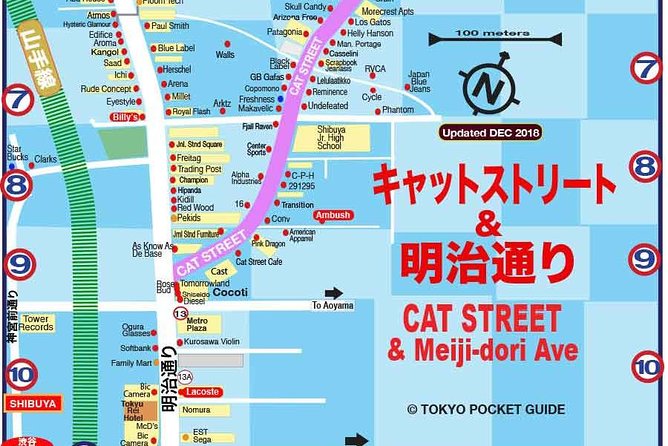
- Shibuya Cat Street: casual street fashion plus snack breaks
- Aoyama Street (and the upscale contrast to Harajuku)
- Modern art break at MoMA Tokyo, Craft Gallery
- Lunch, snacks, and paying attention to your own timing
- Who should book this Tokyo fashion and art tour
- Should you book this Tokyo fashion and art tour?
- FAQ
- How much does the Tokyo fashion and art tour cost?
- How long is the tour?
- Is pickup from my hotel included?
- What areas will we visit?
- Are tickets included for each stop?
- Is lunch included?
- Is this a private tour?
- Where does the tour start, and what time?
- What if the weather is bad?
Key highlights you’ll feel right away
- Hotel pickup to start relaxed and keep the morning stress-free.
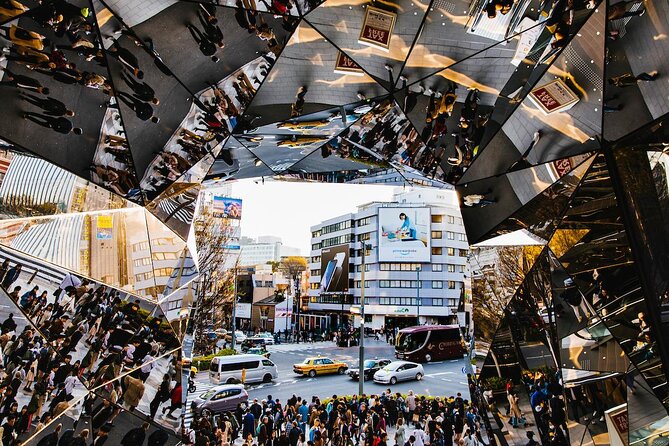
- Harajuku + Shibuya street style focus with time built into the day for walking and looking.
- Aoyama fashion streets for a more polished contrast to the loudest trend areas.
- MoMA Tokyo Craft Gallery stop for an art break (museum ticket not included).
- A small private group (up to 4), so you can ask questions and set your pace.
Why this 6-hour Tokyo fashion and art route makes sense
Tokyo fashion is not one thing. It’s street style, schoolyard trends, luxury silhouettes, DIY accessories, and art-adjacent creativity all running at the same time. This tour is designed for that reality: you spend most of your time in the neighborhoods where style is the main event, then you pause for modern art so the day doesn’t blur into one long shopping loop.
I also like the practical structure. It’s long enough to get past the postcard moments, but short enough that you can still think clearly at the end of the day. The format is private for your group, and that matters in Tokyo, where a confident local guide helps you keep moving without getting lost in the crowd.
If your idea of a good trip includes asking why something looks the way it does—materials, styling choices, how trends spread—this is the kind of tour where you’re not just passing storefronts. A guide shares the context around Tokyo style and culture as you go, and that makes the streets more legible.
Readers also shortlisted these Tokyo bookings:
- Tokyo: Mt.Fuji & Lake Kawaguchiko 1-Day Bus Tour w/Optional Lunch
★ 4.5 · 839 reviews - Tokyo: Sumo Experience and Chanko Nabe Lunch
★ 4.8 · 257 reviews - Tokyo: Tsukiji Fish Market Tour with 6 Stops & Seafood Lunch
★ 4.5 · 165 reviews - Tokyo: 1 Day Bus Tour with Meiji-Jingu,Odaiba,lunch&Skytree
★ 4.6 · 156 reviews
Price and what you’re really paying for (up to 4 people)
The tour costs $450 per group for up to 4 people, running about 6 hours. That pricing is basically saying: you’re paying for a private guide’s time plus an efficient route that strings together the main style areas in a single day.
Here’s the value math that usually matters:
- If you’re traveling as two, it’s more expensive per person.
- If you’re traveling as a group of four, the per-person cost drops a lot—and the hotel pickup becomes a bigger win.
Also, read the fine print in your budget, not in your emotions. Lunch isn’t included, public transportation isn’t included, and the National Museum of Modern Art Craft Gallery admission isn’t included. So yes, the base price is the anchor, but your actual day-out cost will depend on how much you choose to buy along the way and what the museum ticket runs to.
Where this still feels like a smart deal: if you hate “planning fatigue.” With street fashion, getting the timing right and choosing the right streets takes effort. This tour trades your effort for the guide’s route and context.
Meeting point, timing, and getting where you need to be
You start at Hachiko Square (Shibuya) at 9:00 am, and the day ends back at the meeting point. You’re also offered hotel pickup, which is a big deal if you’re staying somewhere a pain to reach or if you want the tour to begin the moment you roll out of bed.
This is a private tour. That’s not just marketing language—it affects how the day feels. You’re not being shoved along in a big group. You’re more likely to get answers to the questions you actually care about, like what you’re seeing on a specific street and how it fits into Tokyo style culture.
One more practical note: the day involves walking around active districts. The tour is listed for moderate physical fitness, so if you’re nursing a lot of knee pain or you can’t handle crowds at all, you’ll want to think carefully. Comfort matters more here than on a museum-only day.
Takeshita Street: youth fashion energy with a guide’s context
Your first stop is Takeshita Street, with about 40 minutes there. Entry is free. This is one of Tokyo’s most famous style strips, and it shows—especially if you’re curious about young fashion and the visual language of street trends.
In a place like Takeshita Street, your brain can go into overload mode fast. That’s where a guide earns their fee. With the tour’s focus on style and culture, you’re not just wandering for the photos; you’re learning how to read the outfits: the role of accessories, the way colors and silhouettes build a “look,” and why certain trends cluster where they do.
What I’d recommend you bring mentally: expect busy sidewalks and a lot of visual stimulation. Give yourself permission to slow down for a minute, then start moving again. If you treat it like a slow gallery stroll, you’ll spot more and buy less by accident.
And because admission is free, you can keep this stop flexible. If you want to prioritize what you’re seeing over purchases, this is a good place to do it.
Shibuya Cat Street: casual street fashion plus snack breaks
Next you head to Shibuya Cat Street for about 1 hour, also with free admission. This is where the vibe shifts slightly from loud, costume-like street fashion into something more casual and everyday-wear-ish—while still being very fashion-forward.
Cat Street is a strong choice in a tour like this because you get more than one kind of style environment. Takeshita Street gives you the maximal energy. Cat Street helps you see how that creativity can look when it’s toned down for daily life.
You’ll also have the chance to sample common street treats—crepes, cotton candy, and shaved ice are mentioned as typical options during the day. Just keep expectations realistic: these are usually things you buy on your own, not a guaranteed included meal. Still, they’re part of the experience in these neighborhoods, and a guide can help you time it so you don’t lose the best photo moments to a long queue.
If you’re traveling with kids or teens, this is often the most satisfying stop. The mix of fashion browsing and food makes the whole street feel like a playful mission instead of a shopping chore.
- Tokyo: Shinjuku Food Tour (13 Dishes at 4 Local Eateries)★ 5.0 · 6,603 reviews
- Tokyo Mt Fuji 5th St & Hakone Cruise Bus Tour w/Bullet Train★ 4.4 · 5,024 reviews
- Flagship 2-Hours Official Street Go-Kart Tour – Tokyo Bay Shop★ 5.0 · 4,974 reviews
- From Tokyo: Mount Fuji Full-Day Sightseeing Trip★ 4.5 · 4,970 reviews
- Tokyo: Hop-On Hop-Off Sightseeing Bus Ticket★ 3.9 · 4,207 reviews
Aoyama Street (and the upscale contrast to Harajuku)
After the Shibuya streets, you move to Aoyama Street for about 40 minutes. Admission is free, and this is where the tour intentionally changes the tone.
Aoyama is often about cleaner lines and more polished fashion energy. It’s a great counterpoint to Harajuku and Shibuya. Where the earlier stops can feel like you’re stepping into a trend carnival, Aoyama feels like the runway is happening in real life—only at sidewalk scale.
The broader theme here is Tokyo style culture across different levels: street creativity on one side, and fashion as a lifestyle on the other. The tour’s overview also mentions the upscale shopping districts of Omotesando and Aoyama, so expect this part of the day to show you what fashion looks like when it’s more design-forward and less chaotic.
Practical tip: bring your best walking shoes. This is the kind of neighborhood where you’ll want to stop for photos and glance at storefront details, but it’s not the place for long rests. If you want shopping, this is where you’ll likely feel the urge most.
Modern art break at MoMA Tokyo, Craft Gallery
The final major stop is The National Museum of Modern Art Tokyo, Craft Gallery, with about 1 hour on the clock. Here, the museum admission is not included, so budget for the ticket separately.
This stop matters because it prevents the day from becoming only street-level style. Craft and modern art shift how you look at fashion. Instead of just asking what’s trendy, you start noticing materials, design choices, and the creative thinking behind them.
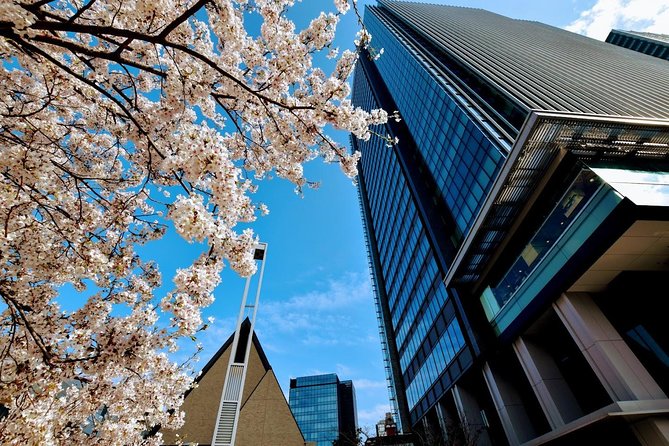
Also, the museum building itself is described as having impressive architecture. Even if you’re not a die-hard art person, you’ll likely appreciate having a calm, indoor reset after the sidewalk intensity of Harajuku and Shibuya.
If you care about photography, remember that museums often have rules. You didn’t get a heads-up on that in the details provided, so keep your camera ready but follow posted signage once you arrive.
Lunch, snacks, and paying attention to your own timing
Lunch is not included, which is normal for a tour that’s centered on neighborhoods rather than a set restaurant. In practice, that means you get flexibility, but you also have to decide what you want most: comfort, speed, or a specific type of food.
Here’s a good way to think about it:
- If you want to keep energy up for shopping, plan a fast lunch rather than a long sit-down.
- If you want to make it part of the cultural experience, aim for something that’s easy to eat while you’re moving through the next streets.
You’ll have the opportunity for street sweets like crepes, cotton candy, and shaved ice, which can act like snack-meal bridges. Just don’t let desserts replace a real lunch if you’re walking a lot that day. Tokyo streets don’t care if you’re hungry.
Transport is also not included. That means you’ll likely combine walking with paid transit depending on your route and pace. One family mentioned using a subway/walking/taxi mix to do it in a way that felt local and manageable for their group. You can take that mindset: if you prefer fewer long walks, ask your guide how to shape the travel time.
Who should book this Tokyo fashion and art tour
This is a strong match if:
- You care about street style culture in Harajuku and Shibuya.
- You want the contrast of fashion streets plus a modern art stop.
- You’re traveling as a small private group and want pickup and a guide rather than self-navigating.
- You have kids, teens, or fashion lovers who will enjoy the neighborhood energy.
It’s less ideal if:
- You mainly want museums and could care less about shopping streets.
- You have a very strict budget with no room for transit and museum admission.
- You strongly dislike crowds or walking-heavy days.
From the guide side, one family shared that their guide, Erika, worked with them over weeks to customize the tour for their fashion interests. That aligns with what this kind of private format should do: tailor the day so the stops actually match your group’s style priorities.
Should you book this Tokyo fashion and art tour?
Book it if you want a single guided day that covers both the look of Tokyo and why it looks that way, without you having to plan a neighborhood-by-neighborhood itinerary. The private format and hotel pickup help a lot, and the route choice gives you a natural contrast: street trend zones first, then a design-minded shopping district, and finally a museum stop.
Skip it (or consider a different style tour) if you’re mostly after one type of experience—either only shopping, or only museums—because the tour is intentionally balanced. Also, do the math on extras: transit, lunch, and the museum ticket will affect your final cost.
If you’re the type who likes to look closely—at clothing, street details, craft ideas—this is the kind of tour that turns Tokyo style from random sightings into a storyline you can follow all day.
FAQ
How much does the Tokyo fashion and art tour cost?
It costs $450 per group, up to 4 people.
How long is the tour?
The tour runs about 6 hours.
Is pickup from my hotel included?
Pickup is offered.
What areas will we visit?
You’ll visit Takeshita Street, Shibuya Cat Street, Aoyama Street, and The National Museum of Modern Art Tokyo, Craft Gallery.
Are tickets included for each stop?
Admission is free for Takeshita Street, Shibuya Cat Street, and Aoyama Street. The National Museum of Modern Art Tokyo, Craft Gallery admission ticket is not included.
Is lunch included?
Lunch is not included.
Is this a private tour?
Yes. It’s a private tour/activity where only your group participates.
Where does the tour start, and what time?
It starts at Hachiko Square in Shibuya at 9:00 am.
What if the weather is bad?
This experience requires good weather. If it’s canceled due to poor weather, you’ll be offered a different date or a full refund.
More Lunch Experiences in Tokyo
- Tokyo: Mt.Fuji & Lake Kawaguchiko 1-Day Bus Tour w/Optional Lunch
★ 4.5 · 839 reviews - Tokyo: Sumo Experience and Chanko Nabe Lunch
★ 4.8 · 257 reviews - Tokyo: Tsukiji Fish Market Tour with 6 Stops & Seafood Lunch
★ 4.5 · 165 reviews - Tokyo: 1 Day Bus Tour with Meiji-Jingu,Odaiba,lunch&Skytree
★ 4.6 · 156 reviews - Tokyo: Full-Day Tour w/Tea Experience,Buffet Lunch & Cruise
★ 4.9 · 151 reviews
More Tours in Tokyo
- Mt Fuji and Hakone 1-Day Bus Tour Return by Bullet Train
★ 5.0 · 26,383 reviews - 1-Day Tokyo Bus Tour
★ 5.0 · 14,250 reviews - Tokyo: Shinjuku Food Tour (13 Dishes at 4 Local Eateries)
★ 5.0 · 6,603 reviews - Tokyo Mt Fuji 5th St & Hakone Cruise Bus Tour w/Bullet Train
★ 4.4 · 5,024 reviews - Flagship 2-Hours Official Street Go-Kart Tour – Tokyo Bay Shop
★ 5.0 · 4,974 reviews
More Tour Reviews in Tokyo
- Mt Fuji and Hakone 1-Day Bus Tour Return by Bullet Train
★ 5.0 · 26,383 reviews - 1-Day Tokyo Bus Tour
★ 5.0 · 14,250 reviews - Tokyo: teamLab Planets TOKYO Digital Art Museum Entry Ticket
★ 4.6 · 9,779 reviews - Mt Fuji & Hakone Cruise, Drum Show Bullet Train 1 Day from Tokyo
★ 4.0 · 7,413 reviews - Tokyo: Shinjuku Food Tour (13 Dishes at 4 Local Eateries)
★ 5.0 · 6,603 reviews
Latest Tokyo reviews off our desk






Lunch Experiences, compared.
 ★ 4.5Mt.Fuji & Lake Kawaguchiko 1-Day Bus Tour w/Optional LunchFrom $77839 reviews
 ★ 4.8Sumo Experience and Chanko Nabe LunchFrom $95257 reviews
 ★ 4.5Tsukiji Fish Market Tour with 6 Stops & Seafood LunchFrom $94165 reviews
 ★ 4.61 Day Bus Tour with Meiji-Jingu,Odaiba,lunch&SkytreeFrom $83156 reviews
 ★ 4.9Full-Day Tour w/Tea Experience,Buffet Lunch & CruiseFrom $105151 reviews
 ★ 5.0Mt. Fuji, Oishi Park & Arakurayama Pagoda Bus Tour with LunchFrom $99128 reviews
 ★ 4.5Nagano Snow Monkey 1 Day Tour with Beef Sukiyaki Lunch from TokyoFrom $151123 reviews
 ★ 4.8Mt Fuji Area Guided Tour with Traditional LunchFrom $96118 reviews
Browse the lists this tour appears in