
Reviewed · SUMO TOURNAMENTS & SHOWS
Tokyo: Sumo Experience and Chanko Nabe Lunch
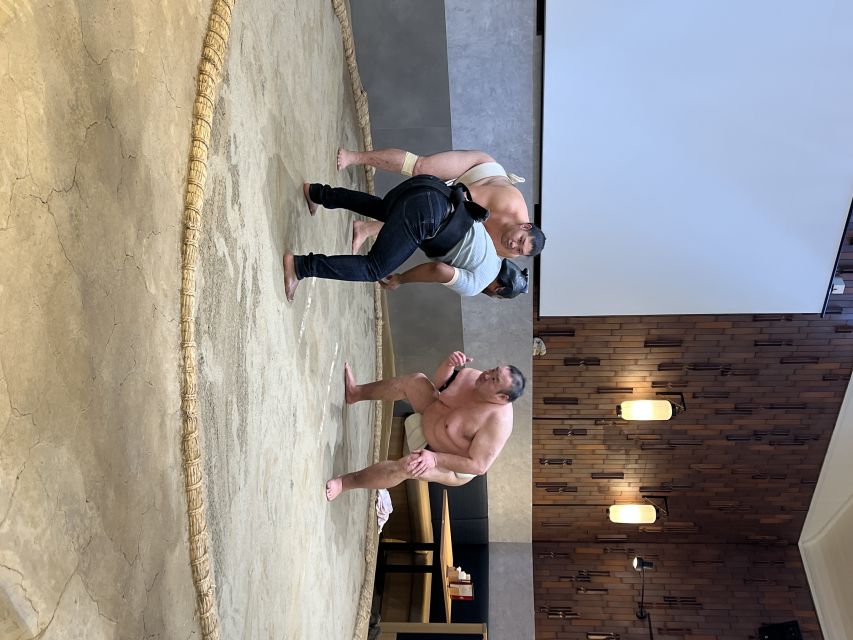
Sumo is easier to understand than you think. In this Tokyo session, former professional wrestlers explain the sport in English, then you get hands-on with the routines and rituals that make sumo more than brute strength. You’ll also eat a self-made chanko nabe hot pot prepared by the wrestlers themselves, served as part of the experience.
Two things I really like are the clear English explanations and the fact that the lunch isn’t an afterthought. The chanko nabe is made by the wrestlers, so you’re tasting something tied directly to their world. The format is also small, limited to 6 participants, which keeps it interactive and not like a rushed show.
One consideration: the playful participation moments are fun, but you might not be picked for every costume or demonstration role. Still, you can expect a strong chance to take part in the main ring segment.
In This Review
- Key Things You Will Remember From This Sumo Workshop
- Sumo in Tokyo, With Real Context and Real Humor
- Where You Go: Asakusa Mondays vs Ryogoku Thursdays
- The Timing That Keeps the Class Moving
- Inside the Small Group Setup (Max 6 People)
- How the Former Wrestlers Teach Sumo Rituals in English
- The Playful Duel: What Participation Actually Feels Like
- Chanko Nabe Lunch: Wrestlers Cooking, You Eating
- Value for Families and First-Time Sumo Fans
- Price and Logistics: What You Should Plan For
- Should You Book This Tokyo Sumo and Chanko Nabe Experience?
- FAQ
- Where does the sumo experience take place in Tokyo?
- How long is the experience?
- What time does it start, and when should I arrive?
- Is the experience in English?
- Is it wheelchair accessible?
- What’s included in the price?
- Do I need pick-up or drop-off?
- Are vegetarian or halal meals available?
- What is the cancellation policy?
Key Things You Will Remember From This Sumo Workshop
- English-led instruction by former pro wrestlers that turns rules and rituals into something you can actually picture
- Playful, low-stress dueling so first-timers can join without feeling out of place
- Chanko nabe prepared by the wrestlers themselves, served as a stamina-building hot pot lunch
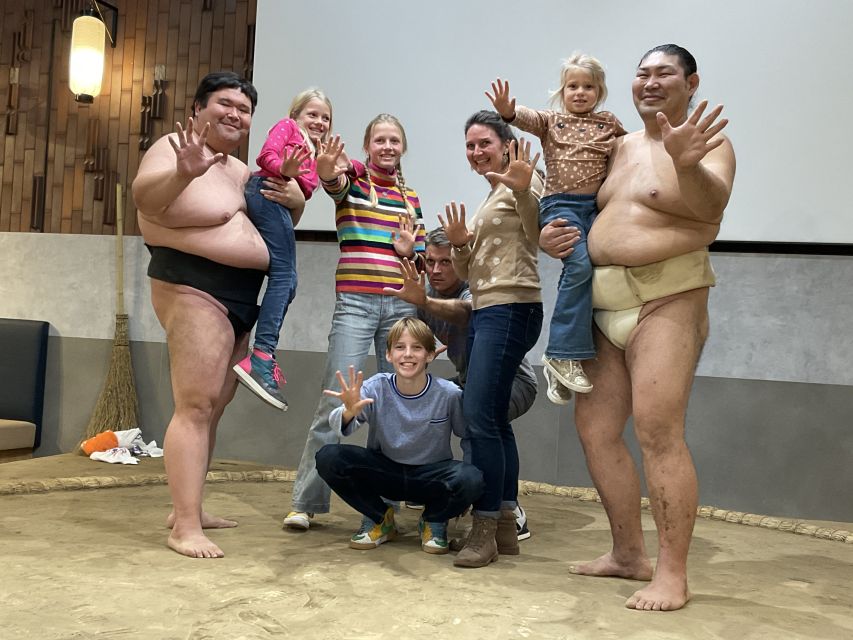
- Small-group setup (max 6 people) for more attention, more photos, and fewer standing in line moments
- Time with the wrestlers up close, not just from the seats
- Two Tokyo locations by day: Asakusa on Mondays and Ryogoku on Thursdays
Sumo in Tokyo, With Real Context and Real Humor
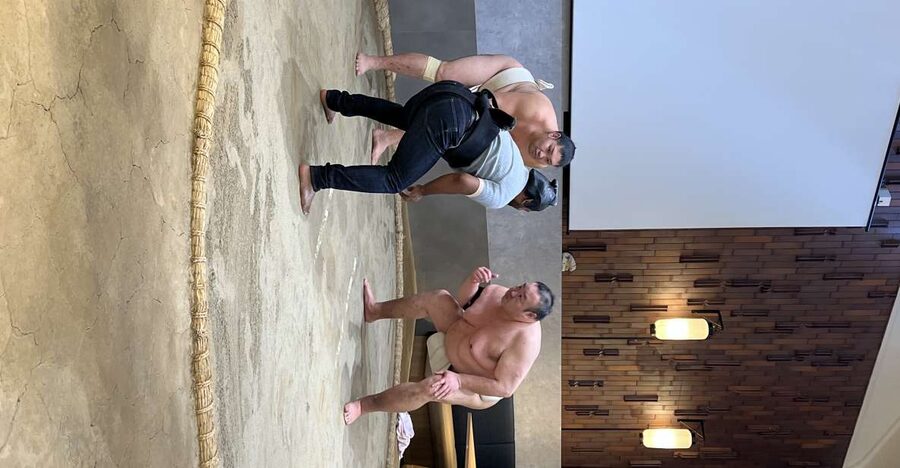
Tokyo has plenty of cultural experiences, but this one has an advantage: you’re not learning sumo from a poster. You’re getting the story straight from ex professionals, in English, with the rituals broken down into plain human steps.
The vibe is part teaching, part performance, and part “okay, now you try it.” That mix matters because sumo can look confusing if you only see the final clash. Here, you learn what’s happening before the action, why it matters, and how the sport’s traditions shape the match.
And then there’s the food. Chanko nabe is often described as wrestler fuel, but the key detail is that you’re not just eating at the end. The hot pot is made by the wrestlers themselves, so it feels tied to the lessons you just heard.
Other ringside bookings readers scored
- Tokyo: Sumo Show and Dining Experience
★ 4.8 · 2,742 reviews - the SUMO show
★ 5.0 · 1,960 reviews - Tokyo Shinjuku Sumo Show & Experience with Photo
★ 5.0 · 1,750 reviews - Tokyo: Sumo Show and Experience in Shinjuku
★ 4.8 · 1,001 reviews
Where You Go: Asakusa Mondays vs Ryogoku Thursdays
This experience runs in two classic sumo-adjacent neighborhoods, depending on the day:
- Mondays in Asakusa
- Thursdays in Ryogoku
Ryogoku is the sumo district name you hear again and again for a reason. If you want that stronger connection to the sport’s home turf, Thursdays in Ryogoku are the way to go. Asakusa is great if you want to pair sumo with temple streets and old-town Tokyo energy.
For meeting details, you’ll receive a voucher with a map to the exact location. You’ll return to the same meeting point when it ends, and there’s no pick-up or drop-off included. So plan to get yourself there on your own.
The Timing That Keeps the Class Moving
This is a 2-hour experience and it starts on time at 1:00 PM. You need to arrive before the start. The tour notes say the door opens at 12:40 AM—that’s unusual wording, so use your voucher for the exact check-in time.
Why timing matters here: the session is designed to flow from welcome and explanations into demonstrations, then into the interactive ring moment, then lunch. If you show up late, you risk missing the parts that people remember most.
Because it’s a short window, it also helps you plan the rest of your day. You can slot it between morning sightseeing and later dinner without losing half a day.
Inside the Small Group Setup (Max 6 People)
The group size is limited to 6 participants, and that detail changes everything. With a bigger tour, you watch. With a small one, you’re part of the room.
Expect:
- English-led explanations you can actually follow
- Demonstrations with space to take photos
- Multiple chances to interact during the playful segments
- A lunch pace that doesn’t feel like you’re eating while staff sprint around you
If you’re traveling with kids, this small-group structure is a plus. The energy is high, but the room stays controlled enough that younger participants can still have fun without getting shoved into the back of a crowd.
How the Former Wrestlers Teach Sumo Rituals in English
The sacred national sport of Japan has big, physical moments. But the real payoff in this workshop is learning what you’re looking at before the action.
The former pro wrestlers explain:
- the meaning of match rituals
- how competition works beyond the final collision
- why sumo is built on tradition as much as training
This matters for you because sumo at a distance can feel like mystery sport math. In this workshop, the sport becomes clear, and the rituals stop feeling like random theater.
A bonus from the overall tone: the teaching isn’t stiff. The room stays warm and playful, which makes it easier to ask questions and follow along even if you’re new to sumo.
Readers also shortlisted these Tokyo bookings:
- Tokyo: Mt.Fuji & Lake Kawaguchiko 1-Day Bus Tour w/Optional Lunch★ 4.5 · 839 reviews
- Tokyo: Sumo Experience and Chanko Nabe Lunch★ 4.8 · 257 reviews
- Tokyo: Tsukiji Fish Market Tour with 6 Stops & Seafood Lunch★ 4.5 · 165 reviews
- Tokyo: 1 Day Bus Tour with Meiji-Jingu,Odaiba,lunch&Skytree★ 4.6 · 156 reviews
- Tokyo: Full-Day Tour w/Tea Experience,Buffet Lunch & Cruise★ 4.9 · 151 reviews
The Playful Duel: What Participation Actually Feels Like
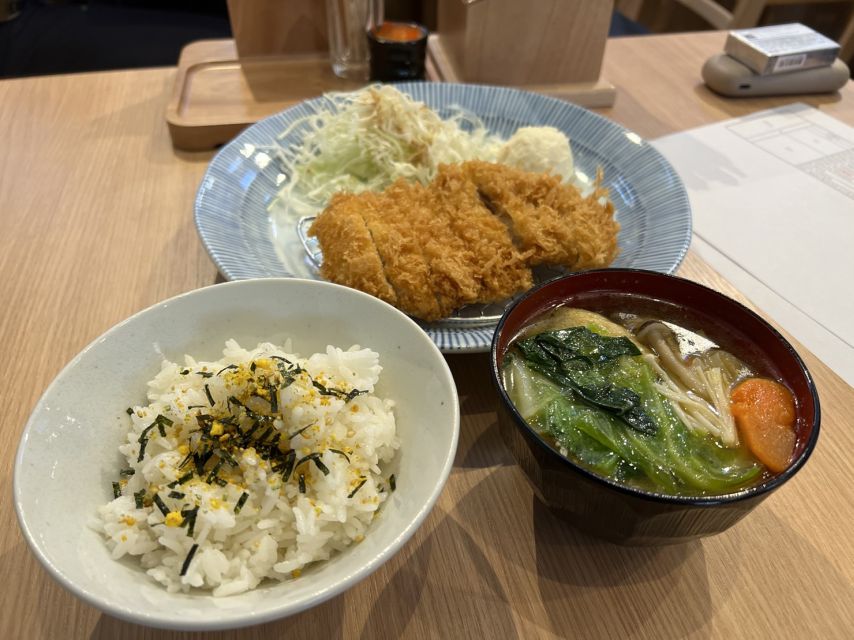
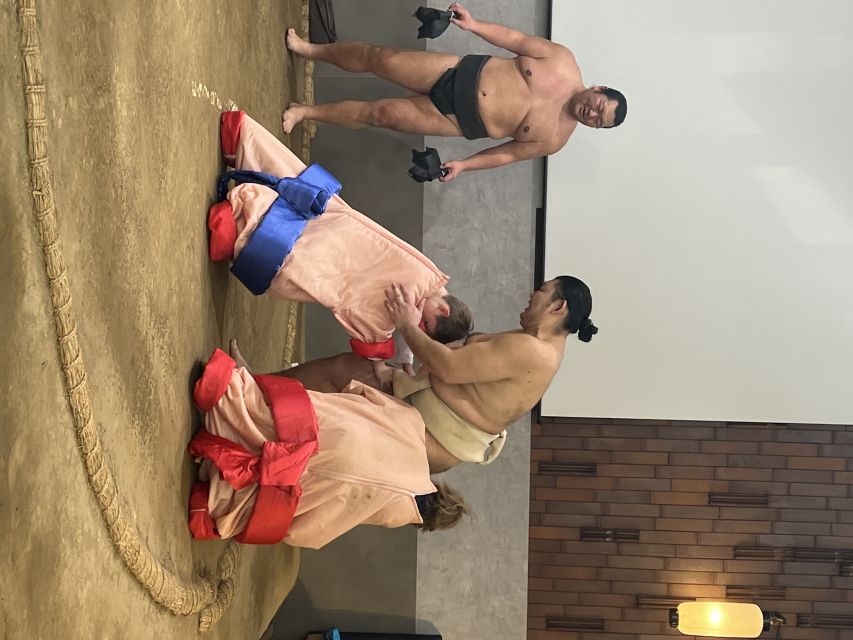
One of the standout parts is the chance to fight sumo wrestlers yourself, in a playful way. This is not about proving you’re tough. It’s about trying the basic physical ideas and learning how the sport’s form works.
There’s also a note that some participants might be chosen to put on a Sumo Wrestler costume and help in the demonstration. Not everyone will be picked, so don’t count on that specific role. But even if you miss the costume part, you’ll still have chances to be involved in the main interactive segment.
What to do mentally: treat it like a guided “try it” class. If you relax and follow the instructions, you’ll get the full value.
Also, since the room is small, the wrestlers can watch your stance and give direction. That kind of feedback is rare in typical performances.
Chanko Nabe Lunch: Wrestlers Cooking, You Eating
After the demonstrations, you’ll eat Chanko Nabe, a Japanese-style hot pot. The idea is simple: it’s hearty, warming, and commonly associated with the stamina wrestlers need.
The best detail here is preparation. The workshop doesn’t hand you lunch from a random kitchen. The wrestlers themselves prepare the meal, which makes the lunch feel like part of the sport, not just a perk.
In practical terms, hot pot is also a smart meal choice for this format:
- It’s comfortable in a group setting
- It keeps everyone fed without long waits
- It suits a crowd because it’s served hot and communal
Many people in their feedback also describe the overall meal as more of a fuller Japanese lunch setup, not only the hot pot. Even so, the star stays the chanko nabe itself.
If you’re wondering what to expect in taste: think savory, comforting broth with ingredients that feel designed to keep you full and steady.
Value for Families and First-Time Sumo Fans
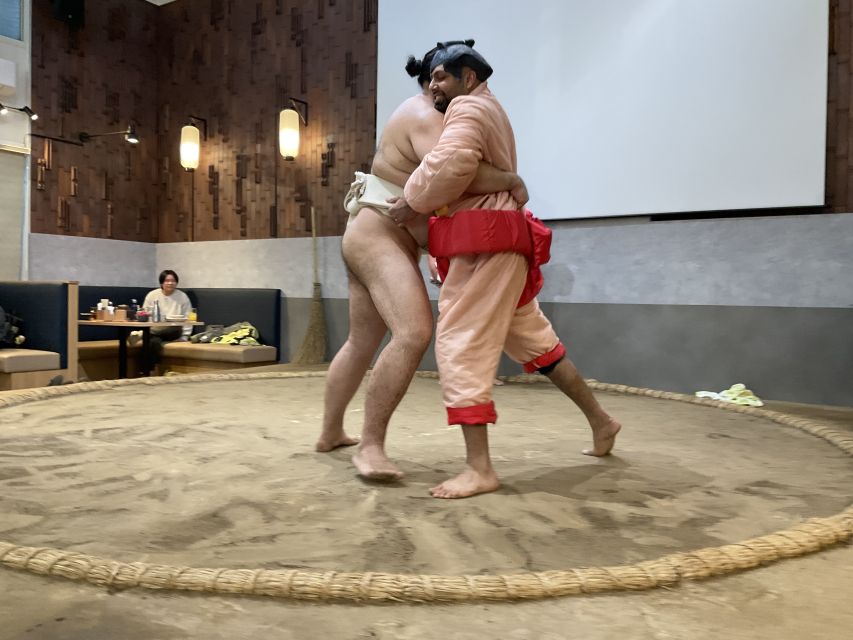
At $95 per person for 2 hours with lunch included, it’s not a budget snack. It’s a proper cultural activity, and you should judge it as such: you’re paying for direct access to former pro wrestlers, English explanations, an interactive segment, and a lunch made by the people teaching you.
The value is strongest if you fit at least one of these profiles:
- You’re a first-time sumo fan who wants the sport explained in human terms
- You like hands-on cultural experiences, not just watching
- You want a Tokyo lunch with a story behind it
- You’re bringing kids who will enjoy play and photos in a controlled setting
The small group is a big part of why it feels worth it. You’re not getting lost in a crowd, and the wrestlers have time for attention and engagement.
Price and Logistics: What You Should Plan For
Here’s the practical checklist based on the tour info:
- What’s included: entrance/participation fee and lunch
- What’s not included: pick-up and drop-off
- Language: English instruction
- Accessibility: wheelchair accessible
- Meeting: voucher map for the exact spot
- End: back at the meeting point
So you’ll want to:
- plan your own transit to the meeting location
- arrive before the start time so you don’t get cut from the best parts
- wear comfy shoes, since the interactive ring moment is part of the fun
If you’re trying to stack this with other Tokyo plans, keep it as a focal experience. It’s short, but it’s packed.
Should You Book This Tokyo Sumo and Chanko Nabe Experience?
If you want sumo that makes sense fast, this is a strong choice. The combination of English-led explanations, a small-group atmosphere, a playful ring segment, and wrestlers-made chanko nabe is a rare mix. It’s also a good “culture + activity + lunch” package for families and first-timers.
Book it if you’re excited to participate, even in a light, guided way, and you want your meal to feel connected to the sport rather than tacked on.
Skip it only if you strongly prefer passive sightseeing, or if you’re not comfortable with the idea that some costume participation is optional and not guaranteed.
FAQ
Where does the sumo experience take place in Tokyo?
It happens in different locations depending on the day: Asakusa on Mondays and Ryogoku on Thursdays.
How long is the experience?
The duration is 2 hours (you’ll see the starting time options when you check availability).
What time does it start, and when should I arrive?
It starts at 1:00 PM. You need to arrive before that, and the tour notes say the door opens at 12:40 AM.
Is the experience in English?
Yes. The instruction is in English.
Is it wheelchair accessible?
Yes, the experience is wheelchair accessible.
What’s included in the price?
The included items are the entrance fee, participation fee, and lunch.
Do I need pick-up or drop-off?
No pick-up or drop-off is included. You’ll use the voucher map to find the exact meeting spot and the activity ends back at the meeting point.
Are vegetarian or halal meals available?
The tour asks you to note vegetarian or halal needs in your reservation or contact them by email at least 2 days before the participation date.
What is the cancellation policy?
There is free cancellation up to 10 days in advance for a full refund.
More Lunch Experiences in Tokyo
- Tokyo: Mt.Fuji & Lake Kawaguchiko 1-Day Bus Tour w/Optional Lunch
★ 4.5 · 839 reviews - Tokyo: Tsukiji Fish Market Tour with 6 Stops & Seafood Lunch
★ 4.5 · 165 reviews - Tokyo: 1 Day Bus Tour with Meiji-Jingu,Odaiba,lunch&Skytree
★ 4.6 · 156 reviews - Tokyo: Full-Day Tour w/Tea Experience,Buffet Lunch & Cruise
★ 4.9 · 151 reviews - Mt. Fuji, Oishi Park & Arakurayama Pagoda Bus Tour with Lunch
★ 5.0 · 128 reviews
More Tour Reviews in Tokyo
- Mt Fuji and Hakone 1-Day Bus Tour Return by Bullet Train
★ 5.0 · 26,383 reviews - 1-Day Tokyo Bus Tour
★ 5.0 · 14,250 reviews - Tokyo: teamLab Planets TOKYO Digital Art Museum Entry Ticket
★ 4.6 · 9,779 reviews - Mt Fuji & Hakone Cruise, Drum Show Bullet Train 1 Day from Tokyo
★ 4.0 · 7,413 reviews - Tokyo: Shinjuku Food Tour (13 Dishes at 4 Local Eateries)
★ 5.0 · 6,603 reviews
More Sumo, Ringside and Rated
- Tokyo: Sumo Show and Dining Experience
★ 4.8 · 2,742 reviews - the SUMO show
★ 5.0 · 1,960 reviews - Tokyo Shinjuku Sumo Show & Experience with Photo
★ 5.0 · 1,750 reviews - Tokyo: Sumo Show and Experience in Shinjuku
★ 4.8 · 1,001 reviews - Tokyo Grand Sumo Tournament Viewing Tour with Tickets
★ 5.0 · 692 reviews
Latest Tokyo reviews off our desk






Sumo Tournaments & Shows, compared.
 ★ 4.8Sumo Show and Dining ExperienceFrom $792,742 reviews
 ★ 5.0the SUMO showFrom $891,960 reviews
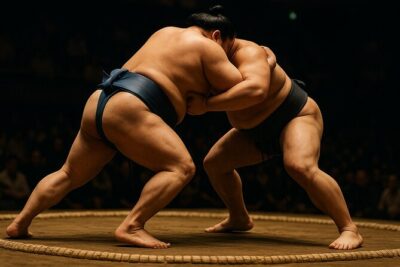 ★ 5.0Tokyo Shinjuku Sumo Show & Experience with PhotoFrom $791,750 reviews
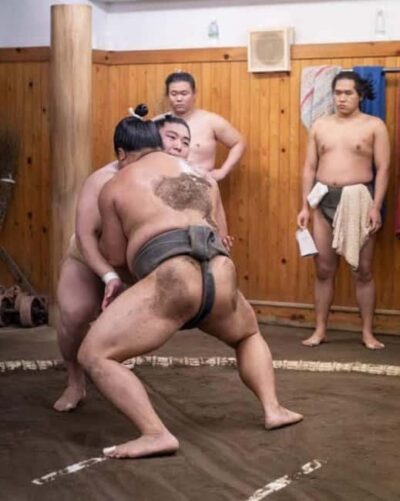 ★ 4.8Sumo Show and Experience in ShinjukuFrom $691,001 reviews
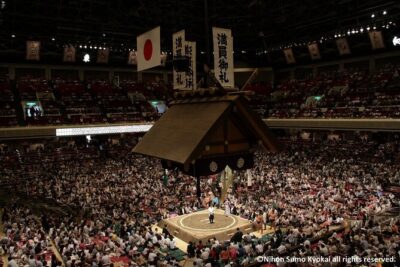 ★ 5.0Tokyo Grand Sumo Tournament Viewing Tour with TicketsFrom $124692 reviews
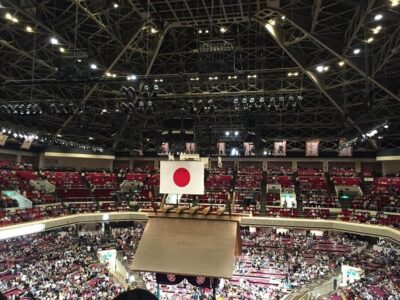 ★ 5.0Tokyo Sumo Wrestling Tournament ExperienceFrom $124660 reviews
 ★ 4.7Luxury Sumo Show Experience & Japanese cuisine & DrinkFrom $103577 reviews
 ★ 4.8Sumo Morning Practice Viewing TourFrom $81570 reviews
Browse the lists this tour appears in