
Reviewed · FOOD & DRINK
Flavors of Japan Food Tour in Tokyo
Tokyo eats well on foot.
This is a focused wagashi-and-lunch walking tour that also takes you into the shopfront world behind Japan’s most loved flavors. What I like most is the hands-on feel: you learn how sweets and ingredients are made, and you taste your way through regional staples like dashi and pickles. Another big plus is the mix of old-school and practical: you’ll visit a 300-year-old knife shop area, a tea shop style stop, and you’ll end with a proper Washoku lunch with real menu choices. One thing to consider: it’s only about 3 hours, so it’s not a slow “take your time” food crawl. Come hungry, pace yourself, and don’t expect an all-day event.
You meet in central Nihonbashi and keep moving through food-and-culture landmarks, including Coredo Muromachi and shrine stops along the way. I especially like that the tour stays small (up to 10 people), which makes it easier to ask questions about what you’re eating and how Japanese menus are built. The only real drawback is that if you’re a super picky eater, you’ll still likely encounter a few items that aren’t adjustable on the spot—though the tour is listed as vegetarian, vegan, and pescetarian friendly with lunch choices made when you book.
In This Review
- Key things to love about Flavors of Japan (Tokyo)
- Tokyo wagashi and Washoku: what this 3-hour tour really gives you
- Meeting in Nihonbashi and why the location matters
- The nine-shop route: wagashi craft, tea stops, and “ingredient thinking”
- Wagashi: learning the dessert language
- Dashi and building-block flavor
- Pickles and fried sweet potatoes: the quick hit lessons
- Kagoshima fish cakes, eel sushi, and regional signatures
- Tea and green tea as part of the menu rhythm
- Shrine and landmark stops that help you “place” the food
- Lunch at the end: Washoku sets with real choice
- Depachika time: turning lunch momentum into snack strategy
- Price and value: is $209 for 3 hours a good deal?
- Who should book this Tokyo food tour (and who might skip it)
- Short, practical guidance so you get the most from it
- Should you book Flavors of Japan in Tokyo?
- FAQ
- How long is the Flavors of Japan Food Tour in Tokyo?
- Where does the tour meet?
- What’s included in the price?
- What lunch options are available?
- Is the tour suitable for vegetarians or vegans?
- Is there an age requirement for the included drink?
Key things to love about Flavors of Japan (Tokyo)
- Wagashi made and explained: You learn the craft behind Japanese sweets, then taste what you just studied.
- Centuries-old food culture nearby: You’ll pass through a 300-year-old knife shop stop and classic neighborhood food streets.
- Regional tastings, not just one theme: Expect picks like tsukemono, satsuma imo, Kagoshima fish cakes, and more.
- Real Washoku lunch with choices: You pick your lunch set when you book (soba/tempura/sashimi, sukiyaki, and other options).
- Small group walking pace: With a maximum of 10 travelers, it’s easier to keep up and get answers.
Tokyo wagashi and Washoku: what this 3-hour tour really gives you
This tour is built around a simple idea: Japanese food makes more sense when you see the ingredients and the preparation style up close. You’re not just collecting bites. You’re getting a crash course in how Japanese cuisine is structured—how flavors balance, how texture matters, and how “everyday” items like pickles, soup stock, and egg omelet fit into a meal.
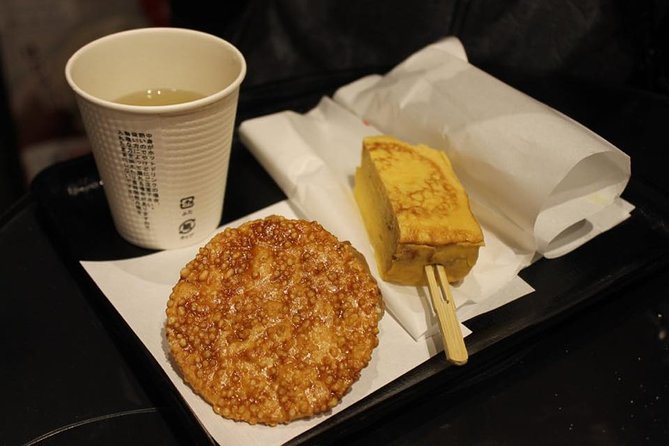
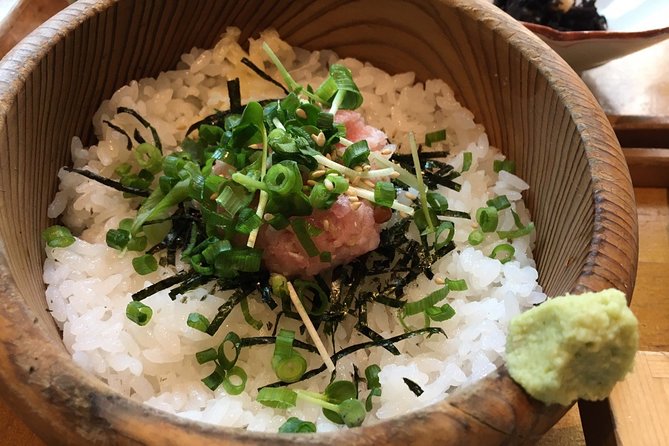
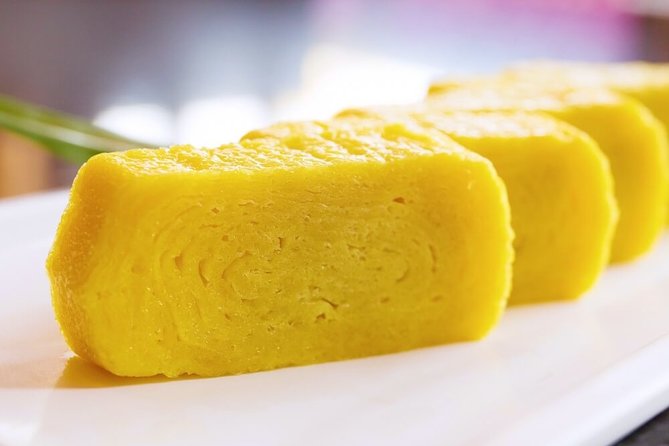
You’ll start in Nihonbashi and work your way through about nine stops, with seven food stops specifically designed for tastings. Along the way, you’ll sample things like wagashi desserts, satsuma imo (fried sweet potatoes), tsukemono (pickled vegetables), dashi (soup stock), tamagoyaki (Japanese egg roll/omelet), and region-specific snacks such as fish cakes from Kagoshima, plus eel sushi. You’ll also have green tea as part of the tastings.
Because the tour includes a local Japanese lunch, you get a payoff beyond snacks. It turns what you learned into something you can actually order later without freezing at the menu.
Readers also shortlisted these Tokyo bookings:
- Tokyo: Shinjuku Food Tour (13 Dishes at 4 Local Eateries)
★ 5.0 · 6,603 reviews - Tokyo Tsukiji Fish Market Food and Culture Walking Tour
★ 5.0 · 3,184 reviews - Tokyo: Shinjuku Food Tour (15 Dishes and 4 Eateries)
★ 4.9 · 2,033 reviews - Best of Shinjuku: Izakaya Food Tour (4 Stops, 14+ Tastings)
★ 5.0 · 1,863 reviews
Meeting in Nihonbashi and why the location matters
You’ll meet at Starbucks Coffee in the Nihonbashi Suruga Building area (Chuo City, Nihonbashimuromachi 1-chōme). Your listed start time shows 10:30am, and the tour info also notes meeting between Coredo Muromachi 1 and Coredo Muromachi 2 at 10am. The safe move: confirm your exact check-in time on your confirmation, then show up early enough to find your guide without stress.
Nihonbashi is a practical base for a walking food tour. It’s central, flat enough to handle at an easy pace, and packed with older retail streets plus modern indoor food areas. You get that contrast in one route: traditional shopfront energy, then shiny shopping complexes, then shrine stops that remind you food culture isn’t separate from daily life.
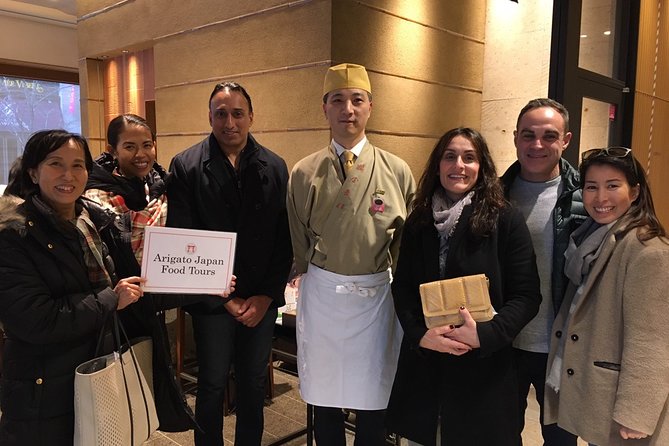
Also, the tour uses a mobile ticket, and it’s set up as a group walk with a local English-speaking guide. Maximum group size is 10 travelers, which is a big deal when you want to ask questions and not lose the line.
The nine-shop route: wagashi craft, tea stops, and “ingredient thinking”
The route is designed like a lesson you can eat. Each shop segment connects to a flavor idea: sweets craft, soup stock, pickling, regional specialties, and the way tea fits into meals.
Wagashi: learning the dessert language
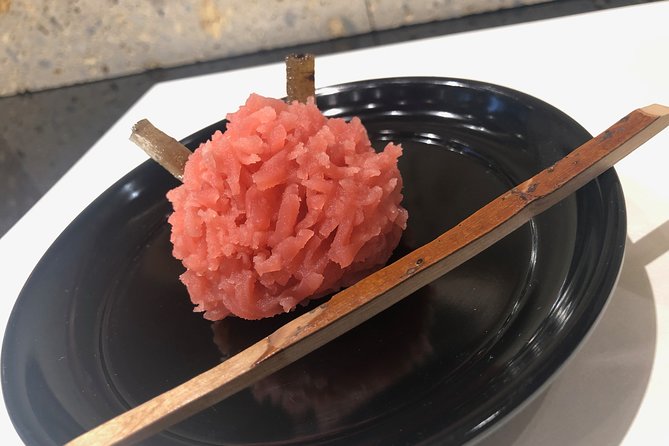
One highlight is the art of wagashi—Japanese sweets—and seeing how they’re made. Wagashi isn’t just “dessert.” It’s presentation, seasonal references, and a texture game (soft, chewy, or delicate). Even if you don’t know the terms, tasting while you’re learning helps you understand why wagashi shows up in tea culture and gift culture.
You’ll also end up tasting artistic wagashi desserts as part of the day, not just a sample cube. This is one of those experiences where seeing the craft makes later ordering much easier, because you start to recognize what you’re actually buying.
Dashi and building-block flavor
You’ll sample dashi, the soup stock that acts like a flavor backbone in a lot of Japanese cooking. This matters because once you’ve tasted it here, you’ll have an easier time later distinguishing between dishes that feel light and savory versus dishes that depend on heavy sauces.
You’ll also taste items that support dashi flavors—like pickles (tsukemono) and snack components that show how Japanese meals often balance raw crunch, savory depth, and a little sweetness.
Readers also shortlisted these Tokyo bookings:
- Tokyo: Tsukiji Fish Market Food and Walking tour★ 5.0 · 1,724 reviews
- Tokyo Night Foodie Tour in Shinjuku – Seasonal Sushi, Wagyu Beef★ 5.0 · 1,161 reviews
- Eat and Drink Like a Local: Tokyo Ueno Food Tour-Taverns&Ramen★ 5.0 · 957 reviews
- Tokyo: Shibuya Food Tour (13 dishes and 4 Eateries)★ 5.0 · 770 reviews
- Tokyo: Tsukiji Fish Market Food and Culture Walking Tour★ 4.7 · 757 reviews
Pickles and fried sweet potatoes: the quick hit lessons
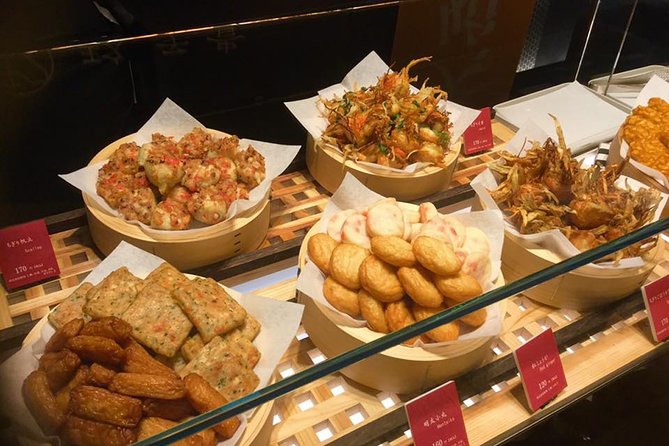
Expect classic tasting-friendly bites like tsukemono and satsuma imo (fried sweet potatoes). These are great because they’re not “mystery items.” They teach you the flavor patterns Japanese cooks build on: tang from pickling, crisp texture, and sweetness held in check.
Kagoshima fish cakes, eel sushi, and regional signatures
The tour also includes more specific regional notes. You’ll taste fish cakes from Kagoshima, and you’ll have eel sushi. These aren’t just random add-ons. They show how Japanese cuisine varies by region—even when the dish name sounds familiar.
Tea and green tea as part of the menu rhythm
Tea is worked into the tastings with green teas. Tea is a huge part of how many Japanese sweets and meals are served and enjoyed. By having it during the route, you’ll better understand how the day’s flavors transition—sweet to savory, warm to cool, and so on.
Shrine and landmark stops that help you “place” the food
You pass through several notable stops that give the route meaning beyond eating. That includes Suitengu Shrine, Fukutoku Shrine, and a visit around Nihonbashi Bridge. These breaks matter because they reset your pace. They also help you connect the food to the neighborhood, not just to shop counters.
Lunch at the end: Washoku sets with real choice
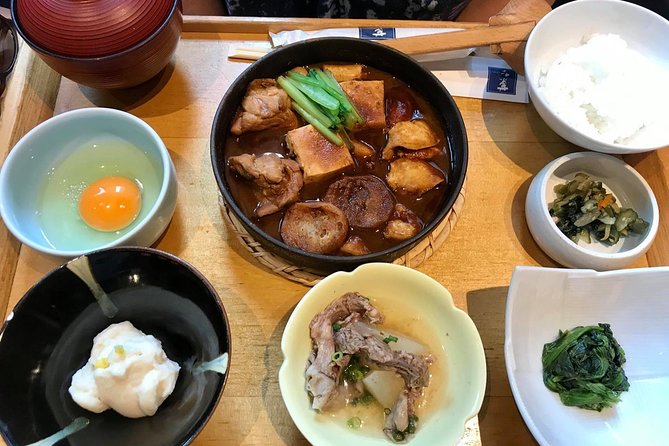
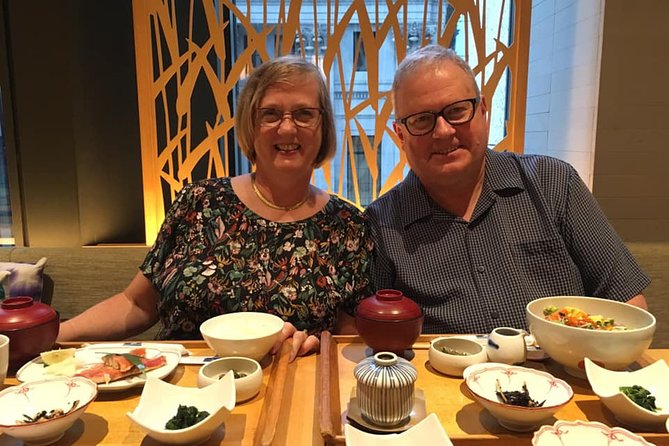
After the tastings, you’ll sit down for a Washoku lunch with your group and your guide. This is where the tour stops feeling like snack hopping and starts feeling like a meal you can recreate at home (or at least order confidently on a future trip).
Lunch choices are made when you book, and the tour lists several options, including:
- soba, tempura, and sashimi sets
- grilled fish, chicken, or sukiyaki
That mix is helpful. It shows different textures and sauces, and it gives you a sense of how Japanese meals can shift from lighter to fuller without changing the “style” of the meal.
One practical tip: since you’ve already tasted dashi, pickles, wagashi, and snacks, go easy on the heaviest option if you know you’re sensitive to rich sauces. But if you want the classic Japan payoff, sukiyaki and grilled fish are often the kind of meal that makes the walking portion feel worth it.
Depachika time: turning lunch momentum into snack strategy
After lunch, you continue into Depachika, the underground department-store food floors. This is where you can turn what you learned into purchases or take-home treats.
Your guide will point you in the right direction for after-lunch snacks. Then you’re free to explore on your own. This “guided then free” structure is smart. You get enough orientation to not wander blindly, and you still get control over what looks good.
Practical move: prioritize items that match what you’ve tasted on the tour—things like wagashi styles, tea-related sweets, and regional snacks. That’s the fastest way to reinforce what you learned.
Price and value: is $209 for 3 hours a good deal?
At $209 per person, this isn’t a bargain basement tour. But it has several value drivers that justify the spend if you like food details and a guided structure.
Here’s what you’re paying for, in plain terms:
- 7 food stops with tastings (not just one sample each)
- a local Japanese lunch with multiple set choices
- a local English-speaking guide to explain what you’re eating
- a route that mixes neighborhood landmarks and food markets, ending with Depachika guidance
- a small group size (maximum 10), which keeps the experience from feeling rushed and crowded
It’s also scheduled for good timing: it runs about 3 hours, so it fits easily into a day of sightseeing. And if you book early—this tour is typically booked around 29 days in advance—you’re more likely to get a date that works with your plan.
One consideration: it includes one drink, but additional drinks or food aren’t included. If you’re the type who wants bottled drinks constantly, budget a little extra.
Who should book this Tokyo food tour (and who might skip it)
I think this tour is a strong fit if:
- you want Japanese food explained through tasting, especially wagashi and dashi
- you want a lunch meal with choice, not just scattered snacks
- you’re curious about regional foods (Kagoshima fish cakes, eel sushi, pickles, and more)
- you like small groups and walking at a manageable pace
It might be less ideal if:
- you dislike walking in cities or prefer very long food breaks
- you need highly specific dietary controls beyond what the tour lists (it is listed as vegetarian/vegan/pescetarian friendly, but the data doesn’t spell out details for every tasting item)
- you want an “eat nonstop” day—this is intense, but still 3 hours
It’s also family-friendly. Kids must be accompanied by an adult, and there’s a note about passport information: a copy is required for kids 10 and above. If you’re bringing kids, it’s worth thinking about snack pacing before you go.
Short, practical guidance so you get the most from it
- Wear comfortable shoes. This is a walking tour with multiple stops.
- Eat lightly beforehand. You’ll get enough tastings plus lunch, and the portions can add up fast.
- Be ready to ask questions. The guide is there for the food explanations and practical menu understanding.
- If weather is rough, double-check your day’s plan. The tour notes it’s good for rainy days, but it also states the experience requires good weather and may be rescheduled if conditions are poor.
Should you book Flavors of Japan in Tokyo?
If you want a guided Tokyo food experience that makes Japanese menus feel more readable and your tastes more confident, I’d book it. The combination of wagashi craft, foundational flavors like dashi, and a real Washoku lunch with choices is exactly the kind of structured learning that sticks after the trip.
I’d skip it only if you’re already fully comfortable navigating menus and you’re looking for a longer, unstructured food crawl. This tour is best for smart, focused eating—great for first-time visitors to Tokyo food culture, and also solid for returning travelers who want better context for what they order next.
FAQ
How long is the Flavors of Japan Food Tour in Tokyo?
It’s listed as about 3 hours.
Where does the tour meet?
The meeting point is Starbucks Coffee – Nihonbashi Suruga Building in Tokyo (Chuo City, Nihonbashimuromachi 1-chōme). You’ll end in the Nihonbashi area.
What’s included in the price?
Included: one drink, regional food tastings at 7 food stops, a local guide, and a local Japanese lunch.
What lunch options are available?
Lunch choice is made upon booking, with options listed as soba/tempura/sashimi sets, grilled fish, chicken, or sukiyaki.
Is the tour suitable for vegetarians or vegans?
The tour is listed as pescetarian, vegan, and vegetarian friendly, and it notes lunch choices are available upon booking.
Is there an age requirement for the included drink?
The tour lists a minimum drinking age of 21 years.
More Food & Drink in Tokyo
- Tokyo: Shinjuku Food Tour (13 Dishes at 4 Local Eateries)
★ 5.0 · 6,603 reviews - Tokyo Tsukiji Fish Market Food and Culture Walking Tour
★ 5.0 · 3,184 reviews - Tokyo: Shinjuku Food Tour (15 Dishes and 4 Eateries)
★ 4.9 · 2,033 reviews - Best of Shinjuku: Izakaya Food Tour (4 Stops, 14+ Tastings)
★ 5.0 · 1,863 reviews - Tokyo: Tsukiji Fish Market Food and Walking tour
★ 5.0 · 1,724 reviews
More Tours in Tokyo
- Mt Fuji and Hakone 1-Day Bus Tour Return by Bullet Train
★ 5.0 · 26,383 reviews - 1-Day Tokyo Bus Tour
★ 5.0 · 14,250 reviews - Tokyo: Shinjuku Food Tour (13 Dishes at 4 Local Eateries)
★ 5.0 · 6,603 reviews - Tokyo Mt Fuji 5th St & Hakone Cruise Bus Tour w/Bullet Train
★ 4.4 · 5,024 reviews - Flagship 2-Hours Official Street Go-Kart Tour – Tokyo Bay Shop
★ 5.0 · 4,974 reviews
More Tour Reviews in Tokyo
- Mt Fuji and Hakone 1-Day Bus Tour Return by Bullet Train
★ 5.0 · 26,383 reviews - 1-Day Tokyo Bus Tour
★ 5.0 · 14,250 reviews - Tokyo: teamLab Planets TOKYO Digital Art Museum Entry Ticket
★ 4.6 · 9,779 reviews - Mt Fuji & Hakone Cruise, Drum Show Bullet Train 1 Day from Tokyo
★ 4.0 · 7,413 reviews - Tokyo: Shinjuku Food Tour (13 Dishes at 4 Local Eateries)
★ 5.0 · 6,603 reviews
Latest Tokyo reviews off our desk






Food & Drink, compared.
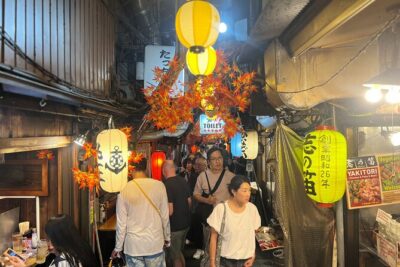 ★ 5.0Shinjuku Food Tour (13 Dishes at 4 Local Eateries)From $866,603 reviews
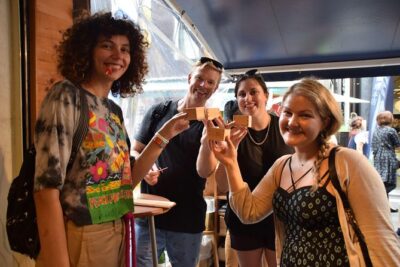 ★ 5.0Tokyo Tsukiji Fish Market Food and Culture Walking TourFrom $993,184 reviews
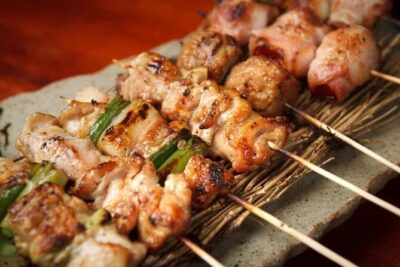 ★ 4.9Shinjuku Food Tour (15 Dishes and 4 Eateries)From $852,033 reviews
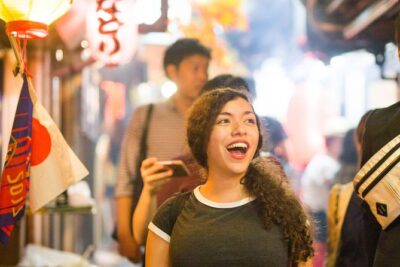 ★ 5.0Best of Shinjuku: Izakaya Food Tour (4 Stops, 14+ Tastings)From $921,863 reviews
 ★ 5.0Tsukiji Fish Market Food and Walking tourFrom $301,724 reviews
 ★ 5.0Eat and Drink Like a Local: Tokyo Ueno Food Tour-Taverns&RamenFrom $95957 reviews
 ★ 5.0Shibuya Food Tour (13 dishes and 4 Eateries)From $77770 reviews
★ 4.7Tsukiji Fish Market Food and Culture Walking TourFrom $96757 reviews
★ 5.0Shibuya Food Tour (13 dishes and 4 Eateries)From $77770 reviews
★ 4.7Tsukiji Fish Market Food and Culture Walking TourFrom $96757 reviews
Browse the lists this tour appears in