
Reviewed · FOOD & DRINK
Flavours of Tokyo: A Journey Through Time – Small Group Food Tour
Tokyo tastes like a timeline. In 5.5 hours, you move from old-school ingredients to commuter snacks and then on to Akihabara desserts. This small-group food tour (max 9) strings together three districts so you can understand how Tokyo’s food changes with the city itself.
I especially like the way the tour explains everyday basics you’ll actually use later, like how dashi is built from kelp and bonito, and what those flavors mean in Edo-era and modern cooking. I also like the variety of stops, from shrine-side cleansing to rail-area “small bars” culture, ending with future-leaning treats.
One thing to plan for: it’s a lot of walking. You should expect about 4 miles / 6.5 km, plus stair climbing at subway stations, and you’ll cover the cost of two short subway rides yourself.
In This Review
- Key highlights worth clocking
- How this Tokyo food tour tells a city story
- Price and what you get for $176
- The 5.5-hour route: Nihonbashi to Ginza/Yurakucho to Akihabara
- Stop by stop: what happens and what to pay attention to
- Stop 1: Nihonbashi and the ingredients behind Japanese food
- Stop 2: Fukutoku Shrine—how shrine life differs from temple life
- Stops 3–4: Ginza and Yurakucho—postwar industry and the world under the rails
- Stop 5: Tokyo International Forum—strolling from tracks to station
- Stops 6–8: Kitte Marunouchi and Tokyo Station commuter classics
- Included lunch: more than just a snack break
- Stop 9: Akihabara—future food mood meets sweets
- The tastings list: what’s actually included
- Guides make it: what I think the best part is
- Who should book this tour (and who might want a different one)
- Should you book Flavours of Tokyo: A Journey Through Time?
- FAQ
- What’s the duration of the Flavours of Tokyo small-group food tour?
- How many people are in the group?
- What time does the tour start, and where does it meet?
- Is transport included in the price?
- What food and drinks are included?
- Is the tour suitable for people with limited mobility?
Key highlights worth clocking
- Small group size (max 9) makes the food and history feel personal, not like you’re in a crowd
- 14 tastings plus a proper lunch stop—enough to skip dinner for many people
- Three Tokyo districts that show the past, postwar work culture, and modern “future” food mood
- Dashi-led learning: kombu and katsuobushi aren’t just named, they’re tied to what you’re eating
- Akihabara dessert twist that mixes traditional sweets ideas with the area’s playful tech culture
How this Tokyo food tour tells a city story
This isn’t one of those food tours that only says, Try this, move on. The whole idea is to treat Tokyo’s food like a timeline you can taste. You start where ingredients and technique matter most, then shift into areas shaped by industry and office-life, and finish in Akihabara where food turns playful and concept-driven.
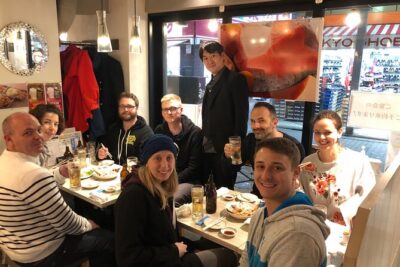
The format helps. A maximum of 9 people means you can ask questions, compare notes with your group, and get clearer explanations at each stop. And because the tour spans multiple neighborhoods, you’re not just eating—you’re also building a map in your head for where different Tokyo “food personalities” live.
Readers also shortlisted these Tokyo bookings:
- Tokyo: Shinjuku Food Tour (13 Dishes at 4 Local Eateries)
★ 5.0 · 6,603 reviews - Tokyo Tsukiji Fish Market Food and Culture Walking Tour
★ 5.0 · 3,184 reviews - Tokyo: Shinjuku Food Tour (15 Dishes and 4 Eateries)
★ 4.9 · 2,033 reviews - Best of Shinjuku: Izakaya Food Tour (4 Stops, 14+ Tastings)
★ 5.0 · 1,863 reviews
Price and what you get for $176
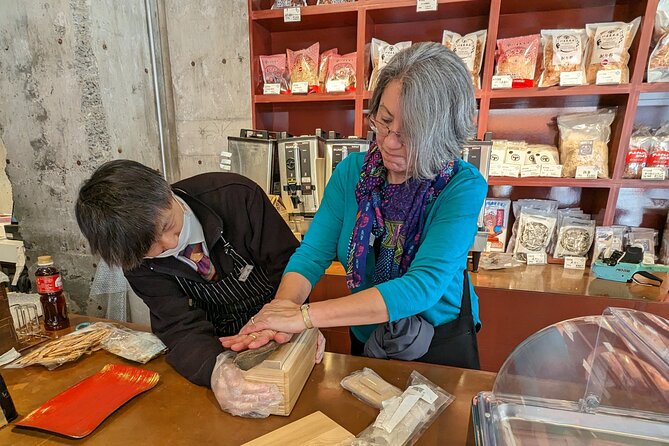
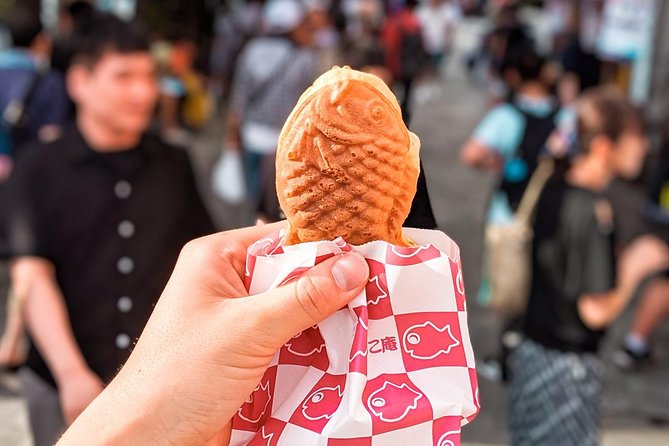
At $176 per person, the value mainly comes from the amount of food and the fact that lunch is included—not just small samples. You’ll see a mix of snacks and tastings such as dashi-based items, satsuma-age, amazake, imo kenpi, and sweets like daifuku or dorayaki, plus dessert options including Pokemon taiyaki and matcha bubble tea or ice cream. There’s also an included Lemon Sour option for those who want the alcohol.
Two practical notes affect value in the real world:
- You’ll need to budget for two short subway rides (transport is not included).
- Some items are designed as taste portions rather than huge plates all the time, so if you arrive starving, have patience for the pacing and the lunch stops.
If you want food plus context—why a dish exists, where the flavors come from, and how Tokyo lifestyles shaped what’s on the menu—this price starts to look more fair.
The 5.5-hour route: Nihonbashi to Ginza/Yurakucho to Akihabara
The tour runs about 5 hours 30 minutes, starting at 11:30 am at Nihonbashi 1-chome Mitsui Building, then ending at Akihabara Station (1-chome Sotokanda). You’ll walk roughly 6.5 km total and you’ll do a couple of subway segments, meaning you’re mixing street-level Tokyo with quick transit hops.
You’ll also hit food moments that don’t feel like typical tourist stops: commuter-style bites at Tokyo Station, shrine culture, and rail-area eating spots tied to postwar office life.
Stop by stop: what happens and what to pay attention to
Stop 1: Nihonbashi and the ingredients behind Japanese food
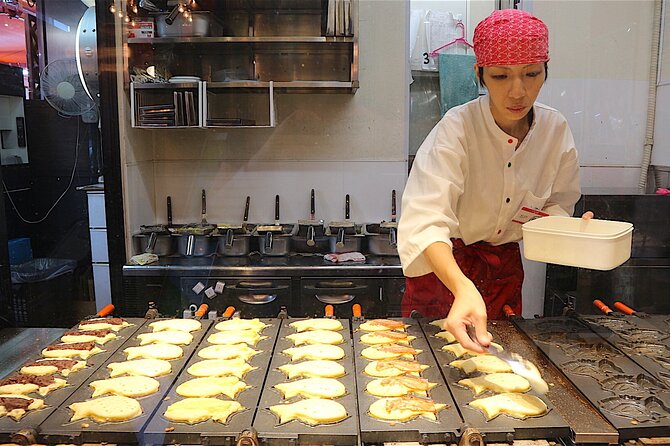
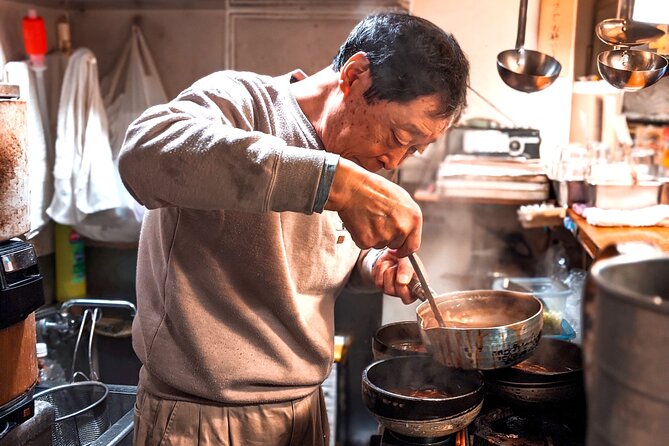
You begin in Nihonbashi, a place that works well as a “start line” for understanding Tokyo cooking. This first stretch focuses on foundational flavors—especially dashi, the stock built from kombu (kelp) and katsuobushi (bonito flakes). The idea is simple: once you understand dashi, many dishes stop feeling mysterious.
What I’d watch for here is how the tour frames technique as culture. Dashi isn’t just a flavor. It’s a shortcut to appreciating how Japanese cooking balances umami, lightness, and restraint.
Potential drawback: since this is an ingredients-and-history start, it’s not the most “fun” stop if you only want lots of snacks right away. But it makes the rest of your tastings easier to understand.
Readers also shortlisted these Tokyo bookings:
- Tokyo: Tsukiji Fish Market Food and Walking tour★ 5.0 · 1,724 reviews
- Tokyo Night Foodie Tour in Shinjuku – Seasonal Sushi, Wagyu Beef★ 5.0 · 1,161 reviews
- Eat and Drink Like a Local: Tokyo Ueno Food Tour-Taverns&Ramen★ 5.0 · 957 reviews
- Tokyo: Shibuya Food Tour (13 dishes and 4 Eateries)★ 5.0 · 770 reviews
- Tokyo: Tsukiji Fish Market Food and Culture Walking Tour★ 4.7 · 757 reviews
Stop 2: Fukutoku Shrine—how shrine life differs from temple life

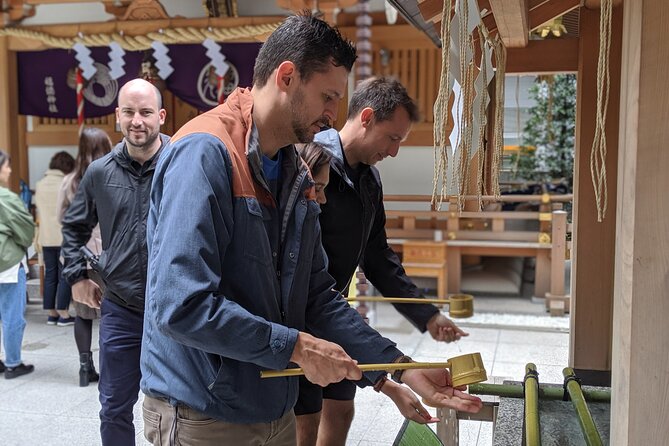
Next comes Fukutoku Shrine, with a quick lesson on the difference between shrines and temples, plus how people cleanse their spirit and pray at a shrine.
This stop matters for food lovers more than you might expect. Japanese eating culture isn’t separate from daily life and belief. Even if you’re not religious, you’ll pick up context for why ritual, cleanliness, and respect are repeated themes around daily spaces.
Stops 3–4: Ginza and Yurakucho—postwar industry and the world under the rails
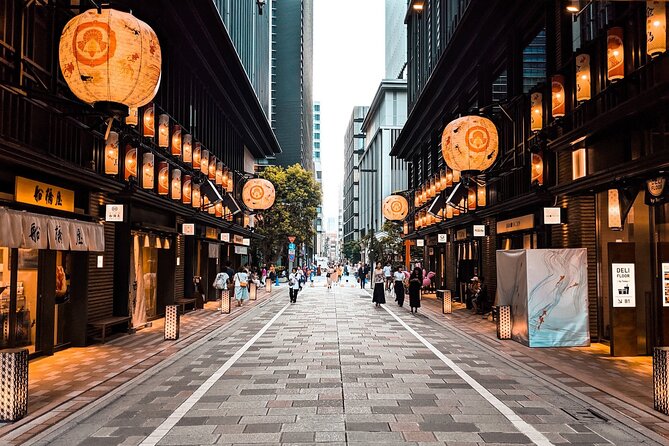
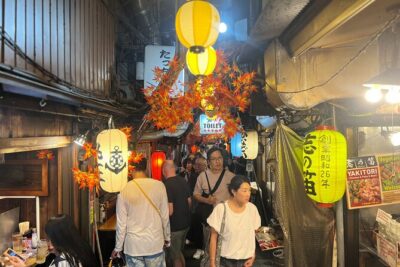
From there, you move into the Ginza / Yurakucho area. The tour’s framing here is postwar industrialization and the rise of salarymen. With office jobs came eating habits that fit around work schedules, and that’s where you hear about gado shita—small bars and restaurants built under railway structures.
This is a great zone for people who like food that feels practical. You’re learning how a city’s job structure shapes where people eat, what they can afford, and how they fit meals between commutes.
What to expect: this segment doesn’t just point out “interesting architecture.” It connects the neighborhood’s physical layout to why certain food styles exist.
Stop 5: Tokyo International Forum—strolling from tracks to station
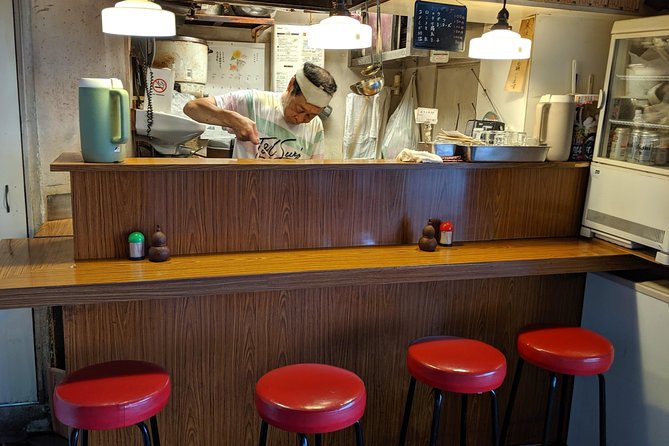
You walk from the rail area toward Tokyo Station, with a stop near the Tokyo International Forum building.
This is one of those in-between moments that helps you transition. You’re seeing how modern Tokyo planners built major spaces near older transit logic, and it sets up what’s next: commuter food.
Stops 6–8: Kitte Marunouchi and Tokyo Station commuter classics
You’ll pass through Kitte Marunouchi, then land at Tokyo Station where you try classic commute-friendly treats.
Here’s what you can expect to taste:
- Tamagoyaki (Japanese omelette)
- Fruits Sando (Japanese milk bread sandwich with fresh fruit and whipped cream)
The value of these stops is that they’re not random sweets. Tokyo Station is the city’s timing machine—food here is made for people with limited time and tight schedules. You get a snapshot of modern Tokyo “snack logic,” where portion size, portability, and comfort matter as much as flavor.
If you’re thinking about what to eat on your own later, these are useful reference points. Once you’ve tried them on the tour, you’ll know what to look for in convenience-store and station-food versions.
Included lunch: more than just a snack break
During the middle of the tour, lunch is included. The lunch options listed are:
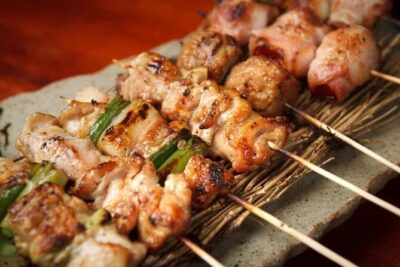
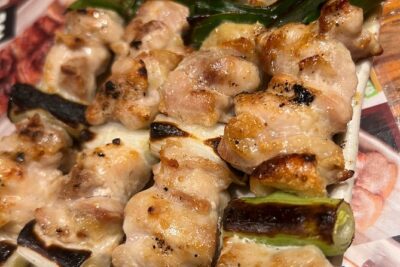
- Yakitori
- Tempura soba
This is one of the tour’s best value moments. It shifts the day from tasting-only to real meal territory. For anyone who worries they’ll leave hungry, this matters a lot.
One practical tip: if you get a lunch portion that feels like a lot, don’t force more bites later. The tour includes many smaller tastings after lunch, and you’ll likely want space for sweets.
Stop 9: Akihabara—future food mood meets sweets
The last stop is Akihabara, famous for electronics, maid cafes, and anime culture. Here, the tour turns toward what you might call concept-driven eating—especially desserts that combine traditional Japanese sweets ideas with a more playful, modern presentation.
You’ll try sweets such as:
- Pokemon taiyaki
- Daifuku or dorayaki
- Matcha bubble tea or ice cream
- Plus other dessert-style snacks tied to the route’s theme (like candied or sweet potato-style items mentioned in the included list)
This ending works because it’s a contrast with the opening. You start with ingredient foundations like dashi; you finish with food as pop culture. It’s the same country and same food traditions—but the packaging and motivation have shifted.
The tastings list: what’s actually included
Food is the center of this experience, so it helps to know what you’re really getting. Included snacks and tastings include items tied to core flavors and techniques, such as:
- Dashi, plus katsuobushi and kombu elements
- Satsuma-age
- Amazake
- Imo kenpi (candied sweet potato snack)
- Daifuku or dorayaki
- Pokemon taiyaki
- Matcha bubble tea or ice cream
Lunch is included (yakitori and tempura soba), and you also get:
- Tamagoyaki
- Fruits sando
- An alcoholic option: Lemon Sour
If you’re someone who hates wasting time hunting for snack menus, this list is the selling point. You’re fed, taught, and guided to places that would be hard to assemble on your own in one clean route.
Guides make it: what I think the best part is
The strongest theme in the guide feedback is that the storytelling lands. Guides named Yasu, Keiko, Miko, and Paiva show up repeatedly, and the pattern is similar: they explain not only what you’re eating, but how Tokyo changed over time, and they keep the group moving at a pace that feels manageable.
You’ll also benefit if you like questions. A small-group setup means you can ask stuff like:
- Why dashi works across so many dishes
- Why certain postwar food habits fit under railways
- How the station-food style became a normal part of Tokyo life
One more practical detail: the tour also tries to solve little friction points. In real Tokyo, people forget transit cards, miss exits, or get turned around. When the guide can help you get back on track fast, the whole experience feels smoother.
Who should book this tour (and who might want a different one)
This tour is a great fit if you:
- Want a Tokyo food tour that includes history and neighborhood context
- Like walking and don’t mind stairs at subway stations
- Appreciate tasting many small items instead of eating one big, heavy meal all day
- Want variety across traditional flavors and modern concept sweets
It may be less ideal if you:
- Have trouble with 6.5 km of walking and frequent stairs
- Prefer strictly food-forward tours with larger portions at each stop
- Hate commuter-styled bites and light tastings and only want full plates
If you’re a power eater and you fear leaving hungry, show up with a realistic expectation: the lunch plus the included snacks should cover you, but the day is designed around tasting and learning, not a sequence of giant plates.
Should you book Flavours of Tokyo: A Journey Through Time?
I’d book it if you want Tokyo to make sense through food. The route connects Nihonbashi ingredients, postwar work-area eating logic, and Akihabara’s future dessert vibe in one smooth arc. The included list is strong, and the small-group size is a real advantage for asking questions and keeping the experience personal.
I’d think twice if you’re very mobility-limited or if your top priority is maximizing calories over learning and neighborhood context.
My “book it” checklist:
- Bring comfortable shoes.
- Plan to walk about 4 miles and handle station stairs.
- Eat a reasonable breakfast or you’ll feel the pacing more than you need to.
- Be open to an ending in Akihabara where sweets are part food, part pop culture.
If that sounds like your kind of Tokyo day, this tour delivers a lot for your money.
FAQ
What’s the duration of the Flavours of Tokyo small-group food tour?
The tour lasts about 5 hours 30 minutes.
How many people are in the group?
It’s a small group with a maximum of 9 travelers.
What time does the tour start, and where does it meet?
It starts at 11:30 am at Nihonbashi 1-chome Mitsui Building (1-chōme-4-1 Nihonbashi). It ends at Akihabara Station (1 Chome Sotokanda).
Is transport included in the price?
No. You’ll pay for transport yourself for two short subway rides.
What food and drinks are included?
You’ll get snacks and tastings including dashi-related items, satsuma-age, amazake, imo kenpi, sweets like daifuku or dorayaki, Pokemon taiyaki, and matcha bubble tea or ice cream. Lunch is included, plus tamagoyaki and fruits sando. A Lemon Sour is included as an alcoholic option.
Is the tour suitable for people with limited mobility?
The tour requires moderate physical fitness. You should expect about 6.5 km of walking and up-and-down stair walking at subway stations. If that doesn’t work for you, the small-group tour may not be suitable.
More Food & Drink in Tokyo
- Tokyo: Shinjuku Food Tour (13 Dishes at 4 Local Eateries)
★ 5.0 · 6,603 reviews - Tokyo Tsukiji Fish Market Food and Culture Walking Tour
★ 5.0 · 3,184 reviews - Tokyo: Shinjuku Food Tour (15 Dishes and 4 Eateries)
★ 4.9 · 2,033 reviews - Best of Shinjuku: Izakaya Food Tour (4 Stops, 14+ Tastings)
★ 5.0 · 1,863 reviews - Tokyo: Tsukiji Fish Market Food and Walking tour
★ 5.0 · 1,724 reviews
More Tours in Tokyo
- Mt Fuji and Hakone 1-Day Bus Tour Return by Bullet Train
★ 5.0 · 26,383 reviews - 1-Day Tokyo Bus Tour
★ 5.0 · 14,250 reviews - Tokyo: Shinjuku Food Tour (13 Dishes at 4 Local Eateries)
★ 5.0 · 6,603 reviews - Tokyo Mt Fuji 5th St & Hakone Cruise Bus Tour w/Bullet Train
★ 4.4 · 5,024 reviews - Flagship 2-Hours Official Street Go-Kart Tour – Tokyo Bay Shop
★ 5.0 · 4,974 reviews
More Tour Reviews in Tokyo
- Mt Fuji and Hakone 1-Day Bus Tour Return by Bullet Train
★ 5.0 · 26,383 reviews - 1-Day Tokyo Bus Tour
★ 5.0 · 14,250 reviews - Tokyo: teamLab Planets TOKYO Digital Art Museum Entry Ticket
★ 4.6 · 9,779 reviews - Mt Fuji & Hakone Cruise, Drum Show Bullet Train 1 Day from Tokyo
★ 4.0 · 7,413 reviews - Tokyo: Shinjuku Food Tour (13 Dishes at 4 Local Eateries)
★ 5.0 · 6,603 reviews
Latest Tokyo reviews off our desk






Food & Drink, compared.
 ★ 5.0Shinjuku Food Tour (13 Dishes at 4 Local Eateries)From $866,603 reviews
 ★ 5.0Tokyo Tsukiji Fish Market Food and Culture Walking TourFrom $993,184 reviews
 ★ 4.9Shinjuku Food Tour (15 Dishes and 4 Eateries)From $852,033 reviews
 ★ 5.0Best of Shinjuku: Izakaya Food Tour (4 Stops, 14+ Tastings)From $921,863 reviews
 ★ 5.0Tsukiji Fish Market Food and Walking tourFrom $301,724 reviews
 ★ 5.0Eat and Drink Like a Local: Tokyo Ueno Food Tour-Taverns&RamenFrom $95957 reviews
 ★ 5.0Shibuya Food Tour (13 dishes and 4 Eateries)From $77770 reviews
★ 4.7Tsukiji Fish Market Food and Culture Walking TourFrom $96757 reviews
★ 5.0Shibuya Food Tour (13 dishes and 4 Eateries)From $77770 reviews
★ 4.7Tsukiji Fish Market Food and Culture Walking TourFrom $96757 reviews
Browse the lists this tour appears in