
Reviewed · FULL-DAY
Full-Day Private Tour to Discover The Best of Tokyo
Tokyo has a lot to see in one day. This private route keeps you moving with pickup, air-conditioned comfort, and smart stops like Senso-ji, Tsukiji, Skytree, Akihabara, and Ginza. I like that you get a driver-guide who can explain what you’re looking at, and I like the mix of big-name sights plus everyday areas like Ameyoko and Ueno Park. One thing to keep in mind: the quality can hinge on the specific driver-guide and timing—when something runs late, the whole day feels tight.
You’ll also appreciate that the itinerary is built for real sightseeing, not just drop-offs. Expect roughly 10 hours of moving across the city with convenient transport, then time to actually look, shop a bit, and take photos. If you’re the type who hates wrestling with Tokyo trains, this is the stress-free way to get your bearings fast.
In This Review
- Key things I’d look for before you go
- How this private Tokyo route saves you real time
- Pickup, private comfort, and the driver-guide factor
- Asakusa’s Sensō-ji: the oldest-feeling start on the list
- Tokyo Skytree: the view stop, plus the ticket detail
- Tsukiji Fish Market: what you’ll actually be walking through
- Imperial Palace: a quieter pause in Chiyoda
- Akihabara’s tech-and-pop-culture energy
- Ginza: upscale shopping and the contrast with the morning
- Ameyoko street-market style near Ueno
- Ueno Park: cherry blossom season in one planned hour
- Timing, tickets, and avoiding the day-gets-rushed problem
- Price and value: what $425 for up to six really means
- Who this tour suits best (and who should think twice)
- Should you book this Best of Tokyo private day?
- FAQ
- Is this a private tour?
- How long is the tour?
- How many people can be in the group?
- Is hotel pickup included?
- Do I need tickets for each stop?
- Is there a mobile ticket?
- Is the tour suitable for most people?
- What happens if the weather is poor?
Key things I’d look for before you go
- Private transport up to six means you can travel comfortably and keep your day on track
- Hotel pickup saves time, especially if you’re not staying near major rail lines
- One guide for the group helps if someone needs slower pacing (a common theme in feedback)
- Ticket planning matters because Skytree (and Imperial Palace) are listed as not included
- A day that covers contrasting Tokyo: temples, markets, electronics, upscale shopping, and cherry-blossom season sights
How this private Tokyo route saves you real time
Tokyo can swallow an entire morning just getting from A to B. This tour is built to keep that from happening. Instead of piecing together trains and transfers all day, you ride in a spacious, air-conditioned vehicle and follow a planned loop.
That structure is the real value. It turns a messy “best of Tokyo” checklist into an actual day with momentum. You get to spend your energy on the sights instead of figuring out which train line will get you closest.
And because it’s private, you’re not trapped in other people’s pace. If your group has different interests—temples for one person, shopping for another—you’re more likely to get a day that feels balanced.
Readers also shortlisted these Tokyo bookings:
- Tokyo 6hr Private Tour with Government-Licensed Guide
★ 5.0 · 3,902 reviews - Private Tour to Mt. Fuji and Hakone (Fully Licenced Operator)
★ 5.0 · 1,910 reviews - Tokyo Customized Private Tour (Must See Places in 1 Day)
★ 5.0 · 1,499 reviews - Mount Fuji Full-Day Private Tour from Tokyo (Customizable)
★ 4.9 · 1,470 reviews
Pickup, private comfort, and the driver-guide factor
The tour includes pickup offered, and it’s designed around a private experience, meaning only your group participates. There’s also a mobile ticket, which keeps things simple once you’re ready to go.
The biggest difference-maker is the guide. In positive feedback, guides like Abdul and Shahzad (and a driver named Maz in one account) are singled out for being friendly, on time, and clear in English. That matters in Tokyo, where even a quick explanation can help you understand what you’re seeing—especially at places like an ancient temple or a royal residence area.
Still, I’d be practical about the one risk that shows up in negative feedback: if a driver is late, rushed, or doesn’t follow the plan carefully, your day can feel compressed. If you’re traveling with someone who gets tired easily (or you have a hard deadline later), I’d plan to be ready for an efficient schedule and ask your guide to confirm timing for each stop early on.
Asakusa’s Sensō-ji: the oldest-feeling start on the list
The day kicks off at Sensō-ji Temple in Asakusa. This is Tokyo’s oldest temple and one of its most significant. You’ll spend about an hour here, and admission is listed as free.
What I like about starting with Sensō-ji is that it gives you a grounded Tokyo moment right away. It’s an ancient Buddhist temple with ties to the Tendai sect of Buddhism, and it later became independent—details like that help you look at the site with more context instead of just taking photos and moving on.
One more practical thing: because the tour timing is planned around a one-hour block, it’s easier to decide what you want from this stop. You’re not stuck here all day, but you do get enough time to appreciate the temple setting and get comfortable with the neighborhood’s flow.
Tokyo Skytree: the view stop, plus the ticket detail
Next comes Tokyo Skytree, a broadcasting and observation tower in Sumida. You’ll have about an hour, and admission is not included in the tour price.
This is the one stop where I’d do a little extra thinking before you go. Since Skytree tickets aren’t included, plan on additional spending and time for entry. If you care a lot about the observatory experience, arriving ready to move through the process smoothly can make a difference.
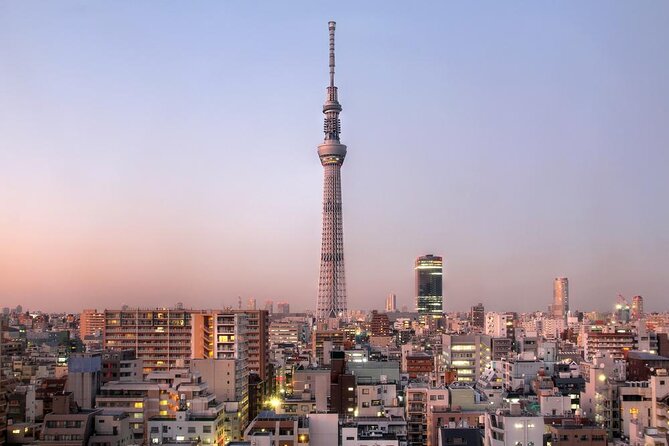
The upside is simple: Skytree is designed for skyline views and shopping in the tower area. That makes it a great pivot point after temple and market energy—your brain gets a clear “look down and orient yourself” moment before you head deeper into neighborhoods.
Tsukiji Fish Market: what you’ll actually be walking through
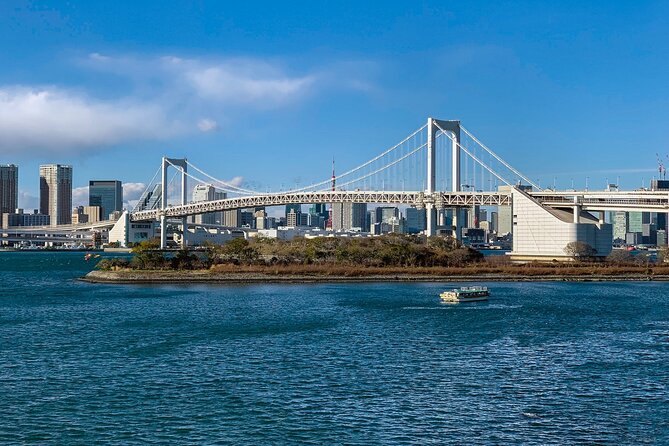
Then you’ll hit Tsukiji Fish Market, described as the oldest fish market of Japan. It’s established in 1935 and you’ll have about an hour. Admission here is listed as free.
Even if you’re not a seafood super-nerd, this stop is about seeing how Tokyo runs at the wholesale level. The market area covers traditional wholesale trading of seafood, vegetables, produce, and even housewares. It’s also known for a surrounding cluster of restaurants and retail markets, so you’re not just viewing—there’s a good chance to look around and decide what you want to snack on or browse.
A practical note: markets can be fast-moving and crowded. Having a private guide helps here because you’re not stuck wondering where to go next inside a maze.
Readers also shortlisted these Tokyo bookings:
- Mount Fuji Full-Day Private Tour from Tokyo (Customizable)★ 4.9 · 1,470 reviews
- From Tokyo: Mount Fuji Full Day Customizable Private Tour★ 4.9 · 912 reviews
- Tokyo Private Full-Day Tour by Car or Van★ 5.0 · 684 reviews
- From Tokyo: Must-Visit Mount Fuji Highlight Full-Day Tour★ 4.7 · 532 reviews
- Tokyo: Mount Fuji and Hakone Full Day Tour with Ramen Making★ 4.5 · 476 reviews
Imperial Palace: a quieter pause in Chiyoda
The itinerary includes the Imperial Palace, with about an hour on the grounds. Admission is listed as not included.
This stop is different by design. The Imperial Palace is the usual residence of the Emperor of Japan, set in a large, park-like area in the Chiyoda district (Chiyoda ward). It also includes several buildings, including the main palace.
Even with limited time, this kind of space matters in a Tokyo day that otherwise hits markets and shopping districts. It gives you a reset—less sensory overload, more open atmosphere. Since tickets aren’t included, I’d also budget for whatever entry requirements apply during your visit, so you’re not caught off guard at the gate.
Akihabara’s tech-and-pop-culture energy
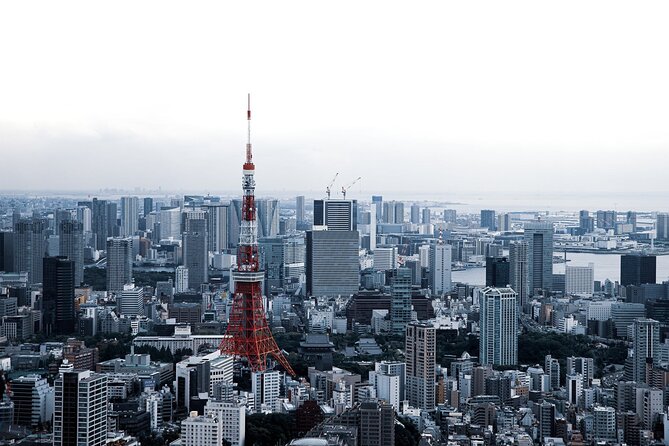
After the palace area, you go to Akihabara, the electronics shopping hub Tokyo is famous for. You’ll get about 45 minutes here, and admission is listed as free.
Akihabara is described as packed with electronics retailers ranging from tiny stalls to big department-store style shops like Yodobashi Multimedia Akiba. The area also specializes in manga, anime, and video game venues, which is a big reason the neighborhood has such a strong global draw.
In a short time window, I’d use the guide as your map. In places like this, you can burn 30 minutes just walking in circles. Having the stop built into the itinerary helps you avoid wasting your limited Akihabara time.
Ginza: upscale shopping and the contrast with the morning
Then it’s Ginza, a top shopping district with upmarket boutiques and ritzy cocktail and sushi bars. You’ll have about an hour, with admission listed as free.
Ginza is a strong contrast after Akihabara. It’s also tied to department-store culture, including the Wako Honkan store, where fine jewelry has been sold since the 1930s (as noted in the tour description). Even if you’re not buying anything, this is a good neighborhood to see how Tokyo’s luxury side works—street-level, not just from photos online.
If you like people-watching or want a less chaotic shopping vibe than some other areas, Ginza is a smart place to spend time.
Ameyoko street-market style near Ueno
Next is Ameyoko Shopping Street in Ueno. Expect about 45 minutes, and admission is listed as free.
Ameyoko is described as an open-air market with a big range of stores: fashion, cosmetics, medicines, and even fresh food. The tour description also highlights prices as very low, which is exactly why this area feels so different from Ginza.
This is the spot where I’d slow down slightly. You don’t need to buy much, but it’s a great place to compare everyday Tokyo pricing and shopping habits. And since your guide is with you, you’re more likely to know what’s worth a quick look versus what’s just noise.
Ueno Park: cherry blossom season in one planned hour
The last major stop is Ueno Park, with about an hour. Admission is listed as free.
This is a big spring destination. The park is known as one of Japan’s famous cherry blossom viewing sites, with about 1,200 cherry trees. Every spring, nearly 2 million people visit the park (as noted in the tour description).
Even if you’re not there in peak bloom, the logic of ending here still works. A park stop gives you space to breathe after shopping streets and market areas. It’s also an easy way to end the day with something scenic, instead of ending on a commercial note.
Timing, tickets, and avoiding the day-gets-rushed problem
A 10-hour private tour is a lot of movement, even with comfortable transport. The best way to protect your experience is to think ahead about two things: tickets and pacing.
Ticket planning: Skytree and Imperial Palace are listed as not included. That means you should expect extra time and costs there. Build your mindset around that being a key part of the day, not a quick stop.
Pacing: Positive feedback repeatedly praises guides who accommodate slower needs—one account mentions support for an aunt who gets tired easily. That tells me your guide can matter for real comfort, not just facts and directions. On the flip side, negative feedback includes examples of a driver skipping parts of the itinerary, rushing, and being late by more than an hour. If you’re sensitive to timing, I’d recommend confirming the plan early and stating any must-not-miss priorities right at the start.
A small, practical strategy: bring water and wear comfortable shoes. With this many districts packed into one day, your feet will be the first thing to complain.
Price and value: what $425 for up to six really means
This tour is $425 per group for up to six people. That pricing is how private tours often make sense in Tokyo: the cost is shared, and you’re paying to remove transport stress and navigation time.
Here’s the math that helps you decide. If you’re traveling as a couple, the cost per person is higher than a group trip. If you’re traveling as a small family or a group of friends, the price becomes more reasonable because you’re not paying per head for the vehicle.
Where the value shows up most is in time and coordination. You’re visiting multiple major areas—temples, a major market, Skytree, a palace area, plus shopping districts—without spending your day hunting transit. If you want a “see the big stuff” day and don’t want logistics to steal your vacation hours, this private setup can be a solid use of money.
Who this tour suits best (and who should think twice)
This tour is a good fit if you want a guided best-of Tokyo day with less effort. It’s especially helpful for:
- First-time Tokyo visitors who want structure and a fast orientation
- Small groups up to six who share decision-making and want a shared schedule
- Anyone who prefers clarity from a driver-guide over self-navigating with transit
Think twice if you’re the kind of traveler who wants to linger endlessly in one neighborhood. The day is tight by design. Also, because some tickets aren’t included (Skytree and Imperial Palace), plan for the extra step so you don’t end up losing time there.
Should you book this Best of Tokyo private day?
I’d book this private “best of Tokyo” day if your priority is a smooth, guided highlights tour without getting tangled in transport. The lineup hits real Tokyo variety—from Sensō-ji and Tsukiji to Akihabara, Ginza, Ameyoko, and Ueno Park—and the private format makes the day feel less stressful.
I’d be a bit cautious if your trip depends on strict timing later that day, or if you’re worried about getting rushed. The tour can work beautifully with guides who are punctual and flexible—names like Abdul, Shahzad, and Maz show up in positive feedback for a reason. But timing slips and skipped stops show up in negative feedback too, so take control early: tell your guide what matters most and confirm the order of your must-sees.
FAQ
Is this a private tour?
Yes. It’s a private experience, and only your group participates.
How long is the tour?
It runs for about 10 hours.
How many people can be in the group?
The price is per group up to six people.
Is hotel pickup included?
Pickup is offered.
Do I need tickets for each stop?
Admission is listed as free for Sensō-ji Temple and Tsukiji Fish Market, while Tokyo Skytree and the Imperial Palace are listed as not included.
Is there a mobile ticket?
Yes, the tour includes a mobile ticket.
Is the tour suitable for most people?
Most travelers can participate.
What happens if the weather is poor?
The experience requires good weather. If it’s canceled due to poor weather, you’ll be offered a different date or a full refund.
More Private in Tokyo
- Tokyo 6hr Private Tour with Government-Licensed Guide
★ 5.0 · 3,902 reviews - Private Tour to Mt. Fuji and Hakone (Fully Licenced Operator)
★ 5.0 · 1,910 reviews - Tokyo Customized Private Tour (Must See Places in 1 Day)
★ 5.0 · 1,499 reviews - Mount Fuji Full-Day Private Tour from Tokyo (Customizable)
★ 4.9 · 1,470 reviews - Tokyo: Private City Highlights Tour with Local Guide
★ 4.8 · 1,433 reviews
More Tours in Tokyo
- Mt Fuji and Hakone 1-Day Bus Tour Return by Bullet Train
★ 5.0 · 26,383 reviews - 1-Day Tokyo Bus Tour
★ 5.0 · 14,250 reviews - Tokyo: Shinjuku Food Tour (13 Dishes at 4 Local Eateries)
★ 5.0 · 6,603 reviews - Tokyo Mt Fuji 5th St & Hakone Cruise Bus Tour w/Bullet Train
★ 4.4 · 5,024 reviews - Flagship 2-Hours Official Street Go-Kart Tour – Tokyo Bay Shop
★ 5.0 · 4,974 reviews
More Tour Reviews in Tokyo
- Mt Fuji and Hakone 1-Day Bus Tour Return by Bullet Train
★ 5.0 · 26,383 reviews - 1-Day Tokyo Bus Tour
★ 5.0 · 14,250 reviews - Tokyo: teamLab Planets TOKYO Digital Art Museum Entry Ticket
★ 4.6 · 9,779 reviews - Mt Fuji & Hakone Cruise, Drum Show Bullet Train 1 Day from Tokyo
★ 4.0 · 7,413 reviews - Tokyo: Shinjuku Food Tour (13 Dishes at 4 Local Eateries)
★ 5.0 · 6,603 reviews
Latest Tokyo reviews off our desk






Full-Day, compared.
 ★ 4.5From Tokyo: Mount Fuji Full-Day Sightseeing TripFrom $684,970 reviews
 ★ 4.9Mount Fuji Full-Day Private Tour from Tokyo (Customizable)From $3931,470 reviews
 ★ 4.9From Tokyo: Mount Fuji Full Day Customizable Private TourFrom $407912 reviews
 ★ 5.0Tokyo Private Full-Day Tour by Car or VanFrom $321684 reviews
 ★ 4.7From Tokyo: Must-Visit Mount Fuji Highlight Full-Day TourFrom $69532 reviews
 ★ 4.5Mount Fuji and Hakone Full Day Tour with Ramen MakingFrom $94476 reviews
 ★ 4.5Mt. Fuji, Hakone Full-Day Private Tour with English Driver GuideFrom $495458 reviews
★ 4.8From Tokyo: Mount Fuji Full-Day Customizable Private TourFrom $483451 reviews
★ 4.5Mt. Fuji, Hakone Full-Day Private Tour with English Driver GuideFrom $495458 reviews
★ 4.8From Tokyo: Mount Fuji Full-Day Customizable Private TourFrom $483451 reviews