
Reviewed · SHINJUKU FOOD & BAR TOURS
Golden Gai Hidden Eats A Personalized Shinjuku Food Tour By Guide
Night eats are the best Tokyo orientation. This 4-hour Shinjuku experience mixes big neon sights with tightly chosen local bites, so you see places like Kabukicho and Golden Gai while you eat your way through the area. I especially like the way it uses the walk itself as the story, not just a straight line from restaurant to restaurant.
I also like the format: a max group size of 10, a master guide style of pacing, and multiple stops where you get soft drinks and water plus desserts along with the main meal counts. One consideration: alcohol is not included, and if you strongly prefer very detailed explanations for each dish, you may want to ask your guide to slow down and explain more as you go.
In This Review
- Key Points To Know Before You Go
- Walking Shinjuku With a Food Plan (Not Just Sights)
- Price and What You Actually Get for $195
- Starting at Shinjuku Station Without the Stress
- Kabukicho: Neon Chaos Plus a Hostess-Street Sense Check
- Godzilla Road & Head: The Photo Stop That Breaks Up the Walking
- Don Quijote Shinjuku: A Quick Reset for Snacks and Small Finds
- Shinjuku Golden Gai: Tiny Bars, Tight Limits, Big Atmosphere
- Hanazono Shrine: A Calm Pause Between Nightlife Streets
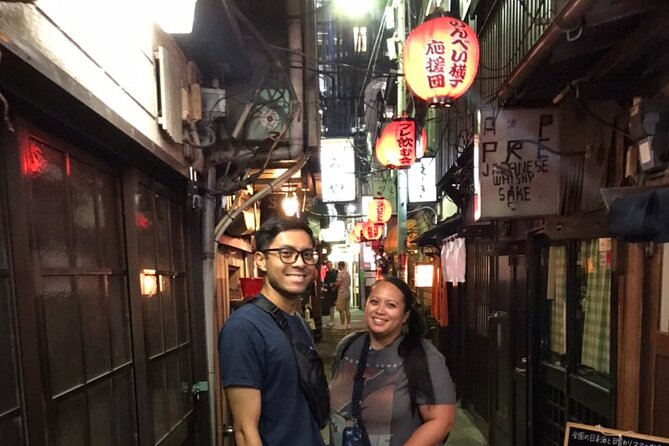
- Omoide Yokocho: Local-Style Eating Where Chefs Work Up Close
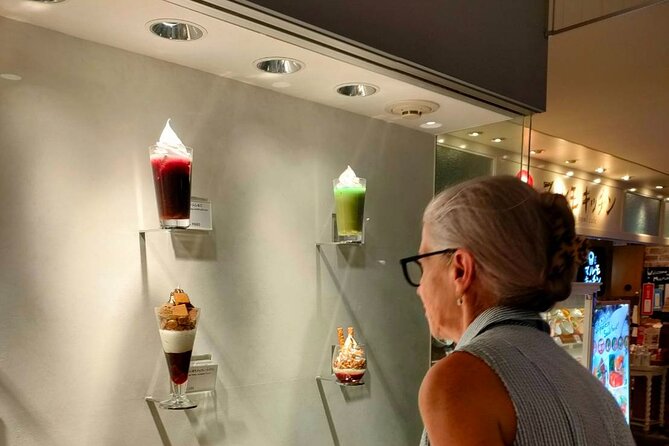
- The Food Plan: Sushi, Seafood, Wagyu, Desserts, and Drinks
- Guides, Explanations, and Getting the Most Out of the Tour
- Who This Tour Fits Best
- Should You Book This Shinjuku Food Tour?
- FAQ
- How long is the Shinjuku Golden Gai Hidden Eats food tour?
- What does the tour cost?
- What is included in the tour price?
- Are alcoholic drinks included?
- Where does the tour start and end?
- Is a hotel pickup included?
- Is there a dress code?
- What is the minimum age to join?
- What is the group size limit?
- Can I cancel for free?
Key Points To Know Before You Go
- Small group (max 10) makes it easier to move in the alleys without getting lost in the crowd
- Shinjuku nightlife landmarks on foot: Kabukicho, Godzilla Road & Head, and Don Quijote stop for fast orientation
- Food focus that’s more than one bite: 3 to 4 restaurant stops with sushi, seafood, and Japanese wagyu
- Golden Gai + Omoide Yokocho bring you into tiny lanes where locals eat and chefs work close by
- Mobile ticket + meeting at Shinjuku Station keeps the logistics straightforward for a 4-hour schedule
Walking Shinjuku With a Food Plan (Not Just Sights)
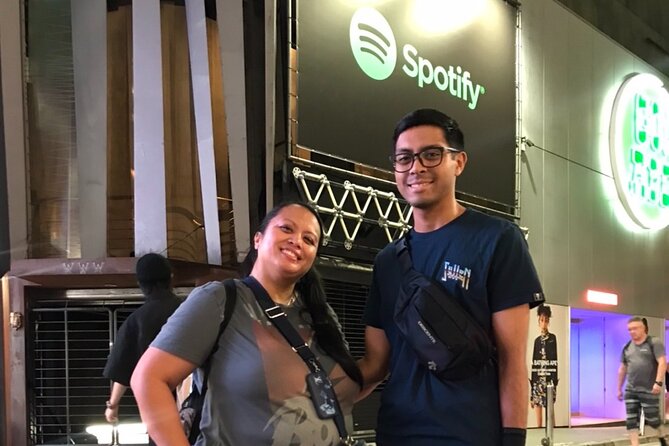
Shinjuku can feel like sensory overload in the first hour. Big signs, side streets, neon, and a constant buzz of people. What I like about this kind of tour is that it turns that chaos into something you can actually read. You’re not wandering randomly; you’re walking with a purpose, with food stops built in so you always have something to look forward to.
This experience is designed around the idea that Tokyo makes more sense when you eat while you explore. The guide brings you to the areas that define Shinjuku—loud entertainment streets, narrow back alleys, and even a shrine pause—then ties that setting to what you’re eating. It’s a smart way to get your bearings fast.
The other practical win: you’re not on a “sit in a bus for 10 minutes” schedule. You’re moving on foot for about four hours, which is long enough to feel like you explored the neighborhood but not so long that you’re exhausted before the best stops.
More Shinjuku plates and pours our readers rated
- Tokyo: Shinjuku Food Tour (13 Dishes at 4 Local Eateries)
★ 5.0 · 6,603 reviews - Tokyo Bar Hopping Tour in Shinjuku (All-You-Can-Drink + Dinner)
★ 5.0 · 3,587 reviews - Tokyo: Shinjuku Food Tour (15 Dishes and 4 Eateries)
★ 4.9 · 2,033 reviews - Best of Shinjuku: Izakaya Food Tour (4 Stops, 14+ Tastings)
★ 5.0 · 1,863 reviews
Price and What You Actually Get for $195
At $195 per person for roughly four hours, this isn’t a budget snack walk. But it’s also not overpriced for what’s included on paper.
Here’s the value logic that matters for you:
- You get multiple restaurant stops (3 to 4) instead of one meal.
- The food focus includes sushi, seafood, and Japanese wagyu as part of the all-you-can style promise.
- Soft drinks and water are included, and you also get local desserts.
- You get photos after the tour, which is helpful in Shinjuku because so many spots are tight and crowded.
What’s not included is also clear: alcoholic drinks are extra. And there’s no hotel pickup, so you’re doing a transit-to-meeting-point start from Shinjuku Station.
If you come hungry and you want guided choices, $195 can make sense. If you’re the type who only wants one or two small tastes, you might feel the cost more.
Starting at Shinjuku Station Without the Stress
The meeting point is at Shinjuku Station 3-chōme-38-1 (Shinjuku, Shinjuku City, Tokyo), and the tour ends back at the meeting point. That back-to-start format is good: it means you’re not trying to figure out your next train stop while your stomach is full.
The tour uses a mobile ticket, which is convenient if you’re tired of juggling papers during a day of sightseeing. It’s also set up for easy access by public transportation, so you’re not dependent on taxis.
Group size is capped at 10 travelers, which matters in Shinjuku. This area has narrow streets and packed sidewalks; a small group helps you actually keep moving at a comfortable pace.
One more practical note: the minimum age is 18. Children must be with an adult, but there’s no separate kid-friendly food setup listed—this one is geared toward adults who want nightlife-adjacent neighborhoods.
Kabukicho: Neon Chaos Plus a Hostess-Street Sense Check
Your first walking stop is Kabukichō District, Shinjuku’s famous entertainment zone. This is where you’ll see the “wow” version of Tokyo nightlife: heavy signage, dense foot traffic, and streets that feel different from other parts of the city.
The upside of going here early is simple. Kabukichō can be intimidating if you arrive late. If you’ve got a guide and a schedule, you can stand in the right spots for photos without wandering in circles.
This part of the walk is also useful if you’re new to Japan. You get a quick read on how crowds move, how storefronts work, and where the footpaths compress—information that helps later when you go into tighter alleys like Golden Gai.
The one drawback: Kabukichō is busy. If you hate crowds or you’re sensitive to loud nightlife areas, you’ll want to manage expectations and keep your pace steady.
Godzilla Road & Head: The Photo Stop That Breaks Up the Walking
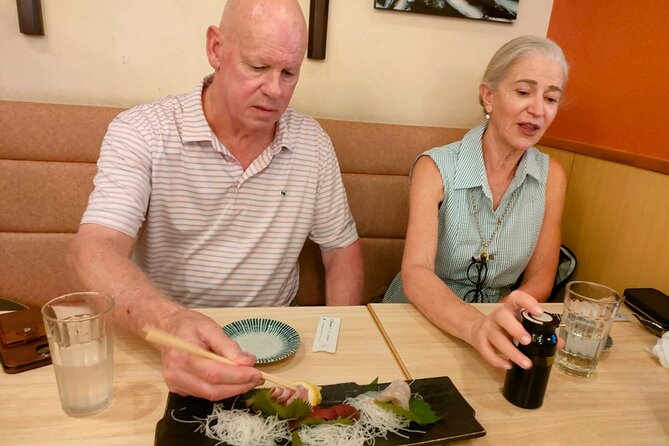
Next you’ll hit Godzilla Road & Head for photos. This is one of those practical stops that breaks up a tour rhythm. After walking through dense entertainment streets, this kind of landmark gives you a clear “check-in” moment.
It’s also the right kind of stop for Tokyo. There are famous icons everywhere, but this one is easy to find and easy to frame with the surrounding streets. You’ll likely want the photos anyway, since later stops like Golden Gai and Omoide Yokocho are made up of alleys and small entries where good photos can be harder without help.
This stop is scheduled for about 45 minutes, which gives you time for pictures and for the group to regroup.
Readers also shortlisted these Tokyo bookings:
- Tokyo: Shinjuku Food Tour (13 Dishes at 4 Local Eateries)★ 5.0 · 6,603 reviews
- Tokyo Tsukiji Fish Market Food and Culture Walking Tour★ 5.0 · 3,184 reviews
- Tokyo: Shinjuku Food Tour (15 Dishes and 4 Eateries)★ 4.9 · 2,033 reviews
- Best of Shinjuku: Izakaya Food Tour (4 Stops, 14+ Tastings)★ 5.0 · 1,863 reviews
- Tokyo: Tsukiji Fish Market Food and Walking tour★ 5.0 · 1,724 reviews
Don Quijote Shinjuku: A Quick Reset for Snacks and Small Finds
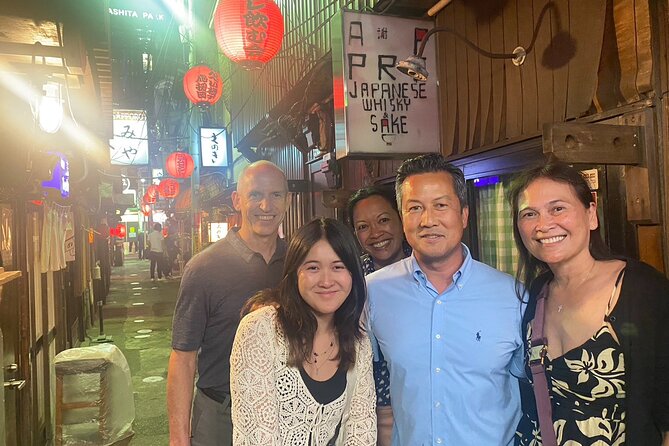
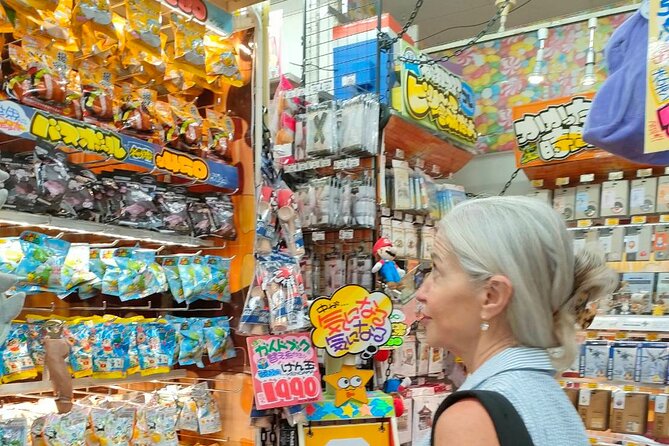
Then there’s a stop at Don Quijote Shinjuku—a giant convenience-and-everything store. The timing here is about resetting your energy. A walking tour can wear you down. A short break in a place like this is smart because you can grab water, use facilities, and check out the quirky Japanese goods without derailing the tour.
This is a useful stop even if you don’t plan to buy anything. It helps you understand how locals shop casually during busy nights. You’ll see the variety of products and the way the store fits into daily life.
Plan this part like a breather, not a shopping expedition. The tour moves on, and you’ll want to keep your legs fresh for Golden Gai and Omoide Yokocho.
Shinjuku Golden Gai: Tiny Bars, Tight Limits, Big Atmosphere
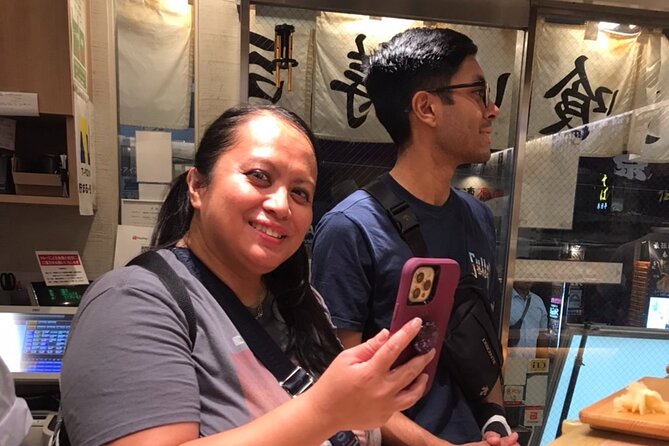
Shinjuku Golden Gai is the kind of place where the scale changes everything. It’s made up of very small bar spaces and narrow lanes, and the flow is controlled—meaning this area tends to feel special because it doesn’t operate like a giant venue.
The tour time here is about 30 minutes, which is just enough to get a real feel for the alley system without making it feel rushed. You’ll see old-style storefronts and bars that only take a very few people at a time, so the vibe stays personal rather than mass-market.
Why this stop matters for food-focused touring: Golden Gai is where you can understand the cultural setting of eating out in Tokyo. You’re not just trying a dish—you’re seeing the type of spaces where locals settle in for conversation and a few courses.
If you’re the type who loves architecture, alleyways, and street-level Tokyo details, you’ll enjoy this portion for the atmosphere alone, even before you start counting down to the meal stops.
Hanazono Shrine: A Calm Pause Between Nightlife Streets
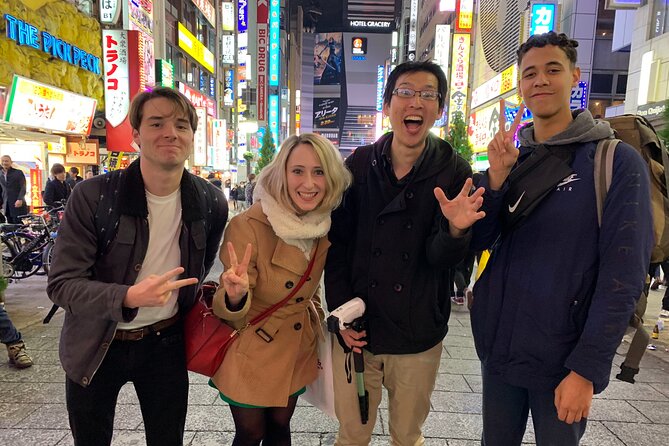
Then comes an unexpected change of pace: Hanazono Shrine. Shinjuku is known for high-rise buildings and nightlife, but this shrine sits right in the middle of it all. The tour frames it as an old Shinto shrine and notes that it’s said to date back to before the Edo Shogunate was established in 1603.
You’ll spend about 30 minutes here, and that’s a great length. Long enough to notice the quiet, short enough to keep the tour’s energy.
This isn’t just a photo stop. It’s a reset for your brain. After crowds and neon streets, a shrine gives you space to breathe and to slow down. That matters because the best “food tour” experiences aren’t just about eating—they’re about staying comfortable enough to enjoy the flavors.
If you’re curious about Japanese seasonal festivals, the tour also mentions that Hanazono Shrine holds them throughout the year, so you’ll at least get a sense that this is a living place, not a decorative spot.
Omoide Yokocho: Local-Style Eating Where Chefs Work Up Close
Finally, you reach Omoide Yokocho, one of Shinjuku’s classic alley food areas. This is where the tour’s food promise starts to feel very real. Omoide Yokocho is known for little bars where chefs prepare food for you and you may even get Japanese jokes along the way.
The tour allots about 30 minutes here, which is short but meaningful because Omoide Yokocho is more about the experience than lingering. You get the vibe, you eat, you move on.
This area tends to pair well with the tour’s broader meal theme: sushi and seafood, and the mention of Japanese wagyu. Even if you don’t remember every ingredient, you’ll remember the atmosphere—close quarters, quick cooking, and that local energy that makes you feel like you’re in the right place at the right time.
One practical tip for Omoide Yokocho style spots: keep your hands free and your plans simple. You’ll be eating, standing, and moving slightly between bites.
The Food Plan: Sushi, Seafood, Wagyu, Desserts, and Drinks
The central promise is clear: you’ll eat at 3 to 4 restaurants selected by a master guide, with a focus on sushi, seafood, and Japanese wagyu. The description also frames it as an all-you-can style experience.
That matters because the tour isn’t trying to impress you with one showy plate. It wants you to taste enough different items to feel like you explored the local range. And because it includes desserts, you’re not ending your night with just a full stomach—you’re ending with a sweet note too.
Soft drinks and water are included. Alcohol is available to purchase, but you should budget extra if you plan to drink with the meals. If you’re a wine or beer person, decide before you go how much you want to add on top.
Photos after the tour are included, which is a real benefit in Shinjuku. A lot of iconic scenes are in cramped spaces; having help with photos saves time and frustration.
Guides, Explanations, and Getting the Most Out of the Tour
The tour experience depends heavily on the guide’s approach. In the feedback tied to this tour format, guides like Hernand and Adam have been mentioned as strong points, especially for making the experience feel personal and for guiding a group smoothly to good spots.
What I think you should take from that: if you care about explanations, you can ask for them. This type of food tour works best when you communicate your preferences early—sushi style, seafood comfort level, and how adventurous you want to be.
There’s also a caution worth keeping in mind. Some people have described a mismatch between expectations and the food quality and said the guide didn’t explain what was being eaten. You can’t predict every dish quality from outside the restaurant, but you can reduce disappointment by being clear about what you want and by speaking up if something doesn’t work for you.
In other words: treat the tour as a guide-led plan, not a guarantee of your personal taste. That’s true for any food tour. But good communication often fixes most issues.
Who This Tour Fits Best
I think this is a strong fit if:
- You want a guided Shinjuku nightlife-to-food route instead of random wandering.
- You’re excited by sushi, seafood, and the idea of Japanese wagyu in a tasting format.
- You prefer a small group walk rather than a large crowd tour.
- You want to see areas like Kabukichō, Golden Gai, and Omoide Yokocho without needing to research every lane.
I’m less convinced it’s the best choice if:
- You dislike crowded nightlife districts like Kabukichō.
- You need heavy, step-by-step explanations for every single dish and would be upset if the guide’s style is more relaxed.
- You only want a light snack—this is built around multiple restaurant stops.
Should You Book This Shinjuku Food Tour?
Book it if you want Tokyo to feel practical and fun at the same time. This tour is built around the neighborhoods that define Shinjuku, and it uses food stops to keep your walking purposeful. The small group size, included water and soft drinks, desserts, and multiple restaurant visits make it easier to justify the price if you’re hungry and open to guided choices.
Skip it or keep expectations softer if you’re very picky about sushi quality or if you’re someone who needs constant dish explanations to feel satisfied. Since alcohol isn’t included, plan your budget if you want to drink in the alley spots.
If you do book, go in with one mindset: eat like you’re learning Tokyo by tasting it. Ask questions, tell the guide what you like, and treat the shrine pause and alley atmospheres as part of the meal—not just breaks between bites.
FAQ
How long is the Shinjuku Golden Gai Hidden Eats food tour?
It runs for about 4 hours.
What does the tour cost?
The price is $195.00 per person.
What is included in the tour price?
You get 3 to 4 restaurant stops with local dishes selected by a master guide, soft drinks and water, local desserts, a cultural walking tour around Shinjuku, and pictures after the tour.
Are alcoholic drinks included?
No. Alcoholic drinks are available to purchase, but they are not included.
Where does the tour start and end?
It starts at Shinjuku Station 3-chōme-38-1 in Shinjuku, and it ends back at the meeting point.
Is a hotel pickup included?
No. Hotel pickup and drop-off are not included.
Is there a dress code?
No dress code is required.
What is the minimum age to join?
The minimum age is 18. Children must be accompanied by an adult.
What is the group size limit?
The tour has a maximum of 10 travelers.
Can I cancel for free?
Yes, you can cancel for free up to 24 hours in advance for a full refund. If you cancel within 24 hours, you won’t get a refund.
More Tours in Tokyo
- Mt Fuji and Hakone 1-Day Bus Tour Return by Bullet Train
★ 5.0 · 26,383 reviews - 1-Day Tokyo Bus Tour
★ 5.0 · 14,250 reviews - Tokyo: Shinjuku Food Tour (13 Dishes at 4 Local Eateries)
★ 5.0 · 6,603 reviews - Tokyo Mt Fuji 5th St & Hakone Cruise Bus Tour w/Bullet Train
★ 4.4 · 5,024 reviews - Flagship 2-Hours Official Street Go-Kart Tour – Tokyo Bay Shop
★ 5.0 · 4,974 reviews
More Tour Reviews in Tokyo
- Mt Fuji and Hakone 1-Day Bus Tour Return by Bullet Train
★ 5.0 · 26,383 reviews - 1-Day Tokyo Bus Tour
★ 5.0 · 14,250 reviews - Tokyo: teamLab Planets TOKYO Digital Art Museum Entry Ticket
★ 4.6 · 9,779 reviews - Mt Fuji & Hakone Cruise, Drum Show Bullet Train 1 Day from Tokyo
★ 4.0 · 7,413 reviews - Tokyo: Shinjuku Food Tour (13 Dishes at 4 Local Eateries)
★ 5.0 · 6,603 reviews
More Shinjuku Food and Drink
- Tokyo: Shinjuku Food Tour (13 Dishes at 4 Local Eateries)
★ 5.0 · 6,603 reviews - Tokyo Bar Hopping Tour in Shinjuku (All-You-Can-Drink + Dinner)
★ 5.0 · 3,587 reviews - Tokyo: Shinjuku Food Tour (15 Dishes and 4 Eateries)
★ 4.9 · 2,033 reviews - Best of Shinjuku: Izakaya Food Tour (4 Stops, 14+ Tastings)
★ 5.0 · 1,863 reviews - Tokyo: Shinjuku Local Bar and Izakaya Guided Walking Tour
★ 4.9 · 1,794 reviews
Latest Tokyo reviews off our desk






Shinjuku Food & Bar Tours, compared.
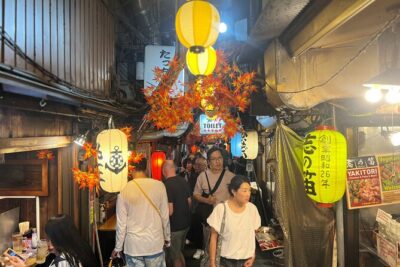 ★ 5.0Shinjuku Food Tour (13 Dishes at 4 Local Eateries)From $866,603 reviews
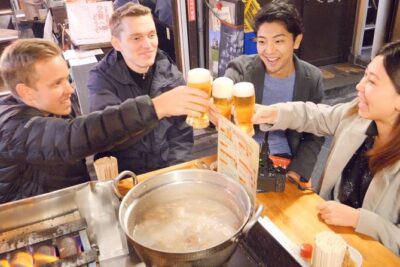 ★ 5.0Tokyo Bar Hopping Tour in Shinjuku (All-You-Can-Drink + Dinner)From $1063,587 reviews
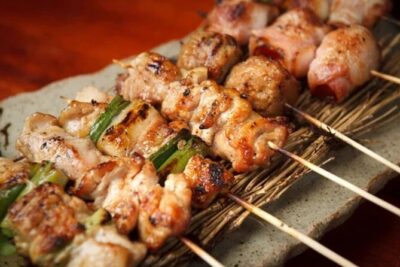 ★ 4.9Shinjuku Food Tour (15 Dishes and 4 Eateries)From $852,033 reviews
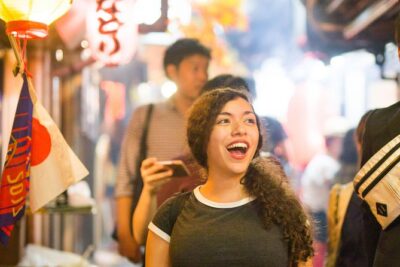 ★ 5.0Best of Shinjuku: Izakaya Food Tour (4 Stops, 14+ Tastings)From $921,863 reviews
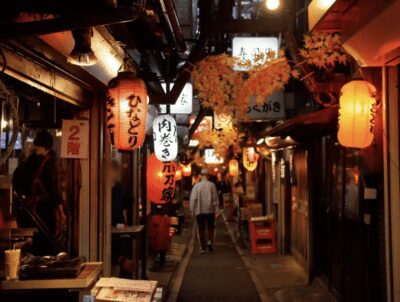 ★ 4.9Shinjuku Local Bar and Izakaya Guided Walking TourFrom $341,794 reviews
 ★ 5.0Tokyo Shinjuku Chopsticks Making ClassFrom $201,763 reviews
 ★ 5.0Tokyo Shinjuku Sumo Show & Experience with PhotoFrom $791,750 reviews
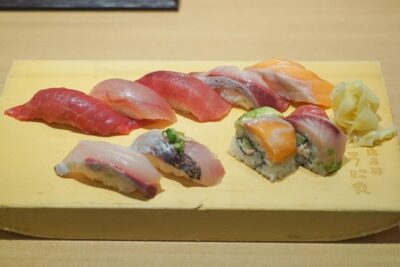 ★ 5.0Tokyo Night Foodie Tour in Shinjuku – Seasonal Sushi, Wagyu BeefFrom $1111,161 reviews
Browse the lists this tour appears in