
Reviewed · HAKONE TOURS
Hakone Full-Day Private Tour(Tokyo DEP.) with Government-Licensed Guide
Hakone can feel like a puzzle. This private tour turns it into a smooth day with a government-licensed guide and a custom stop plan of about 3-4 highlights. You get the payoff Hakone is famous for: calm lake views with Mount Fuji in the frame, plus active volcanic scenery that looks otherworldly up close.
I also like that the guide handles the practical parts of getting around, so your day stays on track even when trains and connections are involved. In the field, guides such as Michio and Yoshi came prepared with a clear plan for getting to and between sights, including internal transport steps, so you spend less time figuring out the system and more time looking at what you came for.
One thing to think about: the tour price covers guide service, but not meals, admissions, or most on-site transport. Since you’ll also cover your Tokyo-to-Hakone train (around 5,000 JPY round-trip) and entry fees for several stops, your final spend depends heavily on which mix of museums, ropeways, and optional volcanic walking you choose.
In This Review
- Key points before you go
- Why Hakone Works as a Day Trip From Tokyo
- The Private Guide Setup: How Your Day Gets Custom-Fit
- Price and Logistics: What You Pay, What You Add Later
- Lake Ashinoko: Fuji-Frame Views Without the Hassle
- Hakone Shrine: A Quiet Breather Before the Geothermal Zone
- Hakone Ropeway + Owakudani Valley: When Volcanic Steam Is the Main Event
- Owakudani Nature Research Trail: The Optional Add-On With Rules
- Art Stops That Actually Shape Your Hakone Day
- POLA Museum of Art
- Okada Museum of Art
- Hakone Open-Air Museum
- Hakone Museum of Art
- Sengokuhara, Choanji Temple, and Gora: Slower Pace, Different Hakone
- Sengokuhara
- Choanji Temple
- Gora Park
- Museum Variety: Glass, Dolls, and Nihonga If Your Group Has Different Tastes
- How to Pick Your 3–4 Stops for a 10-Hour Day
- Should You Book This Hakone Full-Day Private Tour?
- FAQ
- How long is the Hakone full-day private tour?
- Where do we meet the guide?
- Is this tour private?
- What is included in the price?
- Are meals and admissions included?
- How much is the train ticket from Tokyo to Hakone?
- Is the Hakone Ropeway included?
- Do I need reservations for the Owakudani Nature Research Trail?
- Is cancellation free?
Key points before you go
- Government-licensed private English guide for a true one-group-at-a-time day
- Pick 3-4 sights so your itinerary matches your interests and energy level
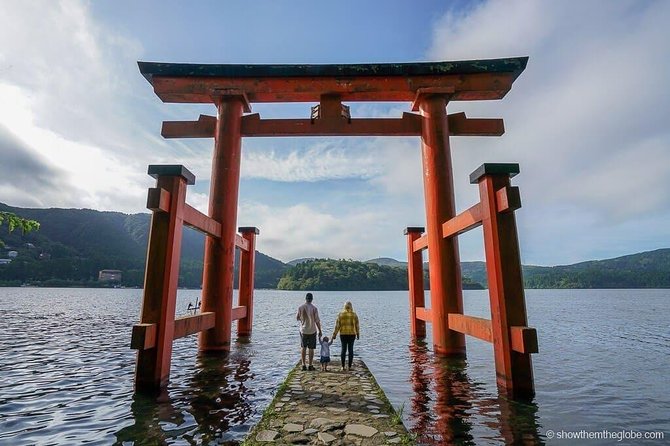
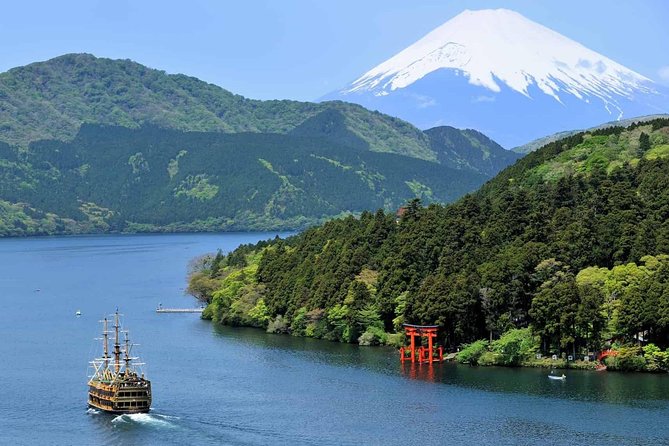
- Fuji-focused scenery options like Lake Ashinoko and Hakone’s shrine area
- Geothermal highlight choices including Owaku-dani Valley and the nature trail with reservation rules
- Art lovers get real options from the Open-Air Museum to multiple private museum stops
- Costs add up on top because meals, admission, and some transport are not included
Why Hakone Works as a Day Trip From Tokyo
Hakone sits far enough outside Tokyo to feel like a reset button, but close enough to do in one long day. You’re typically looking at about 1–2 hours each way by train, which makes the timing feel reasonable even when you build in time for scenery, walking, and a quick lunch.
That balance is the big reason this kind of private tour makes sense. If you tried to DIY the full day without knowing the transit flow, you’d likely spend a lot of effort just traveling between spots that are each only partially connected. With a guide in charge of routing, you’re more free to choose the parts of Hakone you actually care about.
And Hakone’s visual rewards are real. Even when clouds roll in, the lake-and-valley views, forested temple corners, and volcanic steam areas still give you that strong sense of place that makes a day trip feel worth it.
Other Hakone loops worth the fare
- Mt Fuji and Hakone 1-Day Bus Tour Return by Bullet Train
★ 5.0 · 26,383 reviews - Mt Fuji & Hakone Cruise, Drum Show Bullet Train 1 Day from Tokyo
★ 4.0 · 7,413 reviews - Tokyo Mt Fuji 5th St & Hakone Cruise Bus Tour w/Bullet Train
★ 4.4 · 5,024 reviews - Tokyo: Mt. Fuji Tour, Hakone Ropeway, Owakudani, Lake Ashi
★ 4.7 · 4,002 reviews
The Private Guide Setup: How Your Day Gets Custom-Fit
The meeting style is flexible. You can meet your guide at your Tokyo hotel, or at an airport/port pickup point, depending on where you’re starting. The tour is a walking format with pick-up on foot within a designated area, so you’ll want to be ready for short walks right away rather than expecting a private car to drive you door to door.
The key feature is the custom itinerary. Instead of a fixed, hour-by-hour schedule that tries to cram in everything, you choose around 3–4 Hakone sights to visit together. That matters because Hakone isn’t just one attraction. It’s a whole region with multiple “clusters” (lake area, volcanic zone, Gora/Sengokuhara, and Gora hillside neighborhoods). With fewer stops, you spend more time at the good bits instead of sprinting between them.
This is where the guide really earns their keep. In real-world trips, guides like Taka and Nobu were praised for planning efficiently and handling the internal transport steps smoothly, including cases where the route required multiple connections. If you’ve ever felt overwhelmed by Japanese transit instructions, this is the antidote: you follow the plan, you check off sights, and you keep your day moving.
Price and Logistics: What You Pay, What You Add Later
At $279.17 per person for a private full day, you’re paying for several things at once: a government-licensed local English-speaking guide, personalized routing across Hakone, and a setup that includes meet-up help and a mobile ticket. For one traveler or a small group, it can feel like good value compared with piecing together multiple tour segments.
But you should budget for add-ons because the listing is clear about what’s not included. Meals, public transport tickets inside Hakone, and admission fees are not part of the price. The guide entry fees are only covered for the sights you choose from the provided set of options, which means if you switch your mind and add extra places on the fly, you should expect extra costs.
Also plan for the Tokyo-to-Hakone train. The round-trip ticket for yourself is listed at around 5,000 JPY. If you’re doing this as a day trip for only one person, that’s manageable. If your group is larger, the logistics savings become even more attractive, because everyone’s routing is coordinated at once.
Finally, remember that Hakone Freepass isn’t included in the tour. That doesn’t mean you can’t use one, but it does mean you need to decide whether it makes sense for your exact mix of rides and paid attractions.
Lake Ashinoko: Fuji-Frame Views Without the Hassle
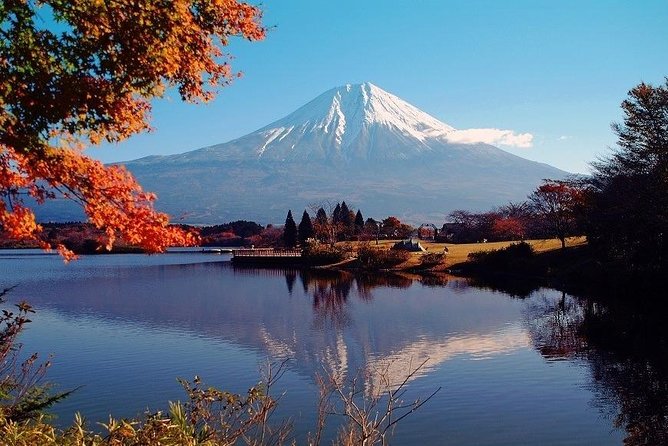
Lake Ashinoko is one of the most recognizable “Hakone symbols” for a reason. It formed in the caldera after Mount Hakone’s volcanic activity, and today it gives you that classic foreground-lake-and-background-mountain look. Even if you don’t get perfect visibility, the lake atmosphere itself is calm and scenic, and the area is a natural first stop.
In a guided setup, you’ll benefit from timing and routing. Fuji views depend on weather, and Hakone’s visibility can change fast. By getting an early start with your guide plan, you give yourself a better shot at catching the clearer windows.
This stop is simple on paper: short time, and free admission is listed. That makes it a good anchor in your day. You can pair it with one more scenic stop (like Hakone Shrine) or with a transport step (ropeway planning) without losing momentum.
Practical tip: treat this like your photography anchor. If you care about pictures, spend a few extra minutes around the viewpoints rather than rushing to the next ride.
Hakone Shrine: A Quiet Breather Before the Geothermal Zone
Hakone Shrine (Hakone-jinja) sits in a tranquil worship setting with a history reaching back more than 12 centuries. The buildings have been destroyed and rebuilt over time, which is a reminder that this is a living place, not just a photo stop.
This is also a smart contrast point after the train ride. The shrine area gives you a slower pace and a chance to reset before Hakone gets dramatic with steam vents and volcanic walking zones.
The admission is free and the time is about 30 minutes, which makes it a good fit inside a limited 3–4 stop itinerary. If you’re trying to build a day that includes both scenery and culture, this is one of the more balanced picks.
Readers also shortlisted these Tokyo bookings:
- Tokyo 6hr Private Tour with Government-Licensed Guide★ 5.0 · 3,902 reviews
- Tokyo: Shinjuku Local Bar and Izakaya Guided Walking Tour★ 4.9 · 1,794 reviews
- Tokyo: Private City Highlights Tour with Local Guide★ 4.8 · 1,433 reviews
- Tokyo: Tsukiji Fish Market Guided Walking Tour★ 4.9 · 1,397 reviews
- Tokyo 4hr Private Tour with Government-Licensed Guide★ 5.0 · 1,394 reviews
Hakone Ropeway + Owakudani Valley: When Volcanic Steam Is the Main Event
The Hakone Ropeway is part of the Hakone Round Course, linking Sounzan Station to Togendai Station. It’s not included in admission costs, but as a ride it helps you cover distance and adds a dramatic aerial feel to the route. If you want the classic Hakone transportation experience without turning your day into a transit spreadsheet, this is a common choice.
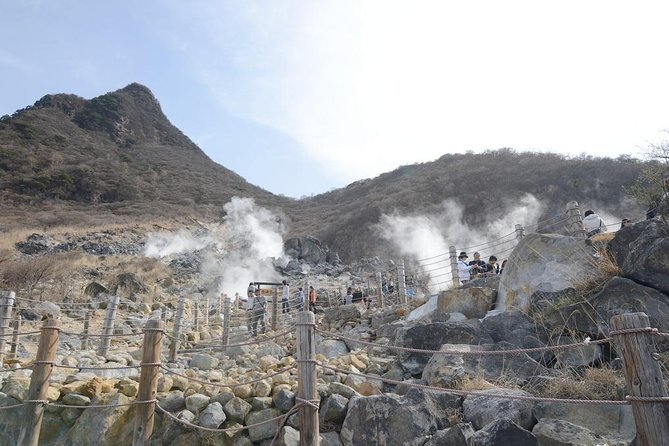
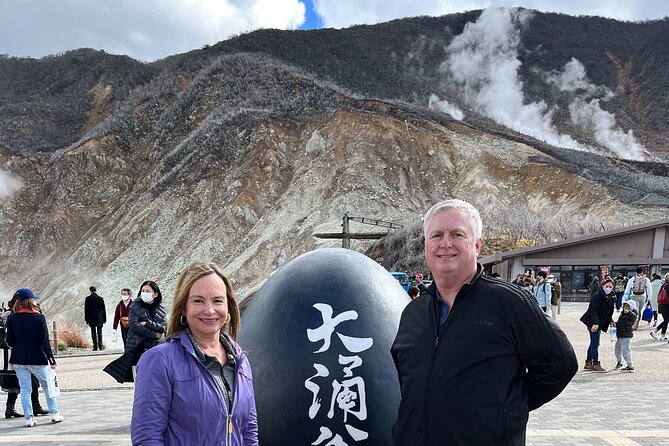
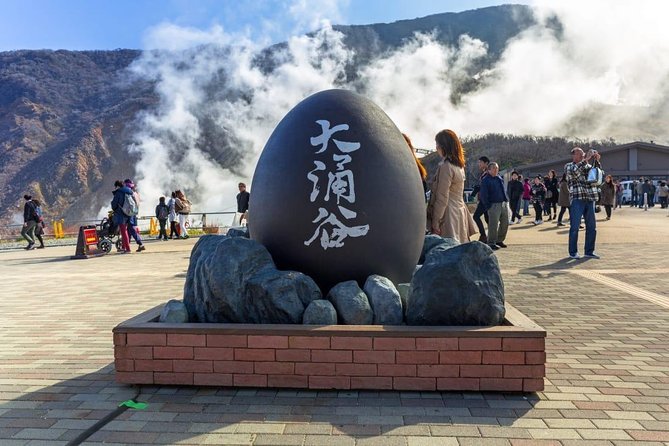
Then comes Owaku-dani Valley, an active volcanic area that powers hot springs in the region. It’s famous for black boiled eggs, said to bring long life. Even if you skip the egg, the geothermal activity is the point: steam, rock textures, and that distinct volcanic smell that makes you feel like you’re standing on the edge of something powerful.
This stop is listed at about 45 minutes with free admission. In practice, you’ll use that time for viewpoints, walking paths, and the small moments that make volcano scenery fun: watching how steam drifts through the air and how the ground looks different from normal mountainside hiking.
If you’re planning carefully, think of the ropeway and Owakudani as your “energy peak.” They’re the stops that usually need a bit more focus. Build the rest of the day around them.
Owakudani Nature Research Trail: The Optional Add-On With Rules
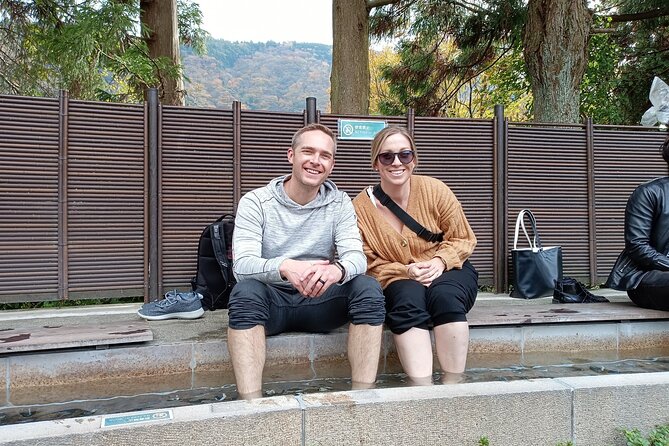
If you want an even closer feel for the geothermal area, the Owakudani Nature Research Trail offers a dedicated walking route through the active volcanic zone. The itinerary notes advance reservation is required, and it lists an entrance fee of 800 yen.
This is the kind of option that can make your day feel more like exploration than sightseeing. Just keep expectations realistic: you’re walking in an active area, so it’s not a casual stroll.
If you’re short on time or traveling with kids who can’t handle much walking, you might prefer sticking with the valley viewpoints only. But if you like physical, hands-on experiences, this is the stop that tends to give the strongest “I’m here” feeling.
Art Stops That Actually Shape Your Hakone Day
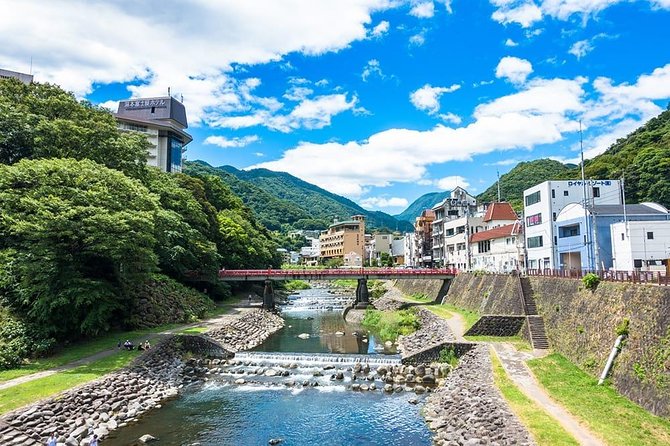
Hakone has a surprising reputation for art, and the tour options reflect that. Instead of forcing you through one museum, you can choose between several styles and settings, which helps if you’re trying to match your taste.
POLA Museum of Art
The POLA Museum of Art was opened in 2002 to display a private art collection. It’s listed as a 30-minute stop with admission not included. If you like modern-presenting art collections in a calm museum setting, this can be a good mid-day reset between outdoors sections.
Okada Museum of Art
The Okada Museum of Art is another private museum, founded to show art spanning from antiquity to the modern era. It opened in 2013. Like the POLA option, it’s listed as about 30 minutes with admission not included.
Hakone Open-Air Museum
This is the most famous art stop in the list, and it has a detail that art and design fans will care about: a stained glass staircase. The time allocation is about 2 hours, which is longer than the typical 30-minute museum blocks. So if you choose this, it can become the centerpiece of your day.
This is also one of the few options where timing matters more than usual. Two hours is not just “a museum visit.” It’s a full stop with outdoor elements and a lot to look at. If you choose the Open-Air Museum, consider pairing it with only one other major sightseeing cluster (like the shrine/lake or the volcanic zone).
Hakone Museum of Art
The Hakone Museum of Art, located in Gora, is listed as about 30 minutes with admission not included. It was founded in 1952 by Okada Mokichi. If you want yet another art stop without going extremely long, this can fill that role.
Sengokuhara, Choanji Temple, and Gora: Slower Pace, Different Hakone
Not every great Hakone moment is a lake view or volcanic steam. The region also has quiet corners where you feel the seasonal rhythm.
Sengokuhara
Sengokuhara is known for long pampas grass that’s most beautiful in the fall. The list includes it as a 30-minute stop. If you’re traveling in that season, this becomes a strong choice. If you’re not, it can still work as a scenic break, but your expectations for peak bloom should match the time of year.
Choanji Temple
Choanji Temple is Soto Zen Buddhism and was established in 1356. It sits in the Sengokuhara area at the base of a hill and has an atmospheric, quiet feel. It’s a 30-minute stop with free admission listed. This is the kind of place that helps your day feel rounded, especially if you choose several outdoors sights earlier.
Gora Park
Gora Park is a western-style landscape park on a steep slope above Gora Station. It’s listed as about 30 minutes, with admission not included. The value here is simple: it’s a place to slow down with views of Hakone rather than hunting one more viewpoint.
If you’re building a day for a mixed group, these slower pace stops are your peacekeepers. They prevent the day from turning into only transportation and paid attractions.
Museum Variety: Glass, Dolls, and Nihonga If Your Group Has Different Tastes
Hakone’s museum list is unusual in its variety, and that’s a win for private tours. You can choose based on what will keep everyone happy, not what’s most convenient for a fixed group itinerary.
- Hakone Venetian Glass Museum (Hakone Glass no Mori): Italian styled buildings, plus a strolling garden with a canal-like pond. Listed at about 30 minutes, admission not included.
- Dollhouse Museum Hakone: a collection of dollhouses from around the world. Listed at about 1 hour, admission not included. Great if you have miniatures lovers in your group.
- Narukawa Art Museum: dedicated to nihonga, or Japanese-style painting. Listed at about 10 minutes with admission not included.
- Hakone Shisseikaen: a botanical garden of wetlands in Fuji Hakone Izu National Park, founded in 1976. Listed at about 30 minutes with admission not included.
If your group includes art fans, design fans, and families, you can use this flexibility to tailor the day. A private guide helps you choose the right combination without making everyone sit through something they don’t care about.
How to Pick Your 3–4 Stops for a 10-Hour Day
With only about 10 hours total and multiple transit connections, your stop choices decide whether the day feels relaxed or rushed. Here’s the mindset that works best:
1) Choose one scenery anchor: Lake Ashinoko is the easiest anchor to build around.
2) Choose one big wow stop: either Owaku-dani Valley or the Ropeway-connected route.
3) Choose one slower calm stop: Hakone Shrine or Choanji Temple.
4) Spend your final slot on your strongest interest: art (Open-Air Museum can take up to 2 hours) or a niche museum like glass or dolls.
Also pay attention to time length. Most museums here are 10–30 minutes, but the Open-Air Museum is listed at 2 hours and the Dollhouse Museum at 1 hour. If you pick one long museum, keep your other stops tighter.
And don’t forget meals. Since lunch is not included, plan what you’ll do and where. Even with a guide helping logistics, you’ll still want to prioritize a simple, efficient lunch so you don’t lose time you thought was “buffer.”
Should You Book This Hakone Full-Day Private Tour?
Yes, if you want a first-timer-friendly day that centers on Mount Fuji views, volcanic scenery, and the option to add real art without playing transit roulette. The private format makes the biggest difference if you don’t speak Japanese or you don’t want to manage the mental load of planning the day.
Book it especially if:
- You want government-licensed English guidance and a plan that moves.
- Your group has mixed interests and you want to pick the 3–4 stops that fit.
- You care about seeing key Hakone areas (lake/shrine/volcano) but also want at least one museum.
You might skip or adjust your expectations if:
- You’re trying to keep total costs low, since admissions, meals, and internal transit are not included and several popular attractions are paid.
- You want to do everything in Hakone in one day. With only 3–4 chosen stops, you’ll miss some of the region’s other options.
FAQ
How long is the Hakone full-day private tour?
It runs for about 10 hours (approx.).
Where do we meet the guide?
You’ll meet your guide at a port, airport, or your Tokyo hotel (and the pick-up is on foot within a designated area in Tokyo).
Is this tour private?
Yes. It’s a private tour/activity, and only your group participates.
What is included in the price?
The licensed local English-speaking guide, customizable selection of about 3–4 Hakone sites, and the meet-up help are included.
Are meals and admissions included?
No. Meals, public transport tickets, and admission fees are not included.
How much is the train ticket from Tokyo to Hakone?
The round-trip train ticket from Tokyo is listed at approximately 5,000 JPY for yourself.
Is the Hakone Ropeway included?
No. Ropeway admission is listed as not included.
Do I need reservations for the Owakudani Nature Research Trail?
Yes. Advance reservation is required, and an entrance fee of 800 yen is listed.
Is cancellation free?
Free cancellation is available up to 24 hours in advance for a full refund.
More Tours in Tokyo
- Mt Fuji and Hakone 1-Day Bus Tour Return by Bullet Train
★ 5.0 · 26,383 reviews - 1-Day Tokyo Bus Tour
★ 5.0 · 14,250 reviews - Tokyo: Shinjuku Food Tour (13 Dishes at 4 Local Eateries)
★ 5.0 · 6,603 reviews - Tokyo Mt Fuji 5th St & Hakone Cruise Bus Tour w/Bullet Train
★ 4.4 · 5,024 reviews - Flagship 2-Hours Official Street Go-Kart Tour – Tokyo Bay Shop
★ 5.0 · 4,974 reviews
More Tour Reviews in Tokyo
- Mt Fuji and Hakone 1-Day Bus Tour Return by Bullet Train
★ 5.0 · 26,383 reviews - 1-Day Tokyo Bus Tour
★ 5.0 · 14,250 reviews - Tokyo: teamLab Planets TOKYO Digital Art Museum Entry Ticket
★ 4.6 · 9,779 reviews - Mt Fuji & Hakone Cruise, Drum Show Bullet Train 1 Day from Tokyo
★ 4.0 · 7,413 reviews - Tokyo: Shinjuku Food Tour (13 Dishes at 4 Local Eateries)
★ 5.0 · 6,603 reviews
Hakone, A Few More Ways
- Mt Fuji and Hakone 1-Day Bus Tour Return by Bullet Train
★ 5.0 · 26,383 reviews - Mt Fuji & Hakone Cruise, Drum Show Bullet Train 1 Day from Tokyo
★ 4.0 · 7,413 reviews - Tokyo Mt Fuji 5th St & Hakone Cruise Bus Tour w/Bullet Train
★ 4.4 · 5,024 reviews - Tokyo: Mt. Fuji Tour, Hakone Ropeway, Owakudani, Lake Ashi
★ 4.7 · 4,002 reviews - Private Tour to Mt. Fuji and Hakone (Fully Licenced Operator)
★ 5.0 · 1,910 reviews
Latest Tokyo reviews off our desk






Hakone Tours, compared.
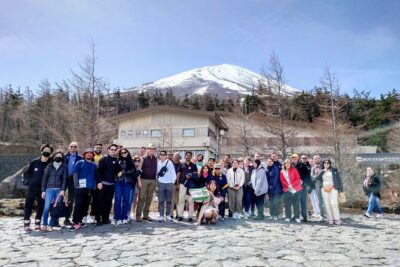 ★ 5.0Mt Fuji and Hakone 1-Day Bus Tour Return by Bullet TrainFrom $16326,383 reviews
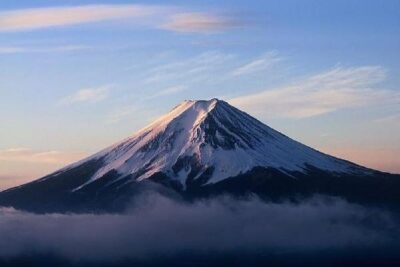 ★ 4.0Mt Fuji & Hakone Cruise, Drum Show Bullet Train 1 Day from TokyoFrom $1497,413 reviews
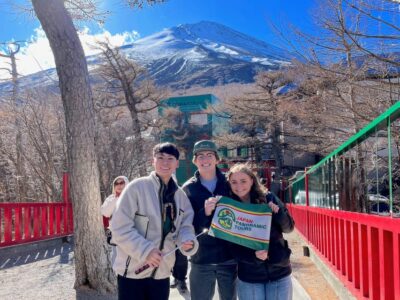 ★ 4.4Tokyo Mt Fuji 5th St & Hakone Cruise Bus Tour w/Bullet TrainFrom $1545,024 reviews
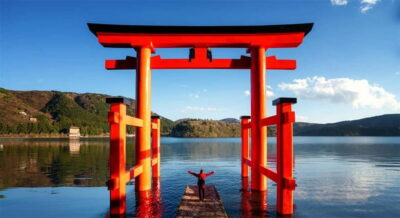 ★ 4.7Mt. Fuji Tour, Hakone Ropeway, Owakudani, Lake AshiFrom $544,002 reviews
 ★ 4.2Mt. Fuji 5th Station & Hakone Cruise 1-Day Bus TourFrom $1292,381 reviews
 ★ 5.0Private Tour to Mt. Fuji and Hakone (Fully Licenced Operator)From $4971,910 reviews
 ★ 4.0Mt Fuji & Hakone Cruise, Drum Show Bus 1 Day from TokyoFrom $1221,287 reviews
 ★ 4.2From Tokyo: Mt. Fuji & Hakone Tour w/ Return by Bullet TrainFrom $1171,278 reviews
Browse the lists this tour appears in