
Reviewed · GUIDED
Hidden Tokyo: Explore Kitchen Street with a Local Guide
Knives and tableware become art here. I love the way this Kitchen Street walk turns shopping into a lesson, with a local guide steering you through Kappabashi and explaining Honyaki knife craft as you browse.
You’ll see the kind of items food pros actually chase, then get time to handle what interests you most.
What I like best is twofold: first, learning how samurai-era sword techniques connect to modern knives, including the extremely rare water-hardened knives; second, hunting for tableware souvenirs that are only available in Asakusa Kappabashi, plus other unique Japan-made goods.
The guide also makes the route feel efficient, so you spend your time looking, not guessing.
One thing to watch: shopping is on you. The tour covers the guided walk, but buying knives, chopsticks, or specialty tableware can add up fast, and with just 2 hours you’ll want a clear target before you start.
In This Review
- Key highlights worth your time
- Why Asakusa Kappabashi’s Kitchen Street Feels Different With a Local Guide
- Price and Value: Does $19 for 2 Hours Make Sense?
- Meeting at 田原町駅 and What the 2-Hour Walk Feels Like
- Stop-by-Stop: From Dengama to Iidaya in Asakusa Kappabashi
- A quick note on TSUCHI-YA ガラスの器と工芸
- つば屋庖丁店 (CUTLERY TSUBAYA): Where Samurai Steel Stories Become Honyaki
- Food Samples, Chopsticks, and Nanbu Ironware: Shopping for Kitchen-Real Objects
- How Hirose-san Makes the Route Feel Efficient (Even in Heat)
- The Best Things to Buy Here (and How to Decide Without Guessing)
- Who This Tour Fits Best: Families, Gift Hunters, and Tool People
- Should You Book This Kitchen Street Guide in Tokyo?
- FAQ
- Where is the meeting point?
- How long is the tour?
- What does the price include?
- What is not included?
- What languages are offered?
- Is this a private group tour?
- Can I cancel for a refund?
Key highlights worth your time
- Honyaki explained on the spot: how a single piece of steel links to sword forging traditions
- Water-hardened knives: rare, advanced craftsmanship you can actually see up close
- Souvenirs limited to Asakusa Kappabashi: tableware you can’t easily replicate elsewhere
- Food-professional focus: you’ll encounter the tools and items kitchens rely on, not just tourist décor
- Guide-led efficiency: quick, smart selection of shops so the walk stays satisfying even in heat
Why Asakusa Kappabashi’s Kitchen Street Feels Different With a Local Guide
Kappabashi is famous for kitchenware, but without a guide it can turn into a long, loud window-shopping exercise. With a local in front of you, the streets become a route with purpose: you follow craft themes, compare materials, and get tips on what to look at when you’re holding an item in your hand.
I like that the tour doesn’t just say what stores sell. It connects everyday objects to technique. You’ll hear how sword skills made their way into today’s Japanese knives, and that changes how you look at the edge, the finish, and the overall balance of what you’re considering.
The best part is that you’re not forced into a single “buy this” moment. You browse across multiple specialty shops, and you get guided context so you can decide what’s worth your money.
Readers also shortlisted these Tokyo bookings:
- Tokyo 6hr Private Tour with Government-Licensed Guide
★ 5.0 · 3,902 reviews - Tokyo: Shinjuku Local Bar and Izakaya Guided Walking Tour
★ 4.9 · 1,794 reviews - Tokyo: Private City Highlights Tour with Local Guide
★ 4.8 · 1,433 reviews - Tokyo: Tsukiji Fish Market Guided Walking Tour
★ 4.9 · 1,397 reviews
Price and Value: Does $19 for 2 Hours Make Sense?
At $19 per person for a 2-hour walking tour, you’re paying mainly for the guide plus the fact that they can point you toward the right shops quickly. Shopping isn’t included, so the real value shows up when your guide helps you avoid wasting time in the wrong place or missing the items that are actually special.
This kind of tour is worth it if:
- You want to understand Japanese kitchen goods beyond surface-level aesthetics
- You plan to buy at least one thing (even a small souvenir) and want confidence
- You’d rather spend guided time learning than wandering with a map
It’s less worth it if you’re only curious in passing and don’t intend to shop at all. In that case, you might enjoy browsing on your own, but you’d miss the “why this matters” part—especially the knife-making explanation.
Meeting at 田原町駅 and What the 2-Hour Walk Feels Like
You meet at Wawaramachi metro station, exit 3. Your guide will have a sign stating GetYourGuide, and the tour’s starting point is listed as 田原町駅.
Because the tour is a private group and lasts about 2 hours, the pacing matters. You’ll be walking between several shops—enough to see variety, but not so many stops that you lose track of what you came for. This is the kind of schedule that works especially well if you’re staying in the Asakusa area and want something practical to add to your day.
Language options include Japanese, English, and German. Based on what you can expect from the guide style, it’s also the sort of tour where kids can handle the walking if you keep expectations realistic: you’re not touring museums for long stretches—you’re moving from shop to shop with short guided moments in each.
Stop-by-Stop: From Dengama to Iidaya in Asakusa Kappabashi
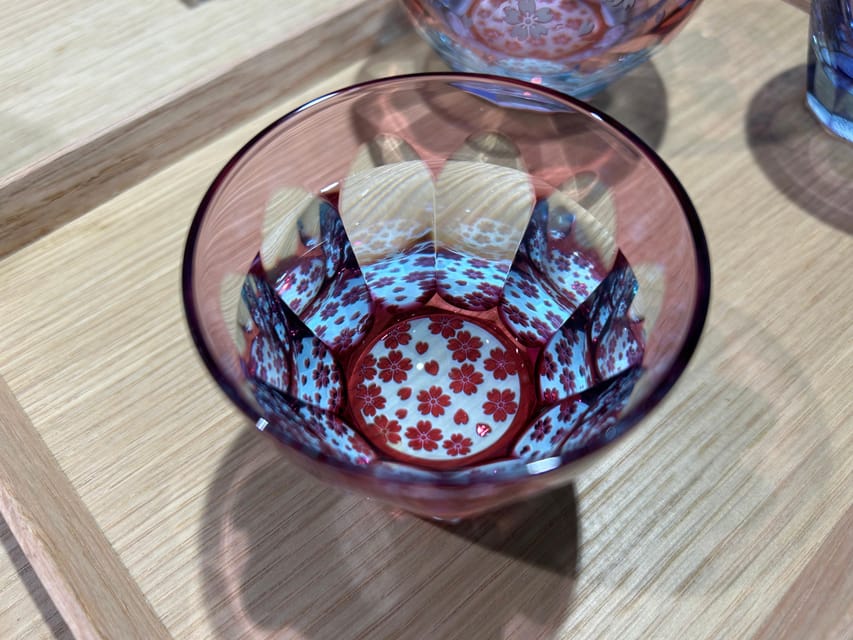
The tour moves through a sequence of specialty shops, each one giving you a different angle on kitchenware and tabletop items. The first stretch focuses on getting you oriented and letting you start comparing what matters: materials, shapes, and how pieces are designed for real use.
You’ll start with:
- Dengama (visit, guided tour, shopping, walk)
- Majimaya (visit, guided tour, shopping, walk)
- TSUCHI-YA ガラスの器と工芸 (visit, guided tour, shopping, walk)
- Hashitou (visit, guided tour, shopping, walk)
- Iidaya (visit, guided tour, shopping, walk)
Here’s what makes this early segment useful. It’s where you learn to look correctly. Knife craft and tableware craft can look similar from far away—until you compare details up close. Early shops help you calibrate your eye before you reach the more specialized items later.
One possible drawback of this stage: if you walk in with zero shopping plan, it’s easy to start wanting everything. The guide experience helps, because you’ll get cues for what to prioritize later when the most advanced items appear. Still, if you’re on a tight budget, decide early whether you’re aiming for one “real purchase” or several small souvenirs.
A quick note on TSUCHI-YA ガラスの器と工芸
The name itself points you to what to expect: glass vessels and craft. Even if you don’t buy anything, it’s a great stop to see how glass tableware is meant to be handled and displayed, not just viewed from a shelf.
- Tokyo: Shinjuku Food Tour (13 Dishes at 4 Local Eateries)★ 5.0 · 6,603 reviews
- Tokyo Mt Fuji 5th St & Hakone Cruise Bus Tour w/Bullet Train★ 4.4 · 5,024 reviews
- Flagship 2-Hours Official Street Go-Kart Tour – Tokyo Bay Shop★ 5.0 · 4,974 reviews
- From Tokyo: Mount Fuji Full-Day Sightseeing Trip★ 4.5 · 4,970 reviews
- Tokyo: Hop-On Hop-Off Sightseeing Bus Ticket★ 3.9 · 4,207 reviews
つば屋庖丁店 (CUTLERY TSUBAYA): Where Samurai Steel Stories Become Honyaki
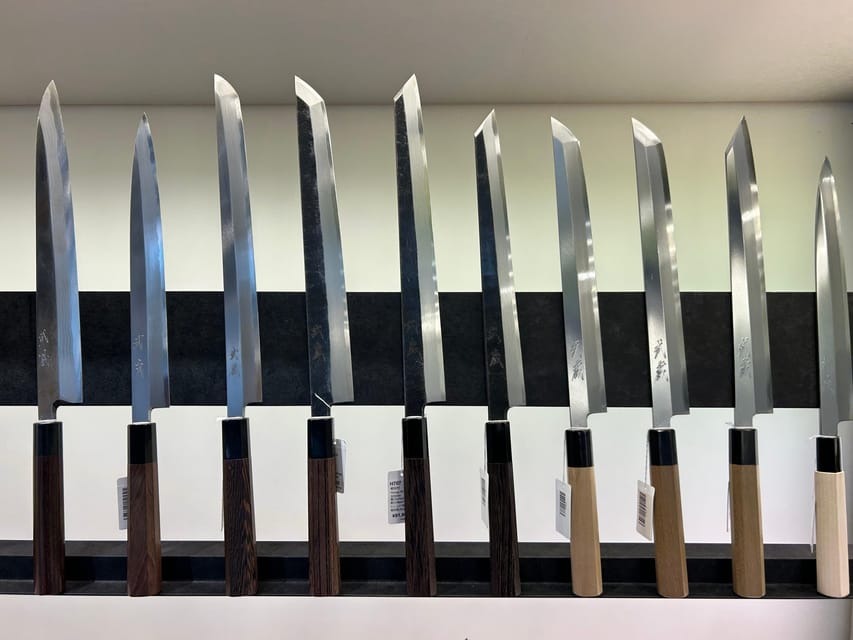
This is the part of the tour that gives everything else context. Japanese knives here are explained through sword technique: the idea that methods used in samurai weapon craft have been passed down into modern blades.
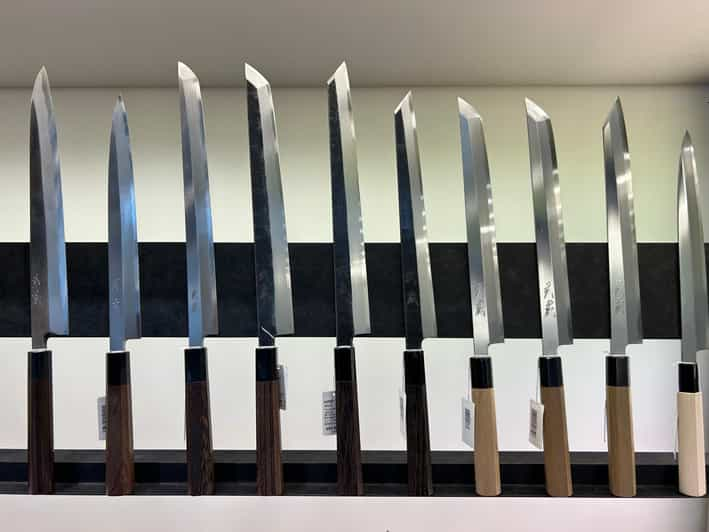
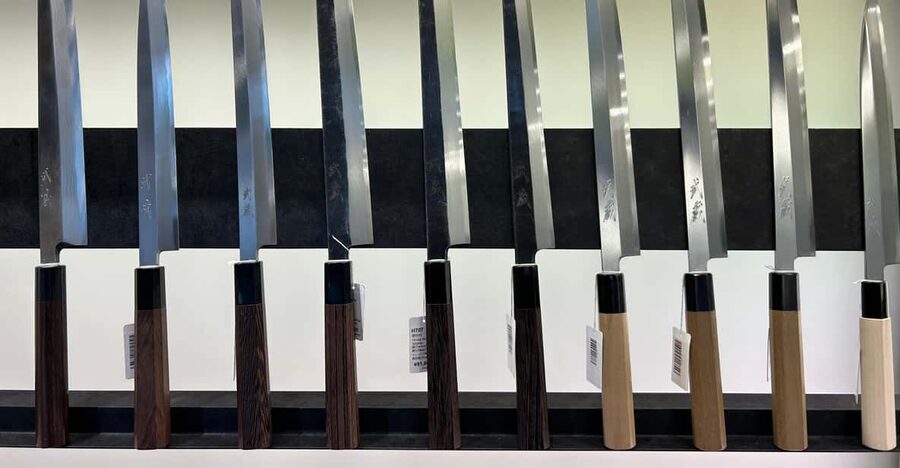
You’ll hear about Honyaki, knives made by punching a single piece of steel out of a block—mirroring forging approaches used for Japanese swords. The point isn’t academic trivia. It changes what you pay attention to: how the blade is made influences what it feels like in hand and how it holds character over time.
Among the knife-focused offerings, the tour highlights water-hardened knives. These are described as extremely rare and requiring particularly advanced techniques. When a shop talks about water-hardening, you should expect the conversation to go beyond “sharp” and into the craft behind the edge.
What you’ll likely enjoy most here is the physical experience. Seeing a blade is one thing; picking it up and looking at it is another. The tour framework is built so you can pause, compare, and appreciate the sophisticated beauty the craft creates. If you’re the type who cares about practical tools, this stop can turn a purchase from random to intentional.
Food Samples, Chopsticks, and Nanbu Ironware: Shopping for Kitchen-Real Objects
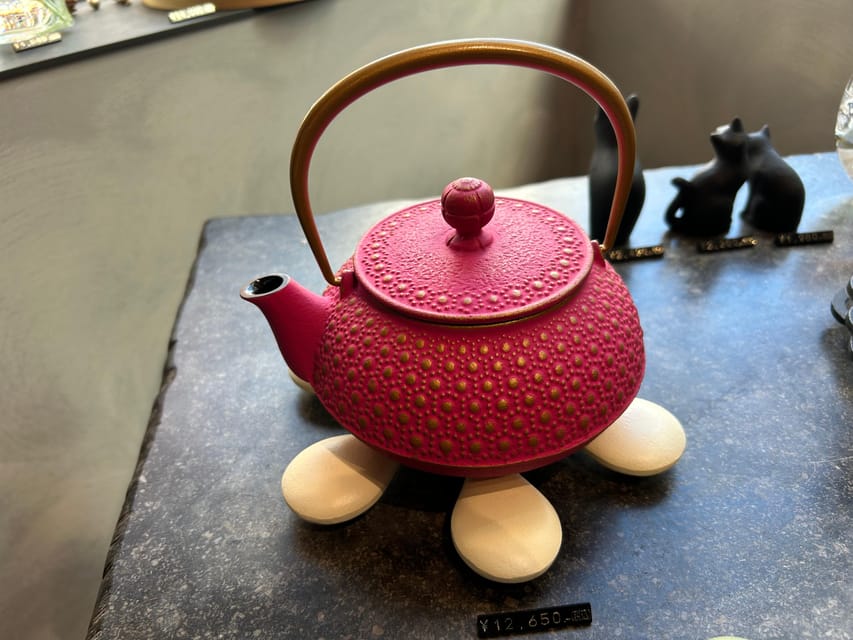
Kappabashi isn’t only about knives. It’s a place where people who work in food think about dining items all day. That’s why you’ll encounter a mix of kitchen and tabletop essentials such as chopsticks, Japanese tableware, Nanbu ironware, and food samples.
One key stop is:
- Ganso Shokuhin Sample-ya Kappabashi Showroom (visit, guided tour, shopping, walk)
A food-sample showroom is fun in a practical way. It trains you to understand how Japanese kitchens present dishes. Even if you don’t buy anything, you’ll start noticing the small design choices that make items look real—like color control, texture, and proportions.
Next you’ll move to:
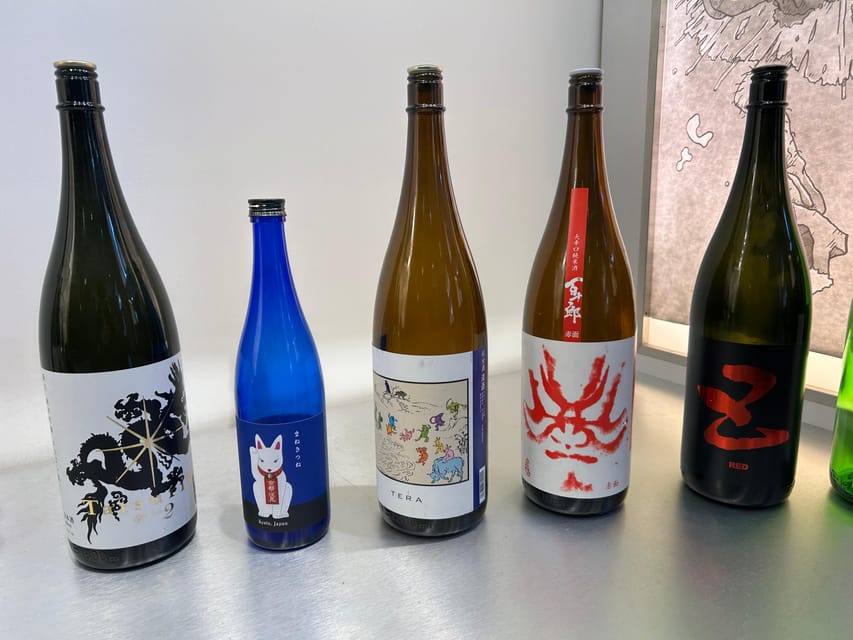
- MUSASHI JAPAN 合羽橋店 Knife & Sake Shop (visit, guided tour, shopping, walk)
This shop adds another dimension: knives don’t live in isolation. They connect to daily serving and to the wider food culture around dining. If you end up buying a gift, this is often the easiest stage to do it because you’ve already built the mental map of what matters, and you can compare options with the guide’s cues fresh in your mind.
How Hirose-san Makes the Route Feel Efficient (Even in Heat)
A great guide can turn a shopping walk from chaotic into calm. In this case, the guide—Hirose-san (廣瀬和雄)—is described as taking plenty of time and selecting shops in a way that keeps the schedule efficient.
That matters because Asakusa Kappabashi is best enjoyed when you have time to look closely. If the day is hot, or if you’re trying to fit this into a busy itinerary, the wrong route can make you rush through the very details you came to understand.
I also like that the tour isn’t only about objects. The guide shares practical tips for the rest of Tokyo. In the experience you can expect, Hirose-san talks about local topics (including community festival stories) and recommends places to eat and do things—one reason the tour can feel useful beyond the 2 hours you spend walking.
The Best Things to Buy Here (and How to Decide Without Guessing)
You’ll come away with one strong advantage: you’ll know what you’re looking at. The highlights include:
- You can get the one and only Japanese-made product the tour points out
- You can buy tableware souvenirs only available in Asakusa Kappabashi
- You’ll learn about Japanese products, so your choices feel informed rather than random
- You’ll find unique products that match the area’s real focus
Here’s my practical approach for shopping during the walk:
- Decide your budget before you enter the first shop
- Pick one category for a “serious” purchase (often knives, or a signature tableware item)
- Let everything else become a souvenir only if it matches your needs or your style
- If you’re torn between two items, ask the guide what changes between them in real use
Since shopping costs aren’t included, this is where you get to shape value. A guided tour is at its best when it helps you avoid impulse buys that look good but don’t fit your kitchen life.
Who This Tour Fits Best: Families, Gift Hunters, and Tool People
This is a good match for several types of travelers.
If you love practical objects, you’ll likely enjoy the knife craft explanation. If you like gifts, you’ll appreciate that you can find items tied to Kappabashi itself, including souvenirs only available there.
It’s also described as working well for children. That doesn’t mean it’s a kid-only tour. It means the pacing and guided context can keep younger travelers engaged because you’re continuously moving and seeing different things rather than sitting for long explanations.
And if you’re the kind of person who wants “local voice” instead of a script, this tour gives that. The private guide format makes it easier for questions—whether you’re choosing between products or trying to understand what makes one item special.
Should You Book This Kitchen Street Guide in Tokyo?
Book it if you want Japanese kitchen shopping to come with real context. The standout elements are Honyaki knife storytelling, the rare water-hardened knives focus, and the chance to find tableware souvenirs tied specifically to Asakusa Kappabashi. It’s also good value because you’re paying for time with a guide who can steer you efficiently through multiple specialty shops in just two hours.
Skip it if you’re not planning to buy anything, or if you only want a quick stroll for photos. In that case, you may prefer to wander independently.
If you’re on the fence, here’s an easy decision rule: if you’d rather leave with one great item you actually understand, this tour is a smart use of your time.
FAQ
Where is the meeting point?
Meet at Wawaramachi metro station, exit 3. The guide will have a sign stating GetYourGuide.
How long is the tour?
The tour lasts 2 hours.
What does the price include?
It includes a tour guide and a walking tour.
What is not included?
Shopping costs at each stores and transportation expenses are not included.
What languages are offered?
The live tour guide is available in Japanese, English, and German.
Is this a private group tour?
Yes, it’s listed as a private group.
Can I cancel for a refund?
Yes. Free cancellation is available up to 24 hours in advance for a full refund.
More Guided in Tokyo
- Tokyo 6hr Private Tour with Government-Licensed Guide
★ 5.0 · 3,902 reviews - Tokyo: Shinjuku Local Bar and Izakaya Guided Walking Tour
★ 4.9 · 1,794 reviews - Tokyo: Private City Highlights Tour with Local Guide
★ 4.8 · 1,433 reviews - Tokyo: Tsukiji Fish Market Guided Walking Tour
★ 4.9 · 1,397 reviews - Tokyo 4hr Private Tour with Government-Licensed Guide
★ 5.0 · 1,394 reviews
More Tour Reviews in Tokyo
- Mt Fuji and Hakone 1-Day Bus Tour Return by Bullet Train
★ 5.0 · 26,383 reviews - 1-Day Tokyo Bus Tour
★ 5.0 · 14,250 reviews - Tokyo: teamLab Planets TOKYO Digital Art Museum Entry Ticket
★ 4.6 · 9,779 reviews - Mt Fuji & Hakone Cruise, Drum Show Bullet Train 1 Day from Tokyo
★ 4.0 · 7,413 reviews - Tokyo: Shinjuku Food Tour (13 Dishes at 4 Local Eateries)
★ 5.0 · 6,603 reviews
Latest Tokyo reviews off our desk






Guided, compared.
 ★ 5.0Tokyo 6hr Private Tour with Government-Licensed GuideFrom $1553,902 reviews
 ★ 4.9Shinjuku Local Bar and Izakaya Guided Walking TourFrom $341,794 reviews
 ★ 4.8Private City Highlights Tour with Local GuideFrom $1061,433 reviews
 ★ 4.9Tsukiji Fish Market Guided Walking TourFrom $221,397 reviews
 ★ 5.0Tokyo 4hr Private Tour with Government-Licensed GuideFrom $1091,394 reviews
 ★ 5.0Tokyo Guided Small-Group Biking TourFrom $1061,250 reviews
 ★ 4.6Samurai Ninja Museum Guided tour and ExperienceFrom $271,010 reviews
 ★ 5.0Tsukiji Fish Market Guided Tour and Sushi Making with Pro ChefFrom $104775 reviews