
Reviewed · SHINJUKU FOOD & BAR TOURS
Kabukicho Macabre Tour – the Real Tokyo Vice
Neon turns to noir in Kabukicho. This 2-hour Shinjuku night walk trades generic spooky vibes for history, crime, and place-based storytelling—ending with a shrine visit to close the evening on something quieter.
I love two things most: you pass actual locations tied to dark incidents, and you get cultural context for why Tokyo’s nightlife works the way it does.
One consideration: the tone is intentionally macabre and aimed at adults; it’s not suitable for children under 15, and you’ll hear disturbing crime themes.
In This Review
- Key Highlights You’ll Care About
- Shinjuku’s After-Dark Walk: What This Tour Really Feels Like
- Meeting at the Kabukicho Tower Starbucks and Getting Your Bearings
- Kabukicho’s Red-Light History: Why It’s More Than Neon and Rumors
- Murder Sites, Haunted Corners, and the Art of Place-Based Storytelling
- Mafia Vendettas, Terror Attacks, and How the Stories Are Organized
- Love Hotels, Jilted Lovers, and Never-Solved Cases
- Yakuza and Tokyo Vice Stops: Seeing Fiction in Real Space
- The Guide, Vivian, and Why Her Research Shows in the Details
- End at a Shrine: The Tour’s Softer, Symbolic Finish
- Price and Value: Is $56 Worth It for Two Hours?
- Who Should Book (and Who Should Consider Skipping)
- Practical Notes That Help Before You Go
- Should You Book the Kabukicho Macabre Tour?
- FAQ
- Where do I meet for the Kabukicho Macabre Tour?
- How long is the tour?
- How much does it cost?
- Is the tour suitable for children?
- What language is the tour in?
- Is the tour wheelchair accessible?
Key Highlights You’ll Care About
- Small group (up to 4) with an English live guide, Vivian, so you can ask questions and hear details clearly
- You walk Kabukicho’s red-light area with explanations of culture and night-work phenomena
- You pass real incident locations, plus areas known to be haunted
- Yakuza game locations and HBO Tokyo Vice filming spots show up along the route
- Love hotels, unsolved killings, and mafia conflicts are part of the story themes
- Shrine visit at the end for a grounded, ceremonial finish
Shinjuku’s After-Dark Walk: What This Tour Really Feels Like
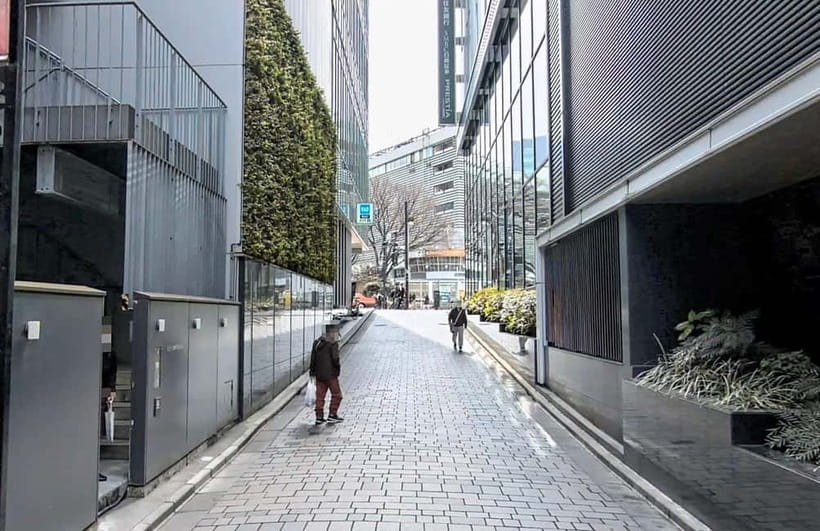
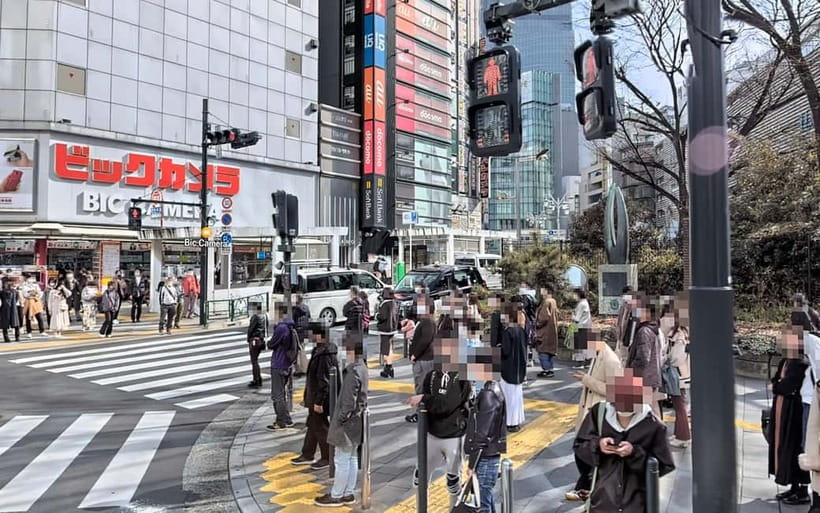
This isn’t a theme park of horror. It’s a street walk through Kabukicho, where neon advertising, side alleys, and late-night routines all collide. The guide’s job is to connect those sights to human stories: crime, organized groups, accidents, and the myths that people keep repeating.
The best part is that the tour treats the neighborhood like a real place with real consequences. Instead of only focusing on “scary,” you also get cultural context for how night life operates in Tokyo. That makes the experience feel less like entertainment and more like understanding a side of the city most people avoid.
More Shinjuku plates and pours our readers rated
- Tokyo: Shinjuku Food Tour (13 Dishes at 4 Local Eateries)
★ 5.0 · 6,603 reviews - Tokyo Bar Hopping Tour in Shinjuku (All-You-Can-Drink + Dinner)
★ 5.0 · 3,587 reviews - Tokyo: Shinjuku Food Tour (15 Dishes and 4 Eateries)
★ 4.9 · 2,033 reviews - Best of Shinjuku: Izakaya Food Tour (4 Stops, 14+ Tastings)
★ 5.0 · 1,863 reviews
Meeting at the Kabukicho Tower Starbucks and Getting Your Bearings
You’ll meet in front of the Starbucks at the Kabukicho Tower. The meeting point is on the stairs, and it’s easy to find using this Google Maps pin: https://maps.app.goo.gl/dk5fTH8gnUY4hVDY8.
Plan to arrive a little early and do one small favor for future-you: use the restroom before you start. This is a walk-and-talk style tour, and you’ll be on your feet as you move between street scenes and stops.
Also note the pacing: the group is limited to 4 participants. That helps a lot when you’re listening to explanations in a loud neighborhood. You’re less likely to lose the thread when someone asks a question.
Kabukicho’s Red-Light History: Why It’s More Than Neon and Rumors
Kabukicho has a reputation that travels fast—especially through games and TV. But reputation is not the same as context. On this tour, the guide frames the area as a product of changing decades in Tokyo, with stories that stretch across roughly 43 years.
You’ll hear about how the district developed alongside night-work culture and why certain businesses and meeting spots became part of the city’s nighttime rhythm. The tour doesn’t just list crimes; it ties them to the neighborhood’s social reality—who gathered where, why people went, and how violence left marks that outlived the events.
And yes, you’ll get the macabre side too. The difference is you’re not left with only chills. You’re left with a clearer sense of how fear, secrecy, and city life can reinforce each other.
Murder Sites, Haunted Corners, and the Art of Place-Based Storytelling
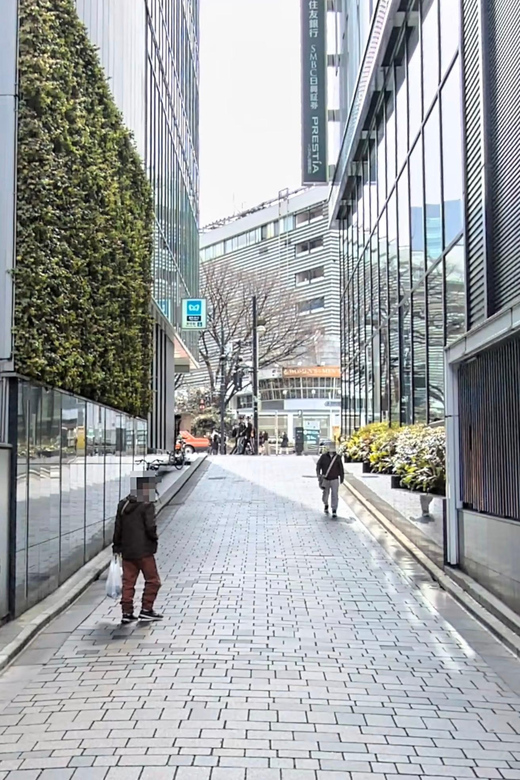
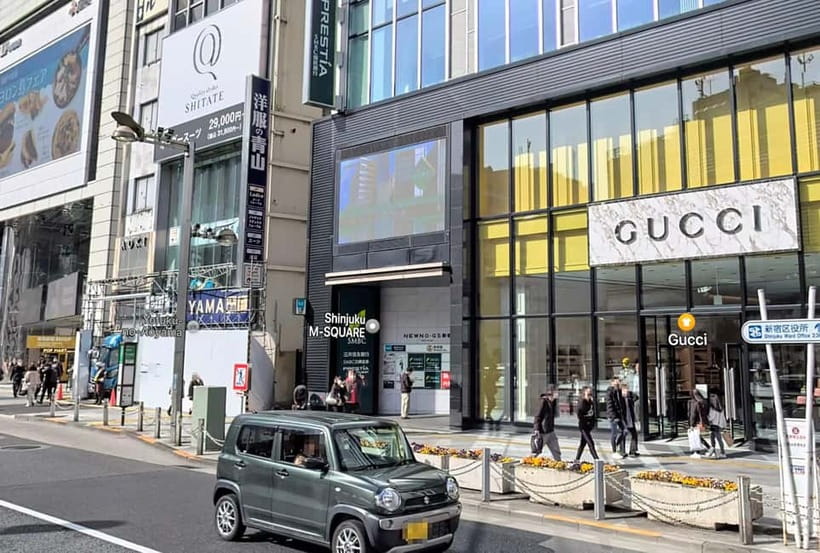
This is the part most people come for: you pass actual locations connected to serious incidents. The route keeps you moving through the kind of Tokyo streets where modern neon sits above older layers of events.
Expect the guide to talk through what happened, then connect it to the street layout and how the area functions at night. That’s what makes it land. When you can look at the same corners and alleys described in the story, the detail feels less abstract.
You’ll also pass areas known to be haunted. The point isn’t to prove ghosts. The point is to show how superstition and local lore grow around trauma, then stick around because people keep telling the stories.
Tip for your comfort: if you tend to get anxious in dark alleys, you can still enjoy this. Just keep your focus on the guide’s explanations, and treat the neighborhood like a walking museum—not a scary movie set.
Mafia Vendettas, Terror Attacks, and How the Stories Are Organized
A lot of “dark Tokyo” content online is sensational. Here, the guide organizes the material so it’s understandable, even when the topics are heavy. You’ll hear themes like mafia vendettas, terrorist attacks, murder-suicides, and accidents—plus how those events affected the district’s reputation.
This matters for value. If you’re the kind of traveler who likes true-crime content, you’ll appreciate how the tour distinguishes between the facts of an incident and the surrounding urban legend. You also learn how people interpret those events over time, especially in a place that constantly refreshes its signs, lighting, and storefronts.
The guide also brings in cultural issues of the red-light district. That’s not “moralizing.” It’s practical context: how nightlife works, how people move through it, and why the stories persist.
- Tokyo: Shinjuku Food Tour (13 Dishes at 4 Local Eateries)★ 5.0 · 6,603 reviews
- Tokyo Mt Fuji 5th St & Hakone Cruise Bus Tour w/Bullet Train★ 4.4 · 5,024 reviews
- Flagship 2-Hours Official Street Go-Kart Tour – Tokyo Bay Shop★ 5.0 · 4,974 reviews
- From Tokyo: Mount Fuji Full-Day Sightseeing Trip★ 4.5 · 4,970 reviews
- Tokyo: Hop-On Hop-Off Sightseeing Bus Ticket★ 3.9 · 4,207 reviews
Love Hotels, Jilted Lovers, and Never-Solved Cases
The tour description highlights the kinds of narratives you’ll hear: love hotels, tragic stories of jilted lovers, and mysteries that were never solved. Those topics fit naturally with Kabukicho’s identity as a place where romance, secrecy, and anonymity overlap.
You don’t need to be a true-crime expert to enjoy it. The guide explains the cultural side in plain terms, including how people used certain spaces for private encounters—and how that privacy can also create cover for darker events.
If you like your storytelling to have structure, this tour has that. It’s not random ghost stories. It’s a night walk shaped around recognizable beats: the district’s functions, the conflicts around it, and the unresolved elements that feed the rumor mill.
Yakuza and Tokyo Vice Stops: Seeing Fiction in Real Space
If you’re a fan of the Yakuza games or the HBO series Tokyo Vice, you’ll recognize some locations as you walk. This tour uses those pop-culture reference points to help you read the neighborhood like a map.
That’s a smart way to experience a place. You’re not trying to memorize addresses. You’re matching what you already know—fictional tone, visual cues, scene layouts—to what’s real on the ground.
Just remember: fiction exaggerates. The tour’s strength is that it turns those familiar cues into a chance to understand the real-world side—where the atmosphere comes from and how modern Tokyo built layered identities over older events.
The Guide, Vivian, and Why Her Research Shows in the Details
Vivian is the guide name you’ll hear again and again. She brings more than enthusiasm. She uses illustrations to help explain true-crime cases clearly, and she ties stories to the district itself.
One standout practical element: she can answer questions because she’s not treating the neighborhood like a checklist. She has personal connection to the topic, and her background includes a graduating thesis focused on night life and night work in Japan. If you’re curious about how nightlife culture functions beyond the headlines, this is where you get good answers.
You can also ask about what you’re seeing as you walk—signage, street behavior, and the way the district changes through the night. With a group capped at 4, your questions don’t get swallowed by the crowd.
End at a Shrine: The Tour’s Softer, Symbolic Finish
Not every “dark” tour ends with anything calm. Here, you finish with a solemn shrine visit. Even if you’re not religious, it gives the night a boundary.
That matters. Kabukicho stories can pile up emotionally—crime, tragedy, unresolved mysteries. A shrine stop is a clean reset. It also reflects the idea that Tokyo doesn’t only live in neon; it also lives alongside ritual spaces that people use to mark transitions.
Think of it as the emotional punctuation at the end of a long sentence.
Price and Value: Is $56 Worth It for Two Hours?
At $56 per person for 2 hours, this tour sits in the “special interest” range. So the value question is simple: do you want guided storytelling anchored to real locations, not just a generic walk?
In my view, it’s worth it if any of these are true for you:
- You like true crime but also want cultural explanations, not only shock
- You want to see Kabukicho with a guide who connects the streets to history
- You’re a Yakuza or Tokyo Vice fan who wants real-world context
- You prefer small groups and clear, question-friendly pacing
If you’re looking for a light, carefree stroll with no dark themes, you may not love this one. But if you come curious, you’ll get a structured, place-based experience that feels more earned than “just walking around.”
Who Should Book (and Who Should Consider Skipping)
This tour is best for adults who can handle crime stories and want context. It’s not suitable for children under 15, and the content is intentionally macabre.
You’ll likely enjoy it most if you:
- like understanding subcultures and how nightlife works
- enjoy stories that connect history to physical streets
- want to ask questions and get direct answers from a named guide (Vivian)
If you dislike heavy topics or get unsettled in nightlife districts, you can still choose to visit Tokyo’s red-light area—but I’d skip this specific tour and pick something calmer.
Practical Notes That Help Before You Go
A few things to plan for:
- It’s a walking tour, so wear shoes that handle Tokyo sidewalks and late-night streets.
- It’s in English, led live by a guide.
- The group is small (up to 4), which is one reason the explanations land well.
- The tour is wheelchair accessible, which helps if you need that support.
- It includes a final shrine visit, so dress modestly enough to feel comfortable at a sacred space.
Should You Book the Kabukicho Macabre Tour?
Book it if you want Kabukicho with real context: history, crime themes, and culture—guided by Vivian with illustrations and street-level storytelling. The small group size makes it more personal and easier to follow, even when you’re walking through a noisy neighborhood.
Skip it if you’re after a light night out, or if you don’t want macabre crime themes on your itinerary. This tour isn’t pretending to be gentle, and it doesn’t need to be.
If your ideal Tokyo night includes neon, darker stories, and a final ritual finish, this one fits.
FAQ
Where do I meet for the Kabukicho Macabre Tour?
You meet in front of the Starbucks of Kabukicho Tower, on the stairs. You can also use the provided Google Maps pin: https://maps.app.goo.gl/dk5fTH8gnUY4hVDY8
How long is the tour?
The tour lasts 2 hours.
How much does it cost?
The price is $56 per person.
Is the tour suitable for children?
No. It is not suitable for children under 15.
What language is the tour in?
The tour is conducted in English by a live tour guide.
Is the tour wheelchair accessible?
Yes, the tour is listed as wheelchair accessible.
More Tours in Tokyo
- Mt Fuji and Hakone 1-Day Bus Tour Return by Bullet Train
★ 5.0 · 26,383 reviews - 1-Day Tokyo Bus Tour
★ 5.0 · 14,250 reviews - Tokyo: Shinjuku Food Tour (13 Dishes at 4 Local Eateries)
★ 5.0 · 6,603 reviews - Tokyo Mt Fuji 5th St & Hakone Cruise Bus Tour w/Bullet Train
★ 4.4 · 5,024 reviews - Flagship 2-Hours Official Street Go-Kart Tour – Tokyo Bay Shop
★ 5.0 · 4,974 reviews
More Tour Reviews in Tokyo
- Mt Fuji and Hakone 1-Day Bus Tour Return by Bullet Train
★ 5.0 · 26,383 reviews - 1-Day Tokyo Bus Tour
★ 5.0 · 14,250 reviews - Tokyo: teamLab Planets TOKYO Digital Art Museum Entry Ticket
★ 4.6 · 9,779 reviews - Mt Fuji & Hakone Cruise, Drum Show Bullet Train 1 Day from Tokyo
★ 4.0 · 7,413 reviews - Tokyo: Shinjuku Food Tour (13 Dishes at 4 Local Eateries)
★ 5.0 · 6,603 reviews
More Shinjuku Food and Drink
- Tokyo: Shinjuku Food Tour (13 Dishes at 4 Local Eateries)
★ 5.0 · 6,603 reviews - Tokyo Bar Hopping Tour in Shinjuku (All-You-Can-Drink + Dinner)
★ 5.0 · 3,587 reviews - Tokyo: Shinjuku Food Tour (15 Dishes and 4 Eateries)
★ 4.9 · 2,033 reviews - Best of Shinjuku: Izakaya Food Tour (4 Stops, 14+ Tastings)
★ 5.0 · 1,863 reviews - Tokyo: Shinjuku Local Bar and Izakaya Guided Walking Tour
★ 4.9 · 1,794 reviews
Latest Tokyo reviews off our desk

Shinjuku Food & Bar Tours, compared.
 ★ 5.0Shinjuku Food Tour (13 Dishes at 4 Local Eateries)From $866,603 reviews
 ★ 5.0Tokyo Bar Hopping Tour in Shinjuku (All-You-Can-Drink + Dinner)From $1063,587 reviews
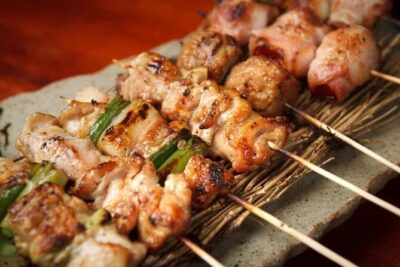 ★ 4.9Shinjuku Food Tour (15 Dishes and 4 Eateries)From $852,033 reviews
 ★ 5.0Best of Shinjuku: Izakaya Food Tour (4 Stops, 14+ Tastings)From $921,863 reviews
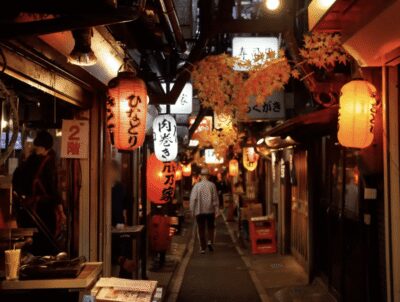 ★ 4.9Shinjuku Local Bar and Izakaya Guided Walking TourFrom $341,794 reviews
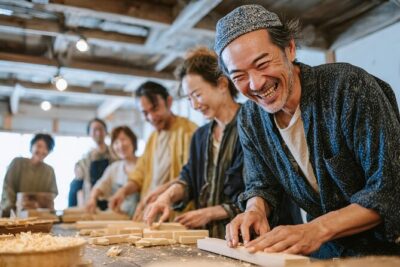 ★ 5.0Tokyo Shinjuku Chopsticks Making ClassFrom $201,763 reviews
 ★ 5.0Tokyo Shinjuku Sumo Show & Experience with PhotoFrom $791,750 reviews
 ★ 5.0Tokyo Night Foodie Tour in Shinjuku – Seasonal Sushi, Wagyu BeefFrom $1111,161 reviews
Browse the lists this tour appears in