
Reviewed · SHINJUKU FOOD & BAR TOURS
Kabukicho, Shinjuku: experiencing Japanese Host Club
Tokyo’s Kabukicho gets personal fast. This one-hour experience puts you in a Japanese host club world known from anime and drama themes, with hosts guiding chat, games, and attention in a tightly managed setting. I like that you get language support in English, Chinese, and Korean, so you can actually follow what’s happening without guessing. One drawback to plan for: the headline price doesn’t cover the in-club cover charge + drinks, so your total night can jump fast if you stay long or order more.
I also like the “you choose your timing” setup: you can pick the 20:00 or 21:30 slot and still fit it into a normal Tokyo evening. Hosts can switch roles and keep the energy moving, and in at least one guided session, Ryuki was noted for translating and helping the other hosts communicate. Still, go in with the right expectations: this is performance plus leisure for people who spend, not a quiet cultural lecture.
In This Review
- Key Highlights You’ll Feel Right Away
- Kabukicho After Dark: Getting to the Gofuku Building B1
- What a Japanese Host Club Night Really Is (In Plain Terms)
- Price and Logistics: Reservation Fee vs the Real In-Club Cost
- Your One-Hour Flow in the Club: Starting at 20:00 or 21:30
- Conversation, Games, and How the Language Support Works
- Drinks Menu: Shochu Mixes, Highballs, Beer, and Fruit Sours
- The Champagne Call Option: When the Night Turns Ceremonial
- Reviews: What People Most Loved (and One Risk to Note)
- Who Should Book This Host Club Night
- Should You Book? My Decision Guide for a Tokyo Night
- FAQ
- FAQ
- How long is the host club experience?
- What time slots are available?
- What is included in the price?
- What is not included?
- What kinds of drinks are offered?
- What languages are available?
- What identification do I need to bring?
- Is there an age limit or restrictions?
Key Highlights You’ll Feel Right Away
- Host club show-and-tell: talk, games, and attention from hosts as the evening unfolds
- Multilingual support: English, Chinese, and Korean-speaking guidance to reduce friction
- Kabukicho atmosphere, up close: a famous Shinjuku nightlife district with real-world energy
- Drink lineup that matters: shochu mixes, beer, highball, and fruit sours
- Champagne moments, if you choose: an optional champagne call can be part of the night
- Timing flexibility: 20:00 or 21:30 starts, with the one-hour plan as the base
Kabukicho After Dark: Getting to the Gofuku Building B1
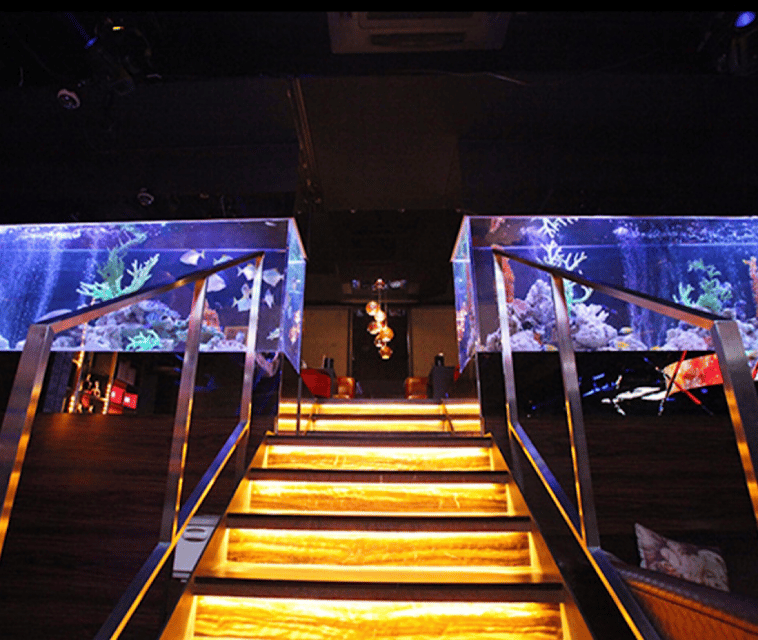
Your night starts at the Gofuku Building (互福ビル) in Kabukicho, Shinjuku. This is a key detail: Kabukicho is busy, neon-heavy, and easy to get turned around. The meeting instruction is straightforward, though. When you find the building, there’s a stair that goes downstairs. Head down to B1 and wait in front of the vending machine.
Once you’re there, you’ll be guided by an English-speaking staff member at the start. That matters more than it sounds. Host-club spaces can be formal and fast-moving, and having someone walk you through where to stand and what to do helps you avoid the awkward moment of “am I early or late?”
Also, bring the ID they ask for. Your passport is required, and copies don’t work. If you end up paying by credit card, there’s a 10% tax on credit-card payments, so it’s smart to think about your payment plan in advance.
More Shinjuku plates and pours our readers rated
- Tokyo: Shinjuku Food Tour (13 Dishes at 4 Local Eateries)
★ 5.0 · 6,603 reviews - Tokyo Bar Hopping Tour in Shinjuku (All-You-Can-Drink + Dinner)
★ 5.0 · 3,587 reviews - Tokyo: Shinjuku Food Tour (15 Dishes and 4 Eateries)
★ 4.9 · 2,033 reviews - Best of Shinjuku: Izakaya Food Tour (4 Stops, 14+ Tastings)
★ 5.0 · 1,863 reviews
What a Japanese Host Club Night Really Is (In Plain Terms)
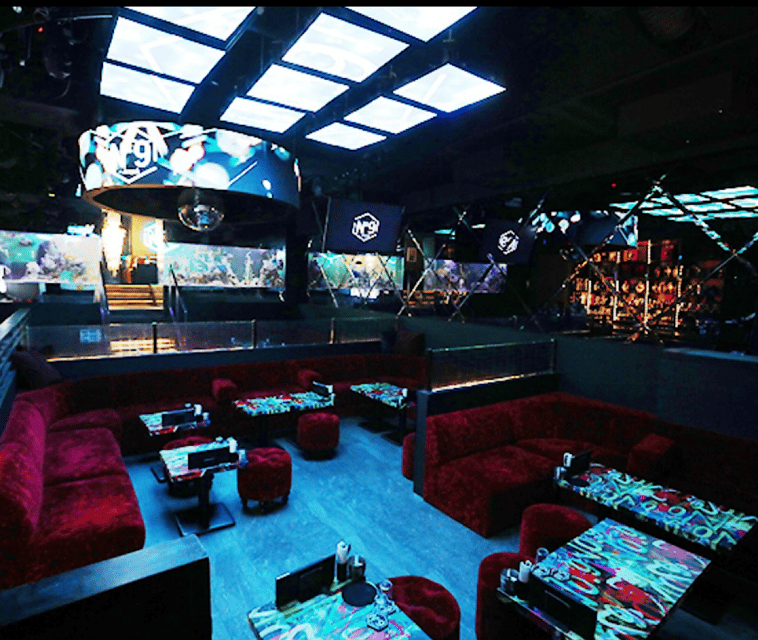
A Japanese host club can sound strange if you only know it from movies or anime. In this kind of setting, hosts sit with customers and keep the interaction going: conversation, games, jokes, and attention. The goal isn’t just to talk. It’s to create a social experience that feels like entertainment you’re part of.
What makes this activity useful for you is the “subculture translation” angle. The hosts you meet are often connected to the kinds of themes you see in Japanese anime and drama. Here, you’re not learning theory—you’re watching how the role works in real life. You’ll also get a sense of how the venue is designed to feel elegant and charm-forward, not like a casual bar stop.
Still, keep your expectations grounded. A host club is built around spending. One review noted the hosts mostly focus on alcohol, and that’s exactly the vibe you should plan for. If you’re looking for a low-cost night of culture, this won’t be that. If you’re curious about how a performance-style nightlife scene works, this can be genuinely fun.
Price and Logistics: Reservation Fee vs the Real In-Club Cost
Let’s talk money, because this is where most misunderstandings happen.
Your listed price is $12 per person for one hour, but that isn’t the full night cost. What’s not included is the cover charge + drink fee. The data here says it’s usually around 10,000 yen per person for an hour if you enter before 21:30 (the exact amount can vary by time and situation).
So what are you paying the $12 for? Think of it as the reservation fee tied to the experience structure—plus the translation help that lets you talk, play, and understand what’s going on while you’re inside. That makes the “value” a bit more about communication and access than about drinks.
You’ll also want to be aware of totals if you think you might stay longer. One example from the experience notes: someone spent 22,000 yen for 2 hours and saw a champagne call. That’s a helpful reality check. Even if you start with the one-hour plan, the environment can encourage you to extend the night with additional cost (the exact additional pricing isn’t listed, but the option to stay longer exists).
If you’re budgeting, a good approach is to treat this as a paid social event plus drinks, not a simple ticketed show.
Your One-Hour Flow in the Club: Starting at 20:00 or 21:30
You get to choose between 20:00 and 21:30 start times. That choice is more than convenience. It affects how the evening feels and can affect the cover-charge pricing, since the provided info says the “cheapest” cover charge estimate applies when you enter before 21:30.
Once you’re in, the one-hour plan is designed to move at a steady pace:
- you’ll be greeted by English-speaking staff
- you’ll step into the venue (described as opulent, elegant, and charm-focused)
- hosts guide you through conversation and interaction
- you’ll play games and enjoy the atmosphere
This format is tight on time, so the best mindset is to go with the flow. Host-club sessions often rely on energy and responsiveness. If you’re shy, that’s normal. One review specifically described feeling nervous at the door, then getting comfortable quickly thanks to how welcoming the group was. You’re not meant to “solve” the experience alone—translation and guidance help.
Conversation, Games, and How the Language Support Works
Here’s one of the strongest reasons this experience is worth your attention: you’re not stuck in silence.
The host club offers support in English, Mandarin, and Korean, and the included translation service is part of what you’re paying for. In practice, that means you can focus on what you’re doing (talking, responding, playing) rather than fighting language barriers.
A standout detail from the feedback: at least one session highlighted Ryuki as a strong host who translated while other hosts interacted. Another note described guests helping through a translation app when hosts didn’t speak English well. The point for you is this: communication support is part of the experience design.
What to do to make it work well:
- Pick a language you’re comfortable using, even if it’s not perfect.
- Ask simple questions and let the conversation expand from there.
- Treat games like an icebreaker, not a performance test.
Also, if you stay longer, communication can become even more important because you’ll have more back-and-forth. With only one hour, having translation support from the start helps you get value fast.
- Tokyo: Shinjuku Food Tour (13 Dishes at 4 Local Eateries)★ 5.0 · 6,603 reviews
- Tokyo Mt Fuji 5th St & Hakone Cruise Bus Tour w/Bullet Train★ 4.4 · 5,024 reviews
- Flagship 2-Hours Official Street Go-Kart Tour – Tokyo Bay Shop★ 5.0 · 4,974 reviews
- From Tokyo: Mount Fuji Full-Day Sightseeing Trip★ 4.5 · 4,970 reviews
- Tokyo: Hop-On Hop-Off Sightseeing Bus Ticket★ 3.9 · 4,207 reviews
Drinks Menu: Shochu Mixes, Highballs, Beer, and Fruit Sours
This isn’t a cocktail bar experience in the “wander and sample” sense. The drinks side is part of the host-club ritual.
The listed drink options include:
- Japanese shochu mixed with soft drinks
- beer
- highball
- fruit sours
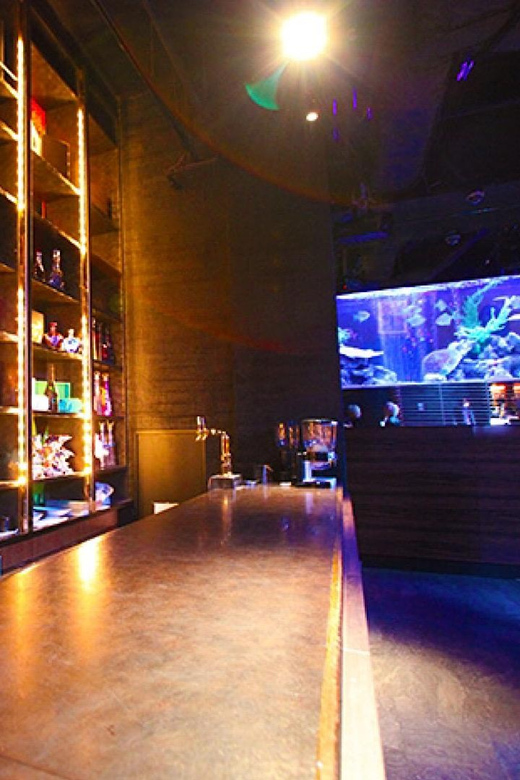
That matters because it shapes the tone. Shochu-based mixes and highballs are common in Japanese nightlife, and fruit sours are an easy entry point if you don’t want something too intense. If you’re trying to keep things light, you’ll want to watch what gets poured and whether you’re being upsold.
One review mentioned that hosts mostly only get alcohol, and you should take that as a heads-up: this is not the place to expect a wide non-alcohol beverage menu run like a café. You can still enjoy the experience, but plan your spending and pace.
If you’re credit-card focused, remember the 10% credit-card tax rule. If you’re cash-focused, reviews also suggest bringing cash and being aware of spending. That’s practical advice here.
The Champagne Call Option: When the Night Turns Ceremonial
Some host-club nights include special moments. One review said they saw a champagne call, and another note explains that champagne and a champagne call are optional.
So what does that mean for you? You’ll likely encounter the chance to upgrade the vibe with champagne-related rituals. It’s not required, but it’s a real part of the host-club entertainment structure when the group chooses it.
If you’re curious, you can treat it as a once-in-a-lifetime “see how it works” moment. If you’re budget-sensitive, be clear with yourself beforehand. A champagne call can turn into additional spending quickly, and you’ll want to be in control of that choice.
Reviews: What People Most Loved (and One Risk to Note)
Overall rating: 4.3 across 9 reviews. The strong trend is warm reception and smooth communication.
The most praised aspects from the feedback line up with what you’ll want from this kind of night:
- hosts and staff are welcoming and make you comfortable fast
- translation support helps keep you engaged
- the experience feels like a real slice of Japanese nightlife, not a staged museum moment
- people liked being able to ask for help with practical things like timing and last trains
One specific review praised how helpful the guide was with helping them catch the last train. They set an alarm and gave directions, based on the person’s plan to stay longer than an hour. That kind of attention is a big deal if you’re worried about Tokyo logistics after a lively evening.
Now the caution: one review was a 1 out of 5 and said the guide didn’t show up and didn’t answer messages. That’s rare, but it’s real enough to matter. If you book, do a quick check-in before you leave your hotel, and have your meeting location saved so you can act fast if anything feels off.
Who Should Book This Host Club Night
This experience is best for you if:
- you’re curious about Japanese subculture beyond stereotypes
- you want a social, interactive nightlife scene rather than a passive show
- you prefer a multilingual setup (English, Mandarin, Korean) so you can actually participate
- you like the idea of conversation, games, and a guided evening in Kabukicho
It’s probably not for you if:
- you’re under 20 years (there’s an age limitation)
- you’re pregnant (not suitable for pregnant women)
- you want a low-cost cultural experience with minimal spending
- you’re uncomfortable with alcohol-focused nightlife norms
Also, think about your travel style. This is a private group setup, which usually means more control and less crowd chaos. If you dislike tight time schedules, note it’s structured around a one-hour plan, with the possibility to stay longer for additional price.
Should You Book? My Decision Guide for a Tokyo Night
If you’re even slightly curious about how host clubs work—and you like the idea of speaking with hosts rather than just watching from a distance—this is a solid pick. The biggest value isn’t only the access to a Kabukicho venue. It’s the translation service plus the structured one-hour flow that gets you interacting quickly.
Before you book, go in with the right mental budget. The $12 reservation fee is only part of the cost once you factor in the typical 10,000 yen cover and drink fee and any optional moments like a champagne call. If you treat it like a paid social night, not a cheap attraction, you’ll likely feel good about the experience.
My advice: choose the time slot (20:00 or 21:30) that matches your energy and transportation plan. Then go in ready to talk, play, and enjoy the show aspect without needing to understand every word. That’s the sweet spot for getting real value out of a host club night.
FAQ
FAQ
How long is the host club experience?
The experience is scheduled for one hour.
What time slots are available?
You can choose either a 20:00 or a 21:30 time slot.
What is included in the price?
The included items are a reservation fee and translation service to English, Mandarin, and Korean.
What is not included?
The cover charge plus drink fee is not included. Champagne and a champagne call are also listed as optional extras.
What kinds of drinks are offered?
The drink selection includes Japanese shochu mixed with soft drinks, beer, highball, and fruit sours.
What languages are available?
Support is available in English, Chinese, and Korean, through the host club and the provided translation service.
What identification do I need to bring?
You need your passport. Passport copies are not acceptable.
Is there an age limit or restrictions?
Yes. It is not suitable for pregnant women, and it is not suitable for people under 20 years.
More Tour Reviews in Tokyo
- Mt Fuji and Hakone 1-Day Bus Tour Return by Bullet Train
★ 5.0 · 26,383 reviews - 1-Day Tokyo Bus Tour
★ 5.0 · 14,250 reviews - Tokyo: teamLab Planets TOKYO Digital Art Museum Entry Ticket
★ 4.6 · 9,779 reviews - Mt Fuji & Hakone Cruise, Drum Show Bullet Train 1 Day from Tokyo
★ 4.0 · 7,413 reviews - Tokyo: Shinjuku Food Tour (13 Dishes at 4 Local Eateries)
★ 5.0 · 6,603 reviews
More Shinjuku Food and Drink
- Tokyo: Shinjuku Food Tour (13 Dishes at 4 Local Eateries)
★ 5.0 · 6,603 reviews - Tokyo Bar Hopping Tour in Shinjuku (All-You-Can-Drink + Dinner)
★ 5.0 · 3,587 reviews - Tokyo: Shinjuku Food Tour (15 Dishes and 4 Eateries)
★ 4.9 · 2,033 reviews - Best of Shinjuku: Izakaya Food Tour (4 Stops, 14+ Tastings)
★ 5.0 · 1,863 reviews - Tokyo: Shinjuku Local Bar and Izakaya Guided Walking Tour
★ 4.9 · 1,794 reviews
Latest Tokyo reviews off our desk






Shinjuku Food & Bar Tours, compared.
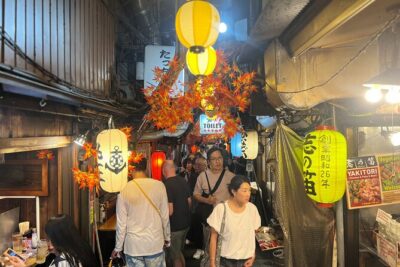 ★ 5.0Shinjuku Food Tour (13 Dishes at 4 Local Eateries)From $866,603 reviews
 ★ 5.0Tokyo Bar Hopping Tour in Shinjuku (All-You-Can-Drink + Dinner)From $1063,587 reviews
 ★ 4.9Shinjuku Food Tour (15 Dishes and 4 Eateries)From $852,033 reviews
 ★ 5.0Best of Shinjuku: Izakaya Food Tour (4 Stops, 14+ Tastings)From $921,863 reviews
 ★ 4.9Shinjuku Local Bar and Izakaya Guided Walking TourFrom $341,794 reviews
 ★ 5.0Tokyo Shinjuku Chopsticks Making ClassFrom $201,763 reviews
 ★ 5.0Tokyo Shinjuku Sumo Show & Experience with PhotoFrom $791,750 reviews
 ★ 5.0Tokyo Night Foodie Tour in Shinjuku – Seasonal Sushi, Wagyu BeefFrom $1111,161 reviews
Browse the lists this tour appears in