
Reviewed · MOUNT FUJI TOURS
Mount Fuji full day private trip with English speaking driver
Mt. Fuji in one long, smooth day. This private tour is built for people who want big views with zero Tokyo logistics—hotel pickup, a comfortable car, and a tight route around the Fuji area. You’ll visit the Mt. Fuji 5th Station area (when access works), plus classic stops around Lake Kawaguchiko and Oshino Hakkai, with shrine time and a bit of shopping if the schedule allows.
I especially liked the easy, door-to-door convenience and how it removes the stress of transfers, train schedules, and multiple ticket desks. Another clear win is the English-speaking driver; in the best moments, it turns the day from just sightseeing into a smoother, more informed experience—people even name drivers like Bilal, Meebi, Shahzaad, Malik, Mohammed, and Abdul for being attentive and helpful.
One consideration: Mt. Fuji can be hidden by clouds, and this tour is weather-dependent. Also, while the reviews are overwhelmingly positive, there is at least one critical account that raises concerns about late pickup and driving/vehicle comfort—so I’d treat punctual communication and vehicle condition as things to confirm right away with your driver.
In This Review
- Key things to know before you go
- The real payoff of a private Mt. Fuji day: less friction, more “daylight”
- Your route in plain English: a full loop around Fuji sights
- Mt. Fuji 5th Station: the closest-by-car viewpoint you’ll remember
- Arakurayama Sengen Park: stairs, shrine, and a famous photo angle
- Lake Kawaguchiko: the calm base camp for Fuji photos
- Oishi Park: a short walk with seasonal color that really changes the feel
- Oshino Hakkai: eight ponds fed by Fuji water
- Gotemba Premium Outlets: your “if time” shopping window
- The shrine stop that ties Fuji to faith: Kitaguchi Hongu Fuji Sengen Jinja
- Drivers and English: where the best reviews seem to matter most
- Price and value: what you’re really paying for
- Timing, weather, and why Mt. Fuji is a wild card
- What to pack and plan so the day feels easy
- Should you book this Mt. Fuji private trip?
- FAQ
- How long is the Mt. Fuji private trip?
- How many people are included in the private group?
- Is pickup and drop-off included?
- Is the driver English speaking?
- Is there a mobile ticket?
- Do I need to pay an entrance fee at Mt. Fuji 5th Station?
- Is lunch included?
- Are the other sites included in admission?
- What if the weather is bad?
- Is free cancellation available?
- Is this tour suitable for most travelers?
Key things to know before you go
- Private hotel pickup and drop-off in an air-conditioned vehicle, so you start and finish in your own neighborhood.
- Mt. Fuji 5th Station is the top priority, but you should plan for conditions and possible access limits depending on timing.
- Lake Kawaguchiko and Oishi Park offer multiple viewpoints, with seasonal flower color along a 350m walking path.
- Oshino Hakkai’s eight ponds are a quick, photogenic stop tied directly to Fuji’s spring water.
- Optional outlet shopping at Gotemba Premium Outlets only if there’s time to spare.
- One driver who speaks English, which matters more than you’d think when you’re juggling several stops in one day.
The real payoff of a private Mt. Fuji day: less friction, more “daylight”
From Tokyo, a Mt. Fuji day trip can turn into a time-management puzzle: trains, transfers, bus lines, and the constant question of whether you’ll make the next viewpoint before it closes. This private format solves that problem fast. You get round-trip hotel transfers and a car that stays with your group for the day, so you can focus on the scenery rather than the schedule.
The other huge benefit is control. Even though the route is set, you’re not stuck in the pace of a big bus group. Families in particular seem to like this: several praised drivers for being patient and adapting the day to kids, which is the difference between a tiring “checklist tour” and a trip that still feels fun.
The group size matters too. It’s priced per group up to 6, which can make the math surprisingly reasonable if you’re traveling with a small group (friends, a family, or a mix of adults and grandparents who don’t want to split up).
More Fuji day trips our readers rated highly
- Mt Fuji and Hakone 1-Day Bus Tour Return by Bullet Train
★ 5.0 · 26,383 reviews - Mt Fuji & Hakone Cruise, Drum Show Bullet Train 1 Day from Tokyo
★ 4.0 · 7,413 reviews - Tokyo Mt Fuji 5th St & Hakone Cruise Bus Tour w/Bullet Train
★ 4.4 · 5,024 reviews - From Tokyo: Mount Fuji Full-Day Sightseeing Trip
★ 4.5 · 4,970 reviews
Your route in plain English: a full loop around Fuji sights
This is an about 10-hour day, and it packs in the classic highlights without requiring you to become a local bus expert. The stops are timed so you hit viewpoints, gardens, shrines, and the most famous Fuji-water spot, plus an optional outlets stop.
Here’s how the day flows, what each stop is really for, and where the trade-offs are.
Mt. Fuji 5th Station: the closest-by-car viewpoint you’ll remember
You start with Mt. Fuji 5th Station, described as the closest accessible point by car to view the higher mountain area. You’ll get a strong sense of scale, and on clear days, the views down toward the city and surrounding region can feel unreal.
This is the place where weather makes or breaks the moment. If clouds roll in, you may still enjoy the area, but you won’t get the full “Fuji pops in the frame” experience. The tour also mentions that the 5th Station entrance fee isn’t included—it’s ¥2100 per vehicle—so budget for that when you estimate total cost.
A practical note: access can vary by season and local conditions. One of the provided accounts includes a situation where a guest ended up needing a bus to reach the station area, so don’t be shocked if you run into last-mile changes when the mountain is operating under restrictions.
Arakurayama Sengen Park: stairs, shrine, and a famous photo angle
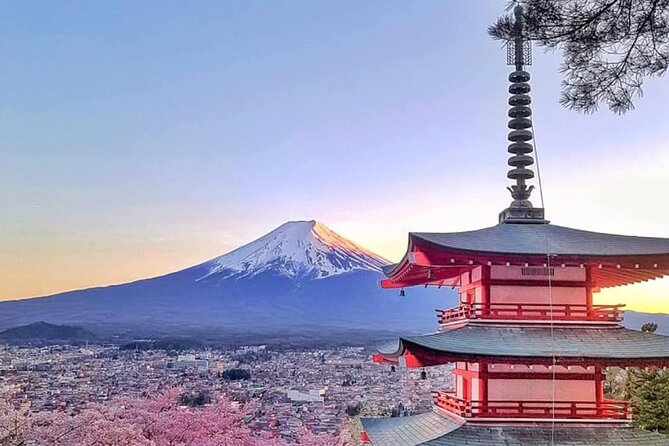
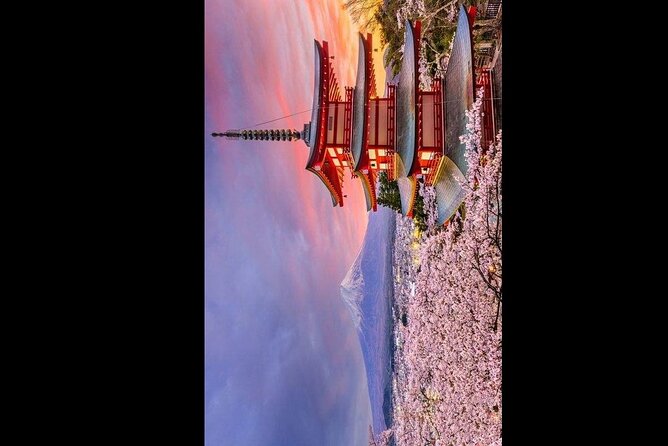
Next up is Arakurayama Sengen Park, with around an hour to enjoy the temple and the park’s layered stairs. At the top, the views of Mt. Fuji are the main event, and it’s also a classic spot for pictures—especially if you want that shrine-meets-mountain composition.
The trade-off is simple: stairs. It’s not described as a rough hike, but it’s still stairs and walking. If you have mobility limits or very small kids in a stroller, you’ll want to take your time and plan breaks.
If you’re the type who likes cultural stops but also wants the postcard payoff, this is a solid middle ground: shrine setting, viewpoint reward, and easy enough to fit into a full day itinerary.
Lake Kawaguchiko: the calm base camp for Fuji photos
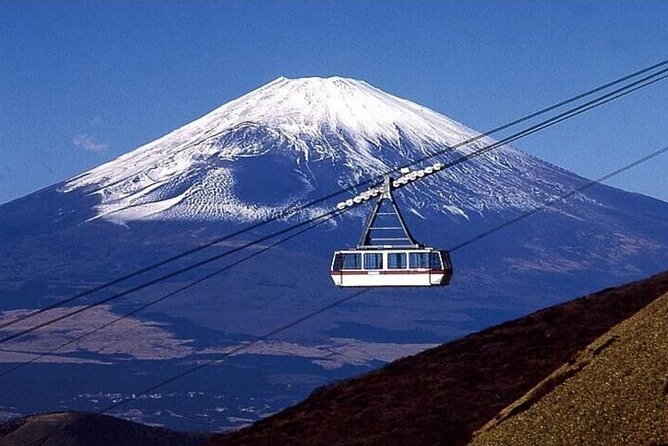
Then you reach Lake Kawaguchiko, one of the best-known areas around the Fuji lakes. You’ll get about an hour here, and the payoff is views—especially when Fuji is visible. The tour also references the Kachi Kachi Ropeway, which goes up to an observation area near Mt. Tenjo, and the option of hot springs in the region.
Important: the stop itself is listed as no admission fee, but ropeway rides and hot spring entry would typically be on your own. That’s fine—this part works well either way. If you only want the lake and viewpoint walking, you can keep it simple.
In plain terms, this is where you shift from mountain intensity to “Fuji reflected in the world” mode: calmer scenery, easier pacing, and plenty of places to pause with a drink and let the views settle into your brain.
Readers also shortlisted these Tokyo bookings:
- Tokyo 6hr Private Tour with Government-Licensed Guide★ 5.0 · 3,902 reviews
- Private Tour to Mt. Fuji and Hakone (Fully Licenced Operator)★ 5.0 · 1,910 reviews
- Tokyo Customized Private Tour (Must See Places in 1 Day)★ 5.0 · 1,499 reviews
- Mount Fuji Full-Day Private Tour from Tokyo (Customizable)★ 4.9 · 1,470 reviews
- Tokyo: Private City Highlights Tour with Local Guide★ 4.8 · 1,433 reviews
Oishi Park: a short walk with seasonal color that really changes the feel
After Lake Kawaguchiko, you go to Oishi Park for about 30 minutes. It’s a public park on the north shore, with a 350m walking path lined with flowers, and the flowers are the whole point.
Here’s the seasonal timing described for the park:
- Early April to late May: moss phlox spreads like a pink carpet
- Late June to late July: lavender blooms
- Mid to late October: kokia shrubs turn red
That’s a rare level of specificity for a tour stop, and it matters. It means you’re not just buying a ticket for scenery—you’re arriving when the scene is supposed to look a certain way. If your travel dates line up, you get a visual contrast between Fuji and colored plantings.
There’s also mention of the Kawaguchiko Natural Living Center, where you can find optional hands-on experiences like fruit jam making and a cherry/blueberry picking course, plus a café option including blueberry ice cream. Again, these aren’t framed as included, so think of them as add-ons if time and appetite allow.
Oshino Hakkai: eight ponds fed by Fuji water
Next is Oshino Hakkai, a small village built around eight ponds connected to fresh water coming down from Mt. Fuji. You’ll have about an hour, which is usually the right amount of time here: enough to walk the area, check the ponds, and browse.
This is also a classic place for food and souvenirs. It’s not described as a long museum-style experience; it’s more like a compact Fuji-water zone where you can grab a snack, take photos, and keep moving.
If you want one spot that feels distinct from “viewpoint sightseeing,” this is it. The story is tied to the water supply, not just the view angle.
Gotemba Premium Outlets: your “if time” shopping window
Then there’s a possible stop at Gotemba Premium Outlets for about an hour. It’s explicitly framed as something you do if you have spare time.
I like having this option because it gives you flexibility. After hours of viewpoints, a shopping break can reset energy—especially if you’re traveling with mixed interests. Just know you might not have time depending on weather, traffic, or how long you linger at earlier stops.
The shrine stop that ties Fuji to faith: Kitaguchi Hongu Fuji Sengen Jinja
The day ends with Kitaguchi Hongu Fuji Sengen Jinja Shrine, also known as Kitaguchi Shrine. It’s dedicated to Konohanasakuya-hime, the Shinto goddess of Mount Fuji and volcanoes, along with other deities connected to the mountain.
The shrine also serves as the main entrance to the Yoshida Trail, one of the primary climbing routes. Even if you’re not hiking, this context changes how you see the mountain. You’re not just looking at scenery; you’re visiting a place tied to the tradition of people praying for safety and success before attempting the climb.
It’s listed as about an hour and no admission fee, which makes it a good pacing stop—cultural, calm, and meaningful without turning the day into a half-day detour.
Drivers and English: where the best reviews seem to matter most
This is a private tour, so the driver isn’t an afterthought. In the strongest reviews, people praise the driver/guide for being accommodating, professional, and easy to understand in English.
Names that show up in the provided accounts include:
- Bilal, praised for accommodating service and strong views
- Meebi, praised for tailoring the day for families with kids
- Shahzaad, praised for being informative and knowledgeable
- Malik, praised for patience and English comfort
- Mohammed and Abdul, praised for outstanding driving plus smooth pickup and drop-off
That pattern tells you something practical: on a long day with several stops, the “how” matters as much as the “where.” A good driver helps with timing, keeps you oriented, and can suggest what to do first when you arrive somewhere crowded.
One caution from the provided feedback: there’s at least one critical review that raises issues about late pick-up, vehicle condition, and driving style. I can’t average that out across 164 reviews, but it’s enough to treat this as a normal precaution—confirm details quickly on the day, stay ready to communicate, and don’t ignore comfort/safety concerns.
Price and value: what you’re really paying for
The price is $400.36 per group (up to 6), and it includes a lot of the costs that often quietly inflate day trips from Tokyo: a private air-conditioned vehicle, fuel surcharge, parking fees, and all toll charges.
The biggest value piece is the time saved and the stress avoided. If you tried to build this day with public transport, you’d spend time on connections and you’d still face the same problem: weather can change everything, and when it does, you need flexibility fast. A private car keeps that flexibility.
What’s not included is also important to see clearly:
- Lunch
- Mt. Fuji 5th Station entrance fee: ¥2100 per vehicle
- Other stop admissions are listed as free in the tour schedule
So the realistic cost isn’t just the headline price—it’s headline price plus the 5th Station fee and whatever you spend on meals, snacks, ropeways, hot springs, and shopping.
If your group is near full capacity (up to 6), the per-person value can feel quite strong for a full day with door-to-door transfers and a dedicated English-speaking driver.
Timing, weather, and why Mt. Fuji is a wild card
This experience requires good weather. If weather cancels the trip, you’ll be offered a different date or a full refund. That’s a key trust signal: the provider isn’t pretending you’ll always see the perfect mountain through fog and cloud.
Even with good weather, you should think in probabilities. Some days Fuji is crisp and dramatic; other days it’s partially hidden. That’s not a tour failure—that’s just how the mountain is.
One more timing factor: since 5th Station is a major focus and access can vary, you should be mentally prepared for the possibility that the exact experience at the station might shift with conditions. The tour still aims to deliver the classic Fuji sights around it, so you’re not left with nothing to do if the mountain is playing hide-and-seek.
What to pack and plan so the day feels easy
Because it’s a full day with multiple walking sections (stairs at Arakurayama, walking paths at parks), I’d pack like it’s a long sightseeing day:
- A light layer for temperature shifts around the mountain area
- Comfortable shoes for stairs and paths
- A small snack/water plan, since lunch isn’t included
- Camera storage and phone battery (you’ll want it for Fuji moments)
And I’d plan your lunch strategy. With lunch not included, it helps to decide what you’ll do when you reach Lake Kawaguchiko (often that’s where a meal break naturally fits). If you prefer a more relaxed pace, ask your driver where to stop so you don’t waste time searching.
Should you book this Mt. Fuji private trip?
Book it if you want:
- A private, door-to-door day from Tokyo with an English-speaking driver
- The classic Fuji area combo: 5th Station + Kawaguchiko + Oshino Hakkai + a shrine
- Fewer logistics headaches and more time for photos and viewpoints
- Better value if you’re traveling with up to 6 people
Consider skipping or switching to a different approach if:
- Your dates are inflexible and you can’t handle a weather-related reschedule
- You’re extremely sensitive to walking stairs and uneven park paths
- You’re the type who prefers DIY freedom so you can customize every stop hour-by-hour
If your main goal is to see Mt. Fuji as efficiently as possible without turning the day into transportation homework, this private format is a strong choice.
FAQ
How long is the Mt. Fuji private trip?
The tour runs for about 10 hours.
How many people are included in the private group?
It’s a private tour for your group, with pricing listed per group up to 6.
Is pickup and drop-off included?
Yes. Hotel pickup and drop-off are included.
Is the driver English speaking?
Yes, the tour is listed with an English-speaking driver.
Is there a mobile ticket?
Yes, the tour includes a mobile ticket.
Do I need to pay an entrance fee at Mt. Fuji 5th Station?
Yes. The Mt. Fuji 5th Station entrance fee is not included and is listed as ¥2100 per vehicle.
Is lunch included?
No, lunch is not included.
Are the other sites included in admission?
Arakurayama Sengen Park, Lake Kawaguchiko, Oishi Park, Oshino Hakkai, Gotemba Premium Outlets (if time allows), and Kitaguchi Hongu Fuji Sengen Jinja Shrine are listed with free admission in the schedule.
What if the weather is bad?
This experience requires good weather. If it’s canceled due to poor weather, you’ll be offered a different date or a full refund.
Is free cancellation available?
Yes. You can cancel up to 24 hours in advance for a full refund.
Is this tour suitable for most travelers?
The information says most travelers can participate.
More Private in Tokyo
- Tokyo 6hr Private Tour with Government-Licensed Guide
★ 5.0 · 3,902 reviews - Private Tour to Mt. Fuji and Hakone (Fully Licenced Operator)
★ 5.0 · 1,910 reviews - Tokyo Customized Private Tour (Must See Places in 1 Day)
★ 5.0 · 1,499 reviews - Mount Fuji Full-Day Private Tour from Tokyo (Customizable)
★ 4.9 · 1,470 reviews - Tokyo: Private City Highlights Tour with Local Guide
★ 4.8 · 1,433 reviews
More Tour Reviews in Tokyo
- Mt Fuji and Hakone 1-Day Bus Tour Return by Bullet Train
★ 5.0 · 26,383 reviews - 1-Day Tokyo Bus Tour
★ 5.0 · 14,250 reviews - Tokyo: teamLab Planets TOKYO Digital Art Museum Entry Ticket
★ 4.6 · 9,779 reviews - Mt Fuji & Hakone Cruise, Drum Show Bullet Train 1 Day from Tokyo
★ 4.0 · 7,413 reviews - Tokyo: Shinjuku Food Tour (13 Dishes at 4 Local Eateries)
★ 5.0 · 6,603 reviews
More Mount Fuji Days We Have Reviewed
- Mt Fuji and Hakone 1-Day Bus Tour Return by Bullet Train
★ 5.0 · 26,383 reviews - Mt Fuji & Hakone Cruise, Drum Show Bullet Train 1 Day from Tokyo
★ 4.0 · 7,413 reviews - Tokyo Mt Fuji 5th St & Hakone Cruise Bus Tour w/Bullet Train
★ 4.4 · 5,024 reviews - From Tokyo: Mount Fuji Full-Day Sightseeing Trip
★ 4.5 · 4,970 reviews - Tokyo: Mt. Fuji Tour, Hakone Ropeway, Owakudani, Lake Ashi
★ 4.7 · 4,002 reviews
Latest Tokyo reviews off our desk






Mount Fuji Tours, compared.
 ★ 5.0Mt Fuji and Hakone 1-Day Bus Tour Return by Bullet TrainFrom $16326,383 reviews
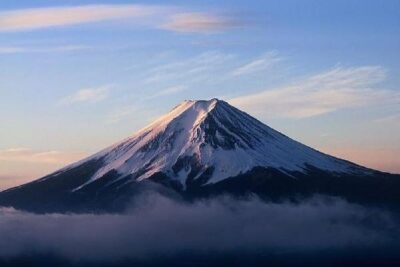 ★ 4.0Mt Fuji & Hakone Cruise, Drum Show Bullet Train 1 Day from TokyoFrom $1497,413 reviews
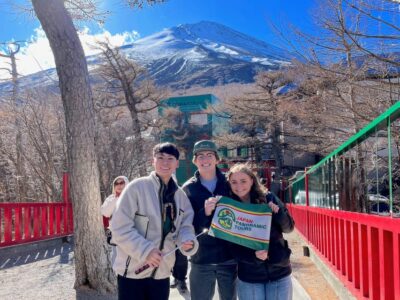 ★ 4.4Tokyo Mt Fuji 5th St & Hakone Cruise Bus Tour w/Bullet TrainFrom $1545,024 reviews
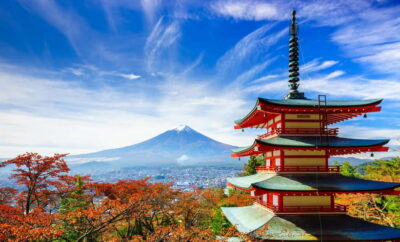 ★ 4.5From Tokyo: Mount Fuji Full-Day Sightseeing TripFrom $684,970 reviews
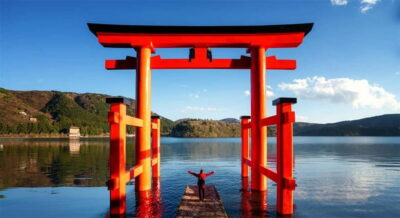 ★ 4.7Mt. Fuji Tour, Hakone Ropeway, Owakudani, Lake AshiFrom $544,002 reviews
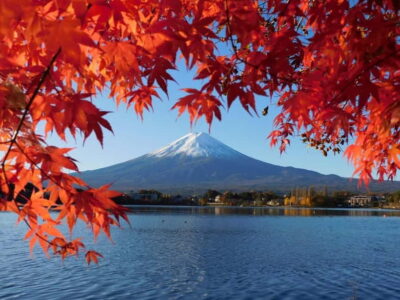 ★ 4.4Mt.Fuji,Kawaguchiko Oishi Park,Arakurayama Sengen ParkFrom $542,682 reviews
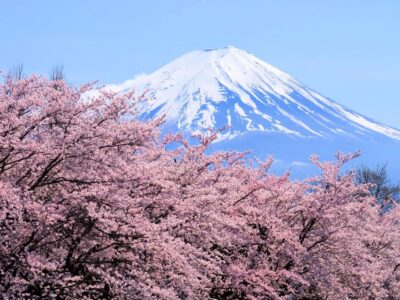 ★ 4.2Mt. Fuji 5th Station & Hakone Cruise 1-Day Bus TourFrom $1292,381 reviews
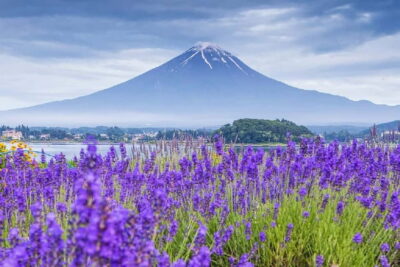 ★ 4.7Mt Fuji Top 5 Spots Day Tour: Arakurayama Park,Oshino HakkaiFrom $532,066 reviews
Browse the lists this tour appears in