
Reviewed · MOUNT FUJI TOURS
Mount Fuji-Lake Kawaguchi Private Tour with Bilingual Driver
Fuji feels closer when you drive there. This private Mount Fuji–Lake Kawaguchi day shapes the day around big sights, smart timing, and an English-speaking driver who helps everything click. I especially like the way the route mixes iconic viewpoints with a few off-mainstream stops like the ice and wind caves, instead of just rushing from postcard to postcard. My only real caution is weather: if clouds roll in, Mt. Fuji can be partially hidden, and the optional higher stops may shift with road and conditions.
You’ll travel in a luxury car with just your group, so you’re not stuck with someone else’s pace. I also like that the plan is built around Fuji Five Lakes area spots, so you can keep chasing clear angles as the day goes on, with Lake Kawaguchi set up for lunch and scenic time.
This is a full 10-hour outing, so expect multiple short stops rather than one long sit-down. If you want the Mt. Fuji 5th Station experience, it’s there as an optional stop and depends on weather and highway conditions, so I treat it as a plan-A day, not a guaranteed climb.
In This Review
- Key Things I’d Tell You Before You Go
- Why This Private Fuji Tour Works Better Than a Bus Day
- The 10-Hour Route: How the Day Is Built Around Clear Views
- Chureito Pagoda: Fuji Photos With a Real View Deck
- Oshino Hakkai: The Spring-Water Side of Mt. Fuji
- Arakurayama Sengen Park + Sengen Shrine: Steps, Cedar, and Perspective
- Saiko Iyashi no Sato Nemba: A Reconstructed Village Pause
- Narusawa Ice Cave and Fugaku Wind Cave: Lava Tubes That Feel Otherworldly
- Narusawa Ice Cave
- Fugaku Wind Cave
- Lake Kawaguchi: Where the Day’s Views and Lunch Make Sense
- Ropeway and cruise options
- Mt. Fuji 5th Station: Worth It, But Don’t Count on Perfect Conditions
- Price and Value for a Group Up to Five
- Who This Tour Fits Best
- Should You Book This Mount Fuji–Lake Kawaguchi Private Tour?
- FAQ
- FAQ
- What’s the duration of the Mount Fuji–Lake Kawaguchi private tour?
- Where does pick-up happen?
- How much does it cost, and how many people are included?
- Is the Mt. Fuji 5th Station included?
- Are ropeway and cruise on Lake Kawaguchi guaranteed?
- Do you need to bring anything for the caves or possible colder spots?
- How does child seating work?
Key Things I’d Tell You Before You Go
- English driver support helps the shrines, cave sites, and lake viewpoints feel more meaningful than just photo stops
- Private luxury car means only your group rides together, with easy pacing and customization
- Ice Cave + Wind Cave add a different side of Mt. Fuji beyond the usual viewpoints
- Oshino Hakkai and Chureito-style icons keep you close to the famous Fuji visuals
- Lake Kawaguchi time is where the day breathes, with ropeway and cruise options if schedule allows
- Mt. Fuji 5th Station is optional and depends on conditions, so come with Plan B expectations
Why This Private Fuji Tour Works Better Than a Bus Day
Mt. Fuji is famous for a reason, but the travel day can feel like a traffic quiz. The biggest win here is control. When you have a private vehicle and an English-speaking driver, you get a smoother rhythm: arrive, see, and move without waiting for a big group to wrangle tickets and coats.
The driver/guide angle matters too. One recent booking highlighted Maz for being especially informative and pleasant, and for going out of his way with details that other guides might skip. Even with the same sites, that kind of added context turns a quick stop into something you remember for more than the photo.
You’re also paying for fewer compromises. Parking and public transit logistics disappear when you’re in a car. And because it’s only your group, you’re less likely to feel like you have to hit every spot at someone else’s speed.
The one thing I can’t sugarcoat is weather. Mt. Fuji is weather-dependent, and the 5th Station in particular is subject to conditions. If you’re expecting perfect mountain views all day, you’ll want flexibility and patience.
More Fuji day trips our readers rated highly
- Mt Fuji and Hakone 1-Day Bus Tour Return by Bullet Train
★ 5.0 · 26,383 reviews - Mt Fuji & Hakone Cruise, Drum Show Bullet Train 1 Day from Tokyo
★ 4.0 · 7,413 reviews - Tokyo Mt Fuji 5th St & Hakone Cruise Bus Tour w/Bullet Train
★ 4.4 · 5,024 reviews - From Tokyo: Mount Fuji Full-Day Sightseeing Trip
★ 4.5 · 4,970 reviews
The 10-Hour Route: How the Day Is Built Around Clear Views
This tour runs about 10 hours and is designed as a sequence of viewpoints and “Fuji-adjacent” experiences. You’ll start with pick-up from a Tokyo hotel in the Tokyo 23 wards or from Haneda Airport, then work your way through a series of famous and scenic stops in the Fuji Five Lakes region.
The flow is practical: you begin with classic photogenic areas, then move into nature and geological sites (lava caves), and finally land on Lake Kawaguchi when the light and timing often cooperate best. Along the way, the stops are short enough to keep momentum, but not so short that you feel like you never get your bearings.
If you’ve ever done a tight sightseeing day, you know the trap: you spend more time walking between “quick photo” places than actually enjoying them. Here, each stop is placed for a reason—shrines for views and context, ponds for Fuji’s water story, and caves for a different kind of wow.
Chureito Pagoda: Fuji Photos With a Real View Deck
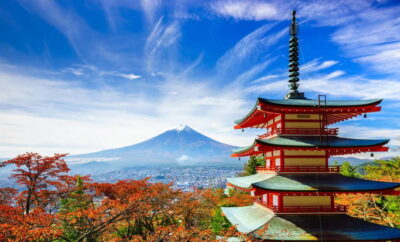
The day often begins with Chureito Pagoda, a Shinto setting known for its 5-tiered pagoda and an observation deck. This is one of those places where your first reaction is usually visual, then your second reaction is practical: it’s a view you’ll want to see from more than one angle.
Expect a scenic break on the way, plus about 30 minutes here. That’s enough time to climb a bit, find a comfortable spot for photos, and still keep the day moving. The key is to not rush. Pagodas look good from one line of sight, but the surrounding Fuji angles can change as you walk.
If you’re traveling with someone who gets tired of stairs, keep expectations realistic: this area is very much part of the “walk to the view” experience. The upside is you get dramatic Mount Fuji perspectives when visibility is good.
Oshino Hakkai: The Spring-Water Side of Mt. Fuji
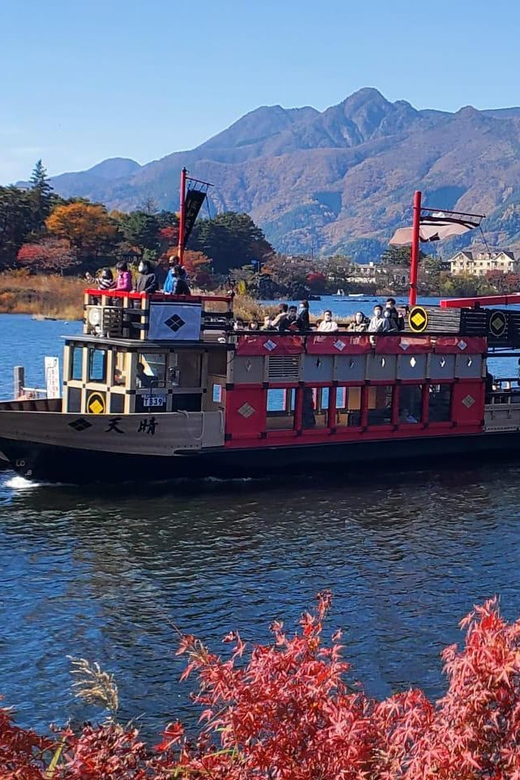
Next comes Oshino Hakkai, in the foothills of Mt. Fuji. This village is famous for spring water from Mount Fuji, fed into a set of ponds that travelers come to see and locals treat as part of daily reality.
You’ll have roughly 40 minutes, which is a comfortable pace for this kind of place. It’s not a museum, and it’s not a single landmark you sprint through. It’s a small area where you can look down into the water, check out how the springs are used, and enjoy the feeling of a place that’s more functional than staged.
This stop also works as a mental reset. After the iconic pagoda view, Oshino Hakkai gives you something quieter and more grounded. You’re trading skyline drama for water clarity and calm walking.
Arakurayama Sengen Park + Sengen Shrine: Steps, Cedar, and Perspective
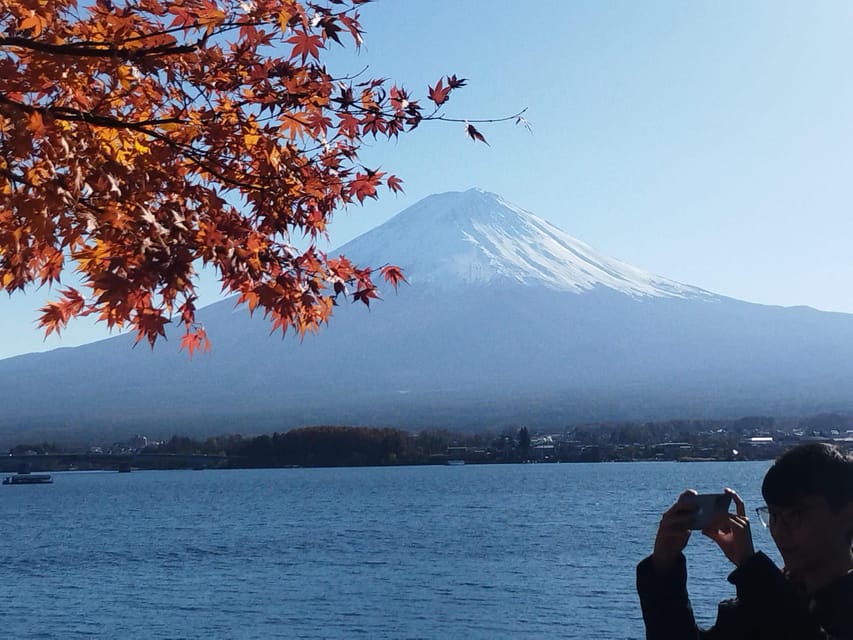
Arakurayama Sengen Park is built around Arakurayama Sengen Shrine, with a history tied to Mt. Fuji faith followers and climbers. The setup is very “Japan in layers”: a dense forest approach, cedar trees, stone lanterns, and steps leading up to a red-painted main hall built in 1615.
You’ll typically spend around 20 minutes here. That sounds short, but with this kind of site, short can actually be better. It’s enough time to appreciate the structure, enjoy the stair approach, and reach a view point—without burning the whole day on one climb.
A practical note: you may want to conserve energy for later cave walks, because the day is packed. If stairs are an issue, tell the driver early and you can adjust how far up you go.
Readers also shortlisted these Tokyo bookings:
- Private Tour to Mt. Fuji and Hakone (Fully Licenced Operator)★ 5.0 · 1,910 reviews
- Tokyo Customized Private Tour (Must See Places in 1 Day)★ 5.0 · 1,499 reviews
- Mount Fuji Full-Day Private Tour from Tokyo (Customizable)★ 4.9 · 1,470 reviews
- Private Custom Tour: Tokyo in a Day★ 5.0 · 1,432 reviews
- Tokyo 4hr Private Tour with Government-Licensed Guide★ 5.0 · 1,394 reviews
Saiko Iyashi no Sato Nemba: A Reconstructed Village Pause
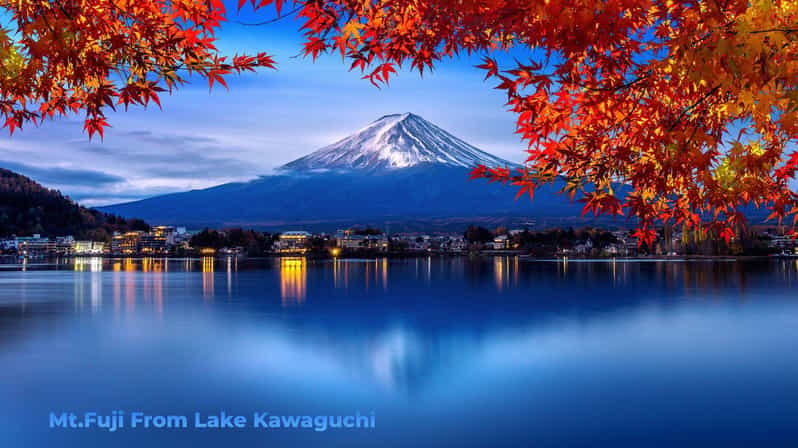
This tour includes Saiko Iyashi no Sato Nemba, a reconstructed Japanese farming village on Lake Saiko. The idea here is simple: you get a feel for how people lived near the Fuji region, but in a format designed for visitors to explore.
This is a good mid-day break from “just viewpoints.” It’s also a chance to slow down. Instead of chasing the next view angle, you’re looking at houses and getting a sense of the traditional village layout. Depending on what’s happening, you can also rent traditional clothing (if available), which turns this into a more hands-on photo moment.
If your group is more into nature than culture, you might treat this as a browse stop. If you like atmosphere and smaller scenes, this one tends to land well.
Narusawa Ice Cave and Fugaku Wind Cave: Lava Tubes That Feel Otherworldly
Now we get to the part that makes this tour feel more complete than a typical “Fuji highlights” itinerary: the lava tube caves.
Narusawa Ice Cave
You’ll visit Narusawa Ice Cave for about 15 minutes. It’s a lava tube located in the Aokigahara forest. You don’t need a geology degree here—just expect a cool, enclosed space that feels like a different world compared to outside light.
Fugaku Wind Cave
Then comes Fugaku Wind Cave for about 20 minutes. This one is also a lava tube, and it’s described as the largest of several lava tubes in the Aokigahara forest area. The “wind cave” name is the clue: it’s known for airflow and a natural temperature difference you can feel.
These cave stops are short on purpose. They’re impactful, but you don’t want to spend half your day underground. If you’re sensitive to humidity or you run cold easily, this is usually still manageable, but dress in layers so you’re comfortable.
Lake Kawaguchi: Where the Day’s Views and Lunch Make Sense
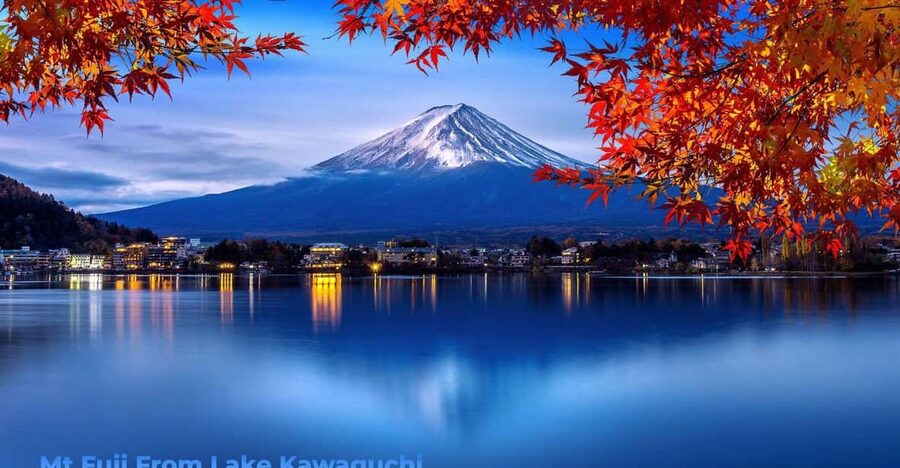
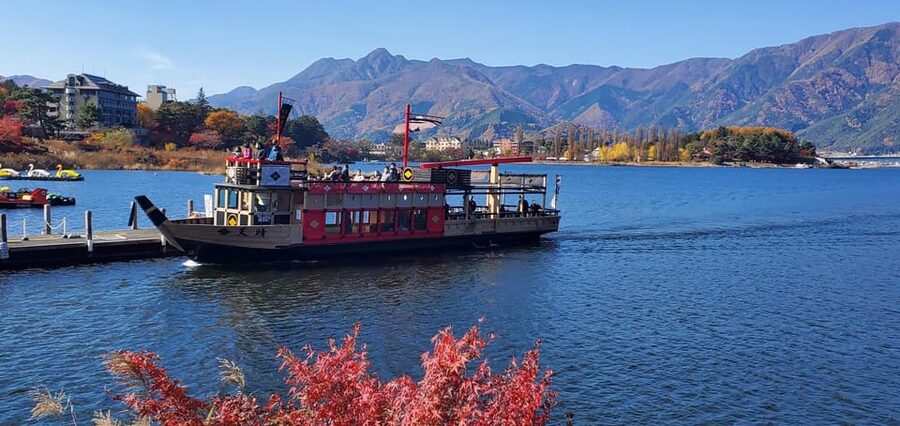
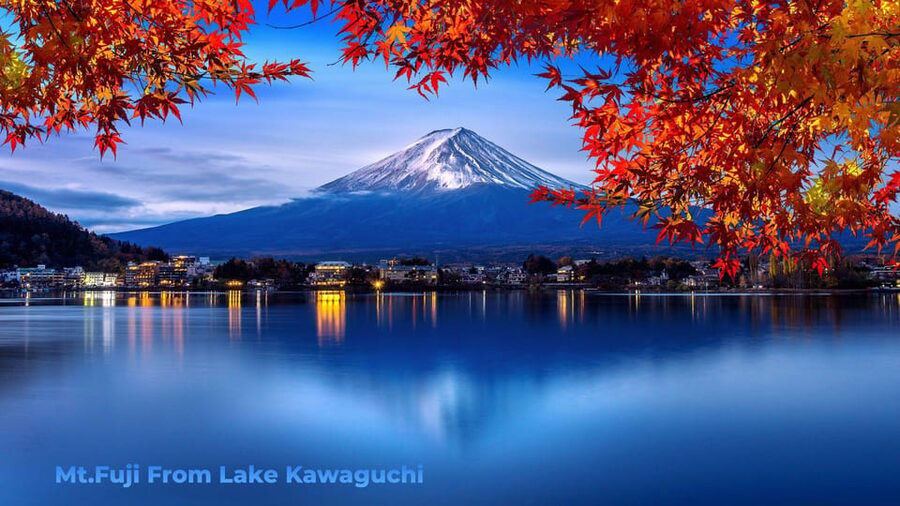
The biggest scenic block of the tour is Lake Kawaguchi, with about 1.5 hours allotted. This is where you can enjoy wide Fuji Five Lakes perspectives through areas tied to Yamanaka, Kawaguchi, Saiko, Shoji, and Motosu lakes.
Practically, Lake Kawaguchi is also where you can eat well without turning the day into a restaurant scavenger hunt. The plan includes time for lunch around the lake area, and it’s a smart move. When you’re doing multiple stops in one day, you need a meal that doesn’t derail your schedule.
Ropeway and cruise options
You can also experience the Mt. Fuji Panoramic Ropeway near the lake. Depending on timing, you may also find options like motor boating, paddle boats, and a cruise.
Here’s my advice: treat these as “if the timing works” experiences, not guaranteed add-ons. The tour notes that these options depend on schedule, so don’t build your whole day around one specific ride.
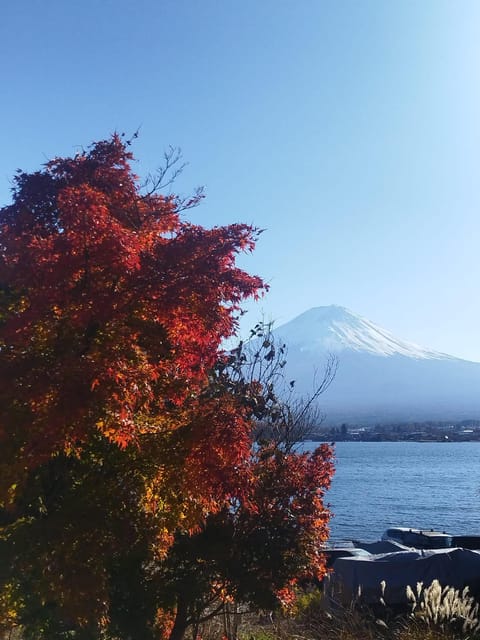
When Mt. Fuji is visible, Lake Kawaguchi is often where it looks most serene. When it isn’t fully visible, the lake still gives you calm scenery and a good end-of-day mood.
Mt. Fuji 5th Station: Worth It, But Don’t Count on Perfect Conditions
The Mt. Fuji 5th Station stop is optional, and it comes with the biggest timing and weather caveat of the day. It’s around 2,300 meters, and it’s the popular starting point of the Yoshida Trail, with shops, restaurants, and shrines.
You may also see Fuji Five Lakes from above, and sometimes you’ll catch the dramatic look of clouds below. Plus, Mt. Fuji-themed foods are part of the appeal at this elevation, like curry and melon bread shaped to resemble Mt. Fuji.
One important money detail: the Mt. Fuji 5th Station entrance fee is excluded, listed at 2,100 jpy per vehicle. So if you plan to go, budget for that.
The best way to approach the 5th Station is with the right mindset. If visibility is good, it can be a standout. If not, you still get a high-altitude break and a sense of the mountain’s scale without needing to climb.
Price and Value for a Group Up to Five
At $445 per group (up to 5 people) for 10 hours, this is one of those prices that looks high until you count the real costs of doing this alone.
You’re basically buying:
- a private luxury car,
- English-speaking driver support,
- toll and fuel,
- passenger insurance,
- and hotel or airport pick-up and drop-off within Tokyo’s 23 wards.
If you’re a family or a small group, the math often works better than you’d expect. Even if you split a car service or hire a driver independently, you’re usually paying for time, distance, and coordination. Here, the coordination is built into the package.
Where it can feel less “deal-like” is if you’re only two people and don’t need a luxury car. But the value still comes from cutting out transportation friction and compressing a lot of Fuji region stops into one day without a scramble.
Also remember what’s not included: parking fees, entrance fees for the sites you pay separately, and your food and drinks. The 5th Station entrance fee is specifically excluded, and extra hour charges are listed at 5,000 jpy per hour.
Who This Tour Fits Best
This is ideal if you:
- want a Fuji day without train transfers and long station waits,
- like having an English-speaking driver who can keep the story going as you move,
- want both famous postcard spots and different experiences like the lava caves,
- and you travel as a small group that can share the private-vehicle cost.
It may be less ideal if you:
- hate stairs and tight walking areas,
- or you’re expecting long stays at only one or two locations.
It’s also a good “first Fuji trip” option. Even if it doesn’t give you a perfect view of the mountain every minute, you’ll still get a full picture of the region.
Should You Book This Mount Fuji–Lake Kawaguchi Private Tour?
If you want one well-paced day that hits major Fuji icons plus caves and lake time, this is a smart booking. The private car makes it easier, the English-speaking driver adds meaning, and Lake Kawaguchi gives you the chance to relax and eat without rushing.
I’d book it if your group can handle a packed schedule and you’re okay with weather playing a role. I’d hesitate only if you need guaranteed Mt. Fuji views from high up, or if you hate stairs because several stops are designed around “walk to the viewpoint.”
FAQ
FAQ
What’s the duration of the Mount Fuji–Lake Kawaguchi private tour?
The tour is listed as 10 hours total.
Where does pick-up happen?
Pick-up is included from Tokyo hotel locations within the Tokyo 23 wards, and it’s also available from Haneda International Airport. Drop-off is the same as your pickup location option.
How much does it cost, and how many people are included?
The price is $445 per group, for up to 5 people, on a private group basis.
Is the Mt. Fuji 5th Station included?
Mt. Fuji 5th Station is optional and is subject to weather and highway conditions. The entrance fee is excluded at 2,100 jpy per vehicle.
Are ropeway and cruise on Lake Kawaguchi guaranteed?
You can enjoy the Mt. Fuji Panoramic Ropeway near Kawaguchi Lake, and boating or a cruise may be possible if the schedule permits.
Do you need to bring anything for the caves or possible colder spots?
The tour includes visits to the Narusawa Ice Cave and Fugaku Wind Cave. The information provided doesn’t list specific requirements, but bringing layers is a practical idea since caves can feel cooler than outside.
How does child seating work?
If child seat is required, you need to mention it at booking. Children under 6 years are required to have a child/booster seat.
More Tours in Tokyo
- Mt Fuji and Hakone 1-Day Bus Tour Return by Bullet Train
★ 5.0 · 26,383 reviews - 1-Day Tokyo Bus Tour
★ 5.0 · 14,250 reviews - Tokyo: Shinjuku Food Tour (13 Dishes at 4 Local Eateries)
★ 5.0 · 6,603 reviews - Tokyo Mt Fuji 5th St & Hakone Cruise Bus Tour w/Bullet Train
★ 4.4 · 5,024 reviews - Flagship 2-Hours Official Street Go-Kart Tour – Tokyo Bay Shop
★ 5.0 · 4,974 reviews
More Tour Reviews in Tokyo
- Mt Fuji and Hakone 1-Day Bus Tour Return by Bullet Train
★ 5.0 · 26,383 reviews - 1-Day Tokyo Bus Tour
★ 5.0 · 14,250 reviews - Tokyo: teamLab Planets TOKYO Digital Art Museum Entry Ticket
★ 4.6 · 9,779 reviews - Mt Fuji & Hakone Cruise, Drum Show Bullet Train 1 Day from Tokyo
★ 4.0 · 7,413 reviews - Tokyo: Shinjuku Food Tour (13 Dishes at 4 Local Eateries)
★ 5.0 · 6,603 reviews
More Mount Fuji Days We Have Reviewed
- Mt Fuji and Hakone 1-Day Bus Tour Return by Bullet Train
★ 5.0 · 26,383 reviews - Mt Fuji & Hakone Cruise, Drum Show Bullet Train 1 Day from Tokyo
★ 4.0 · 7,413 reviews - Tokyo Mt Fuji 5th St & Hakone Cruise Bus Tour w/Bullet Train
★ 4.4 · 5,024 reviews - From Tokyo: Mount Fuji Full-Day Sightseeing Trip
★ 4.5 · 4,970 reviews - Tokyo: Mt. Fuji Tour, Hakone Ropeway, Owakudani, Lake Ashi
★ 4.7 · 4,002 reviews
Latest Tokyo reviews off our desk






Mount Fuji Tours, compared.
 ★ 5.0Mt Fuji and Hakone 1-Day Bus Tour Return by Bullet TrainFrom $16326,383 reviews
 ★ 4.0Mt Fuji & Hakone Cruise, Drum Show Bullet Train 1 Day from TokyoFrom $1497,413 reviews
 ★ 4.4Tokyo Mt Fuji 5th St & Hakone Cruise Bus Tour w/Bullet TrainFrom $1545,024 reviews
 ★ 4.5From Tokyo: Mount Fuji Full-Day Sightseeing TripFrom $684,970 reviews
 ★ 4.7Mt. Fuji Tour, Hakone Ropeway, Owakudani, Lake AshiFrom $544,002 reviews
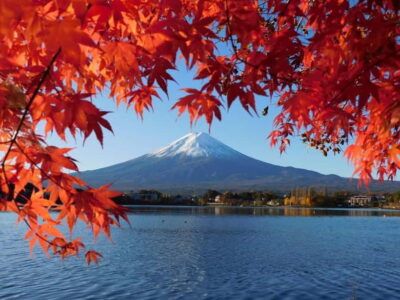 ★ 4.4Mt.Fuji,Kawaguchiko Oishi Park,Arakurayama Sengen ParkFrom $542,682 reviews
 ★ 4.2Mt. Fuji 5th Station & Hakone Cruise 1-Day Bus TourFrom $1292,381 reviews
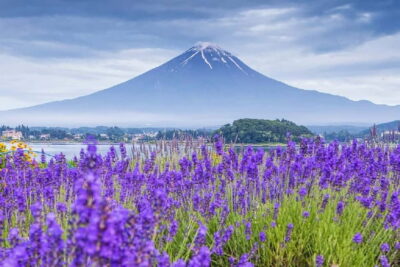 ★ 4.7Mt Fuji Top 5 Spots Day Tour: Arakurayama Park,Oshino HakkaiFrom $532,066 reviews
Browse the lists this tour appears in