
Reviewed · MOUNT FUJI TOURS
Mount Fuji (Mt. fuji) private tour by car with pickup from Tokyo
Fuji looks better from the road. This private car tour picks you up in Tokyo and lets you steer the day, with stops that can include Chureito Pagoda and Oshino Hakkai. It’s a simple way to get out to the Fuji Five Lakes area without fighting transfers or bus schedules.
I like the clear value in the setup: an English-speaking driver, an air-conditioned modern car, and highway tolls handled for you. I also like that the route is fully customizable, so you can prioritize views, culture, shopping, or caves instead of feeling stuck.
One drawback to plan around: the day is weather-dependent, and tight timing can limit how many optional stops you fit in. If you’re hoping to add multiple “extras,” you’ll want to choose them carefully and manage traffic by starting with a good plan for your return window.
In This Review
- Key points to know before you go
- A private Mt. Fuji day that actually feels doable
- Price and value: what $465 covers (and what it doesn’t)
- Picking your perfect route: views, shrines, lakes, caves, or shopping
- Chureito Pagoda and the Arakura Sengen Shrine: the iconic start
- Oshino Hakkai ponds: clear water and close Fuji chances
- Kitaguchi Hongu Fuji Sengen Jinja: Mt. Fuji through Shinto
- Lake Kawaguchiko: lunch base plus optional transport rides
- Oishi Park and Saiko Iyashi no Sato Nenba: easy walking, strong atmosphere
- Mt. Fuji 5th Station and Tenku no Torii: when you want altitude and framing
- Aokigahara lava tubes: Ice Cave and Fugaku Wind Cave for a cooler kind of magic
- Narusawa Ice Cave
- Fugaku Wind Cave
- When you want art and calm: Itchiku Kubota Art Museum
- Finishing with onsen or outlets: Fuji Chobo-no-yu and Gotemba Premium Outlets
- Timing and traffic tip that makes a huge difference
- Who this private tour fits best
- Should you book this Mt. Fuji private car tour?
- FAQ
- How many people are in a group for this tour?
- Where do you get picked up?
- How long is the tour?
- Is lunch included?
- Are the optional attractions included in the price?
- What happens if weather is poor?
Key points to know before you go
- Private door-to-door pickup from Tokyo, not shared shuttles.
- Custom stop selection across shrines, viewpoints, lakes, lava caves, onsen, and shopping.
- Classic Fuji photo stops like Chureito Pagoda and Oshino Hakkai.
- Optional upgrades (like the ropeway/boat at Kawaguchiko) cost extra and need time.
- Aokigahara lava cave stops stay cool, with Fugaku Wind Cave averaging about 3°C.
- Lunch isn’t included, so you’ll want to budget for food during the lake stop.
A private Mt. Fuji day that actually feels doable
A Mount Fuji day trip can turn into a stress test fast. Public transit can mean transfers, waiting, and the constant question of whether you’ll make it back in time. This is different because you start with pickup from your Tokyo hotel or apartment and move as a private group in a clean, air-conditioned car.
What you’re buying is time and control. You’re not locked into a fixed script—you choose stops that match what you want most. That matters on a volcano day, because Mt. Fuji visibility isn’t guaranteed, and timing in the Fuji region can be tricky when crowds hit.
More Fuji day trips our readers rated highly
- Mt Fuji and Hakone 1-Day Bus Tour Return by Bullet Train
★ 5.0 · 26,383 reviews - Mt Fuji & Hakone Cruise, Drum Show Bullet Train 1 Day from Tokyo
★ 4.0 · 7,413 reviews - Tokyo Mt Fuji 5th St & Hakone Cruise Bus Tour w/Bullet Train
★ 4.4 · 5,024 reviews - From Tokyo: Mount Fuji Full-Day Sightseeing Trip
★ 4.5 · 4,970 reviews
Price and value: what $465 covers (and what it doesn’t)
This tour is priced at $465 per group (up to 3 people). That price matters because you’re getting a private vehicle for most of a full day, with highway tolls included and an English-speaking driver handling the driving.
Included basics that help value:
- Air-conditioned vehicle and modern, clean transport
- Private transportation with fuel/petrol covered
- Highway tolls included
- English-speaking driver
- Mobile ticket
Not included (so plan for these):
- Lunch
- Admission for several optional stops, including Mt. Fuji 5th Station and the cave visits
Is it “cheap”? No. But for families, couples, or a group of three, it can be good value versus piecing together separate rides and admissions while also trying to coordinate timing on your own. And the high rating—4.9 out of 5 with 339 ratings and 97% recommended—suggests that people tend to feel the day runs smoothly when they choose stops that fit their time.
Picking your perfect route: views, shrines, lakes, caves, or shopping
The tour works best when you make a few decisions upfront. Here’s the simplest way to think about it: you’re selecting from four big “modes.”
1) Classic Fuji views. Think Chureito Pagoda, Oshino Hakkai, Oishi Park, and places like Tenku no Torii.
2) Culture and slower walking. Shrines like Kitaguchi Hongu Fuji Sengen Jinja and historical-style areas such as Saiko Iyashi no Sato Nenba.
3) The cool factor. Lava tube caves like Fugaku Wind Cave and Narusawa Ice Cave (these can be a relief from the heat, and they keep the experience interesting even if Fuji is faint).
4) Practical relaxation or retail. Onsen near Fuji, plus shopping like Gotemba Premium Outlets.
You don’t have to do every option. With only 8 to 10 hours, a day can get tight if you add too many “nice-to-haves.” The smart move is choosing 4 to 6 stops you truly care about and leaving a little buffer for traffic and weather changes.
Chureito Pagoda and the Arakura Sengen Shrine: the iconic start
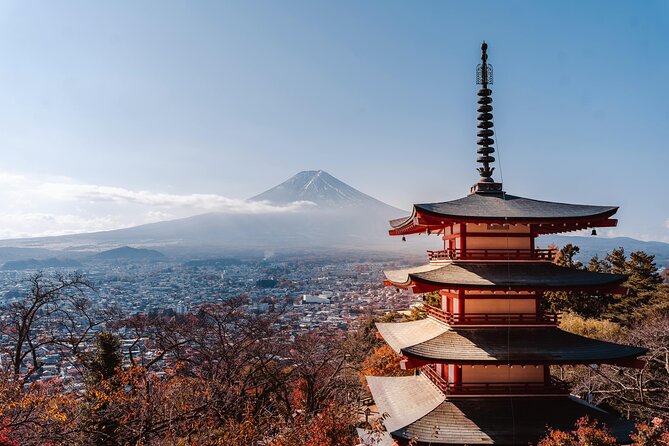
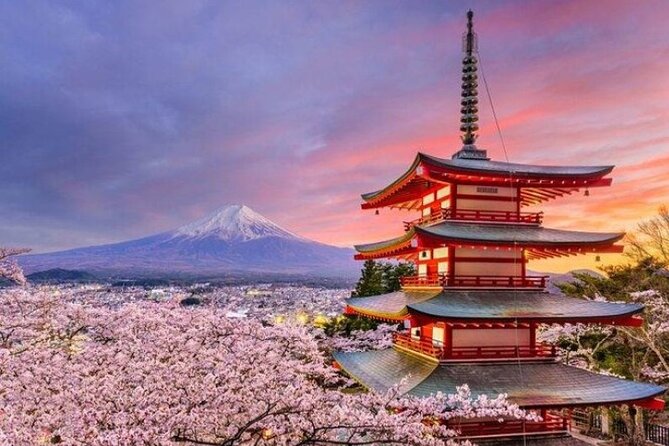
Most Mount Fuji days start with the photo that people recognize instantly. Chureito Pagoda is that moment. It’s a five-storied pagoda on the mountainside above Fujiyoshida City, with Mt. Fuji visible in the distance when conditions are right.
A few practical details help you enjoy it more:
- The pagoda sits within Arakura Sengen Shrine.
- It’s a peace memorial built in 1963.
- Getting there involves about 400 steps up from the shrine’s main buildings.
- Admission is free, and you’ll typically spend around 1 hour here.
Consideration: if you’re sensitive to stairs or want an easier day, factor in that step climb. But if you’re good with walking, this stop gives you a classic composition—pagoda in the foreground, Fuji far back—without needing a technical viewpoint hunt.
Oshino Hakkai ponds: clear water and close Fuji chances
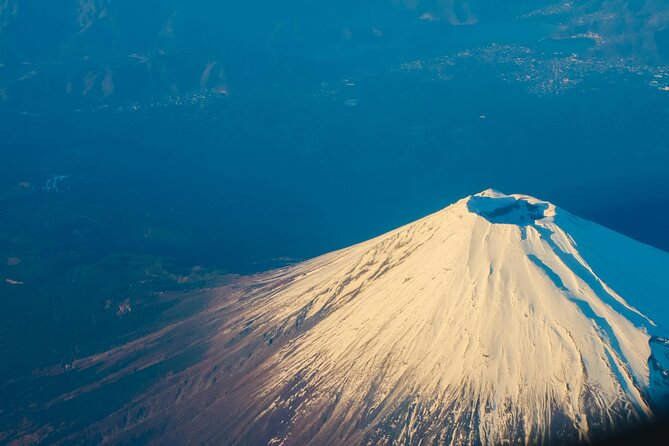
Oshino Hakkai is a set of eight ponds in the Oshino village area, between Lake Kawaguchiko and Lake Yamanakako. The ponds are fed by snowmelt from Mt. Fuji that filters down through porous lava layers, creating very clear spring water.
This stop is special because:
- Admission is free.
- You often get a close view of Mt. Fuji when the sky cooperates.
- It’s a quick win: about 30 minutes.
What can limit it? Like most Fuji-area stops, the view depends on weather. If Fuji is hidden, the ponds themselves still make a pleasant, calm break—just don’t build your whole day around one perfect line-of-sight.
Readers also shortlisted these Tokyo bookings:
- Tokyo 6hr Private Tour with Government-Licensed Guide★ 5.0 · 3,902 reviews
- Private Tour to Mt. Fuji and Hakone (Fully Licenced Operator)★ 5.0 · 1,910 reviews
- Tokyo Customized Private Tour (Must See Places in 1 Day)★ 5.0 · 1,499 reviews
- Mount Fuji Full-Day Private Tour from Tokyo (Customizable)★ 4.9 · 1,470 reviews
- Tokyo: Private City Highlights Tour with Local Guide★ 4.8 · 1,433 reviews
Kitaguchi Hongu Fuji Sengen Jinja: Mt. Fuji through Shinto
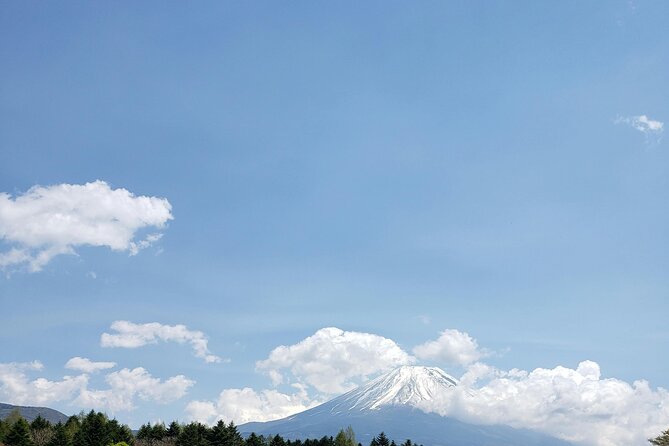
After the scenic hits, this is where you slow down and switch gears. Kitaguchi Hongu Fuji Sengen Jinja (also called Fujiyoshida Sengen Shrine) is the main Sengen Shrine on the north side of Mt. Fuji.
Key points you can actually use on-site:
- The shrine is said to date back to CE 100.
- It’s dedicated to Konohanasakuya-hime, the Shinto goddess of Mt. Fuji.
- Admission is free, with about 1 hour planned.
Why it’s worth it: it gives you a cultural anchor. Mt. Fuji isn’t just a mountain you look at; it’s a sacred site with long religious history. If the weather is only partly cooperative, this stop keeps the day meaningful even when the summit view is faint.
Lake Kawaguchiko: lunch base plus optional transport rides
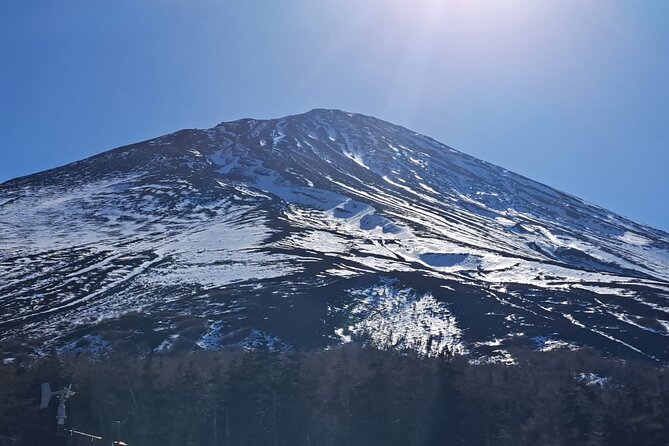
Lake Kawaguchiko is the practical hub of the Fuji Five Lakes area. If you want lunch, you’ll find plenty of restaurants around the lake, and you’ll typically get about 1 hour here.
A few facts that shape your experience:
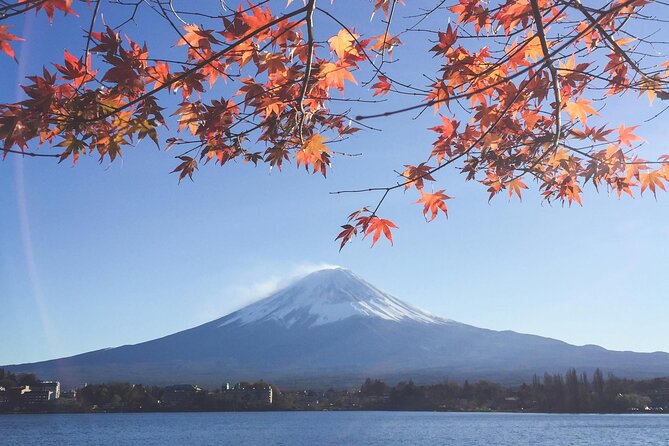
- The lake sits at about 830 meters elevation.
- That can mean cooler conditions than central Tokyo, especially in cooler seasons.
- Admission is free for the lake area itself.
- Optional activities cost extra, including a ship cruise or a ropeway cable car, listed at 1,000¥ per person.
If you like options, this is the best place to use them. If you’d rather save time and money, you can still get great strolling time along the shoreline and view points without paying for extra rides.
Oishi Park and Saiko Iyashi no Sato Nenba: easy walking, strong atmosphere
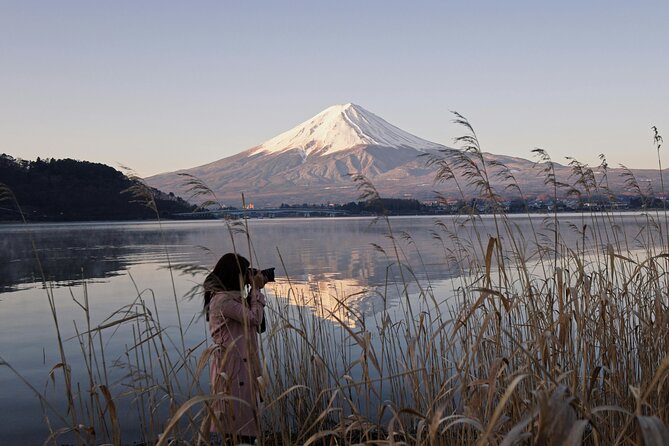
Oishi Park (optional) is on the north shore of Lake Kawaguchiko. It’s built for the classic “Fuji + lake” view, and it’s quick—about 30 minutes. Admission is free.
If you want a more “old Japan” feel, Saiko Iyashi no Sato Nenba is a strong counterbalance. It features old Japanese houses with straw roofs (and craft-focused stalls where artists work). You may also see kimono and samurai armor rentals available.
Time and cost notes:
- You’ll usually spend about 30 minutes.
- Admission is listed as not included.
- Plan for extra time if you stop for crafts or try rentals.
When Fuji is clear, these stops feel extra cinematic. When Fuji is clouded, they still work because they’re visually interesting and you’re not only chasing one mountain silhouette.
Mt. Fuji 5th Station and Tenku no Torii: when you want altitude and framing
If you choose the higher-altitude option, Mt. Fuji 5th Station is around 2,300 meters above sea level. It’s popular with climbers and also offers shops, restaurants, and a shrine. The stop is about 30 minutes, and admission is not included.
Then there’s Tenku no Torii (optional). This torii gate is positioned on a hillside where you can get an unobstructed, framed view of Mt. Fuji through the red gate. It’s especially famous for photography around sunrise and sunset, and you’ll typically get around 30 minutes.
How to choose between them:
- Pick 5th Station if you want altitude, climber energy, and a bus-accessible gateway to the Yoshida Trail area.
- Pick Tenku no Torii if you want a strong composition and a quick, photogenic moment.
If you only pick one “big view” stop, Tenku no Torii can feel faster and more dramatic. If you want the mountain experience up close, 5th Station delivers.
Aokigahara lava tubes: Ice Cave and Fugaku Wind Cave for a cooler kind of magic
This part of the day is for people who don’t want to spend the whole time waiting for clouds to clear. Lava caves give you a different rhythm—and they’re genuinely cooler once you enter.
Narusawa Ice Cave
Narusewa Ice Cave (optional) is a lava tube in the Aokigahara forest, in Narusawa Village. It’s one of the three larger lava tubes at the northern foot of Mt. Fuji. The other two listed are Fugaku Wind Cave and Lake Sai Bat Cave.
You’ll usually have about 45 minutes here, and admission isn’t included.
Fugaku Wind Cave
Fugaku Wind Cave (optional) is surrounded by greenery in the Aokigahara forest. Once inside, it stays pleasantly cool even in summer, with an average temperature around 3°C.
It also has a neat practical history note:
- Up to the beginning of the Showa era, it was used as a refrigerator to store silkworm eggs.
- It’s designated as a Japanese natural monument.
- It has a lateral length of about 201 meters and 8.7 meters high.
- It’s known for an unusual acoustics feature: it does not produce an audible echo because basaltic walls absorb sound.
Plan for about 45 minutes for a sightseeing tour.
If you’re deciding late in the day and Mt. Fuji is being shy, caves are a smart backup. They’re also a fun “wow” stop if you’re traveling with someone who isn’t obsessed with just taking mountain photos.
When you want art and calm: Itchiku Kubota Art Museum
If you want a cultural stop that feels different from shrines and lakes, Itchiku Kubota Art Museum is a great option. It’s near Lake Kawaguchiko and focuses on Itchiku Kubota’s kimono artwork.
Some specific details that help you appreciate what you’re seeing:
- He revived the lost Tsujigahana dyeing technique.
- The museum is set in nature and includes gardens.
- You’ll usually spend about 30 minutes.
- Admission is listed as free.
This is also a strong choice when weather isn’t ideal. Even if Fuji is hidden, a museum stop gives your day a “quiet win,” and it prevents the day from feeling like constant driving.
Finishing with onsen or outlets: Fuji Chobo-no-yu and Gotemba Premium Outlets
If you want a soft landing after sightseeing, Fuji Chobo-no-yu Yurari Onsen (optional) is a relaxing match. It’s near Mt. Fuji in Yamanashi Prefecture and includes multiple indoor and outdoor baths.
What makes it interesting:
- The outdoor rotenburo baths offer panoramic views of Mt. Fuji.
- There are private baths, plus a sauna and a restaurant.
You’ll typically spend about 30 minutes, and admission isn’t included.
If you’d rather trade relaxation for shopping, Gotemba Premium Outlets (optional) is nearby and designed for an easy browse. It’s listed as having over 200 stores, including luxury brands and both Japanese and international retailers. It’s also known for Fuji views from the area.
Time is about 30 minutes, and admission isn’t included.
One note you should catch early: Fuji-Q Highland is marked as permanently closed. If you had it in mind, you’ll want to ask your driver for an alternative stop that fits your interests.
Timing and traffic tip that makes a huge difference
This kind of day can be won or lost on timing. One practical tip from a past experience: if you’re starting from Tokyo, plan your schedule so you’re leaving back toward the city with enough buffer, with an advice point of being ready to depart before 15:30 to beat traffic. Depending on where you’re going first, the drive to the initial stop can be around 1 hour 40 minutes from central Tokyo areas, but it will swing based on conditions.
In plain terms: don’t stack too many optional stops late in the day. Put your “must sees” early and reserve optional add-ons for the middle or late only if weather and traffic are working with you.
Who this private tour fits best
This tour is a good match if:
- You want a stress-free way to reach the Fuji Five Lakes area from Tokyo without wrestling with transit.
- You like control. You’ll feel better picking your own stop mix rather than committing to someone else’s plan.
- You’re traveling with up to three people and want one vehicle instead of splitting up.
- You want both classic scenery and at least one “non-obvious” option like lava caves.
It’s also a smart choice if you’re the planner type and you’ll message your driver with your must-do list early. A private setup works best when the day is built around clear priorities.
Should you book this Mt. Fuji private car tour?
I’d book it if you want a smooth, driver-led day out of Tokyo and you care about picking your own mix of viewpoints, culture, and extras. The biggest advantage is simple: you avoid the headache of coordinating multiple legs and you can adjust the route when the weather shifts.
I’d skip or think twice if:
- Your schedule is tight and you’re hoping to add many optional paid stops.
- You’re traveling when crowds are heavy and you’d rather see fewer things but deeper than doing quick-hit stops.
If you book, do this: choose your must-do stops first (one classic view like Chureito or Oshino Hakkai, one lake/culture anchor like Kawaguchiko or a shrine, and one optional “interest” stop like a cave or onsen). Then let the driver fill in the rest based on visibility and time. That’s how you end up with a Fuji day that feels relaxed, not rushed.
FAQ
How many people are in a group for this tour?
The tour price is per group, and it’s set up for up to 3 people.
Where do you get picked up?
Pickup is offered from your Tokyo hotel or apartment.
How long is the tour?
The duration is about 8 to 10 hours.
Is lunch included?
Lunch is not included.
Are the optional attractions included in the price?
Admission is listed as not included for several optional stops, including Mt. Fuji 5th Station, the lava caves, and other optional viewpoints and activities.
What happens if weather is poor?
The experience requires good weather. If it’s canceled due to poor weather, you’ll be offered a different date or a full refund.
More Tours in Tokyo
- Mt Fuji and Hakone 1-Day Bus Tour Return by Bullet Train
★ 5.0 · 26,383 reviews - 1-Day Tokyo Bus Tour
★ 5.0 · 14,250 reviews - Tokyo: Shinjuku Food Tour (13 Dishes at 4 Local Eateries)
★ 5.0 · 6,603 reviews - Tokyo Mt Fuji 5th St & Hakone Cruise Bus Tour w/Bullet Train
★ 4.4 · 5,024 reviews - Flagship 2-Hours Official Street Go-Kart Tour – Tokyo Bay Shop
★ 5.0 · 4,974 reviews
More Tour Reviews in Tokyo
- Mt Fuji and Hakone 1-Day Bus Tour Return by Bullet Train
★ 5.0 · 26,383 reviews - 1-Day Tokyo Bus Tour
★ 5.0 · 14,250 reviews - Tokyo: teamLab Planets TOKYO Digital Art Museum Entry Ticket
★ 4.6 · 9,779 reviews - Mt Fuji & Hakone Cruise, Drum Show Bullet Train 1 Day from Tokyo
★ 4.0 · 7,413 reviews - Tokyo: Shinjuku Food Tour (13 Dishes at 4 Local Eateries)
★ 5.0 · 6,603 reviews
More Mount Fuji Days We Have Reviewed
- Mt Fuji and Hakone 1-Day Bus Tour Return by Bullet Train
★ 5.0 · 26,383 reviews - Mt Fuji & Hakone Cruise, Drum Show Bullet Train 1 Day from Tokyo
★ 4.0 · 7,413 reviews - Tokyo Mt Fuji 5th St & Hakone Cruise Bus Tour w/Bullet Train
★ 4.4 · 5,024 reviews - From Tokyo: Mount Fuji Full-Day Sightseeing Trip
★ 4.5 · 4,970 reviews - Tokyo: Mt. Fuji Tour, Hakone Ropeway, Owakudani, Lake Ashi
★ 4.7 · 4,002 reviews
Latest Tokyo reviews off our desk






Mount Fuji Tours, compared.
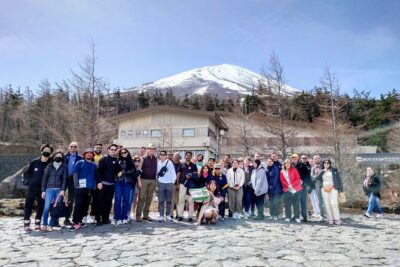 ★ 5.0Mt Fuji and Hakone 1-Day Bus Tour Return by Bullet TrainFrom $16326,383 reviews
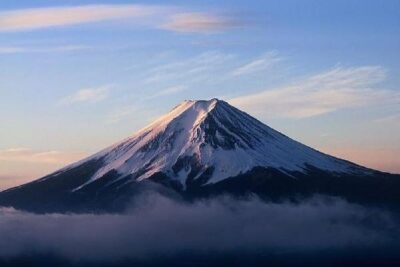 ★ 4.0Mt Fuji & Hakone Cruise, Drum Show Bullet Train 1 Day from TokyoFrom $1497,413 reviews
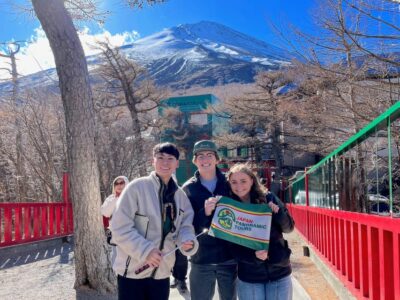 ★ 4.4Tokyo Mt Fuji 5th St & Hakone Cruise Bus Tour w/Bullet TrainFrom $1545,024 reviews
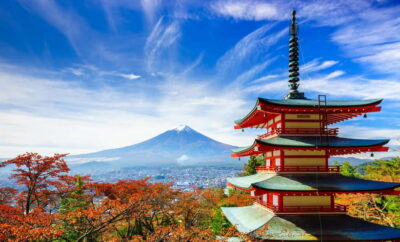 ★ 4.5From Tokyo: Mount Fuji Full-Day Sightseeing TripFrom $684,970 reviews
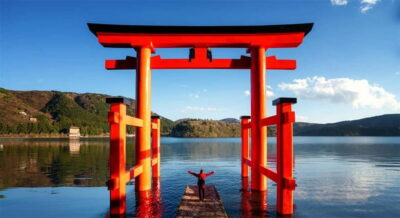 ★ 4.7Mt. Fuji Tour, Hakone Ropeway, Owakudani, Lake AshiFrom $544,002 reviews
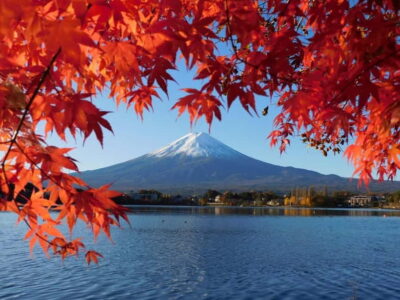 ★ 4.4Mt.Fuji,Kawaguchiko Oishi Park,Arakurayama Sengen ParkFrom $542,682 reviews
 ★ 4.2Mt. Fuji 5th Station & Hakone Cruise 1-Day Bus TourFrom $1292,381 reviews
 ★ 4.7Mt Fuji Top 5 Spots Day Tour: Arakurayama Park,Oshino HakkaiFrom $532,066 reviews