
Reviewed · MOUNT FUJI TOURS
Mt Fuji and Kawaguchiko Private Tour
A good Mt. Fuji day is half planning, half luck. This private tour turns that into a smooth, guided morning with the kind of stops you’d chase on your own—minus the stress. You get hotel pickup and an English-speaking guide, so you can focus on the views instead of train schedules.
I especially like the way the day is built around the big moments: Arakura Fuji Sengen Shrine for the iconic pagoda viewpoint, then a trip up to Mt. Fuji’s 5th Station when conditions allow. I also love that lunch is included, which matters when you’re doing a long day starting at 7:00am.
One consideration: Mt. Fuji access is weather-dependent. On snowy or overcast days, you may not reach the 5th Station, and the itinerary can shift to alternatives like the Fuji Panorama Ropeway—so you’ll want to pack layers and keep expectations flexible.
In This Review
- Key takeaways before you go
- Why a private Fuji day beats wrangling trains from Tokyo
- Your morning start: pickup, timing, and what the long day feels like
- Arakura Fuji Sengen Shrine: the pagoda viewpoint and the easiest win
- Mt. Fuji 5th Station: what 2,300 meters feels like (and when it changes)
- Oshino Hakkai: spring-water ponds and thatched-roof scenery
- Lake Kawaguchiko: one hour with a choice (ropeway, art museum, or sake)
- Lunch at a local restaurant: why that’s part of the value
- Guide quality: English support and Sengen Shrine ceremonies
- Price and value for $846.98 per person
- Who this tour suits (and who should reconsider)
- Should you book this Mt. Fuji and Kawaguchiko private tour?
- FAQ
- FAQ
- How long is the Mt. Fuji and Kawaguchiko private tour?
- What time does the tour start?
- Is hotel pickup and drop-off included?
- What’s included with the tour besides the guide?
- What happens if Mt. Fuji 5th station is closed or weather prevents access?
- What does Lake Kawaguchiko include?
- Are there any age or clothing requirements?
Key takeaways before you go
- Hotel pickup and drop-off mean you skip the Tokyo-to-Fuji transit headache.
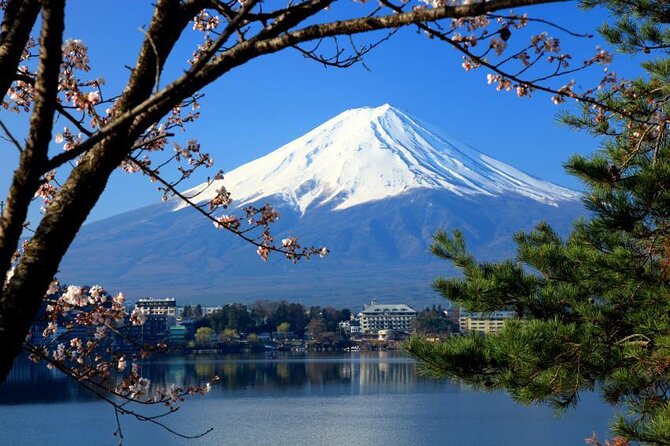
- Mt. Fuji 5th Station is the star, but you’ll go only as high as weather allows.
- Arakura Fuji Sengen Shrine gives you a classic Fuji-and-pagoda photo setup.
- Oshino Hakkai is a short, easy stop with spring-water ponds and thatched-roof scenery.
- Lake Kawaguchiko includes one choice: ropeway, art museum, or sake brewery.
Why a private Fuji day beats wrangling trains from Tokyo
Mt. Fuji can be surprisingly hard to see well if you try to do it DIY. You’re dealing with distance, timing, and the fact that weather can erase your plans in a single morning. A private tour tackles the big pain point first: you start with pickup from your Tokyo hotel, then ride in an air-conditioned vehicle straight to the Fuji area.
That sounds simple, but it’s the difference between enjoying the day and constantly checking connections. With a guide onboard, you also get quick context that makes stops feel purposeful instead of random photo breaks.
More Fuji day trips our readers rated highly
- Mt Fuji and Hakone 1-Day Bus Tour Return by Bullet Train
★ 5.0 · 26,383 reviews - Mt Fuji & Hakone Cruise, Drum Show Bullet Train 1 Day from Tokyo
★ 4.0 · 7,413 reviews - Tokyo Mt Fuji 5th St & Hakone Cruise Bus Tour w/Bullet Train
★ 4.4 · 5,024 reviews - From Tokyo: Mount Fuji Full-Day Sightseeing Trip
★ 4.5 · 4,970 reviews
Your morning start: pickup, timing, and what the long day feels like
You’re looking at a 10-hour day, starting around 7:00am. That early start is a smart trade. You’ll be ahead of some day-trippers, and you’ll have better odds for clearer skies when the mountain wants to show itself.
It’s still a full-day schedule, so plan your energy like you would for a hike day: comfortable shoes, a jacket you can actually zip up, and a phone charged for photos. Walking is described as moderate, and you’ll spend real time outdoors at higher elevation, where cool air can sneak up on you.
Arakura Fuji Sengen Shrine: the pagoda viewpoint and the easiest win
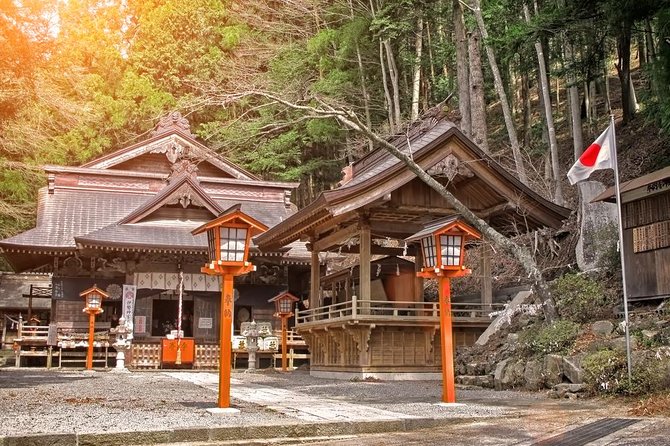
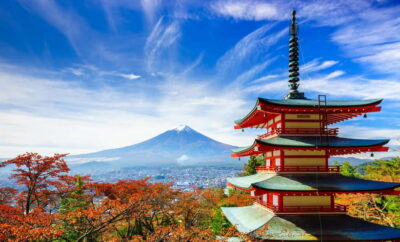
The first major stop is Arakura Fuji Sengen Shrine. This is known for its iconic view of Mt. Fuji paired with a pagoda—exactly the kind of “how is this real?” composition you want early in the day.
You get about 1 hour here, and entry is free. You’ll also get a guided explanation of what this shrine means in the wider pilgrimage tradition. That matters because you’re not just taking pictures—you’re learning why people historically made the climb, and what this area represents at the mountain’s base.
Practical note: shrine etiquette matters. The tour info calls for modest clothing, with knees and shoulders covered for temple/shrine entry. If you show up in summer shorts and a bare-shoulder top, you may feel rushed finding a solution on the spot.
Mt. Fuji 5th Station: what 2,300 meters feels like (and when it changes)
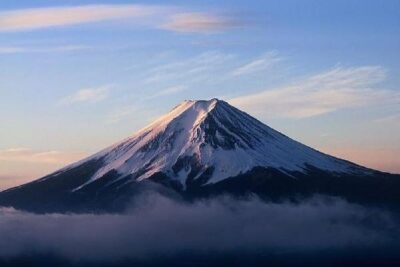
The highlight stop is Mt. Fuji 5th Station, at about 2,300 meters (7,546 feet). You get around 30 minutes at the viewpoint area—enough time to soak in the altitude, snap photos, and understand why climbers treat this as a turning point.
Here’s the important reality: you can’t count on reaching it every day. The tour states access can be unavailable depending on weather, and in winter (mid-December to late April) the 5th Station closes due to snow. During those months, the day changes to alternatives such as the Fuji Panorama Ropeway.
Even when conditions are tough, I like how the tour is designed to keep you moving toward the best possible viewpoint instead of just giving up. One guide-led experience you might hear about involved a day so snowy and overcast that visibility looked hopeless—then, with patience, a small peek still came through from a lower station point.
So if you’re the type who gets anxious about Plan B, this is one reason to choose a tour with a guide and a driver: you’ll still get a structured outcome even if the mountain refuses.
Oshino Hakkai: spring-water ponds and thatched-roof scenery
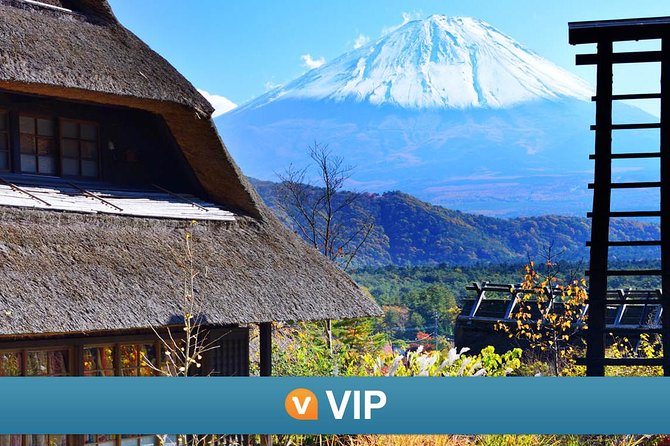
Next up is Oshino Hakkai, a famous area of spring-water ponds with nearby traditional thatched-roof buildings. You’re scheduled for about 30 minutes, with free admission.
This stop is a good break from the altitude feel. It’s calmer, and it’s more “Fuji life” than “Fuji climb.” The ponds and surrounding buildings make for classic Japan photography without requiring a long trek. It’s also a helpful palate cleanser before you head down toward Lake Kawaguchiko.
Timing tip from experience with days like this: use this stop for slower photos and a snack reset. Don’t burn all your energy here because you still have one more part of the day that can involve rides or indoor time depending on your choice.
Readers also shortlisted these Tokyo bookings:
- Tokyo 6hr Private Tour with Government-Licensed Guide★ 5.0 · 3,902 reviews
- Private Tour to Mt. Fuji and Hakone (Fully Licenced Operator)★ 5.0 · 1,910 reviews
- Tokyo Customized Private Tour (Must See Places in 1 Day)★ 5.0 · 1,499 reviews
- Mount Fuji Full-Day Private Tour from Tokyo (Customizable)★ 4.9 · 1,470 reviews
- Tokyo: Private City Highlights Tour with Local Guide★ 4.8 · 1,433 reviews
Lake Kawaguchiko: one hour with a choice (ropeway, art museum, or sake)
After Mt. Fuji, the day descends to Lake Kawaguchiko. This is where you get views of Fuji from below—different angles than the mountain stations, and often a more comfortable temperature.
You’ll have about 1 hour here, and you choose one included option:
- Fuji panoramic ropeway, or
- Ichibu Kubota Art Museum, or
- Ide Sake Brewery
You’re asked to inform the operator ahead of time which option you want. That choice affects the whole feel of the hour: ropeway is about vertical views and fresh air; museum time is calmer and indoors; a sake brewery is cultural and sensory, with the kind of visit that turns a scenic day into something more hands-on.
If you can only pick one, decide based on your group. For families and anyone chasing photos, ropeway is usually the crowd-pleaser. If your group prefers quieter stops or wants to cool down indoors, art museum or brewery can work better.
Lunch at a local restaurant: why that’s part of the value
Lunch is included. That sounds basic, but for a day trip like this it’s one of the smartest inclusions.
Without lunch included, you’re forced into quick convenience meals while also trying to keep your day on schedule. With lunch handled, you can focus on the route and not on hunting for something that fits your tastes.
The tour info specifies lunch at a local restaurant, but it doesn’t promise all drinks are included. So if you like soda, tea, or water with your meal, plan to pay for it separately unless your guide or the restaurant includes it.
Guide quality: English support and Sengen Shrine ceremonies
The tour includes an English-speaking guide, which is more than translation. It’s interpretation. You’ll hear explanations tied to the places you stop—geology, history, and why shrine sites are arranged the way they are.
One theme that stands out from past experiences: guides often find ways to make the shrine visit feel personal. Some people have described moments involving the priest at Sengen Shrine, including a blessing or short ceremony arranged through the guide.
Still, here’s the fair consideration: one guest expected something more private and was surprised when it came out as a ceremony rather than extended personal time with a priest. If spirituality is a big goal for your group, don’t assume how it will be handled. Ask your guide what the ceremony typically involves and what kind of interaction you can expect.
You’ll likely come away appreciating that the visit is not just sightseeing. It’s part of how people relate to Fuji in everyday and pilgrimage life.
Price and value for $846.98 per person
At $846.98 per person, this isn’t a budget excursion. It’s priced like what it is: a private day with door-to-door logistics, professional guidance, and key admissions handled.
So where does the value come from?
- Hotel pickup and drop-off in Tokyo, so you don’t spend time and energy fighting transit
- Private vehicle all day, which is what keeps the schedule workable
- English-speaking guide, so you gain context without language stress
- Lunch included, which removes one major cost and one major planning task
- Paid components are covered where specified, such as Mt. Fuji 5th Station admission and the Lake Kawaguchiko choice
The biggest “cost” isn’t money—it’s time and flexibility. The tradeoff is that you’re less likely to lose hours to confusion, and you’re more likely to get the best viewpoint available that day.
If your group can split the cost, private tours usually start to make more sense fast. If you’re traveling solo or with just one other person, the tour states there’s a minimum of 2 passengers per booking, so double-check that your dates work for that.
Who this tour suits (and who should reconsider)
This tour fits best if you want Fuji without turning your day into a logistics project.
You’ll probably love it if:
- you want a private format and real guide interaction
- you’re short on time in Tokyo and want a structured day
- you care about shrine and cultural context, not just summit photos
- you’d rather pay for comfort and clarity than spend it on transit stress
You may want to reconsider if:
- your budget is tight and you’re comfortable planning transit on your own
- you hate long days (it’s about 10 hours) and moderate walking
- you’re not willing to accept weather-driven changes (Mt. Fuji access can shift)
Also, there are clothing rules for shrine/temple entry: knees and shoulders must be covered. If you’ll be in light, uncovered summer outfits, plan one extra layer.
Should you book this Mt. Fuji and Kawaguchiko private tour?
Yes, if you want the most stress-free path to seeing Mt. Fuji’s key areas in one day. The combination of hotel pickup, English guidance, included lunch, and carefully chosen stops makes this a strong option for anyone who values time and wants a meaningful, not just photographic, experience.
My advice is to book with the right mindset: Fuji days are never fully predictable. Your goal isn’t to guarantee a perfect mountain reveal. Your goal is to maximize your odds of reaching the best viewpoint available, then enjoy a well-paced cultural route around it.
FAQ
FAQ
How long is the Mt. Fuji and Kawaguchiko private tour?
It runs for about 10 hours.
What time does the tour start?
The start time is 7:00am.
Is hotel pickup and drop-off included?
Yes. Hotel pickup and drop-off are included.
What’s included with the tour besides the guide?
Lunch at a local restaurant is included, and entry tickets are included for some stops (like Mt. Fuji 5th station, plus the chosen Lake Kawaguchiko option).
What happens if Mt. Fuji 5th station is closed or weather prevents access?
Access may be unavailable depending on weather conditions, and the tour will ascend to the highest point allowed. The 5th station is closed from mid-December to late April due to snow, and the itinerary changes to alternatives such as the Fuji Panorama Ropeway.
What does Lake Kawaguchiko include?
You choose one included option: Fuji panoramic ropeway, Ichibu Kubota Art Museum, or Ide Sake Brewery. You need to inform the operator ahead of time which one you want.
Are there any age or clothing requirements?
The minimum age is 12. Also, for entry to temples and shrines, knees and shoulders must be covered. Comfortable walking shoes are recommended since there is a moderate amount of walking.
More Tours in Tokyo
- Mt Fuji and Hakone 1-Day Bus Tour Return by Bullet Train
★ 5.0 · 26,383 reviews - 1-Day Tokyo Bus Tour
★ 5.0 · 14,250 reviews - Tokyo: Shinjuku Food Tour (13 Dishes at 4 Local Eateries)
★ 5.0 · 6,603 reviews - Tokyo Mt Fuji 5th St & Hakone Cruise Bus Tour w/Bullet Train
★ 4.4 · 5,024 reviews - Flagship 2-Hours Official Street Go-Kart Tour – Tokyo Bay Shop
★ 5.0 · 4,974 reviews
More Tour Reviews in Tokyo
- Mt Fuji and Hakone 1-Day Bus Tour Return by Bullet Train
★ 5.0 · 26,383 reviews - 1-Day Tokyo Bus Tour
★ 5.0 · 14,250 reviews - Tokyo: teamLab Planets TOKYO Digital Art Museum Entry Ticket
★ 4.6 · 9,779 reviews - Mt Fuji & Hakone Cruise, Drum Show Bullet Train 1 Day from Tokyo
★ 4.0 · 7,413 reviews - Tokyo: Shinjuku Food Tour (13 Dishes at 4 Local Eateries)
★ 5.0 · 6,603 reviews
More Mount Fuji Days We Have Reviewed
- Mt Fuji and Hakone 1-Day Bus Tour Return by Bullet Train
★ 5.0 · 26,383 reviews - Mt Fuji & Hakone Cruise, Drum Show Bullet Train 1 Day from Tokyo
★ 4.0 · 7,413 reviews - Tokyo Mt Fuji 5th St & Hakone Cruise Bus Tour w/Bullet Train
★ 4.4 · 5,024 reviews - From Tokyo: Mount Fuji Full-Day Sightseeing Trip
★ 4.5 · 4,970 reviews - Tokyo: Mt. Fuji Tour, Hakone Ropeway, Owakudani, Lake Ashi
★ 4.7 · 4,002 reviews
Latest Tokyo reviews off our desk






Mount Fuji Tours, compared.
 ★ 5.0Mt Fuji and Hakone 1-Day Bus Tour Return by Bullet TrainFrom $16326,383 reviews
 ★ 4.0Mt Fuji & Hakone Cruise, Drum Show Bullet Train 1 Day from TokyoFrom $1497,413 reviews
 ★ 4.4Tokyo Mt Fuji 5th St & Hakone Cruise Bus Tour w/Bullet TrainFrom $1545,024 reviews
 ★ 4.5From Tokyo: Mount Fuji Full-Day Sightseeing TripFrom $684,970 reviews
 ★ 4.7Mt. Fuji Tour, Hakone Ropeway, Owakudani, Lake AshiFrom $544,002 reviews
 ★ 4.4Mt.Fuji,Kawaguchiko Oishi Park,Arakurayama Sengen ParkFrom $542,682 reviews
 ★ 4.2Mt. Fuji 5th Station & Hakone Cruise 1-Day Bus TourFrom $1292,381 reviews
 ★ 4.7Mt Fuji Top 5 Spots Day Tour: Arakurayama Park,Oshino HakkaiFrom $532,066 reviews