
Reviewed · MOUNT FUJI TOURS
Mt Fuji and Tokyo – 2 Day Private Car Tour “ENGLISH DRIVER”
Two days can feel like five when you skip the transfers. This private English-driver tour is built for comfort and convenience, with hotel pickup in Tokyo’s 23 wards and a plan you can tweak on the fly.
I also like that it mixes famous sights with genuinely useful context from your driver, so you get more than photos and lines. One thing to budget for: some major entrance fees (including Tokyo Skytree and several Fuji-area stops) are not included, and one negative report flags that guiding quality can vary by driver.
In This Review
- Key highlights at a glance
- Private car, English driver, and Tokyo pickup that actually helps
- East Gardens of the Imperial Palace: calm starts, big-city bearings
- Tokyo Skytree: the skyline moment (and the ticket math)
- Senso-ji in Asakusa: temple colors, street energy, and easy photos
- Tsukiji street-food style: eat first, ask questions second
- Meiji Jingu Shrine: a breather you feel in your lungs
- Harajuku’s Takeshita Street: cute fashion meets people-watching
- Shibuya Crossing: the world-famous camera shot, plus practical crossing strategy
- Mt. Fuji road trip: how to make the long day feel lighter
- Arakurayama Sengen Park: stairs, a pagoda, and a classic Fuji frame
- Oshino Hakkai: ponds, village charm, and quick shopping bites
- Lake Kawaguchiko: the most accessible Fuji lake for a full view day
- Oishi Park: a short stop with a strong payoff
- Wind Cave and Iyashi no Sato: when you’ll pay for variety
- Panaromic ropeway and other ticket add-ons: budget reality check
- Guide quality can make or break a private tour
- Comfort, timing, and car logistics inside a two-day plan
- Price and value: when private makes sense
- Who this tour fits best (and who should think twice)
- Should you book this Mt. Fuji and Tokyo private car tour?
- FAQ
- Can I do this tour as a private group?
- How big is the group, and what’s the price?
- Does the tour include hotel pickup and drop-off in Tokyo?
- Will the driver speak English?
- What’s included, and what’s not included?
- Are meals included?
- Are there free attractions on the plan?
- Can I cancel for a full refund?
Key highlights at a glance
- Private car with English-speaking driver means less stress and more time at the places you pick
- Tokyo hotel pickup/drop within the 23 wards saves you the first-morning scramble
- Two focused days cover both classic Tokyo icons and Mt. Fuji viewpoints without rushing
- Many stops have free admission, but key attractions do cost extra
- Short walking, close drop-offs help if your group has seniors or mobility needs
- Guide support in real time can make the difference between seeing a spot and understanding it
Private car, English driver, and Tokyo pickup that actually helps
If you’ve spent even one day in Tokyo, you know the public-transport game can get exhausting fast. This tour solves that with a private vehicle and an English-speaking driver who handles the driving, the timing, and the practical questions that pop up when you’re trying to read a place in a hurry.
Pickup is offered for hotels in Tokyo’s 23 wards, and you’re not stuck figuring out where the rendezvous point is. There’s also an optional basic in-car Wi‑Fi request, plus bottled water. Small stuff, but it matters when you’re moving all day.
The most valuable part is the “private” element. In a shared bus tour, you often get one set schedule. Here, you can usually shape the day around your pace—especially useful when someone wants extra time for a viewpoint, shopping, or photos.
More Fuji day trips our readers rated highly
- Mt Fuji and Hakone 1-Day Bus Tour Return by Bullet Train
★ 5.0 · 26,383 reviews - Mt Fuji & Hakone Cruise, Drum Show Bullet Train 1 Day from Tokyo
★ 4.0 · 7,413 reviews - Tokyo Mt Fuji 5th St & Hakone Cruise Bus Tour w/Bullet Train
★ 4.4 · 5,024 reviews - From Tokyo: Mount Fuji Full-Day Sightseeing Trip
★ 4.5 · 4,970 reviews
East Gardens of the Imperial Palace: calm starts, big-city bearings
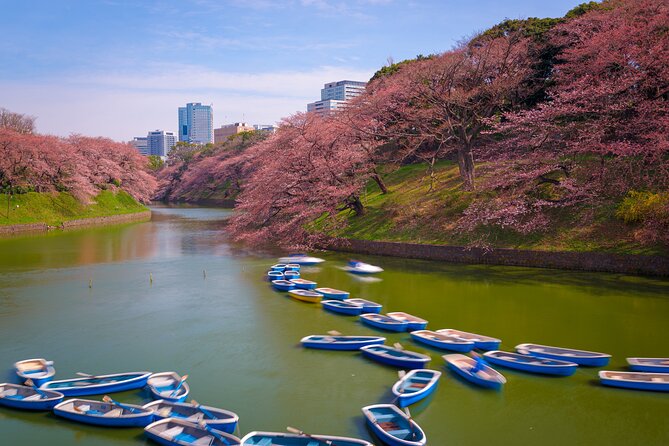
Your first major stop is the East Gardens of the Imperial Palace area, including the Edo Castle ruins. This isn’t just pretty greenery. It’s a sense of scale: you’re looking at landscaped gardens and historic remnants surrounded by moats, walls, and gates that once defined the old defensive layout.
Why this works early in the day: it slows you down. Tokyo can feel like a nonstop stream. A garden-and-gates start helps your brain switch gears before you hit the taller structures and crowded streets later.
Admission here is free, so you’re not paying just to enter a zone. Expect a leisurely walk, seasonal flowers depending on the time of year, and plenty of places where the driver can help explain what you’re seeing beyond the basics.
Tokyo Skytree: the skyline moment (and the ticket math)
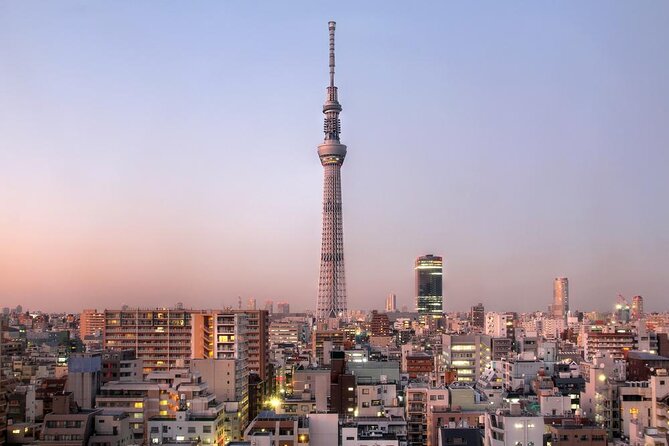
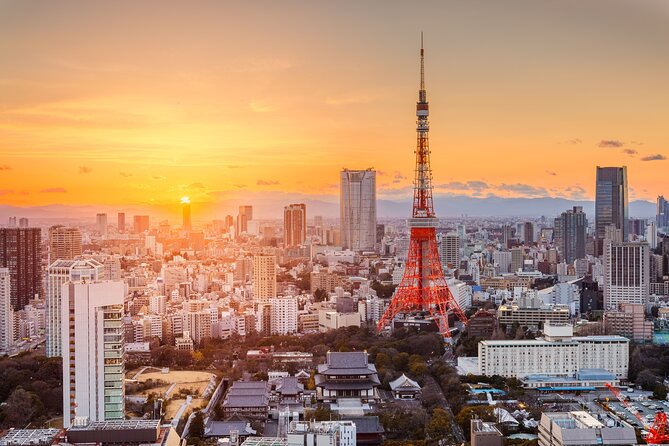
Next up is Tokyo Skytree, famous for being the world’s tallest tower at 634 meters. The value isn’t just the height—it’s the “standing head and shoulders above everything else” feeling you get when the viewing experience is clear enough to see across the city.
The catch: Skytree admission is not included. So this is one of those places where you’ll want to plan your budget early rather than discovering the cost once you’re already there.
Tip for maximizing time: if you go up, decide in advance whether you’re there for the broad city views or for specific angles and photo spots. Otherwise, the viewing time can expand, and you’ll feel rushed later.
Senso-ji in Asakusa: temple colors, street energy, and easy photos
Senso-ji (Asakusa Kannon Temple) is one of the city’s most vivid stops. Even if you’ve seen photos, being there in person is different. The entrance area and surrounding streets bring in street-food energy, souvenir shops, and a steady stream of visitors.
Admission is free, which makes it a great choice on a packed day. This is also a spot where having a driver helps. You can focus on where you want to walk and what you want to capture, while the logistics get handled.
A practical note: it’s popular. If your group likes breathing room, aim to be there at the start of your block of time rather than the middle.
Tsukiji street-food style: eat first, ask questions second
Tsukiji is famous for seafood and snacks, and what makes this stop worth your time isn’t a single “must-see” building—it’s the food culture. You’re set up to taste things as you walk, then decide what’s worth buying more of.
Admission is free, but you should treat it like a meal opportunity, not just a viewing stop. Since meals aren’t included on this tour, you’ll want to plan on spending here.
This part is great for a group with mixed tastes. Even if someone doesn’t want a sit-down meal, there are usually plenty of bite-size options.
Readers also shortlisted these Tokyo bookings:
- Tokyo 6hr Private Tour with Government-Licensed Guide★ 5.0 · 3,902 reviews
- Private Tour to Mt. Fuji and Hakone (Fully Licenced Operator)★ 5.0 · 1,910 reviews
- Tokyo Customized Private Tour (Must See Places in 1 Day)★ 5.0 · 1,499 reviews
- Mount Fuji Full-Day Private Tour from Tokyo (Customizable)★ 4.9 · 1,470 reviews
- Tokyo: Private City Highlights Tour with Local Guide★ 4.8 · 1,433 reviews
Meiji Jingu Shrine: a breather you feel in your lungs
Meiji Jingu is a major Shinto shrine and often considered one of Tokyo’s best-known. What you notice right away is the shift from city noise to a more grounded, wooded atmosphere.
Admission is free, so it works well in a tight schedule. It’s also a good place for a reset if your group is shopping-heavy earlier.
If you’re sensitive to crowds, you can time this as a calm moment. The shrine area tends to feel less chaotic than the more street-focused stops.
Harajuku’s Takeshita Street: cute fashion meets people-watching
Takeshita Street is where Harajuku’s trend scene turns into a full-on spectacle. It’s busy and visually loud in the best way if you want to see modern Tokyo pop culture.
Admission is free. The main “cost” here is your attention span—shops, snacks, and fashion make it easy to wander longer than you planned.
If you’re more interested in style than buying, this is still worth it. Think of it as a quick look at youth culture and the fast-moving retail vibe.
Shibuya Crossing: the world-famous camera shot, plus practical crossing strategy
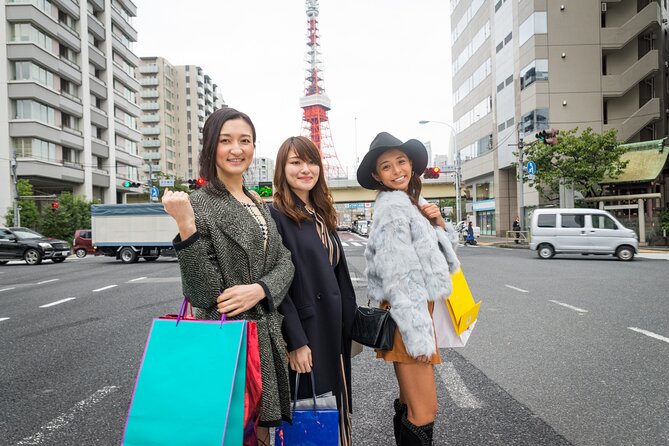
Shibuya Crossing is famous for a reason: it’s a street choreography event. It’s also a great place to observe how Tokyo handles pedestrian flow.
Admission is free. The value is in the timing—watching the flow of people from a safe vantage, then crossing when the light and crowd logic gives you your best chance to move efficiently.
A driver helps here because you don’t waste time hunting for the correct corner. You also won’t keep your group standing around while you figure out where to stand.
Mt. Fuji road trip: how to make the long day feel lighter
Day two shifts gears to the Mt. Fuji area. The big win of doing this with a private car is that you can control your departure timing and your sequence of stops without juggling train changes.
Arakurayama Sengen Park is designed for dramatic views, and the area around the mountain can look different depending on weather and season. Your driver can help you decide when it’s worth stepping out for photos versus moving to the next viewpoint.
This is also the day where entrance fees start showing up. So treat it like a mix of free scenic moments and paid attractions, and plan your spending accordingly.
Arakurayama Sengen Park: stairs, a pagoda, and a classic Fuji frame
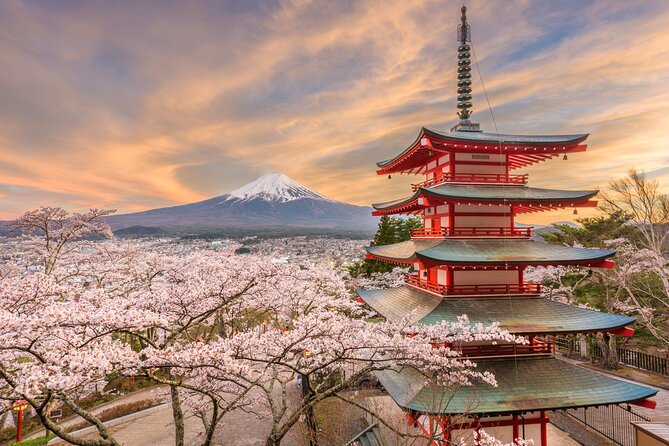
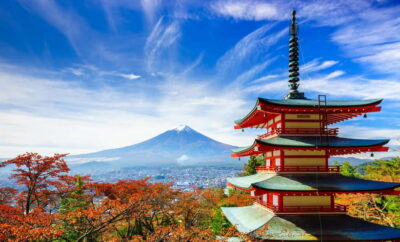
Arakurayama Sengen Park gives you stairs leading to seasonal cherry blossoms (when in season), a pagoda, and a view of Mt. Fuji that many people recognize instantly.
Admission is free, so you can spend money on the experience you choose. The tradeoff is walking. The stairs are part of the charm, but if your group is short on mobility, tell your driver early so you can adjust your pacing.
The viewpoint here is at its best when the air is clear. If it’s hazy, you might still get a great vibe, but your photos may be less crisp.
Oshino Hakkai: ponds, village charm, and quick shopping bites
Oshino Hakkai is a small village with multiple ponds—eight of them—and it’s set in a scenic area with Mt. Fuji views. You’ll also find food and souvenirs, which makes it easy to turn sightseeing into light browsing without committing to a long meal.
This stop is mostly quick: even though you can wander, the time block is short. Admission is free, so you’re not paying entry just to stroll around and absorb the atmosphere.
If you want a good balance of nature and village energy, this is one of the better places to pick.
Lake Kawaguchiko: the most accessible Fuji lake for a full view day
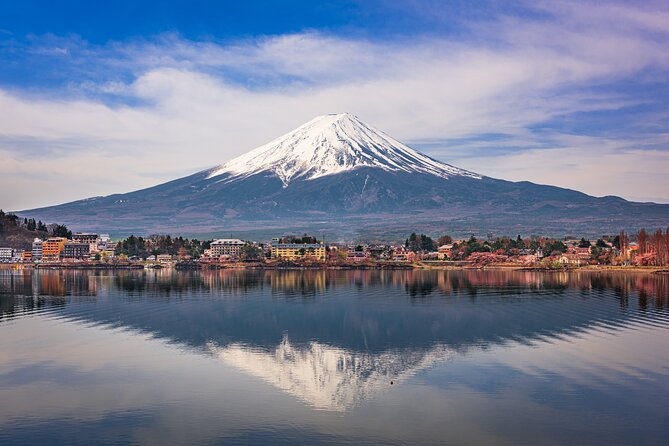
Lake Kawaguchiko is the biggest and most accessible of Fuji’s five lakes. It’s known for seasonal colors—autumn leaves, cherry blossoms, and flower festivals depending on the time of year.
Admission is free. That helps a lot because this is the part of the trip where you’ll want flexibility: coffee stops, short walks, and photo breaks.
One practical thought: because it’s popular, your time can either feel smooth or crowded depending on when you arrive and your tolerance level. A private car helps you shift timing if you’re willing to be a little flexible.
Oishi Park: a short stop with a strong payoff
Oishi Park is on the north shore of Kawaguchiko and offers a view of the lake and Mt. Fuji at the same time. It’s a classic “quick hit” stop: shorter, scenic, and easier to fit even if your group is tired.
Admission is free, and that makes it a useful buffer between longer walking moments.
If you only have limited time at Kawaguchiko, this is the kind of stop that still makes the day feel complete.
Wind Cave and Iyashi no Sato: when you’ll pay for variety
The Mt. Fuji area adds two choices that can diversify your day:
- Fugaku Wind Cave: cool inside and a different kind of experience than just views. Admission is not included. The time block here is short, so it’s best if you’re okay with a quick detour.
- Saiko Iyashi no Sato Nemba: a reconstructed Japanese village where you can explore and even rent traditional clothing like kimono. Admission is not included.
These are not just extra stops; they change the character of your day from scenery to culture. If everyone in your group is strictly view-focused, you might skip one to keep the pacing clean. If your group likes variety, these help.
Panaromic ropeway and other ticket add-ons: budget reality check
Several entry fees are not included, including:
- Tokyo Skytree
- Fugaku Wind Cave
- Iyashi no Sato
- Panaromic ropeway
Plus meals and any other individual spending.
This is the main value math part. The base cost covers the car, the driver, fuel, highway tolls, parking, and pickup/drop within Tokyo’s 23 wards. But the paid attractions can still add up fast on a two-day plan.
My advice: look at the day two paid options and decide early which ones your group truly wants. Then you can say yes with confidence instead of doing math while you’re standing in line.
Guide quality can make or break a private tour
The driver-guide is where your experience will either feel sharp and explanatory or feel like a ride between stops.
In the positive experiences, guides were described as kind, patient, and quick to respond, with real help when people needed itinerary changes. Names that came up include Hussein, Ali, Aki, Danesh, and Ahmed. One highlighted WhatsApp responsiveness and close drop-offs to cut down walking.
The one negative report raised a red flag about English comprehension and a feeling that the driver mostly dropped the group rather than guiding through the sights. That doesn’t prove it’s common. Still, it’s worth protecting yourself: be clear about what you want from the driver.
Practical way to do that: at the start of day one, tell your driver what you want most—short explanations at each stop, deeper cultural context, extra photo time, or more shopping time. If you’re paying for a guide service, you should get the guiding you expected.
Comfort, timing, and car logistics inside a two-day plan
One thing I like about this setup is that it’s structured enough to reduce decision fatigue. You don’t have to build a Tokyo itinerary from scratch and then magically switch to Fuji on day two.
The car is described as roomy and clean in successful reports, and the service also aims for convenient drop-offs near attractions. That’s a big deal in Tokyo where walking detours can add up quickly.
The total duration is listed as about two days, and the tour is customizable. That means you’ll likely get a route that fits your interests. Just keep in mind that Fuji-area stops can be weather-dependent, so leave space in your plan for “photos now, or photos later” decisions.
Price and value: when private makes sense
The price is listed as $1,176.44 per group up to 6. That can sound steep until you count what private costs usually add up to on your own: taxis or ride-hailing for long distances, time lost moving between stations, and the stress of coordinating hotel pickup while also planning a complex two-city day.
Here, the base includes:
- a private vehicle
- an English-speaking driver
- fuel, highway tolls, parking fees
- pickup and drop-off at Tokyo hotels in the 23 wards
- bottled water and basic in-car Wi‑Fi on request
So you’re paying for convenience, time, and the driving work. If your group is 4–6 people, the per-person cost can start to look reasonable compared with multiple one-way transfers plus paid entry time wasted on logistical hassles.
If you’re traveling as a single person or a couple and you mostly want to roam independently, you might prefer a less expensive option. But if you want a smooth, guided pace across key Tokyo sights plus a Mt. Fuji day, this private format often earns its keep.
Who this tour fits best (and who should think twice)
This tour is a strong match if:
- you want to see a lot without public-transport strain
- your group includes seniors or anyone who benefits from reduced walking
- you value explanations and want your driver to help you understand what you’re looking at
- you’re traveling as a group up to 6 and want to share the cost
Think twice if:
- you plan to skip most paid attractions and prefer only free sights
- you’re extremely sensitive to strict guiding quality and want to feel 100% confident about English fluency
- you don’t want a structured two-day schedule at all
Should you book this Mt. Fuji and Tokyo private car tour?
I’d book it if you want a stress-light plan: Tokyo highlights on day one and a Fuji sightseeing day on day two, all with pickup, comfort, and a driver who can adapt. The best part is that you trade hassle for time. You get to stand where you want, not where the transit system forces you.
Before you decide, do two quick things:
- Map out which paid stops you actually want (Skytree, Wind Cave, ropeway, Iyashi no Sato). Then budget for them up front.
- Go in with clear expectations about what you want your driver to do beyond driving—quick explanations, photo help, and pacing.
If you do that, you’re likely to feel you got your money’s worth.
FAQ
Can I do this tour as a private group?
Yes. It’s a private tour/activity, and only your group participates.
How big is the group, and what’s the price?
The price is listed as $1,176.44 per group, for up to 6 people.
Does the tour include hotel pickup and drop-off in Tokyo?
Pickup is offered, and drop-off is included for hotels in Tokyo’s 23 wards.
Will the driver speak English?
Yes. The tour includes a private vehicle with an English-speaking driver.
What’s included, and what’s not included?
Included: private vehicle, English-speaking driver, pickup and drop-off at Tokyo 23 wards hotels, fuel/highway tolls/parking, bottled water, and basic in-car Wi‑Fi on request. Not included: meals and entry tickets for places such as Tokyo Skytree, Fugaku Wind Cave, and Iyashi no Sato (as well as the panoramic ropeway).
Are meals included?
No. Meals are not included.
Are there free attractions on the plan?
Many stops are listed as free admission, including places like the East Gardens of the Imperial Palace area, Senso-ji, Meiji Jingu, and several Mt. Fuji viewpoints.
Can I cancel for a full refund?
Yes. You can cancel up to 24 hours in advance for a full refund. If you cancel less than 24 hours before the experience starts, the amount paid will not be refunded.
More Tours in Tokyo
- Mt Fuji and Hakone 1-Day Bus Tour Return by Bullet Train
★ 5.0 · 26,383 reviews - 1-Day Tokyo Bus Tour
★ 5.0 · 14,250 reviews - Tokyo: Shinjuku Food Tour (13 Dishes at 4 Local Eateries)
★ 5.0 · 6,603 reviews - Tokyo Mt Fuji 5th St & Hakone Cruise Bus Tour w/Bullet Train
★ 4.4 · 5,024 reviews - Flagship 2-Hours Official Street Go-Kart Tour – Tokyo Bay Shop
★ 5.0 · 4,974 reviews
More Tour Reviews in Tokyo
- Mt Fuji and Hakone 1-Day Bus Tour Return by Bullet Train
★ 5.0 · 26,383 reviews - 1-Day Tokyo Bus Tour
★ 5.0 · 14,250 reviews - Tokyo: teamLab Planets TOKYO Digital Art Museum Entry Ticket
★ 4.6 · 9,779 reviews - Mt Fuji & Hakone Cruise, Drum Show Bullet Train 1 Day from Tokyo
★ 4.0 · 7,413 reviews - Tokyo: Shinjuku Food Tour (13 Dishes at 4 Local Eateries)
★ 5.0 · 6,603 reviews
More Mount Fuji Days We Have Reviewed
- Mt Fuji and Hakone 1-Day Bus Tour Return by Bullet Train
★ 5.0 · 26,383 reviews - Mt Fuji & Hakone Cruise, Drum Show Bullet Train 1 Day from Tokyo
★ 4.0 · 7,413 reviews - Tokyo Mt Fuji 5th St & Hakone Cruise Bus Tour w/Bullet Train
★ 4.4 · 5,024 reviews - From Tokyo: Mount Fuji Full-Day Sightseeing Trip
★ 4.5 · 4,970 reviews - Tokyo: Mt. Fuji Tour, Hakone Ropeway, Owakudani, Lake Ashi
★ 4.7 · 4,002 reviews
Latest Tokyo reviews off our desk






Mount Fuji Tours, compared.
 ★ 5.0Mt Fuji and Hakone 1-Day Bus Tour Return by Bullet TrainFrom $16326,383 reviews
 ★ 4.0Mt Fuji & Hakone Cruise, Drum Show Bullet Train 1 Day from TokyoFrom $1497,413 reviews
 ★ 4.4Tokyo Mt Fuji 5th St & Hakone Cruise Bus Tour w/Bullet TrainFrom $1545,024 reviews
 ★ 4.5From Tokyo: Mount Fuji Full-Day Sightseeing TripFrom $684,970 reviews
 ★ 4.7Mt. Fuji Tour, Hakone Ropeway, Owakudani, Lake AshiFrom $544,002 reviews
 ★ 4.4Mt.Fuji,Kawaguchiko Oishi Park,Arakurayama Sengen ParkFrom $542,682 reviews
 ★ 4.2Mt. Fuji 5th Station & Hakone Cruise 1-Day Bus TourFrom $1292,381 reviews
 ★ 4.7Mt Fuji Top 5 Spots Day Tour: Arakurayama Park,Oshino HakkaiFrom $532,066 reviews
Browse the lists this tour appears in