
Reviewed · MOUNT FUJI TOURS
Mt FUJI – Panoramic Tour w/ Hoto Lunch, JP Sake & Onsen tatto OK!
Fuji photos start early, and the day is packed. This small-group Mt Fuji panoramic tour (max 8) gives you real time for questions, plus a hands-on visit for Japanese sake tasting at a local distillery. You’ll also get multiple viewpoints and an onsen stop with Fuji in the distance, but there’s one catch: if clouds roll in, the mountain can hide, like it did for one guest on the tour.
What I like most is the way the schedule is built for photos and context, not just sightseeing checkboxes. You hit famous postcard places, then you learn what you’re looking at. I also love the small feel, where guides like Yayoi-san and Keiko-san can actually slow down, explain, and adjust to your pace.
One thing to plan around: it’s a long day. Expect roughly 3.5 hours on transit over 400 km round-trip, and your optional add-ons (like kimono) may be worth choosing carefully rather than paying for everything.
In This Review
- Key Things That Make This Tour Worth Your Time
- Why a Small-Group Fuji Day Beats the Big Bus Chaos
- Shinjuku Pickup, Early Start, and the Reality of 10 Hours
- Nishikatsura-cho First Glimpse: Set Your Expectations Fast
- Fujiyoshida and Sweet Stops: Fuji in the Townscape
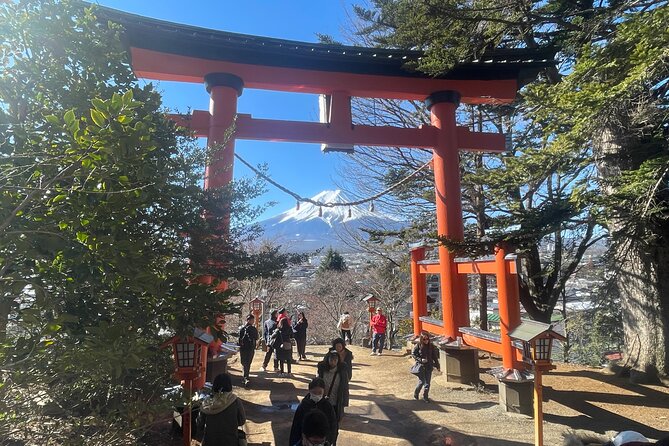
- Arakura Fuji Sengen Shrine: The Climb That Makes the Postcards Make Sense
- Saiko Iyashi-no-Sato Nemba: Old-Style Village Views and the Kimono Choice
- Kanadorii Torii Gates and Oishi Park: Two More Ways to Frame Fuji
- Hottarakashi Onsen: Fuji Views While You Unwind
- Misaka Pass and Hoto Lunch: Fuel for a Long Day
- Dangozaka Service Area: The Smart Backup If You Miss Breakfast
- Sasaichi Shuzo Shuyukan: Virgin Sake Tasting in a Real Distillery Setting
- Kanto Transit Time: Don’t Fight It, Plan Around It
- Price and Value: What Your $172 Actually Buys
- Tattoo-Friendly Onsen and the Kimono Add-On: How to Decide What’s Worth Paying For
- Who This Tour Fits Best (And Who Might Want Another Option)
- Should You Book This Mt Fuji Panoramic Tour?
- FAQ
- What time does the tour start from Shinjuku?
- How long is the day?
- What group size should I expect?
- Is the ticket mobile?
- What’s included in the price?
- Is the onsen fee included?
- Can I add kimono or tea experiences?
- Is sake tasting included?
- What if Mount Fuji is difficult to see due to weather?
Key Things That Make This Tour Worth Your Time
- Small group (up to 8) with Q-and-A time so you’re not just staring out the window.
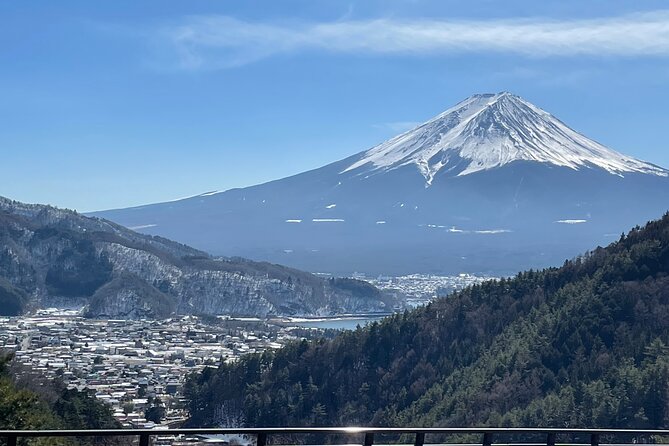
- Multiple Fuji viewpoints across the day, including Kawaguchiko Lake area and Misaka Pass.
- Arakura Fuji Sengen Shrine stop where you can climb to one of the most iconic Fuji photo angles.
- Hoto lunch plus sweets stops that keep the day from feeling purely scenic.
- Local sake tasting at Sasaichi Shuzo Shuyukan, including a chance to sample virgin sake and liquored products.
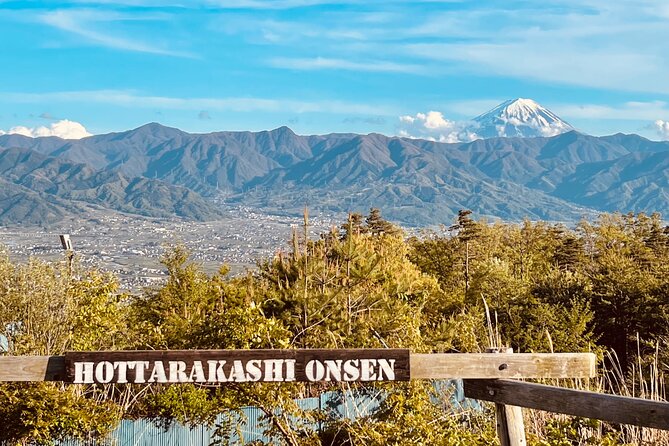
- Onsen stop at Hottarakashi, timed for Fuji views far off in the scenery.
Why a Small-Group Fuji Day Beats the Big Bus Chaos
Mt Fuji is popular, which means the easy option can also be the crowded option. This tour keeps the group tight, so you’re more likely to get answers while you’re standing at the viewpoint, not after the bus has already moved on.
In real life, that matters. When I’m trying to read a shrine, spot the right composition for a photo, or understand why a particular hill town matters, I want time. The guide-led approach here also helps when weather changes, since you can keep asking questions instead of relying on a fixed “walk, photo, next stop” rhythm.
More Fuji day trips our readers rated highly
- Mt Fuji and Hakone 1-Day Bus Tour Return by Bullet Train
★ 5.0 · 26,383 reviews - Mt Fuji & Hakone Cruise, Drum Show Bullet Train 1 Day from Tokyo
★ 4.0 · 7,413 reviews - Tokyo Mt Fuji 5th St & Hakone Cruise Bus Tour w/Bullet Train
★ 4.4 · 5,024 reviews - From Tokyo: Mount Fuji Full-Day Sightseeing Trip
★ 4.5 · 4,970 reviews
Shinjuku Pickup, Early Start, and the Reality of 10 Hours
The day starts at 7:30 am from the Shinjuku Post Office area, and you return there at the end. The tour runs about 10 hours, with a big chunk spent driving—over 400 km round-trip and roughly 3.5 hours in transit.
That transit isn’t just a boring “between places” moment. It’s time to reset and prepare mentally for changing conditions. Fuji views can be sharp one minute and missing the next, so I treat the drive like part of the plan: bring layers, keep your camera charged, and be ready for the mountain to surprise you.
Nishikatsura-cho First Glimpse: Set Your Expectations Fast
You begin with a quick arrival at Nishikatsura-cho, aimed at giving you your first look at Mount Fuji right away. It’s only about 20 minutes, but it’s a smart warm-up. You’re not trying to force it later when your brain is tired.
This is also where I suggest you get your bearings. Even if Fuji isn’t perfectly clear yet, you’ll understand later stops better once you’ve seen the mountain’s basic shape and how it sits against the region.
Fujiyoshida and Sweet Stops: Fuji in the Townscape
Next comes Fujiyoshida, where the goal is the contrast between townscape and Mount Fuji—a different kind of photo than the sweeping overlooks. You’ll also get a short stop for Japanese confectionaries.
This part of the day can feel small on paper, but it’s useful. Seeing Fuji in the background while people live their normal lives gives you a better sense of scale than a faraway viewpoint alone.
Arakura Fuji Sengen Shrine: The Climb That Makes the Postcards Make Sense
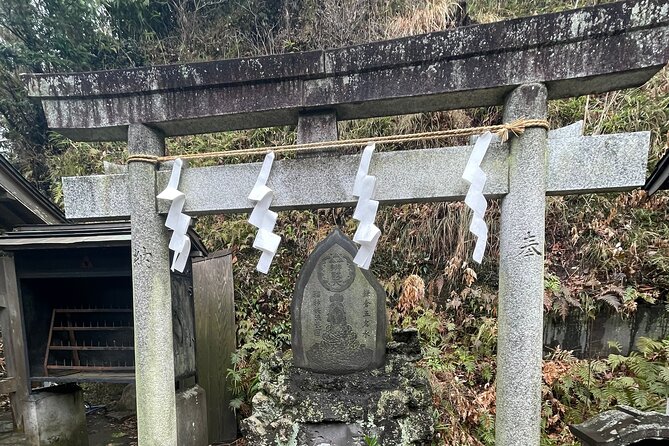
At Arakura Fuji Sengen Shrine, you’ll spend around 50 minutes, including time to actually climb to one of the classic postcard locations. This is one of the most memorable segments because it’s interactive. You’re not just passing through; you’re moving with purpose.
The main consideration here is physical effort. The tour is listed for moderate physical fitness, so wear comfortable shoes and expect stairs. If your legs are already tired from the morning start, pace yourself on the way up. The viewpoint is the payoff.
Readers also shortlisted these Tokyo bookings:
- Tokyo: Shinjuku Food Tour (13 Dishes at 4 Local Eateries)★ 5.0 · 6,603 reviews
- Tokyo Tsukiji Fish Market Food and Culture Walking Tour★ 5.0 · 3,184 reviews
- Tokyo: Shinjuku Food Tour (15 Dishes and 4 Eateries)★ 4.9 · 2,033 reviews
- Best of Shinjuku: Izakaya Food Tour (4 Stops, 14+ Tastings)★ 5.0 · 1,863 reviews
- Tokyo: Tsukiji Fish Market Food and Walking tour★ 5.0 · 1,724 reviews
Saiko Iyashi-no-Sato Nemba: Old-Style Village Views and the Kimono Choice
After the shrine, you head to Saiko Iyashi-no-Sato Nemba, a traditional Japanese village area. Expect about 40 minutes, with Mount Fuji visible from a picturesque setting. This is also where kimono comes in as an option.
Here’s my practical take: if you want the on-the-spot experience of dressing up for photos, pay for it. If your priority is soaking at the onsen and getting maximum time for Fuji angles, consider skipping the kimono add-on. One guest specifically suggested skipping the kimono village in favor of more onsen time.
Kanadorii Torii Gates and Oishi Park: Two More Ways to Frame Fuji
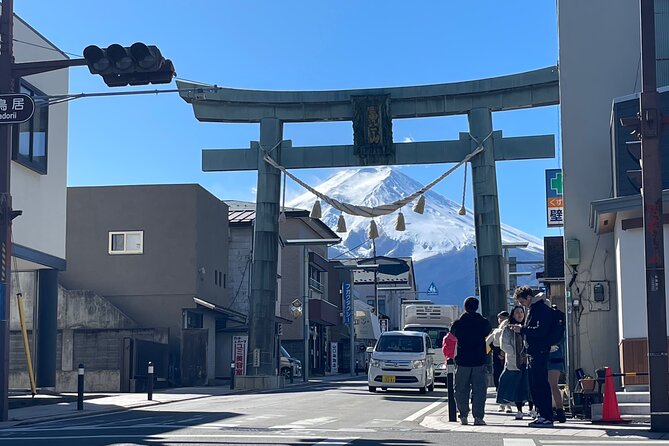
Kanadorii is a short stop (about 15 minutes) at the first torii gates associated with the main shrine guarding the base of Mount Fuji. It’s quick, but it gives you a religious and geographic anchor point. You’re learning the “where Fuji begins” story, not just the “pretty mountain” story.
Then you move to Oishi Park for around 20 minutes, with Mount Fuji alongside Kawaguchiko Lake in the scene. This is a classic pairing: the water adds depth and helps photos feel less like a single subject floating in air.
Hottarakashi Onsen: Fuji Views While You Unwind
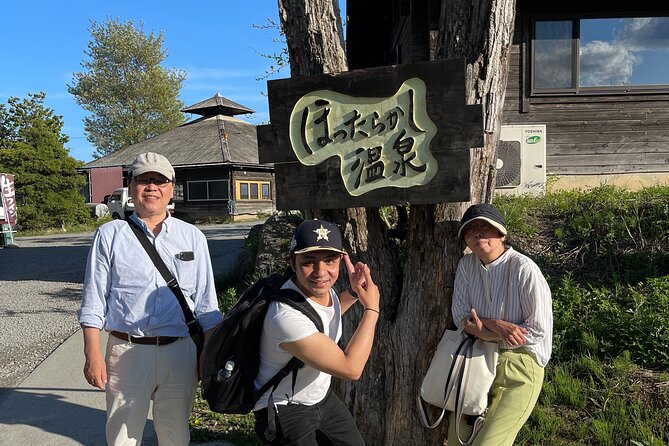
The onsen stop at Hottarakashi Onsen is scheduled for about 50 minutes, and it’s specifically timed so you can see Mount Fuji from farther off. This is also one of the most hyped moments of the day, and the reviews back that up with lots of satisfaction about relaxing time and the view.
Two practical notes:
- The tour materials say an onsen entrance fee may be optional ¥900 per person, even though the onsen stop is part of the itinerary. Make sure your booking details clarify what you pay for on your date.
- The tour title advertises tattoos are OK. That’s a big deal if you usually avoid onsens, but policies can still vary by facility and time. Plan to follow whatever rules the site asks you to follow that day.
Misaka Pass and Hoto Lunch: Fuel for a Long Day
Misaka Pass is where the schedule stretches to about 1 hour 10 minutes, and it includes your lunch in the area. The tour is sold as offering hoto lunch, which fits the region well—warm, filling, and built for a day that includes walking and climbing.
Hoto is the kind of meal that can either hit perfectly or feel too heavy, depending on your appetite and what you ate earlier. One review said the lunch wasn’t their favorite, so I’d call it hearty rather than delicate. If you have a sensitive stomach, consider eating slowly and bringing a water plan.
Dangozaka Service Area: The Smart Backup If You Miss Breakfast
There’s a stop at Dangozaka Service Area (inbound) for about 20 minutes. This is a good catch-all if you didn’t eat before pickup, since you can grab Japanese local breads.
This is one of those “small” stops that quietly improves your whole day. Waiting in line with hungry energy makes every later viewpoint feel harder. Use this as your reset.
Sasaichi Shuzo Shuyukan: Virgin Sake Tasting in a Real Distillery Setting
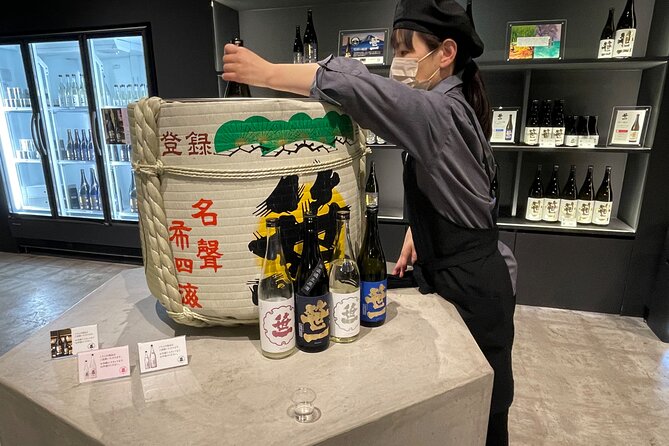
Next is Sasaichi Shuzo Shuyukan, a distillery stop lasting around 45 minutes. This is where you sample virgin sake and locally produced liquored products. For me, this is more interesting than a generic souvenir shop because you get context for the food and drink culture surrounding Fuji country.
One guide-led difference I like is that a small tasting like this usually comes with explanation, not just samples. And if you’re into craft food, don’t be surprised if you also encounter sweets and tasting-style treats around this area. In one review, daiginjo ice cream was a standout part of the day.
Kanto Transit Time: Don’t Fight It, Plan Around It
The schedule includes substantial return transit. The day’s design already assumes you’ll spend time on the road, which is why the tour uses an air-conditioned vehicle and keeps stops timed so you aren’t constantly waiting.
I treat this part like a buffer. If you’re tired, it’s your time to rest your eyes. If you’re energized, it’s when you can look up your next stop so you’re ready to notice things right when the bus doors open.
Price and Value: What Your $172 Actually Buys
At about $172 per person, the big value isn’t just the driving and the itinerary. It’s the mix of included structure plus included experiences.
Included items include:
- Lunch
- Parking fees
- Air-conditioned vehicle
Some admissions are listed as included at specific stops, like the shrine and the village and the distillery segment. Meanwhile, other experiences (like onsen fees and kimono or tea add-ons) are listed as optional extra costs.
So the value question is really about what you’ll use. If you want iconic viewpoints, plus sake tasting, plus a chance to relax in an onsen setting, this package starts to make sense. If you only want photos and hate extra paid add-ons, you’ll want to think carefully about the kimono option and any optional tea experience fees.
Tattoo-Friendly Onsen and the Kimono Add-On: How to Decide What’s Worth Paying For
This tour gives you choices, and that’s good. The onsen portion is part of the schedule, but the entrance fee is listed as optional, and the title advertises tattoo acceptance.
The kimono side is also optional, and one review pointed out that people should not count on renting a yukata on the spot. So treat kimono/attire as a planned add-on, not an impulse rental you can solve at the last minute.
My rule: if photos are your top priority and kimono will be fun for you, pay for it. If your energy is limited, focus on where the day gives the most return: the shrine viewpoint climb, the Oishi Park water view, and the onsen with Mount Fuji in the distance.
Who This Tour Fits Best (And Who Might Want Another Option)
This tour is best for you if:
- You want a small-group Fuji day with time to ask questions.
- You like mixing cultural stops (shrines, distillery) with scenic photo angles.
- You want onsen time and don’t want to cobble it together yourself.
It’s less ideal if:
- You hate long transit days.
- You get disappointed quickly when Fuji isn’t perfectly visible, since weather can affect views.
- You plan to treat the day as purely a walk-and-photos sprint. There are sit-down tasting and village moments built in.
Should You Book This Mt Fuji Panoramic Tour?
Yes, if you want a thoughtfully paced day that gives you real value beyond a simple bus drop-off. The combination of famous viewpoints, a shrine climb, hoto lunch, and a distillery sake tasting is a strong mix for first-timers and food-minded travelers alike.
If you book, go in with the right expectations: start early, plan for transit, and accept that cloud cover can happen. The upside is that even on less-than-perfect Fuji days, the guide-led cultural stops and tastings keep the day feeling full.
FAQ
What time does the tour start from Shinjuku?
The tour starts at 7:30 am from the Shinjuku Post Office (1-chōme-8-8 Nishishinjuku, Shinjuku City, Tokyo). It ends back at the same meeting point.
How long is the day?
The total duration is about 10 hours. The schedule includes roughly 3.5 hours in transit over a round trip of over 400 kilometers.
What group size should I expect?
This tour has a maximum of 8 travelers, which is part of why it allows time to ask your guide questions.
Is the ticket mobile?
Yes. This experience uses a mobile ticket.
What’s included in the price?
Included items are lunch, parking fees, and an air-conditioned vehicle.
Is the onsen fee included?
The onsen stop is on the schedule, but an onsen entrance fee of ¥900 per person is listed as optional. Check what your booking includes for your exact date.
Can I add kimono or tea experiences?
Yes, both are optional add-ons. A kimono experience is listed at ¥2,500 per person, and a tea experience is listed at ¥500 per person.
Is sake tasting included?
Yes. You visit Sasaichi Shuzo Shuyukan and sample virgin sake plus liquored products produced locally.
What if Mount Fuji is difficult to see due to weather?
This experience requires good weather. If it’s canceled because of poor weather, you’ll be offered a different date or a full refund. Also, the day includes multiple stops, so the itinerary still works even when views aren’t ideal.
More Tours in Tokyo
- Mt Fuji and Hakone 1-Day Bus Tour Return by Bullet Train
★ 5.0 · 26,383 reviews - 1-Day Tokyo Bus Tour
★ 5.0 · 14,250 reviews - Tokyo: Shinjuku Food Tour (13 Dishes at 4 Local Eateries)
★ 5.0 · 6,603 reviews - Tokyo Mt Fuji 5th St & Hakone Cruise Bus Tour w/Bullet Train
★ 4.4 · 5,024 reviews - Flagship 2-Hours Official Street Go-Kart Tour – Tokyo Bay Shop
★ 5.0 · 4,974 reviews
More Tour Reviews in Tokyo
- Mt Fuji and Hakone 1-Day Bus Tour Return by Bullet Train
★ 5.0 · 26,383 reviews - 1-Day Tokyo Bus Tour
★ 5.0 · 14,250 reviews - Tokyo: teamLab Planets TOKYO Digital Art Museum Entry Ticket
★ 4.6 · 9,779 reviews - Mt Fuji & Hakone Cruise, Drum Show Bullet Train 1 Day from Tokyo
★ 4.0 · 7,413 reviews - Tokyo: Shinjuku Food Tour (13 Dishes at 4 Local Eateries)
★ 5.0 · 6,603 reviews
More Mount Fuji Days We Have Reviewed
- Mt Fuji and Hakone 1-Day Bus Tour Return by Bullet Train
★ 5.0 · 26,383 reviews - Mt Fuji & Hakone Cruise, Drum Show Bullet Train 1 Day from Tokyo
★ 4.0 · 7,413 reviews - Tokyo Mt Fuji 5th St & Hakone Cruise Bus Tour w/Bullet Train
★ 4.4 · 5,024 reviews - From Tokyo: Mount Fuji Full-Day Sightseeing Trip
★ 4.5 · 4,970 reviews - Tokyo: Mt. Fuji Tour, Hakone Ropeway, Owakudani, Lake Ashi
★ 4.7 · 4,002 reviews
Latest Tokyo reviews off our desk






Mount Fuji Tours, compared.
 ★ 5.0Mt Fuji and Hakone 1-Day Bus Tour Return by Bullet TrainFrom $16326,383 reviews
 ★ 4.0Mt Fuji & Hakone Cruise, Drum Show Bullet Train 1 Day from TokyoFrom $1497,413 reviews
 ★ 4.4Tokyo Mt Fuji 5th St & Hakone Cruise Bus Tour w/Bullet TrainFrom $1545,024 reviews
 ★ 4.5From Tokyo: Mount Fuji Full-Day Sightseeing TripFrom $684,970 reviews
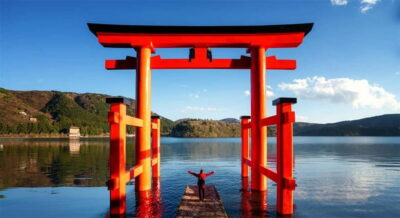 ★ 4.7Mt. Fuji Tour, Hakone Ropeway, Owakudani, Lake AshiFrom $544,002 reviews
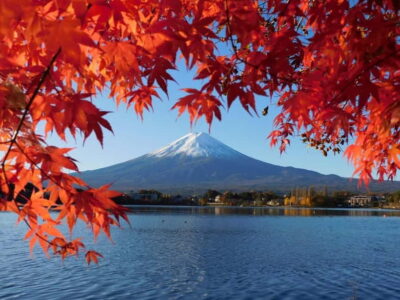 ★ 4.4Mt.Fuji,Kawaguchiko Oishi Park,Arakurayama Sengen ParkFrom $542,682 reviews
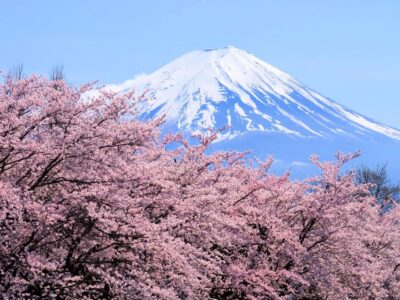 ★ 4.2Mt. Fuji 5th Station & Hakone Cruise 1-Day Bus TourFrom $1292,381 reviews
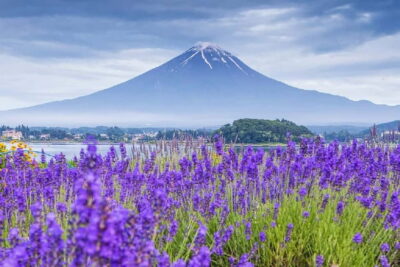 ★ 4.7Mt Fuji Top 5 Spots Day Tour: Arakurayama Park,Oshino HakkaiFrom $532,066 reviews
Browse the lists this tour appears in