
Reviewed · NIKKO DAY TRIPS
Nikko Full-Day Private Walking Tour with Government-Licensed Guide (Tokyo DEP.)
Nikko in one day can feel like a race. This tour turns it into a planned day with a licensed guide, flexible sightseeing choices, and less stress about getting around. You pick what you care about most, then your route is shaped around temples, waterfalls, lakes, gardens, and scenic walks.
I especially like the private, government-licensed English-speaking guide angle. Guides such as Seizo Kamiuto, Yoshii Kenichi, and Kazu show up in the reviews with excellent communication and a real knack for shaping the day to fit a family, a couple, or a small group.
I also like that you’re not locked into one rigid checklist. You choose 3–4 sites from a menu, which matters because Nikko can eat time fast—especially if you’re trying to fit Kegon Falls and Lake Chuzenji plus temple buildings. The main consideration: many entrances and local tickets are not included, and you’ll still be responsible for your own transport to Nikko.
In This Review
- Key things to know before you go
- A private Nikko day from Tokyo, built around your picks
- Price and value: what $224.02 buys you
- How the day runs: 9 hours, 3–4 chosen stops, and short visits
- Nikko Tosho-gu, Taiyū-in, and Rin’nōji: Tokugawa power you can see with your own eyes
- Nikko Tosho-gu
- Rin’nōji Taiyū-in (Mausoleum of Iemitsu)
- Rinno-ji Temple (Rinnōji)
- Futarasan Shrine and Shinkyo Bridge nearby
- Waterfalls and Lake Chuzenji: where Nikko turns into mountain theater
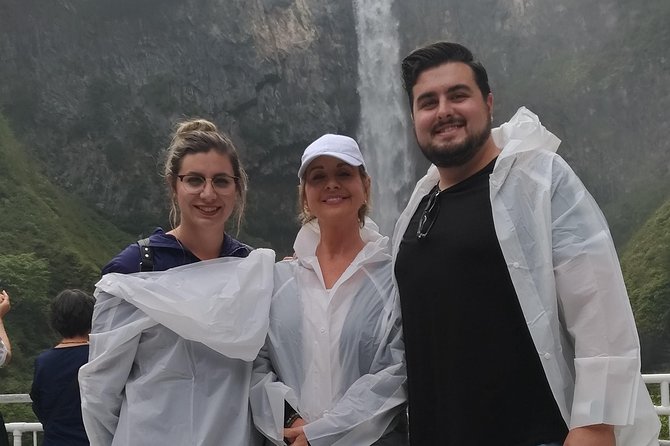
- Kegon Falls
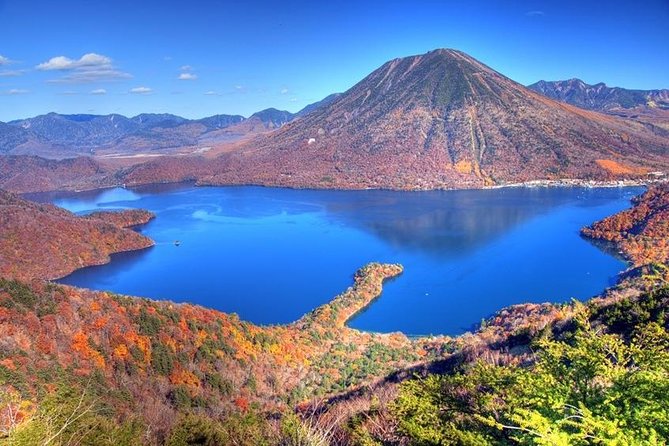
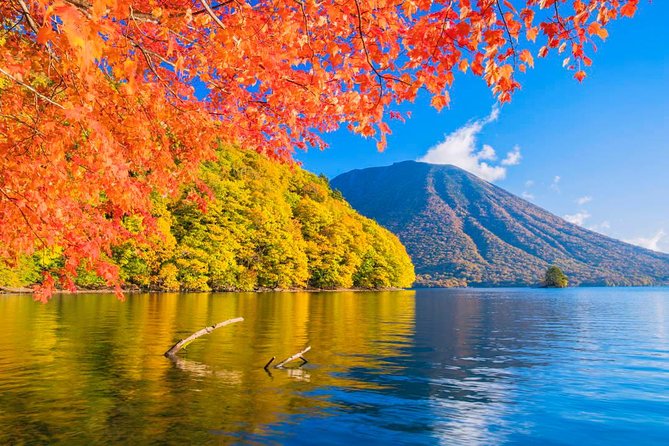
- Lake Chuzenji
- Kirifuri Waterfall
- Senjogahara, Kanmangafuchi, and the calmer scenic walks
- Senjogahara Field
- Kanmangafuchi Abyss
- Gardens, museums, and that gentle “old Nikko” mood
- Nikko Botanical Garden (University of Tokyo)
- Kanaya Hotel History House
- Akechidaira Observation Area: when a closure can change your plan
- Guide impact: what the best government-licensed hosts do for you
- Practical tips for your day: tickets, walking rhythm, and smart packing
- Decide your “must-see” category first
- Expect to buy tickets for many major sites
- Wear shoes for a walking day
- Plan for lunch on your own
- Should you book this Nikko private walking tour?
- FAQ
- Is this a walking tour inside Nikko?
- How many sites do we visit?
- Are entrance fees included?
- Do we get help with hotel pickup and drop-off?
- Is transportation to Nikko included?
- What if I wanted the Akechidaira Ropeway view?
Key things to know before you go
- Flexible stop selection: choose 3–4 sights from a long list instead of following a fixed route.
- Licensed guide + navigation help: the guide handles the between-site logic so you don’t waste time figuring it out.
- A true full-day pace (about 9 hours): short visits per stop, so you should prioritize your top choices.
- Tickets are mostly on you: several major sights list admission as not included.
- Hotel drop-off at the end: your guide will drop you wherever you want in Tokyo.
- Ropeway closure can affect one option: the Akechidaira Ropeway is closed for a long maintenance window (2026–2027).
A private Nikko day from Tokyo, built around your picks
Nikko works because it’s two things at once: top-tier shrine-and-temple culture and serious mountain scenery. The problem is that it’s easy to get stuck in a slow, crowded group schedule. This tour keeps the focus on you by letting your guide build a day that matches what you actually want to see.
In practice, you’ll spend the day bouncing between Central Nikko’s sacred sites (like Nikko Tosho-gu and nearby shrines) and nature highlights (waterfalls and lake views). The “private walking tour” part is real: you meet near Asakusa Station and the guide stays with you through the sightseeing segments.
You should also know how the tour frames the day. It’s designed for “limited time” travelers. That means you won’t get a leisurely, hour-by-hour wander through everything. Instead, the guide helps you decide quickly which landmarks matter most—and then you make smart use of the hours you have.
More runs north to Nikko, ranked by reviews
- Nikko: Kegon Falls, Lake Chuzenji & Toshogu Temple
★ 4.6 · 1,577 reviews - Tokyo: Nikko Toshogu Shrine and Kegon Waterfall Tour
★ 4.5 · 1,266 reviews - From Tokyo: Nikko World Heritage Site Private Full-Day Trip
★ 4.9 · 243 reviews - Nikko: Edo Wonderland Edomura Cultural Theme Park Ticket
★ 4.3 · 205 reviews
Price and value: what $224.02 buys you
At $224.02 per person for a private day (about 9 hours), you’re paying for a guide-led plan, not for bundled admission or transport. Transportation fees, entrance tickets, and lunch are not included, and you’ll also want to budget for optional site entries.
So where’s the value? It’s in three places:
- Time saved: Nikko isn’t hard, but it can be confusing if you’re trying to chain multiple sights in one day.
- Quality control: a government-licensed guide gives you the story behind what you’re looking at, from Tokugawa leaders to Buddhist temples.
- Choice: you’re not paying for a route that might not fit your interests. If your priorities are waterfalls and nature, you can build around Kegon Falls, Lake Chuzenji, and Kirifuri Waterfall. If you’re all-in on temples, you can weight the schedule toward Toshogu-related sites.
One more cost note: there’s a Nikko Pass (4,520 JPY) listed as not included. If you’re the type who likes to use passes to simplify pricing, compare it against the individual tickets you expect to buy—then decide. If you’re only doing a few paid sights, it may or may not pay off.
How the day runs: 9 hours, 3–4 chosen stops, and short visits
The structure is simple: you pick 3–4 sites from the tour’s list, and your guide builds the itinerary around them. Each listed stop is designed for about 30 minutes of time on site.
That 30-minute rhythm is a big clue about what kind of day this is. You’ll get the key things at each place, plus context from your guide. But if you want to linger for photos, incense moments, long garden loops, or museum-style pacing, you’ll need to prioritize.
The reviews support this pacing reality. People mention running out of time when they tried to pack in too much, like not managing to fit every waterfall and lake stop. That’s not a flaw in the tour—it’s a standard Nikko tradeoff. With a private guide, you can solve it by choosing fewer highlights and leaning into them.
Nikko Tosho-gu, Taiyū-in, and Rin’nōji: Tokugawa power you can see with your own eyes
When you think Nikko, you probably think Tosho-gu—and you’re right to. A private guide makes this more than just pretty stone. You start to see how the Tokugawa story is built into the architecture and placement.
Nikko Tosho-gu
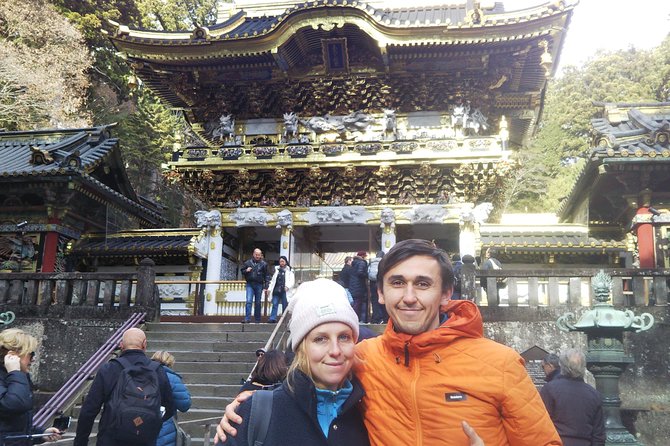
This is the final resting place of Tokugawa Ieyasu, founder of the Tokugawa Shogunate, plus nearby shrines and temples. The tour highlights the idea that you shouldn’t judge Nikko until you’ve seen it here. Practically, expect a site that takes visual attention first. With a guide, you’ll get oriented on what to look for and why it’s significant.
Consideration: admission is not included for this stop, so check your budget if Tosho-gu is one of your top targets.
Readers also shortlisted these Tokyo bookings:
- Tokyo Tsukiji Fish Market Food and Culture Walking Tour★ 5.0 · 3,184 reviews
- Tokyo: Imperial Palace and Shogun Historical Walking Tour★ 5.0 · 2,251 reviews
- Tokyo: Shinjuku Local Bar and Izakaya Guided Walking Tour★ 4.9 · 1,794 reviews
- Tokyo: Tsukiji Fish Market Food and Walking tour★ 5.0 · 1,724 reviews
- Tokyo: Asakusa Walking Tour with Sensoji Temple Visit★ 4.8 · 1,583 reviews
Rin’nōji Taiyū-in (Mausoleum of Iemitsu)
Taiyū-in is the mausoleum of the third Tokugawa shogun, Iemitsu. It’s described as lavish and comparable in layout to Toshogu in the way the complex is arranged.
If your interest is “how dynasties display power,” this stop pairs nicely with Tosho-gu. You’ll walk through a related Tokugawa visual language, but with a different emphasis through Iemitsu’s complex.
Consideration: admission is not included.
Rinno-ji Temple (Rinnōji)
Rinnoji is Nikko’s most important temple, founded by Shodo Shonin in the 8th century. That long Buddhist lineage provides a useful balance to the Tokugawa focus. Instead of feeling like everything is one era’s propaganda, you get continuity of religious presence in the region.
Consideration: admission is not included, and your time is limited, so decide whether you want this as a main anchor stop or a shorter add-on.
Futarasan Shrine and Shinkyo Bridge nearby
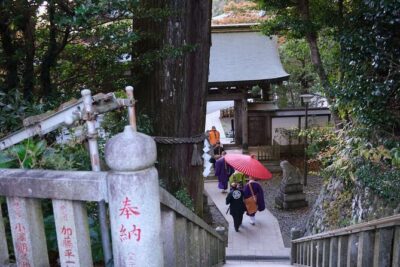
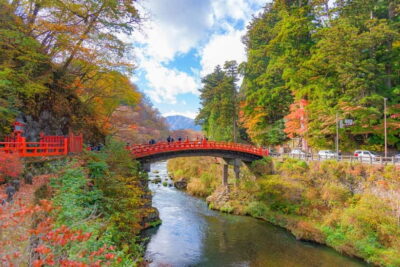
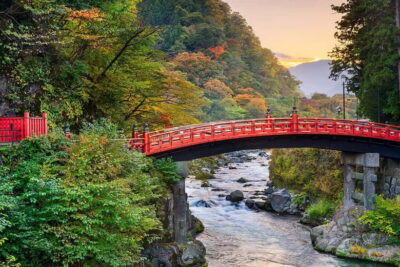
If you do the Toshogu-area temples, you’ll likely pass by Futarasan Shrine, which is much older than its more lavish neighbor (founded in 782). Next to it is Shinkyo Bridge, ranked among Japan’s three finest bridges and considered a sacred gateway into the shrine-and-temple zone.
Good move for your schedule: if you’re short on time, make sure you still include Futarasan and Shinkyo even if you’re only picking one “paid heavy hitter” like Tosho-gu. These are big mood setters, and several of them list admission as free.
Waterfalls and Lake Chuzenji: where Nikko turns into mountain theater
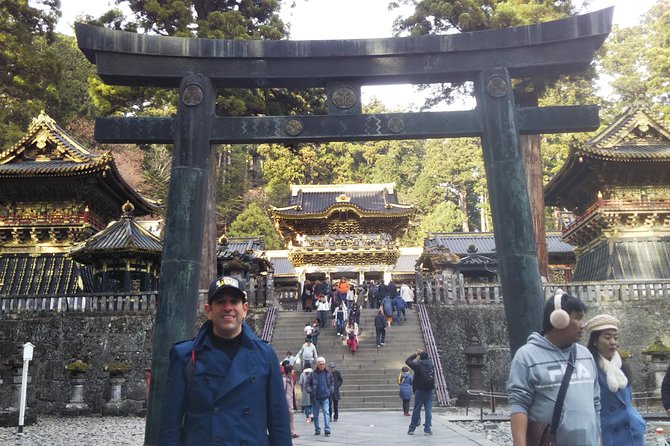
Nikko’s waterfalls are a major reason people come. But they’re also where time can vanish quickly, because the roads and viewing areas can require careful planning.
Kegon Falls
Kegon Waterfall is Nikko’s best-known waterfall, fed by Lake Chuzenji, dropping about 97 meters straight down. The tour mentions a special lift for visitors—so this isn’t just a quick roadside view.
Consideration: admission is not included. Also, if your day is limited, you may not be able to add every waterfall stop. Pick the one that matters most to you: Kegon for the classic spectacle, or Kirifuri if you want a two-tier mountain waterfall feel.
Lake Chuzenji
Lake Chuzenji is the largest lake in Tochigi, framed by 25 kilometers of nature. The tour also points out the lake area’s late-19th to early-20th century history as a summer resort for foreigners, with villas from that era.
This is the best stop for atmosphere and breathing room. Even a short visit can feel like you’ve left “temple day” behind and switched to mountain day.
A plus for budgeting: admission is free here.
Kirifuri Waterfall
Kirifuri Waterfall is a two-tier waterfall, about 75 meters high, located a few kilometers from the shrines and temples of Nikko. If you want a waterfall that feels slightly more “destination” than the headline icon, Kirifuri is a strong choice.
Consideration: admission is not included.
Senjogahara, Kanmangafuchi, and the calmer scenic walks
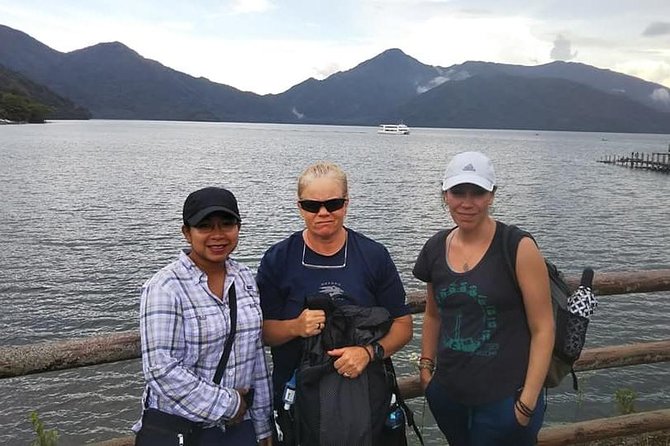
Not every Nikko stop has to be paid or crowded. Some of the best-feeling moments are short, scenic walks.
Senjogahara Field
Senjogahara translates to battlefield. In local legend, the gods of Mount Nantai and Mount Akagi fought over neighboring lakes. Even if you don’t care about legends, the area gives you a sense of Nikko’s story-driven relationship with the landscape.
Benefit: admission is free. In a schedule built around short 30-minute blocks, free scenic time is a nice luxury.
Kanmangafuchi Abyss
Kanmangafuchi Abyss was formed by an eruption of nearby Mount Nantai. The gorge is only a few hundred meters long and can be enjoyed from a pleasant riverside trail.
This is the stop I’d suggest if you want a gentle break between major temple buildings and larger waterfall viewpoints. It’s walkable, scenic, and budget-friendly since admission is free.
Gardens, museums, and that gentle “old Nikko” mood
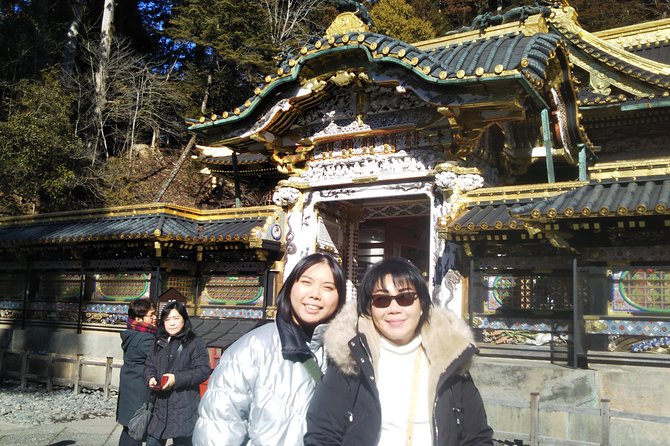
Nikko isn’t only shrines and waterfalls. It also has research-grade green space and a historic hotel connection.
Nikko Botanical Garden (University of Tokyo)
The Nikko Botanical Garden is maintained by the University of Tokyo, linked to Koishikawa Botanical Gardens research networks. If you like plants and want something quieter than the temple crowds, this works well.
Consideration: admission is not included.
Kanaya Hotel History House
This is connected to the predecessor of the celebrated Kanaya Hotel. It’s a chance to see how Nikko’s visitor culture developed, not just its religious sites.
Consideration: admission is not included. But if you enjoy “history through everyday buildings,” it’s a good change from ornate mausoleums.
Akechidaira Observation Area: when a closure can change your plan
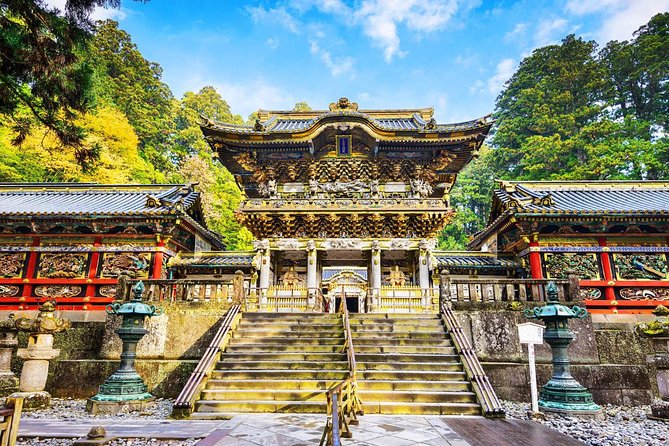
One optional stop on the list is Akechidaira Observation Area near the top of Irohazaka Slope. The tour notes that the Akechidaira Ropeway is closed for maintenance from January 16, 2026 until August 31, 2027.
So if you book when that closure is active, your guide may adapt. You might still see the observation area depending on access, but the ropeway itself won’t be part of the standard experience.
Tip: if observation views are a top priority for you, ask your guide ahead of time which exact route they’ll use given the closure window.
Guide impact: what the best government-licensed hosts do for you
The tour’s biggest differentiator is the guide. The reviews repeatedly point to guides being punctual, organized, and good at building a practical day plan based on preferences.
A few examples from the guide roster in feedback:
- Seizo Kamiuto is praised for excellent English and for effort in building a great itinerary, including time around Kanmangafuchi Abyss.
- Yoshii Kenichi is mentioned for comfortable hotel pickup, a confident feel for family touring, and strong command of Nikko’s cultural story.
- Kazu gets repeated praise for careful pacing, and one review notes he speaks English and French.
- Mari Noda is singled out for organization and for balancing nature and culture, with mention of enjoying local food like yuba soba along the way.
- Yusuke is praised for staying in touch and adjusting plans based on conditions, which is exactly what you want in mountain weather.
The practical takeaway: a great guide doesn’t just talk. They help you avoid wasted time and they help you choose. If you’ve ever planned a Nikko day and ended up making a last-minute spreadsheet at 2 p.m., you’ll appreciate that this tour handles the decisions for you.
Practical tips for your day: tickets, walking rhythm, and smart packing
Here’s how to make the most of the 9-hour framework.
Decide your “must-see” category first
Pick one anchor from each type:
- Culture anchor: Nikko Tosho-gu or Taiyū-in (or Rinnoji if Buddhism is your focus).
- Nature anchor: Kegon Falls or Lake Chuzenji (or Kirifuri if you want a different waterfall).
- Break stop: Kanmangafuchi or Senjogahara for lighter pacing.
Because you only fit 3–4 key stops, category thinking keeps you from accidentally building a day of “almost everything.”
Expect to buy tickets for many major sites
Several of the listed stops show admission tickets as not included: Tosho-gu, Kegon Falls, Taiyū-in, Rinnoji, Tamozawa, Botanical Garden, Kirifuri, Kanaya Hotel History House, and some others.
A few stops are listed as free, including Lake Chuzenji, Senjogahara Field, Kanmangafuchi Abyss, Futarasan Shrine, and Shinkyo Bridge. That mix matters. Your guide can steer your plan to save money by using free highlights as connective tissue.
Wear shoes for a walking day
Even though this is described as a walking tour, Nikko is still a “mountain town” experience. Your stop-to-stop time includes walking segments, and you’ll want comfortable shoes and a layer for changing weather.
Plan for lunch on your own
Lunch isn’t included. If you care about food, build in time for it within your priorities. One guide-led day included yuba soba as part of the experience, which is exactly the kind of local comfort that can make a long day feel easier.
Should you book this Nikko private walking tour?
Book it if:
- You want a licensed guide who can shape your day instead of following a fixed route.
- Your group needs flexibility, like choosing between temple-heavy or nature-heavy options.
- You’d rather pay for a plan than spend your day second-guessing train times, walking connections, and what’s worth skipping.
Skip it (or choose a simpler plan) if:
- You want everything included end-to-end, with no tickets or local payments for entrances.
- You want a long, slow “one village at a time” style day. This is more of a highlight sprint with 30-minute blocks per stop.
My call: if Nikko is on your “must do” list and you only have one day, this private setup is usually the smarter use of time. You get the sacred sights, the waterfall drama, and a sensible route design—without turning your day into navigation homework.
FAQ
Is this a walking tour inside Nikko?
Yes. It’s described as a walking tour, and you meet on foot near Asakusa Station. The plan is built around walking between sightseeing segments with your guide.
How many sites do we visit?
The tour is customizable, and you choose 3–4 sites from the sights list.
Are entrance fees included?
No. Many stops list admission tickets as not included, and you should expect to pay individual entrance fees as needed. Transportation fees and lunch are also not included.
Do we get help with hotel pickup and drop-off?
Pickup is offered, and your guide will drop you off at your hotel or anywhere else you want in Tokyo. The stated meeting point is near Asakusa Station.
Is transportation to Nikko included?
No. Transportation fees are not included, and there’s also a specific note that private transportation is not included.
What if I wanted the Akechidaira Ropeway view?
The tour notes the Akechidaira Ropeway is closed for maintenance from January 16, 2026 through August 31, 2027. You’ll want to confirm how your guide adapts if you include that option.
More Tours in Tokyo
- Mt Fuji and Hakone 1-Day Bus Tour Return by Bullet Train
★ 5.0 · 26,383 reviews - 1-Day Tokyo Bus Tour
★ 5.0 · 14,250 reviews - Tokyo: Shinjuku Food Tour (13 Dishes at 4 Local Eateries)
★ 5.0 · 6,603 reviews - Tokyo Mt Fuji 5th St & Hakone Cruise Bus Tour w/Bullet Train
★ 4.4 · 5,024 reviews - Flagship 2-Hours Official Street Go-Kart Tour – Tokyo Bay Shop
★ 5.0 · 4,974 reviews
More Tour Reviews in Tokyo
- Mt Fuji and Hakone 1-Day Bus Tour Return by Bullet Train
★ 5.0 · 26,383 reviews - 1-Day Tokyo Bus Tour
★ 5.0 · 14,250 reviews - Tokyo: teamLab Planets TOKYO Digital Art Museum Entry Ticket
★ 4.6 · 9,779 reviews - Mt Fuji & Hakone Cruise, Drum Show Bullet Train 1 Day from Tokyo
★ 4.0 · 7,413 reviews - Tokyo: Shinjuku Food Tour (13 Dishes at 4 Local Eateries)
★ 5.0 · 6,603 reviews
North to Nikko: More Trips Rated
- Nikko: Kegon Falls, Lake Chuzenji & Toshogu Temple
★ 4.6 · 1,577 reviews - Tokyo: Nikko Toshogu Shrine and Kegon Waterfall Tour
★ 4.5 · 1,266 reviews - From Tokyo: Nikko World Heritage Site Private Full-Day Trip
★ 4.9 · 243 reviews - Nikko: Edo Wonderland Edomura Cultural Theme Park Ticket
★ 4.3 · 205 reviews - Tokyo: Nikko World Heritage Private Day Trip Hotel Pick-up
★ 4.8 · 145 reviews
Latest Tokyo reviews off our desk

Nikko Day Trips, compared.
 ★ 4.6Nikko: Kegon Falls, Lake Chuzenji & Toshogu TempleFrom $891,577 reviews
 ★ 4.5Nikko Toshogu Shrine and Kegon Waterfall TourFrom $841,266 reviews
 ★ 5.0Nikko Full-Day Private Tour with Government-Licensed GuideFrom $155259 reviews
 ★ 4.9From Tokyo: Nikko World Heritage Site Private Full-Day TripFrom $483243 reviews
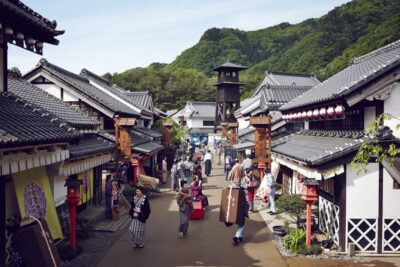 ★ 4.3Nikko: Edo Wonderland Edomura Cultural Theme Park TicketFrom $35205 reviews
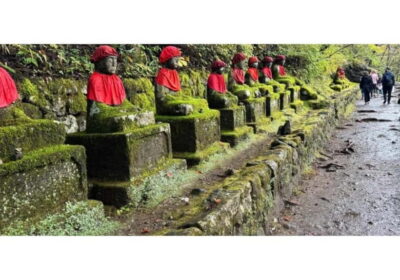 ★ 4.8Nikko World Heritage Private Day Trip Hotel Pick-upFrom $390145 reviews
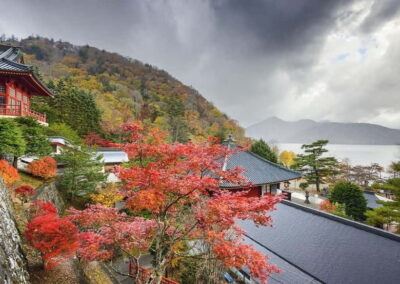 ★ 4.9Nikko – Beautiful Full-Day Personal and Private TourFrom $364119 reviews
Browse the lists this tour appears in