
Reviewed · NIKKO DAY TRIPS
NIKKO PASS world heritage area
First time you do Nikko, you’ll notice the travel time fast. This 2-day NIKKO PASS is designed to cut the friction: you get the Tokyo-to-Nikko legs plus bus rides aimed at getting you to UNESCO-linked stops with fewer transfers. I like that it includes roundtrip train access from Asakusa and unlimited local rides once you’re in the Nikko area.
Second, I like that the pass adds bus coverage for the World Heritage–style route, which helps when you do not want to burn your legs on long uphill walks and steps. One thing to consider: the pass does not include shrine and temple admissions, and if you prefer the fastest limited-express options, a separate express ticket can sometimes be the better deal.
In This Review
- Quick Take: Key Things You Get Out of the Pass
- Why the NIKKO PASS World Heritage Area Can Be Worth Your Money
- Picking Up Your Pass at Tobu Railway Asakusa (and What to Bring)
- Asakusa to Shimo-Imaichi: The Tokyo Leg That Reduces Headaches
- Local Trains From Shimo-Imaichi to Tobu-Nikko or Shin-Fujiwara
- Tobu Bus World Heritage Pilgrimage: Where the Pass Really Helps
- Planning Your Two Calendar Days Around Energy, Not Just Attractions
- What’s Not Included: Shrine/Temple Entry and Why That’s Okay
- Discount Offers: Useful, But Check Season and Priorities
- Group Size and Why It Feels Manageable
- Who This Pass Fits Best (and Who Might Prefer Express Tickets)
- FAQ
- FAQ
- Who can use the NIKKO PASS world heritage area?
- Where do I pick up the pass in Tokyo?
- How long is the pass valid?
- What train rides are included?
- Are buses included?
- Are shrine and temple admission tickets included?
- Are limited express and JR train fees included?
- Is food included?
- What’s the maximum group size?
- Should You Book This NIKKO PASS?
Quick Take: Key Things You Get Out of the Pass
- Asakusa roundtrip built in via Tobu local trains to Shimo-Imaichi
- Unlimited local rail between Shimo-Imaichi and Tobu-Nikko or Shin-Fujiwara
- Unlimited Tobu bus rides on the World Heritage Pilgrimage route (plus up to Rengeishi)
- Discounts at local attractions and shops, with savings that vary by season
- Valid for 2 consecutive calendar days, tied to your chosen date (not 48 hours)
- Limited to foreign tourists with a non-Japanese passport, checked on the day
Why the NIKKO PASS World Heritage Area Can Be Worth Your Money
Nikko is one of those places where the scenery and shrines are the main event, but getting there and getting around can quietly eat your energy. This pass is built for exactly that problem. For about $21.41 per person, you’re not just buying transport; you’re buying reduced planning stress for a full 1–2 day trip.
Here’s the math that usually matters. The pass includes transportation that would otherwise come from multiple tickets: the Tokyo-side ride from Asakusa, then local trains and buses once you’re closer to the shrine area. The price looks low because what you’re paying for is primarily transit coverage—not entrance fees. So if you plan to use the included trains and especially the buses during your two days, the value tends to show up quickly.
Still, I’d be honest about one trade-off. Some people can get to Nikko faster using limited express services from Tokyo, and that can shorten the day. If you want the shortest ride and only need minimal local travel, the pass may feel less necessary.
More runs north to Nikko, ranked by reviews
- Nikko: Kegon Falls, Lake Chuzenji & Toshogu Temple
★ 4.6 · 1,577 reviews - Tokyo: Nikko Toshogu Shrine and Kegon Waterfall Tour
★ 4.5 · 1,266 reviews - From Tokyo: Nikko World Heritage Site Private Full-Day Trip
★ 4.9 · 243 reviews - Nikko: Edo Wonderland Edomura Cultural Theme Park Ticket
★ 4.3 · 205 reviews
Picking Up Your Pass at Tobu Railway Asakusa (and What to Bring)
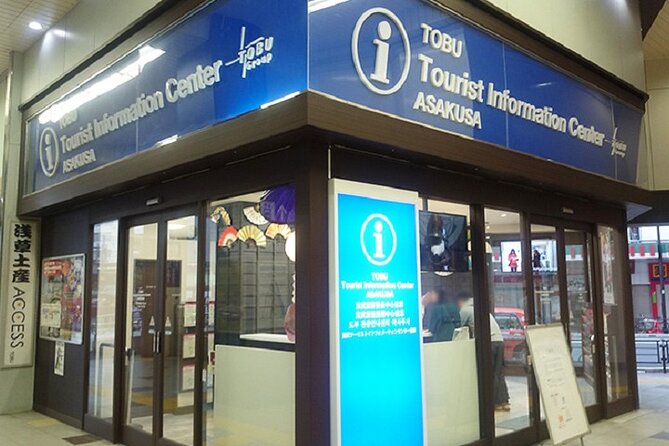
You collect your NIKKO PASS at the Tobu Tourist Information Center Asakusa, located 1F in the Tobu Railway Asakusa station. This is the kind of detail that saves time on arrival day: you’ll want to be in the right building level so you don’t wander when you could be on your way.
Two practical items to keep in mind:
- You must present a valid non-Japanese passport on the day of activity. This pass is for foreign tourists only, so keep that passport with you.
- Your pass is tied to the two consecutive calendar days starting on the date you selected when booking. Calendar days matter. That means late-afternoon plans on day one can affect what you can still do on day two.
Also note the trip can be seasonal in practice. Some Nikko area attractions run only seasonally, so it helps to sanity-check before you lock in your exact dates.
Asakusa to Shimo-Imaichi: The Tokyo Leg That Reduces Headaches
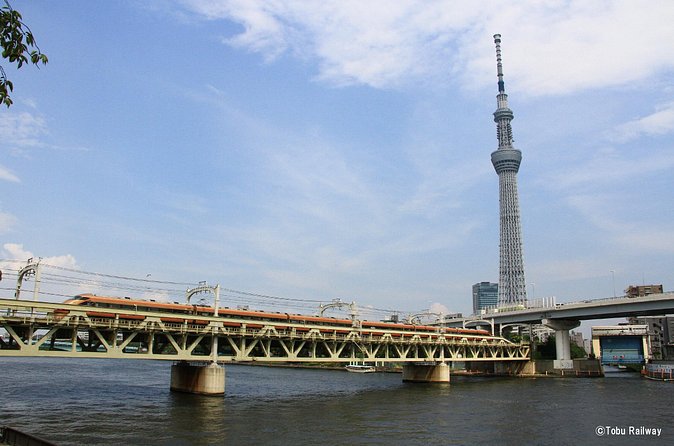
The pass includes a roundtrip ride between Asakusa and Shimo-Imaichi using Tobu Railway’s local trains. For many first-time Nikko visits, this is the most calming part of the trip. You start with a direct, rail-focused connection rather than assembling a patchwork of rides yourself.
Why this matters: the Tokyo-to-nature jump is where schedules, stations, and transfer lines can start to feel complicated. By bundling the Asakusa side for you, the pass helps you get on the move faster and spend more mental energy deciding what to see once you reach the Nikko area.
One detail that comes up in real-world experience is that the local train routing can feel streamlined because you can avoid changes of trains on parts of the journey. If your travel style is get there with less decision-making, that’s a plus.
Local Trains From Shimo-Imaichi to Tobu-Nikko or Shin-Fujiwara
Once you reach Shimo-Imaichi Station, the pass turns into “unlimited local rail” for the stretch between Shimo-Imaichi and either Tobu-Nikko Station or Shin-Fujiwara Station. That’s useful because it gives you options depending on which side of the Nikko area fits your day plan.
Unlimited rides mean you can adjust without spiraling into ticket-buying mode. You can hop on and off as your sightseeing rhythm changes. Maybe you want to return to a station to switch to a bus route, or you decide to spend longer at a stop than you planned. The pass is set up for that kind of flexibility.
Still, keep expectations grounded. You should assume there will be stairs and uphill walking when you’re actually near the shrines and temple areas. Even if the bus helps cut some walking, it does not erase the “Nikko is on terrain” reality.
Tobu Bus World Heritage Pilgrimage: Where the Pass Really Helps
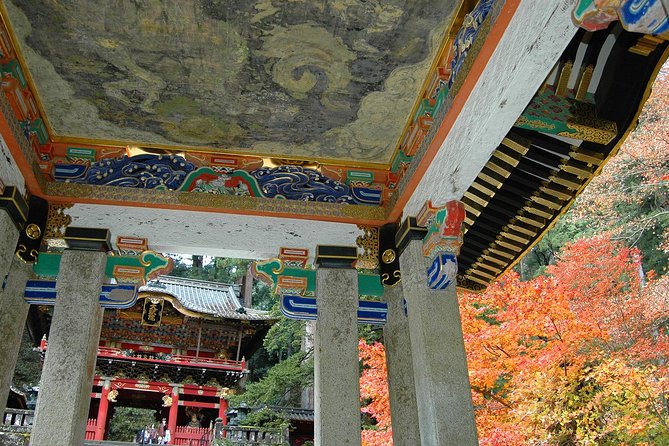
This is the section that often turns a “transport pass” into a “touring tool.” The pass includes unlimited bus rides on the Tobu bus World Heritage Pilgrimage route, plus unlimited rides up to the Rengeishi stop.
Why that’s a big deal: buses are one of the best ways to reduce the amount of uphill grinding you do between station areas and sightseeing points. With this pass, you’re not forced into one rigid stop-by-stop plan. You can use the bus as your moving base and only walk when you want that on-the-ground time.
If you like a day that feels structured but not rushed, this bus coverage is exactly what you want. It supports a style of sightseeing where you can take a break, hop out, look around, then get back on when it’s time to move.
One more practical note: bus timing and route maps matter. The schedules are available on the Tobu Railway and Tobu bus websites. Search those sites for Tobu Railway or Tobu bus to find the current info. That’s especially important if you’re visiting on a day when services run differently than you expect.
Readers also shortlisted these Tokyo bookings:
- Tokyo: Imperial Palace and Shogun Historical Walking Tour★ 5.0 · 2,251 reviews
- Tokyo: Imperial Palace Japanese History Walking Tour★ 4.9 · 987 reviews
- Tokyo: Shinjuku Historical Walking Tour & Secret Backstreets★ 5.0 · 530 reviews
- Yanaka Walking Tour: Historic and Traditional District of Tokyo★ 5.0 · 530 reviews
- Mt. Fuji Heritage Tour: Traditional Villages, Lakes & Shrine★ 4.5 · 509 reviews
Planning Your Two Calendar Days Around Energy, Not Just Attractions
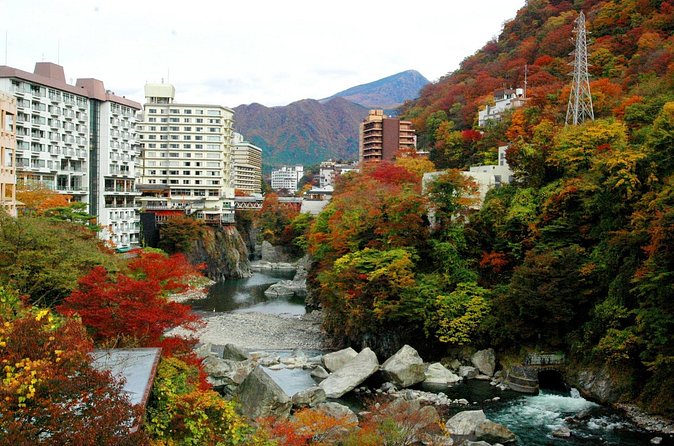
Your pass is valid for 2 consecutive calendar days beginning on your selected booking date. That sounds simple, but it changes how you should plan your pacing. I like to think of day one as getting your bearings and stacking the big, transit-dependent parts. Day two becomes the refine-and-explore day.
A sensible rhythm you can use:
- Day 1: Take the Tokyo-side train connection, then use the local trains to position yourself. When you start feeling your legs get heavier, switch to buses for the route segment(s) covered by the pass.
- Day 2: Focus on any stops you want to revisit, plus whatever you skipped because of timing. With unlimited bus rides and unlimited local rail within the defined area, you can re-route without paying again.
Even with transport included, Nikko’s terrain can be tiring. You will likely do some stairs. So build rest into your plan. If you push too hard on day one, day two becomes a shuffle rather than a stroll.
Also keep a seasonal reality in mind. Since some attractions only operate seasonally, your ideal plan can shift. If a stop is closed, you’ll be glad you still have flexible transport rather than being stuck where you are.
What’s Not Included: Shrine/Temple Entry and Why That’s Okay
This pass covers transit and some discounts, but it does not include admission to shrines and temples in the Nikko area. It also does not include:
- Limited Express and JR train fees
- Food and beverages
That sounds like fine print, but it’s actually helpful for planning. It means you can budget for entrances separately rather than guessing what’s included. If you’re expecting everything to be covered, you’ll be disappointed. If you plan on paying for the actual shrine/temple visits anyway, then the pass becomes a clean value tool for transport.
In other words: you’re paying for getting around. You’re not paying for entry.
Discount Offers: Useful, But Check Season and Priorities
The pass also includes discounts on local attractions and shops, and the wording you’ll want to remember is that discounts vary by season. That means the exact savings can fluctuate depending on when you go.
Here’s how I’d use this in real life: treat discounts as a bonus, not your core strategy. Your main value is the transportation coverage—trains and the bus network. Then, if your itinerary lines up with places that participate in discounts, you may save some money at the margins.
Group Size and Why It Feels Manageable
This is run by TOBU TOP TOURS CO., LTD., and the group size has a maximum of 30 travelers. That’s a reasonable size for a shared logistics-style product. It tends to feel organized without turning into a cattle-line situation.
There’s also confirmation at booking, and most people can participate. Children 5 and younger are complimentary when accompanied by a paying adult—handy if you’re bringing a small kid who just needs to be carried (or walks a bit) rather than fully touring all day.
Who This Pass Fits Best (and Who Might Prefer Express Tickets)
This pass is a strong fit if you:
- Want less planning for transportation between Tokyo and the Nikko/Kinugawa area
- Plan to use the local train + World Heritage Pilgrimage bus coverage across two days
- Prefer not to constantly buy additional tickets during the day
- Like the idea of reducing walking by using the included buses
It may be less ideal if you:
- Want the fastest ride from Tokyo and don’t plan to use many buses
- Are comfortable building your own routing using limited express or JR options
- Would rather pay a bit more for speed than spend two days cruising locally
One helpful takeaway from practical experience: a regular local train trip can take longer than express, so if your only goal is one quick day, you may find an express ticket works better. If your goal is a relaxed shrine-and-bus touring plan over two days, the pass tends to match that travel style nicely.
FAQ
FAQ
Who can use the NIKKO PASS world heritage area?
It’s only available for foreign tourists with a non-Japanese passport, and you must show that passport on the day of the activity.
Where do I pick up the pass in Tokyo?
You pick it up at the Tobu Tourist Information Center Asakusa, located on 1F of Tobu Railway Asakusa station.
How long is the pass valid?
Your pass is valid for 2 consecutive calendar days, starting on the date you selected when booking.
What train rides are included?
You get a round trip between Asakusa and Shimo-Imaichi, and unlimited Tobu local train rides between Shimo-Imaichi Station and Tobu-Nikko Station or Shin-Fujiwara Station.
Are buses included?
Yes. You get unlimited rides on the Tobu bus World Heritage Pilgrimage route, plus unlimited bus rides up to the Rengeishi stop.
Are shrine and temple admission tickets included?
No. Shrine and temple admissions are not included.
Are limited express and JR train fees included?
No. Limited Express and JR train fees are not included.
Is food included?
No. Food and beverages are not included.
What’s the maximum group size?
The maximum number of travelers is 30.
Should You Book This NIKKO PASS?
If you’re the type of traveler who wants the trip to feel organized and you plan to actually use the bus network, I’d book it. The value is strongest when you’ll ride the included local trains and take advantage of the World Heritage Pilgrimage buses over two calendar days. That setup helps reduce the stress of transit decisions and can cut down on some uphill walking.
If you’re aiming for the absolute fastest route, or you only want to do a tight, one-stop plan with limited local riding, you might be happier comparing against express options. In that case, the pass can feel like you’re paying for transport you don’t fully use.
My advice: match the pass to your pacing. Slow-and-sightseeing? This pass can be a smart helper. One-and-done sprint? Do a quick check against express time and cost.
More Historical Tours in Tokyo
- Tokyo: Imperial Palace and Shogun Historical Walking Tour
★ 5.0 · 2,251 reviews - Tokyo: Imperial Palace Japanese History Walking Tour
★ 4.9 · 987 reviews - Tokyo: Shinjuku Historical Walking Tour & Secret Backstreets
★ 5.0 · 530 reviews - Yanaka Walking Tour: Historic and Traditional District of Tokyo
★ 5.0 · 530 reviews - Mt. Fuji Heritage Tour: Traditional Villages, Lakes & Shrine
★ 4.5 · 509 reviews
More Tour Reviews in Tokyo
- Mt Fuji and Hakone 1-Day Bus Tour Return by Bullet Train
★ 5.0 · 26,383 reviews - 1-Day Tokyo Bus Tour
★ 5.0 · 14,250 reviews - Tokyo: teamLab Planets TOKYO Digital Art Museum Entry Ticket
★ 4.6 · 9,779 reviews - Mt Fuji & Hakone Cruise, Drum Show Bullet Train 1 Day from Tokyo
★ 4.0 · 7,413 reviews - Tokyo: Shinjuku Food Tour (13 Dishes at 4 Local Eateries)
★ 5.0 · 6,603 reviews
North to Nikko: More Trips Rated
- Nikko: Kegon Falls, Lake Chuzenji & Toshogu Temple
★ 4.6 · 1,577 reviews - Tokyo: Nikko Toshogu Shrine and Kegon Waterfall Tour
★ 4.5 · 1,266 reviews - From Tokyo: Nikko World Heritage Site Private Full-Day Trip
★ 4.9 · 243 reviews - Nikko: Edo Wonderland Edomura Cultural Theme Park Ticket
★ 4.3 · 205 reviews - Tokyo: Nikko World Heritage Private Day Trip Hotel Pick-up
★ 4.8 · 145 reviews
Latest Tokyo reviews off our desk






Nikko Day Trips, compared.
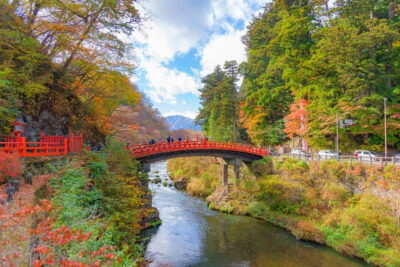 ★ 4.6Nikko: Kegon Falls, Lake Chuzenji & Toshogu TempleFrom $891,577 reviews
 ★ 4.5Nikko Toshogu Shrine and Kegon Waterfall TourFrom $841,266 reviews
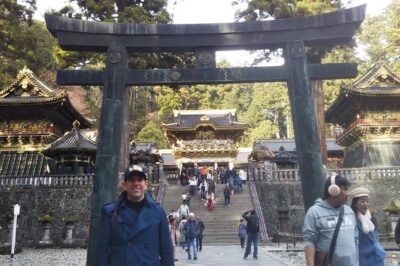 ★ 5.0Nikko Full-Day Private Tour with Government-Licensed GuideFrom $155259 reviews
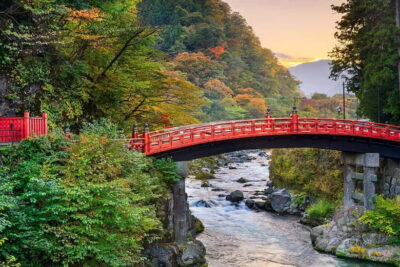 ★ 4.9From Tokyo: Nikko World Heritage Site Private Full-Day TripFrom $483243 reviews
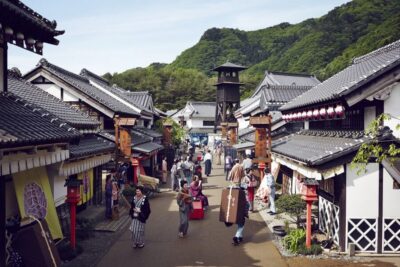 ★ 4.3Nikko: Edo Wonderland Edomura Cultural Theme Park TicketFrom $35205 reviews
 ★ 4.8Nikko World Heritage Private Day Trip Hotel Pick-upFrom $390145 reviews
 ★ 4.9Nikko – Beautiful Full-Day Personal and Private TourFrom $364119 reviews
Browse the lists this tour appears in