
Reviewed · IMPERIAL PALACE TOURS
Tokyo: Imperial Palace Japanese History Walking Tour
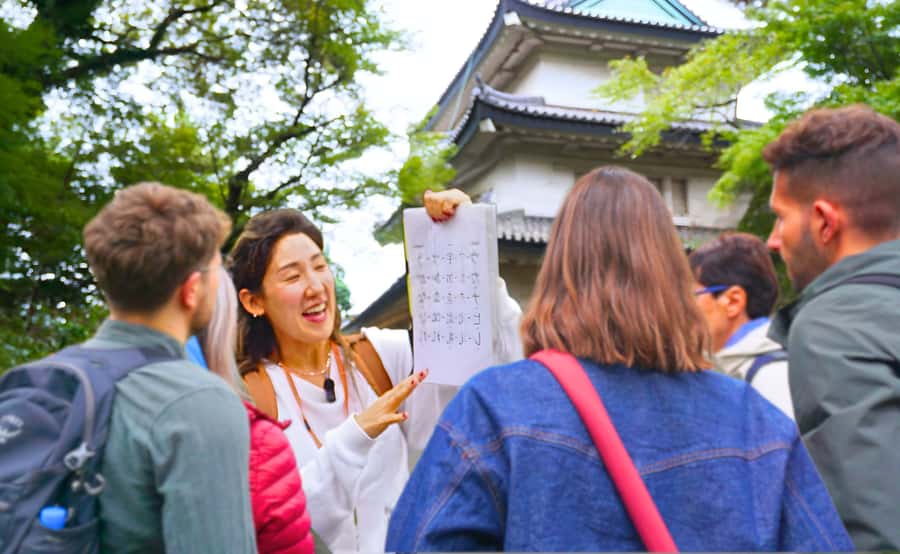
Tokyo slows down at the Imperial Palace. This guided walk turns the grounds into a clear story of how power shifted in Japan, with easy explanations and plenty of photo stops. I especially love the friendly English-speaking guides (Mika and Natsumi are standout names from recent tour groups), and I like how the tour connects what you see to what it meant.
What you’re really paying for is sense-making. You’ll spend time in the Eastern Gardens and pick up details like the old rank order (Farmer–Samurai–Daimyo–Shogun), plus you’ll see standout scenery such as the bamboo forest and the royal koi area. One caution: the Inner Palace is not included, so plan your expectations for the outer grounds only.
In This Review
- Key highlights worth showing up for
- Meeting at Starbucks near Wadakuramon Fountain: quick start, clear direction
- Otemon Gate and the Shogun-to-Emperor story: what you see now vs. what was there
- Eastern Gardens walking route: samurai houses, ranking systems, and gifted trees
- Bamboo forest and photo spots: when Tokyo gets quiet on purpose
- The guide is the product: stories, humor, and help beyond the tour
- Price and value at $32: why this feels like a good deal
- What’s not included: Inner Palace access changes how you should plan
- Who should book this walking tour (and who should skip)
- Quick tips for your day: wear-weather prep and tour rules
- Should you book Sunrise Adventure’s Imperial Palace History Walking Tour?
- FAQ
- Where is the meeting point for the Tokyo Imperial Palace walking tour?
- How do I get to the meeting point from Tokyo Station or Otemachi Station?
- Is the Inner Palace included in this tour?
- Will the tour run if it rains?
- What languages are the guides available in?
- What is included in the experience?
- What should I wear for the tour?
- Are weapons, drones, or smoking allowed?
- Is the tour suitable for wheelchair users or people with mobility impairments?
- Can I expect an English-speaking guide?
Key highlights worth showing up for
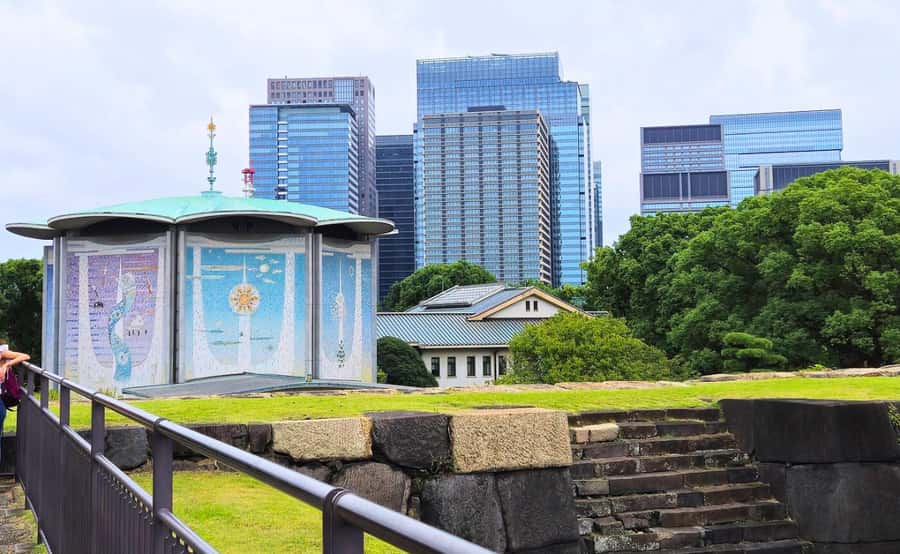
- Otemon Gate + Edo Castle backstory, including what changed when the shogun era shifted
- Interactive guide approach that works even if history isn’t your usual subject
- Bamboo forest time and calm walking paths with good shade and photo angles
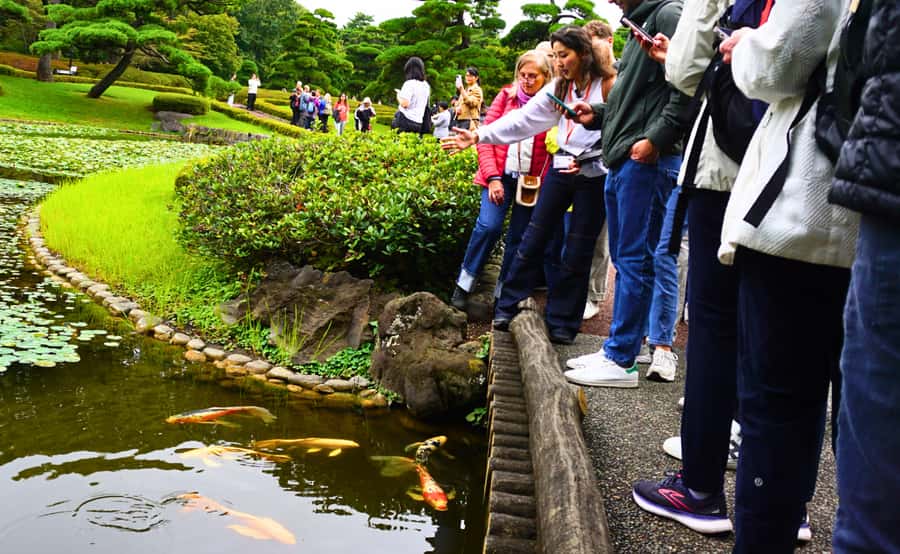
- Royal koi fish viewing that feels special in a place this controlled
- Small culture details like gifted trees from across Japan and a samurai-era house stop
- Practical help on the day, from Mosquito spray to heat-friendly pacing mentioned in guide experiences
Meeting at Starbucks near Wadakuramon Fountain: quick start, clear direction
The tour meets at a Starbucks near Wadakuramon fountain park. If you’re coming from Tokyo Station or Otemachi Station, you’re looking at a short walk (about 5–10 minutes once you’re near the park). Your guide will be holding a sign with the Sunrise Adventure logo, so you’re not left guessing who’s who.
This is one of those logistics that matters more than it sounds. When you start on time, you get more relaxed walking and better light for photos. Also, since the palace area can get busy, finding your group fast helps you get into the rhythm quickly.
One more practical note: the tour runs rain or shine, so meeting inside first keeps your mood intact. Bring what you need for weather comfort, and you’ll be set.
More walks around the Imperial grounds
- Tokyo: Imperial Palace and Shogun Historical Walking Tour
★ 5.0 · 2,251 reviews - Tokyo: Imperial Palace Japanese History Walking Tour
★ 4.9 · 987 reviews - Tokyo: Imperial Palace and Shogun Walking Tour
★ 4.9 · 935 reviews - Imperial Palace East Garden and Edo Castle Walking Tour in Tokyo
★ 5.0 · 510 reviews
Otemon Gate and the Shogun-to-Emperor story: what you see now vs. what was there
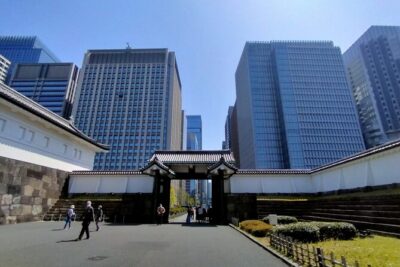
Your walking route heads toward the Otemon Gate of the Imperial Palace. This is where the tour’s main magic happens: you start learning the timeline before you’re even deep in the gardens.
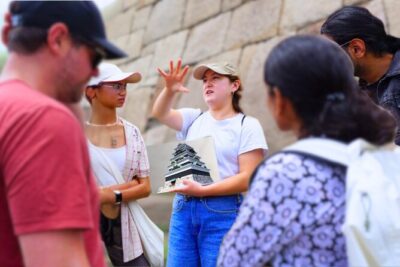
Here’s the key context you’ll get. The original castle that once stood here isn’t present anymore, but the guide explains why that matters. You’ll also see a miniature model that shows what it looked like in the past, which makes the transformation much easier to picture. You’re not just hearing facts; you’re mapping them onto the space in front of you.
The tour also leans into the idea of footsteps and power. You’ll hear how Shogun rule shaped the country, and how the castle world shifted into an emperor palace setting. That “what replaced what” story is the thread that helps everything else click later—especially when you reach the Edo Castle location references.
Eastern Gardens walking route: samurai houses, ranking systems, and gifted trees
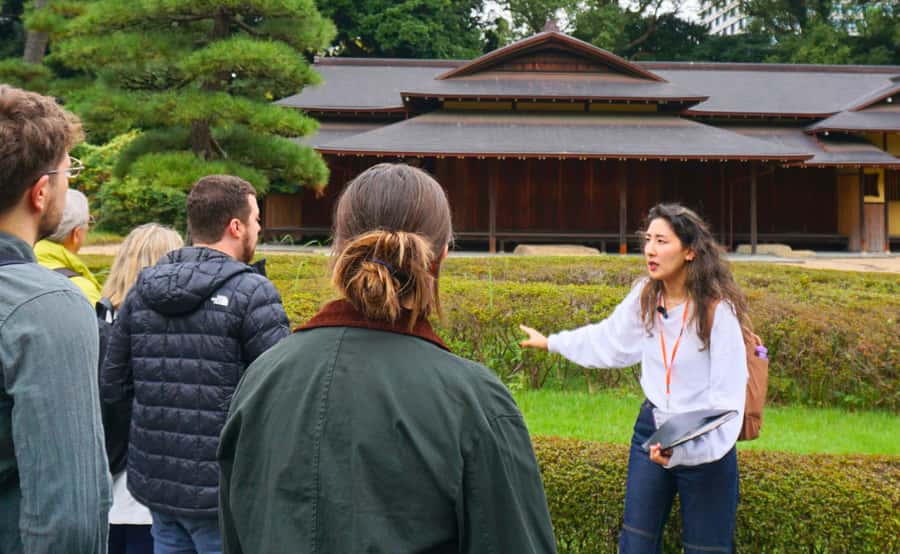
Once you’re moving through the palace grounds, you’ll get more than scenic strolling. The guide turns the Eastern Gardens into a history lesson you can actually follow at walking speed.
One of the most memorable parts is the tour’s focus on social structure. You’ll learn about the old ranking system: Farmer, Samurai, Daimyo, Shogun. It sounds simple, but the guide connects it to how Japan worked day to day—who had power, who followed, and how that shaped daily life and expectations.
You’ll also look for points of interest like an old samurai house stop. Even if the structure you see isn’t the whole original story, it gives you something concrete to attach the lesson to. On top of that, the tour includes spotting koi fish and seeing trees said to be gifted to the emperor from across Japan—a reminder that culture and politics were tied together long before modern travel made everything feel global.
Drawback to consider: since the Inner Palace access isn’t part of the experience, you’re getting atmosphere and explanation from the outer areas. That’s still valuable, but it’s not the same as seeing every ceremonial interior space.
Bamboo forest and photo spots: when Tokyo gets quiet on purpose
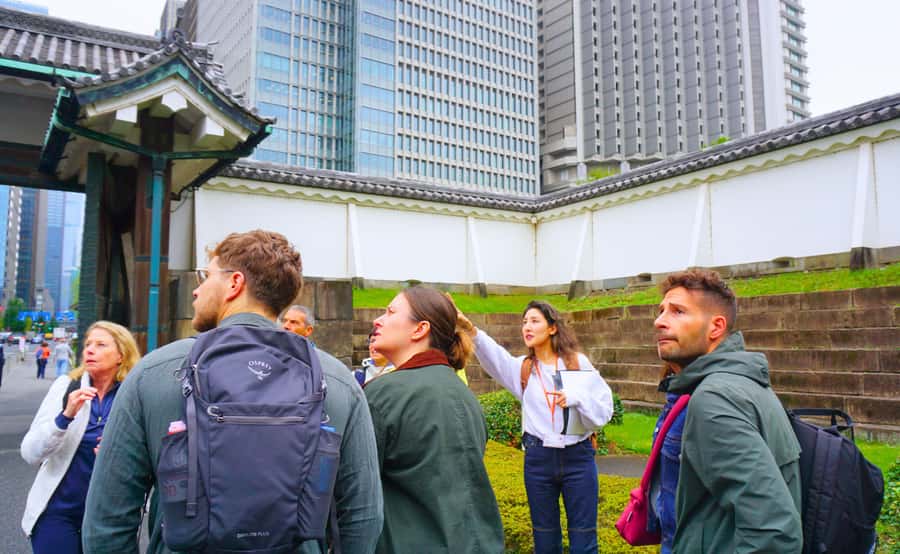
The tour includes time in a bamboo forest area and is built around great photo spots. This matters because the palace grounds have that “carefully controlled peace” feeling. You’re allowed to enjoy it—but you’re not wandering randomly, which keeps things calm and helps your guide manage the group’s pacing.
The bamboo section is usually the kind of scenery people remember later because it’s so visually different from typical Tokyo streets. It also makes sense as a stop during a history walk: it’s a living environment that changes what you notice about the site. Instead of thinking only about architecture and politics, you start paying attention to how the place feels—sound, shade, and the slow pace of walking.
Also, multiple guides mentioned in recent tour experiences make comfort part of the plan. For example, guides like Mika have been noted for bringing mosquito spray inside the palace area, and other guides have been mindful about shade and heat timing. You can’t control the weather, but you can control how you handle it—and a good guide helps you do that.
The guide is the product: stories, humor, and help beyond the tour
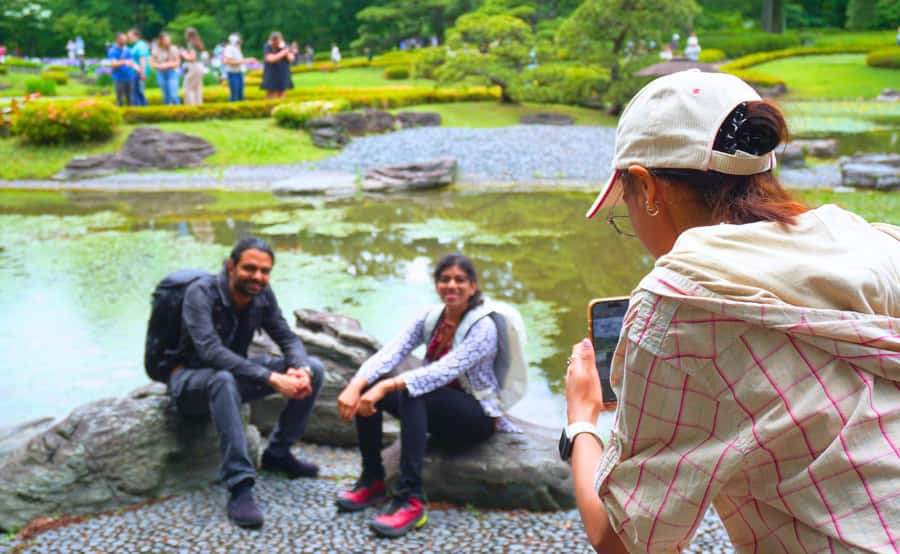
At $32, you’re not buying a ticket to a single object. You’re buying a guide who can connect dots. And the guides attached to this experience have a consistent theme: they’re easy to understand, quick to answer questions, and genuinely interested in making you “get it.”
You’ll likely see clear engagement techniques too. A guide sign helps you confirm you’re with the right group. Then the tour turns into a back-and-forth learning style—questions welcome, explanations adjusted to the group. Christian even called out the guide’s sense of humor, which is a big deal in a place where the topic could otherwise feel heavy.
Practical help is part of the value. Guides have been noted for providing mosquito spray and small heat-friendly gifts, and for offering food and etiquette recommendations afterward. If you’re starting your Tokyo day, this can save you time. You’ll get a sense of where you are and what to do next, without guessing blindly.
One optional note from a guide experience: Nico shared an opportunity to arrange a private tour, including an add-on like a tea ceremony. That kind of flexibility can make sense if you want a slower pace or a more tailored day—just treat it as something you ask about on the day, not something to assume.
Readers also shortlisted these Tokyo bookings:
- Tokyo Tsukiji Fish Market Food and Culture Walking Tour★ 5.0 · 3,184 reviews
- Tokyo: Imperial Palace and Shogun Historical Walking Tour★ 5.0 · 2,251 reviews
- Tokyo: Shinjuku Local Bar and Izakaya Guided Walking Tour★ 4.9 · 1,794 reviews
- Tokyo: Tsukiji Fish Market Food and Walking tour★ 5.0 · 1,724 reviews
- Tokyo: Asakusa Walking Tour with Sensoji Temple Visit★ 4.8 · 1,583 reviews
Price and value at $32: why this feels like a good deal

Thirty-two dollars can sound low for an Imperial Palace experience, especially in Tokyo prices. The reason it works is that the tour bundles several things that usually cost you separate effort: guided context, multiple garden zones, and those “only here” moments like the bamboo forest and royal koi fish viewing.
You also get photo-friendly stops. That may not sound “practical,” but it is. If you’re only snapping pictures without context, you leave with images. If you’re walking with a guide who explains what you’re seeing, you leave with stories you can retell—and you can recognize what to look for next time you pass a similar style.
The other value factor is the focus on understanding. When you learn the shogun-to-emperor change in plain language, you start noticing details in Tokyo that you’d otherwise walk past. It’s a small ticket with a big payoff for comprehension.
What’s not included: Inner Palace access changes how you should plan
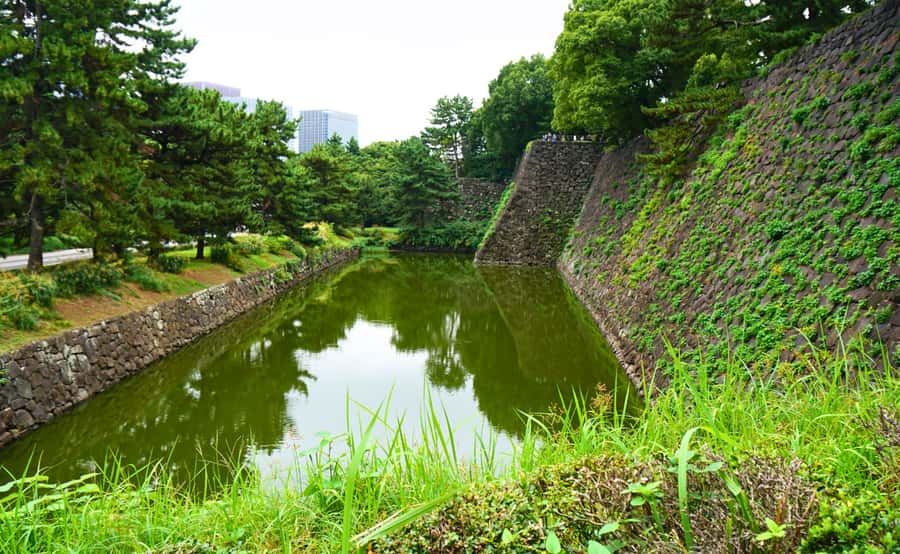
The Inner Palace is not accessible as part of this tour. That means you’ll see the palace grounds and the Eastern Gardens focus area, but you won’t be walking into the deeper interior spaces.
So your planning should be simple:
- If you want the full interior visit, you’ll need a separate plan.
- If you want the story, atmosphere, and outer-ground experience with expert explanations, this tour fits well.
The good news is that even without Inner Palace access, the guide’s emphasis on what existed here in the past—plus the miniature model—keeps the history legible. You’re not left with empty explanations. You’re given a framework for what you’re missing and why it matters.
Who should book this walking tour (and who should skip)
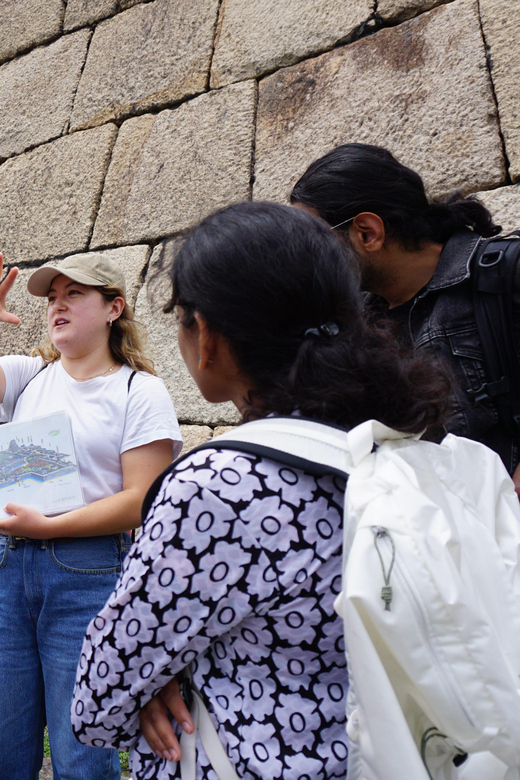
This experience can be great for first-timers who want a high-impact start to Japanese history in Tokyo. It’s also a good choice if you like garden walking, straightforward explanations, and taking your time with photos.
But it isn’t for everyone. It’s not suitable for wheelchair users, people with mobility impairments, and people with heart problems. It also isn’t recommended for pregnant women, people with back problems, people with recent surgeries, or anyone with low fitness. It’s a walking tour with real outdoor time, and the route includes uneven garden ground.
If you’re comfortable walking steadily, enjoy culture explanations, and want a calm morning in a historic space, you’ll probably have a strong match.
Quick tips for your day: wear-weather prep and tour rules

Since the tour runs rain or shine, dress like the weather is in charge—because it is. Wear clothes that handle Tokyo conditions comfortably. In hotter weather, you’ll be grateful for shade breaks, and in mosquito-prone moments, a guide may have you covered with help like spray (Mika has been noted for that).
Also note the on-the-ground rules. No smoking, no drones, and no weapons or sharp objects. Alcohol and drugs aren’t allowed either, and you should skip skateboards and anything involving making fire.
These rules help keep the palace grounds respectful and safe. They also keep the tour focused on the experience, not the chaos.
Should you book Sunrise Adventure’s Imperial Palace History Walking Tour?
If your goal is to understand how Japan’s power structure shaped the country you’re walking through today, I think this is a strong buy. The combination of clear history storytelling, specific stops like the Otemon Gate area, bamboo forest, and royal koi fish, plus guides who handle questions and comfort matters, makes the $32 price feel fair.
I’d book it if you want a calm, guided morning in the Eastern Gardens and you’re happy with outer-grounds access. I’d skip it if you’re hoping for Inner Palace interior access, or if you need accessibility accommodations not offered by this walking format.
If you’re choosing just one “history with atmosphere” stop in Tokyo, this is the kind that gives you context you’ll use for the rest of the trip.
FAQ
Where is the meeting point for the Tokyo Imperial Palace walking tour?
You meet at a Starbucks located near Wadakuramon Fountain Park. The guide will be waiting there with a sign that says Sunrise Adventure.
How do I get to the meeting point from Tokyo Station or Otemachi Station?
Take the train to Tokyo Station or Otemachi Station, then walk about 5–10 minutes to Wadakuramon Fountain Park, where the Starbucks is.
Is the Inner Palace included in this tour?
No. The tour does not include visiting the Inner Palace.
Will the tour run if it rains?
Yes. The tour takes place rain or shine.
What languages are the guides available in?
The tour is offered in English and French.
What is included in the experience?
The experience includes guided walking through the palace grounds, plus great photo spots and garden time. It also includes stops like the bamboo forest and Royal Koi fish, with a guide who can help with other travel tips if you need them.
What should I wear for the tour?
Wear clothes fitting for the weather, since the tour runs rain or shine.
Are weapons, drones, or smoking allowed?
No. Weapons or sharp objects, drones, and smoking are not allowed.
Is the tour suitable for wheelchair users or people with mobility impairments?
No. The tour is not suitable for wheelchair users or people with mobility impairments.
Can I expect an English-speaking guide?
Yes. The tour is described as having an English-speaking guide, and it also offers French.
More Tours in Tokyo
- Mt Fuji and Hakone 1-Day Bus Tour Return by Bullet Train
★ 5.0 · 26,383 reviews - 1-Day Tokyo Bus Tour
★ 5.0 · 14,250 reviews - Tokyo: Shinjuku Food Tour (13 Dishes at 4 Local Eateries)
★ 5.0 · 6,603 reviews - Tokyo Mt Fuji 5th St & Hakone Cruise Bus Tour w/Bullet Train
★ 4.4 · 5,024 reviews - Flagship 2-Hours Official Street Go-Kart Tour – Tokyo Bay Shop
★ 5.0 · 4,974 reviews
More Tour Reviews in Tokyo
- Mt Fuji and Hakone 1-Day Bus Tour Return by Bullet Train
★ 5.0 · 26,383 reviews - 1-Day Tokyo Bus Tour
★ 5.0 · 14,250 reviews - Tokyo: teamLab Planets TOKYO Digital Art Museum Entry Ticket
★ 4.6 · 9,779 reviews - Mt Fuji & Hakone Cruise, Drum Show Bullet Train 1 Day from Tokyo
★ 4.0 · 7,413 reviews - Tokyo: Shinjuku Food Tour (13 Dishes at 4 Local Eateries)
★ 5.0 · 6,603 reviews
More Imperial Palace Walks
- Tokyo: Imperial Palace and Shogun Historical Walking Tour
★ 5.0 · 2,251 reviews - Tokyo: Imperial Palace and Shogun Walking Tour
★ 4.9 · 935 reviews - Imperial Palace East Garden and Edo Castle Walking Tour in Tokyo
★ 5.0 · 510 reviews - Tokyo: Imperial Palace East Gardens Walking Tour
★ 4.8 · 353 reviews - Tokyo: Imperial Palace, Sensō-ji Temple, & Tokyo Tower Tour
★ 4.5 · 339 reviews
Latest Tokyo reviews off our desk






Imperial Palace Tours, compared.
 ★ 5.0Imperial Palace and Shogun Historical Walking TourFrom $222,251 reviews
 ★ 4.9Imperial Palace and Shogun Walking TourFrom $16935 reviews
 ★ 5.0Imperial Palace East Garden and Edo Castle Walking Tour in TokyoFrom $25510 reviews
 ★ 4.8Imperial Palace East Gardens Walking TourFrom $19353 reviews
 ★ 4.5Imperial Palace, Sensō-ji Temple, & Tokyo Tower TourFrom $40339 reviews
 ★ 5.0Tokyo Castle, Imperial Palace, Shogun & Garden Walking TourFrom $31211 reviews
 ★ 4.7Edo Castle & East Garden of the Imperial Palace TourFrom $42112 reviews
 ★ 5.0Tokyo Private Tour! Edo Castle & Imperial Palace East GardensFrom $65105 reviews
Browse the lists this tour appears in