
Reviewed · MOUNT FUJI TOURS
Mt. Fuji Heritage Tour: Traditional Villages, Lakes & Shrine
Fuji photos start early here. This Mt. Fuji heritage day strings together Saiko Iyashi no Sato Nenba charm and Chureito Pagoda viewpoints, so you get multiple chances at a clear mountain shot. I love how the tour mixes culture with photography rather than treating each stop like a quick photo shove. I also love the Lake Kawaguchi timing that’s built around seasonal color. The main drawback is also the biggest one: weather can block Mt. Fuji, and it’s a full shared-group day with a fixed schedule.
You’ll ride out from Tokyo with a live guide and driver, then hop between standout places around Lake Kawaguchi and Mt. Fuji’s northern area. Guides named Kazi, Sia, Wanting, Rachel, and Alex show up in recent bookings for good reason: they keep the group moving, explain what you’re looking at, and help you find the right photo angles fast.
Plan your day with a few basics: lunch is not included, you’ll want cash for small shops, and you should wear comfortable shoes because you’ll be on your feet at multiple stops. Also, the tour is not wheelchair friendly.
In This Review
- Key things I’d circle on your plan
- A 10-hour Fuji loop built around photo windows
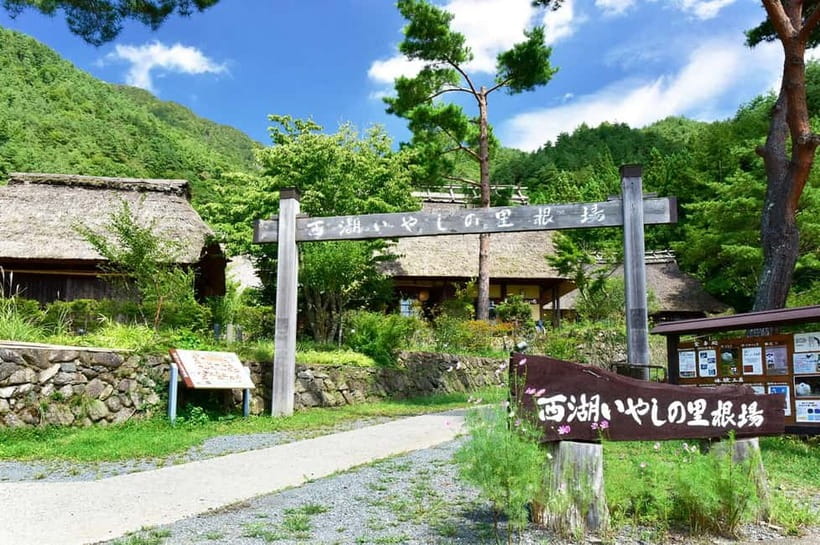
- Saiko Iyashi no Sato Nenba: thatched village photos that feel like a postcard
- Lake Kawaguchi: Oishi Park and the Maple Corridor seasonal switch
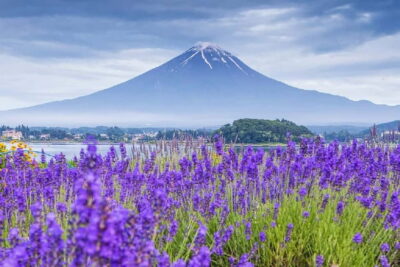
- Oishi Park: lavender in summer, broom grass in autumn
- Maple Corridor: peak fall framing that shoots for “classic Fuji”
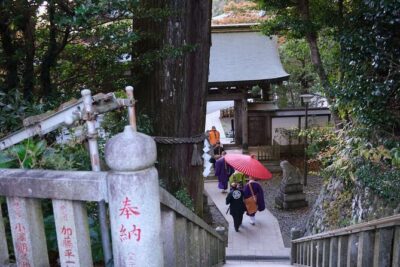
- Arakurayama Sengen Park and Arakura Shrine: the steps that lead to the famous view
- Oshino Hakkai: eight ponds with Fuji snowmelt reflections
- The lunch reality: plan ahead so it doesn’t slow you down
- Price and value: what $50 really buys (and what it doesn’t)
- Weather: the one variable you can’t control, but you can prepare for
- Who this tour suits best (and who should skip it)
- Should you book this Mt. Fuji Heritage Tour
- FAQ
- How long is the Mt. Fuji Heritage Tour?
- Is lunch included in the tour price?
- What does the tour cost?
- Where do I meet the tour in Tokyo?
- What are the main sightseeing stops?
- Can I expect to see Mt. Fuji clearly?
- What should I bring?
- Is the tour wheelchair accessible?
- What languages are the guide options?
Key things I’d circle on your plan
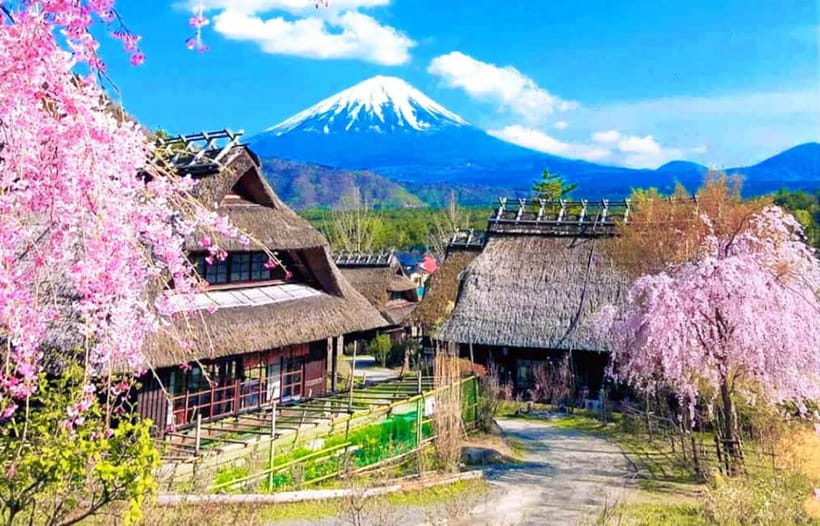
- Saiko Iyashi no Sato Nenba: thatched-roof village photos with Fuji in the frame
- Seasonal Lake Kawaguchi stops: summer lavender fields or autumn maple timing
- Arakura Sengen Park + steps: the shrine route leading to iconic views
- Oshino Hakkai ponds: eight spring ponds fed by Mt. Fuji snowmelt
- Photo-first but guided: explanations in English, Japanese, and Traditional Chinese
A 10-hour Fuji loop built around photo windows

This tour is designed for one very practical goal: maximize your odds of seeing Mt. Fuji while also giving you real cultural stops. That means a tight mix of village streets, lakeside viewpoints, shrine steps, and quiet ponds, all in one long day that runs about 10 hours.
The ride time is real. You’ll be in a bus for roughly 2.5 hours each way between Tokyo and the Fuji area. Once you’re there, the stops are spaced so you can actually walk around, not just stand in a crowd. Still, this is a shared group tour. If you hate group pacing or prefer slow travel, you’ll want to mentally prep for a schedule that moves.
What makes it feel like good value is what’s included: the tour guide, driver, pickup and drop-off at two Tokyo meeting points, parking fees, and admission to Saiko Iyashi no Sato Nenba. The one big thing you supply yourself is lunch and personal spending.
More Fuji day trips our readers rated highly
- Mt Fuji and Hakone 1-Day Bus Tour Return by Bullet Train
★ 5.0 · 26,383 reviews - Mt Fuji & Hakone Cruise, Drum Show Bullet Train 1 Day from Tokyo
★ 4.0 · 7,413 reviews - Tokyo Mt Fuji 5th St & Hakone Cruise Bus Tour w/Bullet Train
★ 4.4 · 5,024 reviews - From Tokyo: Mount Fuji Full-Day Sightseeing Trip
★ 4.5 · 4,970 reviews
Saiko Iyashi no Sato Nenba: thatched village photos that feel like a postcard
Your day starts at Saiko Iyashi no Sato Nenba, a traditional village with thatched-roof buildings that are famous for their Mt. Fuji backdrops. This stop is where the tour earns its keep as more than just a sightseeing checklist. You’re walking a compact village layout where Fuji can line up behind the rooftops depending on the day’s weather and light.
I like this part because it’s built for both curiosity and photos. You’ll get a guided visit and time for sightseeing and picture-taking, plus the village entrance area has snack options you can grab on your way in.
Two small details worth knowing:
- The tour includes admission, so you’re not scrambling for tickets or confusion at the gate.
- There’s an option to rent a ninja costume at the village (extra cost). It’s silly in the best way, and it can make your Fuji shots feel more playful than everyone else’s standard skyline pose.
If Mt. Fuji is cloudy, this is still a nice cultural stop—traditional architecture doesn’t vanish just because the mountain hides. But your photos will depend on the weather window you get.
Lake Kawaguchi: Oishi Park and the Maple Corridor seasonal switch
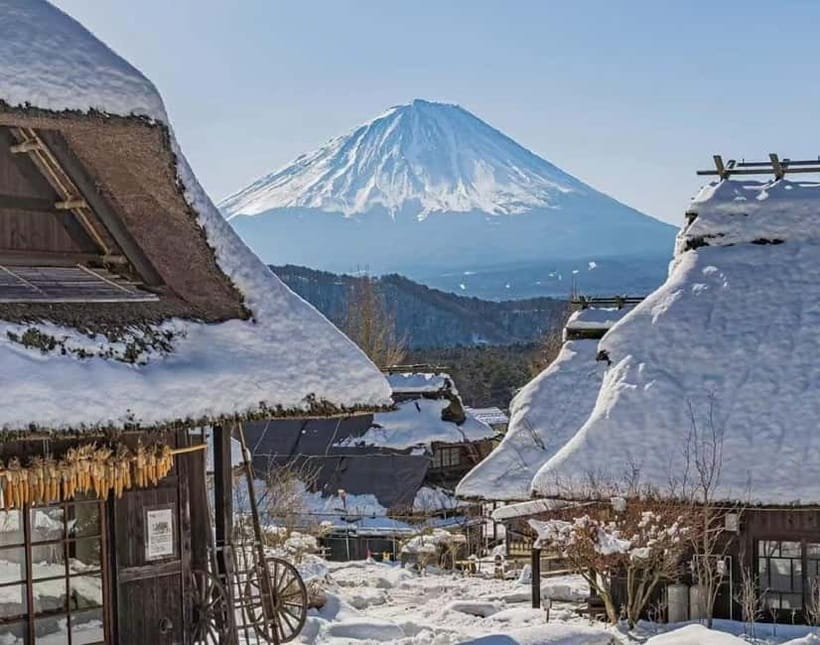
After the village, you head toward Lake Kawaguchi, the main stage for many of the classic Fuji views. This area is all about timing and what season is doing.
Here’s the key seasonal rule from the tour info:
Peak autumn foliage (Oct 26–Nov 20) prioritizes the Maple Corridor and does not include Oishi Park during that period. Outside that peak window, you’ll typically get Oishi Park first, followed by a photo stop around the maple area.
Oishi Park: lavender in summer, broom grass in autumn
At Oishi Park, the vibe changes hard by season:
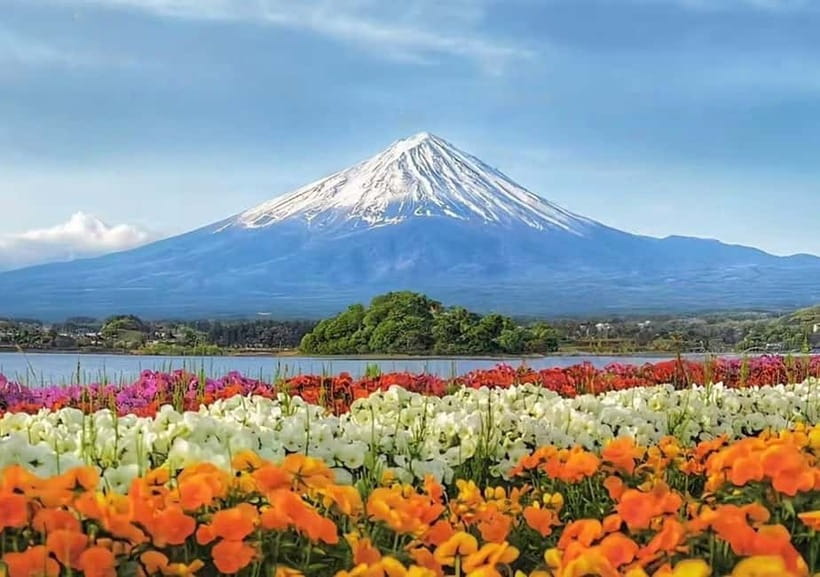
- In summer, fields can burst with lavender.
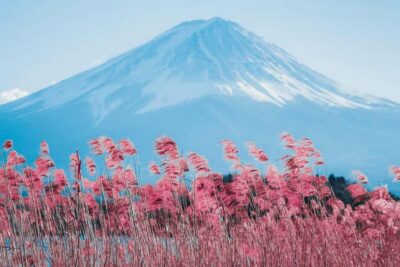
- In autumn, red broom grass can color the lakeside views in a way that makes Fuji feel dramatic even from a distance.
This stop is where you’ll want to take your time dialing in your angle. The goal is to frame Fuji with the foreground plants, not just photograph the mountain by itself. If the guide points out where the best line of sight is, trust them. One extra minute at the right spot can be the difference between a decent photo and a great one.
Maple Corridor: peak fall framing that shoots for “classic Fuji”
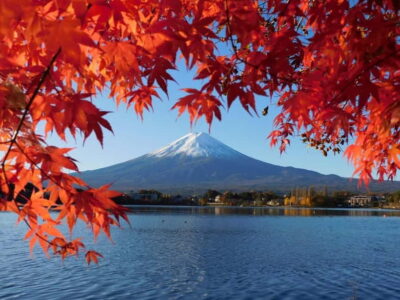
During the peak autumn window, the tour focuses on the Maple Corridor, where fiery fall foliage can frame the snow-capped peak. The tour plans a dedicated photo stop and enough time to get your shots without feeling rushed.
This is also where you should be flexible with your expectations. If clouds roll in, the colors still look good, but the Fuji alignment may fade. The schedule is built to give you time for those conditions, not to guarantee them.
Readers also shortlisted these Tokyo bookings:
- Tokyo: Imperial Palace and Shogun Historical Walking Tour★ 5.0 · 2,251 reviews
- Tokyo: Imperial Palace Japanese History Walking Tour★ 4.9 · 987 reviews
- Yanaka Walking Tour: Historic and Traditional District of Tokyo★ 5.0 · 530 reviews
- Tokyo: Shinjuku Historical Walking Tour & Secret Backstreets★ 5.0 · 530 reviews
- Mt. Fuji Heritage Tour: Traditional Villages, Lakes & Shrine★ 4.5 · 509 reviews
Arakurayama Sengen Park and Arakura Shrine: the steps that lead to the famous view
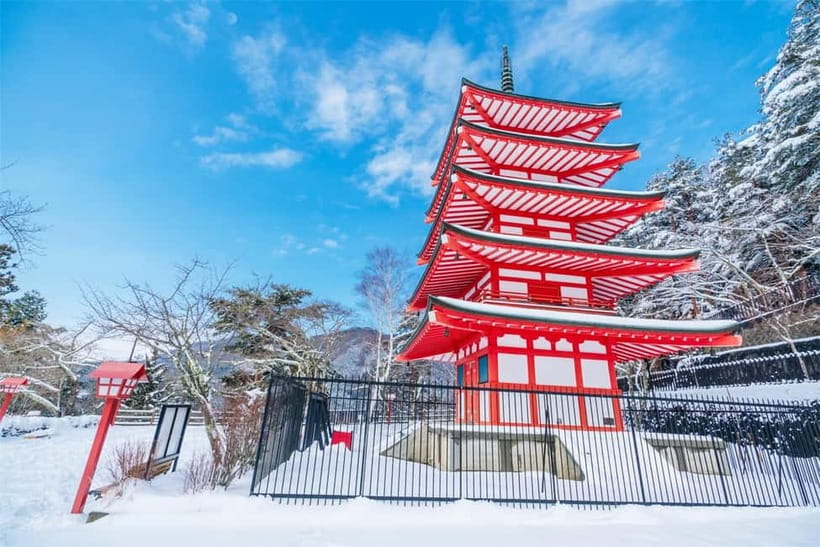
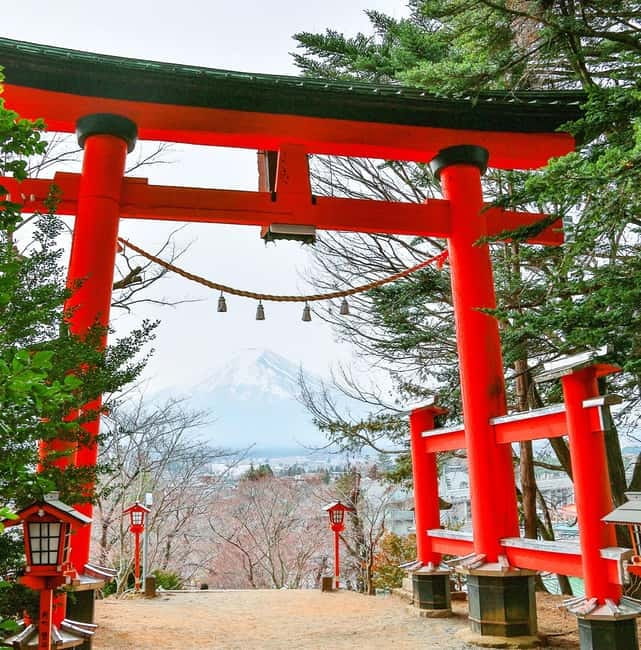
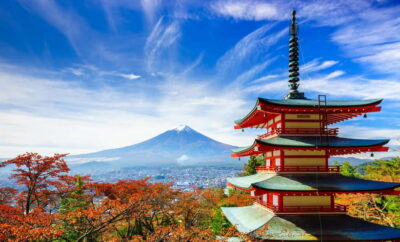
Next up is Arakurayama Sengen Park with the shrine area and the famous Five-Story Pagoda viewpoint nearby (often called Chureito Pagoda by many visitors). This is one of the world’s most recognized Fuji-photo locations, and you’ll feel why once you’re standing where the pagoda lines up against the mountain.
The tour gives you time at the park and then at Arakura Sengen Shrine, plus a shorter stop timed around the pagoda viewpoint. That helps you handle the two parts people usually rush:
1) walking up to the photo spot, and
2) pausing long enough for details—like shrine atmosphere and people’s different angles of view.
A practical tip from shrine lovers: if you want a goshuin (shrine stamp/inscription book) it can take some waiting. One good strategy is to plan your timing so you don’t end up trying to do it at the last minute after climbing most of the stairs.
Even when Fuji is partially covered, the view corridor from the steps and the shrine setting still make this a memorable stop. It’s a place where you’ll naturally slow down once you get to the top.
Oshino Hakkai: eight ponds with Fuji snowmelt reflections
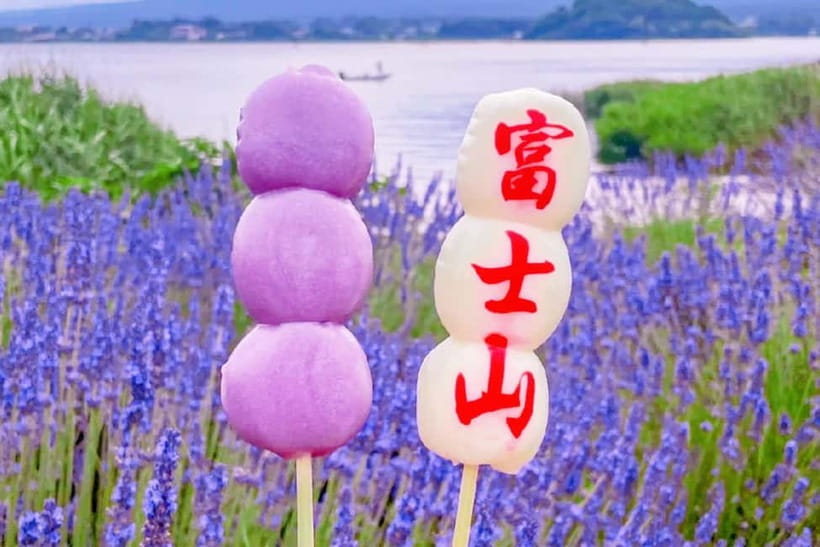
The final major sight is Oshino Hakkai, a quieter stop that shifts the day from “photo sprint” to “slow look.” Here you’ll find eight crystal-clear spring ponds, fed by Mt. Fuji’s melted snow.
I really like this contrast at the end of a busy day. The ponds tend to reflect the surroundings, so even when the mountain is not perfectly visible, the water still gives you strong visual payback. The tour schedules a generous time window here, so you’re not stuck racing through.
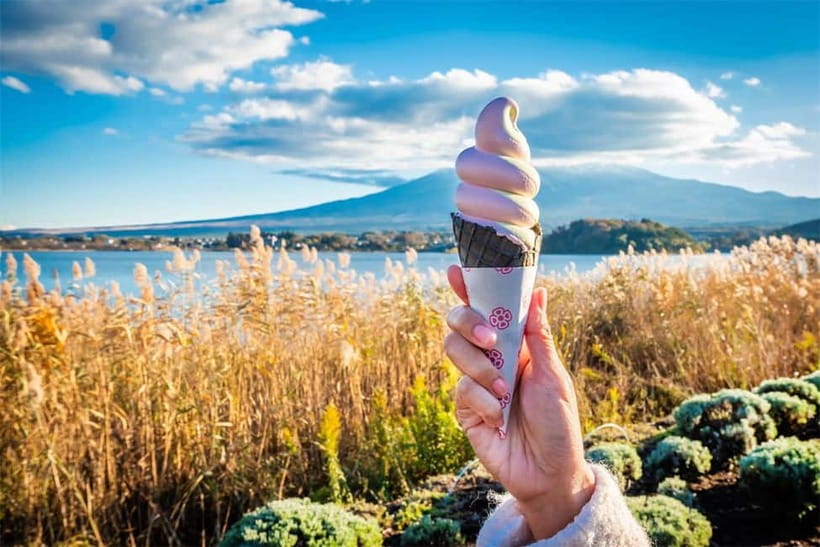
There’s also a local-food angle near the ponds. The tour info notes you can taste things like freshly made rice crackers and wasabi ice cream nearby. That’s the kind of small local treat that makes a day trip feel less like a postcard shuffle and more like a genuine local stop.
The lunch reality: plan ahead so it doesn’t slow you down
Lunch is not included. What that means for you:
- You can bring food, or
- Buy lunch at attractions along the way, or
- Use the restaurant break included in the schedule (a local restaurant stop with a break time).
Some people will be fine grabbing whatever looks good on-site. Others prefer controlling calories and timing. If you’re the second type, bring a simple meal and keep cash handy so you’re not searching for card-friendly places at the wrong moment.
Cash matters because some locations may not accept credit cards. Also, souvenirs at each attraction run independently, so don’t assume one payment or one shop plan works everywhere.
Price and value: what $50 really buys (and what it doesn’t)
At about $50 per person, this tour can be a strong deal if you want a guided day that hits the major Fuji-region highlights without extra ticket planning.
What you get that lowers your planning load:
- Admission to Saiko Iyashi no Sato Nenba
- Live guide (English, Japanese, Traditional Chinese)
- Driver and parking fee included
- Pickup and drop-off at two designated Tokyo meeting points
What you should budget separately:
- Lunch (not included)
- Personal spending at shops and any add-ons (like the ninja costume)
- Any extra snacks or local treats beyond what you choose
Is it worth it? If you’re visiting Fuji for the first time, yes, because you get an efficient route with a guide helping you time the right photo stops and understand what you’re seeing. If you already know the area well and want to roam independently, you might prefer DIY. But for most first-timers, the guided structure is the value.
Weather: the one variable you can’t control, but you can prepare for
Mt. Fuji visibility is the big unknown on any given day. The tour warns you that weather can prevent clear views, so plan like a realist.
Here’s what you can do:
- Check the weather forecast before you go.
- Bring a flexible mindset: the village, shrines, and ponds are still worthwhile even with partial clouds.
- If you’re chasing the most iconic shots (pagoda + Fuji alignment), know that timing can shift based on how clear the mountain is on the day.
Also, note that the tour schedule can be affected by weekend/holiday traffic. The return time may run later, and attraction time can shorten if needed. That’s not a deal-breaker for a one-day tour, but don’t stack other plans right after you get back to Tokyo.
Who this tour suits best (and who should skip it)
This is a good fit if you want:
- A guided day built around the most famous Mt. Fuji photo areas
- Cultural stops (shrines and a traditional village), not just viewpoints
- A plan that takes care of transport so you don’t waste time figuring bus routes
It’s less ideal if you:
- Need wheelchair accessibility (the tour is not suitable for wheelchair users)
- Hate long days or fixed schedules
- Want an unhurried, independent wandering style
- Plan to rely on credit cards everywhere (cash is safer)
If you’re traveling with kids, this can work well because the tour structure gives clear arrival points and short, manageable sight windows. Reviews mention families with small children appreciating the organization and pacing.
Should you book this Mt. Fuji Heritage Tour
If your priority is a single-day hit list of Mt. Fuji-adjacent highlights, I’d book it. You’re paying for time-saving logistics, admission at the key village stop, and a guide who helps you get the photos and the meaning behind them.
I’d especially consider it if:
- It’s your first time in the Fuji area
- You want both iconic shots (pagoda, shrine views) and a quieter finish (Oshino Hakkai)
- You don’t want to coordinate transport between multiple towns and viewpoints
I’d think twice if:
- You’re very sensitive to uncertainty in Mt. Fuji visibility
- You can’t handle a long bus day
- You want lunch fully planned and included
With the right expectations—plus cash, shoes, and a weather check—this is an efficient, satisfying way to see why Mt. Fuji inspires everything from shrines to thatched-roof villages.
FAQ
How long is the Mt. Fuji Heritage Tour?
The tour duration is 10 hours.
Is lunch included in the tour price?
No. Lunch is not included. You can bring something, buy lunch at the attractions, or use the local restaurant break during the day.
What does the tour cost?
The price is listed as $50 per person.
Where do I meet the tour in Tokyo?
Pickup and drop-off are at two designated meeting points. One listed option is Tokyo MODE學園, 1-chōme-5-1 Marunouchi. Meeting point can vary depending on the option booked.
What are the main sightseeing stops?
Key stops include Saiko Iyashi no Sato Nenba, Oishi Park, the Lake Kawaguchi Maple Corridor (seasonal), Arakurayama Sengen Park with the Five-Story Pagoda area, Arakura Sengen Shrine, and Oshino Hakkai.
Can I expect to see Mt. Fuji clearly?
Not guaranteed. The tour notes that weather conditions can prevent clear views, so it’s important to check the weather forecast.
What should I bring?
Bring comfortable shoes and water. The tour also asks you to bring cash.
Is the tour wheelchair accessible?
No. It is not suitable for wheelchair users.
What languages are the guide options?
The live tour guide is available in English, Japanese, and Traditional Chinese.
More Tours in Tokyo
- Mt Fuji and Hakone 1-Day Bus Tour Return by Bullet Train
★ 5.0 · 26,383 reviews - 1-Day Tokyo Bus Tour
★ 5.0 · 14,250 reviews - Tokyo: Shinjuku Food Tour (13 Dishes at 4 Local Eateries)
★ 5.0 · 6,603 reviews - Tokyo Mt Fuji 5th St & Hakone Cruise Bus Tour w/Bullet Train
★ 4.4 · 5,024 reviews - Flagship 2-Hours Official Street Go-Kart Tour – Tokyo Bay Shop
★ 5.0 · 4,974 reviews
More Tour Reviews in Tokyo
- Mt Fuji and Hakone 1-Day Bus Tour Return by Bullet Train
★ 5.0 · 26,383 reviews - 1-Day Tokyo Bus Tour
★ 5.0 · 14,250 reviews - Tokyo: teamLab Planets TOKYO Digital Art Museum Entry Ticket
★ 4.6 · 9,779 reviews - Mt Fuji & Hakone Cruise, Drum Show Bullet Train 1 Day from Tokyo
★ 4.0 · 7,413 reviews - Tokyo: Shinjuku Food Tour (13 Dishes at 4 Local Eateries)
★ 5.0 · 6,603 reviews
More Mount Fuji Days We Have Reviewed
- Mt Fuji and Hakone 1-Day Bus Tour Return by Bullet Train
★ 5.0 · 26,383 reviews - Mt Fuji & Hakone Cruise, Drum Show Bullet Train 1 Day from Tokyo
★ 4.0 · 7,413 reviews - Tokyo Mt Fuji 5th St & Hakone Cruise Bus Tour w/Bullet Train
★ 4.4 · 5,024 reviews - From Tokyo: Mount Fuji Full-Day Sightseeing Trip
★ 4.5 · 4,970 reviews - Tokyo: Mt. Fuji Tour, Hakone Ropeway, Owakudani, Lake Ashi
★ 4.7 · 4,002 reviews
Latest Tokyo reviews off our desk

Mount Fuji Tours, compared.
 ★ 5.0Mt Fuji and Hakone 1-Day Bus Tour Return by Bullet TrainFrom $16326,383 reviews
 ★ 4.0Mt Fuji & Hakone Cruise, Drum Show Bullet Train 1 Day from TokyoFrom $1497,413 reviews
 ★ 4.4Tokyo Mt Fuji 5th St & Hakone Cruise Bus Tour w/Bullet TrainFrom $1545,024 reviews
 ★ 4.5From Tokyo: Mount Fuji Full-Day Sightseeing TripFrom $684,970 reviews
 ★ 4.7Mt. Fuji Tour, Hakone Ropeway, Owakudani, Lake AshiFrom $544,002 reviews
 ★ 4.4Mt.Fuji,Kawaguchiko Oishi Park,Arakurayama Sengen ParkFrom $542,682 reviews
 ★ 4.2Mt. Fuji 5th Station & Hakone Cruise 1-Day Bus TourFrom $1292,381 reviews
 ★ 4.7Mt Fuji Top 5 Spots Day Tour: Arakurayama Park,Oshino HakkaiFrom $532,066 reviews
Browse the lists this tour appears in