

Reviewed · SAMURAI & NINJA CLASSES
Odawara: Guided Ninja & Samurai Tour of Odawara Castle
Odawara feels like a movie scene—without the acting. This tour pairs Odawara Castle Park stories with real samurai artifacts, then hands you ninja tools for a training session led by the instructors at the Ninja Museum. It’s one of the few experiences around Tokyo that actually mixes history and practice in the same morning/afternoon.
I especially love the two-part format: first you walk the grounds and museum spaces with a live English guide, then you shift into hands-on ninja techniques. Second, the stops are built around authentic objects—armor, helmets, and swords—so the samurai section doesn’t feel like vague talk about the past. The cultural layer hits too, with clear explanations tied to the Hojo clan, a major power behind Odawara Castle’s reputation.
One consideration: you’re on your feet for a solid block of time, and the tour doesn’t include food or drinks—so plan your snack break around your schedule. If you’re traveling with kids, you’ll want to come ready to wear the provided training ninja attire comfortably.
In This Review
- Key points you’ll care about
- Odawara Castle is the perfect stage for ninja + samurai
- The walk through Castle Park and Tokiwa Kimon Samurai Center
- Samurai Museum: armor you can actually see up close
- Odawara Castle grounds and Hojo clan stories
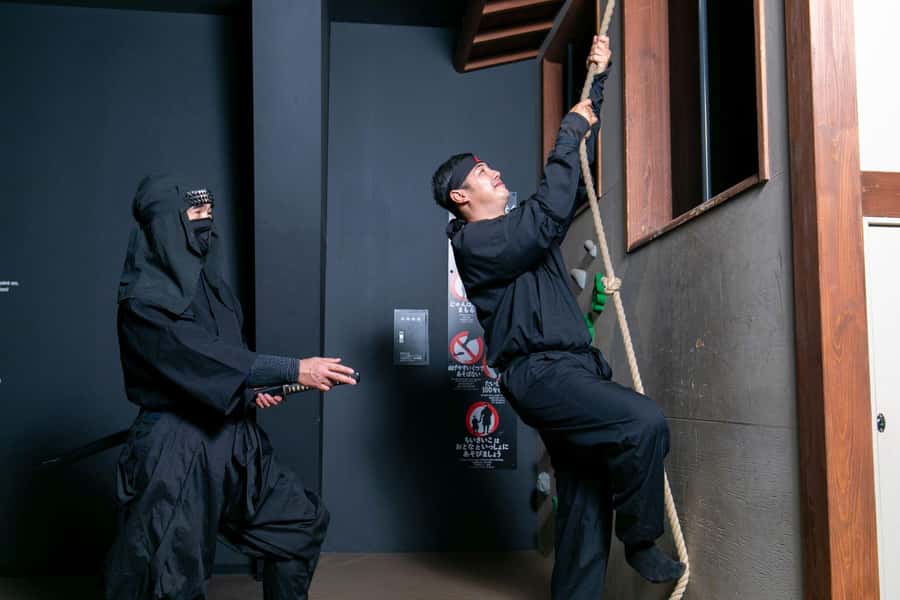
- Ninja Museum after-hours training: breathing, shuriken, and hand gestures
- Price and value: what $116 buys you
- Timing, weather, and what to bring
- Who should book this (and who might skip it)
- Should you book the Odawara Ninja & Samurai Tour?
- FAQ
- How long is the Odawara guided ninja and samurai tour?
- Where do I meet my guide?
- What’s included in the price?
- Is food and drinks included?
- Is there a ticket line to deal with?
- What language is the tour in?
- Can I cancel for a refund?
- Is the ninja training suitable for children?
Key points you’ll care about
- After-hours ninja workshop at the Ninja Museum, designed as an interactive class rather than a quick demo
- Real weapons and techniques in the training segment, including shuriken-style practice and sword work
- Samurai Museum access paired with castle-area walking, so history and setting reinforce each other
- Hojo clan focus during the castle keep walk, which gives the stories a concrete historical anchor
- Family-friendly energy, with activities adjusted so younger participants can join in
- English live guides who answer questions and keep the vibe relaxed
Odawara Castle is the perfect stage for ninja + samurai
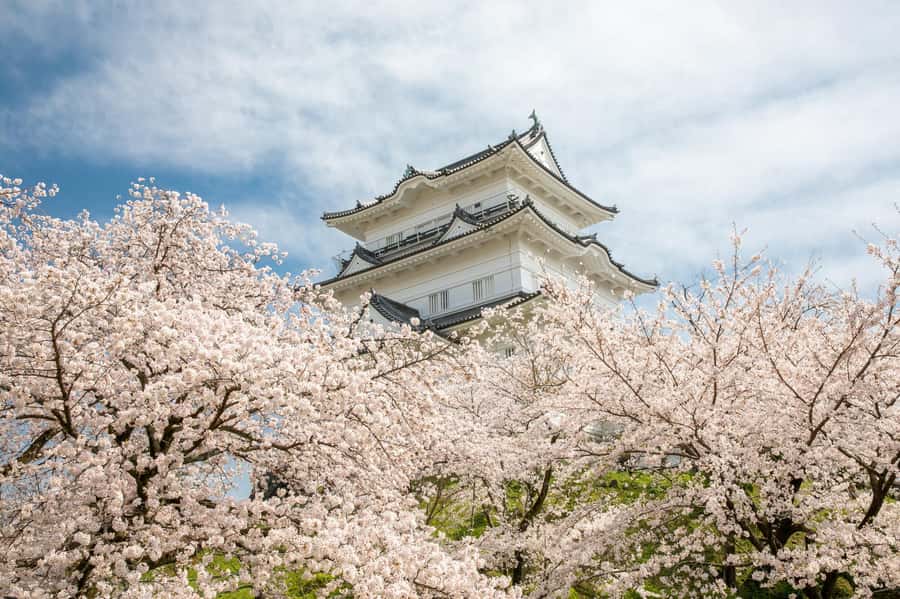
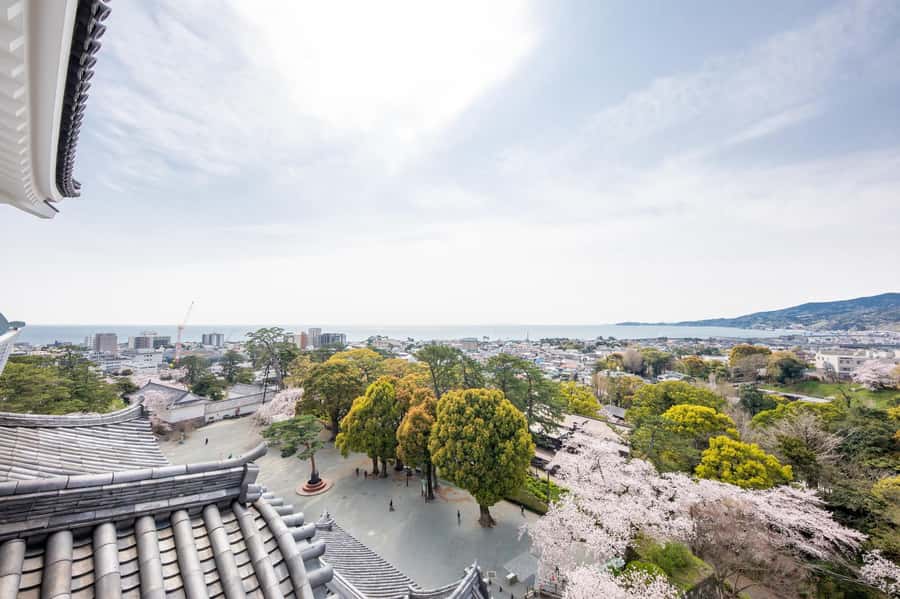
Odawara sits just south of Tokyo, between the sea on one side and the mountain region of Hakone on the other. That matters because the town feels like a real place, not just a stop on a train route. The castle park area gives you room to walk, pause for photos, and actually take in the seasonal atmosphere—especially when blossoms are around.
The best part is how the tour treats ninja culture and samurai culture as neighbors, not separate themes. You start in the castle park world and then pivot into the Ninja Museum. By the time you’re holding ninja tools, the earlier historical talk makes more sense, because you’ve already seen where power was concentrated and how people lived around the castle.
The walk through Castle Park and Tokiwa Kimon Samurai Center
This experience begins at the Odawara Castle Ninja Centre and then moves into the castle park area for a guided walking segment (about 40 minutes). You’ll be guided through the park environment and taken to key points, with time to absorb the setting instead of rushing past it.
Then you move to the Tokiwa Kimon Samurai Center (around 20 minutes). This stop helps bridge the gap between “castle scenery” and “samurai culture you can point at.” Even if your interest leans heavily toward ninja training, this is the part that gives context—because feudal Japan wasn’t just heroes in stories. It was clans, fortifications, and roles that shaped everyday decisions.
A small practical tip: wear shoes you trust. You’ll be walking and standing for several segments, and you don’t want your feet to be the limiting factor before the fun part.
Samurai Museum: armor you can actually see up close
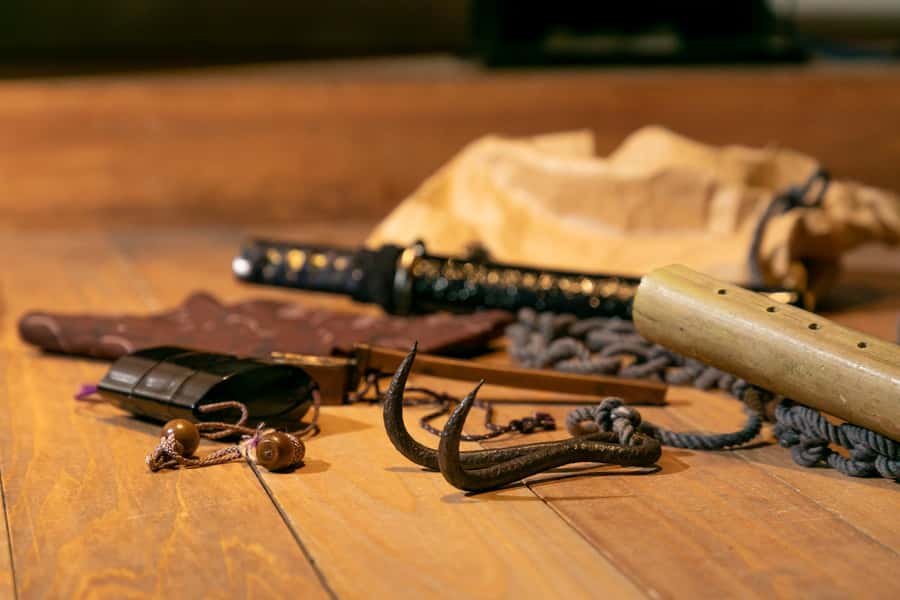
One of the strongest reasons this tour works is the way it uses real objects. You visit the Samurai Museum with your guide, and this is where you get authentic samurai artifacts—armor, helmets, and swords—presented in a way that connects to cultural roles.
Why this matters: a lot of Japan tours talk about samurai as if they’re symbols. Here, the museum time gives you physical reference points. Seeing helmets and swords in context helps you understand why rank and equipment mattered, and how the visual language of warriors showed up in daily life and battle readiness.
The mood in this section is also practical. Reviews highlight guides who field questions well and keep the explanations clear enough that kids and adults stay engaged. If your group includes different ages or interests, this is a good place to even out the energy—history lovers get detail, and curious kids get visuals.
Odawara Castle grounds and Hojo clan stories
After the museum stop, you walk toward the Castle Main Keep area and hear stories tied to feudal Japan. The tour places specific attention on the Hojo clan, explaining that they ruled the area for five generations during the Sengoku period.
This is more than name-dropping. It gives a reason for Odawara’s importance and helps you connect the castle setting to how power worked. When you’re later practicing ninja techniques, the earlier castle talk makes the whole theme feel less like costume play and more like a world with rules.
You may also get a classic “moment” here: the castle area gives you views and sightlines, and the guide’s stories help you see why people built and defended places like this. Even on a day that’s not perfect weather, the castle grounds still deliver because the architecture and museum-driven context do the heavy lifting.
Ninja Museum after-hours training: breathing, shuriken, and hand gestures
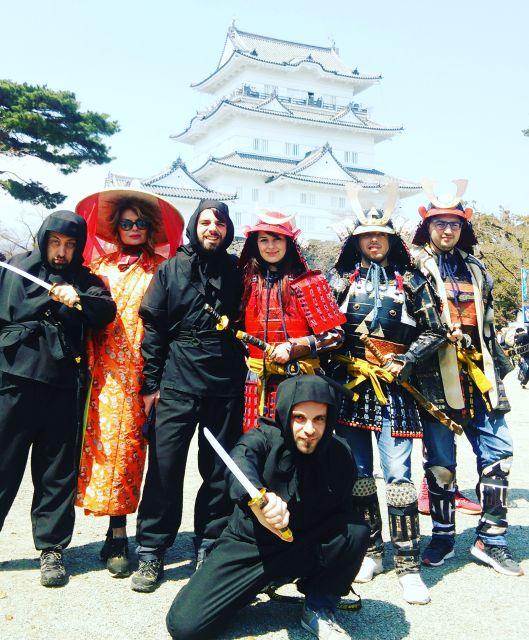
The highlight for most people is the Ninja Museum training workshop, held after regular hours. This is where the tour stops being a sightseeing plan and becomes an activity you can feel in your muscles.
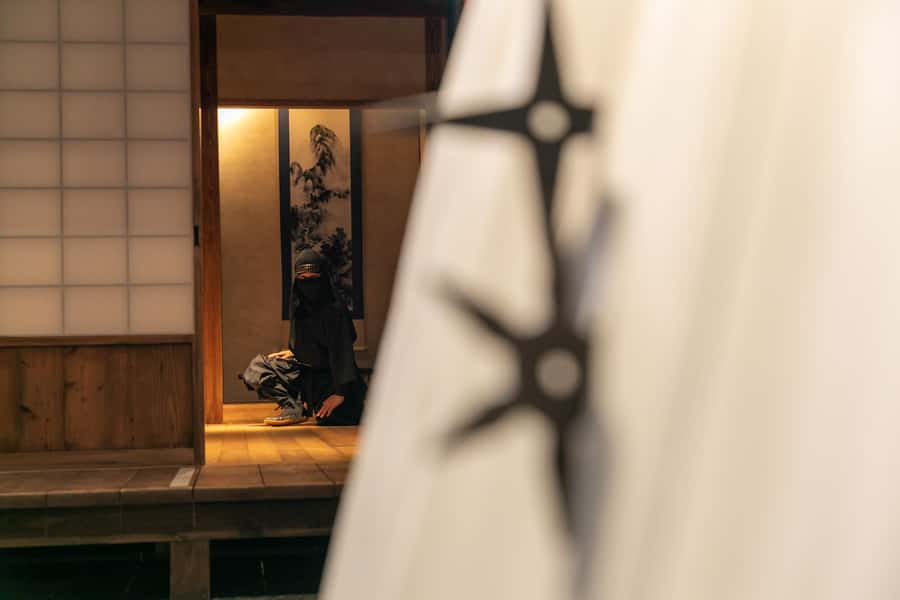
You’ll learn fundamentals that start with mental and physical control—breathing, meditation, and movement. Then it moves into practice: using ninja tools and weapons such as shuriken and sword. The session ends with the iconic ninja hand gestures, so you leave with something memorable beyond photos.
Two things I like about this format:
- It starts with basics. That makes beginners feel welcome, and it also makes the later “weapon practice” safer and more focused.
- It’s interactive. You’re not just watching someone else do the lesson.
In reviews, instructors are described as energetic and encouraging, and many sessions include ninja etiquette and ritual-style elements. One review notes that the instructor helped participants through shuriken and blow-dart-style target practice, and that the experience felt almost like an anime moment. Another mentions younger kids getting different activities, which is a big deal if you’re traveling with a family and want everyone included.
If you want the best experience, go into the workshop ready to follow instructions quickly. When you’re focused on breathing and movement, you’ll get more out of the weapon practice—especially if it’s your first time.
Price and value: what $116 buys you
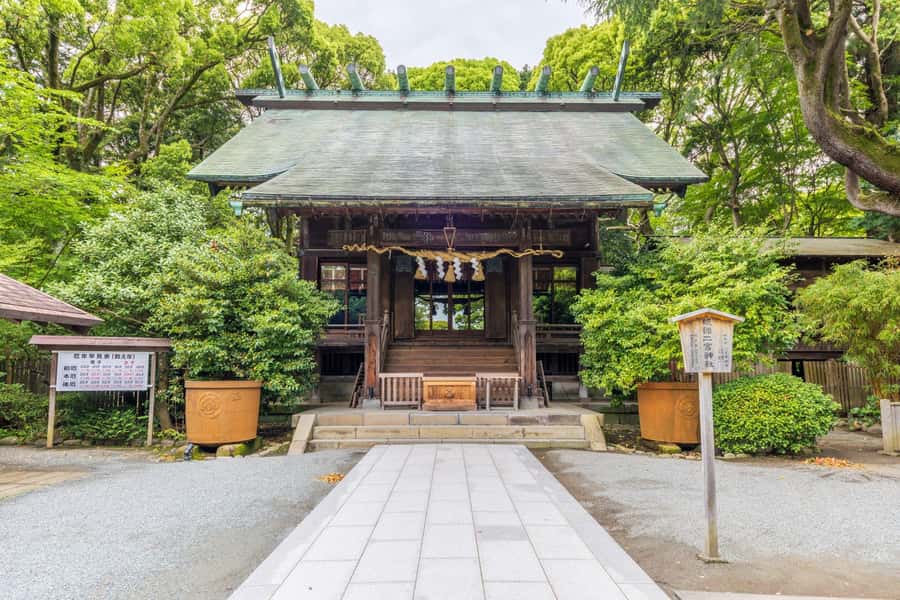
At $116 per person for about 150 minutes, you’re paying for three things at once: guided walking with live English interpretation, museum entries, and the hands-on ninja workshop with provided training attire.
Is it cheap? No. But it’s also not just a “see a castle” ticket. You get:
- Guide time across multiple stops
- Samurai Museum entry
- Ninja Museum entry
- Ninja attire for the training workshop
- A class led by the ninja trainer, with practical participation rather than passive viewing
That mix is why the value works—especially if your trip includes both history and activity. If you only want sightseeing, there are cheaper ways to see Odawara Castle. But if you want an experience where you actively participate, the price feels more reasonable.
Timing, weather, and what to bring
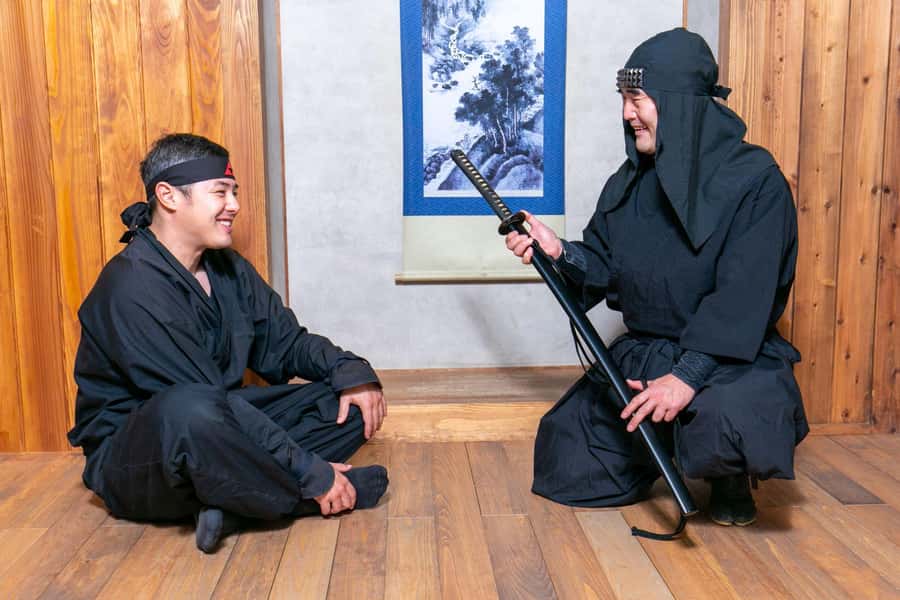
The tour is about 150 minutes, so it’s compact enough to fit into a day trip from Tokyo. Reviews also mention they accommodated groups last minute on rainy days, which is reassuring if Japan weather is being unpredictable.
Still, the tour involves walking and a training session. Bring:
- Comfortable shoes for the castle park and keep-area walking
- Light layers (your body warms up during movement practice)
- A camera or phone—there’s time for photos throughout the castle area, and some groups even get help capturing moments during the experience
Also remember the simple detail: food and drinks aren’t included. If you’re planning a full day in Odawara, eat before you start and keep water handy nearby.
Who should book this (and who might skip it)
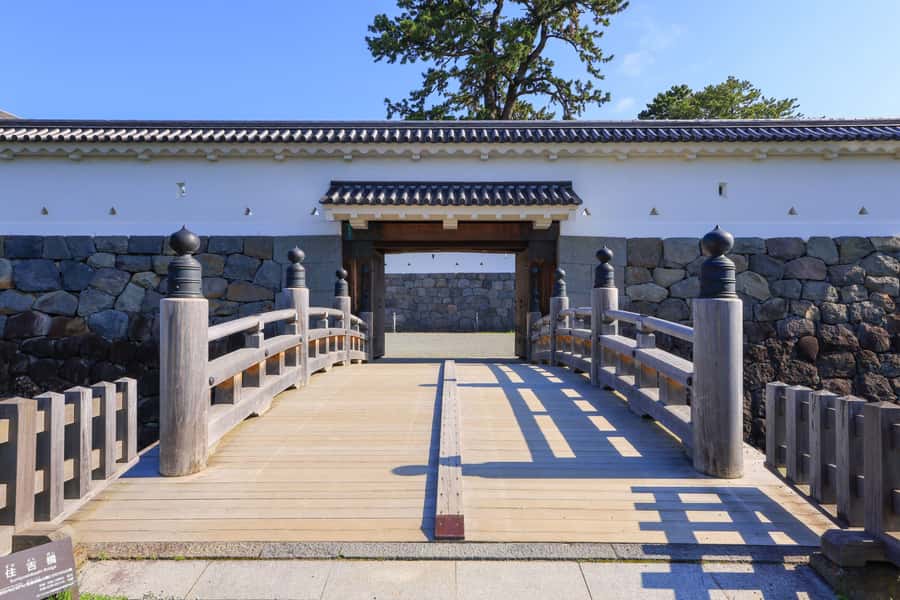
This is a strong fit if you:
- Want hands-on activity, not just watching a demonstration
- Like blending history with practical fun
- Travel with kids who enjoy action-based lessons (reviews call out positive experiences for younger children)
It may be less ideal if you:
- Are mainly interested in deep castle history with no interactive component
- Don’t want any weapon-related practice, even though it’s taught in a controlled training format
- Have a hard time with walking segments and standing during museum time
If you’re on the fence, this tour is best when you want the full theme: castle + samurai context + ninja training at the end.
Should you book the Odawara Ninja & Samurai Tour?
I think you should book this tour if you want one structured day in Odawara that gives you more than views. The best version of this experience is when you arrive curious and leave with actual skills and stories tied to the real castle setting.
It’s also a smart move for a Tokyo-area trip: Odawara is close enough to be doable as a day plan, and this tour gives you a clear reason to be there beyond taking photos.
If you want a calm, purely historical afternoon, you might prefer a museum-and-castle-only route. But if you’re looking for an energetic, hands-on class paired with samurai artifacts and Hojo clan storytelling, this one is a very good bet.
FAQ
How long is the Odawara guided ninja and samurai tour?
The tour lasts about 150 minutes.
Where do I meet my guide?
Meet your guide at the entrance of the Odawara Castle Ninja Centre (the Ninja Museum).
What’s included in the price?
The tour includes a guide, entry tickets to the Samurai Museum and Ninja Museum, and ninja attire for the training workshop.
Is food and drinks included?
No. Food and drinks are not included.
Is there a ticket line to deal with?
This experience includes skip the ticket line.
What language is the tour in?
The live tour guide is available in English.
Can I cancel for a refund?
Yes. You can cancel up to 24 hours in advance for a full refund.
Is the ninja training suitable for children?
The ninja lesson is described as fun for all ages, and reviews mention activities for younger children too.
Samurai & Ninja Classes, compared.
 ★ 4.6Samurai Ninja Museum Guided tour and ExperienceFrom $271,010 reviews
 ★ 5.0Samurai Sword & Archery Class from Samurai DescendantFrom $193603 reviews
 ★ 5.0Best Samurai Experience in TokyoFrom $65458 reviews
 ★ 5.0Ninja Experience (Family Friendly) at Samurai Ninja Museum TOKYOFrom $47441 reviews
 ★ 4.6Samurai Entertainment Night Show in Kanda ShrineFrom $41417 reviews
 ★ 4.2Ninja Kabuki PerformanceFrom $29330 reviews
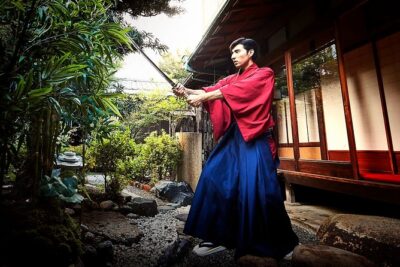 ★ 5.0Tokyo Sword Experience – includes Museum Ticket/Ninja ExperienceFrom $84314 reviews
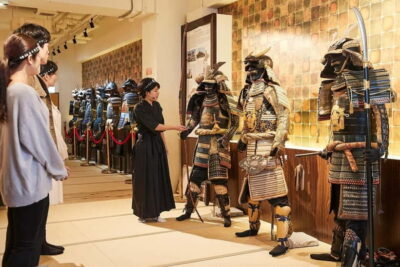 ★ 4.8Samurai Ninja Museum Asakusa: Samurai Sword Lesson & TourFrom $63306 reviews
Browse the lists this tour appears in