
Reviewed · ASAKUSA & SENSOJI TOURS
Samurai Ninja Museum Asakusa: Samurai Sword Lesson & Tour
Suiting up in armor feels like a time flip.
What I like most is the hands-on katana training with clear basics from instructors such as Sensei Ryo, and the museum stop that turns history into something you can see, ask about, and photograph. The only catch is that the whole session is tightly timed, so you won’t leave with weeks of sword practice.
In about 2 hours, you’ll get dressed in traditional gear (including hakama), handle a sword routine, and then walk through the Samurai and Ninja Museum with an English-speaking guide. You also get themed photo time in front of samurai-style backdrops, plus a ninja weapons trial that usually means shuriken target practice and a playful competition vibe.
A quick practical consideration: children under 6 can’t enter the samurai venue. The group cap is 16 travelers, which is great for attention, but it can also mean the session moves fast if lots of kids are attending.
In This Review
- Key highlights I think are worth your attention
- From Hakama to Helmet: What the Sword Lesson Feels Like
- Inside the Samurai Ninja Museum: How the Tour Makes History Practical
- Photo Backdrops in Costume: How to Get Better Pictures in Less Time
- Ninja Weapons Trial: Shuriken Target Play, Explained Simply
- Price and Value at About $63: What You’re Really Paying For
- Who This Suits Best (And Who Might Want Another Option)
- Timing in Tokyo: How to Fit This 2-Hour Block Without Stress
- Quick Tips to Make It Fun for Kids and Beginners
- Should You Book the Samurai Ninja Museum Asakusa Tour?
- FAQ
- How long is the Samurai Ninja Museum Asakusa Samurai Sword Lesson & Tour?
- What’s included in the tour package?
- Is the tour guide available in English?
- Are kids allowed?
- How large is the group?
- Where is the meeting point?
- Is the experience wheelchair accessible?
- Is free cancellation available?
- Can I reserve now and pay later?
Key highlights I think are worth your attention
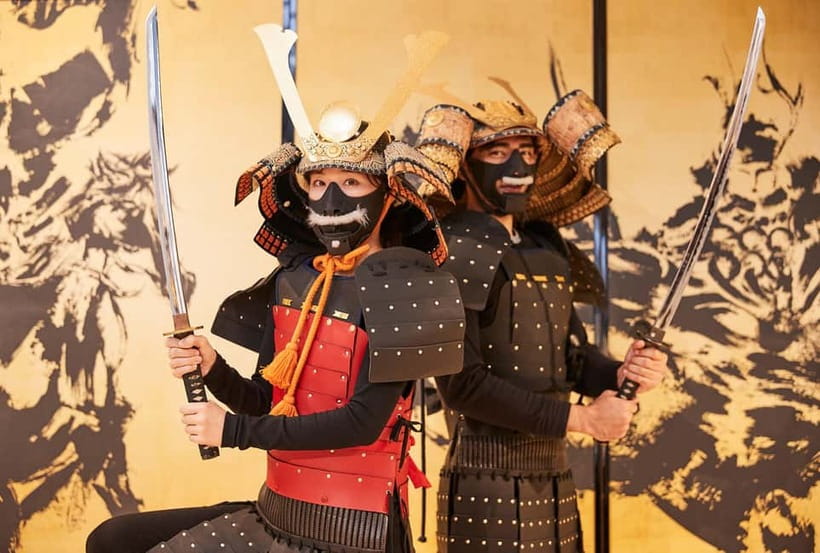
- Hands-on katana basics taught by dojo-style instructors, not just a show
- Real costume time with hakama plus samurai helmet and armor
- Museum tour that connects samurai and ninja history instead of treating them as separate worlds
- Themed photo moments in front of samurai backgrounds that look built for cameras
- Ninja weapons trial (shuriken/target play) with a fun, structured finale
- Small-group format (max 16) so you get guidance without a big crowd feeling
From Hakama to Helmet: What the Sword Lesson Feels Like
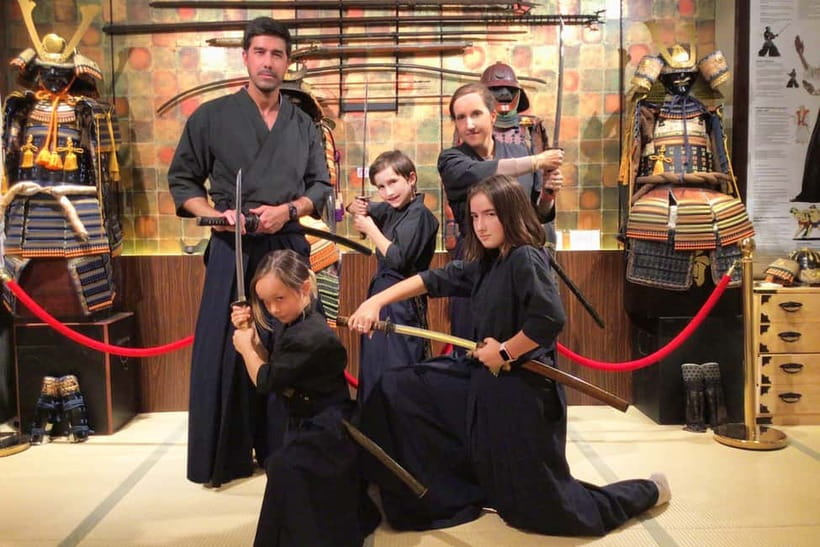
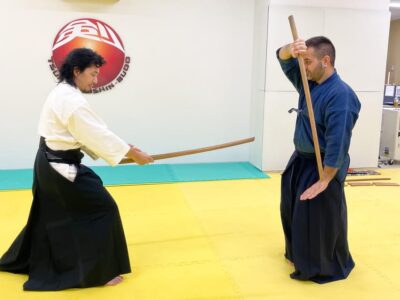
The experience starts the way the best Tokyo activities do: you don’t just watch. You get fitted for costume and step into the role, with hakama and samurai helmet/armor included. The point isn’t costume for costume’s sake. It helps you understand the posture, stance, and respect behind the movements, which makes the lesson feel less like a demo and more like training.
Then you move into the katana portion. Expect basic sword handling and a short routine that builds from simple grips and positions into choreographed movements you can actually complete. Many sessions also use safer practice tools first (often rubber or foam swords in a supervised way) before you work with the session’s main sword practice. That matters because it lets complete beginners keep up without panicking the first minute.
A pattern I’d watch for if you’re a first-timer: the instructors are focused on fundamentals and rhythm. Sensei Ryo is repeatedly named as a strong teacher for novices, and you’ll notice a similar tone in other instructors like Kenny, Koki, Kai, and others listed for past groups. The teaching style tends to be professional, patient, and a little humorous, which helps if you’re worried about looking awkward.
Also, you’re not just doing solo moves. You’ll typically get time to partner up for a supervised drill or a family-friendly sword-play segment. That’s where the activity becomes memorable fast. Even if you only learn a few sequences, doing them in a structured way creates that real “I did this” feeling you can’t get from a museum-only visit.
Time check: the whole thing is packed into 2 hours. If your goal is to become good at cutting drills, this isn’t that. If your goal is to learn the basics, handle the sword correctly enough to feel confident, and leave with photos and a story, it delivers.
More temple mornings in old Asakusa
- Tokyo: Japanese Dance Cabaret Theater Asakusa-Kaguwa Ticket
★ 4.8 · 2,270 reviews - Tokyo: Meiji Shrine, Asakusa, Skytree Bus Tour and Cruise
★ 4.7 · 1,986 reviews - Tokyo: Roll and Authentic Sushi Making Class in Asakusa
★ 4.9 · 1,957 reviews - Tokyo: Asakusa Walking Tour with Sensoji Temple Visit
★ 4.8 · 1,583 reviews
Inside the Samurai Ninja Museum: How the Tour Makes History Practical
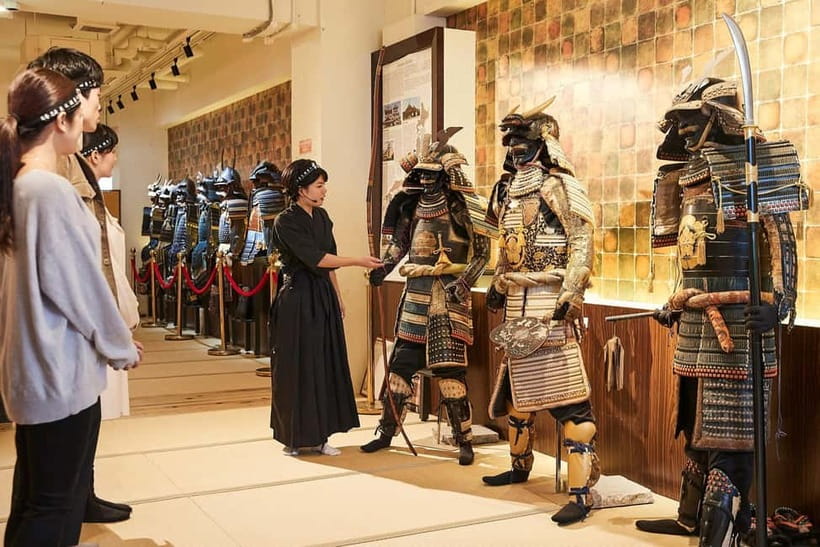
After the hands-on training, you’ll shift gears into the museum portion. This is where the experience turns from activity into context. You’ll see displays tied to samurai and ninja culture, and the guide connects it with a timeline-like explanation: where samurai come from, how their era evolved, and how things connect to later Japanese culture. Guides such as Ren and Momo are specifically noted for making the history easy to follow and engaging for younger visitors too.
One thing to know: the museum is small. That’s not automatically bad. In fact, it often helps the group stay together and keeps the energy moving. The tradeoff is that if you expect a massive museum where you can wander at length, you may feel the pacing is quick.
The content is designed for storytelling during a short visit. You’ll typically move through the displays while the guide points out the “why” behind items and roles. For families, this can be a relief: the guide’s job is to translate concepts into something a child can hold onto while you’re standing in a themed space.
There’s also practical value here. When someone shows you a piece of armor or explains the role of a warrior, the earlier sword lesson clicks more. You’re not learning movements in a vacuum. You start to understand the cultural framing of the stance, the discipline, and the idea of training as a lifelong practice.
Finally, don’t skip the photo moments when you’re offered them. They’re placed in the flow of the museum, and they help you slow down enough to take in the scenes rather than rushing past displays.
Photo Backdrops in Costume: How to Get Better Pictures in Less Time
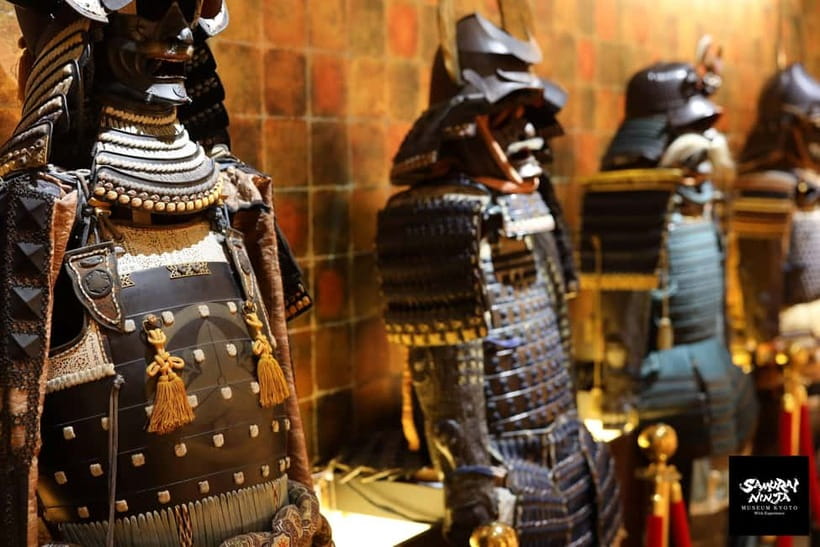
The tour doesn’t just provide a photo option. It builds in themed photo opportunities so you’ll have time to pose in samurai-inspired settings. You’ll get chances to step in front of multiple backgrounds, which makes the photos feel like a mini set rather than one quick snapshot.
Since you’re wearing samurai gear (helmet and armor) and standing in specific poses, treat the photo time like a timed “shoot.” Move with confidence, follow the guide’s directions quickly, and ask for a moment if you want to change angles. If you’re traveling with kids, this is also a sweet moment where energy can be fun instead of tiring.
A helpful idea if you care about quality: use your phone’s burst mode, then pick the sharpest frame later. Also, set up a charging plan for your camera/phone. You’ll likely take a lot more photos than you expect because the costumes and backgrounds look made for photos.
And yes, the finished photos are one of the strongest reasons people say this is worth it. The whole point is that you don’t leave with only memories in your head—you leave with proof that you actually wore the armor and held the katana during a real practice segment.
Ninja Weapons Trial: Shuriken Target Play, Explained Simply
The ninja part is not a random gimmick. It’s built as a structured ending where you try ninja weapons in a supervised way. The activity commonly includes shuriken target practice—aiming at specific targets and trying again until you get a hit.
In several past sessions, there’s even a game-like feel to it, with a competitive moment at the end. Ninja trainers such as Nao and Leon are called out in accounts of the activity, and the teaching approach is typically geared toward first-timers. That matters because shuriken throwing can look intimidating if you’ve never tried.
Safety and structure are part of why this works as a family activity. You’ll get instruction, then a trial period, then a playful close. The goal isn’t to train you as a ninja. It’s to let you feel how precision feels, and to give you a final activity that releases energy after the more focused sword practice.
If you’re bringing kids, this section is often the moment they start smiling nonstop. For adults, it’s a nice contrast: something lighter after the formal feel of armor, stance, and sword technique.
Price and Value at About $63: What You’re Really Paying For
At $63 per person for roughly 2 hours, you’re paying for more than instruction. You’re paying for the full package: katana lesson, museum tour, and a costume set (hakama plus samurai helmet and armor), plus photo time and a ninja weapons trial.
That’s why the value feels different than a “museum ticket” or a “stand-and-watch” show. You’re covering multiple experiences under one roof in one visit. Even if you only learn a short routine, the cost includes the guidance and gear that makes the whole thing feel like a hands-on workshop instead of a passive attraction.
Where value can feel uneven is expectations. The session is short, and the sword routine is intentionally basic. Some people want more time for repetition, and that’s the most common tradeoff. If you’re the kind of traveler who wants hours of practice and coaching, you may feel the lesson ends too soon.
Still, if your travel style is: one memorable hands-on activity, done well, with photos and context, this price can feel fair. Especially for families, because kids get several distinct moments in a compact schedule—dressing up, sword moves, museum facts, and then shuriken play.
More blade-and-dojo sessions, reviewed
- Tokyo: Samurai Ninja Museum Guided tour and Experience★ 4.6 · 1,010 reviews
- Tokyo: Samurai Sword & Archery Class from Samurai Descendant★ 5.0 · 603 reviews
- Best Samurai Experience in Tokyo★ 5.0 · 458 reviews
- Ninja Experience (Family Friendly) at Samurai Ninja Museum TOKYO★ 5.0 · 441 reviews
- Tokyo: Samurai Entertainment Night Show in Kanda Shrine★ 4.6 · 417 reviews
Who This Suits Best (And Who Might Want Another Option)
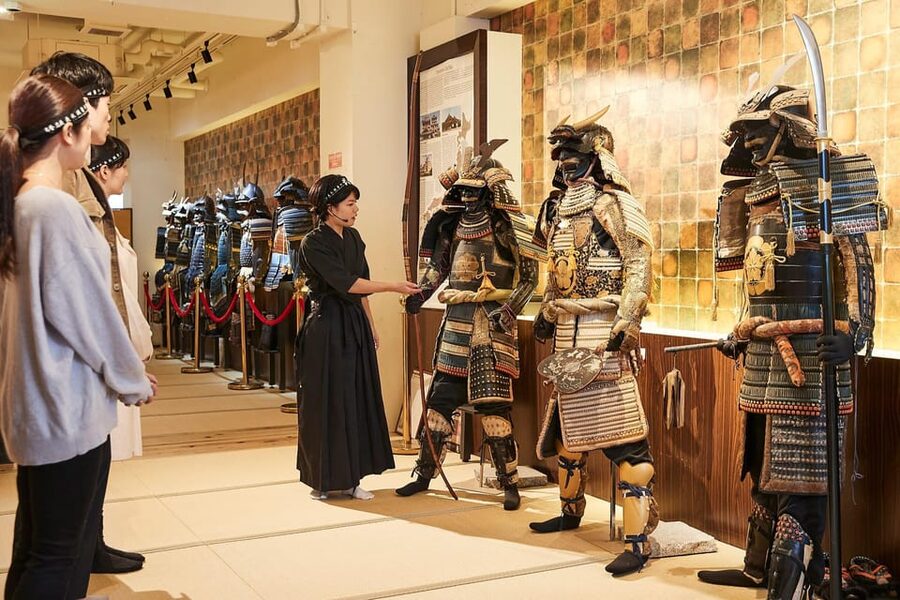
This is a good match if you want Tokyo culture in a format you can participate in. It fits families, first-timers, and people who like short, structured activities with clear outcomes. It’s also a strong choice if you’re traveling with mixed ages, because the session includes both a museum storytelling component and physical play time.
If you’re traveling with beginners, you’ll likely feel comfortable. Multiple instructors are praised for teaching the basics to people who are not coordinated with a sword. That’s exactly what you want: a class that doesn’t assume you already know the basics.
If you’re traveling with very young kids, there’s a hard rule to plan around: children under 6 can’t enter the samurai venue. For older kids and teens, the energy can be great, and the hands-on sections tend to hold attention.
One more group consideration: the sessions cap at 16 travelers, which keeps it intimate. But if there are many small kids present, it can still mean less time to perfect every movement for everyone. If your priority is maximum technique practice, you may want to choose a day/time when you expect a more adult-heavy group.
Timing in Tokyo: How to Fit This 2-Hour Block Without Stress
Tokyo works best when you treat short tours like appointments. The meeting point can vary depending on the option booked, so confirm it when you reserve. Then plan to arrive a bit early so you can get fitted and settle before the lesson starts.
Because you’ll be wearing armor and moving through a museum, wear comfortable shoes and clothes you can tolerate standing in for the session length. You’ll also want enough phone battery for costume photos. This is one of those activities where the urge to document everything is real.
In terms of schedule, the timing is convenient for layering with nearby Asakusa sights. You can come in for this experience, then continue exploring after. The lesson and museum time will give you a strong theme for the rest of the day: samurai armor, ninja stories, and the culture behind them.
Quick Tips to Make It Fun for Kids and Beginners
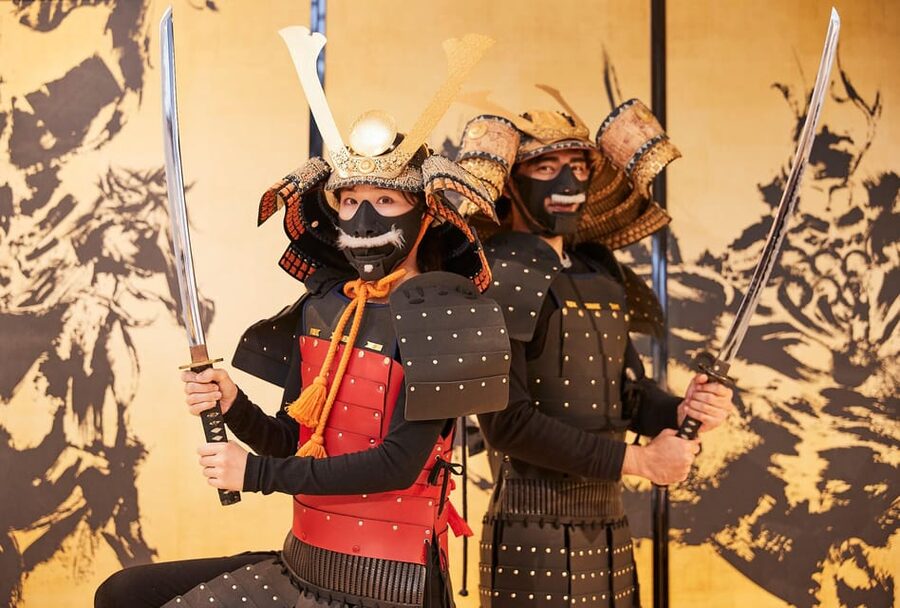
If you’re worried you’ll look silly holding a sword, relax. The class is designed around basics, and the instruction style is usually patient and structured. Just follow the instructor’s cues and focus on stance and grip before speed.
For families, the costume phase matters. Kids tend to light up when they get their gear. If you can keep that excitement steady through the lesson, the rest of the session goes smoother. The shuriken trial at the end is a great energy release, so it’s smart to save your phone space and snacks mindset for after you’ve done the more focused parts.
For mixed groups, the best strategy is to ask questions early, then let the session flow. If you want a specific photo pose, mention it during photo time so you’re not scrambling later.
Finally, manage expectations about sword practice length. You’ll learn a routine and some basics, not a full training program. Think of it as a memorable introduction done properly, not as a substitute for a dojo membership.
Should You Book the Samurai Ninja Museum Asakusa Tour?
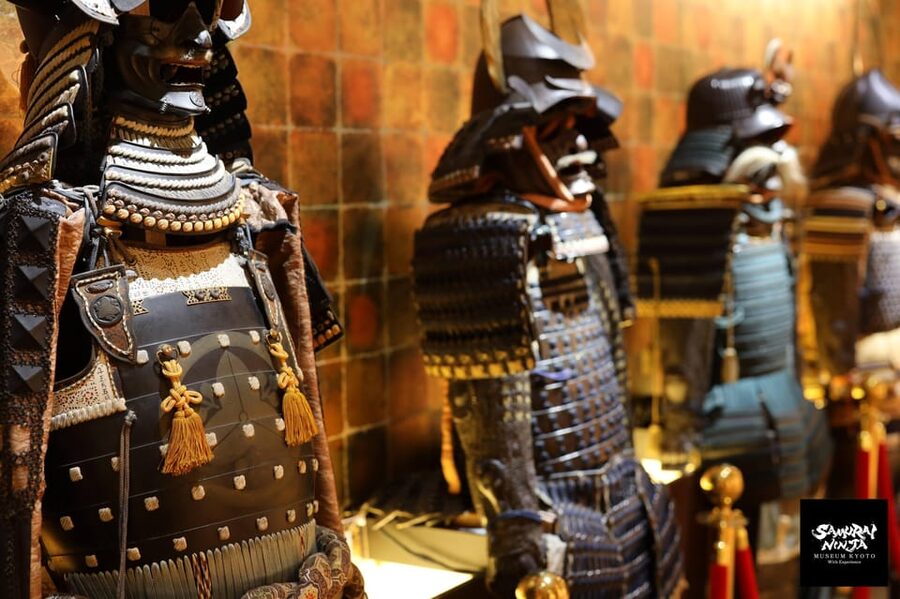
I’d book this if you want a Tokyo experience that’s hands-on, photo-friendly, and culturally explained in a short window. The combination of katana fundamentals, costume dressing with hakama and armor/helmet, a museum tour that connects samurai and ninja themes, and a structured shuriken trial is a strong mix for about $63.
I wouldn’t book it if your main goal is hours of technical sword practice. The session is compact, and the pacing can feel quick—especially in groups with many young kids.
If your travel style is: do one memorable workshop, learn a few core things, take great photos, and move on to the rest of Tokyo, this is a solid call.
FAQ
How long is the Samurai Ninja Museum Asakusa Samurai Sword Lesson & Tour?
The experience runs for 2 hours.
What’s included in the tour package?
You get a samurai sword lesson, use of hakama, use of a samurai helmet and samurai armor, themed photo opportunities, and a ninja weapons trial.
Is the tour guide available in English?
Yes. The live tour guide speaks English.
Are kids allowed?
Children under 6 cannot enter the samurai venue.
How large is the group?
The experience has a maximum of 16 travelers. Private or small groups are available.
Where is the meeting point?
The meeting point may vary depending on the option you booked.
Is the experience wheelchair accessible?
Yes, it is wheelchair accessible.
Is free cancellation available?
You can cancel up to 24 hours in advance for a full refund.
Can I reserve now and pay later?
Yes. You can reserve now and pay later, keeping your plans flexible.
More Tour Reviews in Tokyo
- Mt Fuji and Hakone 1-Day Bus Tour Return by Bullet Train
★ 5.0 · 26,383 reviews - 1-Day Tokyo Bus Tour
★ 5.0 · 14,250 reviews - Tokyo: teamLab Planets TOKYO Digital Art Museum Entry Ticket
★ 4.6 · 9,779 reviews - Mt Fuji & Hakone Cruise, Drum Show Bullet Train 1 Day from Tokyo
★ 4.0 · 7,413 reviews - Tokyo: Shinjuku Food Tour (13 Dishes at 4 Local Eateries)
★ 5.0 · 6,603 reviews
More Samurai and Ninja Sessions
- Tokyo: Samurai Ninja Museum Guided tour and Experience
★ 4.6 · 1,010 reviews - Tokyo: Samurai Sword & Archery Class from Samurai Descendant
★ 5.0 · 603 reviews - Best Samurai Experience in Tokyo
★ 5.0 · 458 reviews - Ninja Experience (Family Friendly) at Samurai Ninja Museum TOKYO
★ 5.0 · 441 reviews - Tokyo: Samurai Entertainment Night Show in Kanda Shrine
★ 4.6 · 417 reviews
More Mornings in Old Asakusa
- Tokyo: Japanese Dance Cabaret Theater Asakusa-Kaguwa Ticket
★ 4.8 · 2,270 reviews - Tokyo: Meiji Shrine, Asakusa, Skytree Bus Tour and Cruise
★ 4.7 · 1,986 reviews - Tokyo: Roll and Authentic Sushi Making Class in Asakusa
★ 4.9 · 1,957 reviews - Tokyo: Asakusa Walking Tour with Sensoji Temple Visit
★ 4.8 · 1,583 reviews - Tokyo Asakusa Rickshaw Tour
★ 5.0 · 1,375 reviews
Latest Tokyo reviews off our desk




Asakusa & Sensoji Tours, compared.
 ★ 4.8Japanese Dance Cabaret Theater Asakusa-Kaguwa TicketFrom $492,270 reviews
 ★ 4.7Meiji Shrine, Asakusa, Skytree Bus Tour and CruiseFrom $1221,986 reviews
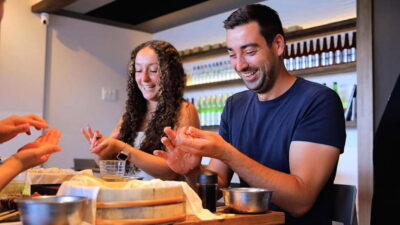 ★ 4.9Roll and Authentic Sushi Making Class in AsakusaFrom $581,957 reviews
 ★ 4.8Asakusa Walking Tour with Sensoji Temple VisitFrom $221,583 reviews
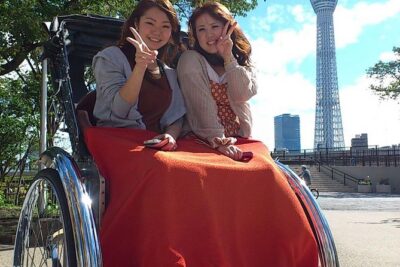 ★ 5.0Tokyo Asakusa Rickshaw TourFrom $421,375 reviews
 ★ 4.5Tokyo Panoramic 1 Day: Meiji Shrine, Asakusa, Odaiba and SKYTREE®From $851,222 reviews
 ★ 5.0Tokyo Go Kart: Asakusa, Skytree, and Akihabara **IDP MUST**From $99988 reviews
 ★ 4.7Asakusa, Skytree & Akhihabara Go-Kart City ExperienceFrom $96761 reviews
Browse the lists this tour appears in