
Reviewed · SAMURAI & NINJA CLASSES
Tokyo: Ninja Kabuki Performance
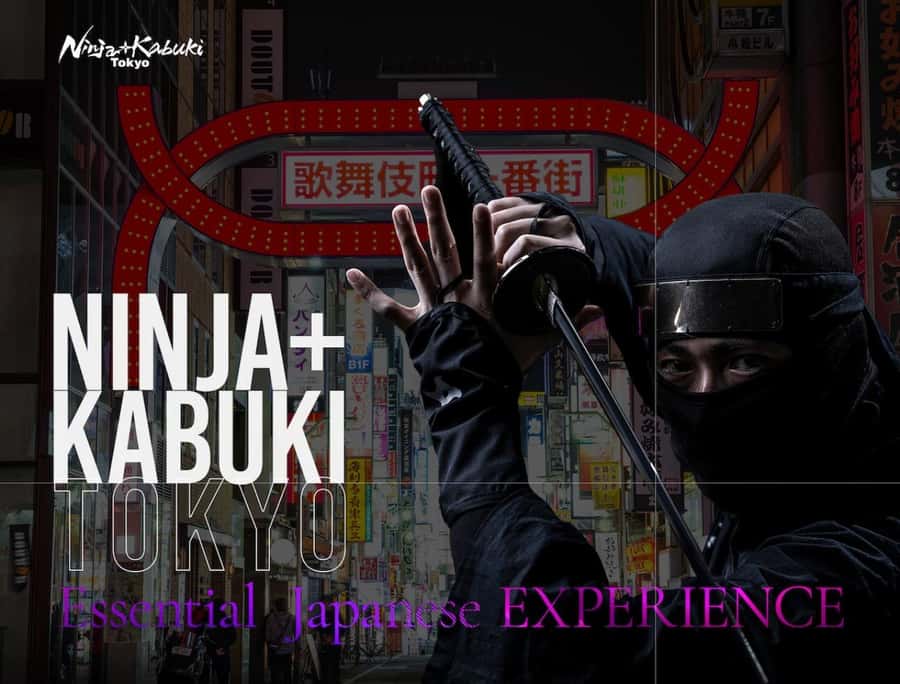
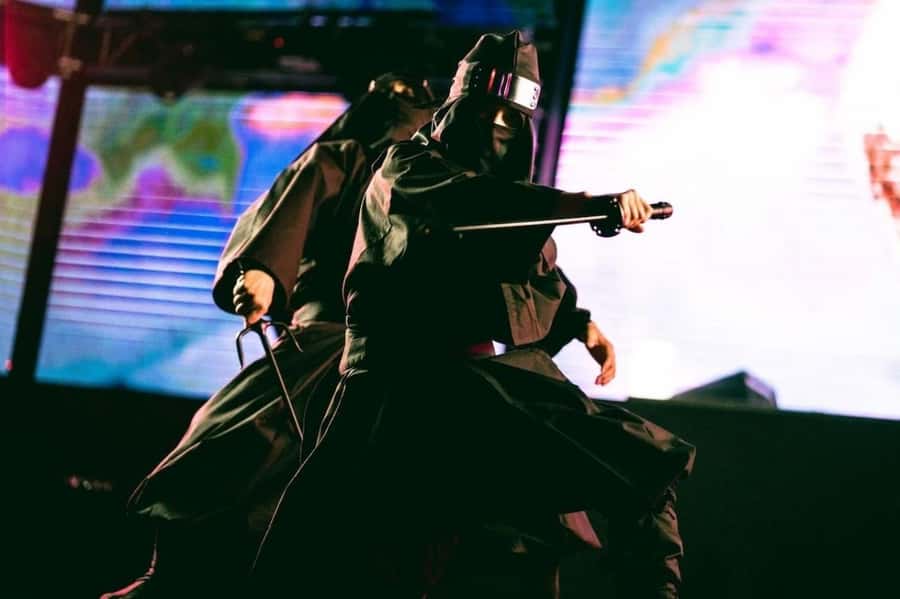
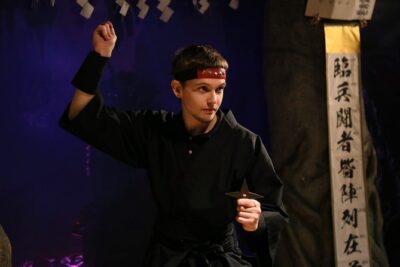
A ninja story without a single spoken word is surprisingly gripping. In Shinjuku, this non-verbal performance blends ninja lore, oiran-inspired drama, and wadaiko drumming using Kabuki-style staging and visuals. If you want something different from the usual Tokyo shows, this is built for your attention span and your curiosity.
I love the way the production uses lighting, visuals, and Kabuki techniques to tell a clear story even if you don’t know the background. I also like the energy during the interactive parts, especially when MC Dai helps the audience jump in with humor and pacing.
One thing to consider: the show can get quite loud, so if you’re sensitive to sound, plan to protect your ears. Also, since there’s audience interaction and multiple segments, it’s not a single, pure “Kabuki stunts only” experience.
In This Review
- Key things I’d circle before you go
- Ninja Kabuki in Shinjuku: What the show actually is
- The 80-minute flow: how the night moves (and where it peaks)
- Meet the artists behind the concept: Denjiro Tanaka and the Kabuki lineage
- Non-verbal storytelling that doesn’t leave you behind
- The stars: wadaiko drummers and the high-skill action
- Audience interaction: fun, guided, and very “hands-on”
- Sound and comfort: plan for volume
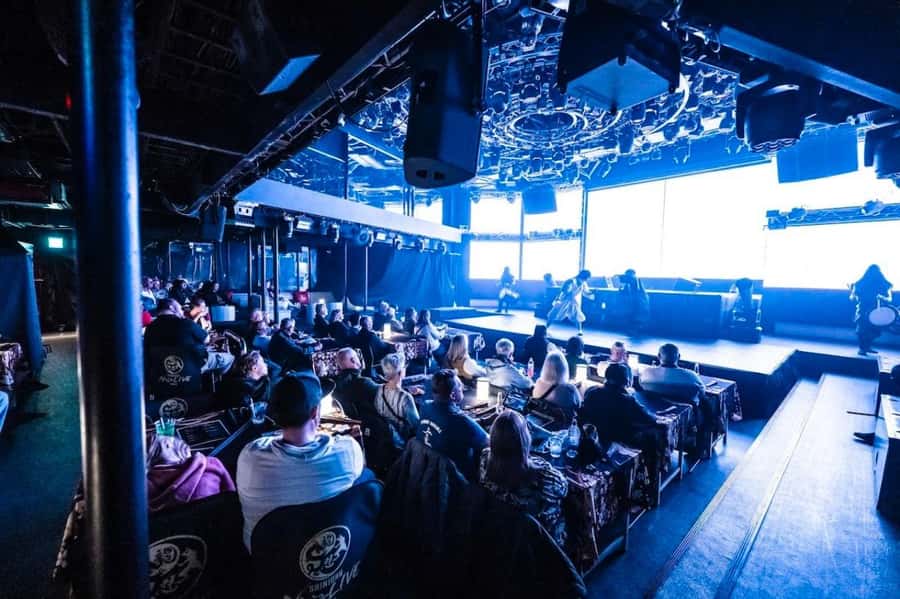
- Arrival times in Shinjuku and how seating works
- Where to go: Second East Asia Hall, Shinjuku
- Included value: what you get for the money
- Who this show is best for (and who might skip it)
- Small rules that actually matter
- Should you book Ninja Kabuki in Shinjuku?
- FAQ
- How long is the Ninja Kabuki performance?
- What are the reception times for the show?
- Where do I go for the meeting point?
- What is included with the ticket?
- Can I reserve seats?
- What restrictions should I know before attending?
Key things I’d circle before you go
- Non-verbal storytelling that works across languages
- Denjiro Tanaka VII supervision and Kabuki craft connections
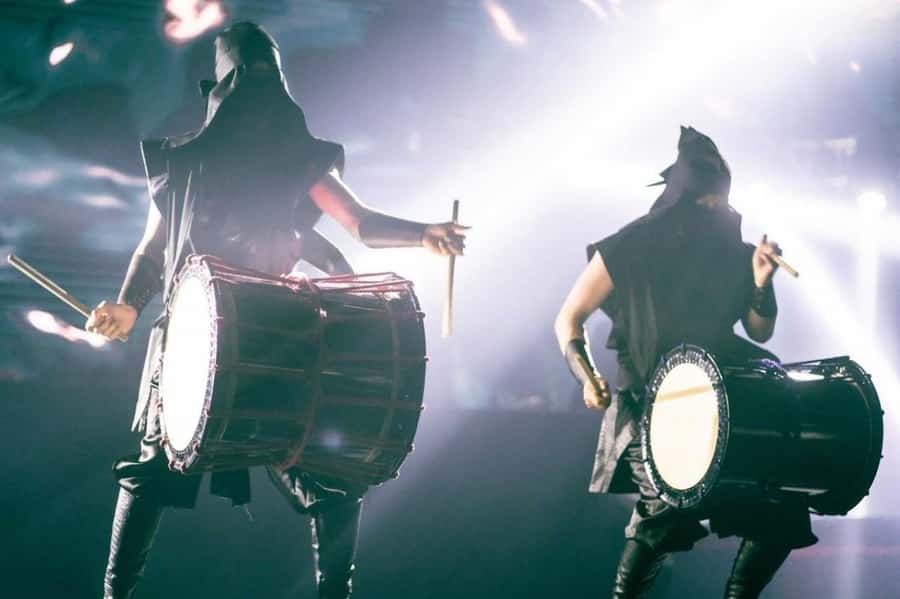
- Wadaiko drumming as a centerpiece, not background noise
- Shinjuku convenience in an all-weather venue
- Audience participation plus photo moments at the end
- Loud sound levels that make earplugs worth it
Ninja Kabuki in Shinjuku: What the show actually is
Tokyo has no shortage of performances, but this one follows a different rule: you don’t need language to follow the plot. The format is a non-verbal live show, built to communicate tradition and character through movement, music, and stage effects.
The theme leans into three Japanese pillars: Ninja, Hanakai-style dramatic performance (linked to classic entertainment traditions), and wadaiko (Japanese taiko-style drumming). The show then wraps those themes in Kabuki production techniques—the kind you associate with Edo-period theater, bold staging, and highly choreographed action.
The result feels like a mash-up you might not expect, but it works. You get the “Tokyo night” excitement of a theater experience, with the clarity of a story told in big gestures.
More blade-and-dojo sessions, reviewed
- Tokyo: Samurai Ninja Museum Guided tour and Experience
★ 4.6 · 1,010 reviews - Tokyo: Samurai Sword & Archery Class from Samurai Descendant
★ 5.0 · 603 reviews - Best Samurai Experience in Tokyo
★ 5.0 · 458 reviews - Ninja Experience (Family Friendly) at Samurai Ninja Museum TOKYO
★ 5.0 · 441 reviews
The 80-minute flow: how the night moves (and where it peaks)
The performance runs about 80 minutes, and it’s designed in segments. You’ll spend most of your time watching a tight loop of: action, music hits, visual emphasis, and then a new beat that keeps you from checking your phone.
Here’s the general rhythm you should expect:
- A strong opening built around drama and spectacle, where the Kabuki-style presentation sets the tone fast
- A history/legend thread that frames the ninja story you’re watching
- Drumming and choreography that keep the pacing energetic
- A later phase that shifts toward audience involvement, where the MC guides participation
- A finish that includes photo opportunities with performers
From the ticket value perspective, the “story + participation” combo is the main reason this show lands for families and first-timers. Even if you’re not a ninja fanatic, you’re still pulled along by the momentum and the live performers responding to the room.
Meet the artists behind the concept: Denjiro Tanaka and the Kabuki lineage
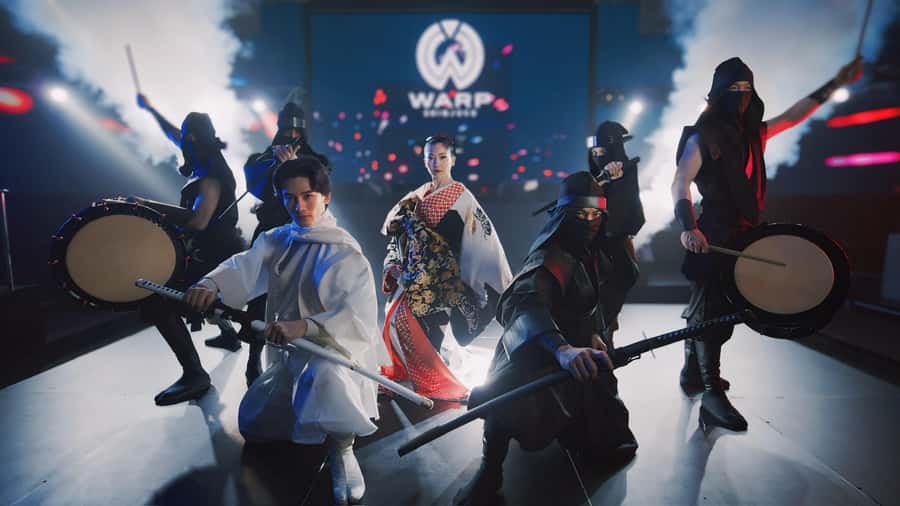
This isn’t just a generic themed show. It’s supervised by Japan Ninja Council and kabuki master Denjiro Tanaka VII, a name tied to major public events (including the Tokyo 2020 Olympic Opening Ceremony). That matters because it signals the production is serious about Kabuki’s theatrical language, not just costumes.
What you’ll feel, more than anything, is the craft. Kabuki techniques show up in the way the performers use posture, timing, and dramatic emphasis. Even the sword and stunt moments come across as choreographed theater, not random action sequences.
If you care about authenticity, this is one of the few “themed” shows where the production clearly has roots in established performing traditions.
Non-verbal storytelling that doesn’t leave you behind
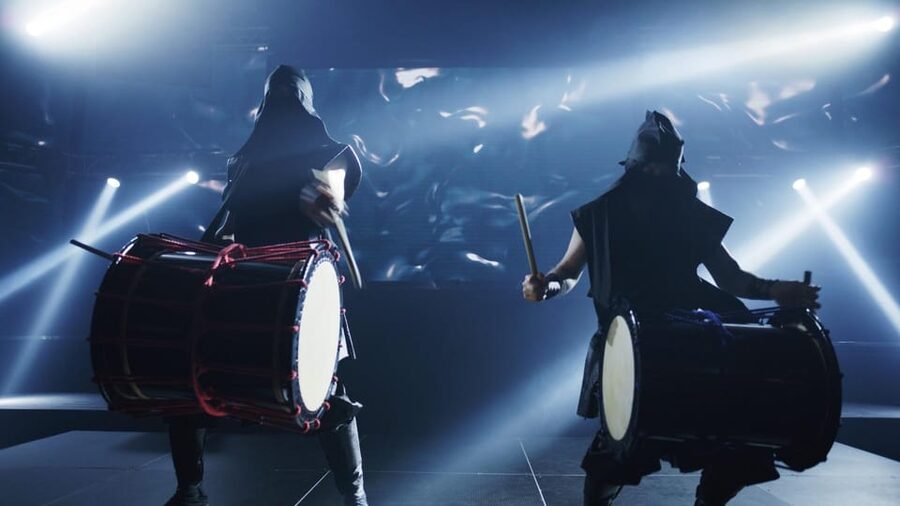
A good non-verbal show does two jobs at once: it tells you what’s happening, and it keeps you from feeling lost. This one leans heavily on:
- Big physical acting and clear character roles
- Rhythm-driven scenes, so the pacing tells you where the story is going
- Visual cues from staging and lighting changes
Language support is also built in through the MC. MC Dai is a key part of the show’s readability. Even when the show is non-verbal, the MC helps steer the audience so you know when to react, when to watch, and when the next bit begins.
That said, there’s a small balance act here. Some people love the MC’s energy; a few find the MC presence distracting. If you’re very sensitive to outspoken emcees, this might be the one variable.
The stars: wadaiko drummers and the high-skill action
In nearly every highlight people remember, the drumming is front and center. The wadaiko isn’t a background soundtrack; it’s part of the narrative engine. Expect sharp hits, strong beats, and performances that feel physically intense.
On top of that, the show mixes in:
- Kabuki-style movement and dance
- Acrobatics and action choreography
- Sword-technique teaching during interactive moments
A lot of the enjoyment comes from seeing how cleanly the performers execute under stage pressure. It’s not just movement—it’s timing. And the show uses that timing to cue the audience’s reactions.
If you’re traveling with kids, this is where it helps most. Younger viewers tend to lock onto the drumming and the action faster than the history details. Adults who like theater craft also get something here: you’re watching disciplined performers use stage language.
- Tokyo: Shinjuku Food Tour (13 Dishes at 4 Local Eateries)★ 5.0 · 6,603 reviews
- Tokyo Mt Fuji 5th St & Hakone Cruise Bus Tour w/Bullet Train★ 4.4 · 5,024 reviews
- Flagship 2-Hours Official Street Go-Kart Tour – Tokyo Bay Shop★ 5.0 · 4,974 reviews
- From Tokyo: Mount Fuji Full-Day Sightseeing Trip★ 4.5 · 4,970 reviews
- Tokyo: Hop-On Hop-Off Sightseeing Bus Ticket★ 3.9 · 4,207 reviews
Audience interaction: fun, guided, and very “hands-on”
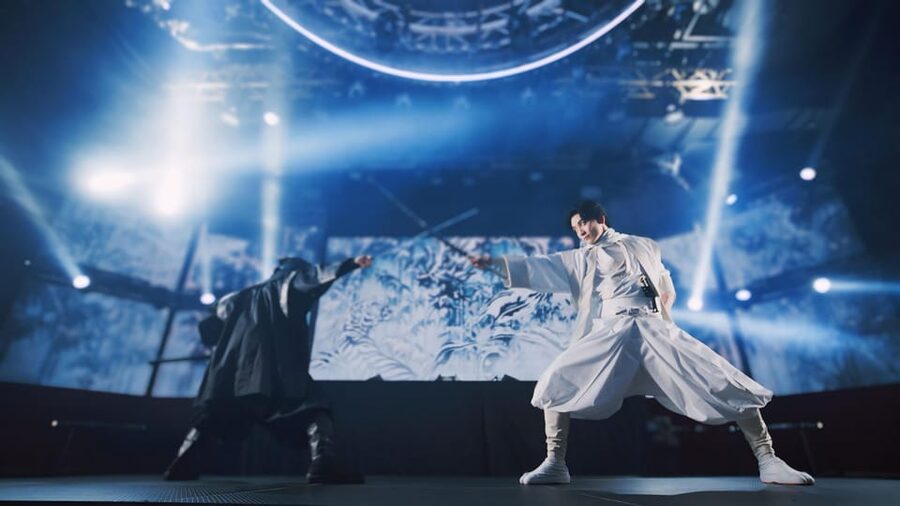
This is not a sit-and-watch-only event. The show builds toward moments where you’re invited to participate. In particular, the MC helps lead an audience interaction segment that includes learning and trying out parts of the “sword technique” routine.
That can sound intimidating, but the tone is kept playful. You’re not asked to do anything dangerous. You’re more in the role of following cues, cheering, and adding to the show’s energy.
There are also multiple chances for photo opportunities near the end. If you like tangible souvenirs, this scratches that itch better than another photo from a street corner.
Sound and comfort: plan for volume
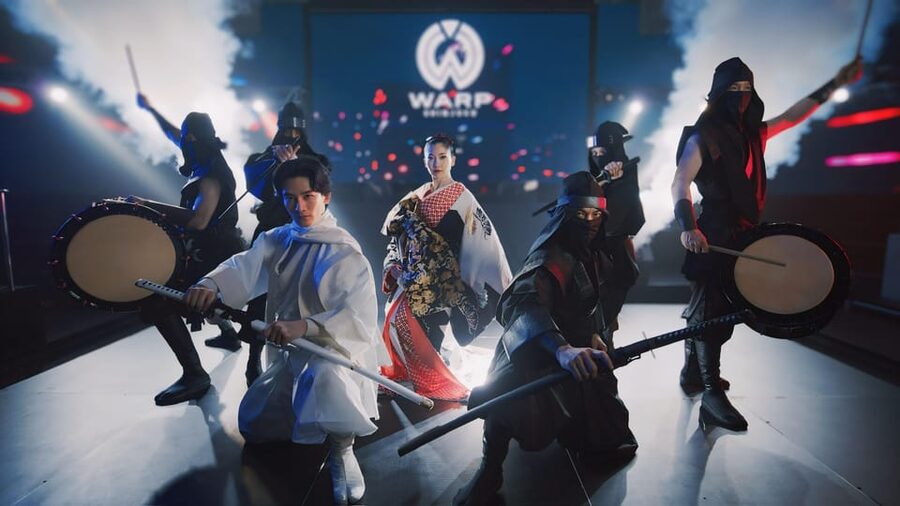
Here’s the practical heads-up: multiple people flag that the audio can get very loud. If that’s a deal-breaker for you, don’t gamble.
Bring earplugs if you’re the kind of person who gets tired of loud theaters or concerts. It’s a simple upgrade to keep the experience fun instead of fatiguing.
Also note the venue rules: no making noise beyond what the event asks, and no food/drinks inside. That means you’ll want to arrive ready to sit still and watch—then you can fully enjoy the interaction when it’s time.
Arrival times in Shinjuku and how seating works
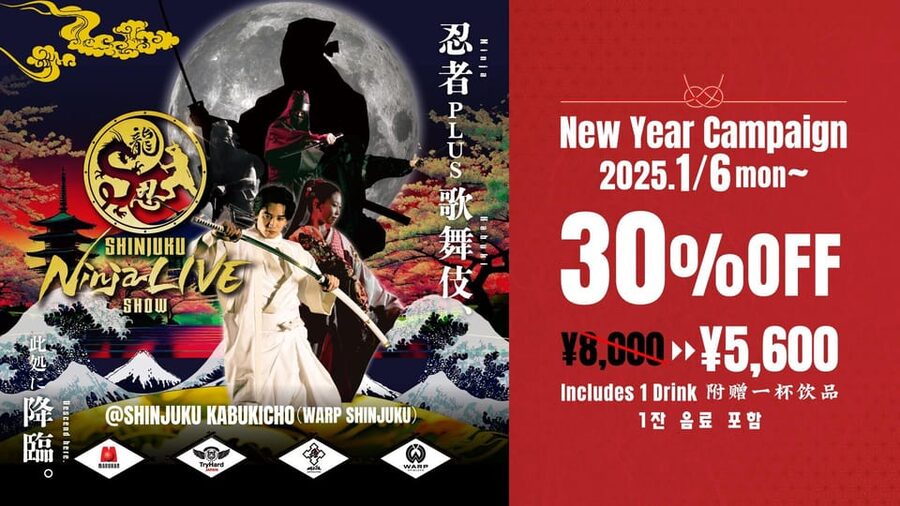
This show uses a reception system. Starting April 22, 2025, reception opens at:
- 13:40
- 15:40
- 17:40
On the day, number tags are distributed in the order people receive them, and staff then guide you to your seats based on your number. There are no reserved seats, so arriving earlier in your time window matters if you want a better view.
Because Shinjuku can be chaotic, I’d treat this like a real ticketed theater. Plan to get to the Second East Asia Hall early enough to check in without rushing.
Where to go: Second East Asia Hall, Shinjuku
The meeting point is the Second East Asia Hall, with coordinates 35.6952253, 139.701307. The venue is in the heart of Shinjuku, so it fits nicely into a day when you want something indoor and weather-proof.
The venue is also described as all-weather, which is a relief in Tokyo. You can keep your day flexible without worrying about rain ruining plans.
Included value: what you get for the money
At about $29 per person, the pricing is competitive for a staged live performance in central Tokyo. The ticket covers:
- Performance tickets
- 1 bottle of mineral water
- A Ninja Experience segment (described as letting you experience the life of a ninja)
That last part matters. Some themed shows stop at storytelling. This one adds a participation segment that feels more like an activity than passive viewing.
When you compare value, the big question is whether you’ll enjoy interaction. If you do, this feels like a good deal. If you prefer silent, traditional theater with zero audience involvement, you might see it as more entertainment than strict performance art.
Who this show is best for (and who might skip it)
This experience is a strong fit for:
- Families who want a short evening activity with plenty to look at
- First-time visitors who want Tokyo performance culture without language pressure
- People who like music-driven theater (especially wadaiko)
- Anyone who enjoys hands-on “try it with us” segments
You might want to think twice if:
- Loud sound is a problem for you (earplugs are the fix)
- You’re expecting an uninterrupted, purely traditional Kabuki program
- You strongly dislike emcees during performance segments
Small rules that actually matter
You’ll want to plan around the restrictions. The venue does not allow weapons or sharp objects, food and drinks inside, pets (assistance dogs allowed), vaping, alcohol and drugs, and you can’t make fire or run personal distractions during the show.
Also: unaccompanied minors aren’t allowed, so kids should be accompanied by a parent or legal guardian. Children ages 0–6 can enter for free (with food/drink not included).
Should you book Ninja Kabuki in Shinjuku?
I think you should book it if you want a theater night that feels lively, easy to follow, and genuinely different from the usual Tokyo line-up. The non-verbal approach lowers the language barrier, the wadaiko is a real highlight, and the participation plus end photo moments add extra value for the time you spend.
Skip it only if you’re very sound-sensitive or you want a strict, traditional performance with no MC presence and minimal interaction. Otherwise, this is one of those rare Tokyo shows where “the format is part of the fun,” not just the theme.
FAQ
How long is the Ninja Kabuki performance?
The venue offers an about 80-minute performance.
What are the reception times for the show?
Reception opens at 13:40, 15:40, and 17:40 starting April 22, 2025. You’ll receive a number tag in order of reception and be guided to your seat.
Where do I go for the meeting point?
Show your ticket at the Second East Asia Hall. Coordinates: 35.6952253, 139.701307.
What is included with the ticket?
Your ticket includes the performance, 1 bottle of mineral water, and a Ninja Experience segment.
Can I reserve seats?
No. Seat reservations are not available, and seating is guided based on the number tag you receive.
What restrictions should I know before attending?
Food and drinks aren’t allowed, weapons/sharp objects aren’t allowed, and vaping is prohibited. Pets are not allowed (assistance dogs allowed), and unaccompanied minors aren’t permitted. The show also prohibits alcohol and drugs, plus making noise or making fire.
More Tour Reviews in Tokyo
- Mt Fuji and Hakone 1-Day Bus Tour Return by Bullet Train
★ 5.0 · 26,383 reviews - 1-Day Tokyo Bus Tour
★ 5.0 · 14,250 reviews - Tokyo: teamLab Planets TOKYO Digital Art Museum Entry Ticket
★ 4.6 · 9,779 reviews - Mt Fuji & Hakone Cruise, Drum Show Bullet Train 1 Day from Tokyo
★ 4.0 · 7,413 reviews - Tokyo: Shinjuku Food Tour (13 Dishes at 4 Local Eateries)
★ 5.0 · 6,603 reviews
More Samurai and Ninja Sessions
- Tokyo: Samurai Ninja Museum Guided tour and Experience
★ 4.6 · 1,010 reviews - Tokyo: Samurai Sword & Archery Class from Samurai Descendant
★ 5.0 · 603 reviews - Best Samurai Experience in Tokyo
★ 5.0 · 458 reviews - Ninja Experience (Family Friendly) at Samurai Ninja Museum TOKYO
★ 5.0 · 441 reviews - Tokyo: Samurai Entertainment Night Show in Kanda Shrine
★ 4.6 · 417 reviews
Latest Tokyo reviews off our desk






Samurai & Ninja Classes, compared.
 ★ 4.6Samurai Ninja Museum Guided tour and ExperienceFrom $271,010 reviews
 ★ 5.0Samurai Sword & Archery Class from Samurai DescendantFrom $193603 reviews
 ★ 5.0Best Samurai Experience in TokyoFrom $65458 reviews
 ★ 5.0Ninja Experience (Family Friendly) at Samurai Ninja Museum TOKYOFrom $47441 reviews
 ★ 4.6Samurai Entertainment Night Show in Kanda ShrineFrom $41417 reviews
 ★ 5.0Tokyo Sword Experience – includes Museum Ticket/Ninja ExperienceFrom $84314 reviews
 ★ 4.8Samurai Ninja Museum Asakusa: Samurai Sword Lesson & TourFrom $63306 reviews
 ★ 5.0Ninja Samurai 2-hour hands-on lesson by Japanese master in TokyoFrom $86194 reviews
Browse the lists this tour appears in