
Reviewed · SAMURAI & NINJA CLASSES
Best Samurai Experience in Tokyo
Katana basics, Edo-style, in one hour. This hands-on class at Samurai Theater Tokyo is built like a time capsule, with armor and weapons everywhere and a real dojo-style lesson.
I especially love two things. First, the kimono and hakama part is genuinely fun because you pick your outfit style before you train. Second, the instructors are loud-in-a-good-way teachers: they keep things clear, move at a pace that works for families, and help with photos and videos.
One consideration: this is beginner-focused training, so you learn core moves and do a simple fight—not advanced samurai technique that takes months to master.
In This Review
- Key things to know before you go
- Edo-Period Dojo Setting and Samurai Museum Vibe
- Picking Your Kimono and Hakama, Then Becoming a Samurai
- Katana Basics: Draw, Hold, Swing, Retract (With Safety Coaching)
- Chambara Practice and the Music Battle Finale
- Weapons, Armor, and Photos: What You Take Home
- Price, Group Size, and Finding Samurai Theater Tokyo in Shinjuku
- Should You Book This Best Samurai Experience in Tokyo?
- FAQ
- How long is the Samurai Theater Tokyo experience?
- Where does the experience take place?
- What is included in the $65 price?
- Is private transportation included?
- Can I take photos or video during the experience?
- Is the tour limited to groups, or can one person join?
- What’s the maximum group size?
- Is it beginner-friendly for people with no sword experience?
- Is same-day booking available?
- What’s the cancellation policy?
Key things to know before you go
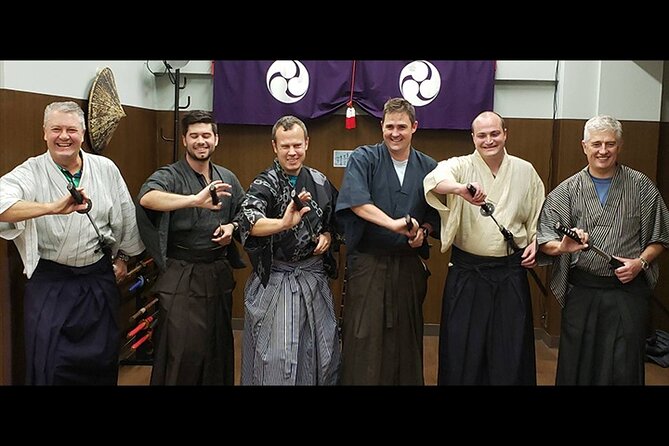
- You choose your kimono and hakama first, then get suited up for the full samurai look.
- Katana basics are taught step-by-step: drawing, holding, swinging, and retracting.
- You’ll do a chambara-style sword-fight drill after learning the foundations.
- Photography and video are allowed inside, and the staff helps capture moments.
- Small group size (max 10) keeps the coaching personal and the energy high.
Edo-Period Dojo Setting and Samurai Museum Vibe
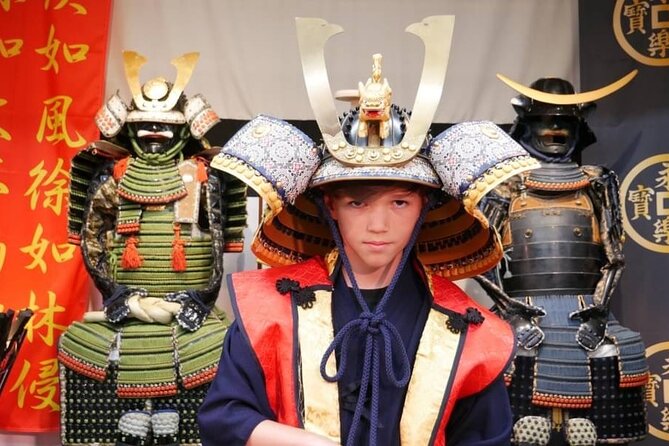
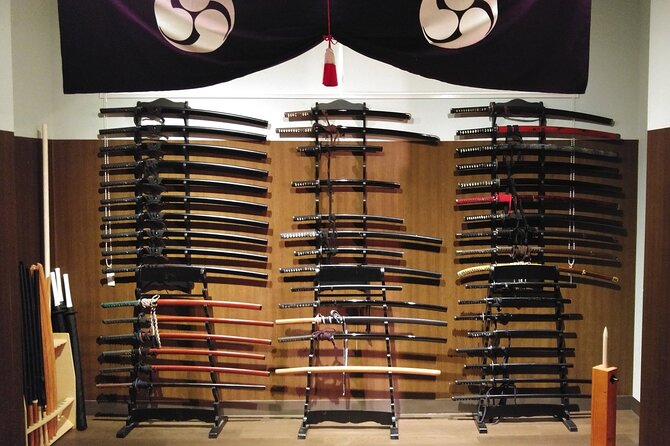
The place is set up to feel like an Edo-era dojo, not a modern studio with props shoved in corners. You walk into a space that looks and feels lived-in, with armor and weapons displayed around you, including swords and spears.
That matters because it changes how you experience the lesson. When the room already looks historical, you stop thinking about it as a class and start thinking about it as role-play with real instruction.
The atmosphere is also part of the value. Even if you’re only half into swords before you arrive, the setting makes you curious, and the staff’s energy helps you jump in fast.
More blade-and-dojo sessions, reviewed
- Tokyo: Samurai Ninja Museum Guided tour and Experience
★ 4.6 · 1,010 reviews - Tokyo: Samurai Sword & Archery Class from Samurai Descendant
★ 5.0 · 603 reviews - Best Samurai Experience in Tokyo
★ 5.0 · 458 reviews - Ninja Experience (Family Friendly) at Samurai Ninja Museum TOKYO
★ 5.0 · 441 reviews
Picking Your Kimono and Hakama, Then Becoming a Samurai
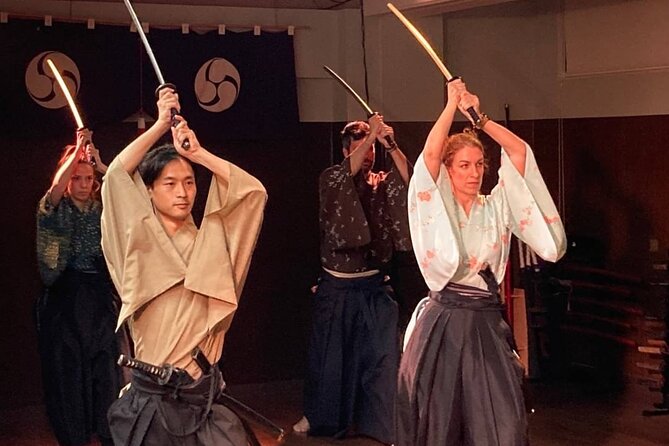
This is not just costume rental where you grab the nearest outfit and go. You choose your favorite kimono and hakama, then get changed into your samurai getup.
The outfit choice is a big deal for photos, of course. But it also helps you settle into the experience, because it physically changes your stance and movement. You’ll feel the difference once the hakama is on, even if you’ve never worn traditional clothing before.
In the session, you’ll have time to take pictures and video once you’re suited up and ready. The staff also helps capture moments during the training, which is great if you’re traveling as a couple or as a solo visitor and want proof you were actually there.
And yes, costumes stay comfortable enough that families keep coming back for the second try. It’s one of those activities where kids and adults both end up laughing at themselves in the best way.
Katana Basics: Draw, Hold, Swing, Retract (With Safety Coaching)
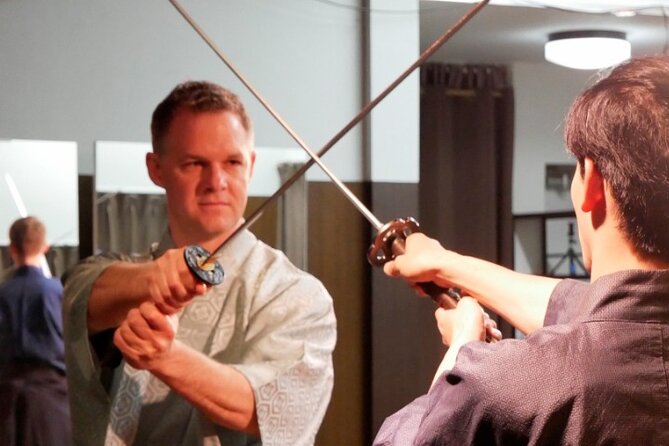
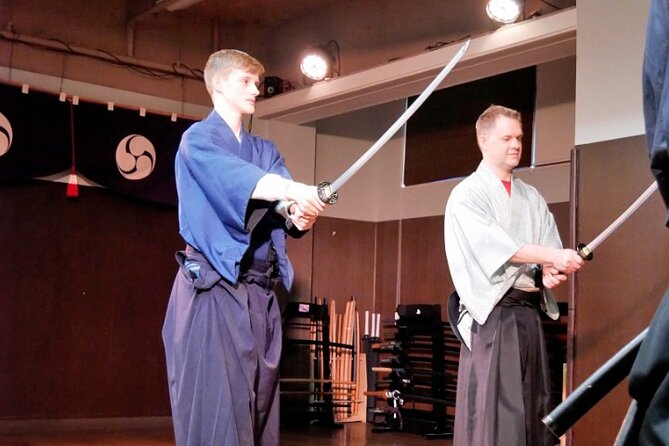
After you’re dressed, you move into sword training. This part is structured like a guided skill session, not random swinging for entertainment.
You learn the basics you need to feel in control: how to draw a sword, how to hold it properly, how to swing with intention, and how to retract it again. The point isn’t to turn you into a movie extra. The point is to give you clean, repeatable movements that you can do safely.
You’ll also get safety-focused guidance as you practice. That’s important because sword training should never feel like chaos, especially in a group with different ages and comfort levels.
If you’re worried you’ll be clumsy, don’t. The coaching is geared toward first-timers, and the lesson rhythm is built around you actually doing the moves, not just watching someone else perform.
Chambara Practice and the Music Battle Finale
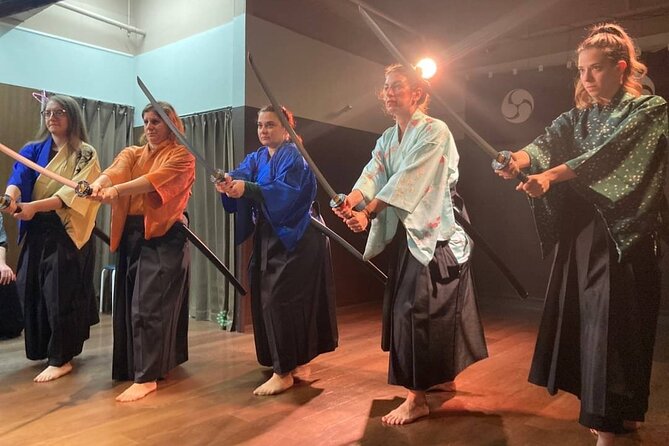
Once you’ve gone through the foundational moves, you practice a simple chambara (sword-fight drill). Think of it as learning choreography with a bit of controlled sparring energy—enough to feel like a showdown, not enough to be intimidating.
Then comes the fun part: a battle finale where you participate while music plays. The goal is described as something like exterminate the bad guys to the soundtrack, which is exactly the kind of script that makes the training feel like a mini performance.
You’re not just holding a sword for role-play. You’re using what you learned in the earlier steps, under direction, with the group building momentum together.
And you can record. Photography and video recording are allowed inside, so you’ll likely want to use your phone for the final sequence. If you’re bringing friends, this is a great part to split duties: one person films while the other focuses on remembering the instructor’s cues.
Weapons, Armor, and Photos: What You Take Home
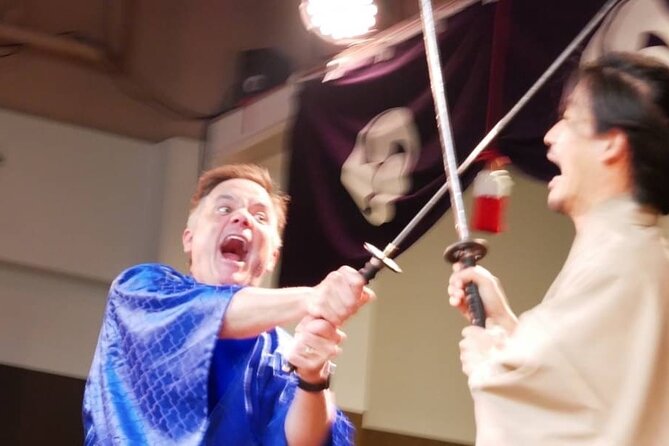
One of the quietly great parts of this experience is how the weapon-and-armor displays support the lesson. You’re not learning in a vacuum. You’ll see swords and spears around you, plus armor on display, which helps you connect the moves to the broader samurai world.
It also makes your photos look better. If you’ve ever taken a picture in a plain studio, you know how flat it can feel. Here, the background does work for you.
Another plus: you’re not left alone with your phone. Staff members help with photos and videos during the experience, so you can actually enjoy the training while knowing you’ll have usable memories after.
You’ll leave with a mix of things: new muscle memory for basic katana movements, a chambara-style training moment, and a full set of vivid images from being dressed as a samurai in a historical-looking space.
- Tokyo: Shinjuku Food Tour (13 Dishes at 4 Local Eateries)★ 5.0 · 6,603 reviews
- Tokyo Mt Fuji 5th St & Hakone Cruise Bus Tour w/Bullet Train★ 4.4 · 5,024 reviews
- Flagship 2-Hours Official Street Go-Kart Tour – Tokyo Bay Shop★ 5.0 · 4,974 reviews
- From Tokyo: Mount Fuji Full-Day Sightseeing Trip★ 4.5 · 4,970 reviews
- Tokyo: Hop-On Hop-Off Sightseeing Bus Ticket★ 3.9 · 4,207 reviews
Price, Group Size, and Finding Samurai Theater Tokyo in Shinjuku
At $65 per person for about one hour, this is priced like an experience that includes real teaching time plus costumes. What makes it feel fair is that the price includes all fees and taxes, a professional instructor, and the samurai costumes.
You don’t have to add extra costs for changing into the gear, which is often where traditional activities get expensive. And you’re getting more than a costume photo op because you get hands-on sword instruction and an interactive finale.
The group is capped at 10 travelers. In a class with that size, you’re more likely to get individual attention if you’re unsure about any step. It also keeps the energy from turning into a long waiting game.
Logistically, you meet at Samurai Theater Tokyo, 40 Yokoteramachi, Shinjuku City. It’s near public transportation, but the venue is accessed via small side roads. Plan for a short walk from what you expect, or you might briefly think you’re in the wrong place.
You’ll get a mobile ticket, and confirmation comes at booking. If your schedule is tight, same-day reservations are possible.
Should You Book This Best Samurai Experience in Tokyo?
Book it if you want a fun, structured, beginner-friendly way to experience samurai culture in Tokyo without needing special skills first. This is especially strong for families: kids often light up at the costume change and the chance to act out sword moves, and adults get value from the interactive instruction and photo-heavy moments.
I’d pass if your main goal is deep, advanced sword study or a long academic history lesson. This is a one-hour experience focused on basic technique, a simple chambara practice, and a lively music-driven finale.
If you’re deciding between doing the experience or just looking at armor in a museum, choose this when you want hands-on learning. When you want to feel what the movements are like, it’s one of the most direct ways to do it.
FAQ
How long is the Samurai Theater Tokyo experience?
It’s approximately 1 hour.
Where does the experience take place?
You meet at Samurai Theater Tokyo, 40 Yokoteramachi, Shinjuku City, Tokyo 162-0831, Japan.
What is included in the $65 price?
It includes all fees and taxes, a professional guide/instructor, and samurai costumes.
Is private transportation included?
No. Private transportation is not included.
Can I take photos or video during the experience?
Yes. Photography and video recording are allowed inside.
Is the tour limited to groups, or can one person join?
One person can join the tour.
What’s the maximum group size?
The maximum is 10 travelers.
Is it beginner-friendly for people with no sword experience?
Most travelers can participate, and the program teaches basic katana use like drawing, holding, swinging, and retracting.
Is same-day booking available?
Yes, same-day reservations are possible.
What’s the cancellation policy?
Free cancellation is available if you cancel up to 24 hours in advance for a full refund. If you cancel less than 24 hours before the start time, the amount paid is not refunded.
More Tour Reviews in Tokyo
- Mt Fuji and Hakone 1-Day Bus Tour Return by Bullet Train
★ 5.0 · 26,383 reviews - 1-Day Tokyo Bus Tour
★ 5.0 · 14,250 reviews - Tokyo: teamLab Planets TOKYO Digital Art Museum Entry Ticket
★ 4.6 · 9,779 reviews - Mt Fuji & Hakone Cruise, Drum Show Bullet Train 1 Day from Tokyo
★ 4.0 · 7,413 reviews - Tokyo: Shinjuku Food Tour (13 Dishes at 4 Local Eateries)
★ 5.0 · 6,603 reviews
More Samurai and Ninja Sessions
- Tokyo: Samurai Ninja Museum Guided tour and Experience
★ 4.6 · 1,010 reviews - Tokyo: Samurai Sword & Archery Class from Samurai Descendant
★ 5.0 · 603 reviews - Ninja Experience (Family Friendly) at Samurai Ninja Museum TOKYO
★ 5.0 · 441 reviews - Tokyo: Samurai Entertainment Night Show in Kanda Shrine
★ 4.6 · 417 reviews - Tokyo: Ninja Kabuki Performance
★ 4.2 · 330 reviews
Latest Tokyo reviews off our desk






Samurai & Ninja Classes, compared.
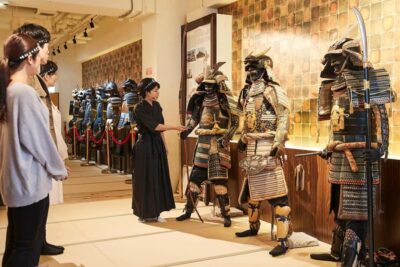 ★ 4.6Samurai Ninja Museum Guided tour and ExperienceFrom $271,010 reviews
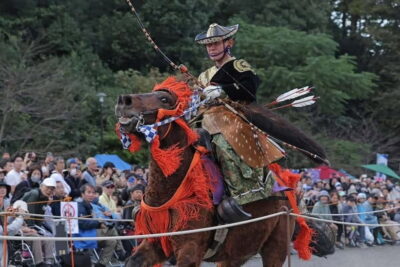 ★ 5.0Samurai Sword & Archery Class from Samurai DescendantFrom $193603 reviews
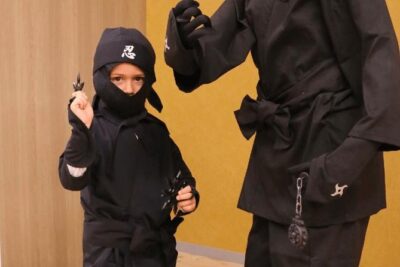 ★ 5.0Ninja Experience (Family Friendly) at Samurai Ninja Museum TOKYOFrom $47441 reviews
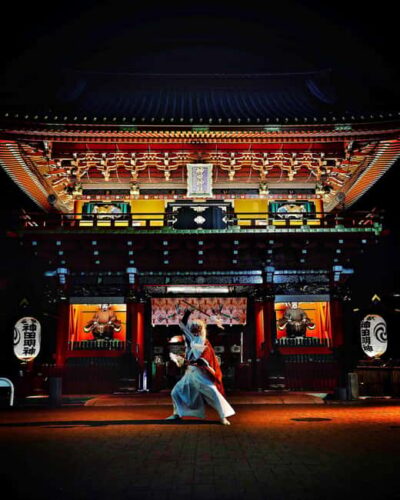 ★ 4.6Samurai Entertainment Night Show in Kanda ShrineFrom $41417 reviews
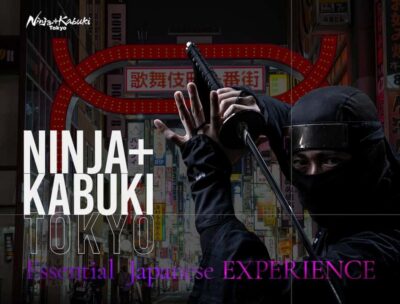 ★ 4.2Ninja Kabuki PerformanceFrom $29330 reviews
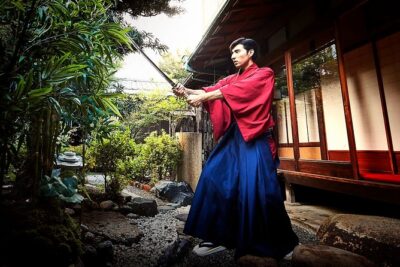 ★ 5.0Tokyo Sword Experience – includes Museum Ticket/Ninja ExperienceFrom $84314 reviews
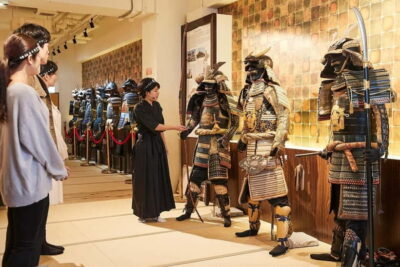 ★ 4.8Samurai Ninja Museum Asakusa: Samurai Sword Lesson & TourFrom $63306 reviews
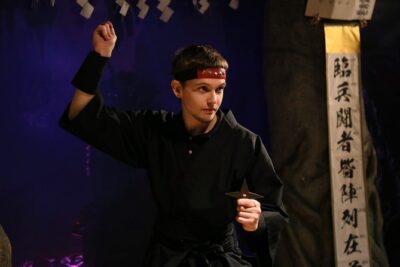 ★ 5.0Ninja Samurai 2-hour hands-on lesson by Japanese master in TokyoFrom $86194 reviews
Browse the lists this tour appears in