
Reviewed · SAMURAI & NINJA CLASSES
Tokyo: Samurai Sword & Archery Class from Samurai Descendant
Katana and arrows, taught like real training. I like how instructor Yoshioki Sumida teaches both iai sword technique and traditional Japanese horseback archery in one 3-hour class, so you’re not just watching a show.
I also like the hands-on difficulty: you practice cutting on multiple targets (including while moving) and then move into sparring with a practice sword. The main consideration is the price: at $193, you’re paying for real instruction and real effort, not casual entertainment.
In This Review
- Key highlights you’ll feel from the start
- Entering Toyama-ryu Bizen-kai: where the training starts (Machida)
- Training wear, safety focus, and what to bring
- Iai lesson: the sword basics you’ll actually use
- Gekken sparring: timing and defense, not just cutting
- Cutting targets while moving: where control meets coordination
- Horseback archery with a real bow: the surprise challenge
- Samurai timeline lecture: why weapons changed over time
- Toyama-ryu demonstration: the art in front of you
- What 3 hours feels like in real life
- Price and value: is $193 fair for what you’re doing?
- Who this is for (and who should skip)
- Should you book this Tokyo sword and archery class?
- FAQ
- Where is the meeting point?
- How long is the class?
- What’s the group size?
- What do I need to bring?
- Do I need to provide my body measurements?
- Is it safe for everyone?
Key highlights you’ll feel from the start

- Two-master skills in one session: swordsmanship plus horseback-style archery, taught by a single instructor who focuses on both disciplines.
- Iai technique with a practice sword: you work on correct handling and swing mechanics before going further.
- Gekken sparring and timing: attack/defense practice with safety-first coaching.
- Cutting that’s harder than movies: multiple targets and movement-based slashing take real coordination.
- Horseback archery bow experience: you shoot arrows using a Japanese-style bow used for long-range accuracy.
- Samurai culture you can connect to: a lecture ties weapons and eras together, including the shift from bows to matchlock guns to swords.
Entering Toyama-ryu Bizen-kai: where the training starts (Machida)
This class meets at Toyama-ryu Bizen-kai (戸山流備前会 BIZENKAI), a 10-minute walk from JR Machida Station. The dojo sits on the third floor, and you reach it by using the stairs at the back between the sword shop and the vending machines on the first floor. Simple, but if you’re rushed, you can miss the turn—so I’d arrive with a little buffer.
Group size matters here. The class is shared, and participation is capped at 15 people, which keeps the instruction closer to what you’d get in real training rather than a crowded demo. One of the smartest moves is to get there a bit early to watch what’s happening before your group starts, since the session has a training rhythm and you’ll understand it faster once you see the flow.
If you’re the type who likes structure—check-in, uniform, lecture, then technique—this dojo style will feel familiar. If you want only photos and a quick photo-op, you may find the focus is firmly on practice.
More blade-and-dojo sessions, reviewed
- Tokyo: Samurai Ninja Museum Guided tour and Experience
★ 4.6 · 1,010 reviews - Tokyo: Samurai Sword & Archery Class from Samurai Descendant
★ 5.0 · 603 reviews - Best Samurai Experience in Tokyo
★ 5.0 · 458 reviews - Ninja Experience (Family Friendly) at Samurai Ninja Museum TOKYO
★ 5.0 · 441 reviews
Training wear, safety focus, and what to bring
Once you arrive, you’ll change into training wear provided by the dojo. The provider asks you to share height and weight when you book, so the uniform can fit properly. That’s not just admin—proper fit helps you move safely when you’re swinging a sword and drawing a bow.
What to bring is straightforward:
- Camera
- Drinks
No alcohol or drugs are allowed, and the environment is clearly built for controlled practice. In real dojos, safety isn’t a separate section—it’s woven into everything: how you stand, how you hold tools, when you move, and how you stop. The instructors focus on correct form and timing, and they’ll keep adjusting you until the basics click.
Also, pay attention to the fitness reality. This isn’t a light “try it once” activity. You’ll use your core and legs for stances, and you’ll need enough strength to swing the practice sword.
Iai lesson: the sword basics you’ll actually use
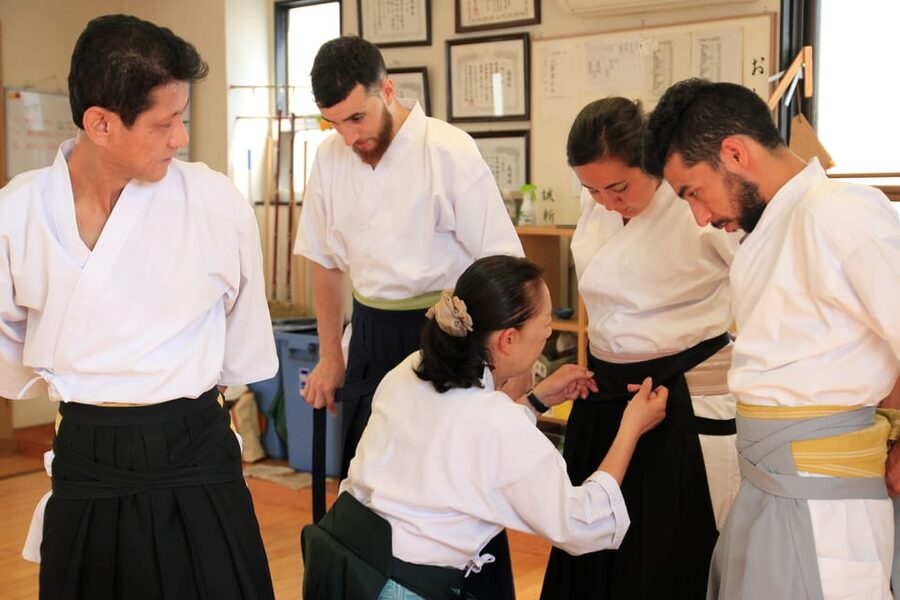
The iai lesson is your foundation. You learn how to handle and swing the mock sword correctly, with focus on technique and sequencing. This matters because people often think sword practice is about strength or speed. In iai, it’s more about control, alignment, and doing the motion the same way each time.
You’ll also hear a short lecture about Japanese swords and what makes them different from the fantasy version. The class covers important fundamentals—how KATA (slashing forms) fit into training, and how practice builds precision. Even if you’ve never handled a sword, you’re not left floating. The instruction is step-by-step, with corrections aimed at getting your stance and swing into the right track.
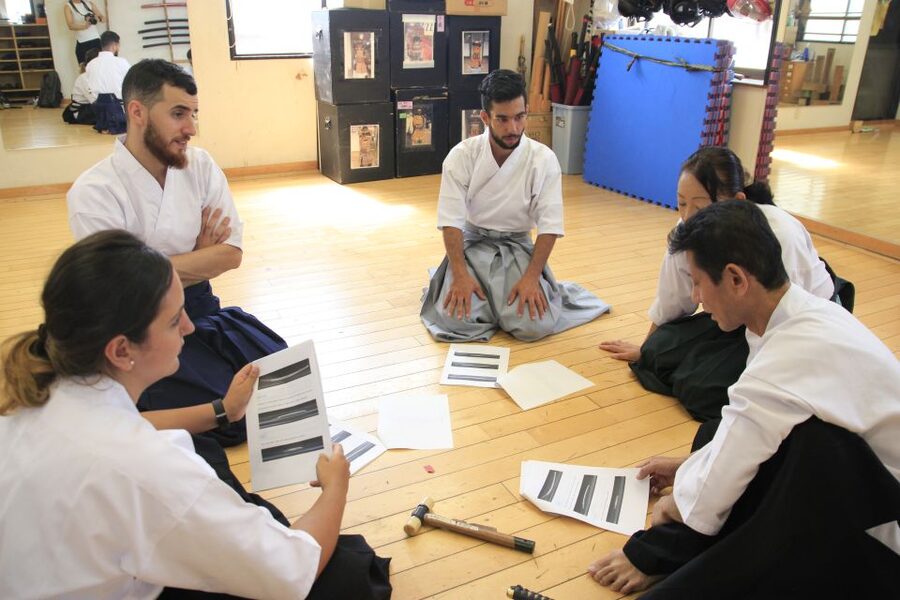
There’s a “blade line” check activity too. That’s the kind of detail that sounds small until you try it—then you realize how much your body position affects what the blade actually does in space. If you care about doing things the right way (not just getting a cool shot on camera), you’ll appreciate how much attention is given to alignment.
Gekken sparring: timing and defense, not just cutting
After the iai setup, you move into gekken. This part is about timing—attack and defense, with sparring using a practice sword. The goal isn’t to “win.” It’s to learn rhythm: when to commit, when to yield, and how to stay balanced while another person moves in your space.
What makes this section especially memorable is the way it feels more difficult than beginners expect. Cutting with a stationary target is one thing. Cutting with moving targets—or slashing through the motion while you’re repositioning—requires coordination between stance, arm swing, and footwork. More than one participant notes that this type of target work is tough, because it’s not the simplified movie version.
A big value here is that coaching is safety-first. The instructors adjust your form kindly but firmly, so you’re not guessing. If you’re nervous at the start, that’s normal. The training pace is designed so you can get oriented before you’re asked to perform anything demanding.
Cutting targets while moving: where control meets coordination
One of the class highlights is slashing multiple targets, including while you’re moving. That’s hard in a very specific way: you’re managing two problems at once—your body has to travel correctly, and your sword has to strike along the right line.
This is where the training wear and the earlier technique drills pay off. If your stance is off, you’ll feel it immediately in accuracy and follow-through. If your timing is off, you’ll feel it in the moment of the strike—because there’s less forgiveness than with slow, solo practice.
It’s also why this class reads like “real training” instead of a show. You do real reps. You get corrected. And you work toward consistency rather than a single cinematic moment.
Readers also shortlisted these Tokyo bookings:
- Sushi Making Tokyo Roll and Authentic Japanese Sushi Class★ 5.0 · 3,971 reviews
- Tokyo: Roll and Authentic Sushi Making Class in Asakusa★ 4.9 · 1,957 reviews
- Tokyo Shinjuku Chopsticks Making Class★ 5.0 · 1,763 reviews
- Tokyo: Sushi Making Class in a Happi Coat near a Famous Spot★ 4.9 · 1,377 reviews
- Chopstick Making Workshop in Ginza★ 4.8 · 1,366 reviews
Horseback archery with a real bow: the surprise challenge
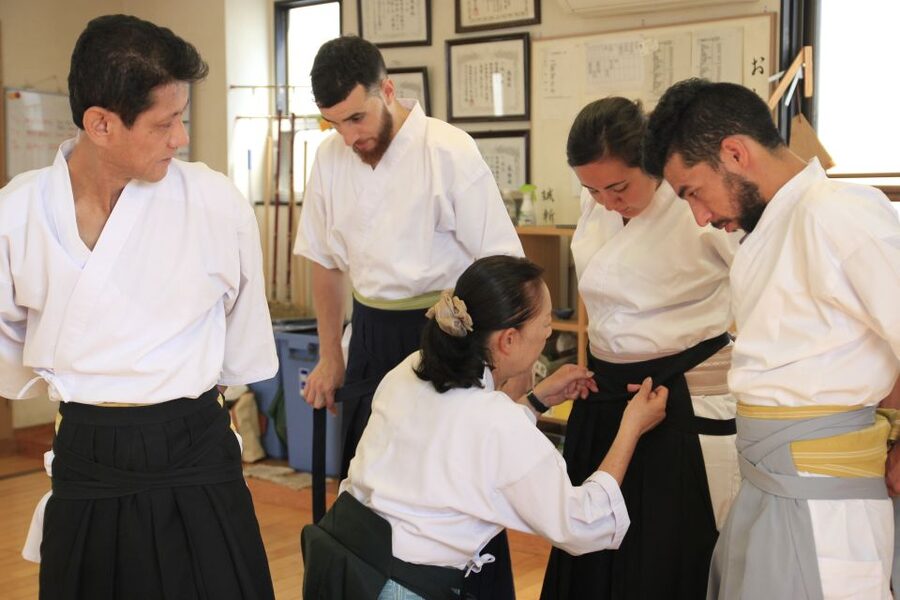
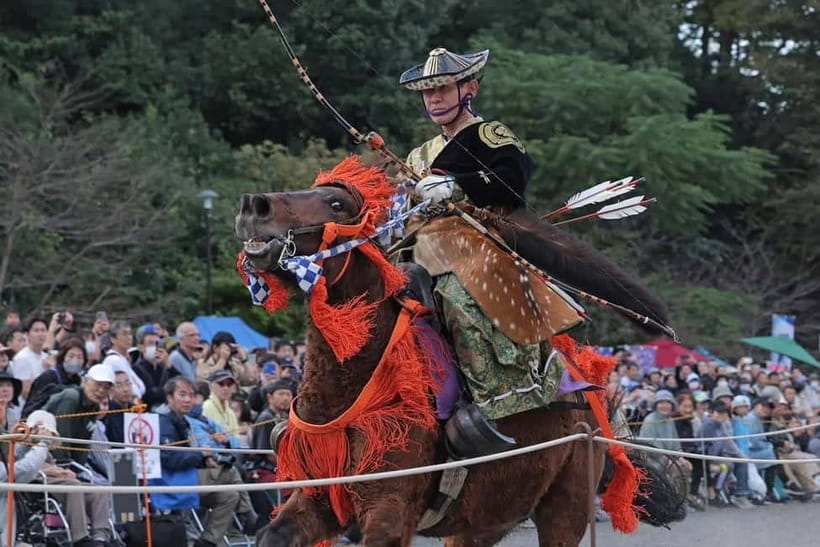
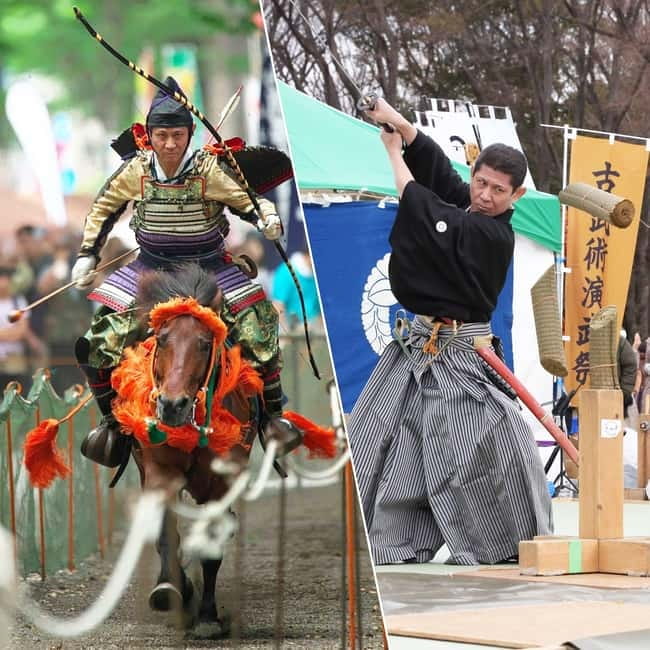
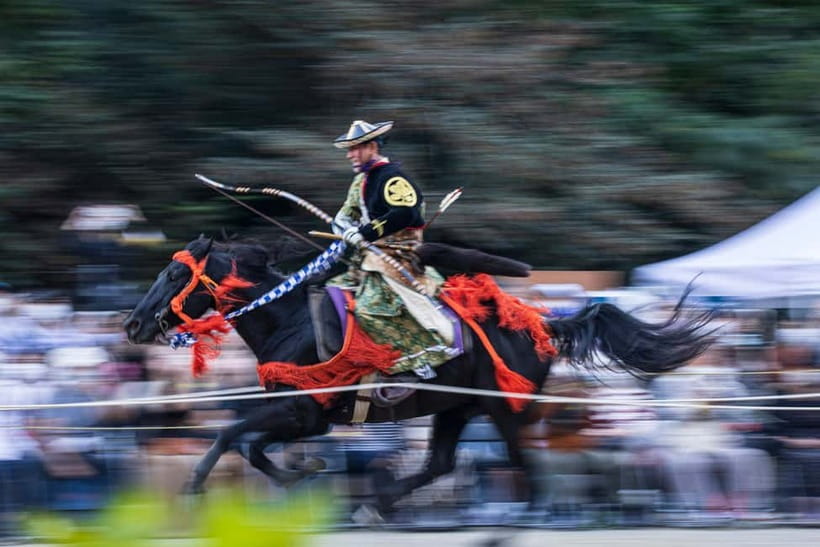
Then comes the bow portion. You’ll try shooting arrows using a Japanese-style horseback archery bow, and you’ll also get to see (and learn from) traditional archery elements tied to samurai culture.
Even if you’ve shot a bow before, this section can feel different because you’re training with a longbow-type setup designed for a specific style. You’re working on aim and execution under instruction, with attention to form.
There’s one practical consideration from participant feedback: the bow work is taught in a way that may feel more natural for right-handed people. One reviewer flagged that archery can be tricky if you’re left-handed, even though they still did surprisingly well. So if you’re left-handed, don’t assume you’ll be blocked—but do expect you might need extra adjustments.
If you’re planning to record video, bring a camera that can handle zooming or framing for the bow-and-arrow segment. One tip from feedback: a wider lens can help capture the action cleanly.
Samurai timeline lecture: why weapons changed over time
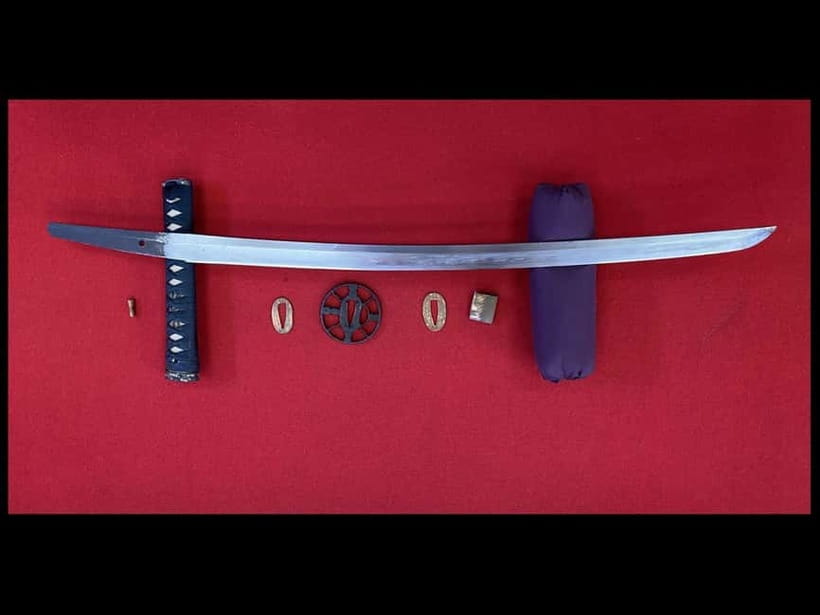
The cultural lecture connects the training to the history. You’ll learn about how the samurai’s main weapons shifted over centuries:
- About 1000 years ago, the bow was central.
- Roughly 450 years ago, the matchlock gun became more powerful.
- Around 400 years ago, when civil wars ended, the sword became the dominant weapon.
This is useful because it prevents the class from feeling like random weapon facts. You start to see why training methods developed the way they did. Your swordwork and archery practice become part of a broader system: what worked in different eras, and why technique mattered.
There’s also mention that you may be able to hold an antique matchlock gun. That’s not about turning it into a novelty object. It’s a way to make the timeline physical, so the history lands in your hands, not just in your head.
Toyama-ryu demonstration: the art in front of you
The class includes a live demonstration of Toyama-ryu (notably, a “7th grade” demonstration is mentioned in the class description). Watching a demonstration after you’ve learned basic handling gives you a better sense of what the discipline looks like when it’s practiced with years of repetition.
This part is also a reality check: even with a short lesson, you start noticing what you’re missing—timing, flow, stance stability, breath, and precision. It’s the kind of moment that turns “I tried this once” into “I want to understand this more.”
What 3 hours feels like in real life
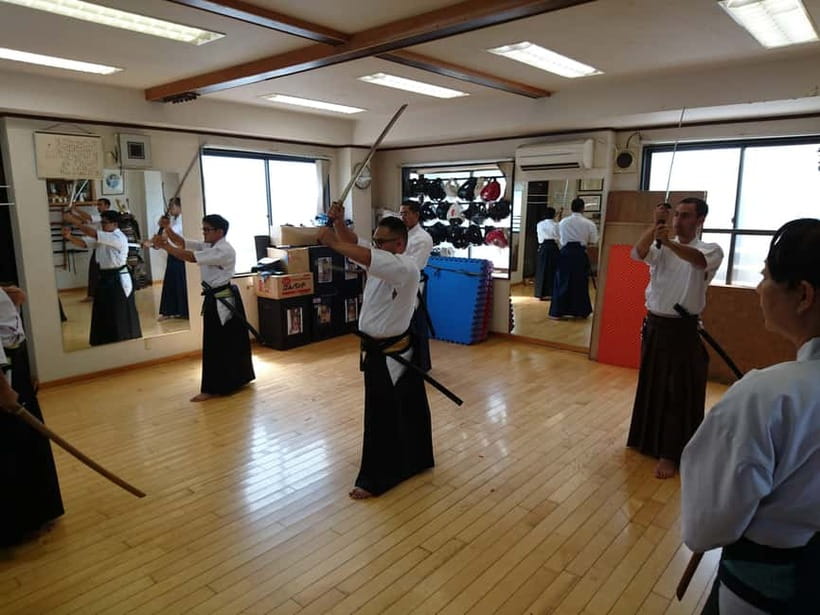
The session is 3 hours. It can feel faster when you’re moving through instruction blocks, but expect it to be tiring. Multiple participants noted soreness the next day, and the class description itself signals that it’s training, not a staged performance.
You’re likely to do:
- uniform change + short lecture,
- iai practice with a mock sword,
- gekken timing and sparring with a practice sword,
- a blade line check activity,
- bow-and-arrow practice with a real horseback archery bow,
- and a demonstration.
That’s a lot for one afternoon. The pacing matters, and with a small group size, instructors can correct issues before they turn into sloppy habits.
Also note the language setup: instruction is in Japanese and English, and feedback highlights that the instructor can explain clearly in English. If your Japanese is limited, you’ll likely be fine as long as you pay attention and ask when you’re unsure.
Price and value: is $193 fair for what you’re doing?
At $193 per person for a 3-hour class, it’s not a cheap add-on. The key is what you’re paying for: not just information, but supervised practice with specialized disciplines.
This class packs in:
- sword technique (iai),
- timing and sparring work (gekken),
- cutting practice with targets while moving,
- and horseback-style archery with a real bow.
And the teaching is done by a master who continues to pass skills down, rather than a presenter running a script. That “real instruction” factor is what justifies the price for the right person.
If your goal is purely sightseeing and photos, you’ll probably feel the cost more than you benefit. If your goal is hands-on skill, form correction, and cultural context tied to what weapons actually required, the value starts to make sense fast.
Who this is for (and who should skip)
This class is best if you:
- want hands-on martial arts practice, not just demonstrations,
- like Japanese culture tied to real technique,
- enjoy being coached on form and timing,
- and you’re okay with a training workout.
It is not suitable for several conditions and needs, including:
- pregnant women,
- people with back problems,
- people with mobility impairments,
- people with heart problems,
- wheelchair users,
- children under 18,
- people with epilepsy,
- visually impaired people.
Also, children under 18 may participate only with parental permission and supervision, and they’ll need enough muscle strength to swing the sword. If you’re unsure where you fit, it’s worth checking before you book.
Practical tip: if you’re coming from central Tokyo, plan your commute with extra time. One reviewer noted the dojo is about 90 minutes from Shimbashi, so you’re likely pairing this with a day in the western Tokyo area.
Should you book this Tokyo sword and archery class?
Book it if you want a real dojo experience where you train with both swordsmanship and Japanese horseback archery principles in one session. It’s a strong choice if you care about correct technique, timing, and understanding why samurai weapons evolved over time.
Skip it if you’re trying to keep costs low, you don’t want a physical workout, or you have any of the listed medical or mobility limitations. Also skip if your idea of “samurai” is mostly movies and photos—this class is built for training, so you’ll get more out of it when you’re ready to work.
If you’re on the fence, think about this: for $193, you’re buying guided practice with a master, not a performance. For the right traveler, that turns into one of the most memorable hands-on experiences in Tokyo.
FAQ
Where is the meeting point?
You meet at Toyama-ryu Bizen-kai (戸山流備前会 BIZENKAI), about a 10-minute walk from JR Machida Station. The dojo is on the third floor, reached by stairs at the back between the sword shop and the vending machines on the first floor.
How long is the class?
The experience lasts 3 hours.
What’s the group size?
It’s a shared class with a maximum of 15 participants.
What do I need to bring?
Bring a camera and drinks. Training wear and a practice sword are provided.
Do I need to provide my body measurements?
Yes. Practice uniforms are provided, but the organizer asks you to share your height and weight for all participants.
Is it safe for everyone?
The program is not suitable for pregnant women, people with back problems, mobility impairments, heart problems, wheelchair users, people under 18 (with limited exceptions stated), people with epilepsy, or visually impaired people. Alcohol and drugs are not allowed.
More Workshops in Tokyo
- Sushi Making Tokyo Roll and Authentic Japanese Sushi Class
★ 5.0 · 3,971 reviews - Tokyo: Roll and Authentic Sushi Making Class in Asakusa
★ 4.9 · 1,957 reviews - Tokyo Shinjuku Chopsticks Making Class
★ 5.0 · 1,763 reviews - Tokyo: Sushi Making Class in a Happi Coat near a Famous Spot
★ 4.9 · 1,377 reviews - Chopstick Making Workshop in Ginza
★ 4.8 · 1,366 reviews
More Tour Reviews in Tokyo
- Mt Fuji and Hakone 1-Day Bus Tour Return by Bullet Train
★ 5.0 · 26,383 reviews - 1-Day Tokyo Bus Tour
★ 5.0 · 14,250 reviews - Tokyo: teamLab Planets TOKYO Digital Art Museum Entry Ticket
★ 4.6 · 9,779 reviews - Mt Fuji & Hakone Cruise, Drum Show Bullet Train 1 Day from Tokyo
★ 4.0 · 7,413 reviews - Tokyo: Shinjuku Food Tour (13 Dishes at 4 Local Eateries)
★ 5.0 · 6,603 reviews
More Samurai and Ninja Sessions
- Tokyo: Samurai Ninja Museum Guided tour and Experience
★ 4.6 · 1,010 reviews - Best Samurai Experience in Tokyo
★ 5.0 · 458 reviews - Ninja Experience (Family Friendly) at Samurai Ninja Museum TOKYO
★ 5.0 · 441 reviews - Tokyo: Samurai Entertainment Night Show in Kanda Shrine
★ 4.6 · 417 reviews - Tokyo: Ninja Kabuki Performance
★ 4.2 · 330 reviews
Latest Tokyo reviews off our desk






Samurai & Ninja Classes, compared.
 ★ 4.6Samurai Ninja Museum Guided tour and ExperienceFrom $271,010 reviews
 ★ 5.0Best Samurai Experience in TokyoFrom $65458 reviews
 ★ 5.0Ninja Experience (Family Friendly) at Samurai Ninja Museum TOKYOFrom $47441 reviews
 ★ 4.6Samurai Entertainment Night Show in Kanda ShrineFrom $41417 reviews
 ★ 4.2Ninja Kabuki PerformanceFrom $29330 reviews
 ★ 5.0Tokyo Sword Experience – includes Museum Ticket/Ninja ExperienceFrom $84314 reviews
 ★ 4.8Samurai Ninja Museum Asakusa: Samurai Sword Lesson & TourFrom $63306 reviews
 ★ 5.0Ninja Samurai 2-hour hands-on lesson by Japanese master in TokyoFrom $86194 reviews
Browse the lists this tour appears in