
Reviewed · FULL-DAY
Private Full-Day Tour of Tokyo with Hotel Pickup
Tokyo feels less chaotic with a plan. This private full-day tour lets you skip the crowd pressure and build a day around Tokyo highlights with a guide who meets you at your hotel and helps you move by train. I especially like two things: the chance to see the Imperial Palace Outer Gardens area with context, and the way the day can be tailored if you want more than the usual checklist.
One thing to consider: this is a walking day, and it can easily add up fast—think 8+ miles—so comfortable shoes are not optional.
In This Review
- Key Things You’ll Remember
- Private Tokyo Touring From Your Hotel at 9:00am
- Imperial Palace Outer Gardens: Edo Castle to Modern Tokyo
- Fukagawa Fudodo and Goma Fire Rituals
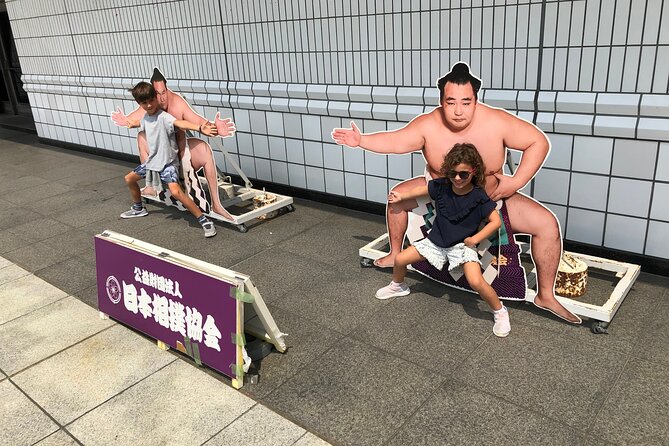
- Ryogoku: Sumo Culture You Can Feel in the Neighborhood
- Akihabara: Electronics, Anime, Maid Cafes, and Character Figures
- How Customization Works (and What It Can Add to Your Day)
- Getting Around: Public Trains, One Short Taxi, and Real Walking
- What to Wear and Bring for Temple Steps and Summer Heat
- Price vs. Value: Why This Private Day Can Be Worth It
- Should You Book This Private Full-Day Tokyo Tour?
- FAQ
- What time does the tour start?
- How long is the tour?
- Is this tour private?
- What’s included in the price?
- Do I need to pay for admission at the stops?
- Can the itinerary be customized?
- What should I wear for the temple visit?
- What if the weather is bad?
Key Things You’ll Remember
- Hotel pickup + meeting at 9:00am makes the day feel organized from the start
- Customizable route so you can chase big sights or quieter Tokyo moments
- Goma fire rituals at Fukagawa Fudodo gives you a rare look at living faith
- Ryogoku for sumo culture connects the sport to everyday Tokyo neighborhoods
- Akihabara shows how electronics and pop-culture share the same streets
- Trains first, one short taxi ride helps keep the day efficient without losing the local feel
Private Tokyo Touring From Your Hotel at 9:00am
This tour runs about 8 hours and starts at 9:00am, with pickup that begins right at your hotel. That matters in Tokyo because the first hour can make or break your mood. Instead of figuring out lines and exits while jet-lagged, you get a guide and a simple route to follow.
The tour is private, meaning it’s just your group. That gives you freedom to ask questions on the fly and adjust your pace. There’s also mention of group discounts, which can help if you’re traveling with friends and want a private guide without paying full solo-price vibes.
You’ll also get a mobile ticket, which is convenient for a day with multiple stops. The big takeaway: the day is built for real movement through Tokyo, not a sit-and-watch version of sightseeing.
Readers also shortlisted these Tokyo bookings:
- Tokyo 6hr Private Tour with Government-Licensed Guide
★ 5.0 · 3,902 reviews - Private Tour to Mt. Fuji and Hakone (Fully Licenced Operator)
★ 5.0 · 1,910 reviews - Tokyo Customized Private Tour (Must See Places in 1 Day)
★ 5.0 · 1,499 reviews - Mount Fuji Full-Day Private Tour from Tokyo (Customizable)
★ 4.9 · 1,470 reviews
Imperial Palace Outer Gardens: Edo Castle to Modern Tokyo
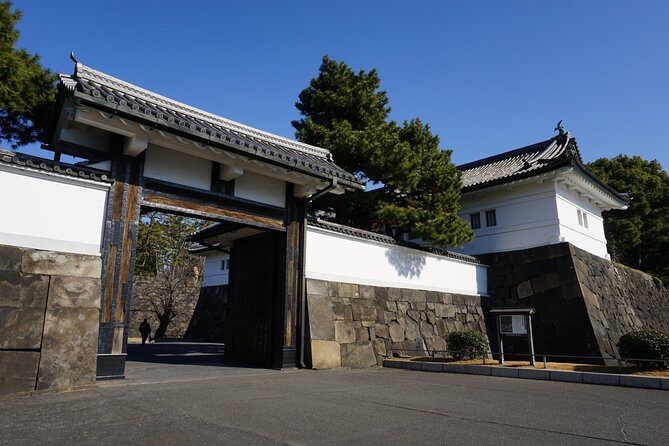
Your first stop centers on the Imperial Palace Outer Gardens, a former site tied to Edo Castle. Even without going deep into politics, the place helps you understand why Tokyo works the way it does: the city’s identity is old and formal, but it sits inside a modern, fast-moving capital.
You’ll spend about an hour here, with admission listed as free for this stop. The key value is the framing your guide provides—what you’re looking at, why the area matters, and how the palace grounds connect to older Tokyo patterns. Gardens also give your feet a slightly calmer start than constant shrine-to-market hopping.
A practical note: even with a relaxed start, you’re still in sightseeing mode. Plan for photos, slow walking paths, and the chance to stop whenever something catches your eye.
Fukagawa Fudodo and Goma Fire Rituals
If you want Tokyo beyond postcard views, this is the stop. At Fukagawa Fudodo, you’ll see Goma fire rituals, where wooden sticks are burnt during the ceremony. The purpose is tied to Fudōmyō-ō, and the event includes multiple ceremonies throughout the day.
The schedule here is listed as about an hour, with admission also marked free. The strongest part isn’t the facts alone—it’s witnessing a living ritual in a way that’s harder to replicate from a distance. You’re not just looking at a building. You’re seeing people practice belief, again and again.
Dress code matters for a temple stop. For this tour, sleeveless tops and shorts aren’t permitted because it’s a place of worship. Bring a light cover-up or shawl if your outfit is borderline. You’ll enjoy the experience more when you’re not scrambling for a workaround.
Ryogoku: Sumo Culture You Can Feel in the Neighborhood
Ryogoku is where the tour shifts from history and rituals into something more everyday: sumo culture. This area is known for the sport’s ecosystem, not just one arena photo-op.
You’ll spend roughly 1 hour 30 minutes, and admission is listed as free for this stop. Your guide can help you connect the dots between several pieces of the sumo world, including the Kokugikan sumo arena, chanko nabe restaurants, and sumo stables, plus other sumo-related facilities you might spot in the area.
Here’s what I like about this stop for planning your day: it gives you a different Tokyo rhythm. You’re not only chasing museums or shopping streets. You’re seeing how a tradition remains visible in daily life, right down to food culture and how places are organized around training.
If you’re a sumo fan, this is one of the most direct ways to get value from the city. If you’re not, it still works because you can ask the guide to translate the rules and meaning behind what you’re seeing.
Akihabara: Electronics, Anime, Maid Cafes, and Character Figures
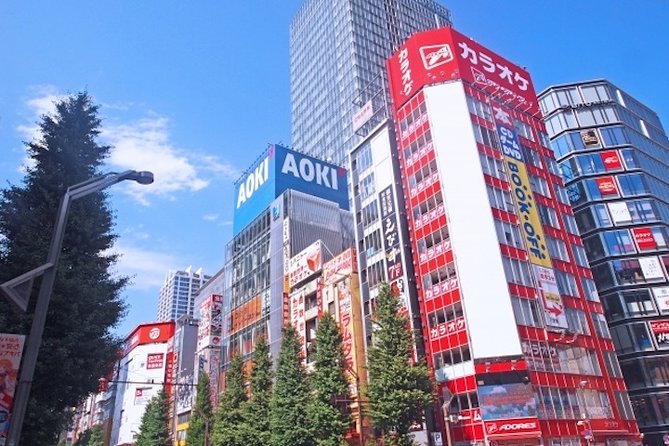
After Ryogoku, you’ll move to Akihabara, Tokyo’s best-known pop-culture and electronics zone. This is one of those districts that can either feel overwhelming or totally fun, depending on whether you have context.
You’ll spend about 1 hour 30 minutes, and admission is listed free. What your guide can do here is practical: show you where to look, what’s worth your time, and how the area’s different subcultures connect—anime, electronics shops, otaku culture, maid cafes, and character figures.
One consideration: Akihabara is visually intense. If you’re prone to decision fatigue, you’ll appreciate having a guide steer you away from chasing every store equally. You get to pick what you care about—technology, collectibles, cosplay culture, or just the streets’ atmosphere.
If you want a “Tokyo at full volume” district, Akihabara delivers. If you’d rather have one or two targeted shopping moments, this stop is still useful because the guide can focus you.
Readers also shortlisted these Tokyo bookings:
- From Tokyo: Mount Fuji Full-Day Sightseeing Trip★ 4.5 · 4,970 reviews
- From Tokyo: Mount Fuji Full Day Customizable Private Tour★ 4.9 · 912 reviews
- Tokyo Private Full-Day Tour by Car or Van★ 5.0 · 684 reviews
- From Tokyo: Must-Visit Mount Fuji Highlight Full-Day Tour★ 4.7 · 532 reviews
- Tokyo: Mount Fuji and Hakone Full Day Tour with Ramen Making★ 4.5 · 476 reviews
How Customization Works (and What It Can Add to Your Day)
The big promise here is that your itinerary is customizable. The tour is built around top highlights, but you’re not stuck walking the same route every time. You can choose to focus on the highlights or shift toward other interests.
In practice, that means your guide can adjust on the fly—changing the order, making time for photos, or adding stops that fit what you’re into. One guiding example from an actual day: the guide Naofumi Kamabe took the group to Skytree tower and included time for markets while also keeping train travel smooth.
You might also hear about a shrine and a blessing being included in some versions of the day. The takeaway isn’t that you’ll definitely get those exact add-ons; it’s that your guide has the flexibility to weave in meaningful moments when it fits your interests and the day’s flow.
Customization can be a big value boost because it helps you avoid “wasted” time. If you already know you’ll love Japan’s rituals, you can spend more time around temple culture. If you’d rather geek out on pop culture and neighborhoods, you can lean harder into places like Akihabara.
One caution: if your custom route requires extra transport, the info notes additional transportation costs may occur. That’s normal in a city where rail transfers and taxis can stack quickly.
Getting Around: Public Trains, One Short Taxi, and Real Walking
This tour leans on public transport, and that’s usually a smart move. Tokyo trains are frequent and fast, and riding them with a guide helps you avoid the common frustration of missing the right exit.
The tour includes public transportation, plus one short taxi ride. The balance matters: you get local movement without losing the day to long detours. And because you’re on a private schedule, the guide can pick routes that match your pace.
Be ready for walking. The experience is described as a walking day, and one review cited over 8 miles. That tells you what to plan for: not just comfort, but endurance. Bring water, and don’t treat this like a “light stroll” tour.
If you hate walking, this is probably not your best match. If you’re okay with a solid day on your feet and you want to see Tokyo in a way that feels human-sized, it’s a great fit.
What to Wear and Bring for Temple Steps and Summer Heat
Because the day includes a temple stop, you need to dress for respect. The rule is clear: no sleeveless tops and no shorts at the temple. A shawl or light cover-up helps you stay comfortable while meeting the expectation.
Also plan for weather. The experience notes it requires good weather, and if it’s canceled due to poor weather you’ll be offered another date or a full refund.
In warm months, Tokyo heat can hit hard. The tour guidance recommends loose, breathable clothing, plus sun protection and a water bottle. That’s not overkill; it’s the difference between enjoying the day and counting minutes until you can sit.
Finally, wear comfortable footwear. This tour is built around movement, and you’ll get the most from it when your feet aren’t angry halfway through Akihabara.
Price vs. Value: Why This Private Day Can Be Worth It
At $246.43 per person for an 8-hour private tour, you’re paying for more than sightseeing. You’re paying for three things that are hard to replicate solo:
First, you’re paying for direction. Hotel pickup and meeting at 9:00am removes the biggest friction point. Second, you’re paying for context. The stops aren’t just “go look at the thing.” You get stories about Japanese culture, including what you’re seeing during temple rituals and how sumo fits into the city’s fabric.
Third, you’re paying for time efficiency. Public transport is included and a short taxi ride is covered, so the day is less likely to collapse into transit chaos.
Is it expensive? Compared with a group bus tour, yes. But for Tokyo, private guiding often makes sense when you care about learning and want your day to feel purposeful. This is especially true if you’re the kind of traveler who dislikes wasting half a day getting oriented instead of experiencing the city.
A small balance point: foods and drinks are not included, and additional entrance fees outside the original plan may apply. So you’ll still budget meals on your own.
Should You Book This Private Full-Day Tokyo Tour?
Book it if you want a private, guided Tokyo day that covers major highlights like the Imperial Palace Outer Gardens, Fukagawa’s Goma fire rituals, Ryogoku sumo culture, and Akihabara pop culture—with room for your interests.
Skip it if you’re not comfortable walking a lot or you only want a quick, low-effort sampler. This is a real day out, built on trains, steps, and a guide who expects you’ll be active.
If you’re traveling as a couple, with a small group, or you want a day that feels both efficient and personal, this tour is a solid value play. Just go in knowing you’ll be moving, dressing respectfully for the temple, and letting your guide set the rhythm.
FAQ
What time does the tour start?
The tour starts at 9:00am.
How long is the tour?
It’s listed as about 8 hours.
Is this tour private?
Yes. It’s a private tour/activity, so only your group participates.
What’s included in the price?
Included items are guide fees, public transportation, and one short taxi ride. Foods and drinks are not included.
Do I need to pay for admission at the stops?
For the original stops listed, admission is shown as free for the Imperial Palace Outer Gardens, Fukagawa Fudodo, and the Ryogoku and Akihabara stops. Additional entrance fees outside the original itinerary aren’t included.
Can the itinerary be customized?
Yes, you can choose to focus on top city highlights or discover other areas. The info notes that in case of itinerary customization, additional transportation costs may occur.
What should I wear for the temple visit?
Because the tour includes visiting a temple, sleeveless tops and shorts are not permitted. A shawl or light cover-up is recommended.
What if the weather is bad?
The tour requires good weather. If it’s canceled due to poor weather, you’ll be offered a different date or a full refund.
More Private in Tokyo
- Tokyo 6hr Private Tour with Government-Licensed Guide
★ 5.0 · 3,902 reviews - Private Tour to Mt. Fuji and Hakone (Fully Licenced Operator)
★ 5.0 · 1,910 reviews - Tokyo Customized Private Tour (Must See Places in 1 Day)
★ 5.0 · 1,499 reviews - Mount Fuji Full-Day Private Tour from Tokyo (Customizable)
★ 4.9 · 1,470 reviews - Tokyo: Private City Highlights Tour with Local Guide
★ 4.8 · 1,433 reviews
More Tours in Tokyo
- Mt Fuji and Hakone 1-Day Bus Tour Return by Bullet Train
★ 5.0 · 26,383 reviews - 1-Day Tokyo Bus Tour
★ 5.0 · 14,250 reviews - Tokyo: Shinjuku Food Tour (13 Dishes at 4 Local Eateries)
★ 5.0 · 6,603 reviews - Tokyo Mt Fuji 5th St & Hakone Cruise Bus Tour w/Bullet Train
★ 4.4 · 5,024 reviews - Flagship 2-Hours Official Street Go-Kart Tour – Tokyo Bay Shop
★ 5.0 · 4,974 reviews
More Tour Reviews in Tokyo
- Mt Fuji and Hakone 1-Day Bus Tour Return by Bullet Train
★ 5.0 · 26,383 reviews - 1-Day Tokyo Bus Tour
★ 5.0 · 14,250 reviews - Tokyo: teamLab Planets TOKYO Digital Art Museum Entry Ticket
★ 4.6 · 9,779 reviews - Mt Fuji & Hakone Cruise, Drum Show Bullet Train 1 Day from Tokyo
★ 4.0 · 7,413 reviews - Tokyo: Shinjuku Food Tour (13 Dishes at 4 Local Eateries)
★ 5.0 · 6,603 reviews
Latest Tokyo reviews off our desk






Full-Day, compared.
 ★ 4.5From Tokyo: Mount Fuji Full-Day Sightseeing TripFrom $684,970 reviews
 ★ 4.9Mount Fuji Full-Day Private Tour from Tokyo (Customizable)From $3931,470 reviews
 ★ 4.9From Tokyo: Mount Fuji Full Day Customizable Private TourFrom $407912 reviews
 ★ 5.0Tokyo Private Full-Day Tour by Car or VanFrom $321684 reviews
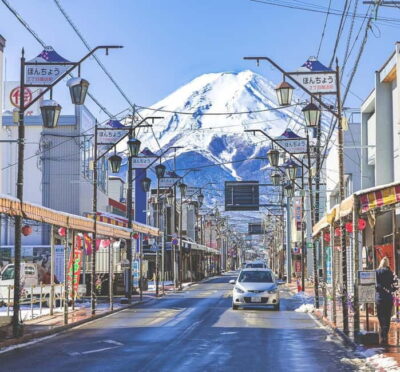 ★ 4.7From Tokyo: Must-Visit Mount Fuji Highlight Full-Day TourFrom $69532 reviews
 ★ 4.5Mount Fuji and Hakone Full Day Tour with Ramen MakingFrom $94476 reviews
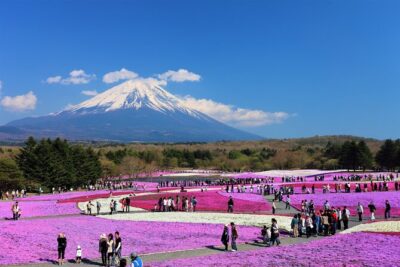 ★ 4.5Mt. Fuji, Hakone Full-Day Private Tour with English Driver GuideFrom $495458 reviews
★ 4.8From Tokyo: Mount Fuji Full-Day Customizable Private TourFrom $483451 reviews