
Reviewed · MOUNT FUJI TOURS
Private Mt. Fuji Day Trip from Tokyo with English-Speaking Driver
Fuji, on your schedule, not a bus’s. This private day trip lets you chase Mount Fuji viewpoints with an English-speaking driver and the freedom to adjust the pace between iconic spots. I like that you can focus on what matters to your group instead of being herded around, and the route hits classic Fuji areas people actually remember.
The main catch is that Mt. Fuji visibility depends on weather and haze, so don’t build your day around one perfect view. Also, plan for ticket add-ons like the ropeway and the 5th Station fee, which are not included in the tour price. In the best-case scenario, your driver (Ken is a standout example) keeps things easy and on time.
In This Review
- Key takeaways before you go
- Why a private Mt. Fuji day feels different from the usual Tokyo tours
- 10 hours with hotel pickup: how the timing actually works
- Oshino Hakkai: the Fuji water stop that’s quick and memorable
- Arakura Fuji Sengen Shrine and the Chureito Pagoda view
- Lake Kawaguchiko: the busiest gateway and a smart 30-minute break
- Mt. Fuji Panoramic Ropeway (Kachi-Kachi): a great option, but not included
- Oishi Park: seasonal color and Fuji photo angles
- Saiko Iyashi no Sato Nenba on Lake Saiko: a slower, more traditional mood
- Mt. Fuji 5th Station: the summit-side experience and the extra fee
- Kitaguchi Hongu Fuji Sengen Jinja: volcano worship in a UNESCO setting
- Lake Yamanaka: the higher one with room to breathe
- Gotemba Premium Outlets: practical shopping near Fuji
- Price and what you get for $332.60 per group
- Custom itinerary options: using the car to match your priorities
- Weather reality: how to handle low visibility and still have a great day
- Who should book this private Fuji day trip
- Should you book this Mt. Fuji private day trip?
- FAQ
- Is this a private tour?
- What’s the group size and pricing?
- How long is the Mt. Fuji day trip?
- Do I get pickup and drop-off at my Tokyo hotel?
- Does the driver speak English?
- Are all entrance fees included?
- Is there a mobile ticket?
- What’s the cancellation policy?
Key takeaways before you go
- Private car + English driver means flexible timing and clear communication all day.
- Oshino Hakkai and the Fuji shrines are free stops that feel like the core of the Fuji Five Lakes story.
- Ropeway and 5th Station cost extra, so budget a bit beyond the base price.
- Lake stops are short but well chosen, giving you views without swallowing the whole day in driving.
- Gotemba Premium Outlets works as a practical shopping reset near Fuji.
- Custom itinerary option can swap in nearby sights like Shiraito Falls or Fuji Safari Park.
Why a private Mt. Fuji day feels different from the usual Tokyo tours
A Fuji day is one of those classic Tokyo add-ons that can go two ways: either it’s efficient and satisfying, or it’s rushed and you spend more time trapped on a timetable than enjoying the scenery. This style of private trip is built to avoid the rushed part.
You still get the main hits—ponds, shrines, lakes, and a viewpoint or two—but you’re not stuck waiting for a group to finish photos. Your driver can help you work the timing between stops, and you can steer the day toward scenic time, culture time, or a shopping pause when it suits your energy level.
More Fuji day trips our readers rated highly
- Mt Fuji and Hakone 1-Day Bus Tour Return by Bullet Train
★ 5.0 · 26,383 reviews - Mt Fuji & Hakone Cruise, Drum Show Bullet Train 1 Day from Tokyo
★ 4.0 · 7,413 reviews - Tokyo Mt Fuji 5th St & Hakone Cruise Bus Tour w/Bullet Train
★ 4.4 · 5,024 reviews - From Tokyo: Mount Fuji Full-Day Sightseeing Trip
★ 4.5 · 4,970 reviews
10 hours with hotel pickup: how the timing actually works
The day runs about 10 hours, including pickup and drop-off at any hotel in Tokyo. That matters because a Fuji trip is mostly travel time, and having transport handled door-to-door saves you from the coordination headache of trains and transfers.
Your vehicle is air-conditioned, you’ll have bottled water, and you’re riding with just your group (up to 3). That small-group size is one of the biggest value drivers here: you’re not paying private-tour money for something that feels like a shared tour.
One more practical detail: there’s a mobile ticket, so you’re not scrambling with paperwork the morning of the trip.
Oshino Hakkai: the Fuji water stop that’s quick and memorable
Oshino Hakkai is where the Fuji mythology gets real in your eyes. The area is known for eight clear spring ponds formed in the village of Oshino, in the Fuji Five Lakes region between Lake Kawaguchiko and Lake Yamanakako.
You get about an hour here, and the time slot is enough to stroll, look closely at the water, and read the basics without turning it into a long detour. The ponds are free to enter, so this is one of those low-cost stops that still feels like you’re doing something genuinely Fuji-related.
Tip: bring patience for photo timing. People will linger at the best angles, so use the extra minutes to walk to alternate viewpoints instead of waiting in the same spot.
Arakura Fuji Sengen Shrine and the Chureito Pagoda view
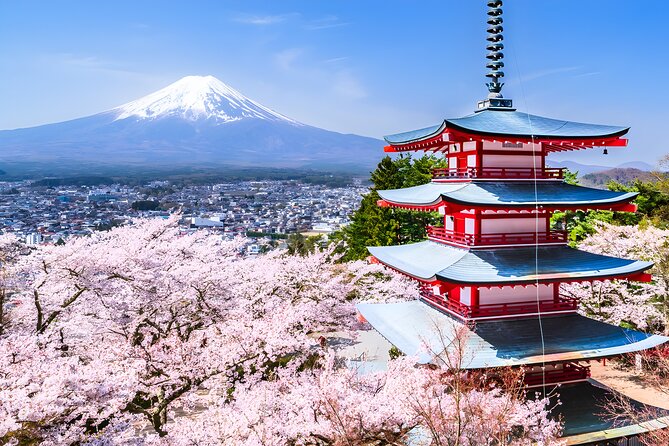
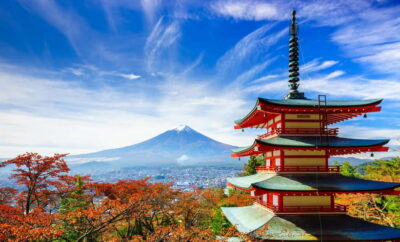
If there’s a single postcard image most people associate with Mt. Fuji, chances are it comes from a viewpoint like Arakura Fuji Sengen Shrine, where you can see the Chureito Pagoda with Mt. Fuji in the background.
You’ll spend about an hour here, and it’s a free stop. This is one of the places where clouds and haze can make or break the final photo—but even when Fuji is partly obscured, the shrine setting and pagoda composition still feel worth it.
Why this stop works on a private itinerary: you can slow down for photos, but you can also move on quickly if visibility is poor and you’d rather spend time where the light looks better.
Lake Kawaguchiko: the busiest gateway and a smart 30-minute break
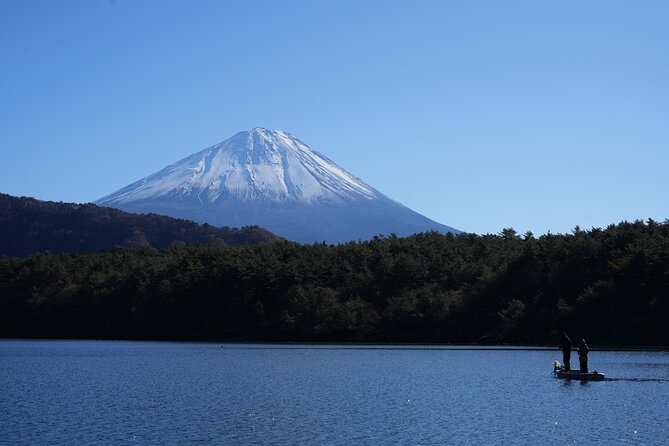
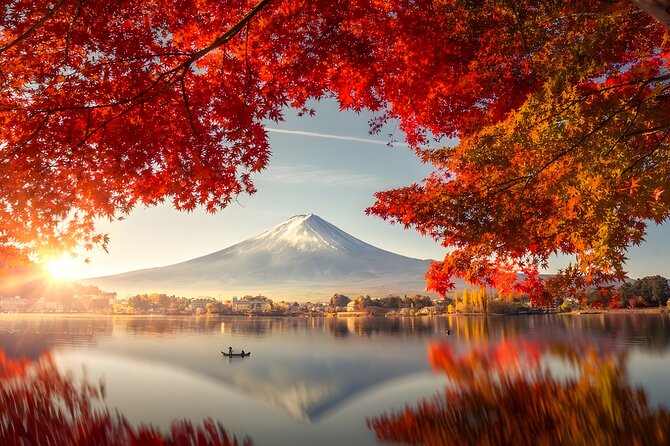
Lake Kawaguchiko is often the main gateway to the Fuji Five Lakes area, and it’s also the most visited. You’ll get about 30 minutes here, which is just enough to soak in the view and reset before the next viewpoint stop.
The good news is that the time is short, so you’re not stuck in traffic-lot energy for hours. The other good news is that it’s a free stop, so you can spend the entire time enjoying rather than paying admission.
If you’re trying to manage a day that includes both culture and views, this is a nice bridge. It keeps the day moving while still giving you that lakeside Fuji context.
Readers also shortlisted these Tokyo bookings:
- Tokyo 6hr Private Tour with Government-Licensed Guide★ 5.0 · 3,902 reviews
- Private Tour to Mt. Fuji and Hakone (Fully Licenced Operator)★ 5.0 · 1,910 reviews
- Tokyo Customized Private Tour (Must See Places in 1 Day)★ 5.0 · 1,499 reviews
- Mount Fuji Full-Day Private Tour from Tokyo (Customizable)★ 4.9 · 1,470 reviews
- Tokyo: Private City Highlights Tour with Local Guide★ 4.8 · 1,433 reviews
Mt. Fuji Panoramic Ropeway (Kachi-Kachi): a great option, but not included
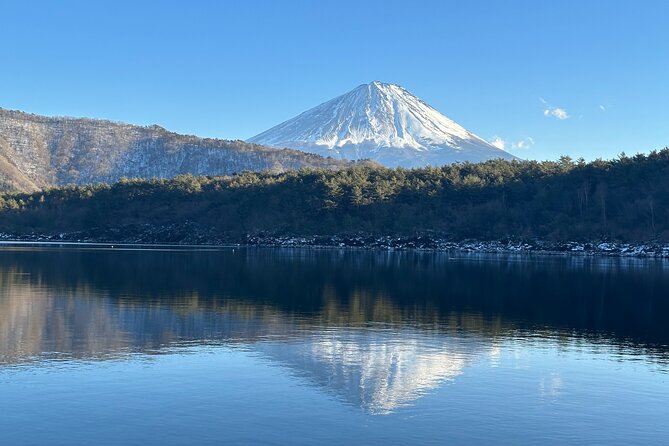
This is one of the places where I’d encourage you to plan in advance. The Mt. Fuji Panoramic Ropeway (also referred to as the Kachi-Kachi Ropeway) climbs roughly 400 meters and ends near an observation point by Mt. Fuji.
The catch: ropeway tickets are not included. You should expect an extra ¥1,000 per person for the ropeway itself. Your driver can still time this for you, but you’re responsible for that add-on.
For value: the ropeway can be a “high payoff per hour” activity because it changes your viewpoint quickly. If the weather is clear, it’s often an easy yes. If visibility is bad, you may prefer to spend that hour at another lake or shrine area instead.
Oishi Park: seasonal color and Fuji photo angles
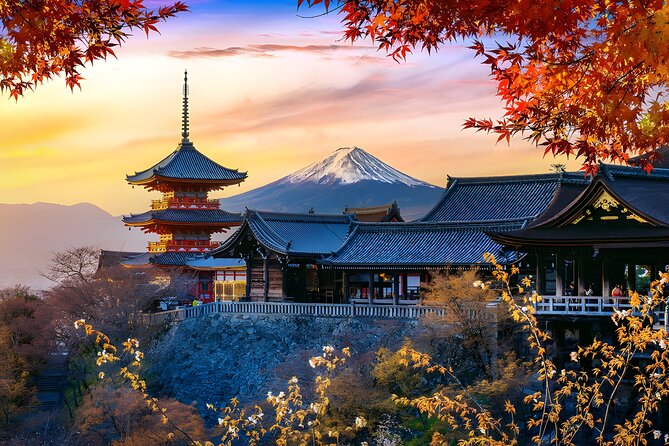
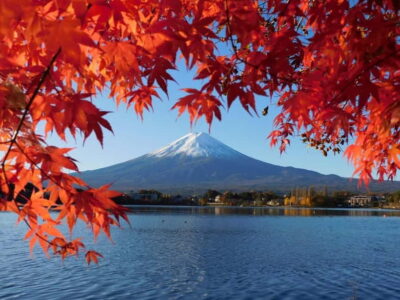
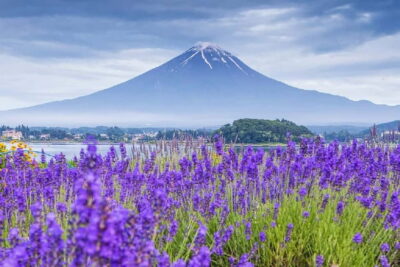
Oishi Park is on the north shore of Lake Kawaguchiko and is known for seasonal flowers. Depending on when you go, you might see lavender in summer or red kochia in autumn.
You get about 30 minutes, and admission is free. This is the kind of stop that works even if you’re not a super committed photographer. The park gives you a calmer setting than the immediate lake area, and seasonal planting adds instant visual interest.
Practical approach: if Mt. Fuji is visible, target the Fuji-facing photo angles first. If it’s not, spend your time enjoying the flowerbeds and quiet walkways rather than standing in the same spot waiting.
Saiko Iyashi no Sato Nenba on Lake Saiko: a slower, more traditional mood
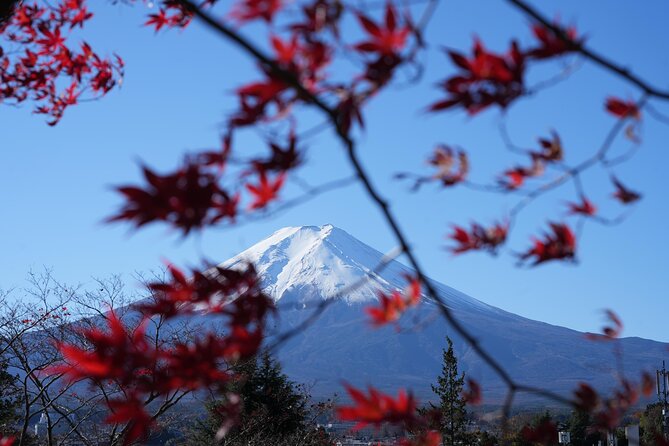
This stop shifts the vibe. Saiko Iyashi no Sato Nenba (Nenba Village) is a traditional thatched-roof village on the northwest shore of Lake Saiko.
You’ll have around 30 minutes. The admission is not included, so budget that ticket separately. The village was rebuilt after a 1966 typhoon, and it’s a good reminder that this region isn’t just scenery—it’s a living place with history tied to weather and rebuilding.
If your group includes kids or anyone who likes culture over strict sightseeing checklists, this one often plays well. It’s easy to understand, easy to walk through, and it breaks up the day between viewpoint stops.
Mt. Fuji 5th Station: the summit-side experience and the extra fee
The Mt. Fuji 5th Station is popular with climbers and tourists, around 2,300 meters above sea level. The area has shops and food, and the viewpoint feeling is different from the lakes because you’re higher up and closer to the mountain’s body.
This stop is about 1 hour, and it’s not included in the base package fee. The cost listed for the 5th Station is ¥2,100 per booking (as shown for the admission fee).
Season matters in how busy it gets, but you don’t need to know climate details to decide if it fits your group. If you want a taste of elevation and the “closer to Fuji” atmosphere, it’s worth it. If your priority is photogenic views from ground-level spots, you might choose to spend that hour elsewhere when weather is questionable.
Kitaguchi Hongu Fuji Sengen Jinja: volcano worship in a UNESCO setting
Kitaguchi Hongu Fuji Sengen Jinja Shrine is dedicated to the deity of volcanoes, especially Mount Fuji. It’s one of many Asama shrines in Japan, and it’s connected to the Mount Fuji UNESCO World Cultural Heritage Site.
You’ll spend about 1 hour, and admission is free. This stop gives you the cultural context that the lakes and waterfalls can’t explain on their own. It also adds variety: the day becomes more than a photo loop.
Quiet advice: if you like to learn by reading signs and small details, take your time here. This is the type of stop where slowing down makes the experience feel more meaningful, not just faster.
Lake Yamanaka: the higher one with room to breathe
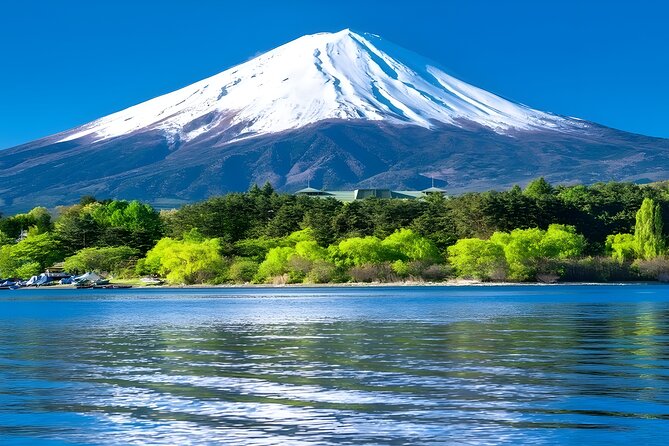
Lake Yamanakako (Lake Yamanaka) is the largest and highest of the Fuji Five Lakes, about 980 meters above sea level. You get about 30 minutes, and admission is free.
This is a good “final scenery” stop if you still have energy and want another angle on Mt. Fuji. Boating and cycling are mentioned for the area, and there are hot spring activities associated with the broader region.
Even when Fuji is partly obscured, the higher elevation feel and the open lake setting can still make the stop worthwhile. It’s also a good place to think about whether you want to keep chasing viewpoints or save time for shopping.
Gotemba Premium Outlets: practical shopping near Fuji
After all the outdoor stops, having an indoor option helps. Gotemba Premium Outlets is the big outlet mall near Mt. Fuji, with over 200 stores and tax-free shopping.
You’ll have about 1 hour, and it’s an admission-free stop. This works for families because kids and adults can split up briefly and regroup without stress. It also helps you solve the souvenir problem without hunting for gifts at random street shops.
If your group isn’t into shopping, this hour can also serve as a comfort break—restrooms, snacks, and a chance to cool down.
Price and what you get for $332.60 per group
The base price is $332.60 per group for up to 3 people, and that’s where this tour starts to make sense. A private car plus an English-speaking driver for a full day is expensive in many parts of the world, and Fuji day trips are long on driving time.
What’s included is practical: bottled water, an air-conditioned vehicle, the private English-speaking driver, and fuel/parking/toll fees. On top of that, you’re not paying extra for major free attractions like Oshino Hakkai, Chureito Pagoda area, Lake Kawaguchiko, Oishi Park, Kitaguchi Hongu Fuji Sengen Jinja, and Lake Yamanaka.
What you should budget separately:
- Mt. Fuji Panoramic/Kachi-Kachi Ropeway: ¥1,000 per person
- Mt. Fuji 5th Station: ¥2,100 per booking
- Optional pickup/drop-off at Haneda, Narita, or Yokohama: extra ¥10,000 per booking
So the value isn’t just the low number. It’s that you’re paying for the flexibility, the time, and the driver—then using the free stops as the backbone of your day.
Custom itinerary options: using the car to match your priorities
One reason private works well for Fuji is that the area has multiple “right ways” to enjoy it. Your plan is adjustable, and you can swap in other scenic spots you care about.
You might include places like Shiraito Falls or Fuji Safari Park, or other scenic areas based on preference. I like this flexibility because it lets you tailor the day to your group’s energy. Want more nature? Want more kids-friendly time? Want fewer driving segments? The schedule can shift.
Also, your driver provides insights mostly while you’re moving between locations. That means you’re not stuck listening through long lectures. It’s more like useful context that helps you understand what you’re seeing as you go.
Weather reality: how to handle low visibility and still have a great day
Mt. Fuji doesn’t always show up. In the worst weather, it can hide behind cloud layers or haze, and you’ll notice that your photos might not look like the internet.
So build your plan around the day, not just the final image. You can still enjoy spring ponds at Oshino Hakkai, cultural stops at Fuji shrines, and lakeside time that feels distinctly Fuji Five Lakes even when the peak isn’t crisp.
A smart approach: treat the viewpoint stops as your “try and adjust” moments. If the mountain is visible, go for your photos fast and then move on to the experience. If it’s not, use the time at free stops or shopping to keep your day enjoyable instead of frustrating.
Who should book this private Fuji day trip
This tour fits best if you want:
- A private car without the stress of train routes
- An English-speaking driver who makes the day smooth
- A compact day that still includes classic Fuji areas
- A group of up to 3 people, where private pricing feels reasonable
It also works well for families and small groups, since you can slow down or shorten stops depending on kids’ energy. If you travel solo, a group of two or three often makes the pricing work better than solo private rates for many other services.
Should you book this Mt. Fuji private day trip?
I’d book it if your main goal is a Fuji day that feels flexible and easy. The strongest reason is the combination of door-to-door pickup, an English-speaking driver, and a lineup of mostly free stops that cover the Fuji story in one day.
Skip or adjust expectations if you’re chasing only one photo. Mt. Fuji visibility is never guaranteed, and the day includes extra-ticket items like the ropeway and 5th Station that you should budget for up front.
If you want the best odds of satisfaction, plan to enjoy the culture and lake areas even if visibility is imperfect. That mindset turns a “maybe Fuji” day into a genuinely good day.
FAQ
Is this a private tour?
Yes. It’s a private experience, and only your group participates.
What’s the group size and pricing?
The price is $332.60 per group for up to 3 people.
How long is the Mt. Fuji day trip?
It’s about 10 hours, including pickup and drop-off.
Do I get pickup and drop-off at my Tokyo hotel?
Pickup and drop-off at any hotel in Tokyo is included. Pickup/drop-off at Haneda, Narita, or Yokohama costs an extra ¥10,000 per booking.
Does the driver speak English?
Yes. You’ll have a private English-speaking driver.
Are all entrance fees included?
No. Entrance fees are not included for Mt. Fuji 5th Station (¥2,100 per booking) and the Mt. Fuji Panoramic/Kachi-Kachi Ropeway (¥1,000 per person).
Is there a mobile ticket?
Yes. A mobile ticket is offered.
What’s the cancellation policy?
You can cancel for a full refund up to 24 hours in advance. If you cancel less than 24 hours before the experience start time, the amount paid is not refunded.
More Private in Tokyo
- Tokyo 6hr Private Tour with Government-Licensed Guide
★ 5.0 · 3,902 reviews - Private Tour to Mt. Fuji and Hakone (Fully Licenced Operator)
★ 5.0 · 1,910 reviews - Tokyo Customized Private Tour (Must See Places in 1 Day)
★ 5.0 · 1,499 reviews - Mount Fuji Full-Day Private Tour from Tokyo (Customizable)
★ 4.9 · 1,470 reviews - Tokyo: Private City Highlights Tour with Local Guide
★ 4.8 · 1,433 reviews
More Tour Reviews in Tokyo
- Mt Fuji and Hakone 1-Day Bus Tour Return by Bullet Train
★ 5.0 · 26,383 reviews - 1-Day Tokyo Bus Tour
★ 5.0 · 14,250 reviews - Tokyo: teamLab Planets TOKYO Digital Art Museum Entry Ticket
★ 4.6 · 9,779 reviews - Mt Fuji & Hakone Cruise, Drum Show Bullet Train 1 Day from Tokyo
★ 4.0 · 7,413 reviews - Tokyo: Shinjuku Food Tour (13 Dishes at 4 Local Eateries)
★ 5.0 · 6,603 reviews
More Mount Fuji Days We Have Reviewed
- Mt Fuji and Hakone 1-Day Bus Tour Return by Bullet Train
★ 5.0 · 26,383 reviews - Mt Fuji & Hakone Cruise, Drum Show Bullet Train 1 Day from Tokyo
★ 4.0 · 7,413 reviews - Tokyo Mt Fuji 5th St & Hakone Cruise Bus Tour w/Bullet Train
★ 4.4 · 5,024 reviews - From Tokyo: Mount Fuji Full-Day Sightseeing Trip
★ 4.5 · 4,970 reviews - Tokyo: Mt. Fuji Tour, Hakone Ropeway, Owakudani, Lake Ashi
★ 4.7 · 4,002 reviews
Latest Tokyo reviews off our desk

Mount Fuji Tours, compared.
 ★ 5.0Mt Fuji and Hakone 1-Day Bus Tour Return by Bullet TrainFrom $16326,383 reviews
 ★ 4.0Mt Fuji & Hakone Cruise, Drum Show Bullet Train 1 Day from TokyoFrom $1497,413 reviews
 ★ 4.4Tokyo Mt Fuji 5th St & Hakone Cruise Bus Tour w/Bullet TrainFrom $1545,024 reviews
 ★ 4.5From Tokyo: Mount Fuji Full-Day Sightseeing TripFrom $684,970 reviews
 ★ 4.7Mt. Fuji Tour, Hakone Ropeway, Owakudani, Lake AshiFrom $544,002 reviews
 ★ 4.4Mt.Fuji,Kawaguchiko Oishi Park,Arakurayama Sengen ParkFrom $542,682 reviews
 ★ 4.2Mt. Fuji 5th Station & Hakone Cruise 1-Day Bus TourFrom $1292,381 reviews
 ★ 4.7Mt Fuji Top 5 Spots Day Tour: Arakurayama Park,Oshino HakkaiFrom $532,066 reviews
Browse the lists this tour appears in