
Reviewed · FOOD & DRINK
Private Tokyo Food Tour – A Journey Through Time Through Food
Tokyo food can tell a story. This private tour strings together that story from the Edo period to the present, using food as the main character. You’ll move through three districts—Nihonbashi, Ginza (and Yurakucho), and Akihabara—while sampling 14 tastings that range from classic dashi flavors to modern fusion desserts.
What I like most is how the tour explains the why behind the taste. You start with the building blocks of Japanese cooking, like dashi made from kelp and katsuobushi, then you work your way forward into commute-time comfort food and finally the future-minded sweetness of Akihabara. The other big win is the feel of a real private experience: it’s just your party, with options like pickup from your Tokyo accommodations and a guide who can help you stay on track.
One thing to consider: you’ll pay for your own transportation during the tour. The plan calls for two short subway rides, so build in a bit of flexibility (and don’t plan on rushing your timing at the station stops).
In This Review
- Key Highlights Worth Booking For
- A Tokyo Food Timeline You Can Taste
- Price, What’s Included, and Where You’ll Spend Extra
- Nihonbashi: Dashi, Katsuobushi, and Snacks That Feel Like Traditions
- Fukutoku Shrine: Shrines vs Temples (and a Quick Reset)
- Ginza and Yurakucho: Eating Like Salarymen Under the Tracks
- Tokyo International Forum and the Walk to Tokyo Station: From Old to Modern City
- Kitte Marunouchi and Commute Home Bites: Tamagoyaki and Fruits Sando
- Akihabara: Fusion Desserts and Pokemon Taiyaki in the Future-Food Zone
- Guides, Pace, and the Private-Group Advantage
- Who This Tour Fits Best (and Who Might Skip It)
- Should You Book This Private Tokyo Food Tour?
- FAQ
- How long is the private Tokyo food tour?
- What does the tour cost per person?
- How many districts are visited, and which ones?
- What food and drinks are included?
- Is pickup offered?
- Are transportation costs included?
- Can I get a refund if I cancel?
- Where does the tour start and end?
Key Highlights Worth Booking For
- A private, just-your-party format across three Tokyo neighborhoods
- 14 tastings that cover traditional, industrial-era, and fusion food
- Dashi fundamentals with kelp and katsuobushi as the starter lesson
- Izakaya under the tracks style eats, tied to the salaryman era
- Tokyo Station commuter bites like tamagoyaki and fruits sando
- Akihabara “future” desserts including fusion takes like Pokemon taiyaki
A Tokyo Food Timeline You Can Taste
If you’ve ever wondered why Japanese food tastes the way it does, this tour gives you a map. Instead of treating dishes like random snacks, it builds a timeline: ingredients first, then social history, then what new tech and subcultures do to food creativity.
Nihonbashi sets the baseline. That area is tied to older Tokyo food culture, so the tour starts with the flavors that show up again and again. You’ll learn how dashi works as the base of many dishes, and you’ll focus on kelp and katsuobushi—the pairing that makes that “umami” taste so recognizable.
From there, the itinerary pivots from old-school foundations to how people ate as Tokyo modernized. The Ginza/Yurakucho stretch leans into the salaryman world: quick meals, small bars, and noodle stalls you’d grab before getting home. Then the day finishes in Akihabara, where the food theme flips to the next chapter—desserts that mix old flavors with a modern twist.
Readers also shortlisted these Tokyo bookings:
- Tokyo: Shinjuku Food Tour (13 Dishes at 4 Local Eateries)
★ 5.0 · 6,603 reviews - Tokyo Tsukiji Fish Market Food and Culture Walking Tour
★ 5.0 · 3,184 reviews - Tokyo: Shinjuku Food Tour (15 Dishes and 4 Eateries)
★ 4.9 · 2,033 reviews - Best of Shinjuku: Izakaya Food Tour (4 Stops, 14+ Tastings)
★ 5.0 · 1,863 reviews
Price, What’s Included, and Where You’ll Spend Extra
At $327.75 per person, this isn’t a budget snack crawl. It’s priced like a curated private experience, and the value comes from three places: time, concentration, and guidance.
You’re getting about 5 hours 30 minutes of guided pacing across multiple districts with 14 tastings. That’s a lot of food for one sitting, including both lunch items and smaller sampling bites. You’re also getting a guide who frames the food through history and ingredients, which helps you remember what you ate—and helps you order confidently when you’re on your own later.
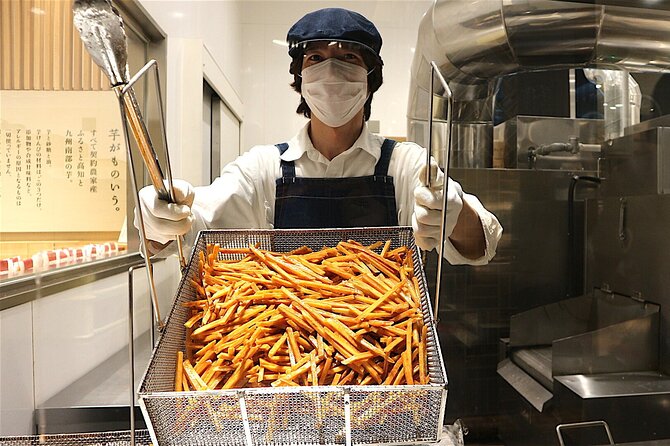
What’s included is clearly laid out. Snacks can include dashi, katsuobushi, kombu, satsuma-age, amazake, imo kenpi, daifuku or dorayaki, and also items like Pokemon taiyaki plus matcha bubble tea or ice cream. Lunch includes things like yakitori, tempura soba, tamagoyaki, and fruits sando. Alcohol is limited to lemon sour, so it’s not a long bar stop.
What’s not included: transportation. The tour uses two short subway rides, so if you’re staying far from the route, plan on paying for that and keep your day flexible at Tokyo Station and Akihabara (where trains can be busy).
Nihonbashi: Dashi, Katsuobushi, and Snacks That Feel Like Traditions
Your day kicks off in Nihonbashi, near the Nihonbashi 1-chome Mitsui Building meeting point. This is a great start if you want food context from the first minute, because the tour focuses on ingredients before it focuses on variety.
The dashi lesson is the core. You’ll look at why dashi matters, then zoom in on the two key flavor sources: katsuobushi (bonito flakes) and kelp. Even if you’ve heard these names before, this kind of guided grounding makes them easier to recognize when you taste them later.
Then you get the payoff: traditional snacks eaten for generations. Expect items like:
- Satsuma-age (fried fish cake)
- Amazake (a fermented rice drink)
- Imo kenpi (sweet potato chips)
- Daifuku (glutinous rice mochi with sweet filling)
A nice detail: many of the shops are described as over 100 years old, with several dating back to the Edo period itself. That matters because it turns tasting into something closer to cultural continuity. You’re not just eating; you’re stepping into places that have served similar flavors across eras.
Potential drawback at this stop: if you’re sensitive to fish-based flavors, start slow. Dashi foundations can lead you into stronger umami tastes early.
Fukutoku Shrine: Shrines vs Temples (and a Quick Reset)
After Nihonbashi, the tour moves briefly to Fukutoku Shrine for a short stop. This isn’t a long temple tour, but it’s a smart way to break up food intensity and give you cultural context.
You’ll learn the differences between shrines and temples, plus what it means to cleanse your spirit and pray at a shrine. Even if you’re not religious, I like how this part gives your brain a minute off the food-and-walk loop—then you’re ready for the bustle of the next district.
It’s also short—about 10 minutes—so it won’t derail your schedule.
Ginza and Yurakucho: Eating Like Salarymen Under the Tracks
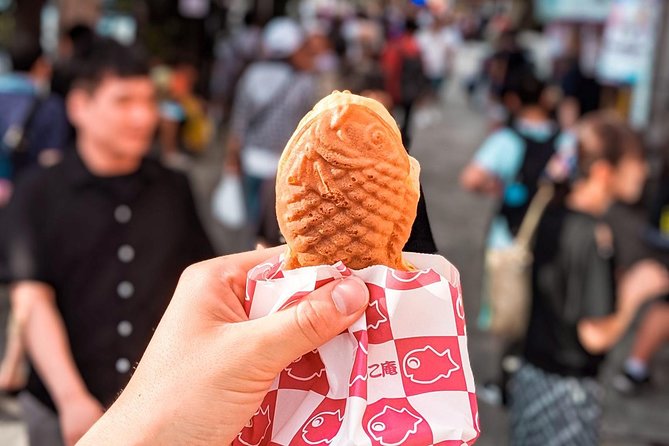
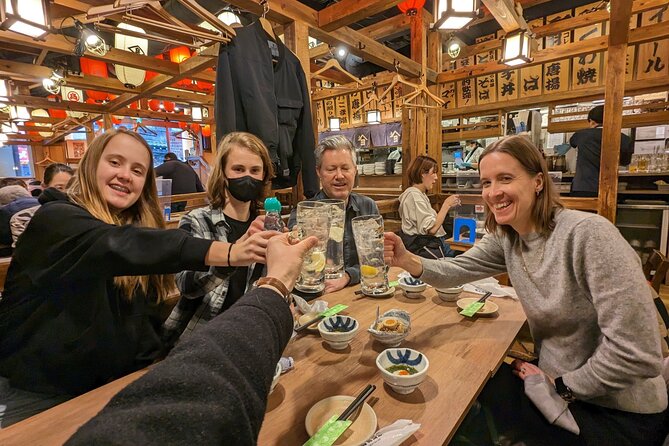
This is where the tour shifts from ingredients to everyday Tokyo life. In the Ginza / Yurakucho area, the vibe is explained through industrialization after the war: with salarymen came a culture of quick meals and small drinking spots built for people before commuting home.
The tour describes gado shita—small bars and restaurants under the railway tracks—and that sets expectations. This isn’t fine-dining formality. It’s warm, practical food designed for speed and comfort.
Your tastings here include classic, straightforward favorites:
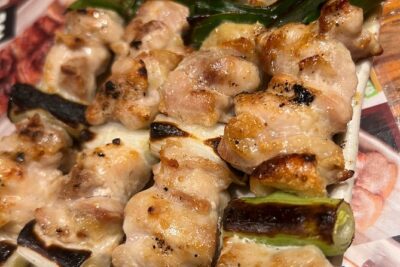
- Yakitori (grilled meat skewers)
- A lemon sour (one of the drink highlights)
- Tempura soba or curry udon (noodle soups you can eat like a meal)
This stop lasts roughly 1 hour 10 minutes, and it’s a good chunk of the tour. If you’re the type who wants your food tour to feel like a real night out, this section usually hits the mark because it’s built around everyday habits rather than only tourist-friendly hits.
One consideration: you’ll want to pace yourself between tastings and your drink. Lemon sour is included, but it can add up if you’re also eating rich items like fried fish cake earlier in the day.
Readers also shortlisted these Tokyo bookings:
- Tokyo: Tsukiji Fish Market Food and Walking tour★ 5.0 · 1,724 reviews
- Tokyo Night Foodie Tour in Shinjuku – Seasonal Sushi, Wagyu Beef★ 5.0 · 1,161 reviews
- Eat and Drink Like a Local: Tokyo Ueno Food Tour-Taverns&Ramen★ 5.0 · 957 reviews
- Tokyo: Shibuya Food Tour (13 dishes and 4 Eateries)★ 5.0 · 770 reviews
- Tokyo: Tsukiji Fish Market Food and Culture Walking Tour★ 4.7 · 757 reviews
Tokyo International Forum and the Walk to Tokyo Station: From Old to Modern City
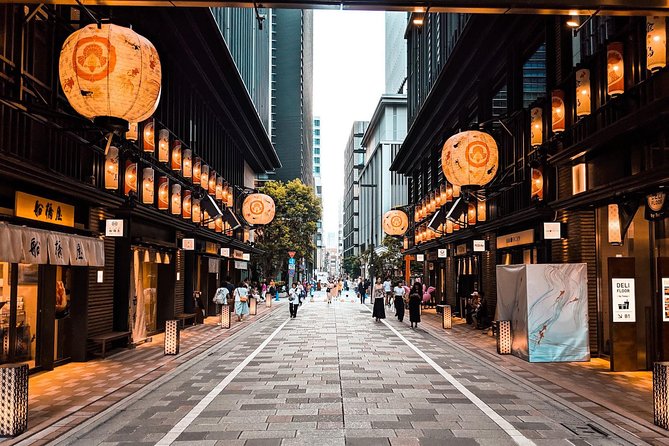
After the trackside meals, you’ll stroll toward Tokyo Station, with a stop along the way at the Tokyo International Forum building. This part isn’t about food samples—it’s about setting the scene.
I think it works because it helps you connect the taste timeline to the physical city timeline. Tokyo Station is a major hub, and the tour uses that shift in scenery to keep the experience moving forward: past ingredients, present-day habits, and soon a more commute-focused set of eats.
The stop is short—about 15 minutes—but it gives you a visual break before you move into the food-heavy endgame.
Kitte Marunouchi and Commute Home Bites: Tamagoyaki and Fruits Sando
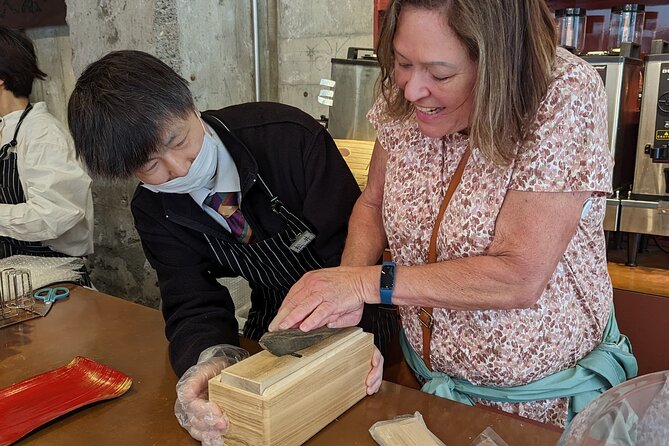
Next comes Kitte Marunouchi (Kitte Building) for another quick reset stop, about 10 minutes. Then you hit the Tokyo Station area for the most “I get this at the station before I head home” style tasting.
Here, you’ll try:
- Tamagoyaki (Japanese omelette)
- Fruits sando (milk bread sandwich with fresh fruit and whipped cream)
The tour places this around Tokyo Station Marunouchi Ekimae Hiroba, and then again at Daimaru Tokyo. The key point is consistency: it’s targeting that commuter snack logic. These are foods that fit into real schedules. You can picture buying them in a hurry and eating them on the move.
Why I think this is valuable: tamagoyaki and fruits sando are easy to misjudge if you only think of them as cute or simple. Guided tasting helps you notice texture and sweetness balance—especially with fruits sando, where the bread and cream-to-fruit ratio is the whole game.
Potential drawback: if you don’t like sweets, fruits sando can feel like a lot. The tour includes it as part of the station-focused portion, so plan accordingly.
Akihabara: Fusion Desserts and Pokemon Taiyaki in the Future-Food Zone
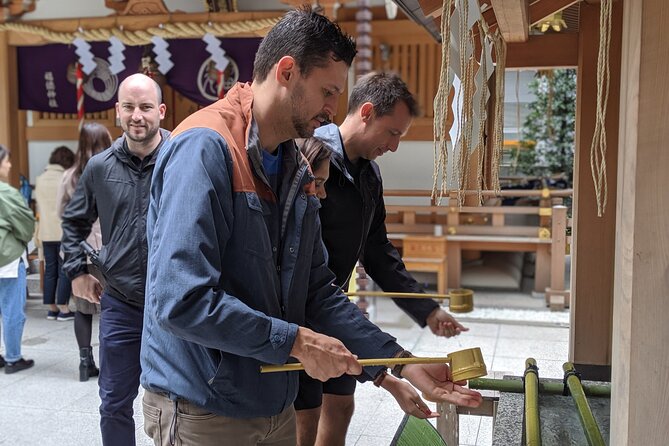
The final destination is Akihabara, which the tour treats like more than an electronics district. It frames Akihabara as a place where technology, ideas, and subcultures influence what people eat.
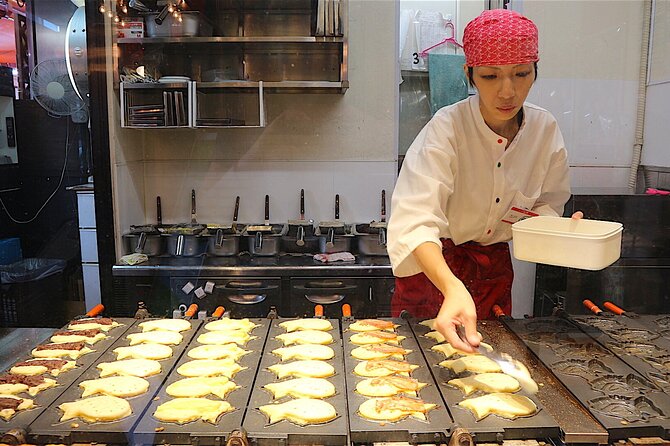
You’ll spend about 45 minutes here, focusing on the tour’s “future” theme. Expect desserts that combine traditional flavors with modern fusion twists. From the included items list, you’ll also see things like Pokemon taiyaki, plus matcha bubble tea or ice cream.
This is a fun ending for a food tour because it’s where Japanese food creativity gets loud. Even if you’ve never been into anime or tech culture, Akihabara’s food style is still worth paying attention to: it shows how flavors get repackaged for new audiences.
One consideration: the area can be crowded. If you want calm pacing, keep your expectations realistic during the Akihabara portion and don’t wait until the last minute to ask your guide what to try next.
Guides, Pace, and the Private-Group Advantage
Because this is a private tour, your experience hinges on your guide and how your group wants to move. The reviews you provided consistently praise guides by name—Yasu, Keiko, Paiva, Miko, and Rohan—for being engaging, funny, and helpful with practical stuff like navigating trains.
That last point matters more than people think. Tokyo is walkable, but station navigation can eat time. When your guide helps you stay oriented, it turns the day from a “route problem” into a “food day.”
The tour also includes pickup offered, and the meeting points are clearly set at the start and end:
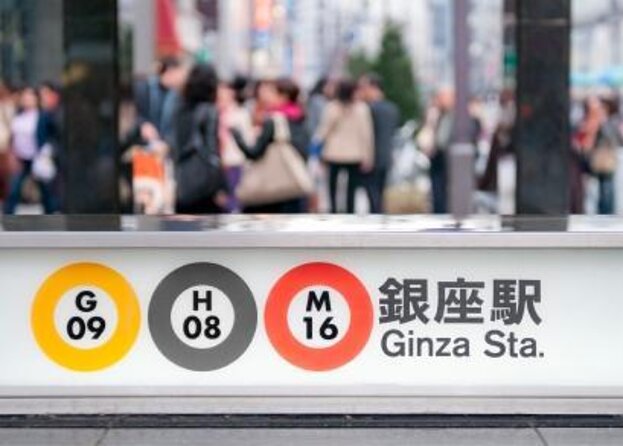
- Start: Nihonbashi 1-chome Mitsui Building
- End: Akihabara Station (1-chome Sotokanda)
You’ll also get a mobile ticket, and the tour mentions group discounts.
If you’re traveling with kids, this kind of structured food tasting can be a win because you’re not asking them to sit through long explanations. One of the reviews noted the tour worked well for kids around jet lag day—mostly because it’s active and food-led.
Who This Tour Fits Best (and Who Might Skip It)
This tour is ideal if you want:
- A food plan with structure, not random wandering
- A mix of traditional ingredients and modern city food
- A private guide who can adjust the pace to your party
- A route that covers Nihonbashi → Ginza/Yurakucho → Tokyo Station → Akihabara without you doing the heavy lifting
You might consider a different option if:
- You hate seafood-based umami flavors early (dashi-based items come up fast)
- You don’t want any alcohol and prefer an entirely alcohol-free itinerary (lemon sour is included)
- You’re trying to keep costs ultra-low, since $327.75 per person is premium
Should You Book This Private Tokyo Food Tour?
I’d book it if you’re the type who wants your first Tokyo food day to do real work for you. The ingredients lesson (dashi, kelp, katsuobushi), the lived-in salaryman vibe under the tracks, and the Akihabara fusion finale create a tasting arc that’s easy to remember.
I’d also book it if you value a guide who can make Tokyo feel less confusing. The praise for guides like Yasu, Keiko, Paiva, Miko, and Rohan isn’t just about friendliness—it’s about navigation and making sure the day flows.
Skip it if you’re only chasing a quick list of street snacks. This tour is more thoughtful than that, and it spends time on context as well as eating. If you want that balance, you’ll likely have a great day.
FAQ
How long is the private Tokyo food tour?
It runs for about 5 hours 30 minutes.
What does the tour cost per person?
The price is $327.75 per person.
How many districts are visited, and which ones?
The tour visits three districts: Nihonbashi, Ginza (including Yurakucho), and Akihabara.
What food and drinks are included?
You can expect 14 tastings, plus lunch items like yakitori, tempura soba, tamagoyaki, and fruits sando. Lemon sour is included as the alcoholic beverage option.
Is pickup offered?
Yes, pickup is offered, and the tour also mentions you’ll be picked up in a hassle-free way from your Tokyo accommodation.
Are transportation costs included?
No. Transport is not included, and the tour uses two short subway rides that you pay for yourself.
Can I get a refund if I cancel?
The provided policy information shows time-based refund rules (full refund if cancel more than one week in advance; 50% refund between 7 and 2 days; no refunds within 48 hours). It also states the experience provider notes it is non-refundable and cannot be changed for any reason. If you’re close to your travel dates, double-check the exact terms when you book.
Where does the tour start and end?
It starts at Nihonbashi 1-chome Mitsui Building and ends at Akihabara Station (1-chome Sotokanda).
More Food & Drink in Tokyo
- Tokyo: Shinjuku Food Tour (13 Dishes at 4 Local Eateries)
★ 5.0 · 6,603 reviews - Tokyo Tsukiji Fish Market Food and Culture Walking Tour
★ 5.0 · 3,184 reviews - Tokyo: Shinjuku Food Tour (15 Dishes and 4 Eateries)
★ 4.9 · 2,033 reviews - Best of Shinjuku: Izakaya Food Tour (4 Stops, 14+ Tastings)
★ 5.0 · 1,863 reviews - Tokyo: Tsukiji Fish Market Food and Walking tour
★ 5.0 · 1,724 reviews
More Tours in Tokyo
- Mt Fuji and Hakone 1-Day Bus Tour Return by Bullet Train
★ 5.0 · 26,383 reviews - 1-Day Tokyo Bus Tour
★ 5.0 · 14,250 reviews - Tokyo: Shinjuku Food Tour (13 Dishes at 4 Local Eateries)
★ 5.0 · 6,603 reviews - Tokyo Mt Fuji 5th St & Hakone Cruise Bus Tour w/Bullet Train
★ 4.4 · 5,024 reviews - Flagship 2-Hours Official Street Go-Kart Tour – Tokyo Bay Shop
★ 5.0 · 4,974 reviews
More Tour Reviews in Tokyo
- Mt Fuji and Hakone 1-Day Bus Tour Return by Bullet Train
★ 5.0 · 26,383 reviews - 1-Day Tokyo Bus Tour
★ 5.0 · 14,250 reviews - Tokyo: teamLab Planets TOKYO Digital Art Museum Entry Ticket
★ 4.6 · 9,779 reviews - Mt Fuji & Hakone Cruise, Drum Show Bullet Train 1 Day from Tokyo
★ 4.0 · 7,413 reviews - Tokyo: Shinjuku Food Tour (13 Dishes at 4 Local Eateries)
★ 5.0 · 6,603 reviews
Latest Tokyo reviews off our desk






Food & Drink, compared.
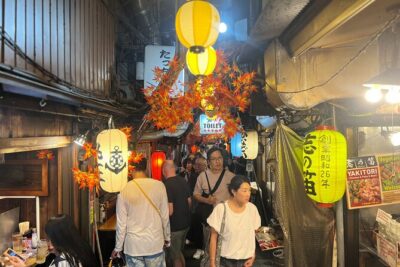 ★ 5.0Shinjuku Food Tour (13 Dishes at 4 Local Eateries)From $866,603 reviews
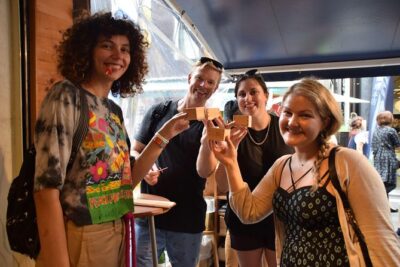 ★ 5.0Tokyo Tsukiji Fish Market Food and Culture Walking TourFrom $993,184 reviews
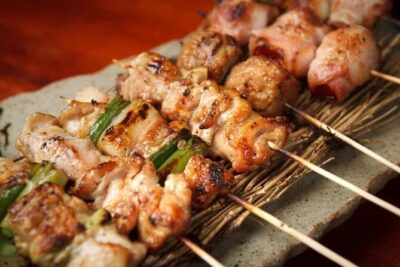 ★ 4.9Shinjuku Food Tour (15 Dishes and 4 Eateries)From $852,033 reviews
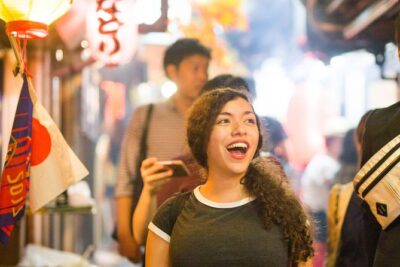 ★ 5.0Best of Shinjuku: Izakaya Food Tour (4 Stops, 14+ Tastings)From $921,863 reviews
 ★ 5.0Tsukiji Fish Market Food and Walking tourFrom $301,724 reviews
 ★ 5.0Eat and Drink Like a Local: Tokyo Ueno Food Tour-Taverns&RamenFrom $95957 reviews
 ★ 5.0Shibuya Food Tour (13 dishes and 4 Eateries)From $77770 reviews
★ 4.7Tsukiji Fish Market Food and Culture Walking TourFrom $96757 reviews
★ 5.0Shibuya Food Tour (13 dishes and 4 Eateries)From $77770 reviews
★ 4.7Tsukiji Fish Market Food and Culture Walking TourFrom $96757 reviews
Browse the lists this tour appears in