Reviewed · TOKYO
Ramen,Gyoza,Udon,Tempura-Making experience in Japanese home
Cooking in a home beats any studio class. I love the private setup and the way Mana teaches day-to-day Japanese flavors, not restaurant shortcuts. The biggest thing to consider is advance notice: you’ll need to message dietary requests early, since last-minute changes can’t be guaranteed.
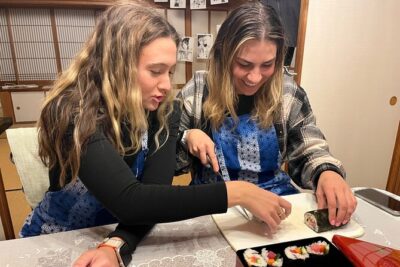
I like that you’re not just watching a screen. You’re in a real Japanese home near Totsuka Station, meeting Mana and then cooking together at her pace, followed by a relaxed meal.
This is also great if you want practical skills you can reuse. The menu is simple enough for beginners, but it’s still hands-on, so bring curiosity more than kitchen confidence.
In This Review
- Key highlights at a glance
- Yokohama home cooking with Mana: what you’re really buying
- Choosing your set: udon and tempura vs gyoza and sushi vs soy ramen
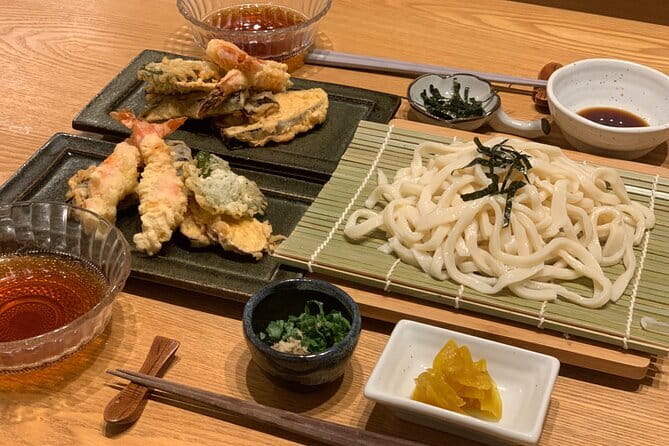
- Udon and tempura set
- Gyoza and maki-sushi set
- Soy source ramen and gyoza set
- Meeting near Totsuka: easy logistics, low stress start
- In the kitchen with Mana: what the 1h45min actually feels like
- The relaxed home vibe that makes a difference
- Dietary needs, allergy safety, and food dislikes: tell Mana early
- Lunch is part of the lesson, not an afterthought
- Price and timing: whether it’s worth $64.16
- Who this is best for (and who should look elsewhere)
- Tips to get the most out of your class
- FAQ
- FAQ
- Where does the class start in Yokohama?
- How long is the cooking experience?
- Is this experience private?
- What menu options can I choose?
- Is the ramen made from scratch?
- Can the class accommodate halal, vegan, or vegetarian diets?
- What if I have allergies or food dislikes?
- How do I get my ticket?
- Is transportation included?
- What’s the cancellation policy?
- Should you book Mana Home Made Cooking in Japan?
Key highlights at a glance
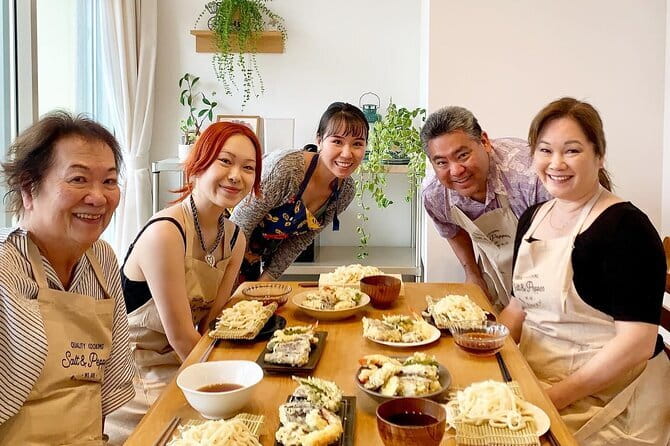
- Private lesson in a Japanese home with Mana, a licensed cook who cooks for her family daily
- Three set menus to choose from: udon + tempura, gyoza + maki-sushi, or soy source ramen + gyoza
- Ramen noodle shortcut: noodles are premade, so your time goes to the parts you actually learn
- You’ll eat what you make, as lunch, at home after cooking
- Diet-friendly options (halal/vegan/veg) if you message ahead for ingredients and preferences
- Easy start near Totsuka, with Mana picking you up from a nearby McDonald’s meeting point
Yokohama home cooking with Mana: what you’re really buying
At $64.16 per person for about 2 hours, this class isn’t priced like a big production. You’re paying for something more personal: a private cooking session inside a real home, with a local host who can explain choices and techniques in a way that actually helps you later.
The value shows up in three ways. First, the lesson is centered on Japanese home cooking rather than “tourist-friendly restaurant versions.” Second, it’s private, so you’re not squeezed between other groups while you try to understand what you’re doing. Third, the experience ends with the meal you helped make, so the skills connect directly to taste.
One practical note: the food menu is structured into set options, and you’ll need to tell Mana what you can eat ahead of time. If you have allergies or food dislikes, plan to communicate early—because ingredient swaps aren’t something you can rely on if you wait until the day before.
Readers booked these Yokohama options in the same breath. Here is how each one scored:
- EVO, WRX, Skyline – JDM Night Run to Daikoku Car Meet
★ 4.9 · 478 reviews - Tokyo: Best Price Daikoku Parking Area JDM Car Meet
★ 4.9 · 192 reviews - Daikoku & Tokyo Private JDM Tour by 700HP R34 GT-R
★ 4.9 · 101 reviews - Tokyo 8hr Private Tour with Licensed Guide from Yokohama
★ 5.0 · 94 reviews
Choosing your set: udon and tempura vs gyoza and sushi vs soy ramen
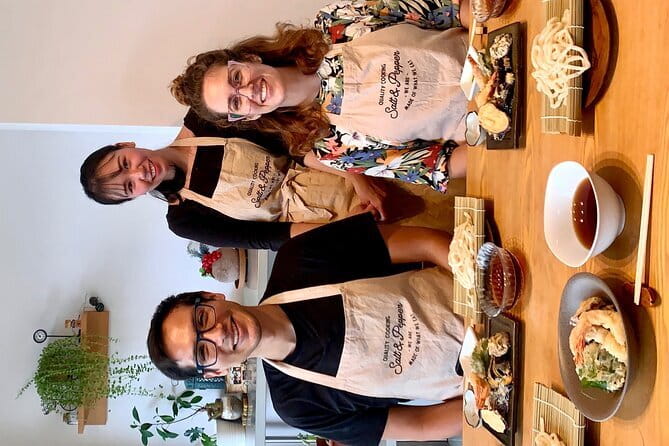
You’ll pick one of three menu sets. Each one is designed so you learn core Japanese techniques without the class dragging on too long.
Udon and tempura set
This option is a good match if you like comfort food plus a crisp, fry-focused skill. You’ll spend your cooking time on udon and tempura together, which usually means balancing texture (udon) with tempura technique (keeping the batter light and the frying controlled).
If you’ve ever wondered why tempura at home can go from good to soggy fast, this kind of focused lesson is exactly the setting where you’ll pick up the small timing and heat-management points.
Gyoza and maki-sushi set
This one is a fan favorite for people who want variety. You get dumpling work (with gyoza) and rolling or assembling sushi (maki-sushi).
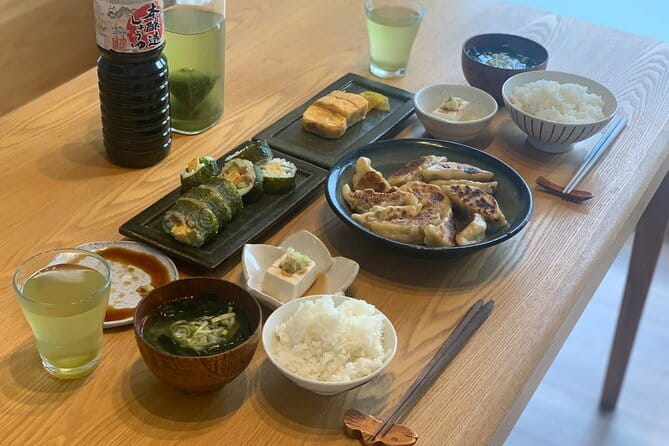
A past participant noted the sushi set can include miso soup with traditional ingredients and rolls like California rolls, plus a few small sushi pieces. That’s the kind of detail that matters: you’re not just making one item. You’re making a little Japanese meal spread.
Soy source ramen and gyoza set
This set is built around flavor and assembly rather than making noodles from scratch. The ramen noodles are premade, which is a smart use of class time. It means you can focus on the parts that teach you how ramen comes together—then pair it with gyoza, which adds the satisfying, handheld component.
If you want ramen, but you also want to leave with workable steps (not an all-day noodle project), this is the set to choose.
- 【Tokyo】JDM Daikoku Parking Area & Nissan Facility Tour★ 5.0 · 87 reviews
- R34Skyline Daikoku PA Fast & Furious Private Experience★ 5.0 · 63 reviews
- Shuttle Van Transfer, Yokohama(Port)⇒Tokyo, Narita, Haneda, TDR★ 5.0 · 63 reviews
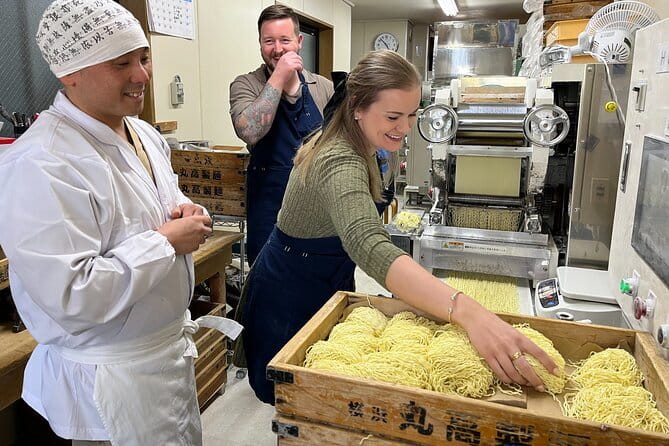
- Yokohama Ramen Adventure From a Local Noodle Factory to Home★ 5.0 · 60 reviews
- Kamakura 6hr Private Walking Tour with Government-Licensed Guide★ 5.0 · 42 reviews
Meeting near Totsuka: easy logistics, low stress start
The class starts near Totsuka Station, and Mana meets you at a nearby McDonald’s area so you can regroup fast before heading to the home. The ride to the house is short—about a five-minute transfer—so you spend your time cooking, not commuting.
The posted meeting marker also points to Totsukachō, near Pizza-La. Practically, this means you should look for the exact meeting point instructions in your confirmation and get there a few minutes early. In Japan, a five-minute delay can become a twenty-minute scavenger hunt if you’re unsure where everyone is gathering.
You’ll also get a mobile ticket, so you can keep everything simple on your phone.
In the kitchen with Mana: what the 1h45min actually feels like
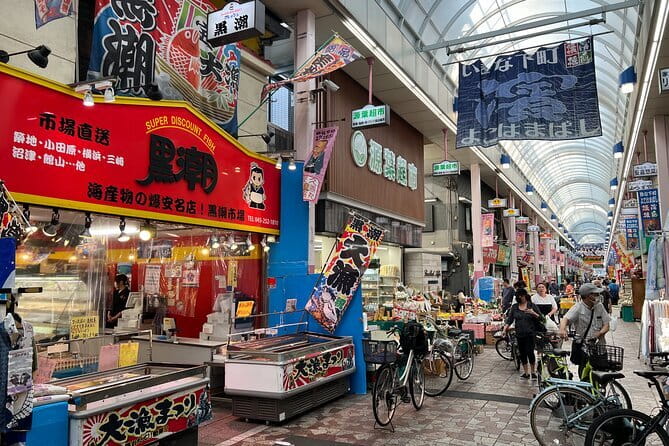
The flow is straightforward:
- meet and head to the home
- a quick explanation of the class
- 1 hour 45 minutes of cooking
- 15 to 30 minutes eating
That cooking window is where the experience earns its price. Since it’s private, you can ask questions without feeling like you’re slowing down a classroom. Mana’s teaching style is hands-on and home-based, and she has a cooking license in Japan. She also cooks for her family daily, so you’re learning the same kind of methods she uses for real meals.
In other words, this isn’t a “look, then leave” class. It’s “make, adjust, taste, learn.”
The relaxed home vibe that makes a difference
From what’s been described, the tone is calm and casual. In a home, that matters. It lowers the intimidation factor, which means you’re more likely to try the technique rather than freezing up with every step.
Mana is also noted for speaking very good English, which helps if you don’t know Japanese cooking terms. Even basic clarification—like what you should see when something is mixed enough—saves time and prevents frustration.
Dietary needs, allergy safety, and food dislikes: tell Mana early
This is where you should be smart and proactive.
The class can accommodate halal/vegan/veg, and ingredient preferences for dislikes are supported, but you must message Mana through the booking messages feature after you reserve. The key detail is that changes can’t be made unless you notify her, and she can’t respond on the day.
If you have allergies, don’t assume it’s handled automatically. Send your notes early so Mana can plan ingredients and the menu correctly before you arrive. This isn’t about being picky; it’s about food safety and making sure you can enjoy the meal you worked on.
Lunch is part of the lesson, not an afterthought

You eat what you made together. That’s not just a nice perk—it’s how you learn.
When you taste your own udon, tempura, gyoza, ramen, or sushi in the same session, you connect technique to outcome. You also see how Japanese meals are structured at home: the balance of flavors, how dipping sauces are used, and how everything fits together without needing heavy seasoning gimmicks.
It’s also a good time to ask a few final questions while the food is fresh. If you want to recreate anything later, this is when it clicks.
Price and timing: whether it’s worth $64.16
Let’s put the price into perspective.
For $64.16 per person, you’re getting:
- a private lesson in a home
- about 2 hours total
- lunch included
- a local Japanese instructor with a cooking license
- one chosen set menu (not a buffet of random bites)
It’s not “cheap,” but it also isn’t inflated like some cooking experiences built around a crowd. For many people, the real cost-saver here is that the class includes the meal, so you don’t need to add a restaurant stop.
Timing-wise, it’s also efficient. You’re not giving up half a day. Book ahead if you can; on average, this gets reserved about 64 days in advance, which tells you it’s popular enough to plan.
Who this is best for (and who should look elsewhere)
This experience is ideal if you want:
- a private, relaxed cooking class in Yokohama
- real home cooking guided by a local with strong English
- a menu you can choose based on your tastes
- a chance to bring home techniques you can repeat later
It’s also a strong fit for couples or small groups who don’t want to feel rushed or lost in a larger class.
You might consider a different style of class if:
- you need last-minute dietary changes on the day
- you want a very rigid, step-by-step recipe handout with no flexibility
- you’re looking for a long, deep technical workshop rather than a compact, meal-focused lesson
Tips to get the most out of your class
A few small things will help everything run smoother.
First, message Mana early with your dietary needs, allergy info, and food dislikes. Even if the menu includes your preference, advance planning is what makes your meal possible.
Second, decide your set option based on what you actually want to eat after cooking. If you love crisp textures, the tempura option makes sense. If you want variety and a handheld meal, go with the gyoza + sushi set. If ramen is your goal, remember the noodles are premade, so you’re focusing on the parts that build flavor.
Third, show up hungry but not frantic. You’ll cook for about 1h45min and then eat right after, so pacing matters.
FAQ
FAQ
Where does the class start in Yokohama?
You meet near Totsuka Station at a McDonald’s area, and Mana picks you up and takes you to her home.
How long is the cooking experience?
It runs about 2 hours total, with roughly 1 hour 45 minutes of cooking and 15 to 30 minutes for eating.
Is this experience private?
Yes. It’s a private tour or activity, so only your group participates.
What menu options can I choose?
You choose one set: udon and tempura, gyoza and maki-sushi, or soy source ramen and gyoza.
Is the ramen made from scratch?
No. The ramen noodles are premade for the soy source ramen set.
Can the class accommodate halal, vegan, or vegetarian diets?
It can. You need to message the instructor with your dietary needs so the right ingredients are prepared.
What if I have allergies or food dislikes?
You should contact the instructor with your allergy and dislike information before the class so ingredients can be arranged.
How do I get my ticket?
You receive a mobile ticket.
Is transportation included?
Private transportation is not included.
What’s the cancellation policy?
You can cancel for a full refund if you cancel at least 24 hours before the experience’s start time.
Should you book Mana Home Made Cooking in Japan?
Yes, if you want a low-pressure, private cooking session in Yokohama that feels like you’re stepping into a neighbor’s kitchen. The best reasons to book are the home setting, Mana’s teaching (including strong English), and the fact that you eat what you make right after.
Book it with confidence if you’re ready to plan dietary needs ahead of time. If you need changes at the last minute, that’s the one area where you should expect limitations. Plan early, pick the set that matches what you actually crave, and you’ll walk away with Japanese flavors you can recreate at home.
More Tour Reviews in Yokohama
- EVO, WRX, Skyline – JDM Night Run to Daikoku Car Meet
★ 4.9 · 478 reviews - Tokyo: Best Price Daikoku Parking Area JDM Car Meet
★ 4.9 · 192 reviews - Daikoku & Tokyo Private JDM Tour by 700HP R34 GT-R
★ 4.9 · 101 reviews - Tokyo 8hr Private Tour with Licensed Guide from Yokohama
★ 5.0 · 94 reviews - 【Tokyo】JDM Daikoku Parking Area & Nissan Facility Tour
★ 5.0 · 87 reviews