
Reviewed · KAMAKURA DAY TRIPS
Kamakura 6hr Private Walking Tour with Government-Licensed Guide
Six hours can feel like a full day.
Kamakura’s temples and shrines sit close together, and with a government-licensed local English guide you can move through it with confidence. I like that the tour is private and customizable, so you choose 3 to 4 stops from the area highlights, and the guide adjusts the pace to your group. I also love the practical angle: it’s a walking/public transport tour, so you learn how to use the train and bus system instead of getting stuck staring at maps.
The best part is how the day becomes simple: you meet your guide in the Kamakura/Yokohama area and then stitch together the sights around real transit time. Guides like Shinji have helped people who felt uneasy with public transportation, and others like Sam have met groups at major Yokohama ports and guided them onward step-by-step. One thing to consider: this is still a walking tour, and some temples are on hills, so comfy shoes matter more than perfect outfits.
If you like Kamakura for its mix of Buddhist temples, Shinto shrines, and sea views, this tour format makes it easier to see the highlights without the usual logistical stress. The stops range from Tsurugaoka Hachimangu and the Great Buddha at Kotoku-in to Zen temples with bamboo groves and hydrangea seasons (when in bloom). A possible drawback is that admission costs can be extra depending on which of your 3–4 chosen sights you pick, so your final spend depends on your selections.
In This Review
- Key reasons this Kamakura private walk works
- A Private 6-Hour Loop Through Kamakura Temples and Sea Views
- Picking Your 3 to 4 Sights: The Menu and What Each Stop Feels Like
- Tsurugaoka Hachimangu Shrine: Start with Kamakura’s big Shinto energy
- Kotoku-in and the Great Buddha: The icon you came for
- Hasedera Temple: Ocean views and the Kannon statue
- Hokoku-ji Temple: Bamboo grove calm in a small footprint
- Enoshima Island: A coastal add-on that feels different
- Engaku-ji and Kencho-ji: Zen temples with serious roots
- Zeniarai Benten Shrine: Wash your money, feel the symbolism
- Meigetsuin (Hydrangea Temple): Flowers as a reason to slow down
- Ankokuronji, Jomyo-ji, Zuisen-ji, Myohonji, Jochiji, Tokeiji, Jufukuji: Hill temples for more variety
- Eishoji Temple: The only surviving nunnery nearby
- Why a Licensed Guide Makes Public Transport Feel Easy
- Walking Pace, Weather, and How to Avoid Tired-Knees Regret
- Food and Shopping Time in Komachi Street and Beyond
- Price and Value: Is $155.22 Worth It Here?
- Should You Book This Kamakura Private Walking Tour?
- FAQ
- How many sights will I see during the 6-hour tour?
- Is this tour private or shared with other groups?
- Are entrance fees included in the price?
- Is transportation included?
- Do I get a pickup?
- How long does the tour last?
- What language is the guide?
- Can I change which temples I visit?
- Is free cancellation available?
- Is the tour suitable for people with mobility limits?
Key reasons this Kamakura private walk works
- Government-licensed, English-speaking guide: the explanations make the sites click, fast.
- Choose 3 to 4 sights: you get depth instead of a hurried hit list.
- Walking plus public transport: transit time is included, and you learn the routes.
- Icons plus quieter Zen options: from the Great Buddha to bamboo and hydrangea temple grounds.
- Real-world pacing: multiple guides have tailored steps to older visitors and mobility needs.
A Private 6-Hour Loop Through Kamakura Temples and Sea Views
Kamakura is compact enough to explore on foot, but it’s spread across hills, temple paths, and coastal detours. That’s why this private 6-hour format is such a smart fit: you get a plan that includes travel time, not just time standing in front of a gate.
The classic Kamakura experience hits several moods in one day. You can start at a major shrine, switch to Buddhist icons, then end up in calmer Zen temple settings where the grounds feel like a slow exhale. In the info for the area, Hasedera is known for an ocean view from the highest point of the temple, and the area-famous idea of writing a wish on an oyster shell. If you choose it, that kind of detail turns a temple visit into a memory, not just another photo.
And you don’t have to do it solo. With this tour, you’re not trying to translate signage, guess train lines, or figure out which bus stops match which hill trails. Guides from the experience history—like Masa, Koba, Takako, Noripy, Kenzo, Hiro, and Taka—are all different people, but the through-line is consistent: they meet you and keep the day moving without turning it into a sprint.
Coast-and-Buddha days near Kamakura, rated
- Yokohama and Kamakura 6hr Private Trip Government-Licensed Guide
★ 5.0 · 25 reviews - Kamakura One Day Hike Tour with Government-Licensed Guide
★ 4.5 · 12 reviews
Picking Your 3 to 4 Sights: The Menu and What Each Stop Feels Like
This tour lets you customize your day. You choose 3 to 4 stops from the available Kamakura list, and your guide helps shape the route around your preferences and your walking comfort. Below is what each possible stop is best for, and what to watch for when you’re choosing.
Tsurugaoka Hachimangu Shrine: Start with Kamakura’s big Shinto energy
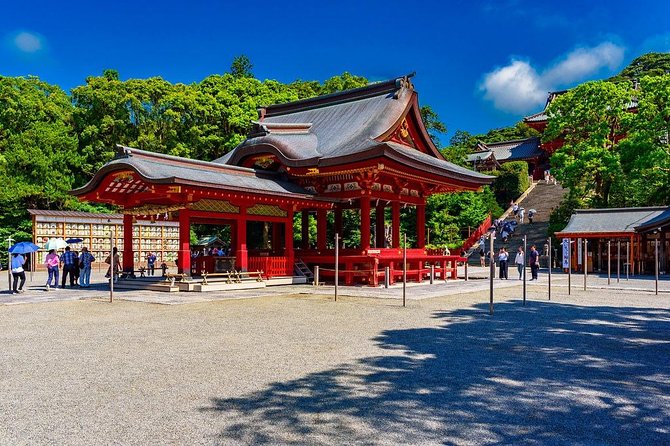
Tsurugaoka Hachimangu Shrine is dedicated to Hachiman, the patron god of the Minamoto family and samurai in general. It’s a strong opening stop because it frames the era and the mindset behind Kamakura. If you like the idea of beginning with a major spiritual center before moving into temples, this is a good first choice. The admission ticket here is free.
Kotoku-in and the Great Buddha: The icon you came for
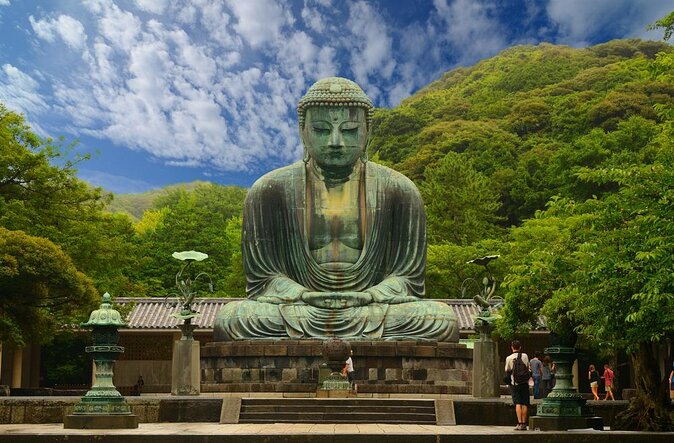
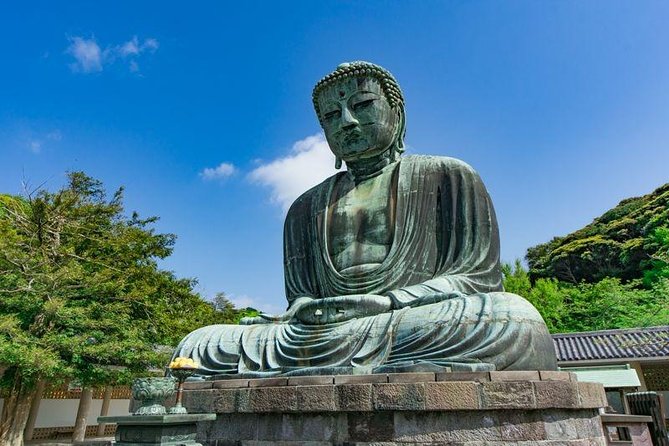
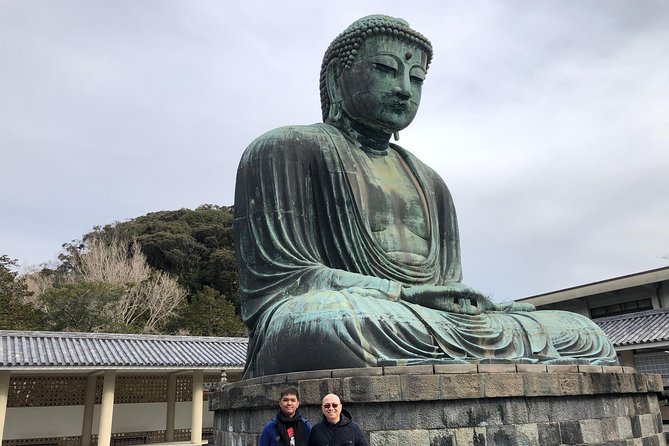
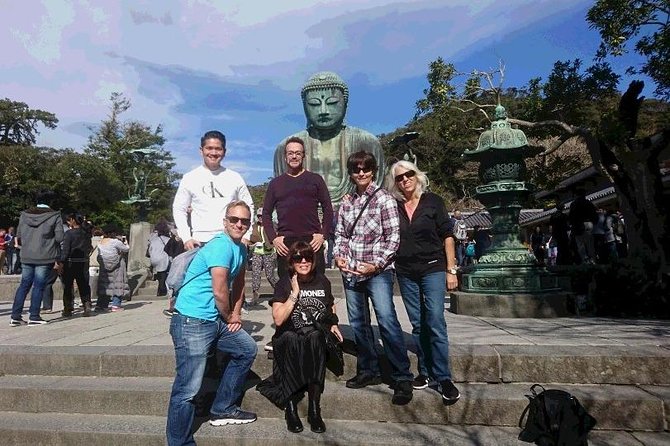
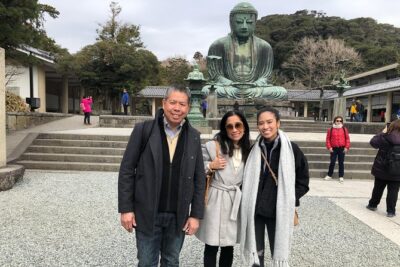
Kotoku-in Temple is where you’ll see the Great Buddha of Kamakura, a bronze statue of Amida Buddha at 11.4 meters tall. This is one of those places where the scale changes how you look at it. The time window is usually short because it’s about viewing the statue from a few angles and soaking in the atmosphere rather than lingering for a long museum-style experience. Admission for this stop is not included, so plan for that cost if you pick it.
Hasedera Temple: Ocean views and the Kannon statue
Hasedera (長谷寺) is famous for its eleven-headed statue of Kannon, the goddess of mercy. The temple is also known for stunning scenic moments, including a view of the ocean from the highest point. If you’re the type who likes a quieter pause with a viewpoint, Hasedera is often the “worth it” stop in a short day. Admission isn’t included here either.
Readers also shortlisted these Yokohama bookings:
- Yokohama Half Day Walking Tour with an Expert Local Guide★ 4.5 · 22 reviews
Hokoku-ji Temple: Bamboo grove calm in a small footprint
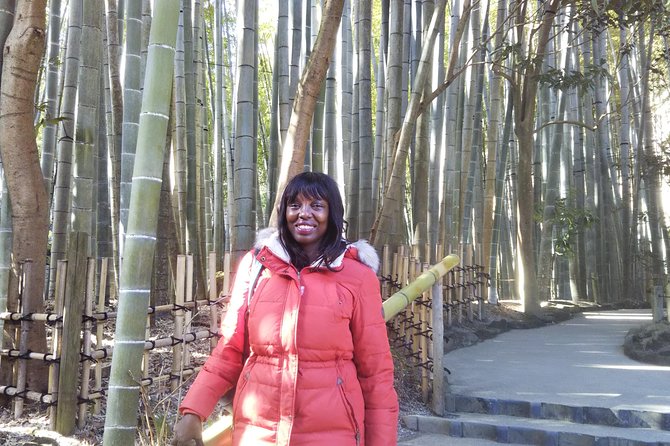
Hokoku-ji is known for its bamboo grove behind the main hall, with over 2000 dark green bamboo stalks. This is a great pick if you want something that feels more atmospheric than ceremonial. The stop is short, but the setting does a lot of work. Admission isn’t included for this stop.
Enoshima Island: A coastal add-on that feels different
Enoshima is a short train ride west of Kamakura and connected to the mainland by bridge. It’s pleasantly touristy and offers variety beyond temple halls, including a shrine area and island sights. Admission is listed as free, which makes it a useful “bonus” stop if you want sea air without adding extra ticket costs.
Engaku-ji and Kencho-ji: Zen temples with serious roots
Engaku-ji is described as one of Kamakura’s leading Zen temples and founded in 1282 by ruling regent Hojo Tokimune. Kencho-ji is the number one of Kamakura’s five great Zen temples and the oldest Zen temple in Kamakura, founded in 1253 by regent Hojo Tokiyori. If you’re choosing your day based on temple depth, these two are often the backbone.
The practical tip: since you only pick 3 to 4 stops, you might choose one of these Zen pillars plus one scenic add-on (like bamboo or hydrangea) so your day has rhythm instead of repeating similar hall views.
Zeniarai Benten Shrine: Wash your money, feel the symbolism
Zeniarai Benten Shrine is known for people washing their money (zeniarai literally means coin washing). The idea is that money washed in the shrine’s spring will bring good fortune, a ritual that makes the stop memorable even if you’re not deep into religious practice. Admission is free here, so it’s also cost-friendly.
Meigetsuin (Hydrangea Temple): Flowers as a reason to slow down
Meigetsuin is known as Hydrangea Temple because hydrangea blooms in abundance on the temple grounds. It’s a Rinzai Zen temple founded in 1160. Admission isn’t included. Even if you’re not visiting specifically for hydrangeas, it’s still a good choice if you want gardens and calmer walking paths within a temple setting.
Ankokuronji, Jomyo-ji, Zuisen-ji, Myohonji, Jochiji, Tokeiji, Jufukuji: Hill temples for more variety
This is where your customization can get fun. These stops are all listed as Nichiren or Zen temples in different lineages, spread across the hills and areas around Kamakura. For example:
- Ankokuronji is a Nichiren sect temple along the hills in the southeast of Kamakura. Nichiren is described as founding it around 1253.
- Jomyo-ji is a Zen temple in eastern Kamakura and ranked fifth among the five great Zen temples.
- Zuisen-ji is in the far east of Kamakura, in a narrow valley surrounded by wooded hills, and is a branch temple of Engaku-ji.
- Myohonji is a Nichiren sect temple founded by Hiki Yoshimoto in 1260.
- Jochiji, Tokeiji, and Jufukuji are branch Zen temples tied to the Engaku-ji and Kencho-ji school networks.
Here’s the practical takeaway: if you want a day that feels like a “temple walk through neighborhoods,” picking one or two of these hill temples can give you more variety than only choosing the biggest name sites.
Eishoji Temple: The only surviving nunnery nearby
Eishoji Temple is described as the only surviving nunnery in Kamakura. It’s located near Tsurugaoka Hachimangu and was founded in the early Edo period by a woman connected to the Tokugawa family. Admission isn’t included. If you like seeing how religion and everyday life shaped spaces for women, Eishoji can add an interesting angle to your day.
Why a Licensed Guide Makes Public Transport Feel Easy
Kamakura is the kind of place where a little guidance saves a lot of time. The tour is a walking/public transport experience, and the schedule is built around transit time being included in the 6 hours. That means you’re less likely to lose chunks of your day to wrong trains, wrong platforms, or bus routes that look similar.
From the experience history, guides have handled real-world situations smoothly. Shinji, for example, met people at their hotel and helped them navigate public transportation the entire way. Sam met a group at the Yokohama port area (Osanbashi cruise terminal) and guided them through getting to Kamakura. Those details matter because your biggest risk in a day trip like this isn’t the temples—it’s the logistics.
Also, since the tour is private, you aren’t stuck with a pace you don’t match. One guide style you’ll likely feel: you get a simple plan, then small choices. If you need a breather, it’s easier to take it when the route is tailored to your group rather than locked to a group timetable.
Walking Pace, Weather, and How to Avoid Tired-Knees Regret
This is not a sit-and-watch tour. You’ll walk, and some of the temples and shrine areas sit on hills. One review noted that the route included rural temple areas like Zuisen-ji, which naturally increases walking time. That’s normal for Kamakura.
The good news is that the guides have experience adjusting pacing. In one case, a guide supported visitors including someone in their late 80s. In another case, a husband had hearing aids, and the guide made communication and navigation work smoothly. Another group mentioned knee concerns, and the day still worked because the pace was managed.
My advice for you:
- Wear shoes you can walk in for hours.
- Bring a small water bottle and something light to snack on between stops.
- If weather is rainy, don’t panic. Some groups got lucky with sunny breaks after rainy stretches, and having a guide helps you pivot without stress.
Food and Shopping Time in Komachi Street and Beyond
Kamakura isn’t just temples. It’s also shopping streets and snacks. The area overview highlights the old Komachi shopping street and a specific local treat: Hatosabure, the dove-shaped biscuits. That matters because a good day trip needs at least a little freedom to buy a snack, grab a drink, and watch daily life.
Lunch is not included in the tour price, so you’ll want to plan your timing. You may find it easiest to treat lunch as a mid-route pause, especially if your selected temples run longer than expected due to crowds, lines, or simply the fact that one view makes you stop.
Also, the tour description points out that you can customize the trip. If you care about shopping or food, ask your guide to build in realistic time for that—because the day is only 6 hours.
Price and Value: Is $155.22 Worth It Here?
At $155.22 per person for about 6 hours, the math only works if the guide saves you from pain points you’d otherwise handle yourself. In this case, those pain points are clear:
- You get a licensed local English guide.
- You get a private experience, so your day doesn’t get dragged by a mismatch in walking pace.
- The day is built around walking and public transport with transportation time included.
What isn’t included is also important. Transportation fees, entrance fees, lunch, and personal expenses are not included. That means your final trip cost will depend on which 3–4 sights you choose. Some are listed as free (like Tsurugaoka Hachimangu, Enoshima Island, and Zeniarai Benten Shrine), while others are marked as not included (like the Great Buddha at Kotoku-in and several temple admissions).
I also like that guide entry fees are only covered for sights listed as part of the chosen plan. Translation: you’re not paying for random side stops. You’re paying for the places you selected.
If you’re traveling as a couple or small group, private guiding can turn into strong value fast, because you’re splitting the cost while avoiding the time loss that usually comes with a DIY day trip.
Should You Book This Kamakura Private Walking Tour?
Book it if you want a short, well-run Kamakura day with a guide who can handle both the sightseeing and the route. It’s a good match if you:
- Want to see 3 to 4 highlights without rushing.
- Plan to use public transport and would rather have someone guide your steps.
- Like the idea of mixing major icons (like the Great Buddha) with quieter Zen settings (bamboo groves, hydrangea temple grounds, or valley temples).
Skip it or adjust expectations if you’re trying to do a lot of temple hopping beyond 4 stops, or if you dislike walking on hills. Also, remember entrance fees are often extra depending on your selected sights.
For most people, the decision comes down to this: a private licensed guide makes the day feel controlled. You still get the authentic Kamakura rhythm—just with fewer detours and fewer moments of map frustration.
FAQ
How many sights will I see during the 6-hour tour?
You can customize the tour to visit 3 to 4 sites from the options provided. Transportation time is included in the 6-hour total.
Is this tour private or shared with other groups?
It’s private. Only your group participates, and you cannot combine multiple tour groups.
Are entrance fees included in the price?
Entrance fees are not included. Some listed stops show free admission, while others are marked as not included, and guide entry fees are only covered for sights listed in what to expect.
Is transportation included?
Transportation time is included, but transportation fees are not included. The tour is walking/public transport, and the guide helps you use those options.
Do I get a pickup?
Pickup is offered, and the tour also states you meet the guide on foot within a designated area of Kamakura/Yokohama.
How long does the tour last?
It runs for about 6 hours.
What language is the guide?
The tour includes a licensed local English speaking guide.
Can I change which temples I visit?
Yes. Each tour is customizable, and your guide will be in touch after you reserve to tailor the trip to you.
Is free cancellation available?
Yes. You can cancel up to 24 hours in advance for a full refund.
Is the tour suitable for people with mobility limits?
Most travelers can participate, but it is a walking tour on hills. Service animals are allowed. If you have specific mobility concerns, you’ll want to discuss pacing when tailoring your 3 to 4 sights.
More Tours in Yokohama
- Daikoku & Tokyo Private JDM Tour by 700HP R34 GT-R
★ 4.9 · 101 reviews - Tokyo 8hr Private Tour with Licensed Guide from Yokohama
★ 5.0 · 94 reviews - 【Tokyo】JDM Daikoku Parking Area & Nissan Facility Tour
★ 5.0 · 87 reviews - Yokohama 4hr Private Tour with Government-Licensed Guide
★ 5.0 · 34 reviews - Daikoku & Tokyo JDM Night Tour in R34 or TopSecret R35 GT-R
★ 4.8 · 27 reviews
More Tour Reviews in Yokohama
- EVO, WRX, Skyline – JDM Night Run to Daikoku Car Meet
★ 4.9 · 478 reviews - Tokyo: Best Price Daikoku Parking Area JDM Car Meet
★ 4.9 · 192 reviews - Daikoku & Tokyo Private JDM Tour by 700HP R34 GT-R
★ 4.9 · 101 reviews - Tokyo 8hr Private Tour with Licensed Guide from Yokohama
★ 5.0 · 94 reviews - 【Tokyo】JDM Daikoku Parking Area & Nissan Facility Tour
★ 5.0 · 87 reviews
More Kamakura and Enoshima Days
- Yokohama and Kamakura 6hr Private Trip Government-Licensed Guide
★ 5.0 · 25 reviews - Kamakura One Day Hike Tour with Government-Licensed Guide
★ 4.5 · 12 reviews
Latest Yokohama reviews off our desk



Kamakura Day Trips, compared.
 ★ 4.5Kamakura & Enoshima Day Trip including Temple TicketsFrom $581,375 reviews
 ★ 4.5Mt. Fuji, Kamakura, Big Buddha, & Lake Ashi Day TripFrom $49867 reviews
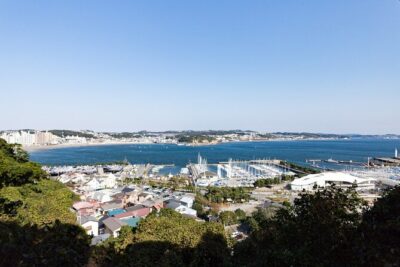 ★ 4.5From Tokyo: Kamakura & Enoshima 1-Day Bus TourFrom $66189 reviews
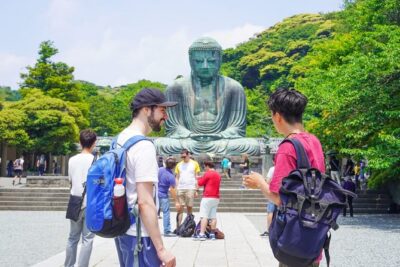 ★ 5.0Kamakura Historical Walking Tour with the Great BuddhaFrom $98129 reviews
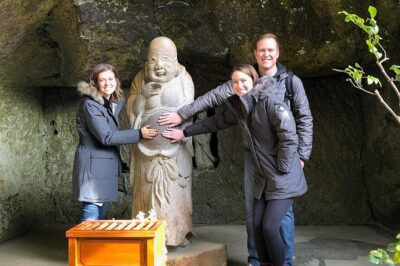 ★ 5.0Kamakura Private Tour: Temples, Nature, and the Great BuddhaFrom $98121 reviews
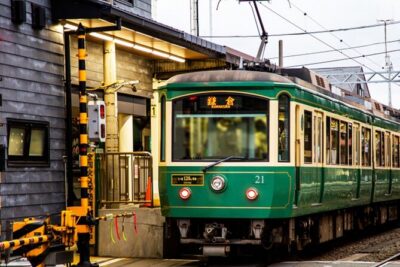 ★ 5.0Kamakura Walking Tour – The City of ShogunFrom $35100 reviews
 ★ 4.9Sea of Mount Fuji, Hakone Ropeway, Ōwakudani, EnoshimaFrom $5084 reviews
 ★ 5.0Kamakura 8 hr Private Walking Tour with Licensed Guide from TokyoFrom $20180 reviews
Browse the lists this tour appears in