
Reviewed · YOKOHAMA DAY TRIPS
Half-day Cooking Class in Yokohama Local Shopping District
Shopping and cooking in Yokohama feels personal. This half-day experience strings together two parts that work great back to back: a local shopping district walk to pick real ingredients, then a hands-on Japanese cooking class. I especially like how you get market context before you cook, and I like that the session is run with patient, small-group attention.
You’ll start in the Naka Ward area and move through a covered street packed with specialty shops, including a fishmonger, produce, and a butcher. After that, you’ll cook dishes that match what you bought—think sushi rolls plus Japanese fried chicken (karaage)—in a clean, easy-to-use kitchen setup. A possible drawback: the instructor’s English isn’t perfect, so if you want super-detailed, high-speed explanations, you may need to ask questions more slowly and clearly.
In This Review
- Key things I noticed (and why they matter)
- Start at Yayoichō and get a local-food mindset
- Wandering a covered Yokohama shopping arcade (and what to look for)
- From market talk to your ingredient bag
- The kitchen part: sushi rolls and karaage you can reproduce
- Sushi rolls: more than just rolling rice
- Karaage (Japanese fried chicken): the comfort-food payoff
- Other dishes you may make
- How class time actually feels (3 hours 30 minutes total)
- Language help and how to make the most of the guide
- Private tour dynamics: small group means better attention
- Price and value: what $162.58 is buying you
- Who this Yokohama class fits best
- Should you book this Yokohama cooking class?
- FAQ
- How long is the cooking class?
- What dishes will I cook?
- Is there a vegetarian option?
- Is this a private tour?
- Where do we meet?
- What’s the cancellation policy?
Key things I noticed (and why they matter)
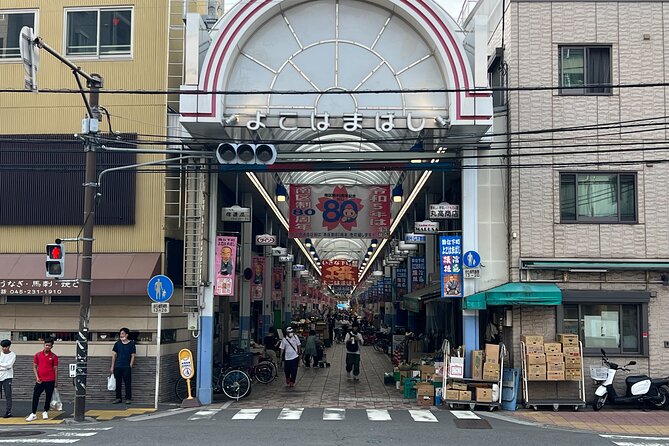
- A 300-meter covered street with about 130 specialty shops gives you variety fast, without the walk feeling endless.
- Shopping-to-cooking flow helps you understand what ingredients mean in Japanese home cooking, not just how to plate food.
- Sushi rolls and karaage are the kind of dishes you can actually recreate at home with practice.
- Small group / private setup means you can ask questions while your food is on the line.
- Vegetarian menu available makes this easier for non-meat eaters without feeling like an afterthought.
- Mobile ticket + public transit area keeps logistics simple once you find the meeting point in Yayoichō.
Start at Yayoichō and get a local-food mindset
The tour begins at 3-chōme-35 Yayoichō, Naka Ward, Yokohama, Kanagawa 231-0058. It’s a practical starting point if you’re using public transportation, and the organizers provide a mobile ticket for smoother check-in.
The vibe here matters. Before you even hit the first shop, you’re set up to think like a Japanese cook: What does this ingredient do? What part is used? What’s the texture goal? That mindset helps your cooking class later because you’re not just copying steps—you’re understanding why they work.
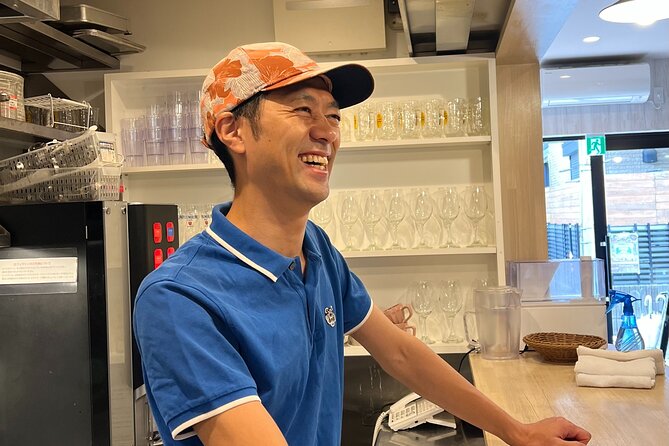
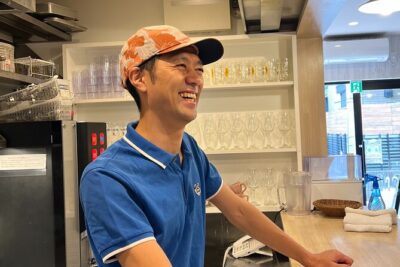
One name you might hear guiding the experience is Ichiho. In a private setting, he described local food and history while helping guests shop and cook, and that personal tone is part of what makes this feel different from a generic cooking demo.
The harbour city next door, reviewed
- Tokyo 8hr Private Tour with Licensed Guide from Yokohama
★ 5.0 · 94 reviews - Shuttle Van Transfer, Yokohama(Port)⇒Tokyo, Narita, Haneda, TDR
★ 5.0 · 63 reviews - Yokohama Ramen Adventure From a Local Noodle Factory to Home
★ 5.0 · 60 reviews - Yokohama 4hr Private Tour with Government-Licensed Guide
★ 5.0 · 34 reviews
Wandering a covered Yokohama shopping arcade (and what to look for)
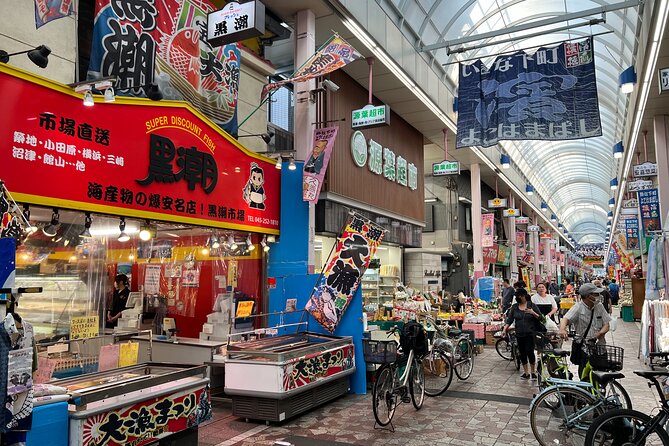
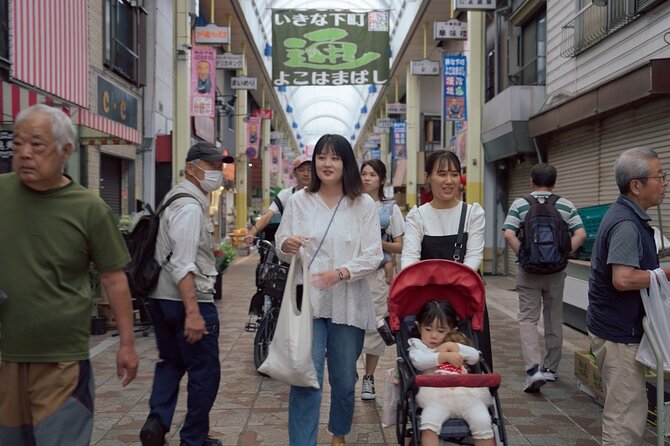
After meeting, you’ll head into a local Japanese shopping district centered around a covered street that’s a bit over 300 meters long and lined with around 130 specialty stores. This is the big advantage of this format: you get a dense sampling of everyday food culture without constantly checking your route.
You’re not just looking at souvenirs. You’re seeing how locals buy ingredients. You’ll get guided time in places that reflect actual home cooking supply chains:
- A fishmonger offering fresh fish from all over Japan.
- A grocery area where you can find sweet, tasty vegetables.
- A butcher with cuts that are less common in typical supermarket selections.
What I like about this kind of shopping tour is that it teaches you how to talk to a shop. You’ll learn what to notice—freshness cues, practical choices, and which ingredients matter most for the recipes you’ll cook.
Practical tip: go in hungry, but don’t assume you’ll buy everything you see. This tour is designed around ingredients needed for the class, so let your guide steer your selections and you’ll waste less money and effort.
From market talk to your ingredient bag
At some point, the shopping changes from browsing to selection. The goal is to gather ingredients that connect directly to what you’ll cook next, so the items in your bag aren’t random “try this” purchases.
This matters for value. A lot of food tours leave you with snacks and vague memories. Here, you build a small “ingredient story” you can repeat later at home.
If you have dietary preferences, that’s where you’ll be glad the tour offers a vegetarian menu. The tour is built for different eating styles, which usually means more than a simple swap. You’ll still be shopping thoughtfully for ingredients that match your cooking plan.
The kitchen part: sushi rolls and karaage you can reproduce
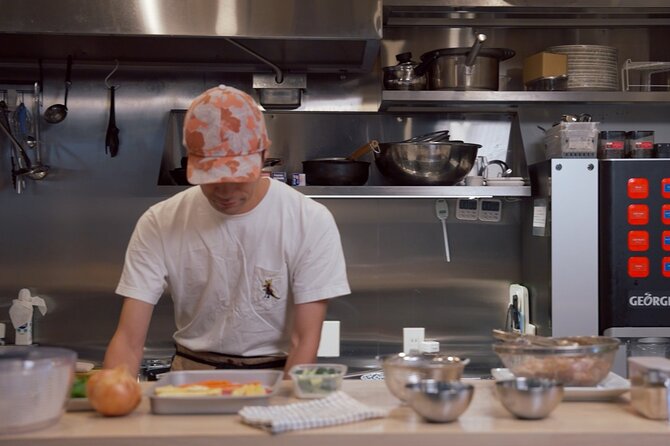
Once you finish shopping, you move to the cooking stage. The tour describes a kitchen studio with authentic equipment that’s clean, bright, and easy to cook in.
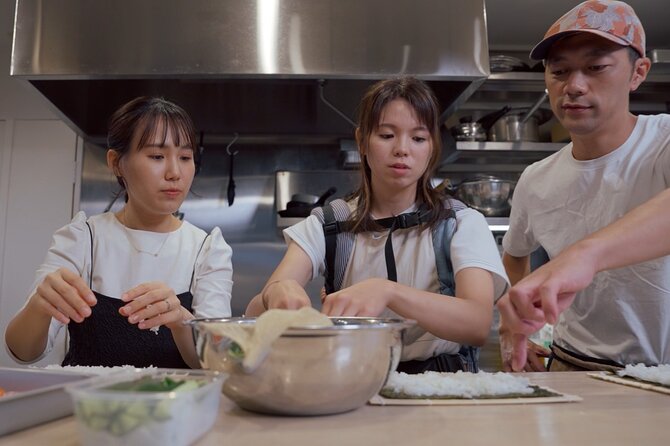
In at least some cases, the cooking can happen in a private setting arranged by the instructor, including a home-based setup. Either way, the point is the same: you get a real cooking space where you can work hands-on and ask questions while you’re cooking.
Sushi rolls: more than just rolling rice
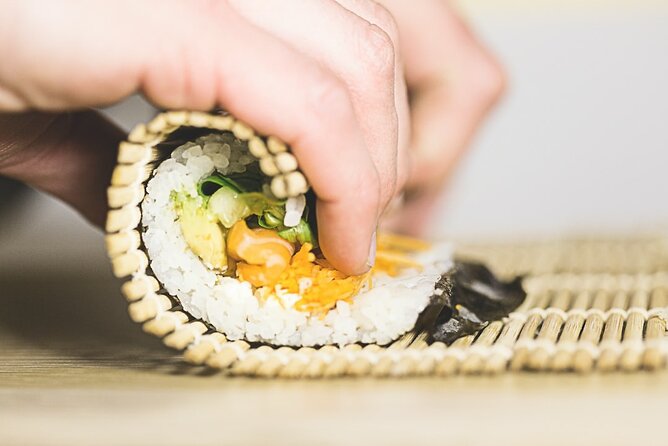
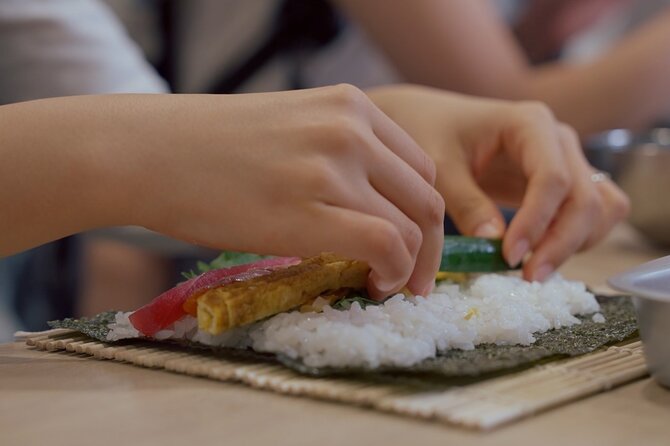
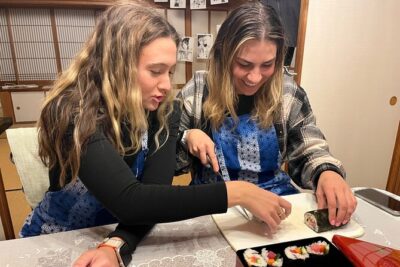
You’ll make sushi rolls using fillings like seafood, egg, and vegetables, rolled with nori seaweed and rice. This is a smart dish choice for a class like this because it teaches key techniques with a clear result: a roll you can cut, share, and remember.
What’s useful here is that sushi rolls are forgiving enough to learn in one session, but still require attention. You’ll learn practical pacing—how to spread, how to assemble, and how to roll tight without crushing.
- Tokyo 8hr Private Tour with Licensed Guide from Yokohama★ 5.0 · 94 reviews
- R34Skyline Daikoku PA Fast & Furious Private Experience★ 5.0 · 63 reviews
- Shuttle Van Transfer, Yokohama(Port)⇒Tokyo, Narita, Haneda, TDR★ 5.0 · 63 reviews
- Yokohama Ramen Adventure From a Local Noodle Factory to Home★ 5.0 · 60 reviews
- Kamakura 6hr Private Walking Tour with Government-Licensed Guide★ 5.0 · 42 reviews
Karaage (Japanese fried chicken): the comfort-food payoff
You’ll also make karaage, Japanese fried chicken. It’s a dish many people love because it’s crunchy outside and tender inside, and it’s also one of those recipes that feels doable once you understand the basics.
A good frying lesson isn’t about fancy gadgets. It’s about heat control and timing. One guest feedback note mentioned getting good at frying eggs, which tells me the class doesn’t just teach one step in a vacuum—it helps you handle frying technique with confidence.
Other dishes you may make
The cooking experience also includes teriyaki chicken in addition to the sushi and fried chicken. In other words, you’re getting both a roll-based dish and a sauce-and-fry home-cooking style meal. That mix is great if you want more than one “I learned one thing” takeaway.
How class time actually feels (3 hours 30 minutes total)
The full tour duration is about 3 hours 30 minutes. That’s long enough to:
- shop calmly,
- cook with real steps (not just watch),
- and still have time to eat what you made.
Because it runs at a human pace, small-group interaction becomes meaningful. You’re not rushing through a conveyor belt of tasks.
Language help and how to make the most of the guide
The instructor’s English may not be perfect, but they guide in English as much as possible and try to accommodate requests. In a class like this, that’s normal. What matters is that the instruction stays practical: you’ll be taught what to do, when to do it, and how to troubleshoot while you cook.
I’d recommend you come prepared with a few simple questions before you start, like:
- What ingredient choice matters most for this recipe?
- What should I watch for when frying?
- How can I adjust flavors at home?
If you don’t understand something, ask again and slow down. In a hands-on class, clarity beats speed.
Private tour dynamics: small group means better attention
This is listed as a private tour/activity, meaning only your group participates. The experience also emphasizes small class sizes so you can interact easily.
That combination is a big plus because cooking classes often fail for a simple reason: too many people, not enough time with the instructor. Here, the structure supports actual help when you need it—especially during steps like rolling sushi and managing hot oil.
Price and value: what $162.58 is buying you
At $162.58 per person, you’re paying for more than recipes. You’re paying for two separate experiences that normally cost more on their own:
1) guided shopping through a dense local arcade (with ingredient-focused stops), and
2) a hands-on cooking session with real equipment and individualized help.
Is it expensive? It can be, yes—especially if you compare it to a basic cooking demo. But if your goal is to come away with skills you can repeat at home, this style usually delivers better value.
You’re also getting a built-in advantage for travelers: ingredient learning plus technique learning. You don’t just learn how to make sushi or karaage—you learn how to choose ingredients and connect them to flavor.
If you’re traveling as a pair or small group, it can feel even more worthwhile because private attention is easier to use when everyone can participate fully.
Who this Yokohama class fits best
This experience is a great match if you want:
- a food-focused way to understand daily Japanese life,
- hands-on cooking rather than passive tasting,
- sushi and karaage skills you can practice later,
- and an option for vegetarians.
It’s also a good fit for first-timers. The class is described as suitable for all skill levels, so you don’t need to already know Japanese cooking.
If, on the other hand, you only want a quick photo-and-snack experience, this may feel more structured and ingredient-focused than you expect.
Should you book this Yokohama cooking class?
Book it if you want a real local-food loop: shop in a proper Yokohama shopping arcade, then cook with what you bought. The strongest reasons to choose this are the market-to-kitchen connection, the small/private attention, and the practical dishes—sushi rolls and karaage are both skill-based and repeatable.
Skip it only if you’re looking for a casual, minimal-effort activity or you need extremely fluent, high-detail instruction in English at all times. With a little patience and clear questions, the class style is usually a good trade for what you gain.
If you’re spending time in Yokohama and you care about food culture beyond restaurants, this one belongs on your list.
FAQ
How long is the cooking class?
It runs for about 3 hours 30 minutes.
What dishes will I cook?
You’ll make sushi rolls and Japanese fried chicken (karaage). The experience also includes teriyaki chicken, and you may practice frying steps during the class.
Is there a vegetarian option?
Yes. A vegetarian menu is available.
Is this a private tour?
Yes. It’s described as a private tour/activity, so only your group participates.
Where do we meet?
The meeting point is 3-chōme-35 Yayoichō, Naka Ward, Yokohama, Kanagawa 231-0058, Japan. The activity ends back at the meeting point.
What’s the cancellation policy?
You can cancel for a full refund if you cancel at least 24 hours before the experience’s start time. Confirmation is subject to availability.
More Tour Reviews in Yokohama
- EVO, WRX, Skyline – JDM Night Run to Daikoku Car Meet
★ 4.9 · 478 reviews - Tokyo: Best Price Daikoku Parking Area JDM Car Meet
★ 4.9 · 192 reviews - Daikoku & Tokyo Private JDM Tour by 700HP R34 GT-R
★ 4.9 · 101 reviews - Tokyo 8hr Private Tour with Licensed Guide from Yokohama
★ 5.0 · 94 reviews - 【Tokyo】JDM Daikoku Parking Area & Nissan Facility Tour
★ 5.0 · 87 reviews
The Harbour City Next Door, Rated
- Tokyo 8hr Private Tour with Licensed Guide from Yokohama
★ 5.0 · 94 reviews - Shuttle Van Transfer, Yokohama(Port)⇒Tokyo, Narita, Haneda, TDR
★ 5.0 · 63 reviews - Yokohama Ramen Adventure From a Local Noodle Factory to Home
★ 5.0 · 60 reviews - Yokohama 4hr Private Tour with Government-Licensed Guide
★ 5.0 · 34 reviews - Japanese Tea Ceremony at Private Home in Yokohama, suburban Tokyo
★ 5.0 · 32 reviews
Latest Yokohama reviews off our desk


Yokohama Day Trips, compared.
 ★ 5.0Tokyo 8hr Private Tour with Licensed Guide from YokohamaFrom $20194 reviews
 ★ 4.5Narita Airport: One Way Private Transfer to Tokyo|Yokohama HotelsFrom $7769 reviews
 ★ 5.0Tokyo/Yokohama: Mt. Fuji and Hakone Private Day TourFrom $39264 reviews
 ★ 5.0Shuttle Van Transfer, Yokohama(Port)⇒Tokyo, Narita, Haneda, TDRFrom $12263 reviews
 ★ 5.0Yokohama Ramen Adventure From a Local Noodle Factory to HomeFrom $16560 reviews
 ★ 4.5Private One-Way Transfers to/from Yokohama PortFrom $6750 reviews
 ★ 5.0Private Car Tour to see Highlights of Kamakura, Enoshima, Yokohama from TokyoFrom $1,18348 reviews
 ★ 5.0Yokohama 4hr Private Tour with Government-Licensed GuideFrom $10834 reviews
Browse the lists this tour appears in