
Flour turns into dinner, fast. In Yokohama, you learn to make 100% buckwheat soba with a soba master and an English-speaking guide, so even a first-timer can follow the steps without guessing. I love the hands-on rhythm of mixing, kneading, and cutting the dough. I also love that you don’t just watch cooking—you eat the soba you made right after.
One thing to consider: this is serious buckwheat, so a buckwheat allergy means you should skip the class.
In This Review
- Key things to know before you go
- Why 100% buckwheat soba feels like a real skill, not a cooking demo
- Getting to the studio: Sakuragicho South Gate makes life easier
- Meet Misah, then meet the flour smell
- The lesson flow: mix, knead, roll a square, then cut noodles
- Kneading: where you learn control
- Rolling: the square technique
- Cutting: strength you don’t expect
- Timing: about 60 minutes of noodle-making focus
- Hot vs cold soba: the temperature changes the buckwheat story
- Eating it in an izakaya-style setting: practical, not fancy
- Price and value: what $88 buys you (and why it’s not just food)
- Who this fits best (and who should skip)
- Practical tips so you enjoy the whole experience
- Should you book this Yokohama soba workshop?
- FAQ
- Where is the meeting point?
- What exactly happens during the lesson?
- How long does it take to make the soba?
- What’s included in the price?
- Is the soba gluten-free?
- Can I bring a stroller or bike?
- Who is the workshop not suitable for?
- What if I have a buckwheat allergy?
- Can I pay later or cancel?
Key things to know before you go
- Start near Sakuragicho Station (South Gate): Exit guidance matters here—use the South Gate, not the North Gate.
- 100% buckwheat, not a mix: You’re making true soba, which is gluten-free and vegetarian-friendly.
- A soba master teaches the technique: You’ll learn the traditional flow from dough to noodles, not a shortcuts version.
- Your hands will do the work: Rolling into a clean square and hand-cutting takes grip and patience.
- You’ll taste hot and cold soba: The buckwheat aroma comes through differently depending on temperature.
Why 100% buckwheat soba feels like a real skill, not a cooking demo
Most Japanese noodle experiences focus on the eating. This one flips the script. You start with buckwheat flour and end with noodles, using a method that’s been practiced for a long time in Japan.
That matters for the flavor. 100% buckwheat soba has a distinct aroma that comes from the grain itself, not from wheat blending it away. It also gives you that soba texture you can’t really fake—chewy, springy, and a little stubborn in the best way when you’re cutting.
And yes, it’s a dietary win. Because it’s gluten-free, it’s a good option if you’re avoiding gluten and you’re comfortable with buckwheat. It’s also vegetarian-friendly, since it’s based on buckwheat noodles.
The harbour city next door, reviewed
- Tokyo 8hr Private Tour with Licensed Guide from Yokohama
★ 5.0 · 94 reviews - Shuttle Van Transfer, Yokohama(Port)⇒Tokyo, Narita, Haneda, TDR
★ 5.0 · 63 reviews - Yokohama Ramen Adventure From a Local Noodle Factory to Home
★ 5.0 · 60 reviews - Yokohama 4hr Private Tour with Government-Licensed Guide
★ 5.0 · 34 reviews
Getting to the studio: Sakuragicho South Gate makes life easier
You meet at Sakuragicho Station, exiting from the South Gate. The instructions are clear for a reason: it’s easy to pop out the wrong side if you’re moving fast or looking at the wrong signage.
You’ll want to plan to arrive a bit early so you can settle in before the lesson starts. There’s no hotel pickup or drop-off included, so your own local navigation is part of the deal. Bring a charged phone, and if you use maps, double-check that you’re heading toward the South Gate exit route.
Meet Misah, then meet the flour smell
The workshop runs at Soba Studio CHIHANA, and you’ll get English support from your guide, Misah. That guidance is a big value add. Soba technique has small physical cues—how much to knead, how to feel the dough, how to correct it early. Having an English-speaking guide helps you catch those cues instead of just hoping.
Once you step into the studio, the atmosphere hits you fast: buckwheat flour smell. It’s not a vague “maybe there’s food” vibe. It’s strong and distinctive, like warm earth and roasted grain. And that smell stays in your brain while you’re working, which makes the whole thing feel more memorable than a generic cooking class.
The lesson flow: mix, knead, roll a square, then cut noodles
The core of the workshop is making the noodles from scratch. The method is straightforward on paper—buckwheat flour and water, then kneading, rolling, and cutting—but your hands learn faster than your brain.
You’ll follow along with a soba master, step by step. The goal is 100% buckwheat dough, so the texture behavior matters. You’ll see how the dough’s elasticity and feel change depending on each person’s hand strength and pressure. That’s not just trivia—it’s how you learn what the dough is telling you.
Kneading: where you learn control
Kneading is the part where you stop thinking and start feeling. Too light and the dough won’t behave when you roll. Too aggressive and you can make it harder to work smoothly. A soba master can guide you to the sweet spot quickly, which is exactly what you want in a class with a time limit.
Readers also shortlisted these Yokohama bookings:
- Japanese Calligraphy Class in Yokohama with Tea and Sweets★ 5.0 · 5 reviews
- Half-day Cooking Class in Yokohama Local Shopping District★ 5.0 · 3 reviews
Rolling: the square technique
When it’s rolling time, you’ll work toward a clean square shape. One technique stands out here: rolling the dough into a perfect square without trimming the edges. That sounds like a detail, but it’s actually a lesson in letting the dough shape itself rather than forcing it with extra cuts.
If you’ve done bread or dumplings before, you’ll recognize the same idea: technique beats brute force. But soba has its own feel, and you’ll notice quickly when you’re building consistency across your dough.
Cutting: strength you don’t expect
Cutting is where the “this looks easy” illusion disappears. The noodles require more strength than most people anticipate, especially if you’re used to factory-thin noodles. Hand-cutting adds variation, and that variation becomes part of the charm.
When you finish, you’re not just holding noodles—you’ve made something you understand. That’s the difference between watching cooking and learning cooking.
Timing: about 60 minutes of noodle-making focus
Your soba is completed in about 60 minutes. That pacing works well because it’s long enough to learn the full sequence, but short enough that you stay engaged instead of mentally cooking in circles.
Plan to use that hour actively. Don’t multitask on your phone during kneading and rolling. This is a workshop where the hands-on parts are the whole point.
Also, don’t rush the cutting. If you’re trying to “beat the clock,” the noodles get uneven and the satisfaction drops. Slow down just enough to keep your cuts consistent.
Hot vs cold soba: the temperature changes the buckwheat story
After the noodles are made, you get to eat what you created. You’ll typically compare hot and cold soba, and this is one of the best ways to understand why soba matters beyond one dish.
The cold soba experience highlights the buckwheat aroma more clearly. It feels nutty and fragrant, like the buckwheat is stepping forward. The hot soba experience leans into warmth and comfort, where the flavors feel rounded and cozy.
You learn something useful here: soba isn’t just noodles—it’s noodles plus serving temperature plus how your sauce and broth interact with the noodle texture.
Eating it in an izakaya-style setting: practical, not fancy
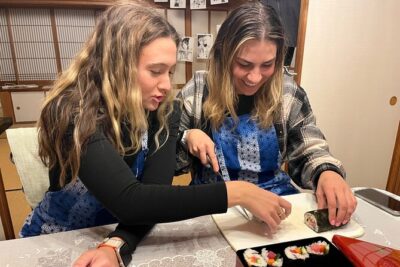
The meal happens in an izakaya-style restaurant. Think relaxed Japanese dining—less formal, more about hanging out with good food. You’re eating your own soba, so the mood stays grounded: you can actually connect what you did in the studio to what lands on your plate.
Important detail: except for your soba noodles, additional foods or drinks you order are not included. That means you can keep the cost predictable if you skip the extras, or you can add side dishes if you want the full izakaya experience.
And because the soba studio is in an area with nearby local standing bars, it’s easy to keep the evening going after the lesson. You won’t feel like you’re rushing straight back to your hotel right after eating.
Price and value: what $88 buys you (and why it’s not just food)
At $88 per person, this isn’t the cheapest meal in Yokohama. But it also isn’t only a meal. You’re paying for instruction from a soba master, English support from Misah, and all ingredients and equipment used to make the noodles.
That’s the key value math. If you were to just eat soba, you’d spend far less. If you want to learn the technique—mixing real buckwheat dough, shaping it, and cutting it by hand—you’re paying for a skill session with tools and guidance.
You’re also getting included tasting time in a restaurant. That closes the loop, turning the lesson into something you can remember with your own results, not just photos.
If you like learning through doing—especially food craft—this price starts to make sense fast.
Who this fits best (and who should skip)
This workshop is a strong fit if:
- you like hands-on cooking and want to understand noodle texture up close
- you’re curious about Japanese food beyond sushi and ramen
- you want a gluten-free option that still tastes like real soba
It’s not a fit if:
- you have a buckwheat allergy
- you’re traveling with children under 11
- you use a wheelchair, since it’s not suitable for wheelchair users
- you need a stroller or bike for mobility around the class area
The class also has a clear no-list: pets, baby strollers, bikes, chewing gum, and baby carriages aren’t allowed. Electric wheelchairs aren’t listed as allowed either. If you’re unsure about something not mentioned here, it’s smart to ask before you book.
Practical tips so you enjoy the whole experience
This kind of class rewards calm focus. Here are the practical moves that help:
- Wear clothes you don’t mind getting a little flour on. Even careful kneading can leave traces.
- Keep your hands steady during rolling and cutting. If your mind is racing, your grip usually shows it.
- Go in expecting a workout for your wrists. Cutting noodles by hand isn’t heavy-lifting, but it’s definitely more effort than many people predict.
- If you’re bringing friends, use the small group format to ask questions. When you can clarify early, you waste less time fixing problems.
Should you book this Yokohama soba workshop?
Book it if you want a real food skill you can explain later—how buckwheat dough feels, how rolling into a square works, and why hand-cut noodles taste and feel different. The combination of 100% buckwheat, instruction from a soba master, and the English guide support from Misah makes it beginner-friendly without turning it into a bland demo.
Skip it if buckwheat is off-limits for you, or if the class constraints won’t work for your mobility needs. And if you only want a casual meal, you might find cheaper soba nearby—but you won’t get the same satisfaction of eating what you made.
FAQ
Where is the meeting point?
You meet at Sakuragicho Station. Exit from the South Gate, and be careful not to use the North gate exit.
What exactly happens during the lesson?
You learn to make 100% buckwheat soba noodles from scratch, including mixing flour and water, kneading, rolling, and cutting the dough.
How long does it take to make the soba?
The soba is completed in about 60 minutes.
What’s included in the price?
Included are the soba-making lesson with a soba master, English-speaking guide support, all necessary ingredients and equipment, and enjoying the soba you made at an izakaya-style restaurant.
Is the soba gluten-free?
Yes. The workshop focuses on 100% buckwheat soba, which is gluten-free.
Can I bring a stroller or bike?
No. Baby strollers and bikes are not allowed.
Who is the workshop not suitable for?
It’s not suitable for children under 11 and for wheelchair users.
What if I have a buckwheat allergy?
Buckwheat flour is used, so you should refrain from joining if you have a buckwheat allergy.
Can I pay later or cancel?
You can reserve and pay later, and you can cancel up to 24 hours in advance for a full refund.
More Workshops in Yokohama
- Japanese Calligraphy Class in Yokohama with Tea and Sweets
★ 5.0 · 5 reviews - Half-day Cooking Class in Yokohama Local Shopping District
★ 5.0 · 3 reviews
More Tour Reviews in Yokohama
- EVO, WRX, Skyline – JDM Night Run to Daikoku Car Meet
★ 4.9 · 478 reviews - Tokyo: Best Price Daikoku Parking Area JDM Car Meet
★ 4.9 · 192 reviews - Daikoku & Tokyo Private JDM Tour by 700HP R34 GT-R
★ 4.9 · 101 reviews - Tokyo 8hr Private Tour with Licensed Guide from Yokohama
★ 5.0 · 94 reviews - 【Tokyo】JDM Daikoku Parking Area & Nissan Facility Tour
★ 5.0 · 87 reviews
The Harbour City Next Door, Rated
- Tokyo 8hr Private Tour with Licensed Guide from Yokohama
★ 5.0 · 94 reviews - Shuttle Van Transfer, Yokohama(Port)⇒Tokyo, Narita, Haneda, TDR
★ 5.0 · 63 reviews - Yokohama Ramen Adventure From a Local Noodle Factory to Home
★ 5.0 · 60 reviews - Yokohama 4hr Private Tour with Government-Licensed Guide
★ 5.0 · 34 reviews - Japanese Tea Ceremony at Private Home in Yokohama, suburban Tokyo
★ 5.0 · 32 reviews
Latest Yokohama reviews off our desk

Yokohama Day Trips, compared.
 ★ 5.0Tokyo 8hr Private Tour with Licensed Guide from YokohamaFrom $20194 reviews
 ★ 4.5Narita Airport: One Way Private Transfer to Tokyo|Yokohama HotelsFrom $7769 reviews
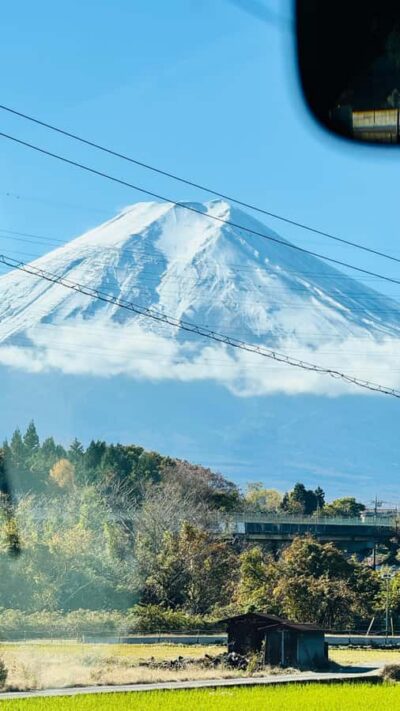 ★ 5.0Tokyo/Yokohama: Mt. Fuji and Hakone Private Day TourFrom $39264 reviews
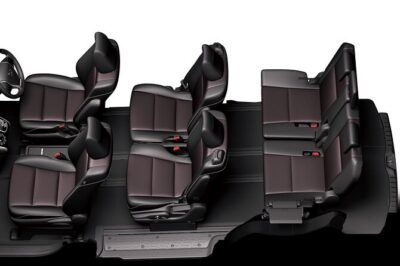 ★ 5.0Shuttle Van Transfer, Yokohama(Port)⇒Tokyo, Narita, Haneda, TDRFrom $12263 reviews
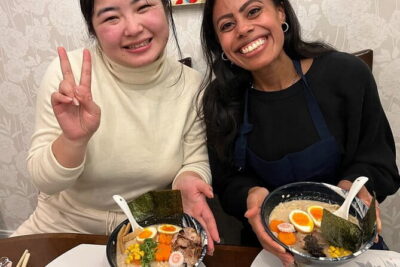 ★ 5.0Yokohama Ramen Adventure From a Local Noodle Factory to HomeFrom $16560 reviews
 ★ 4.5Private One-Way Transfers to/from Yokohama PortFrom $6750 reviews
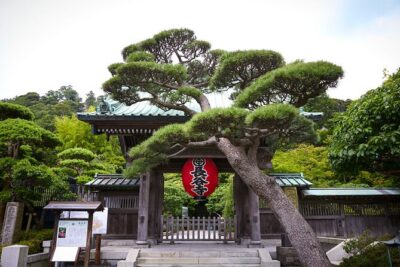 ★ 5.0Private Car Tour to see Highlights of Kamakura, Enoshima, Yokohama from TokyoFrom $1,18348 reviews
 ★ 5.0Yokohama 4hr Private Tour with Government-Licensed GuideFrom $10834 reviews
Browse the lists this tour appears in