
Harbor views and noodles in one walk. That combo makes this Yokohama tour feel special fast, especially with the chance to spot Mt. Fuji on clear days from the observation deck and then step into instant-ramen history at the Cup Noodles Museum. I also really liked how the guide, Mizue, kept things practical and easy—everything ran smoothly, and you always knew what was next. One catch: this tour is not suitable for vegetarians, and halal food isn’t served, so check your needs before you book.
You start in the Sakuragicho area and spend your time on two big senses: sights and flavor. You’ll also get that local touch beyond the main attractions—Mizue’s approach includes steering you toward good food and the kind of nearby streets you’d miss if you were just wandering. Wear comfortable shoes; it’s a walking tour, and you’ll be on your feet more than you might expect.
In This Review
- Key highlights you’ll feel right away
- Getting oriented at Sakuragicho: where the day starts
- The observation deck stop: harbor views, city layers, and Fuji timing
- Lunch in a local restaurant: seasonal ingredients and real variety
- Cup Noodles Museum: instant ramen culture with a story arc
- What the guide changes: Mizue’s local touch in the real world
- Price and value at about $91: what you’re getting for the money
- How to make your day smoother (and better photos) without extra stress
- Who this tour is best for (and who should skip it)
- Should you book the Yokohama Cup Noodles Museum, Observation Deck & Lunch Tour?
- FAQ
- What is the meeting point for the tour?
- What’s included in the price?
- Are drinks included with lunch?
- Can vegetarians join this tour?
- Is halal food available?
- What languages are available for the tour?
Key highlights you’ll feel right away
- Mt. Fuji odds on clear days from the observation deck and other city views
- Seasonal lunch at a locally picked restaurant (not just a generic set meal)
- Cup Noodles Museum focus on ramen-making and the story of instant ramen
- World ramen perspective through exhibits that compare ramen cultures beyond Japan
- Tour wraps at the museum entrance so you can explore on your own pace
- Mizue’s local know-how that can turn a smooth day into a memorable one
Getting oriented at Sakuragicho: where the day starts
The day kicks off at CIAL Sakuragicho, right by Sakuragicho Station. Meet at the south gate, at the Sakuragicho Station Tourist Information Center holding a tour sign. It’s a smart choice of meeting point because Sakuragicho is a major rail hub—so if your plans shift even slightly, it’s usually easy to get back into the flow.
You’ll get a WhatsApp message the day before. That’s helpful because it reduces the classic Japan-tour stress: you spend less time scanning for the right person and more time getting ready for the views and lunch.
The harbour city next door, reviewed
- Tokyo 8hr Private Tour with Licensed Guide from Yokohama
★ 5.0 · 94 reviews - Shuttle Van Transfer, Yokohama(Port)⇒Tokyo, Narita, Haneda, TDR
★ 5.0 · 63 reviews - Yokohama Ramen Adventure From a Local Noodle Factory to Home
★ 5.0 · 60 reviews - Yokohama 4hr Private Tour with Government-Licensed Guide
★ 5.0 · 34 reviews
The observation deck stop: harbor views, city layers, and Fuji timing
This is the part that makes the whole tour feel like more than food. From the observation deck, you get a panoramic look over Yokohama’s port-city layout—water, buildings, and the rhythm of a working harbor seen from above.
I like this stop for two reasons. First, it gives you your bearings fast. Once you’ve looked down at the city’s shape, walking around later feels easier. Second, it turns a meal-and-museum day into an actual sightseeing day.
On clear days, you may be able to see Mt. Fuji from the observatory. You might also spot other famous sights in the broader Tokyo-area skyline, including the Tokyo Skytree. Of course, this is weather-dependent. If the sky is hazy, you’ll still get a strong city-and-harbor view; don’t build your day on guarantees.
Practical tip: if you want your best shot for visibility, don’t over-plan right before you arrive. Stand by, watch the light, and be ready to look in the direction your guide points out. Clear-day views are worth that extra attention.
Lunch in a local restaurant: seasonal ingredients and real variety
After the views, you’ll head to lunch at a restaurant chosen for quality and seasonal ingredients. This is one of the most valuable pieces of the day because food isn’t an afterthought—it’s part of how the tour reads Yokohama.
The information you’re given is straightforward: the lunch is included, and it uses seasonal ingredients. The guide also handles the coordination, so you’re not stuck guessing menus in a new neighborhood.
A few helpful things to know before you go:
- Drinks aren’t included. If you like tea, coffee, or beer with your meal, plan to pay extra.
- This tour isn’t suitable for vegetarians.
- Halal food isn’t served.
That last point matters more than most people expect, because it affects where you’ll actually be able to eat. If your diet has constraints, it’s worth double-checking before booking rather than hoping there’s a workaround.
From the experience of groups who’ve done the tour, lunch can be something like a seafood-focused Japanese spot, and in other cases it’s been hotpot-style Japanese food or a buffet with multiple options. The common thread is that you’re not being herded into the cheapest option. You’re eating what the guide thinks fits the day.
And yes, this is a good place to slow down. Sit, eat, and let the city come back to you. A lunch like this gives you energy for the museum walking afterward.
Cup Noodles Museum: instant ramen culture with a story arc
Then comes the main event: the Cup Noodles Museum. This isn’t just a place to look at products behind glass. It’s built around the history of instant ramen—from its beginnings to how it connects to modern ramen culture.
What you should expect:
- Learning about the origins and evolution of instant ramen
- Seeing how ramen-making works (the museum’s exhibits explain the process)
- Getting ramen culture context from outside Japan too, so you can compare how instant noodles and ramen habits spread
I like museum stops like this because they give you something to talk about during the rest of your trip. After you’ve seen the exhibits, you’ll notice packaging, ingredients, and brand choices differently when you’re shopping later.
There’s also a practical rhythm to the day. The guided portion brings you to the museum entrance, and then the tour ends so you can explore at your pace. That matters. Some people want to read everything; others want to move fast to the interactive areas. Ending the tour here gives you control over how long you spend.
One extra note from the experience: Mizue helped secure access to the Noodle Cup Factory area for at least one group, even when tickets were sold out. That’s not something I can promise you’ll get, but it shows the kind of problem-solving a good guide can do when you care about the hands-on side.
What the guide changes: Mizue’s local touch in the real world
A walking tour can be “look at this, then go there.” A good guide makes it feel like you’re traveling with someone who actually understands the city.
Mizue shows up in the feedback again and again, and the details matter. For example, one group got pre-arranged museum tickets through messaging. On tour day, Mizue didn’t just deliver the basics; she guided people to a delicious Japanese seafood restaurant and pointed out an authentic bar street nearby—exactly the kind of place that’s hard to find if you’re only using big-name maps.
Another group emphasized that Mizue handled questions and kept everyone comfortable, including finding unique vantage points for views of the city. That kind of attention is what turns an “okay” outing into a full-day memory.
If you’re the type who likes small course corrections—like asking where to go after lunch or what’s worth a detour—this tour style will suit you.
Readers also shortlisted these Yokohama bookings:
- Yokohama: Guided Cup Noodles Museum Tour & Make Your Own Cup★ 4.9 · 27 reviews
- Cup Noodles Museum Guided Tour in Yokohama★ 5.0 · 15 reviews
- Yokohama: Cup Noodles and Ramen Museum Tour★ 4.0 · 5 reviews
- Yokohama: Cupnoodles Museum, Observation Deck & Lunch Tour★ 5.0 · 3 reviews
Price and value at about $91: what you’re getting for the money
At $91 per person, this tour sits in the category of paid experiences where you’re not just paying for tickets. You’re paying for:
- A local guide
- Walking coordination between stops
- Lunch included
- Cup Noodles Museum entrance fees
If you priced this out yourself, you’d still spend money on the museum entry and lunch. The part you’d struggle with on your own is the smooth connection between sightseeing and food, plus the timing and guidance to make sure you’re not wasting time figuring out where to go next.
The value gets better if you care about the observation deck views and want someone to connect the dots. If you’re the DIY type who already plans each stop perfectly, you might feel the cost more directly. But if you want a day that feels organized and local—without feeling like you’re on rails—this is the kind of price that can make sense.
Remember the additional costs: drinks aren’t included, and if you end up buying museum add-ons or optional experiences inside the museum area, that’s extra.
How to make your day smoother (and better photos) without extra stress
This tour has two built-in “watch the conditions” moments: the observation deck views and the timing around lunch and museum entry.
Here’s how I’d plan your behavior to get the most out of it:
- Wear comfortable shoes. You’ll walk between areas and spend time standing to look out from the deck.
- Keep an eye on the sky. If the weather looks promising, treat that as your cue to prioritize the view stop fully.
- Don’t overpack your schedule. This day works best when it’s the main event, not a side quest.
- Bring your questions. Guides can help you navigate not just the where, but the what—like which direction to look for the best skyline view.
Also, since the tour is in English and Japanese, you should feel comfortable asking for clarifications. If you want help with names, directions, or food guidance, this is the moment to use it.
Who this tour is best for (and who should skip it)
This experience makes a lot of sense if you want a Yokohama day that mixes:
- a real city view (harbor + skyline)
- a proper included lunch
- an instant-ramen museum visit with context, not just shopping
It’s a strong fit for couples, solo travelers who enjoy structure, and small groups who like learning while moving.
Skip it if your diet won’t work. The tour is not suitable for vegetarians, and halal food won’t be served. If that’s you, you may need a different Yokohama food-and-culture plan rather than trying to force this one.
Also, if you hate walking tours or standing around for views, consider whether you’ll enjoy the observation deck segment. The views are great, but you will spend time upright and looking.
Should you book the Yokohama Cup Noodles Museum, Observation Deck & Lunch Tour?
I’d book this tour if you want a day that feels naturally Yokohama: harbor views, a satisfying lunch that isn’t cookie-cutter, and a museum that tells you why instant ramen matters. The best part is how it’s guided—Mizue’s local problem-solving, ticket help, and restaurant guidance show up in how smooth the whole day feels.
Don’t book it if you need vegetarian or halal meals, because the tour explicitly won’t be set up for those needs. And if you’re only interested in the museum and you don’t care about skyline views, you might find the price harder to justify.
If your ideal day is part sightseeing, part food, and part “wait, this is actually interesting” learning about instant ramen culture, this is a solid choice.
FAQ
What is the meeting point for the tour?
You’ll meet at CIAL Sakuragicho, in front of the south gate at Sakuragicho Station. The exact spot is the Sakuragicho Station Tourist Information Center holding a tour sign.
What’s included in the price?
The tour price includes a local guide, walking tour support, lunch, and Cup Noodles Museum entrance fees.
Are drinks included with lunch?
No. Drinks are not included.
Can vegetarians join this tour?
No. This tour is not suitable for vegetarians.
Is halal food available?
No. Halal food will not be served.
What languages are available for the tour?
The tour is offered in English and Japanese.
More Tours in Yokohama
- Daikoku & Tokyo Private JDM Tour by 700HP R34 GT-R
★ 4.9 · 101 reviews - Tokyo 8hr Private Tour with Licensed Guide from Yokohama
★ 5.0 · 94 reviews - 【Tokyo】JDM Daikoku Parking Area & Nissan Facility Tour
★ 5.0 · 87 reviews - Kamakura 6hr Private Walking Tour with Government-Licensed Guide
★ 5.0 · 42 reviews - Yokohama 4hr Private Tour with Government-Licensed Guide
★ 5.0 · 34 reviews
More Tour Reviews in Yokohama
- EVO, WRX, Skyline – JDM Night Run to Daikoku Car Meet
★ 4.9 · 478 reviews - Tokyo: Best Price Daikoku Parking Area JDM Car Meet
★ 4.9 · 192 reviews - Daikoku & Tokyo Private JDM Tour by 700HP R34 GT-R
★ 4.9 · 101 reviews - Tokyo 8hr Private Tour with Licensed Guide from Yokohama
★ 5.0 · 94 reviews - 【Tokyo】JDM Daikoku Parking Area & Nissan Facility Tour
★ 5.0 · 87 reviews
The Harbour City Next Door, Rated
- Tokyo 8hr Private Tour with Licensed Guide from Yokohama
★ 5.0 · 94 reviews - Shuttle Van Transfer, Yokohama(Port)⇒Tokyo, Narita, Haneda, TDR
★ 5.0 · 63 reviews - Yokohama Ramen Adventure From a Local Noodle Factory to Home
★ 5.0 · 60 reviews - Yokohama 4hr Private Tour with Government-Licensed Guide
★ 5.0 · 34 reviews - Japanese Tea Ceremony at Private Home in Yokohama, suburban Tokyo
★ 5.0 · 32 reviews
Latest Yokohama reviews off our desk
Yokohama Day Trips, compared.
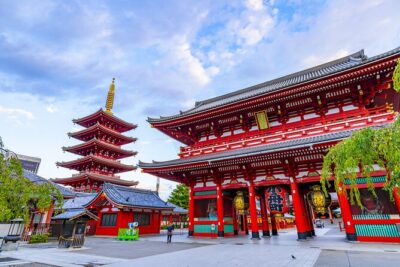 ★ 5.0Tokyo 8hr Private Tour with Licensed Guide from YokohamaFrom $20194 reviews
 ★ 4.5Narita Airport: One Way Private Transfer to Tokyo|Yokohama HotelsFrom $7769 reviews
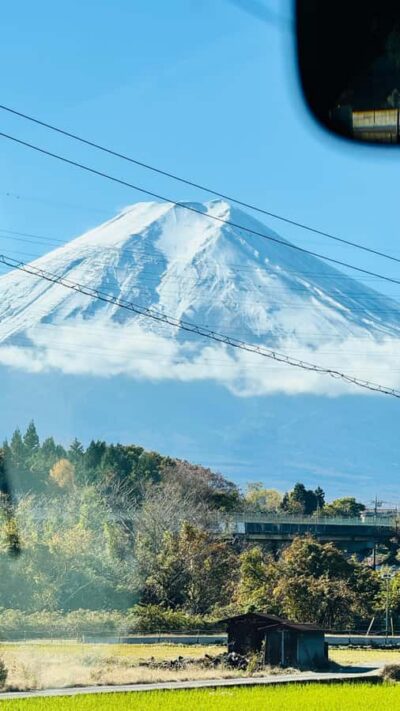 ★ 5.0Tokyo/Yokohama: Mt. Fuji and Hakone Private Day TourFrom $39264 reviews
 ★ 5.0Shuttle Van Transfer, Yokohama(Port)⇒Tokyo, Narita, Haneda, TDRFrom $12263 reviews
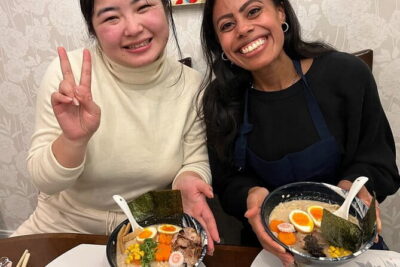 ★ 5.0Yokohama Ramen Adventure From a Local Noodle Factory to HomeFrom $16560 reviews
 ★ 4.5Private One-Way Transfers to/from Yokohama PortFrom $6750 reviews
 ★ 5.0Private Car Tour to see Highlights of Kamakura, Enoshima, Yokohama from TokyoFrom $1,18348 reviews
 ★ 5.0Yokohama 4hr Private Tour with Government-Licensed GuideFrom $10834 reviews
Browse the lists this tour appears in