
Reviewed · FOOD & DRINK
REAL, All-Inclusive Tokyo Food and Drink Adventure (leave the tourists behind)
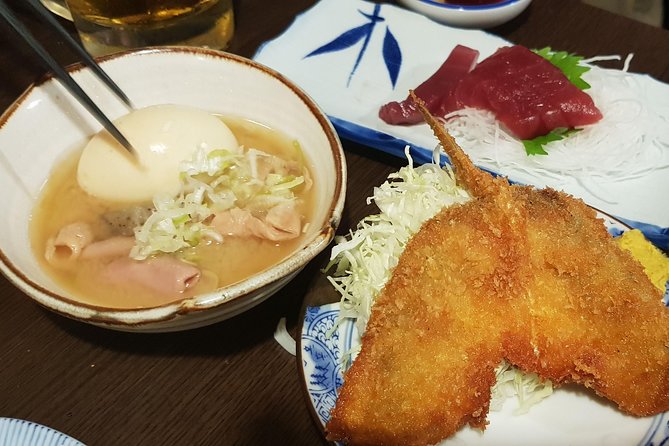
Tokyo’s best night starts off the main drag. This food-and-drink adventure takes you into Oimachi and Kamata for standing-bar snacks, local drinks, and street-level context you won’t get in the big-name districts. I like the small group feel (max 6, often around five) and how guides such as Andrew, Mini, Yeman, and Ryuhki share real neighborhood perspective. The one thing to consider: tachinomi are often tight and you’ll be walking through backstreets, with some foods that may be more adventurous than typical pub fare.
You start around 6:30 pm near Ōimachi Station and end near Kamata Station about three hours later, with on-tour transport between neighborhoods. If you want quiet, controlled dining, this is not it; it’s a lively Tokyo night where you’ll move with the group and eat like the locals do—standing, chatting, and ordering what looks good now.
In This Review
- Key things I’d circle before you book
- Oimachi and Kamata: where Tokyo turns local after dark
- Price and value: what $125 buys you in real comfort
- How the tour runs: timing, group size, and the pace that fits food
- Stop 1 in Ōimachi: narrow backstreets and your first tachinomi
- What you’ll do and eat here
- Why this stop works
- Timing feel
- Stop 2 in Kamata: bubble-era streets, shotengai vibes, and the next round
- What you’ll do and eat here
- Why Kamata is worth leaving the tourist circuit
- Timing feel
- The food and drink reality: what “dinner” means here
- If you drink alcohol
- If you don’t drink alcohol
- If you have food restrictions
- What might feel different
- Guide impact: why the best part is who walks you there
- Tokyo nightlife tips you can use the next night
- Who this is for (and who should choose something else)
- Should you book this Tokyo food and drink adventure?
- FAQ
- What’s the duration of the tour?
- What time does the tour start?
- How many people are in the group?
- Where do we meet and where does the tour end?
- What’s included in the price?
- Is hotel pickup and drop-off included?
- Is there a vegetarian option?
- What are the age requirements?
- Do I need a smartphone ticket?
Key things I’d circle before you book
- Small group, big access: capped at 6 people, so your guide can actually steer your night instead of herding you.
- Enough food for dinner: multiple stops plus snacks and drink pacing that add up to a full evening.
- Tachinomi-focused: standing bars in Oimachi and Kamata, not just a single drink-and-leave stop.
- Neighborhood history you can feel: bubble-era Kamata streets and classic shotengai shopping scenes.
- Practical nightlife tips: ideas for how to enjoy Tokyo at night around these areas, not generic sightseeing.
- Food flexibility when you need it: vegetarian option available with advance notice, and Western-leaning choices can be offered.
Oimachi and Kamata: where Tokyo turns local after dark
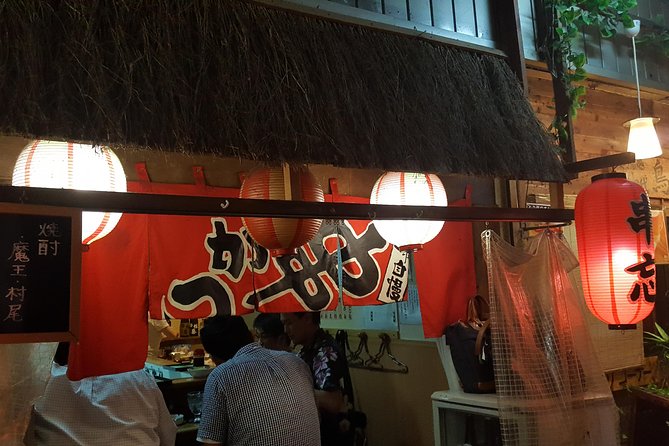
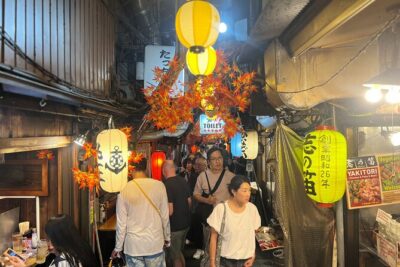
Tokyo has a split personality at night. There’s the polished, easily searchable stuff—and then there are the districts where you can hear the city breathe through tiny streets and doorways that look like nothing special until you step inside. This tour is built for the second half.
Oimachi and Kamata are close to the train lines but feel far from the tourist flow. You get that “how does this place even exist?” sensation that happens when you walk two minutes off a major route and suddenly you’re in narrow backstreets with character. It’s also a smart choice for a first Tokyo evening: you see what everyday Tokyo nightlife looks like without needing to know the language or restaurant etiquette in advance.
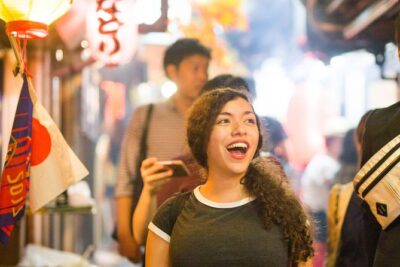
And I really like the tour’s tone. It’s not a formal lecture. It’s an easy, guided night out where food and drink are the engine, and the history comes along for the ride. That matters because in Japan, context makes a meal taste better. When you understand why tachinomi culture exists—quick visits, social casualness, and choosing what you can finish tonight—you stop thinking of food as a checklist.
Readers also shortlisted these Tokyo bookings:
- Tokyo: Shinjuku Food Tour (13 Dishes at 4 Local Eateries)
★ 5.0 · 6,603 reviews - Tokyo Tsukiji Fish Market Food and Culture Walking Tour
★ 5.0 · 3,184 reviews - Tokyo: Shinjuku Food Tour (15 Dishes and 4 Eateries)
★ 4.9 · 2,033 reviews - Best of Shinjuku: Izakaya Food Tour (4 Stops, 14+ Tastings)
★ 5.0 · 1,863 reviews
Price and value: what $125 buys you in real comfort
At $125 per person, this isn’t the cheapest thing you could do in Tokyo. But it also isn’t priced like a luxury dinner. You’re paying for three big value pieces:
First, you’re getting dinner-style food (not just snacks) plus three drinks total. That drink count includes alcoholic or non-alcoholic options, and alcoholic beverages are included.
Second, you’re buying the time and friction you’d otherwise spend figuring it out. Instead of hunting for tachinomi on your own, your guide picks the spots and keeps your night moving. When you’re in Oimachi and Kamata, that guidance is the difference between “we walked past it” and “we actually ate in it.”
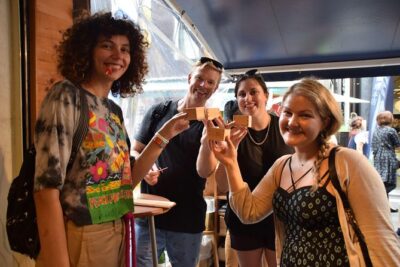
Third, you’re paying for a small-group guide experience. A group capped at 6 means you’re more likely to get personalized pacing—asking about what’s on the menu, adjusting if you’re not into a specific ingredient, and getting helpful neighborhood direction while you’re already there.
One practical note: you’re not paying for hotel pickup/drop-off. That keeps the price down, but it means you’ll want to confidently reach the meeting point by public transit.
How the tour runs: timing, group size, and the pace that fits food
This experience takes about 3 hours, starting at 6:30 pm. You’ll move between neighborhoods by local train with on-tour transportation, then spend your time inside multiple spots.
The group size is small: maximum 6 travelers, and the experience is described as relaxed with a small group of about five. That matters more than you might think. Tokyo nightlife can be busy, and standing bars don’t work like big dining rooms. A large group can feel like a parade. A small group feels like you belong.
The pace also suits people who like food and walking but don’t want a marathon. Still, expect some movement through backstreets and shopping lanes. The tour lists a moderate physical fitness level, so if you have mobility challenges, you should think carefully about standing areas and walking time.
Stop 1 in Ōimachi: narrow backstreets and your first tachinomi
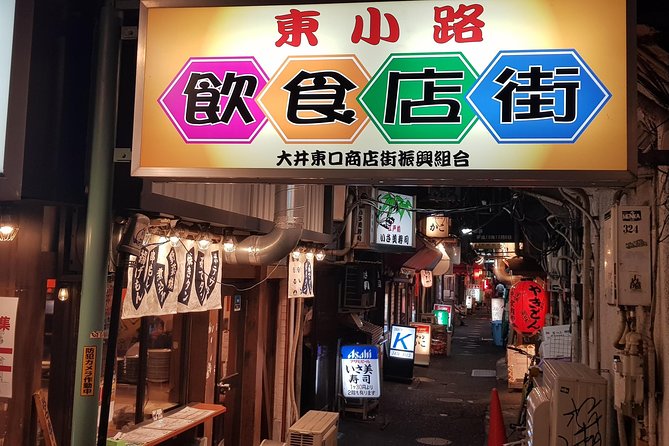
Oimachi starts you off in the best possible way: close enough to big transit that you can get there easily, but far enough into backstreets that it feels like a real neighborhood, not a themed zone.
From the Ōi side near Shinagawa, you’re essentially just a couple of minutes off the Yamanote Line, then you’re snaking down narrow lanes that have Tokyo’s everyday texture—close storefronts, tight corners, and that sense of local rhythm.
What you’ll do and eat here
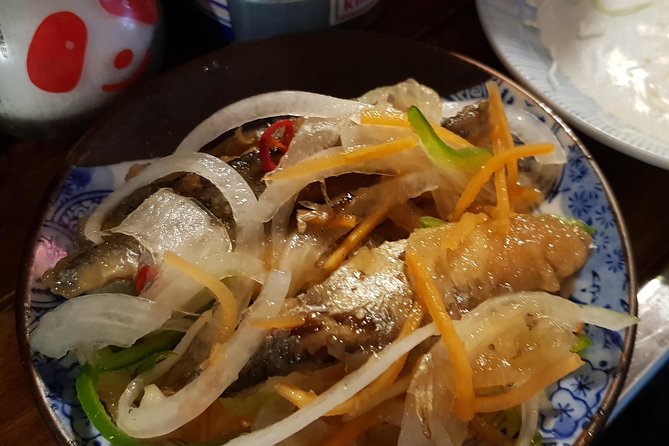
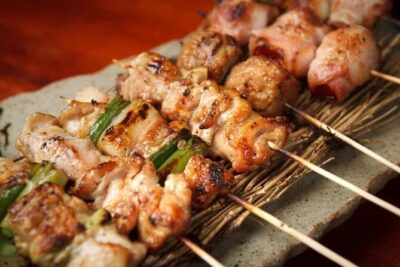
You’ll head into your first tachinomi, a standing bar, for a cold drink and Japanese pub-style food. Beer is mentioned as a common starting point, but the tour also offers alternatives if beer isn’t your thing. Importantly, there are also options that are more Western palate-friendly, which is a big deal for picky eaters or anyone who gets nervous about menus.
The tour description also hints at a spectrum—from straightforward pub grub to foods some visitors might find more advanced. In plain terms: you might be offered items that are outside your comfort zone. The guide should be able to steer you toward safer choices if you want that, and the vegetarian option can be arranged ahead of time.
Readers also shortlisted these Tokyo bookings:
- Tokyo: Tsukiji Fish Market Food and Walking tour★ 5.0 · 1,724 reviews
- Tokyo Night Foodie Tour in Shinjuku – Seasonal Sushi, Wagyu Beef★ 5.0 · 1,161 reviews
- Eat and Drink Like a Local: Tokyo Ueno Food Tour-Taverns&Ramen★ 5.0 · 957 reviews
- Tokyo: Shibuya Food Tour (13 dishes and 4 Eateries)★ 5.0 · 770 reviews
- Tokyo: Tsukiji Fish Market Food and Culture Walking Tour★ 4.7 · 757 reviews
Why this stop works
This first stop is not just about tasting food. It’s about setting the tone for the whole night. Once you get your bearings in one tachinomi, the rest of the evening gets easier: you know what to expect, how to order, and how long to hang around before moving on.
Timing feel
Oimachi runs about 1 hour 30 minutes, which gives enough time for a drink, some food, and an educational stroll afterward. That walk is the moment where the guide turns streets into context—what you’re seeing, why it’s here, and how locals use these spaces.
Stop 2 in Kamata: bubble-era streets, shotengai vibes, and the next round
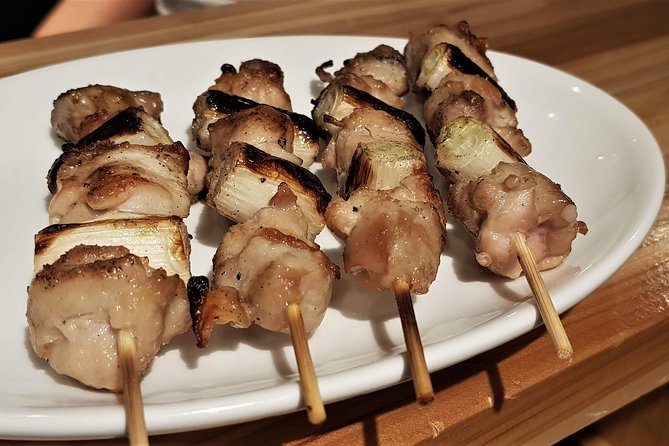
After Oimachi, you switch neighborhoods with a short train ride—about six minutes. Kamata is where the atmosphere shifts in a good way.
This area has a recognizable bubble era look: architecture from the 1980s into the early 1990s, plus some more recent updates mixed into the older fabric. Add in a classic shotengai (old-school shopping street), and you get a Tokyo scene that feels lived-in rather than curated.
What you’ll do and eat here
By the time you say goodbye to Oimachi, you’ll be around two restaurants and two drinks into the night. In Kamata, you’ll keep the food-and-drink momentum going with another chill spot lined up for the group.
This second neighborhood stop is about variety: different streets, different bar/restaurant feel, and a different slice of what locals do after work. Reviews also mention a relaxed, friendly clientele in the places chosen for this experience, which is exactly what you want when you’re not sure where to go on your own.
Why Kamata is worth leaving the tourist circuit
Kamata isn’t “famous Tokyo” in the way Shibuya is. But that’s the point. You’re learning how Tokyo nightlife behaves when it’s not designed for visitors. You also get the chance to see how shopping streets and drink spots overlap—practical, social, and close to daily life.
And the guide doesn’t stop at food. You’ll get tips for Tokyo nightlife around the streets of Oimachi and Kamata, which means you can keep the evening going even after the tour ends.
Timing feel
Kamata takes about 1 hour 15 minutes. That’s enough time to eat, move, and still have space for the guide to share street-level context without rushing you out the door.
The food and drink reality: what “dinner” means here
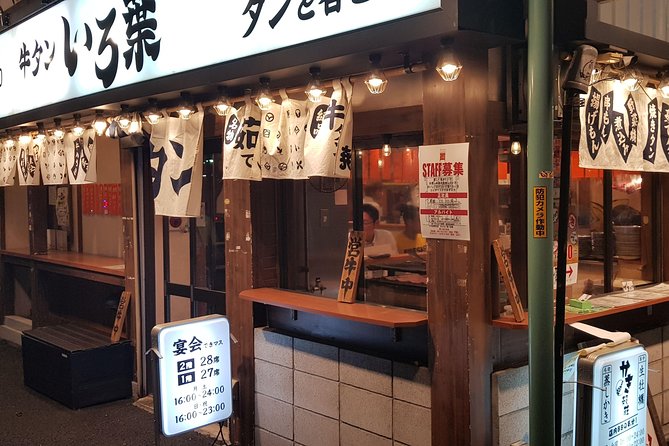
The tour includes dinner and a total of 3 beverages (alcoholic or non-alcoholic). Alcoholic drinks are included, as long as you meet the age requirements.
That dinner-style structure is key. A lot of food tours in Tokyo end up being a series of tiny bites that barely cover hunger. Here, the intent is clearly to feed you enough that you’re not hunting for food afterward.
If you drink alcohol
This is designed for adult drinking culture—cold drinks at tachinomi, plus more during restaurant stops. The experience lists a minimum drinking age of 20, and it also states that all participants must be 18+. If you’re 18 or 19, you should expect that non-alcoholic drinks are the safe route.
If you don’t drink alcohol
No problem. The included beverage total can be alcoholic or non-alcoholic, so you’ll still get three drinks worth of pacing and snacks.
If you have food restrictions
A vegetarian option is available if you tell the operator at booking. That’s the one advance action you should take seriously, because it helps your guide plan your stops and menu choices early.
What might feel different
Expect standing-bar conditions and a bit of Tokyo weather reality (hot nights happen). Comfortable walking shoes are a smart move. You’re spending the evening moving between close but distinct places.
Guide impact: why the best part is who walks you there
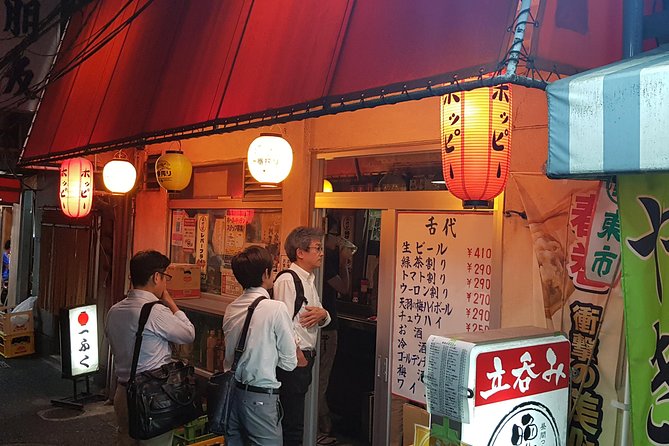
The tour’s best praise is consistent: the guide.
Names that come up include Andrew, Mini, Yeman, Ryuhki, and Lukas. Across those accounts, the themes are the same: the guides know the neighborhoods well, explain what you’re seeing in a way that sticks, and add extra local tips that make your remaining days in Tokyo easier.
A few standout examples from the kinds of help these guides provide:
- Explaining bits of Japan history and local culture while you eat, so the street-level experience feels meaningful.
- Giving practical support like how to handle train ticketing—one review even highlights help purchasing a ticket back.
- Offering convenience for transit tech, such as assisting with getting set up for a transit card (one review mentioned Suica help).
- Sharing cultural facts you would never guess from outside the neighborhoods, including tips about love hotels—an eye-opener for many first-timers.
Also, the tour is described as sometimes feeling personalized to your eating style—if you’re an adventurous eater, you may be steered toward more unusual items; if you’re cautious, you can lean into Western-leaning options.
Tokyo nightlife tips you can use the next night
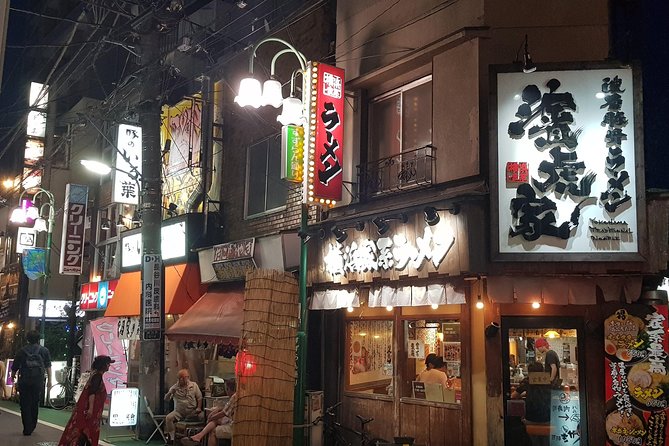
You don’t only leave with full stomachs. You leave with an idea of how to keep going after the tour ends.
Because the guide focuses on nightlife around Oimachi and Kamata, you’ll come away with a better sense of how these areas work at night:
- Where it makes sense to pop into a place for a quick drink rather than committing to one long meal.
- How shotengai areas can turn into evening social zones, not just daytime shopping corridors.
- What kind of bars and food are normal for locals, so you’re not stuck searching blindly for something that feels right.
That kind of street knowledge is gold on a first trip, especially if you don’t want to spend your limited evening hours translating menus and comparing ratings.
Who this is for (and who should choose something else)
This tour is a good fit if you:
- Want Tokyo nightlife that feels local, not tourist-decorated.
- Like food-first travel—beer, sake, pub-style bites, and the chance to try items you might not order solo.
- Prefer a small group with room to ask questions and adjust your pace.
- Are staying near major transit lines and want an easy evening out starting at 6:30 pm.
It may not be the best match if you:
- Want fully seated, quiet dining the entire time. Tachinomi are standing-bar experiences by nature.
- Have limited mobility or strongly prefer minimal walking.
- Know you won’t handle more adventurous Japanese foods. There are Western-leaning options mentioned, but you should still decide how adventurous you’re comfortable being.
Should you book this Tokyo food and drink adventure?
If your goal is to leave Tokyo knowing how locals eat after dark, I think this is a very strong booking. The combination of tachinomi stops, enough food for dinner, and a small-group guide (with guides who actually add practical street help like Andrew and Mini) is exactly what makes it worth the money.
Book it if you’re excited by backstreets, comfortable with standing-bar style dining, and you want to walk away with real neighborhood know-how. Skip it if you want a calm, museum-like night or if you need strictly predictable, conservative meals.
If you want Tokyo off the main tourist lanes, this is the kind of night that makes the city feel personal.
FAQ
What’s the duration of the tour?
It runs for about 3 hours.
What time does the tour start?
The start time is 6:30 pm.
How many people are in the group?
It’s capped at a maximum of 6 travelers.
Where do we meet and where does the tour end?
You’ll start near Ōimachi Station (1 Chome-1 Ōi, Shinagawa City) and end near Kamata Station.
What’s included in the price?
You get dinner, beverages (a total of 3 alcoholic or non-alcoholic drinks), alcoholic beverages, and on-tour transportation.
Is hotel pickup and drop-off included?
No. Hotel pickup and drop-off are not included.
Is there a vegetarian option?
Yes. A vegetarian option is available if you advise at the time of booking.
What are the age requirements?
All participants must be 18+ and the minimum drinking age is 20.
Do I need a smartphone ticket?
The tour uses a mobile ticket.
More Food in Tokyo
- Tokyo: Shinjuku Food Tour (13 Dishes at 4 Local Eateries)
★ 5.0 · 6,603 reviews - Tokyo Tsukiji Fish Market Food and Culture Walking Tour
★ 5.0 · 3,184 reviews - Tokyo: Shinjuku Food Tour (15 Dishes and 4 Eateries)
★ 4.9 · 2,033 reviews - Best of Shinjuku: Izakaya Food Tour (4 Stops, 14+ Tastings)
★ 5.0 · 1,863 reviews - Tokyo: Tsukiji Fish Market Food and Walking tour
★ 5.0 · 1,724 reviews
More Food & Drink in Tokyo
- Tokyo: Shinjuku Food Tour (13 Dishes at 4 Local Eateries)
★ 5.0 · 6,603 reviews - Tokyo Tsukiji Fish Market Food and Culture Walking Tour
★ 5.0 · 3,184 reviews - Tokyo: Shinjuku Food Tour (15 Dishes and 4 Eateries)
★ 4.9 · 2,033 reviews - Best of Shinjuku: Izakaya Food Tour (4 Stops, 14+ Tastings)
★ 5.0 · 1,863 reviews - Tokyo: Tsukiji Fish Market Food and Walking tour
★ 5.0 · 1,724 reviews
More Tour Reviews in Tokyo
- Mt Fuji and Hakone 1-Day Bus Tour Return by Bullet Train
★ 5.0 · 26,383 reviews - 1-Day Tokyo Bus Tour
★ 5.0 · 14,250 reviews - Tokyo: teamLab Planets TOKYO Digital Art Museum Entry Ticket
★ 4.6 · 9,779 reviews - Mt Fuji & Hakone Cruise, Drum Show Bullet Train 1 Day from Tokyo
★ 4.0 · 7,413 reviews - Tokyo: Shinjuku Food Tour (13 Dishes at 4 Local Eateries)
★ 5.0 · 6,603 reviews
Latest Tokyo reviews off our desk


Food & Drink, compared.
 ★ 5.0Shinjuku Food Tour (13 Dishes at 4 Local Eateries)From $866,603 reviews
 ★ 5.0Tokyo Tsukiji Fish Market Food and Culture Walking TourFrom $993,184 reviews
 ★ 4.9Shinjuku Food Tour (15 Dishes and 4 Eateries)From $852,033 reviews
 ★ 5.0Best of Shinjuku: Izakaya Food Tour (4 Stops, 14+ Tastings)From $921,863 reviews
 ★ 5.0Tsukiji Fish Market Food and Walking tourFrom $301,724 reviews
 ★ 5.0Eat and Drink Like a Local: Tokyo Ueno Food Tour-Taverns&RamenFrom $95957 reviews
 ★ 5.0Shibuya Food Tour (13 dishes and 4 Eateries)From $77770 reviews
★ 4.7Tsukiji Fish Market Food and Culture Walking TourFrom $96757 reviews
★ 5.0Shibuya Food Tour (13 dishes and 4 Eateries)From $77770 reviews
★ 4.7Tsukiji Fish Market Food and Culture Walking TourFrom $96757 reviews
Browse the lists this tour appears in